‘Everything Just Keeps Going Up’: Houston Woman Speaks Out After Her Electric Bill Doubles
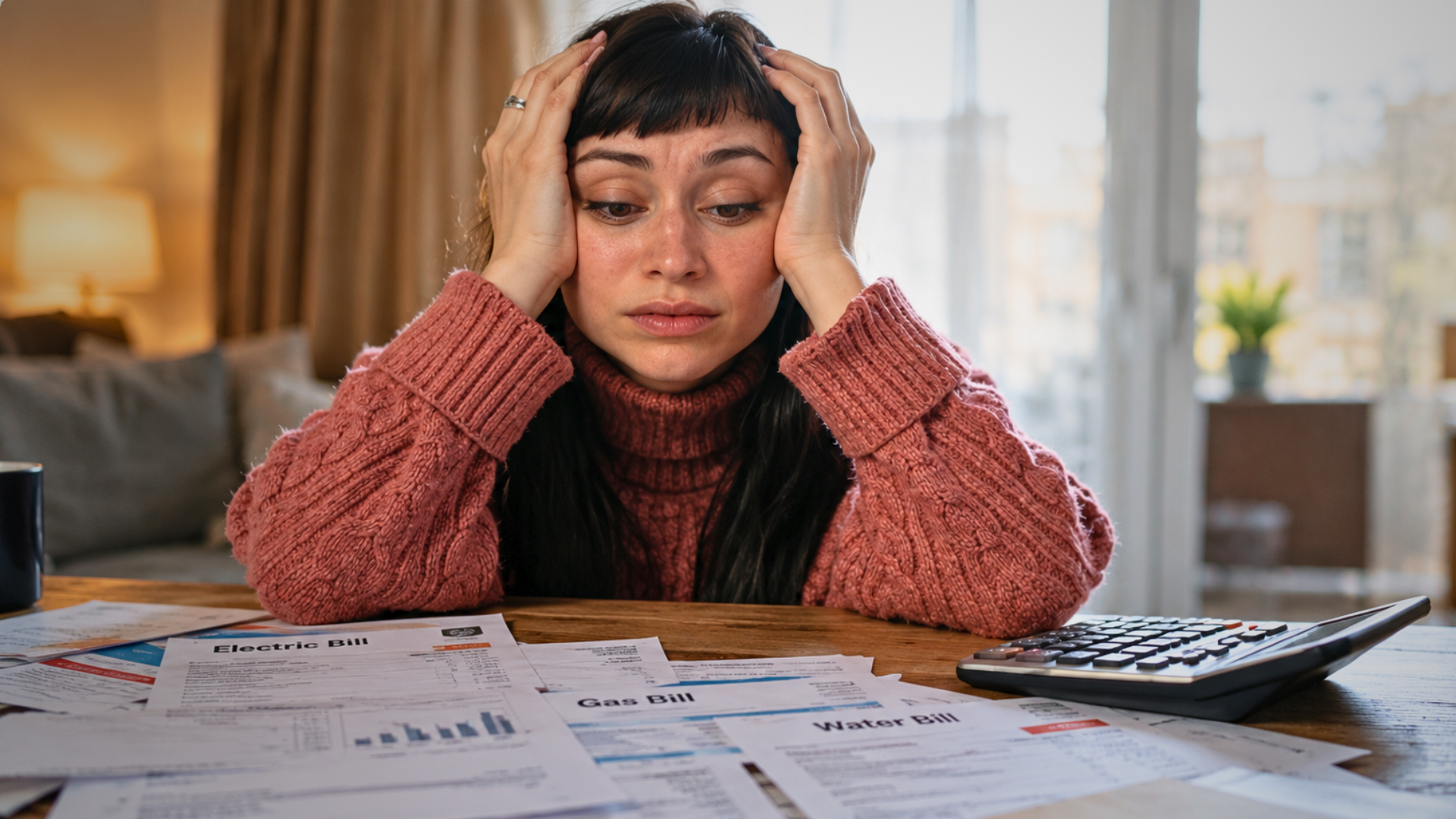

Carolina Bustos is doing everything right, and her power bill has still doubled, she says. After 9 p.m., she runs her dishwasher and turns up her air conditioner to cool the hot Houston nights. That trick is supposed to save money. Her bill jumped to at least $400 in just two months. What can a family do when saving tricks stop working?
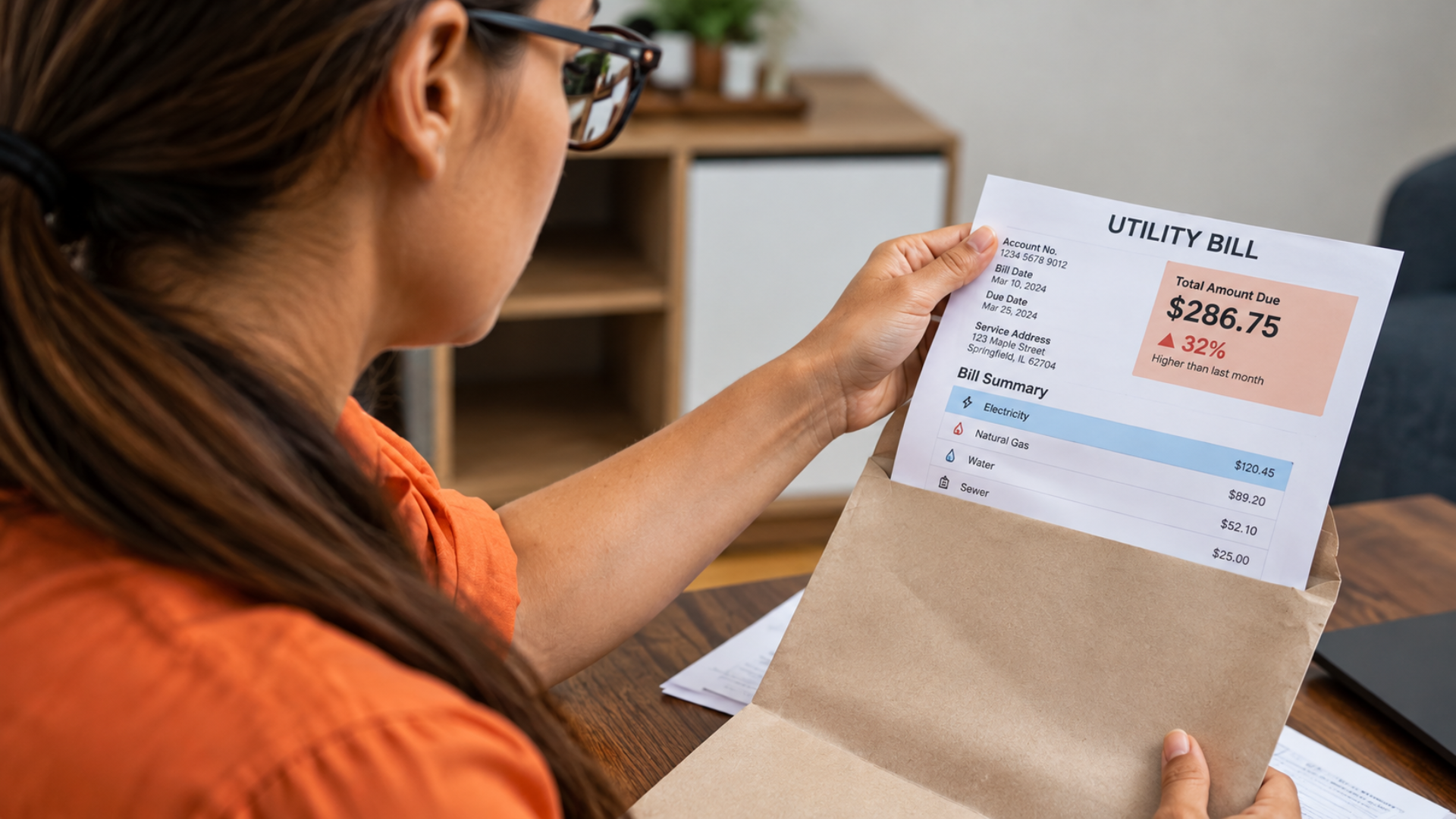
Bustos told MarketWatch, “Everything just keeps going up.” She now uses her credit cards more to get by. She is not sure there is anything she can do. The report does not say why her bill jumped, so this is one person’s story. But many families feel the same squeeze. Bills are rising across the country, and many people are worried.
A new poll shows many people share her worry. KFF, a research group, found that half of voters are at least somewhat worried about paying monthly utility bills. Eighteen percent are very worried. People rank these bills with health care, gas, and food as top money fears. One big reason is that power companies are asking to charge more right now.
Utility Companies Asked to Raise Prices by a Record $4.5 Billion in Three Months
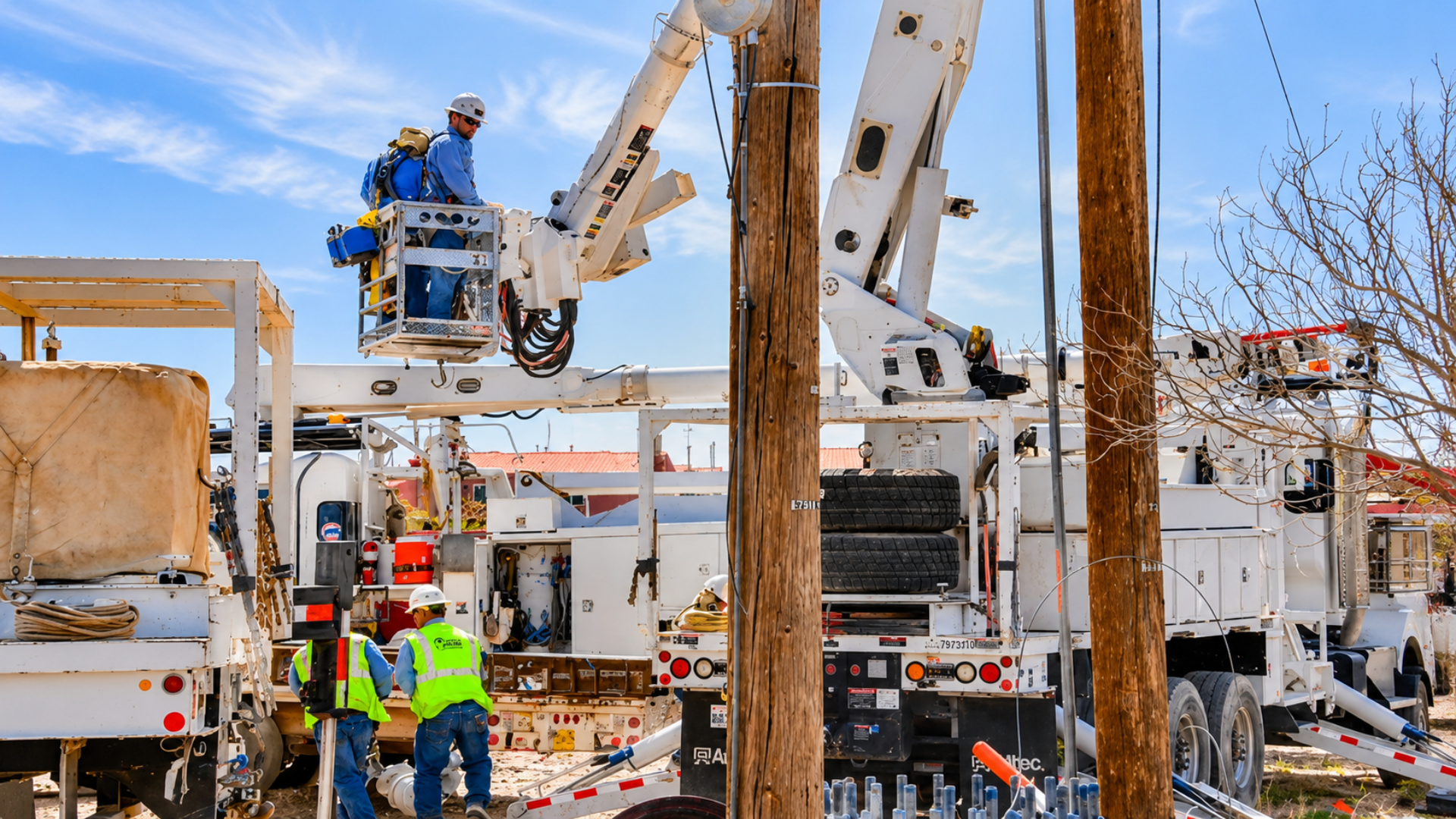
Power prices are rising faster than prices in general. Mark Wolfe says so. He leads the National Energy Assistance Directors Association, a group that works with state programs that help pay for heating. He says working families and seniors on Social Security have no extra room in their budgets. A big price jump is hard for them to handle. Many are already stretched thin.
Utility companies are asking for more money. A group called PowerLines tracks these requests. It says companies asked to raise prices by $23 billion through September. That includes a record $4.5 billion in just three months. Wolfe calls it an “energy affordability crisis,” which means many people cannot afford their energy bills. Not every request will be approved. Government boards still have to decide.
New prices may take time to show up on your bill, says Charles Hua, who runs PowerLines. But higher prices are coming. In the South, power companies asked for $2.2 billion, the most of any region. Winter is only weeks away. Cold weather will bring another test to your budget: heating bills. The winter forecasts show how big that test could be.
Winter Heating Costs Could Rise 8.3%, and Heating Oil Could Jump About 50%

Heating costs are expected to rise about 8.3% this winter. That estimate comes from the National Energy Assistance Directors Association, or NEADA. Heating a home with electricity may cost 7.2% more from mid-October to mid-March. Many homes in the South use electricity for heat. If that is your home, you may see a higher bill this winter, even if you set the heat the same.
Heating oil is the biggest worry. It is fuel that some homes burn to stay warm. NEADA expects these homes to pay about 50% more this winter, or about $2,627 on average. That is $878 more than last year. A federal agency, the Energy Information Administration, expects a smaller jump of 19%, to about $1,794. Wars in Iran and Ukraine have pushed oil prices up.
Oil customers feel the jump when the truck arrives. Ken Williams owns a heating-fuel company in Quincy, Massachusetts. He says oil costs about $6.19 a gallon now. In January it was in the mid-$3 range. A delivery of 200 gallons used to cost about $700. Now it costs just over $1,200. His company lets customers pay a little each month, which helps. Other help exists too.
A Warm Winter May Help, Energy Aid Exists, but Neither Is a Sure Thing
Weather could ease some of the pain. AccuWeather says this winter may bring El Niño, a weather pattern that can change winter weather across the country. It could be the strongest since 1950. Paul Pastelok, an AccuWeather forecaster, says parts of Minnesota, Wisconsin, and Michigan may be 7 to 9 degrees warmer than last year. Warmer days mean less heating and may mean smaller bills.
But warm weather is not a sure thing for your bill. Alexis Abramson, dean of the Columbia Climate School, says people in the South and along the Gulf Coast could pay more. The weather there may turn wetter and colder, and many homes use electricity for heat. Help with bills has limits too. Fuel dealer Ken Williams says aid is paid in dollars, not fuel, so those dollars go “half as far as they did a year ago.”
Bustos says she is not sure there is anything she can do. There is help. A government program helps families with lower incomes pay energy bills. It is called LIHEAP. To find your state’s office, call 1-866-674-6327 or go to EnergyHelp.us. Help is limited, and rising prices make it go less far. But asking early costs nothing. A big bill does not mean you did something wrong. When saving tricks stop working, asking for help is the next step.