California Eyes Ban on Popular Kitchen Countertop Production After Hundreds of Workers Fell Ill

Walk through almost any newly remodeled kitchen and you will likely find a smooth, speckled slab of quartz on the counter. Behind that polished surface sits a trail of hundreds of workers diagnosed with an incurable lung disease. California regulators are now drafting what would be the first rule of its kind in the country, one that could stop shops from cutting the material altogether. The explanation starts with a surprising detail about what these slabs are made of.
Engineered Quartz Can Contain More Than 90% Silica, Over Twice the Level in Typical Granite
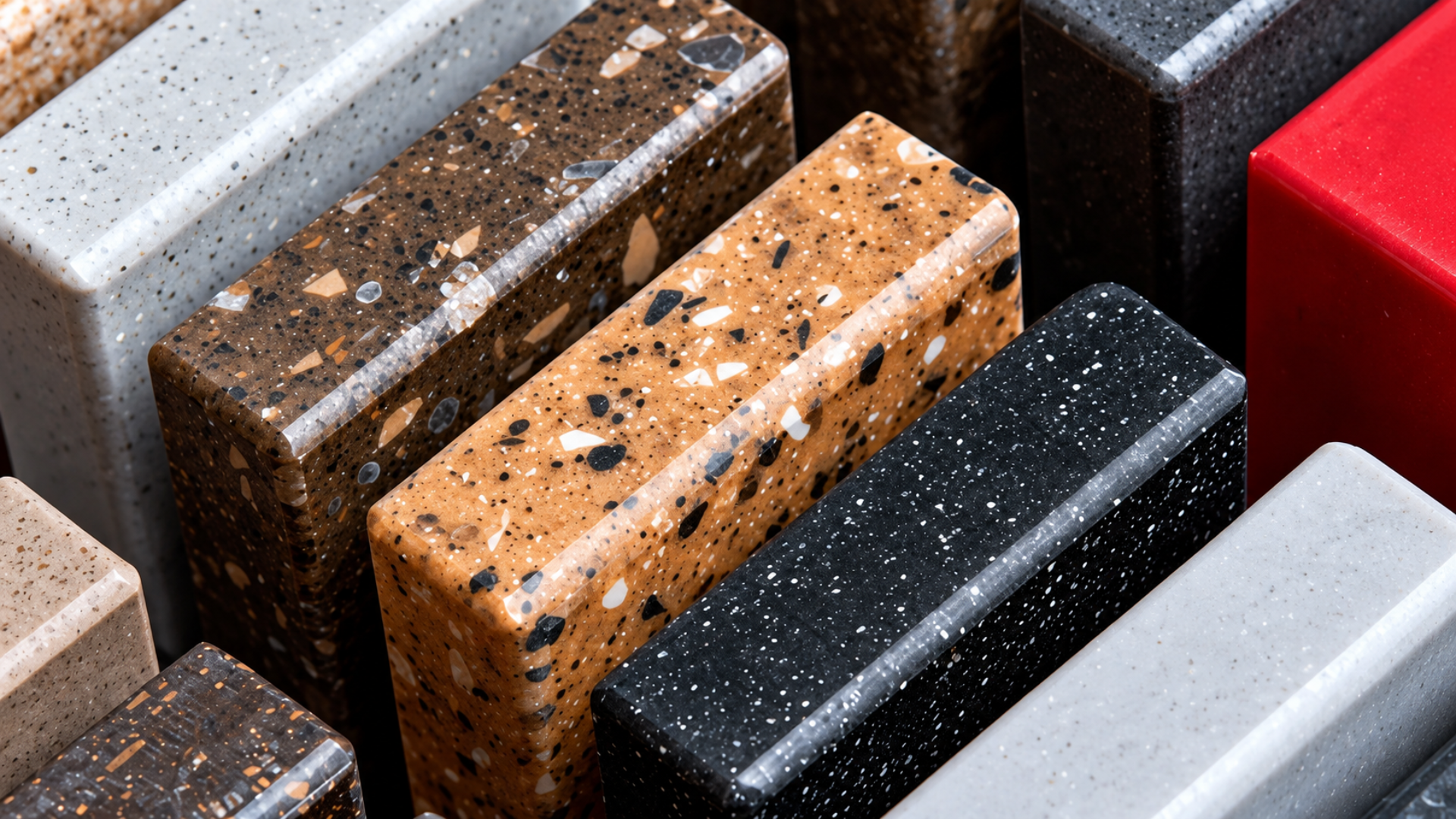
Quartz countertops, often called engineered stone, are manufactured by binding crushed stone together with resin. The recipe matters. Engineered stone typically contains more than 90% silica, according to a CDC researcher quoted by NPR, while granite usually stays below 45% and marble below 10%. Silica is a common mineral, and a finished counter in a home is not the concern. The risk sits in the workshop, where something happens to that material that few shoppers ever see.
Inhaled Silica Dust Leaves Permanent Scars in the Lungs, and Doctors Cannot Reverse Them

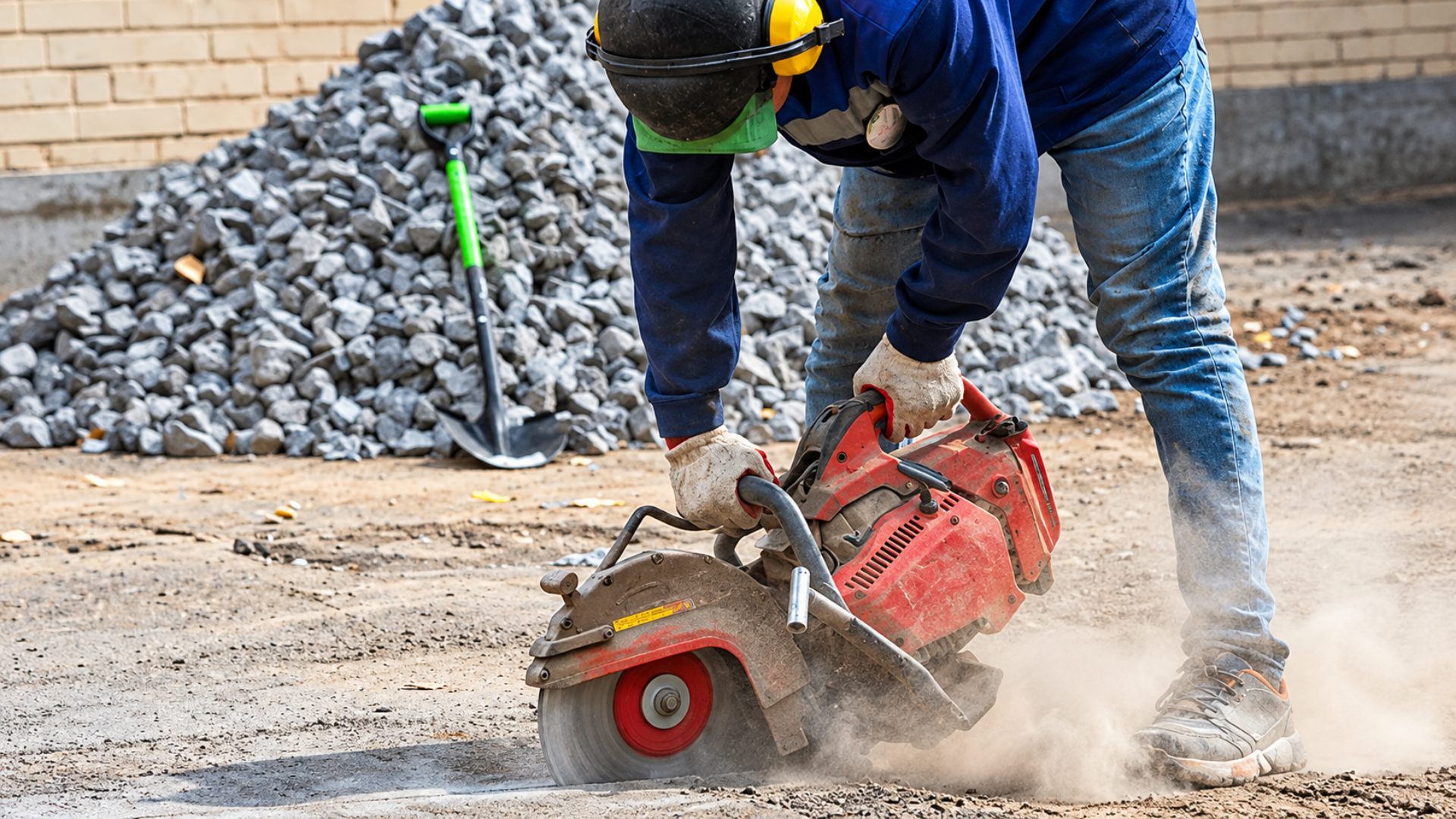
When a saw, grinder or polisher meets a slab, it releases microscopic particles that workers can inhale deep into their lungs. Over time the dust triggers inflammation and permanent scarring, a condition called silicosis. Symptoms include a persistent cough, shortness of breath and fatigue. Doctors cannot reverse the damage, and the disease can be fatal. Physicians have understood silica’s dangers for generations, yet the patients now arriving at California clinics look different from the ones they were trained to expect.
Workers Diagnosed With Silicosis Die at a Median Age of 52, and Nearly All Are Latino Men
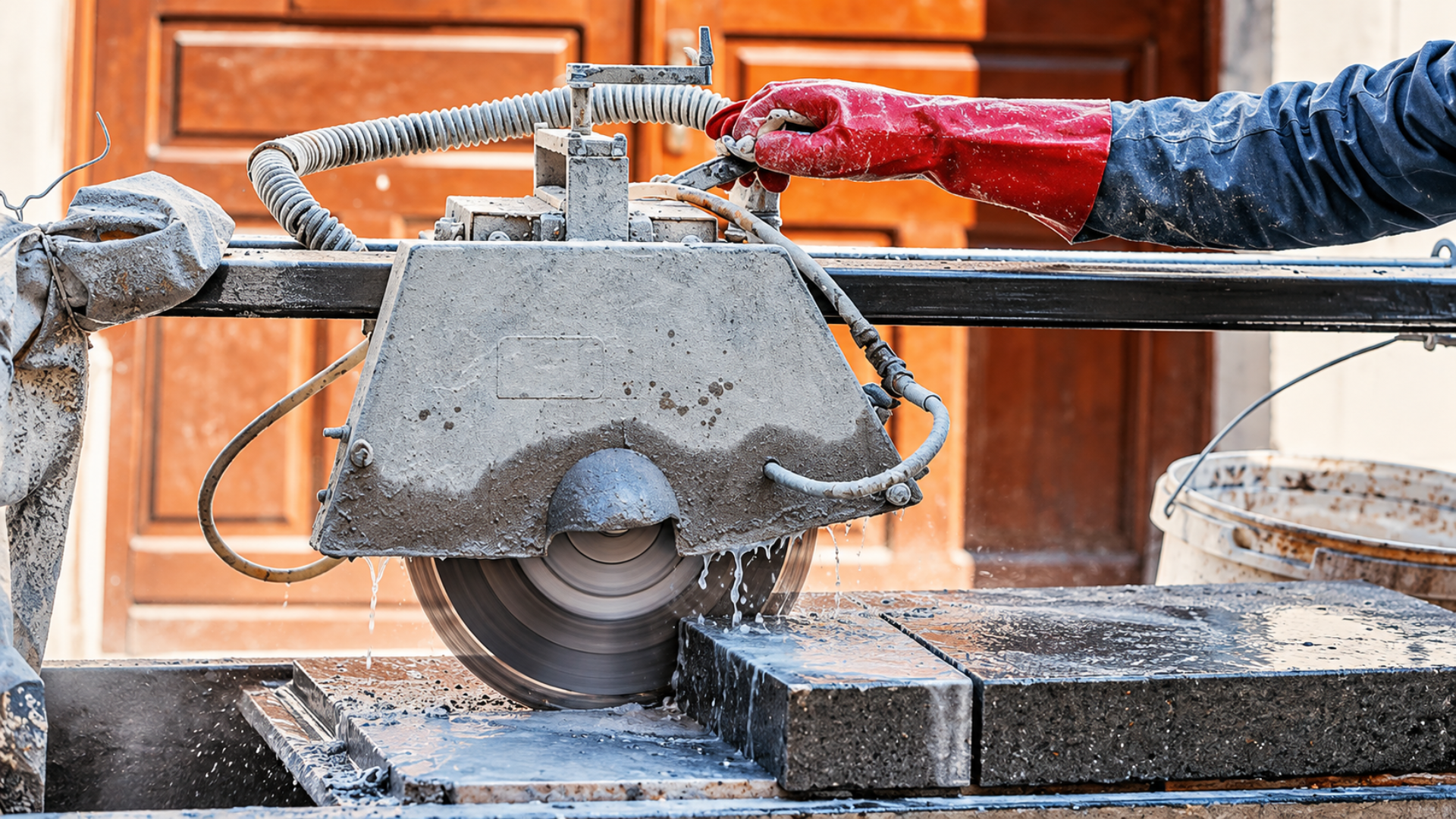
California’s health department reports that patients are diagnosed at a median age of 46 and die at a median age of 52. Nearly all are Latino men, and many are immigrants who say nobody warned them about the dust. A state study of early cases found the typical patient had worked with stone for about 15 years, and nearly half kept cutting after their diagnosis. Almost as many reported using water to control dust, a standard safety precaution.
California Required Wet Cutting in 2023 and Halted Work at 26 Shops, but Cases Kept Climbing
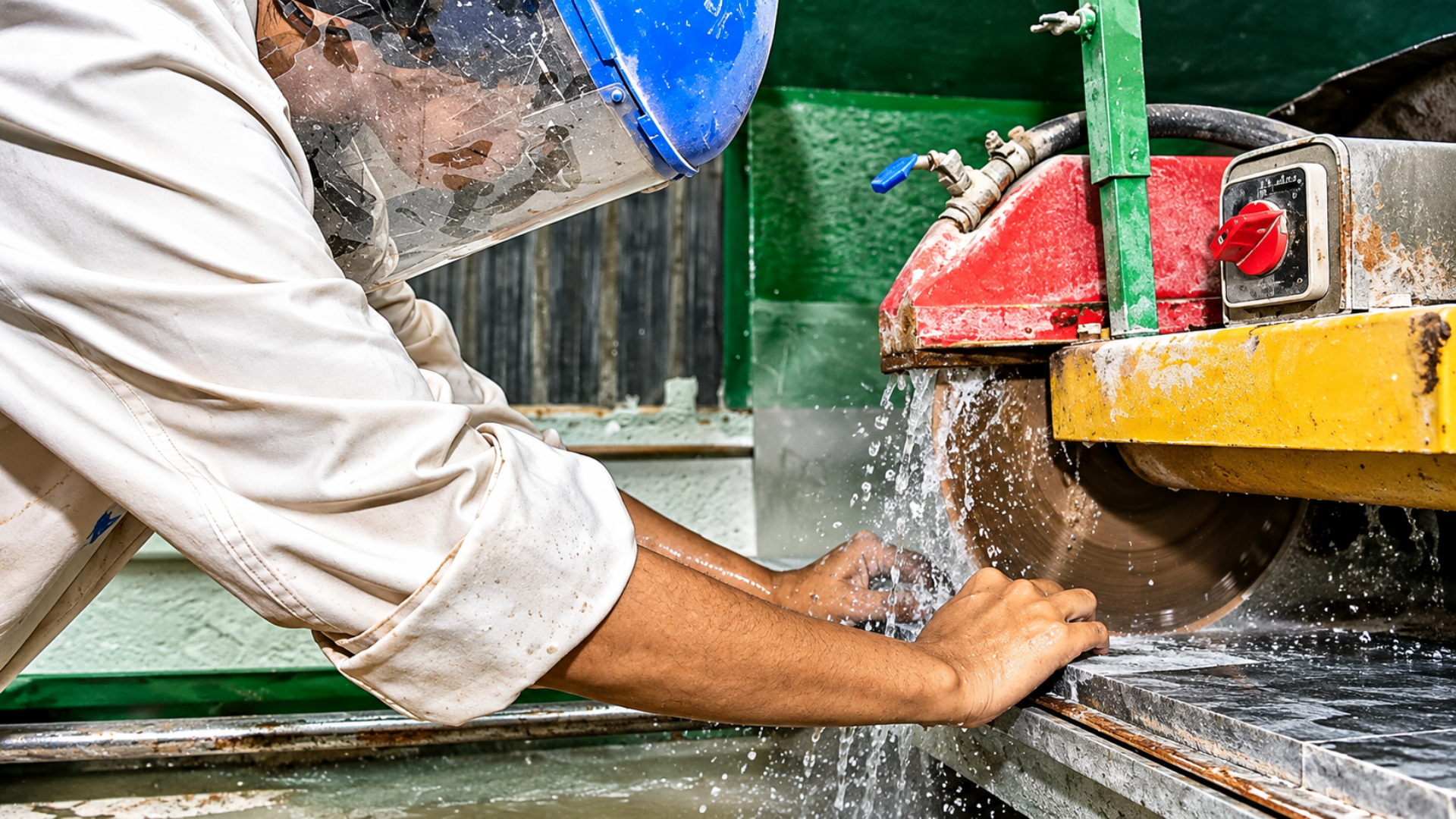
California moved against the problem long before proposing a ban. An emergency standard adopted in December 2023 required wet cutting and stronger respiratory protection, and inspectors have since opened more than 140 shop inspections, assessed about $1.8 million in penalties and halted work at 26 shops. Even so, confirmed cases climbed from 432 in November 2025 to more than 660 this fall, and Cal/OSHA’s own review found the existing protections insufficient. A group of physicians soon asked for something bigger.
State Data Now Counts 662 Cases, 35 Deaths and 75 Lung Transplants Since 2019

The state’s surveillance dashboard, as reported by the San Francisco Chronicle, now lists 662 confirmed cases of engineered stone silicosis since 2019. Thirty-five workers have died and 75 have received lung transplants. When tracking began that year, officials identified just six cases, including two deaths. Public Citizen reported in September that another 53 workers had been referred for transplant evaluation. State regulators have also put a number on how many more cases could follow if nothing changes.
Cal/OSHA Projects About 1,000 More Cases Within Two Years Without a Prohibition

Cal/OSHA officials estimate that about 1,000 more silicosis cases will develop in California over the next two years without a prohibition. A physicians’ group had petitioned the state, and on May 21 the Occupational Safety and Health Standards Board voted 3-0 to start emergency rulemaking. Australia had already banned engineered stone in 2024, but California cannot copy that approach exactly, because its workplace regulators face tighter limits. In September, the agency finally put its proposal on paper.
Draft Rule Gives Shops 180 Days to Use Up Inventory of Quartz Containing More Than 1% Silica
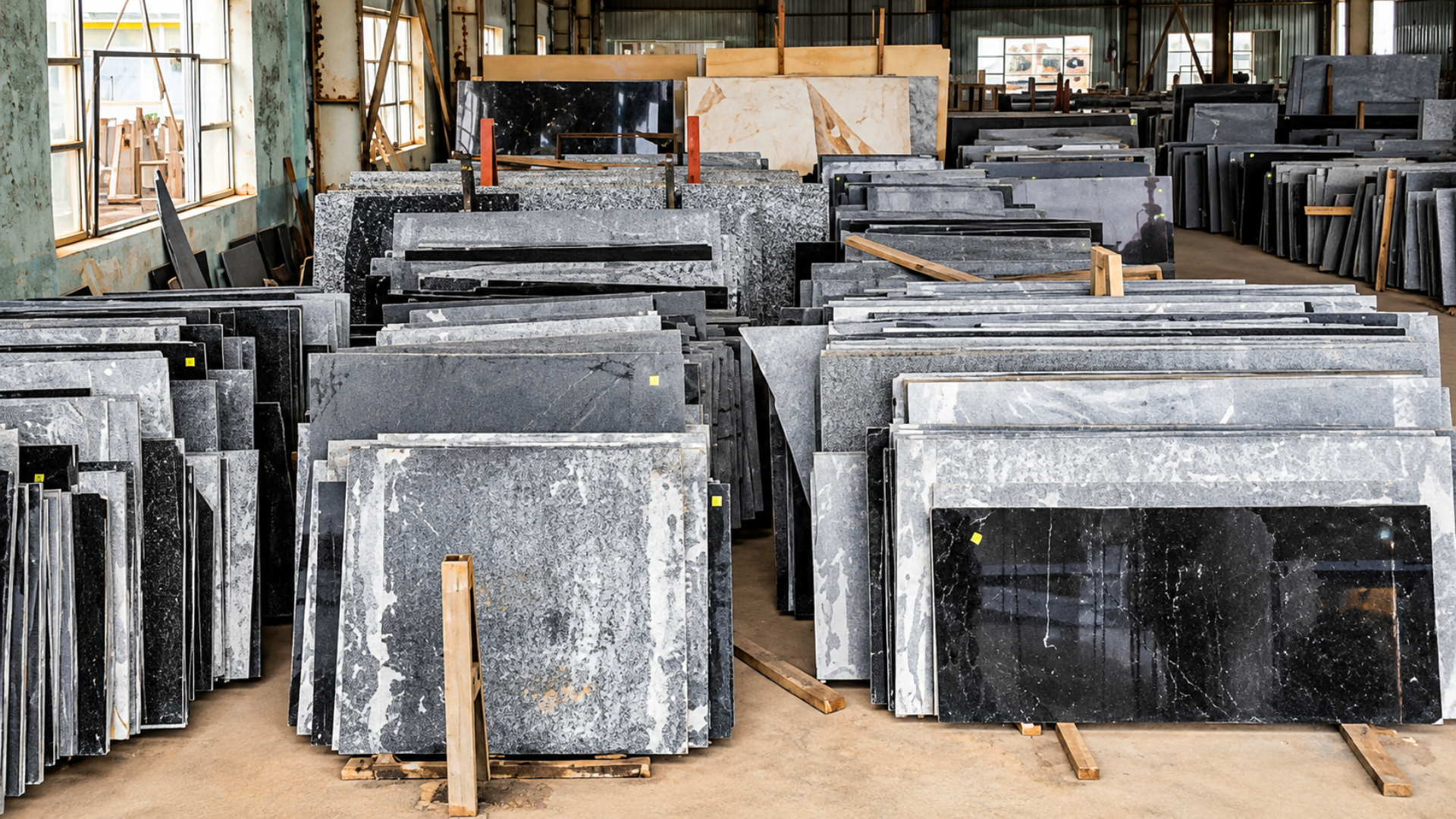
Cal/OSHA released its draft on September 16. It would prohibit the fabrication and manufacture of artificial stone containing more than 1% crystalline silica. Inspectors could shut down violating shops after a two-month grace period, and employers would get 180 days to use up inventory already purchased. David Michaels, a former head of federal OSHA, hopes it will mark “the beginning of the end of this terrible quartz countertop silicosis epidemic.” Shop owners read that deadline very differently.
Fabricators Warn of a “Cliff” While Attorneys Question Whether Cal/OSHA Can Ban the Material
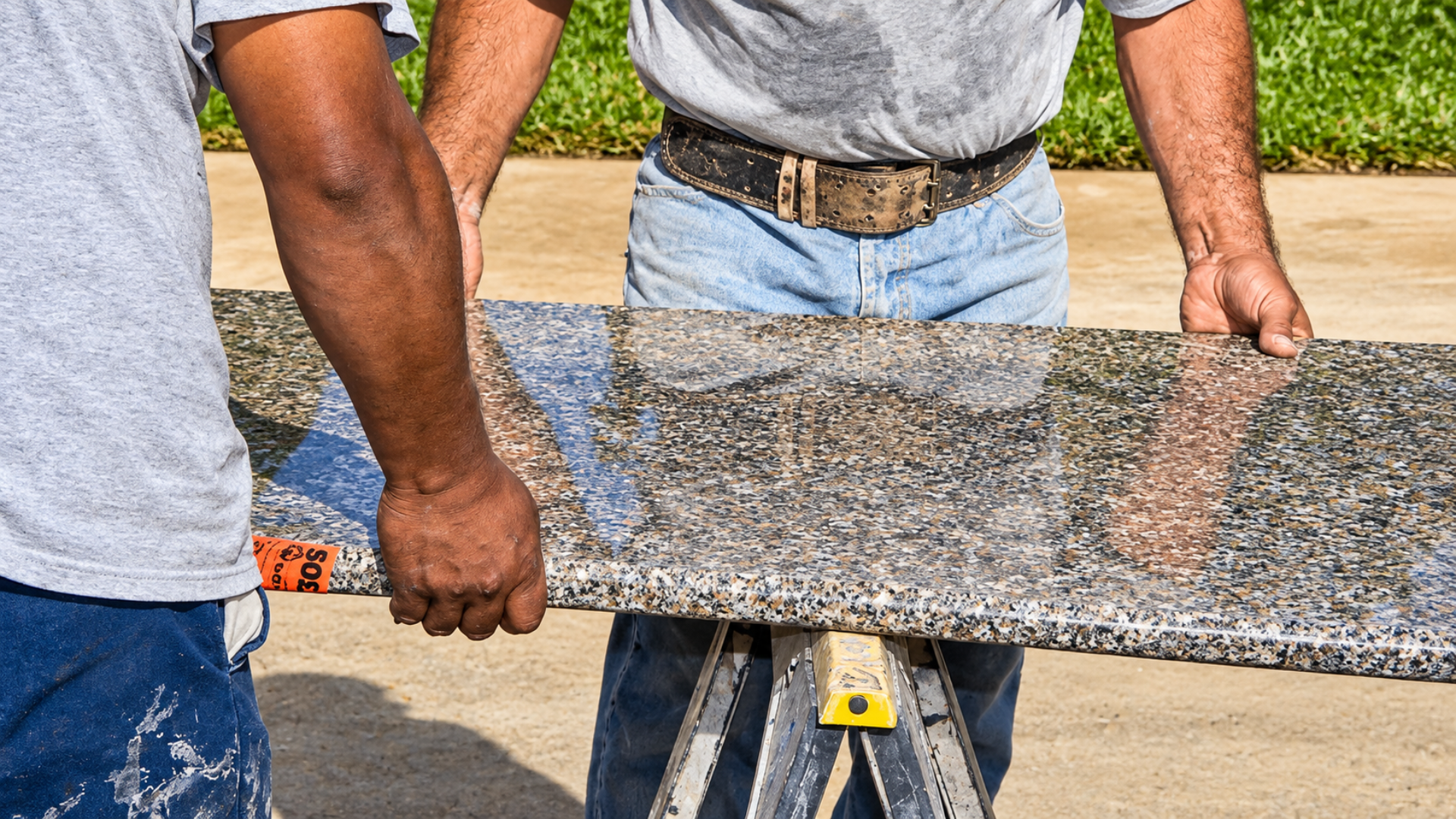
Laurie Weber, who leads the International Surface Fabricators Association, says a countertop sold today may not be installed for four to eight months, making the deadline a “cliff” for shops with slabs already in transit. Cambria, the largest U.S. manufacturer, maintains its products can be handled safely with precautions. Australia’s 2024 ban raised costs and delayed supply, though predicted construction collapses never arrived. Attorneys told Bloomberg Law the biggest obstacle may be the state’s own legal standard for feasibility.
No Ban Exists Yet, but a Board Vote Could Come as Soon as This Fall

California has no adopted ban today. The Standards Board could vote on the draft at its October or November meeting, and the rule could take effect around December or January if it passes. Homeowners with quartz counters already installed are not the target, since Cal/OSHA regulates workplaces and cannot restrict retail sales. If adopted, California would become the first state to bar the cutting of high-silica quartz, following Australia’s 2024 national ban.