Nike Has Lost Its Stride. Here’s What Went Wrong at the Sportswear Giant

Nike is still the biggest sportswear brand on Earth, and it is still losing. Its shares have fallen about 75% in five years, according to the BBC. Last month the company was dropped from the S&P 100, an index of the largest blue-chip firms in the U.S. In September its biggest soccer star, Kylian Mbappé, also left. For a brand built on winning, that is a rare run of losses.
Nike’s latest quarter shows the squeeze. For the three months ended Aug. 31, revenue fell 4% to $11.2 billion, below what Wall Street expected, even though earnings of 48 cents a share beat forecasts. In Greater China, revenue dropped 26% after adjusting for currency. Nike also guided to a high-single-digit revenue decline for the full year. Shares fell more than 8% in after-hours trading.
There are bright spots. Nike’s performance business grew at a high single-digit rate, with running, global soccer, tennis, and golf leading the way, and North America returned to 2% growth. CEO Elliott Hill, who came out of retirement two years ago, says there is more work to do. But the pace is slow, and the cause of the slide traces back to choices made years before he returned.
A Direct-to-Consumer Bet and Cuts to Innovation Left Nike Open to Rivals, an Analyst Says
Nike’s troubles started with a strategy that looked smart at the time. Under then-CEO John Donahoe, who once ran eBay, the company pulled back from many retail partners to sell directly to customers online. Sales initially soared during pandemic restrictions, when people shopped from home. When cost-of-living pressures cut spending, the strategy left Nike exposed, with fewer stores carrying its shoes.
Analyst Matt Powell, a veteran adviser to sports retailers, says Nike made several strategic errors that have been hard to reverse. Making limited-edition items easier to buy, he says, drained their appeal. He also argues Nike spent research and development money on digital operations instead of new products, repeating a joke that the company tried to “turn Nike into eBay.” The result, Powell says, was a drop in product innovation.
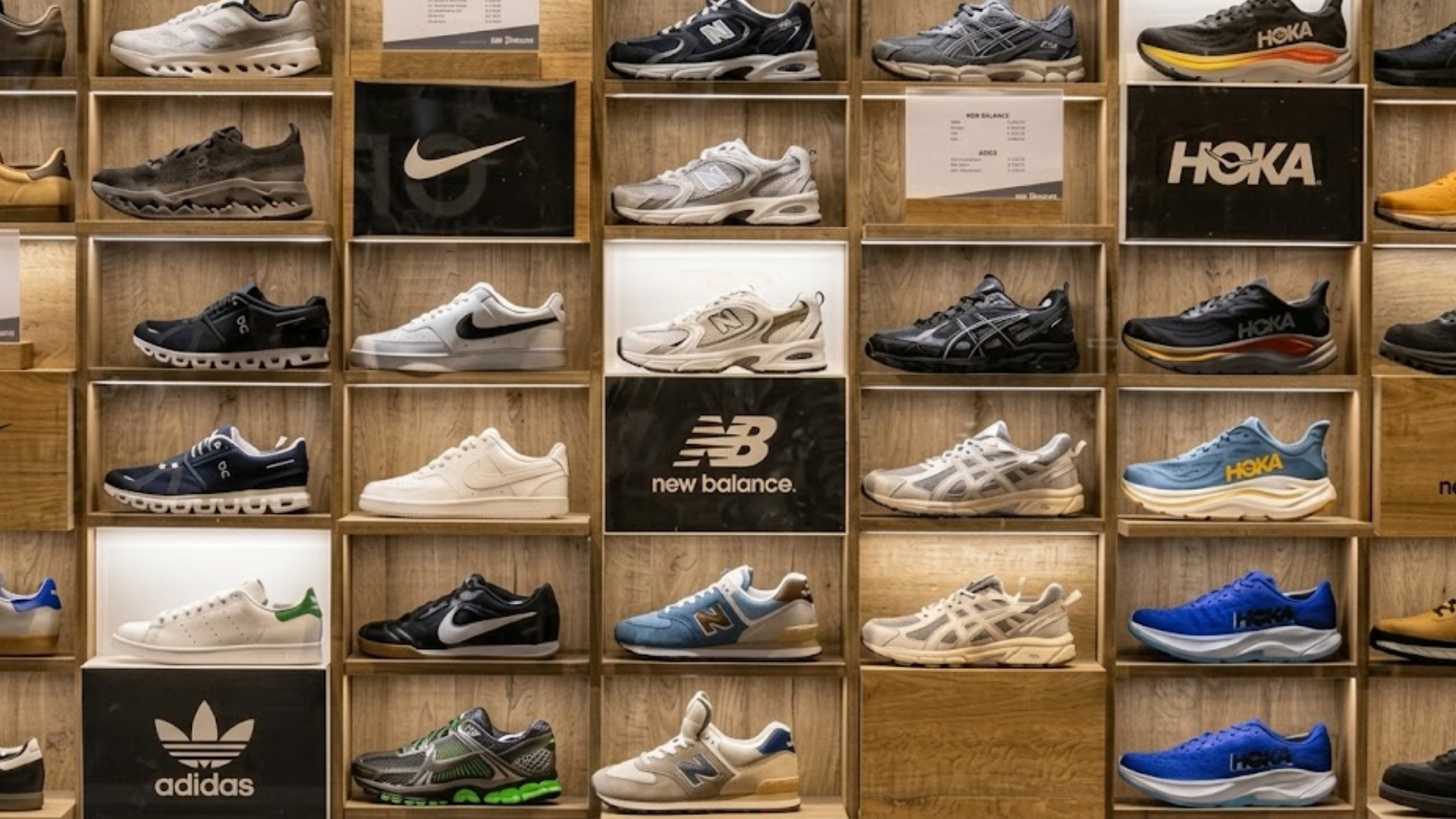
Rivals filled the gap. Shelf space once held by Nike went to newer brands such as On and Hoka, while Nike worked through cuts and layoffs. Nike has since reversed course on parts of the plan. In the latest quarter, wholesale revenue held at $6.8 billion while Nike’s direct revenue fell to $4.1 billion from $4.5 billion a year earlier. The company that built its name on stars now has to win them back.
Mbappé Left After 20 Years, Showing How Hard It Is to Keep the Stars That Built Nike
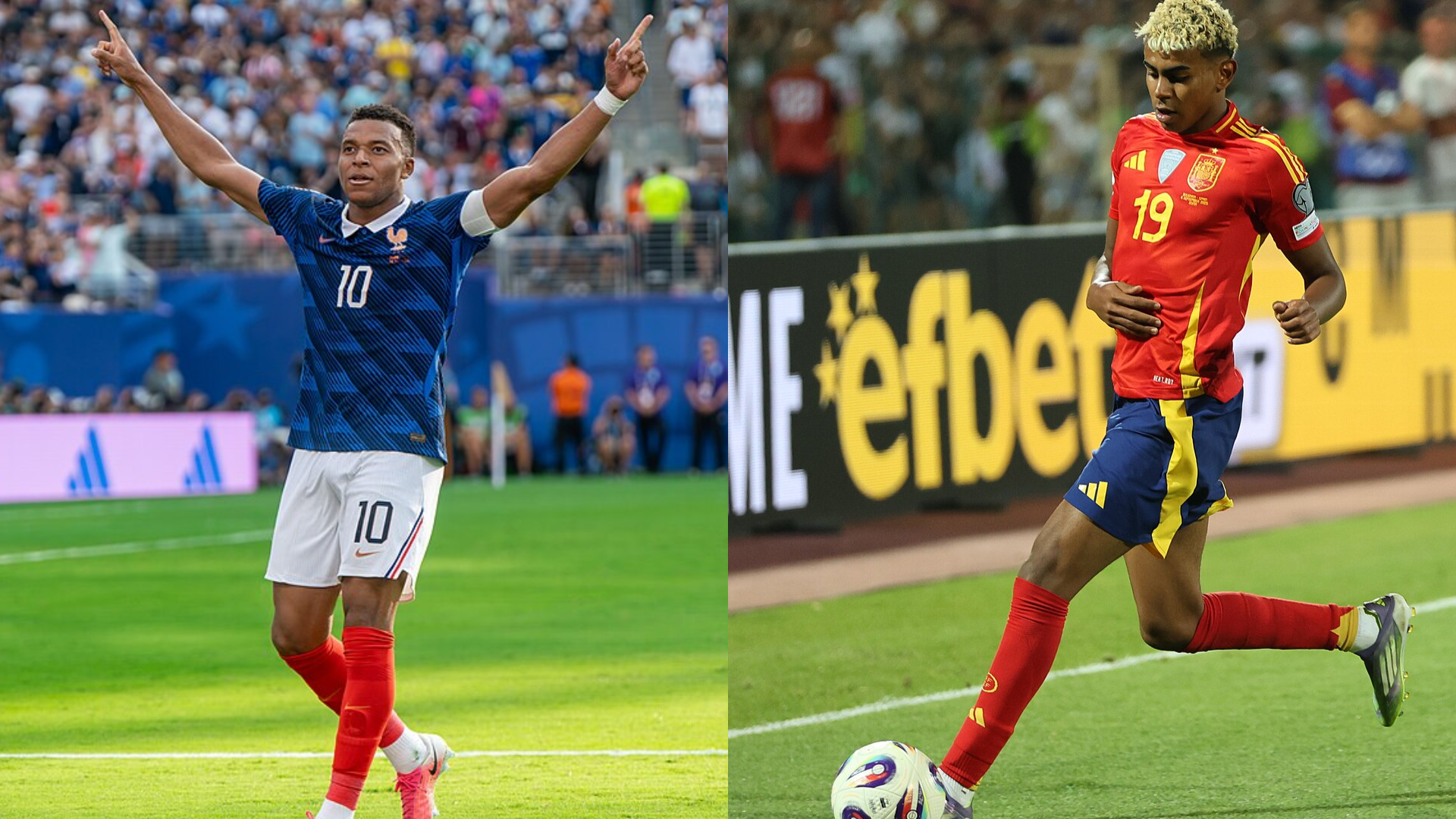
Losing Kylian Mbappé hurts because of how long he was a Nike athlete. He had been with the brand since age nine, a 20-year relationship that ended in September when he joined the Swiss brand On. Spanish star Lamine Yamal has also left, moving to Adidas, and Tiger Woods ended his deal in 2024. Nike still has stars like Rory McIlroy and Vinicius Junior.
Mbappé said On would surround him with “innovators who dream of the same things I do,” a line that raises the question of whether it was a parting dig. Yamal said Adidas would help him stand out from Nike’s crowded roster. Tim Derdenger, a marketing and strategy academic, says the logic echoes Michael Jordan’s choice of Nike decades ago: athletes want to be tied to something big, and they want to help drive it.
The Jordan story shows what Nike once did best. In the mid-1980s it put its entire basketball budget behind a rookie named Michael Jordan, built Air Jordan around him, and paid fines when the red-and-black shoes broke NBA rules. That gamble made Nike what it is. Today the Jordan brand itself is part of the problem: sales fell globally, and Hill says Nike was oversupplying the iconic retro shoe.
To Recover, Nike Has to Shrink First, Handing Rivals Billions in Revenue
Nike’s turnaround requires it to get smaller before it can grow. It expects revenue to fall by a high-single-digit percentage this fiscal year, from a $46.4 billion year in fiscal 2026. A drop of that size equals roughly $3 billion to $4 billion in sales, and analysts quoted by People Matters say that could leave about $4 billion up for grabs for rivals including On, Hoka, Salomon, and Saucony.
The cuts are deliberate. Nike’s new restructuring plan, called Pace, targets about $2.5 billion in savings through fiscal 2031 and will bring more layoffs beginning in 2027. In China, Nike plans to remove online sales rights from some large retail partners starting in January to gain control over pricing. It is also returning to a scarcity model for some sneaker releases. Chief Financial Officer Dave Denton said results are “below both our expectations and our potential.”
Nike’s slump looks like a story about sales, but it is really a story about reasons. Shoppers once had an obvious reason to choose Nike: the best athletes wore it and the products felt new. Oversupply, discounting, and a digital detour weakened both. Last year the company asked younger fans “Why Do It?” Now the harder question is why Nike. A recovery will be measured less in quarterly revenue than in whether a new generation has an answer.