Over 20 Million Seniors Are Getting $90 Payments This Month. Are You One of Them?


More than 20 million Medicare beneficiaries are receiving an unexpected $90 payment this October, but the money is not going to everyone on Medicare. The Trump administration announced the one-time Medicare Improvement Fund Premium Rebate on October 2, with CMS estimating that approximately 20.8 million people qualify. Most eligible beneficiaries should receive the money automatically, making the biggest question not how to apply, but whether your Medicare coverage puts you among those receiving it.
The Payment Is a One-Time $90 Medicare Rebate

This is not a recurring Social Security benefit or a permanent $90 increase in someone’s monthly payment. CMS describes it as a one-time $90 premium rebate intended to help eligible beneficiaries offset the cost of Medicare Part B, which covers services including doctor visits, outpatient care, and preventive services. The administration is distributing the money during October 2026 rather than adding it to beneficiaries’ regular monthly Medicare benefits.
Original Medicare Part B Is the Starting Requirement
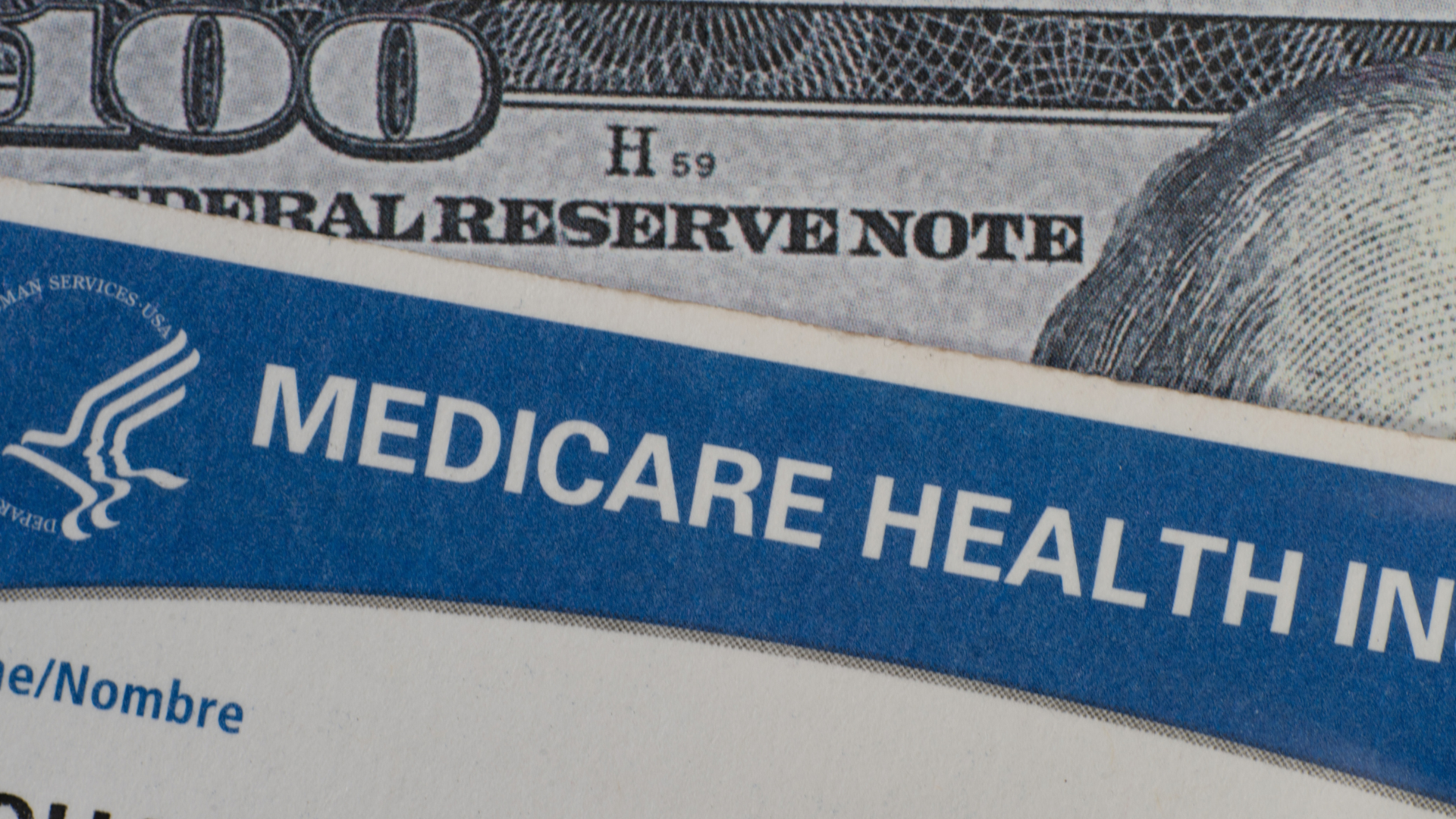
Eligibility begins with enrollment in Original Medicare Part B, but simply having Medicare does not automatically qualify someone. CMS says eligible recipients must be living in the United States and enrolled in Original Medicare Part B while also meeting additional requirements involving Medicaid assistance and income-related premiums. That distinction helps explain why approximately 20.8 million people qualify even though Medicare Part B enrollment is far larger.
Medicare Advantage Members Aren’t Included
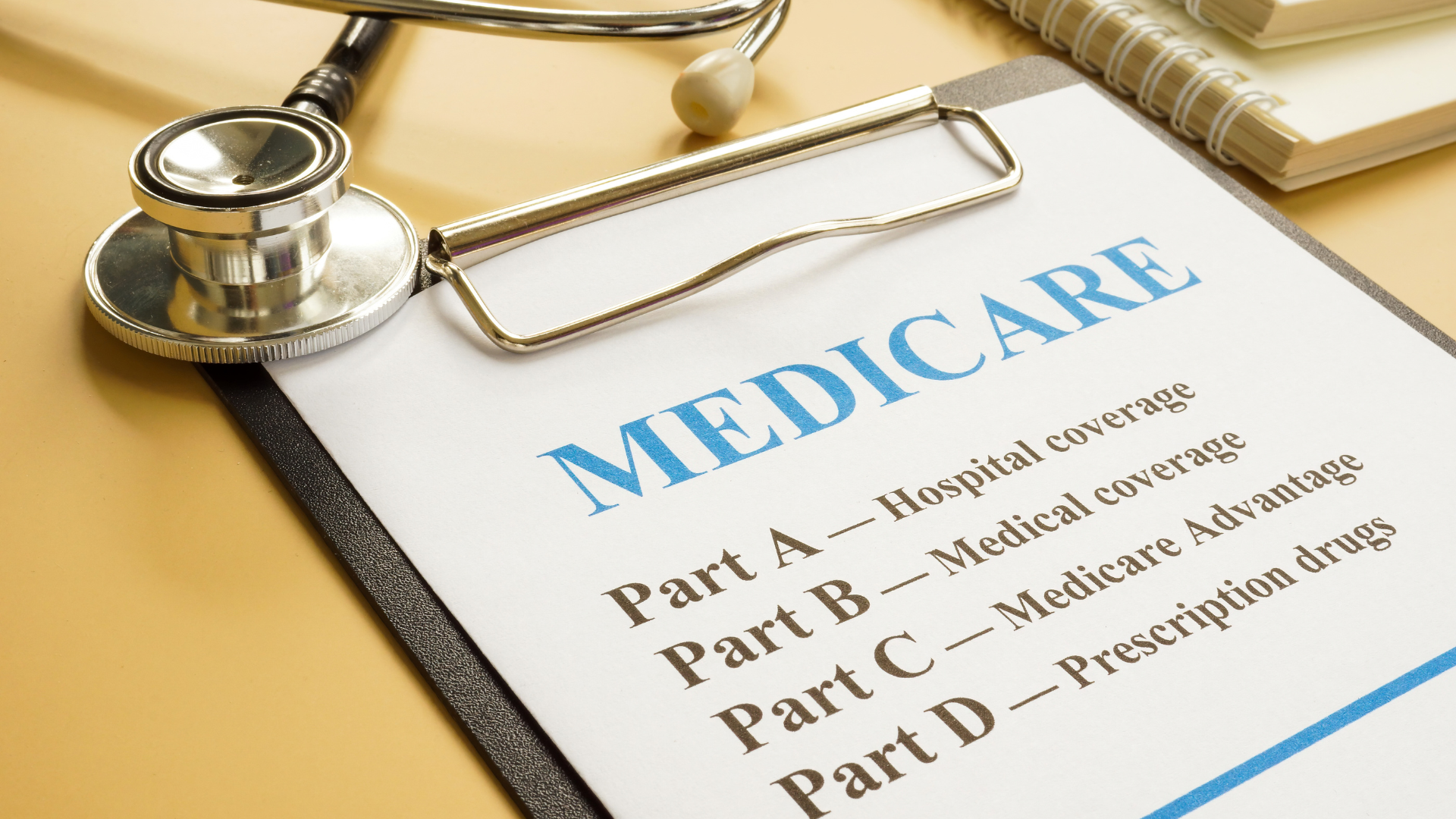
One of the biggest groups excluded from the payment is people enrolled in Medicare Advantage, also known as Part C. CBS News reports that roughly 40 million Part B beneficiaries will not receive the $90 payment when all excluded groups are combined, including Medicare Advantage members. Anyone unsure whether their coverage is Original Medicare or Medicare Advantage should verify their current plan before expecting a deposit.
Medicaid Assistance Can Also Make You Ineligible

People whose Medicare premiums are already receiving assistance through Medicaid are also excluded from the rebate. The administration’s eligibility rules are designed to direct the payment toward certain Original Medicare beneficiaries who are paying their own standard Part B premiums rather than people whose premiums are already being covered through Medicaid assistance. This is another reason two seniors who both have Medicare Part B could receive different results.
Higher-Income Beneficiaries May Not Receive It Either

Medicare beneficiaries who pay an Income-Related Monthly Adjustment Amount, commonly called IRMAA, do not qualify for the $90 rebate. IRMAA requires certain higher-income beneficiaries to pay an additional amount on top of their Medicare premiums, and the administration excluded this group from the new payment. As a result, eligibility depends not only on someone’s Medicare enrollment but also on how their Part B premium is structured.
Most Payments Should Arrive by Direct Deposit

Eligible beneficiaries generally do not need to fill out an application or request the rebate. CMS says most recipients will receive $90 through direct deposit from the Social Security Administration on or around October 8, and reports indicate some beneficiaries have already noticed incoming or pending deposits. An email or letter from the president is expected to follow for many recipients in mid-October.
Some Seniors Will Get a Paper Check Instead
People without direct deposit should receive a paper check from the U.S. Department of the Treasury later in October, sent to the mailing address registered with Medicare. CMS says the accompanying information will identify it as a “Medicare Improvement Fund Payment” intended to offset the October premium. Beneficiaries expecting a mailed payment should therefore make sure Medicare has their current mailing information and pay attention to official government correspondence arriving this month.
Where You Live Affects How Many Payments Your State Will See

The payments are being distributed across all 50 states, but naturally the largest numbers are headed to states with sizable eligible populations. According to the state breakdown reported by USA Today, approximately 1.52 million beneficiaries in California are expected to receive payments, followed by about 1.43 million in Texas, 1.40 million in Florida, 1.02 million in New York, and 905,000 in Pennsylvania. Smaller states will receive far fewer, but an individual’s eligibility is determined by Medicare status rather than simply where they live.
Here’s What to Do If Your $90 Doesn’t Arrive

Eligible beneficiaries who are uncertain whether they qualify can call 1-800-MEDICARE, or 1-800-633-4227, to confirm their eligibility for the rebate. CMS says people who believe they qualify but need to check the status of a missing payment can contact the Social Security Administration at 1-800-772-1213 beginning October 15. Most importantly, there is no application seniors need to purchase or submit to receive the money, so unexpected calls, texts, or emails asking for payment or sensitive information to “claim” the $90 should be treated cautiously.