The White House Rose Garden Has a Storied Past, but Much of It Is Hard to Recognize Today
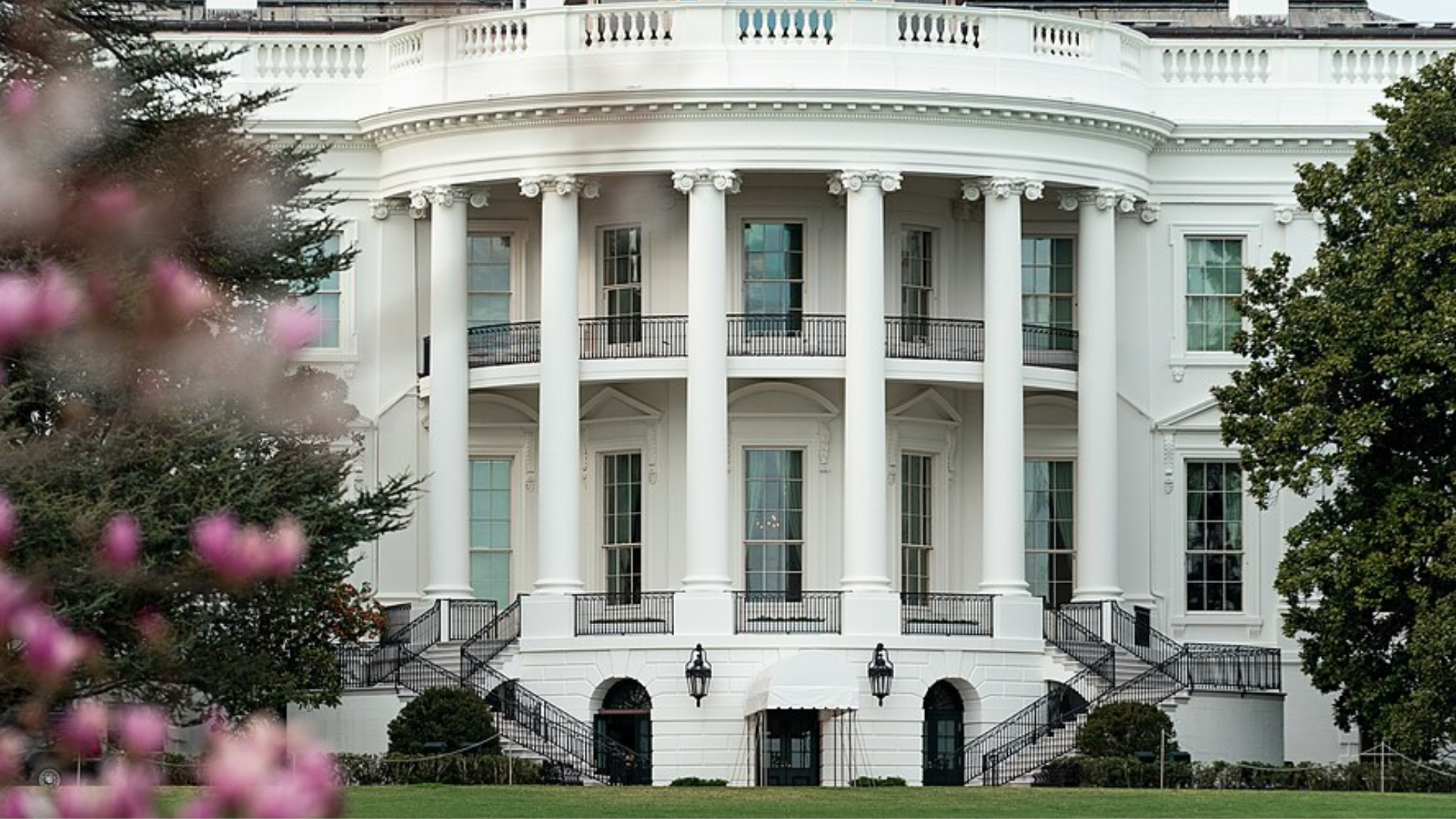

Most Americans picture the Rose Garden as a calm green lawn framed by roses. That picture is out of date. The lawn is now a white limestone patio with tables and umbrellas. Even the roses have been swapped over the years. The garden has been rebuilt again and again, and the version people remember is only one chapter. To see how it started, go back to a row of greenhouses.
The “Original” Rose Garden Replaced Something Older
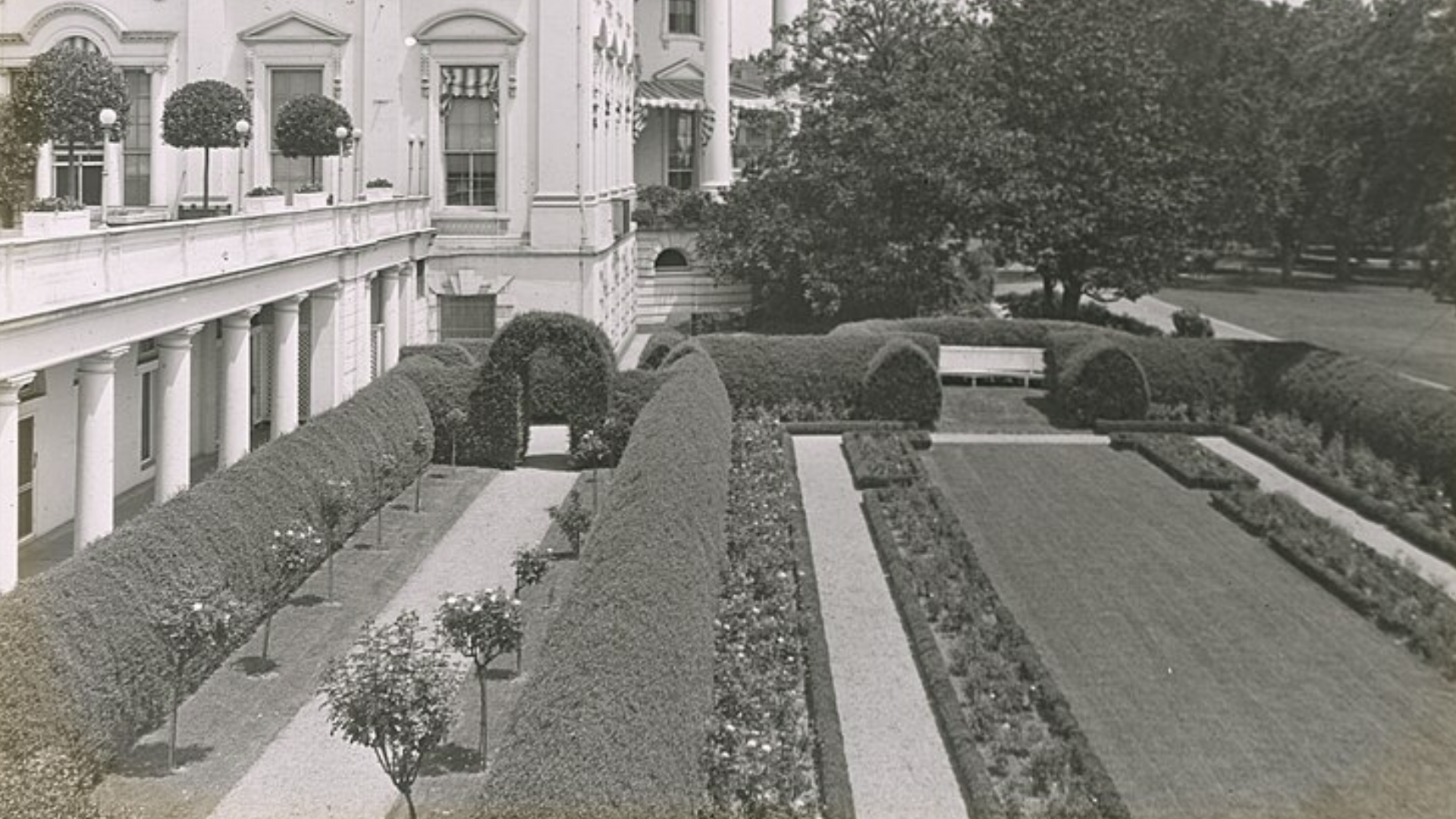
The Rose Garden was never the original garden on this spot. Greenhouses once filled the space. Edith Roosevelt then planted a Colonial Garden there in 1902. In 1913, First Lady Ellen Wilson replaced it with the first Rose Garden, working with landscape architect George Burnap. Each version replaced the one before it, erasing most of what came earlier. That design lasted almost fifty years. What changed in 1961?
Kennedy’s Garden Was Built as an Outdoor Room
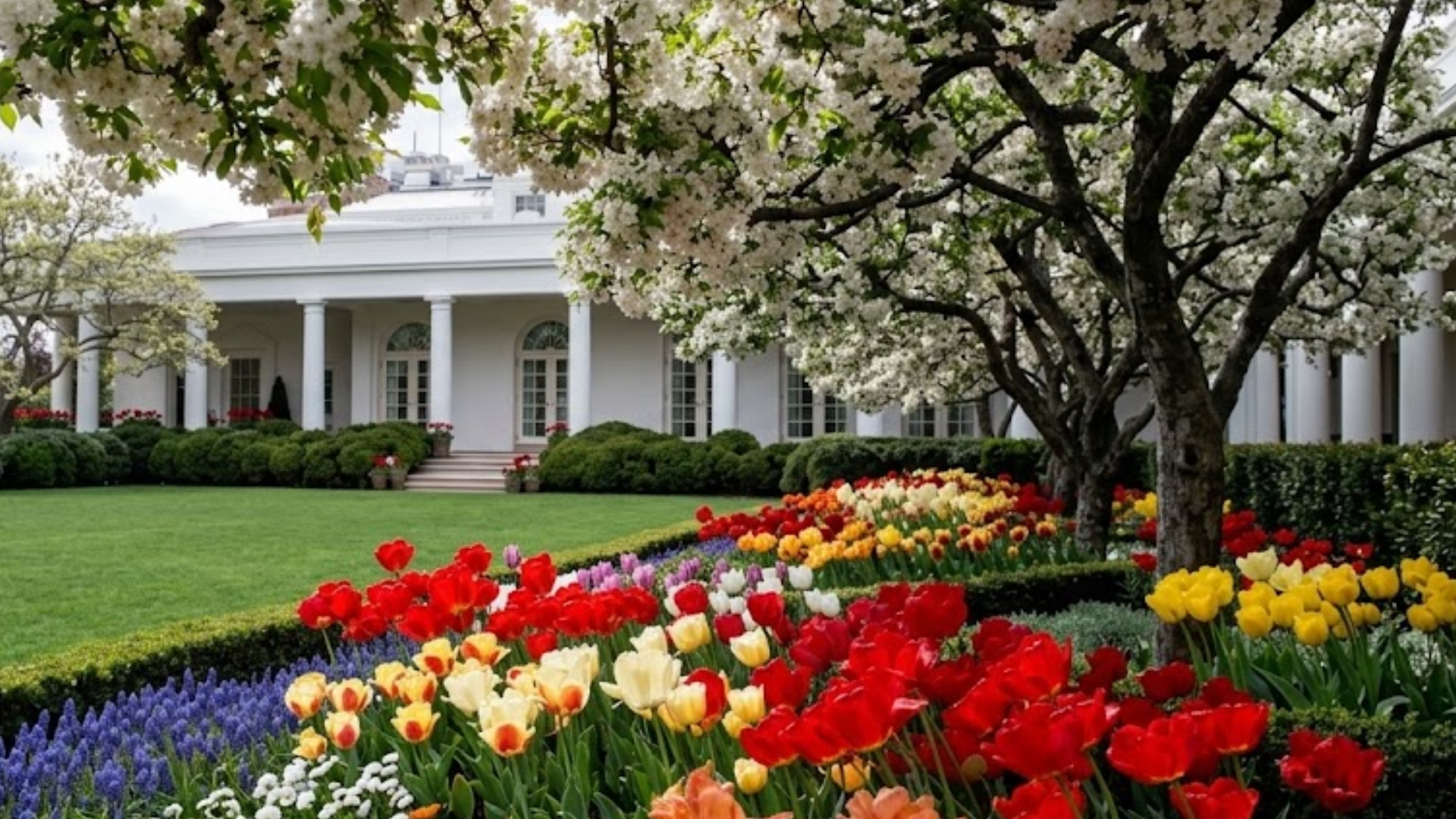
The garden most people remember was built to work like an outdoor room. In 1961, President John F. Kennedy and First Lady Jacqueline Kennedy asked their friend and horticulture expert Rachel “Bunny” Mellon to redesign it. She planned a space for press conferences, meetings, and ceremonies. It opened the next year with a wide central lawn inspired by a croquet scene in “Alice in Wonderland.” Yet the design hid a flaw.
A Planting Mistake Slowly Starved the Famous Roses
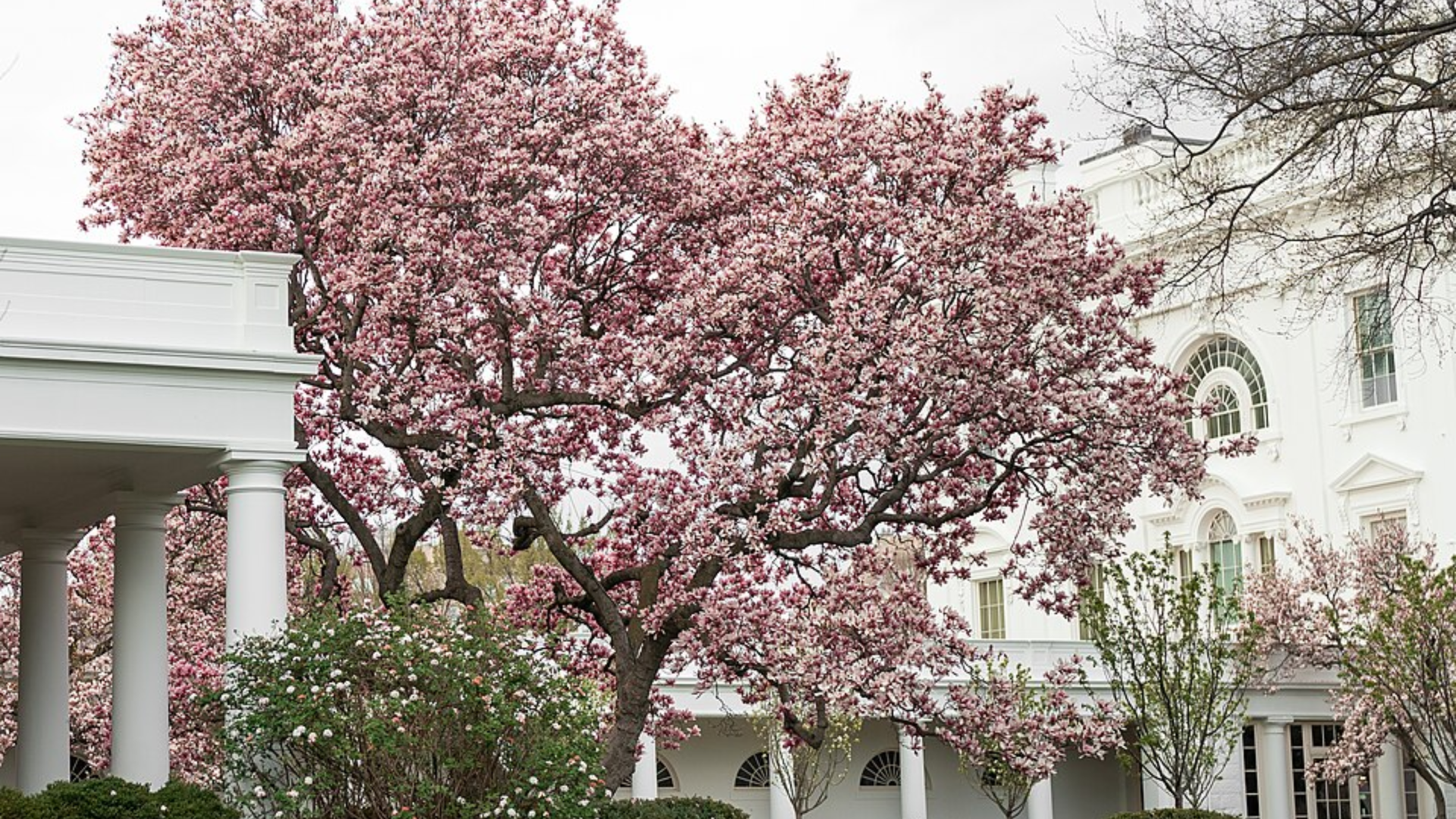
A hidden mistake in the design slowly hurt the roses. Mellon’s plan placed young Katherine crabapple trees beside the roses in borders 12 feet deep. As the trees grew, they became so large that they shaded the sun-loving roses. By 2003, workers had removed some of the trees to let light reach the failing plants. The fix did not solve everything, though.
By 2020, the Icon Was Coming Apart in Small Ways
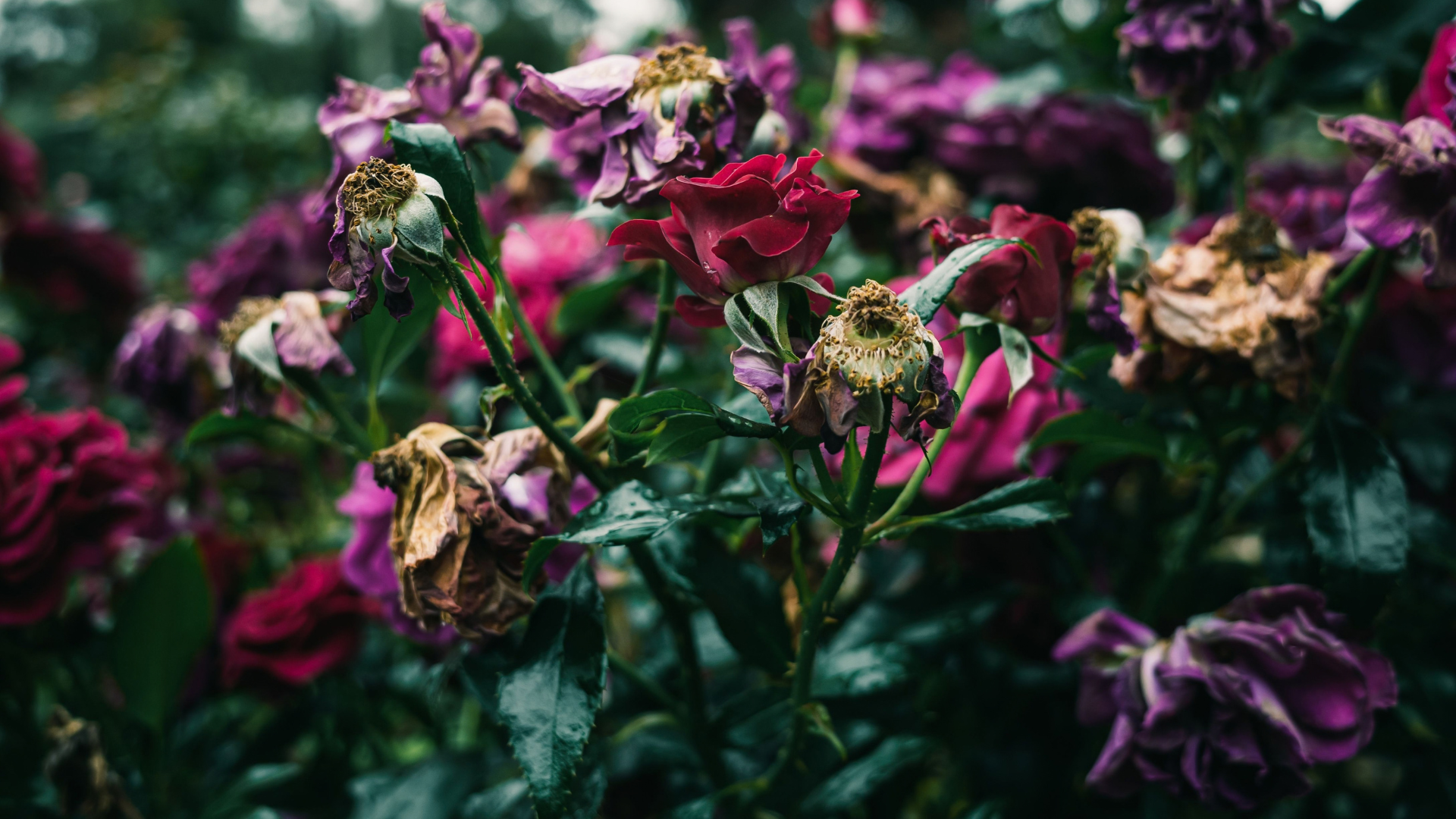
By 2020, the garden was falling apart in small ways. Dying roses had been pulled out. Remaining tree roots had grown so thick that planting flowers was hard. A plant disease called boxwood blight threatened the shrubs along the beds. The lawn had drainage trouble and needed frequent replacing. Some walkway sections had been patched with mismatched slabs. Who would take on the repair job?
The 2020 Restoration Tried to Turn Back the Clock
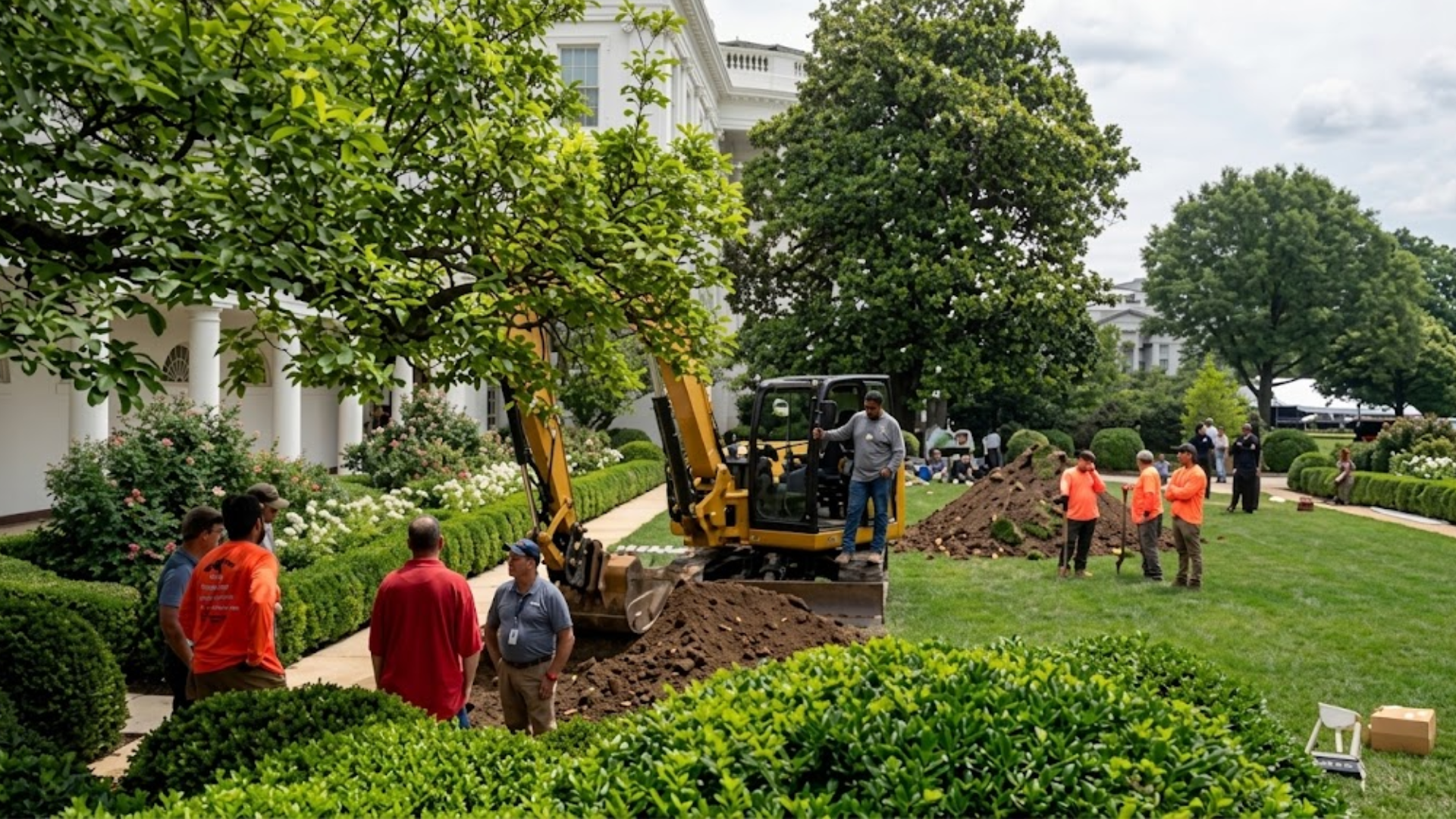
The 2020 restoration tried to turn back the clock. First Lady Melania Trump hired two design firms to work with the Committee for the Preservation of the White House and the National Park Service. Their goal was to return the garden to its 1962 look. The crabapples were removed and relocated. Pastel roses took their place, including the White House Rose, the JFK Rose, and the Peace Rose. But roses were only part of it.
The Biggest Upgrades Were the Ones Nobody Sees
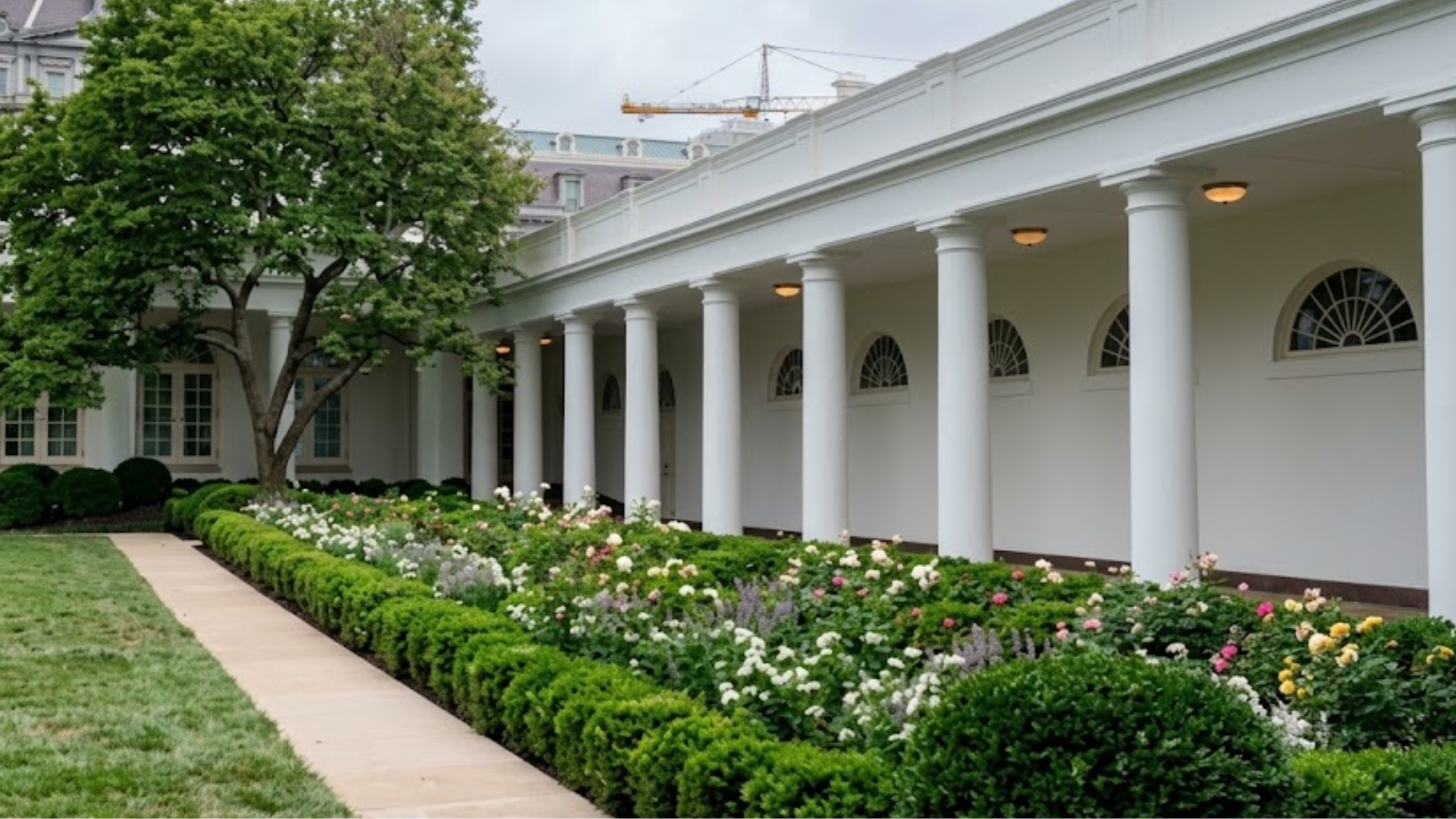
The 2020 update also fixed things most visitors never notice. Crews added electricity for television appearances. They laid even 36-inch limestone walkways so wheelchairs can pass, meeting the Americans with Disabilities Act rules. Blight-resistant boxwood shrubs replaced the old ones. The result looked like Kennedy’s garden, only sturdier. Those upgrades were practical, not flashy, and they kept the 1962 look intact. The central lawn, however, was left alone.
In 2025, the Lawn Itself Disappeared
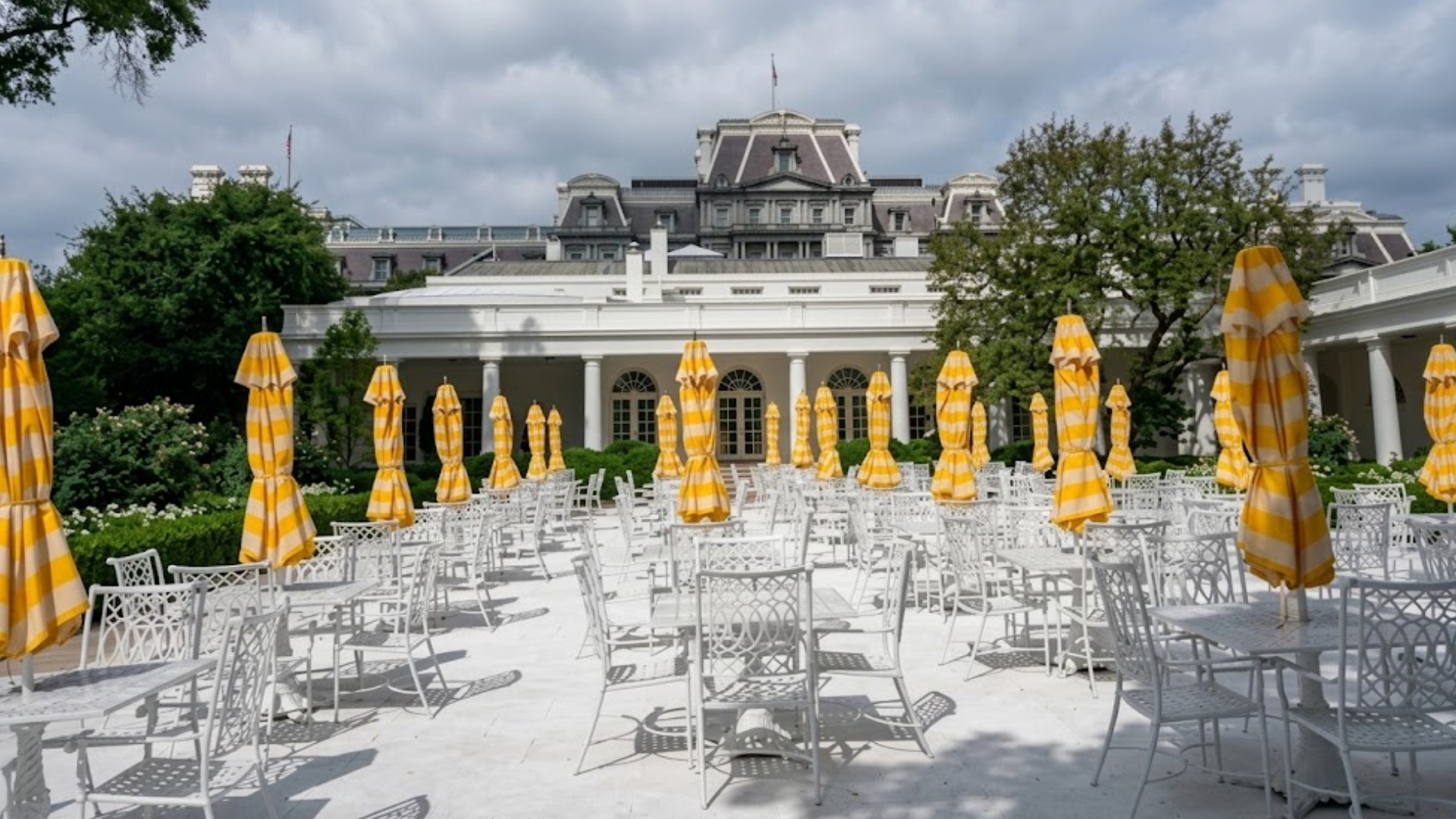
The 2025 makeover changed the garden’s whole look. President Donald Trump replaced the central lawn with a white limestone patio. He added solar-powered lighting, tables, and umbrellas. Bronze statues of founding fathers now stand in the space, including George Washington, Benjamin Franklin, and Alexander Hamilton. The grass that inspired the Kennedy design is gone. So what is the space used for now?
A Presidential Podium Now Shares Space With Dinner Tables
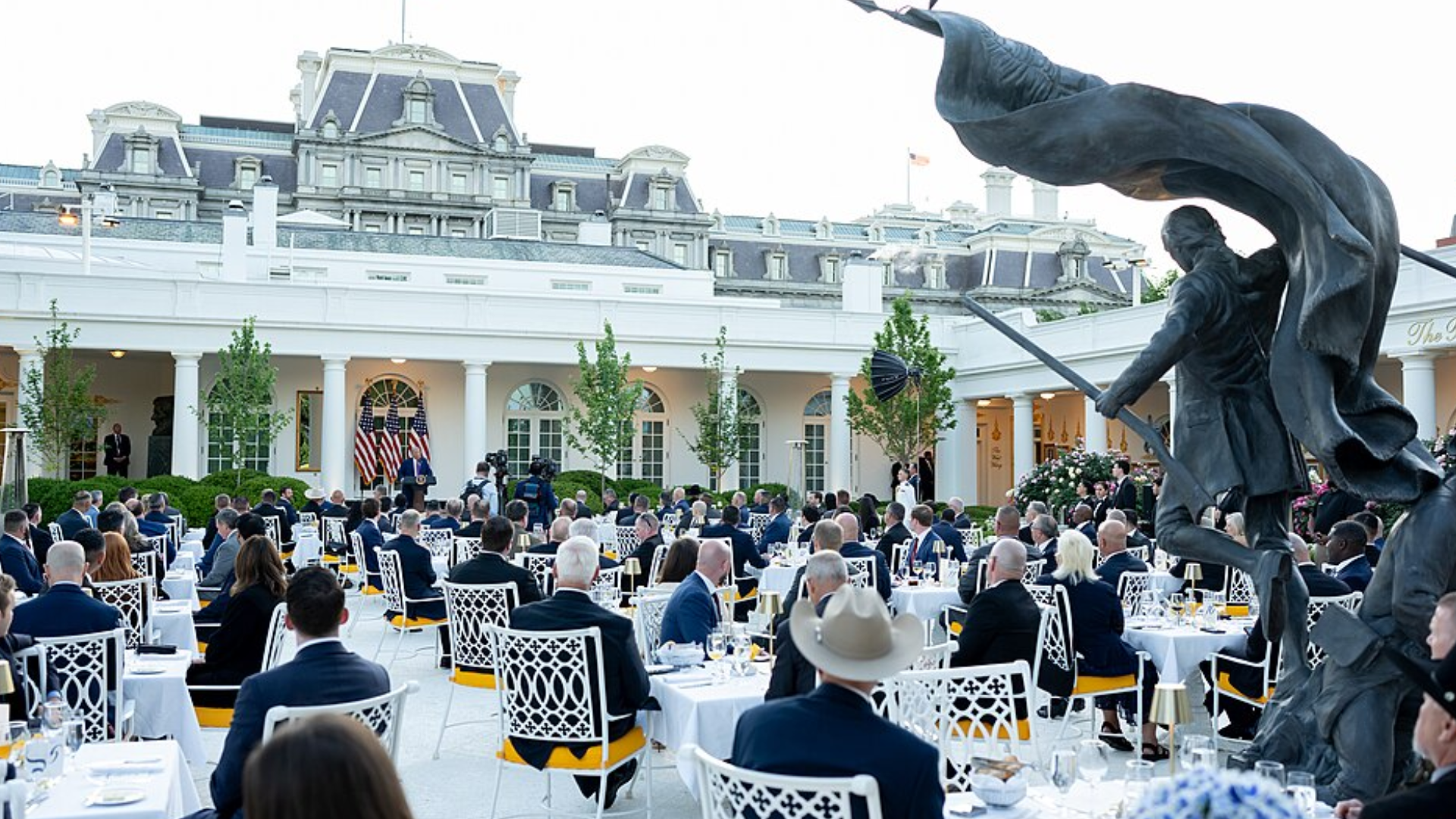
The garden now doubles as a dining venue. Trump has hosted dinners on the new patio and calls the space the Rose Garden Club. It still serves as a place where presidents speak to the country, as it has for decades. But the setting around the podium looks very different. Along the edges, the roses still bloom. Is that enough to keep its character?
The Garden’s Real Tradition Is Being Rebuilt
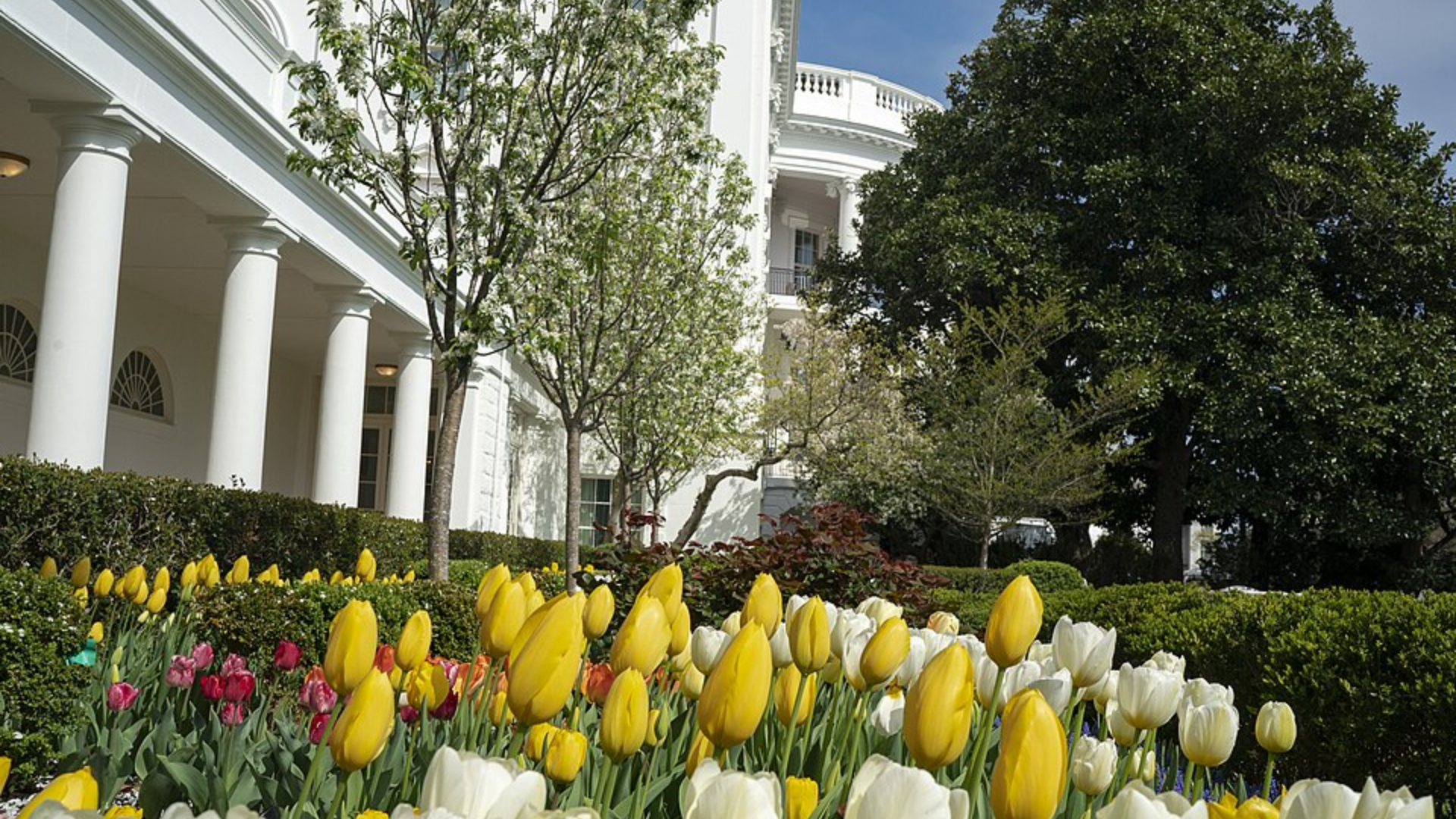
The lawn people picture was never the garden’s final form. It was one chapter between greenhouses, a Colonial Garden, a restored 1962 design, and a patio. Each era rebuilt the space to fit its own needs. The garden has always been a stage that changes with whoever stands on it. Perhaps the true tradition is not the grass, but the roses that keep blooming at the edge.