Driver Was Detained and Searched Over an Alleged Traffic Violation. Years Later, Testimony Revealed What Led Police to Him
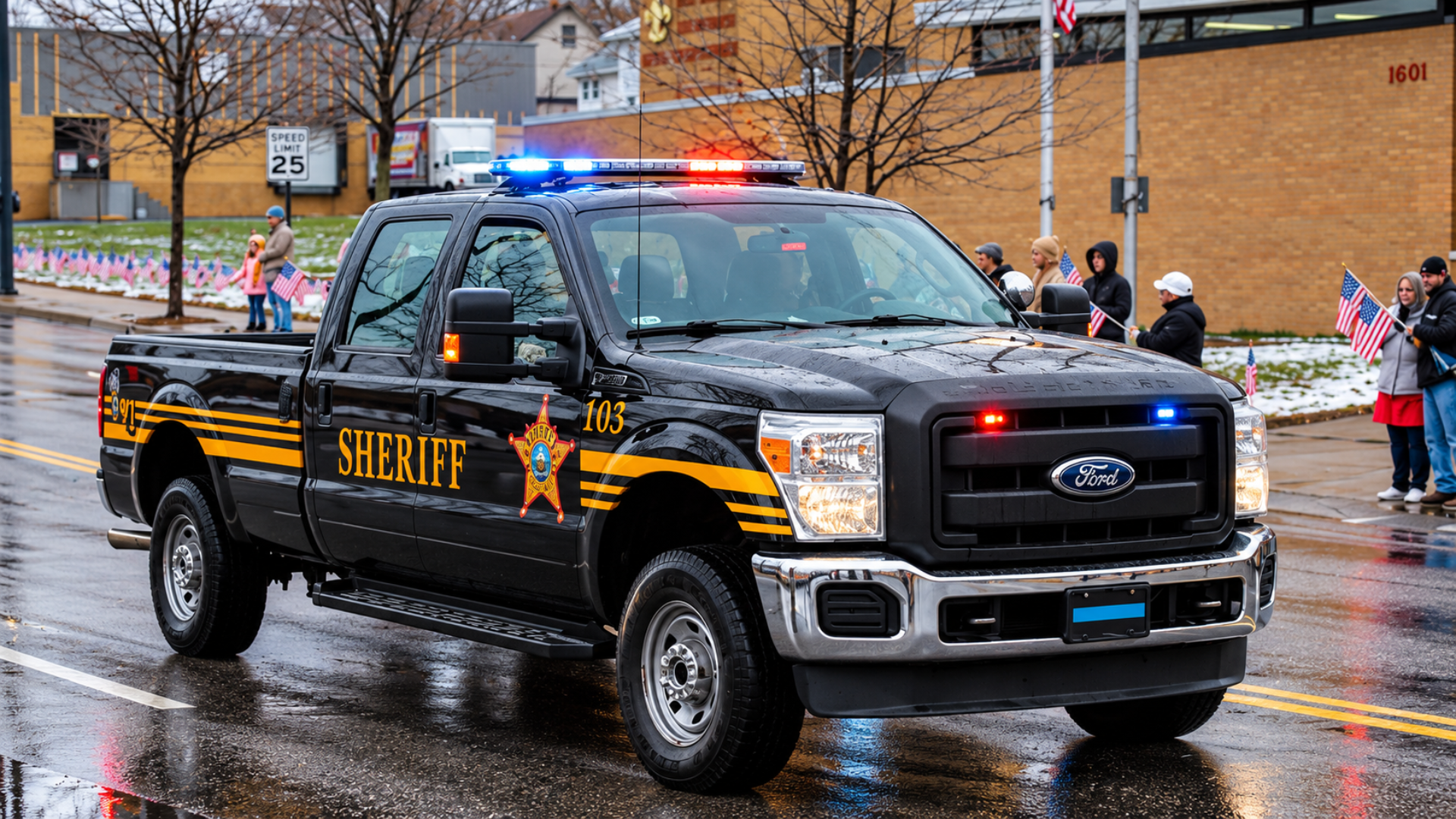

Emergency lights appeared behind Alek Schott’s Ford F-250 on Interstate 35 near San Antonio in March 2022. Schott, a Houston-area oilfield equipment salesman, was heading home from a work trip. The deputy told him he had drifted across the fog line, the painted edge of the road. Dashcam footage later shown to a jury tells a different story. The roadside stop that followed lasted 76 minutes, and most of it took place inside the deputy’s patrol car.
Deputy Babb sat Schott in the cruiser’s passenger seat and questioned him about where he had been and why. When Schott declined to consent to a search of his truck, a drug dog arrived. The dog alerted, which gave officers a reason to search anyway, and the Institute for Justice says the alert was manipulated. They found no contraband. Schott drove away with no explanation for why a routine drive home had turned into this.
Schott filed a complaint with the Bexar County Sheriff’s Office. According to Schott, the department reviewed it, found no violation, and told him to sue if he disagreed. He did, with free representation from the Institute for Justice, a public interest law firm that has handled the case since 2023. A federal lawsuit lets lawyers demand records and question deputies under oath, and those depositions produced the first real explanation for the stop.
The Deputy Parked on the Shoulder and Waited for Schott’s Truck to Pass
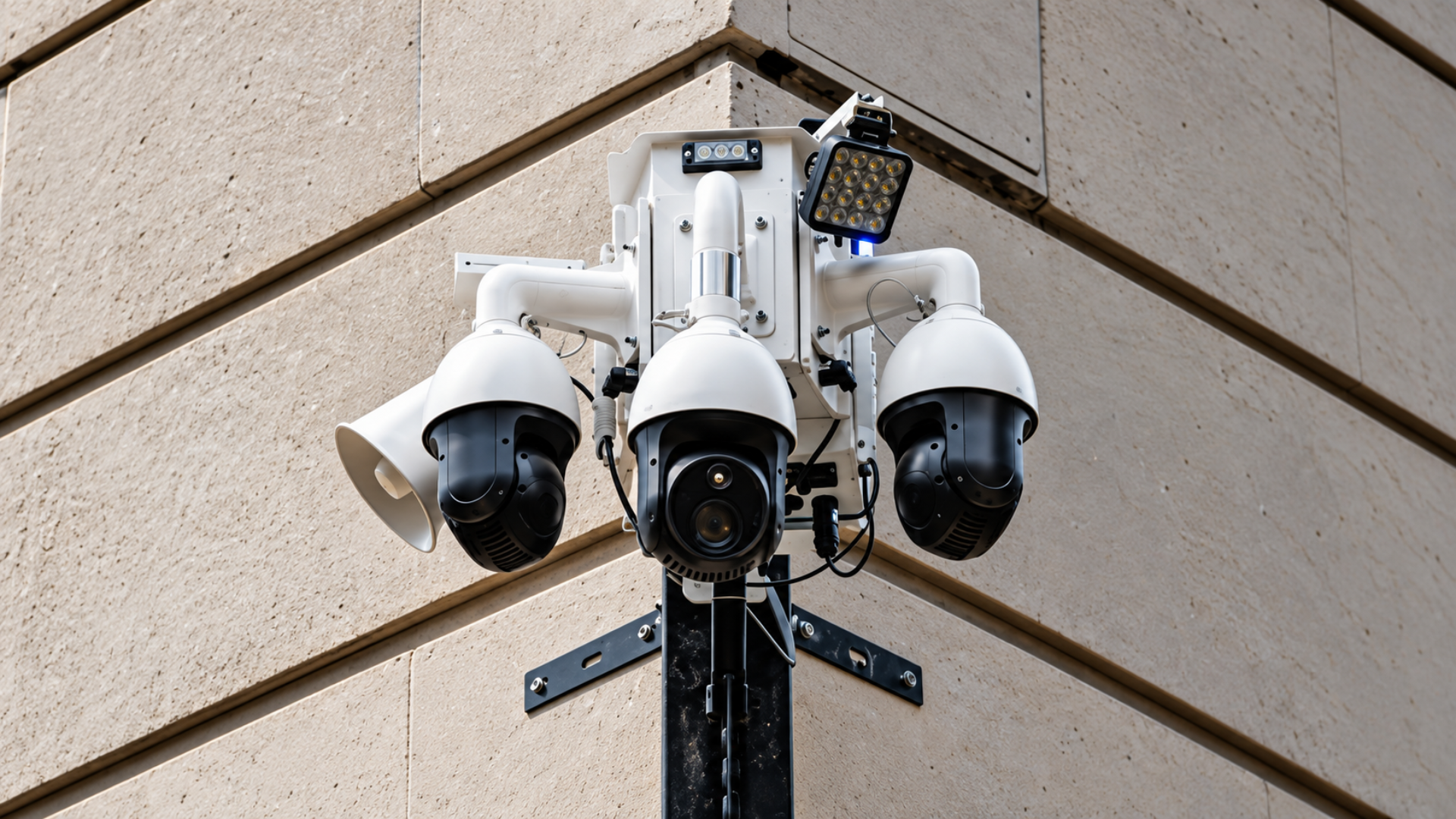
The trial tested the stop’s official reason. Evidence shown to jurors indicated Schott never crossed the fog line, according to the Institute for Justice. Testimony described a different beginning: Deputy Joel Babb parked on the shoulder, waited for Schott’s black pickup to roll past, and followed it. A deputy who waits for one specific truck has already decided something about its driver, which leaves open the question of who supplied the information.
The answer sat inside a private WhatsApp group called the Northwest Highway Group. Babb testified that the tip came from a man he knew only as “Kiki,” whom he believed worked at a federal fusion center in Laredo. Fusion centers are intelligence hubs where local, state, and federal authorities share information. Deputies also testified they did not know who else belonged to the chat, according to the Houston Chronicle’s trial coverage.
Babb also gave the court a candid view of his options. According to the Daily Mail’s account of his testimony, he described Texas traffic law as offering thousands of possible reasons to stop a vehicle. A tip, a waiting cruiser, and a flexible traffic code made up the entire machine. One piece was still unexplained: what had Schott done to earn that tip in the first place?
An AI-Powered Camera Flagged His Plate, and an Unnamed Officer Called His Ordinary Work Trip Suspicious
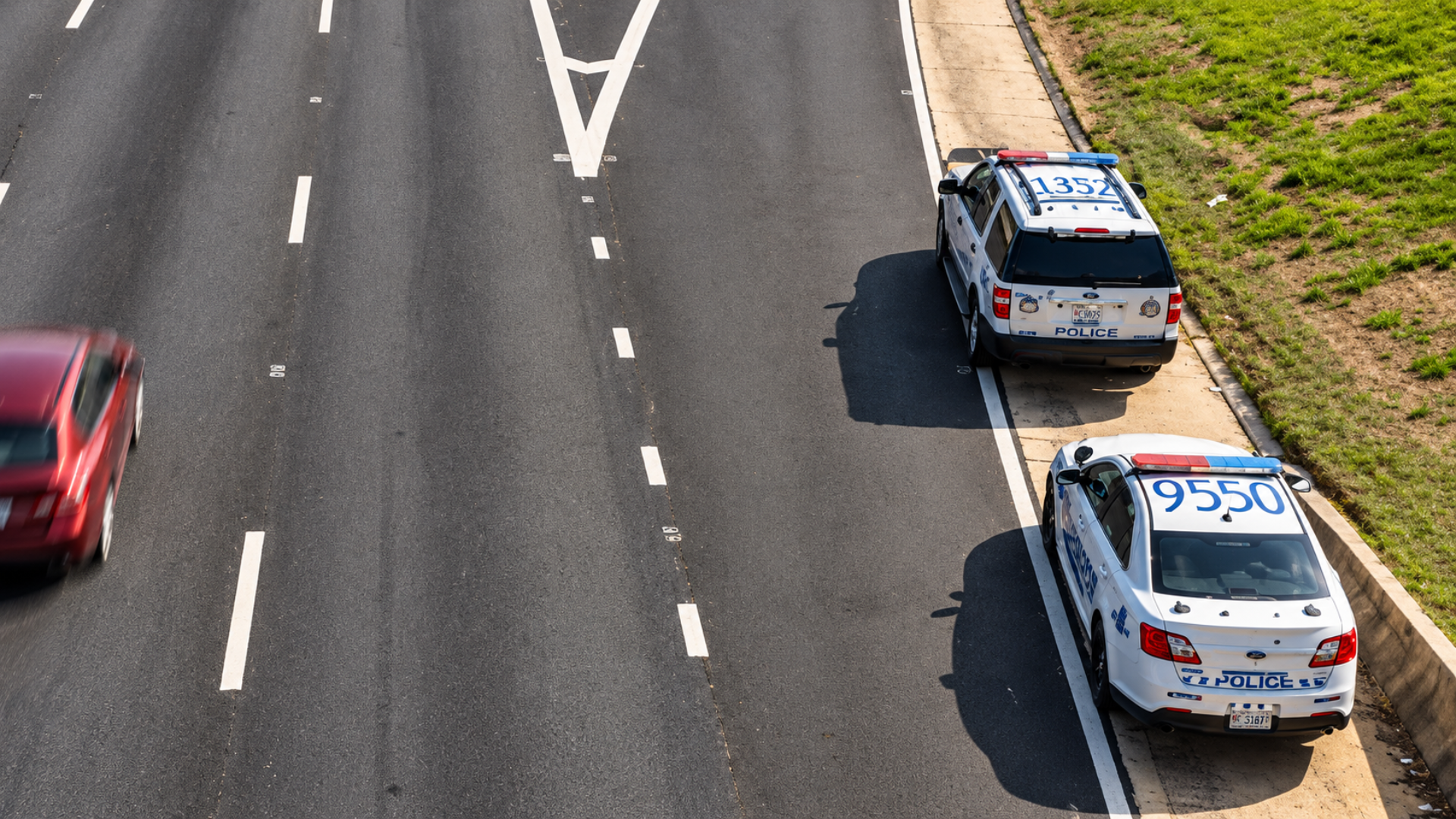
Schott had made a work trip. On March 15, 2022, he drove from near Houston to a well pad outside Carrizo Springs with a colleague, spent the night at a nearby hotel, and started home early the next day, according to the Institute for Justice. Cameras logged his plate along the way. An unnamed officer then reviewed the pattern and judged a drive toward the border and back to be suspicious.
The cameras raise questions of their own. Attorney Christie Hebert said, as quoted by the Daily Mail, that little is known about who owns the network or who decides which behavior counts as suspicious. She said an officer testified that plate readers are mounted on mile markers and tow trucks and sit in neighborhoods. The Institute for Justice says the practice ran for four years and reached thousands of drivers.
Hebert said deputies treated whatever appeared in the chat as fact. “They didn’t verify, they didn’t ask questions,” she told the Daily Mail, citing court testimony. In a pretrial deposition, Babb said federal agencies have “a lot bigger toys” than plate readers, according to the Houston Chronicle. Eight jurors now had to decide whether that arrangement could survive the Fourth Amendment.
A Jury Awards $76 for 76 Minutes, Weeks After Texas Paused State Funding for Flock Cameras
After a week of testimony, the jury returned its verdict on Monday evening, September 28, and found Bexar County liable. The ruling held the county responsible for a policy or custom, which is the hurdle Schott had to clear, since one deputy’s mistake would not have been enough. Jurors awarded him $76, one dollar for each minute of his detention and exactly the amount he requested.
The verdict arrived about a month after Governor Greg Abbott ordered state agencies to pause funding for Flock cameras. The Texas Tribune reported that a state authority had put at least $30 million into the network through police grants, helping install at least 3,200 cameras since 2023, according to ABC13. The money came from a 2023 law that added $1 to auto insurance policies to combat catalytic converter theft. Abbott’s office said most city camera funding comes from the federal government.
Bexar County’s attorney said the county would be exercising appellate options, according to the Houston Chronicle, and the Institute for Justice plans to ask the court for an injunction against similar stops. Attorney Kevin Harden told the Daily Mail the cameras remain legal for now. The jury’s finding is narrower: in this case, a camera flag and an unseen tipster’s message gave deputies no lawful reason to stop, hold, and search Schott.