Ohio Factory Worker Says It ‘Kept Getting Worse’ After Nearly 1,400 Lose Their Jobs
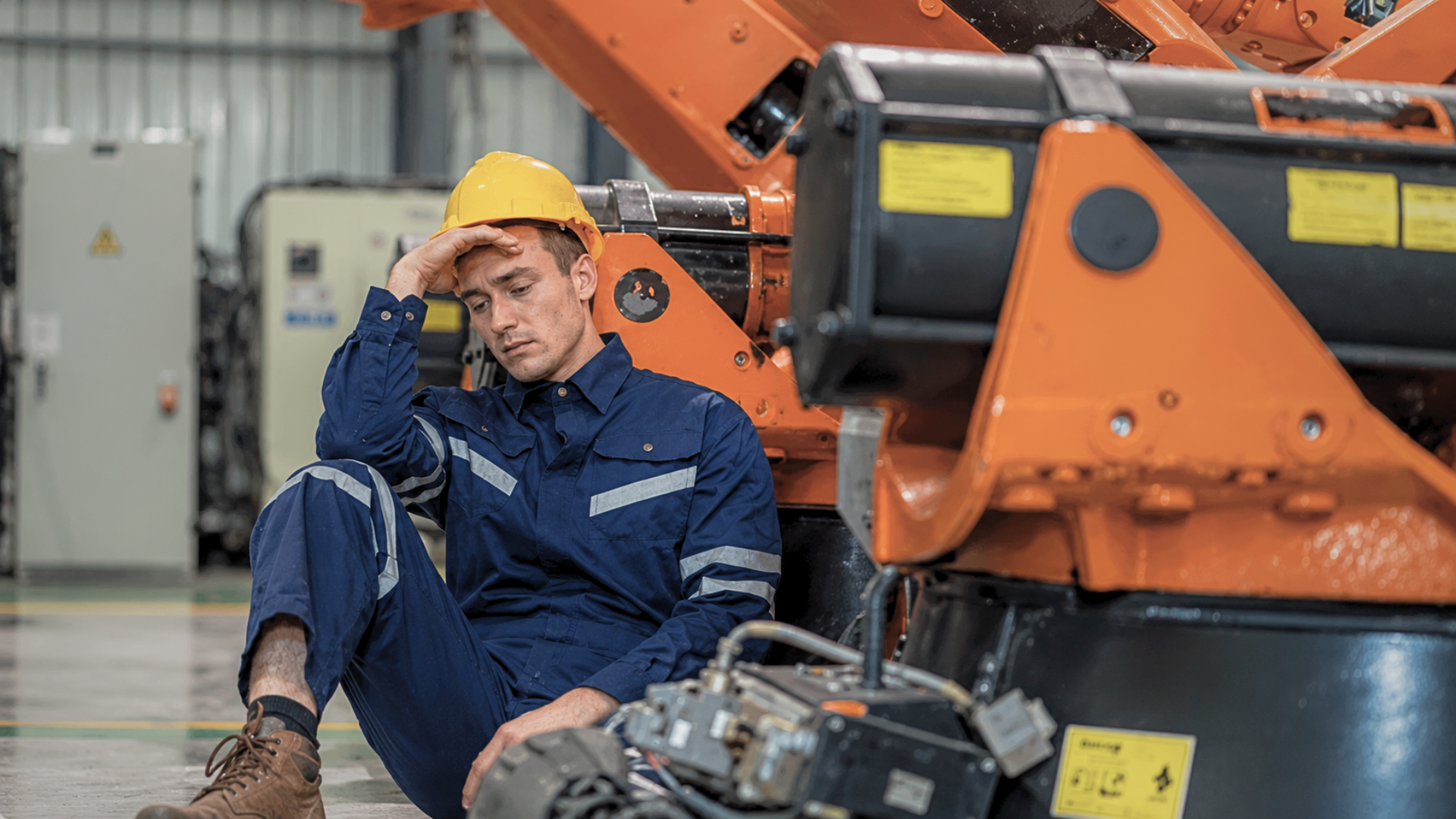

Three days before a Trump rally in the Dayton area, nearly 1,400 people lost their jobs at a truck factory nearby. The president has been telling voters the economy is better than they think. The layoffs were tied to the plant changing hands, not to the rally. The contrast was hard to miss anyway. For the workers on the last day, that national argument had become a personal one.
Kyle Bos, 30, is a United Auto Workers member and one of the roughly 1,400. He has two daughters, with a third due in January, and says five grocery items now cost what a full cart once did. Bos, who identifies as a centrist, held up three fingers when asked how often he had voted for Trump. He says he is done. Things “just kept getting worse and worse,” he said.
The scale is what makes the layoffs a regional story. AP reports they were large enough to erase a full year of job growth in the greater Dayton area. Roshel, a Canadian maker of armored vehicles, is buying the plant, and some workers expect to be rehired. To understand why this landed so hard, it helps to see how much manufacturing this region has already lost.
Dayton Has Lost About Half Its Factory Jobs Since 1990, and an Air Force Base Has Driven Its Recovery

Dayton’s factory base has been shrinking for a generation. The area has shed about half of its 90,000 factory jobs since 1990, according to federal data cited by AP. The North American Free Trade Agreement shifted many auto-parts jobs to Mexico, where they could be made more cheaply, and the loss accelerated after China joined the World Trade Organization. As steady paychecks vanished, drug addiction and crime rose.
The recovery has real engines. Wright-Patterson Air Force Base has expanded and now directly employs 38,000 people, and its innovations have drawn aerospace companies including Joby Aviation, Sierra Nevada Corporation, and Electra. Jeff Hoagland, CEO of the Dayton Development Coalition, said Republicans and Democrats alike saw the base’s value. Economic development, he said, means “you have got to give it a little bit of time to bake.”
That slow rebuilding is why the layoffs sting. Phil Plummer, a Republican state representative and the Montgomery County GOP chairman, entered politics after the 2008 crisis left his county jail largely filled with people struggling with addiction or mental illness. He says Trump holds the party’s coalition of businesses and working families together. Even in a recovering Dayton, though, local politicians in both parties say this election is about inflation.
Both Parties Say Inflation Decides This Race, and Each Offers a Different Fix

Ohio is a central test. Republican Sen. Jon Husted faces former Democratic Sen. Sherrod Brown in a race that could help decide Senate control. Trump has planned a 32-day run of rallies to argue the economy is better than voters believe. AP reports that only 17% of Americans approve of his handling of the cost of living, and Democrats here hope to pick up a Senate seat, a governorship, and enough Ohio House seats to end a Republican supermajority.
Each side frames the problem differently. Rose Lounsbury, a Democrat running for state representative, said “there is a gap between what people want and what they feel is available.” Her opponent, Republican State Rep. Andrea White, helped lead a push to pass a temporary suspension of the state’s 38.5-cent gas tax and credits state tax cuts for cushioning inflation. The idea, White said, is to “put it back in the hands of the people who pay the taxes.”
The White House says Trump’s tax cuts and trade deals have helped Ohio, citing an $850 million investment by Electra and announcements from Honda and Stellantis. Trump said at a truck plant in Texas that “the only thing we’re doing badly at is public relations.” AP’s reporting at the Springfield plant points the other way: tariffs failed to lift demand, and the plant’s owner chose to offload it. What happens to those workers now is the open question.
Laid-Off Workers Expect to Be Rehired in 6 to 12 Months, but the Bills Come Due Now
The plan for the plant offers a path back. Roshel, a Canadian maker of armored vehicles, is buying the facility, and laid-off workers say they expect to be rehired in six to 12 months. In a statement, Roshel said it is working with everyone involved to protect the current workforce and to more than double it over the coming years through a phased process. The gap before any rehiring is the hard part.
Costs are the daily pressure. Marianne Donnelly, who drove a forklift at the plant, said “we weren’t getting a lot of overtime because of the economy.” That matters because the One Big Beautiful Bill temporarily removed taxes on overtime, which AP says contributed little to workers’ take-home pay there. Donnelly buys marked-down meat and freezes it, and has canceled newspaper and streaming subscriptions. Bos called Trump’s $5,000 check promise offensive.
Both parties are arguing about the economy in the aggregate. Springfield measures it in smaller units: a shift schedule, a tank of gas, a week of groceries. If Roshel keeps its word, these layoffs will look like a pause rather than an ending. That outcome would change how this election season in Springfield is remembered. Until the rehiring starts, a promise is not a paycheck.