California’s Housing Crisis Is Forcing Buyers to Rethink the American Dream of Homeownership

California has long been one of the hardest places in the country to afford a home, but the gap between what homes cost and what many households can afford is forcing buyers to reconsider what homeownership should look like. In the second quarter of 2026, just 19% of California households could afford the state’s median-priced existing single-family home, which cost $916,750, according to the California Association of Realtors. The income needed to qualify was about $228,400 a year, highlighting how far the traditional idea of buying a starter home has moved out of reach for many workers.
California Home Prices Remain Far Above the National Level
California’s housing costs remain dramatically higher than those in most of the country, with the state’s typical middle-tier home valued at roughly $776,000 in the first seven months of 2026 compared with about $372,000 nationally. The Legislative Analyst’s Office also found that even a bottom-tier California home is about 30% more expensive than a typical mid-tier home elsewhere in the United States. That price gap means buyers who might comfortably afford homeownership in another state can still struggle to purchase even a relatively modest property in California.
Mortgage Rates Have Made the Problem Even Harder
High home prices are only part of the affordability problem because borrowing costs have also increased substantially since the ultra-low mortgage rates of the early 2020s. California’s effective mortgage rate reached 6.54% in the second quarter of 2026, while the state’s median home price climbed to $916,750. For a buyer purchasing that home with a 20% down payment, the estimated monthly payment including principal, interest, taxes and insurance was about $5,710.
Many Existing Owners Are Staying Put
The same mortgage rates that make buying difficult are also discouraging existing homeowners from selling. About 76% of California homeowners had mortgage rates below 5% as of March 2026, according to the Legislative Analyst’s Office, creating a powerful financial incentive to keep those loans rather than trade them for a much more expensive mortgage. That has helped limit the number of homes coming onto the market, leaving buyers with fewer choices even as prices remain elevated.
The Starter Home Is Becoming Harder to Find

For many first-time buyers, the problem is not simply finding a dream house but finding an entry point into the market at all. California has underbuilt housing for decades, while high land, labor and financing costs have made new construction more expensive. The result is a market where the homes that might traditionally serve as starter properties can still require incomes and down payments that are beyond many younger households.
Condos Could Be a More Affordable Path, but Supply Is Limited
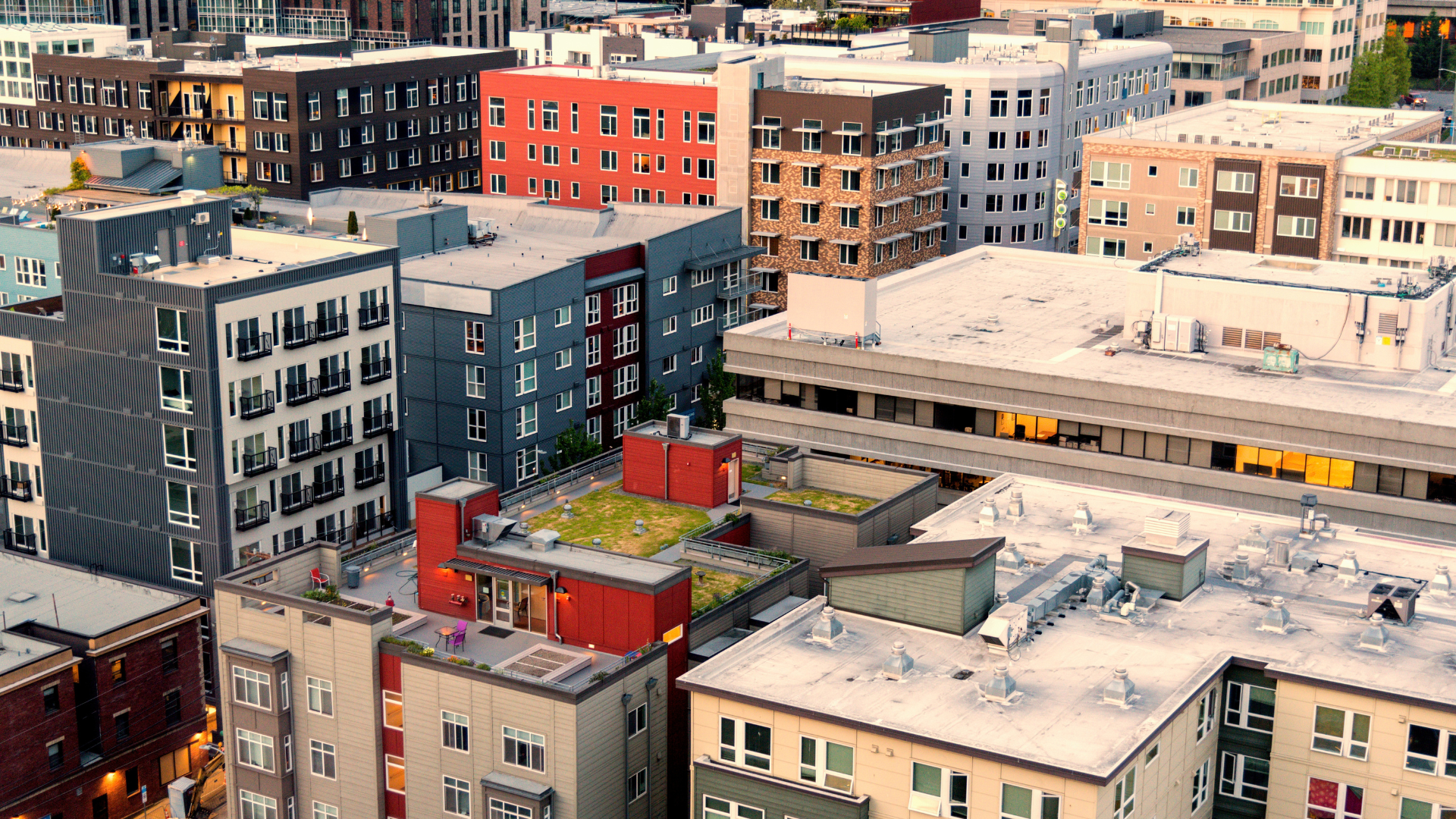
Condos and townhomes can provide a less expensive route into California homeownership, but there are far fewer of them being built than in previous decades. In the second quarter of 2026, the median California condo or townhome cost $670,000, and 30% of households could afford that type of property compared with only 19% for a median-priced single-family home. Yet condo construction has fallen sharply, with condos accounting for only about 3% of new multifamily housing built in California from 2011 through 2021, according to the Los Angeles Times.
Buyers Are Looking Beyond Traditional Single-Family Homes
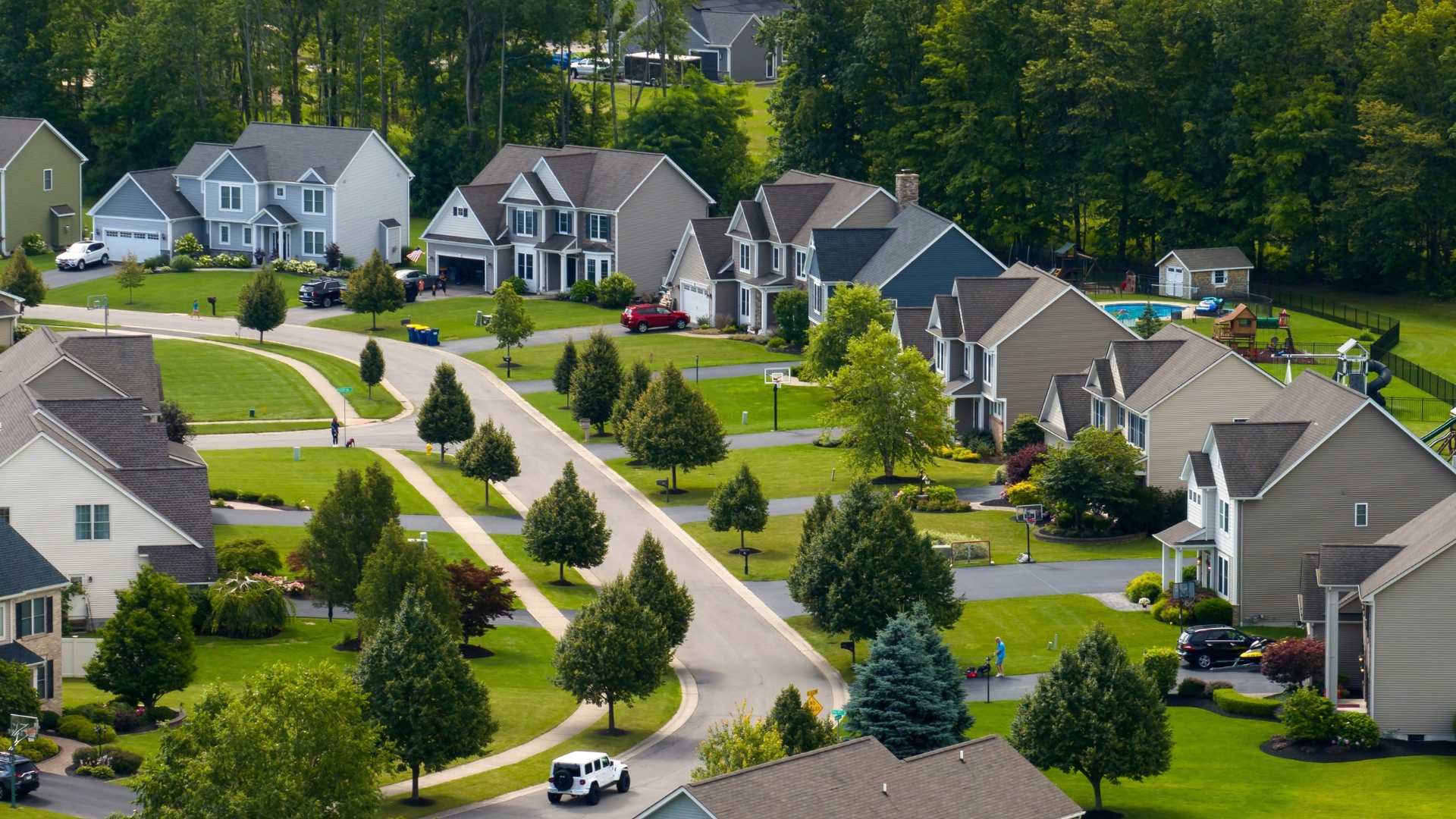
As traditional single-family homes become harder to afford, buyers are increasingly having to consider smaller properties, condos, townhomes and less expensive areas rather than the detached suburban house that has long represented the American homeownership ideal. The affordability numbers help explain why a condo or townhome can become an important stepping stone, even though its median price is still high by national standards. In some cases, buyers are also looking farther inland or toward areas with lower home values, trading location, space or commute times for a more manageable purchase price.
Renting Can Cost Less Than Owning for Now
For households unable to overcome the upfront cost of buying, renting can currently be substantially cheaper on a monthly basis in many parts of California. The Legislative Analyst’s Office estimated that in June 2026, a typical two-bedroom rental cost about $2,700 a month, compared with roughly $4,600 in monthly costs for owning a comparable two-bedroom home, including principal, interest, taxes and insurance. That does not mean renting is always financially preferable over the long term, but the large monthly difference helps explain why some households are delaying a purchase rather than stretching their budgets to become homeowners.
Affordability Has Improved Slightly, but the Gains Are Fragile
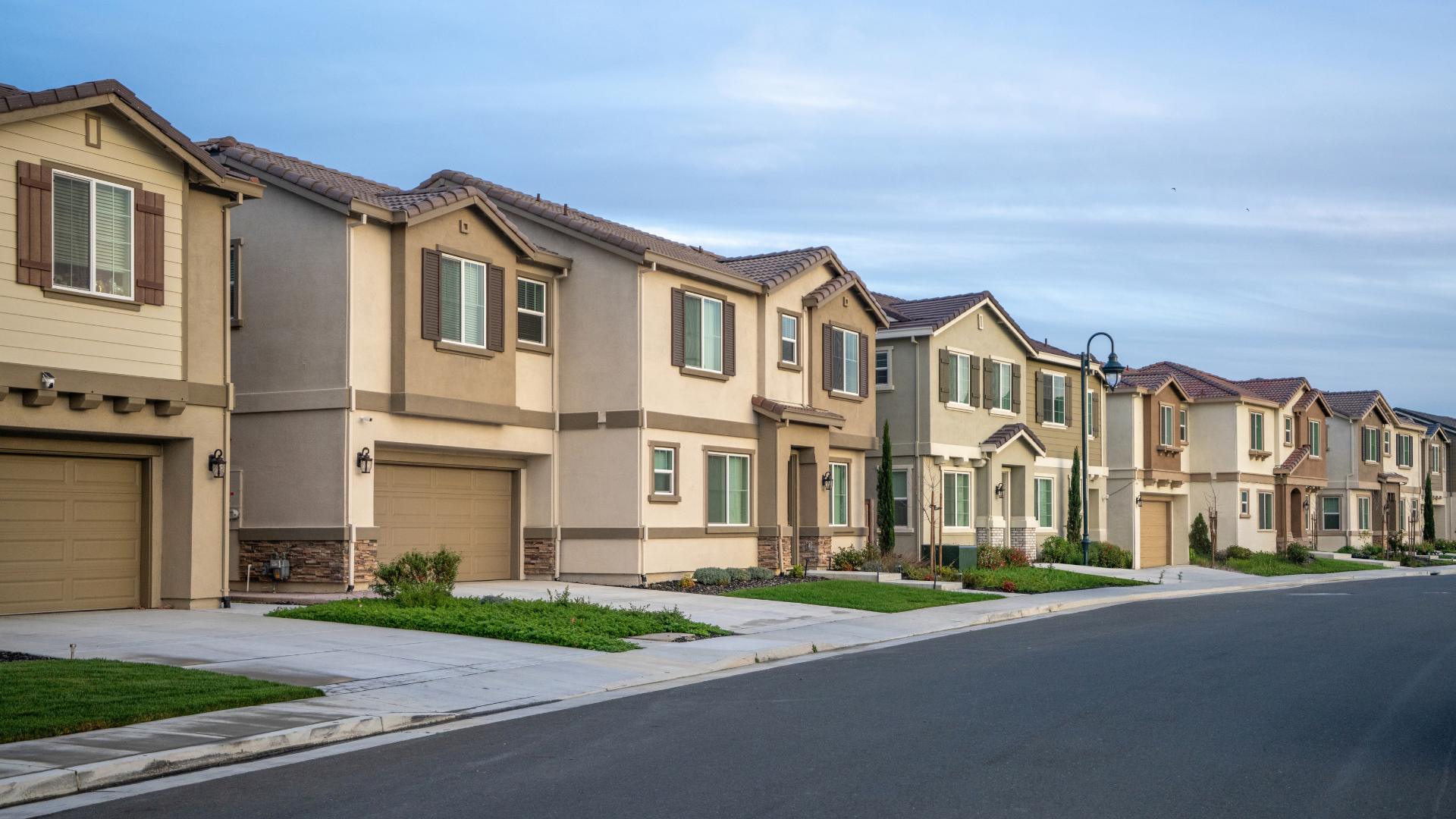
There are some signs that the market is becoming slightly more accessible, but the improvement remains limited. California’s home affordability rate was 19% in the second quarter of 2026, up from 17% a year earlier, while the median condo or townhome was affordable to 30% of households compared with 28% a year earlier. However, affordability had reached 22% in the first quarter before falling as mortgage rates and home prices moved higher, showing how quickly progress can reverse.
The American Dream Is Being Redefined

California’s housing crisis is not necessarily ending the dream of homeownership, but it is changing what that dream looks like for a growing number of residents. With high prices, elevated mortgage rates, limited inventory and a shortage of entry-level homes, buyers may have to consider smaller properties, different locations, longer timelines or continued renting before purchasing. The bigger challenge for the state is increasing the supply of homes that ordinary households can actually afford, because without more attainable options, owning a home in California will remain out of reach for many people who once expected it to be a normal part of adult life.