Most Americans Will Turn Clocks Back One Hour on Nov. 1 Unless Congress Acts
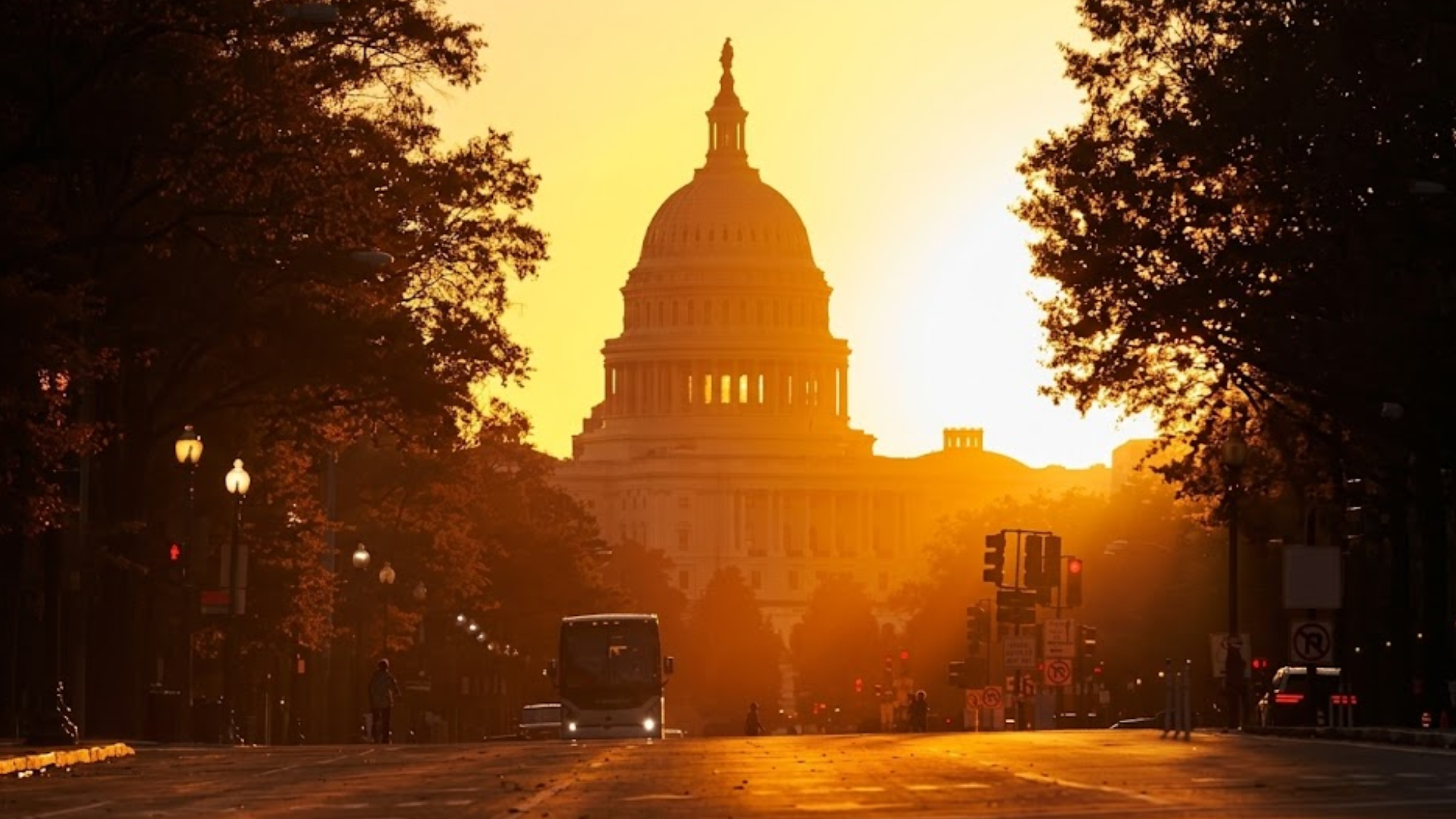

Daylight saving time is set to end once again this fall, and most Americans will turn their clocks back one hour as a result. While the basic routine feels familiar by now, there’s genuinely more going on behind this twice yearly ritual than most people realize, from its surprisingly old origins to an ongoing political debate that could eventually eliminate the whole practice. Here’s exactly when the change happens this year, along with the history, the holdouts, and the real effects worth knowing about before you reset a single clock.
This article was created with the assistance of AI and reviewed by our editorial team for accuracy and clarity.
The Exact Date and Time You Need to Know
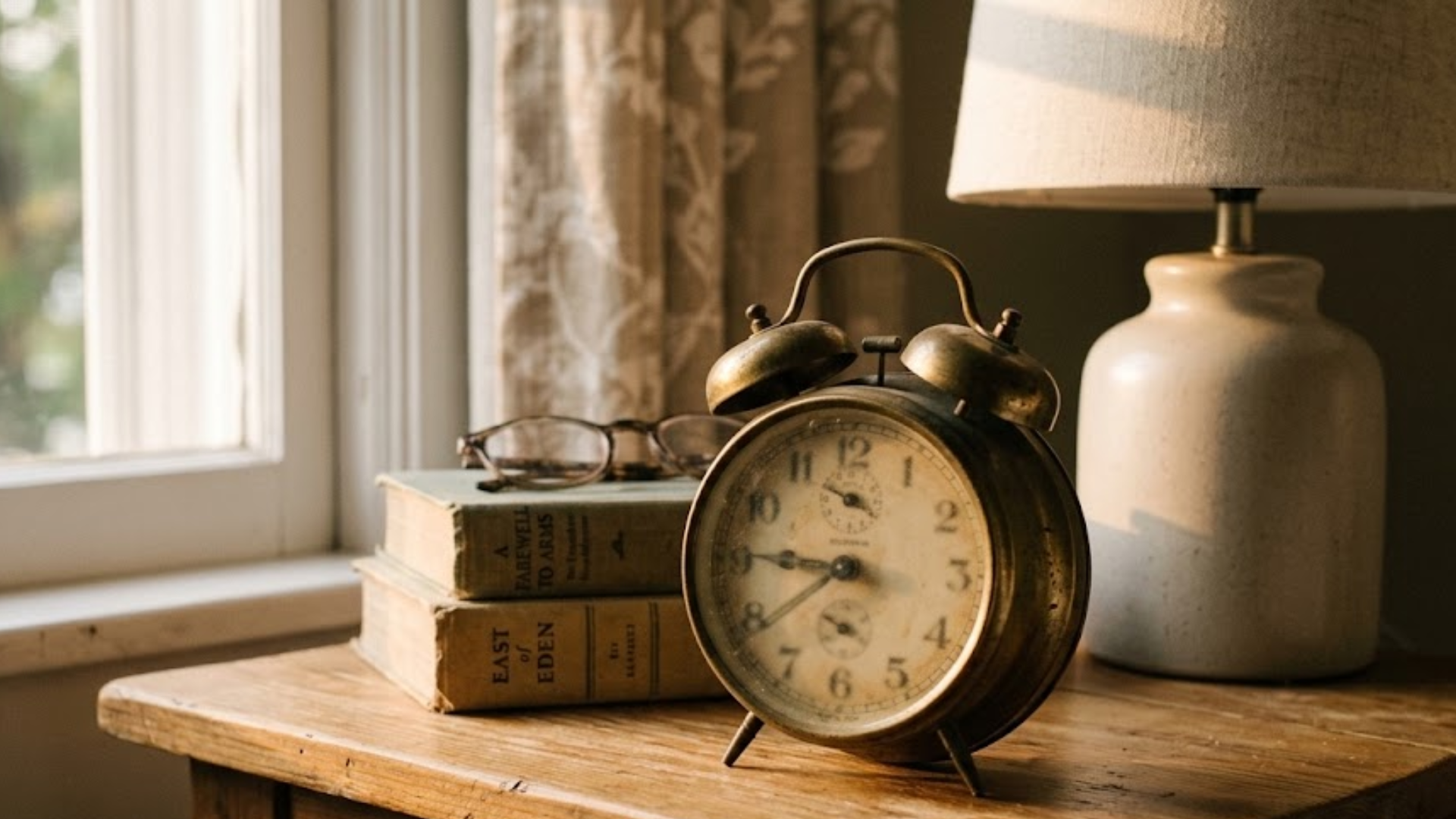
Daylight saving time ends at 2 a.m. local time on Sunday, November 1, 2026. At that precise moment, clocks move back one hour to 1 a.m., giving most people across the country an extra hour of sleep that particular night. Since this year’s change falls the morning right after Halloween, anyone out trick or treating or attending parties the night before gets a small bonus of extra rest built in. Clocks won’t spring forward again until Sunday, March 8, 2027, keeping standard time in place throughout the entire winter season.
A Surprisingly Old Idea With Wartime Origins

Daylight saving time isn’t a modern invention. The basic concept was first proposed by New Zealand scientist George Hudson back in 1895, though it wasn’t actually implemented anywhere until Germany adopted it during World War I, specifically as a way to conserve energy resources during wartime. The United States eventually established a consistent, nationwide daylight saving schedule through the Uniform Time Act of 1966. Congress later amended that law in 2005, extending the current schedule to begin on the second Sunday in March and end on the first Sunday in November, the exact framework still in use today.
These States and Territories Skip the Whole Thing
Not every part of the country actually participates in this twice yearly ritual. Hawaii and most of Arizona, with the specific exception of the Navajo Nation within Arizona’s borders, don’t observe daylight saving time at all, remaining on standard time year round instead. Several U.S. territories, including Puerto Rico and the U.S. Virgin Islands, also opt out of the practice entirely. For residents of these specific areas, clocks simply stay put while the rest of the country goes through its familiar spring forward and fall back routine.
The Ongoing Push to End Clock Changes for Good

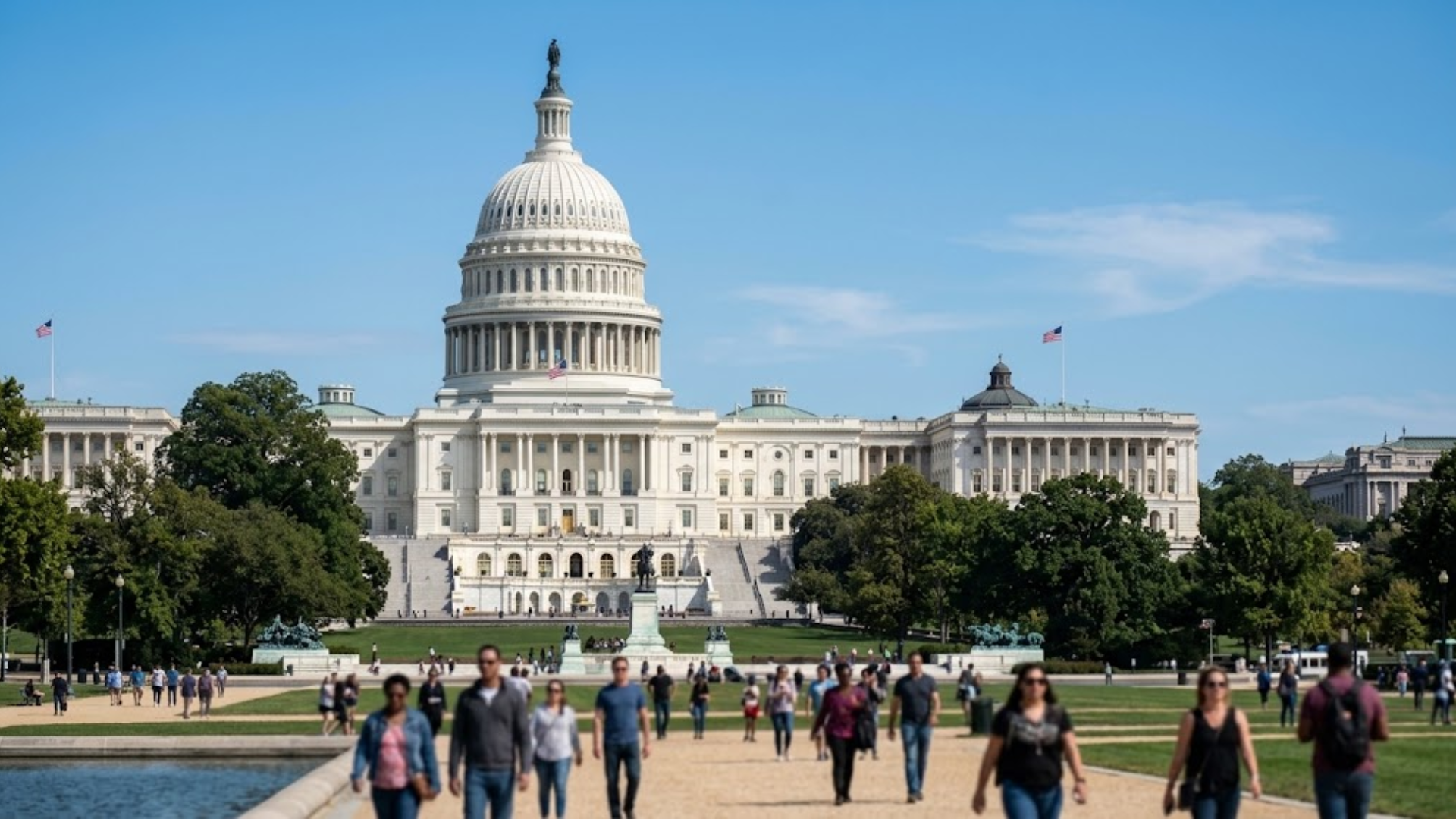
Momentum has been building toward eliminating the twice yearly time change altogether. The U.S. House of Representatives passed the Sunshine Protection Act on July 14, 2026, a bill that would make daylight saving time permanent year round rather than switching back to standard time each winter. As of this writing, the bill has not passed the Senate or been signed into law, and no vote is currently scheduled. President Trump has publicly expressed support for making daylight saving time permanent as well, though without further congressional action, Americans should still expect to turn their clocks back as usual this November.
Canada Isn’t Entirely on the Same Schedule Anymore

The debate over clock changes extends beyond U.S. borders too. Several Canadian provinces and territories, including British Columbia, Alberta, Manitoba, and the Northwest Territories, will not be turning their clocks back on November 1, 2026, having already moved away from the twice yearly change. That creates a somewhat unusual situation where parts of Canada and the United States, despite sharing time zones and close geographic proximity, may now be operating on different schedules relative to each other for portions of the year.
What the Science Actually Says About Heart Health

For years, a frequently cited statistic claimed heart attacks increase by 24 percent the Monday after the spring time change, based partly on an older Michigan hospital study. More recent research has complicated that picture considerably. A large scale study examining more than 168,000 patients between 2013 and 2022 found no measurable increase or decrease in heart attack rates during the week of a daylight saving time transition compared to surrounding weeks. Medical experts now generally agree that any risk tied directly to the clock change itself is far less significant than the broader, well established link between chronic poor sleep and long term cardiovascular health.
The Fall Transition Tends to Be Gentler Than Spring

Whatever the precise cardiovascular risk ultimately turns out to be, sleep experts consistently agree that the fall transition, when people actually gain an hour of sleep, tends to be considerably easier on the body than the spring shift, which takes an hour away instead. That said, any disruption to a person’s regular sleep schedule and circadian rhythm, the body’s internal clock governing sleep and wake cycles, can still temporarily affect mood, alertness, and cognitive performance in the days immediately following the change, even when the shift technically adds an extra hour of rest to the calendar.
Your Pets Feel the Time Change Too

Humans aren’t the only ones affected by this transition. Pets maintain their own internal circadian rhythms, and veterinarians have observed genuine behavioral changes in animals adjusting to a sudden shift in feeding, walking, and bedtime schedules. Some pet owners report their animals becoming noticeably more sluggish or displaying mild anxiety and confusion during the adjustment period. Veterinary experts generally recommend gradually shifting a pet’s daily routine by small increments in the days leading up to the time change, rather than abruptly resetting their entire schedule all at once.
What to Actually Do Before the Clocks Change

Practically speaking, preparing for this transition is fairly simple. Smartphones, computers, and most other internet connected devices will adjust automatically without any action needed. Traditional wall clocks, wristwatches, and certain older appliances typically require a manual adjustment, so setting those back one hour before heading to bed on Saturday night, October 31, ensures you wake up with the correct time already in place Sunday morning. Whether or not Congress eventually succeeds in ending this twice yearly ritual for good, this particular November marks another familiar, if historically rich, turn of the clock for most of the country.