Boxelder Bugs Could Show Up by the Hundreds This Fall. Here’s How to Keep Them Out
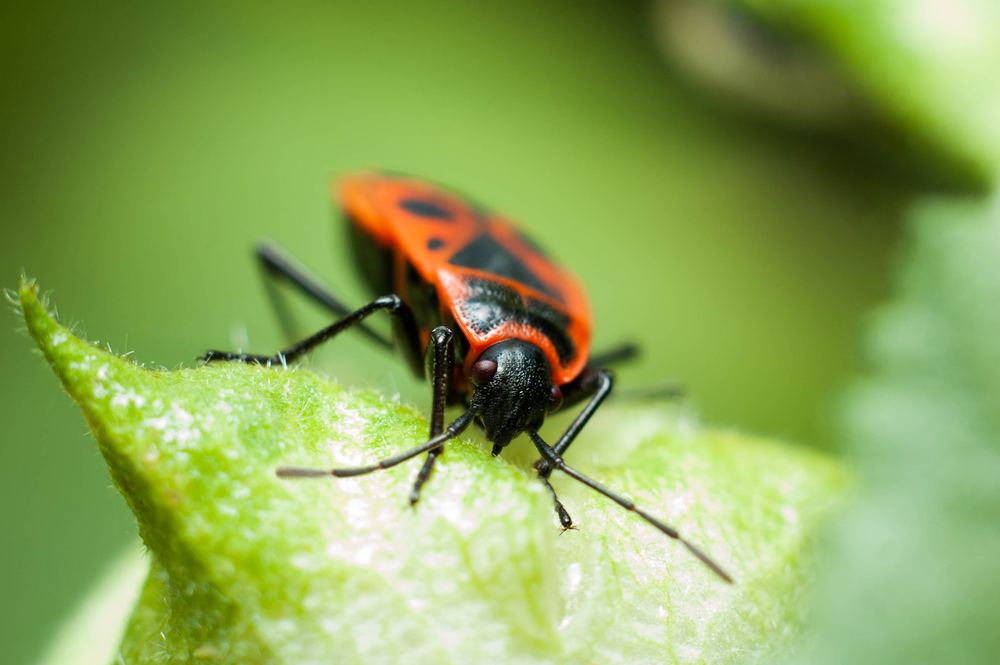

A few black-and-red bugs sunning themselves on your siding may not look like much of a problem. Give them time, however, and dozens or even hundreds can gather as temperatures fall. Boxelder bugs spend warmer months outdoors, but autumn sends adults searching for protected places to survive winter. Homes offer exactly that, especially warm, sun-exposed buildings. The good news is that seeing them outside gives you an opportunity to act before they find their way in.
Fall Is When They Start Looking For A Way Inside
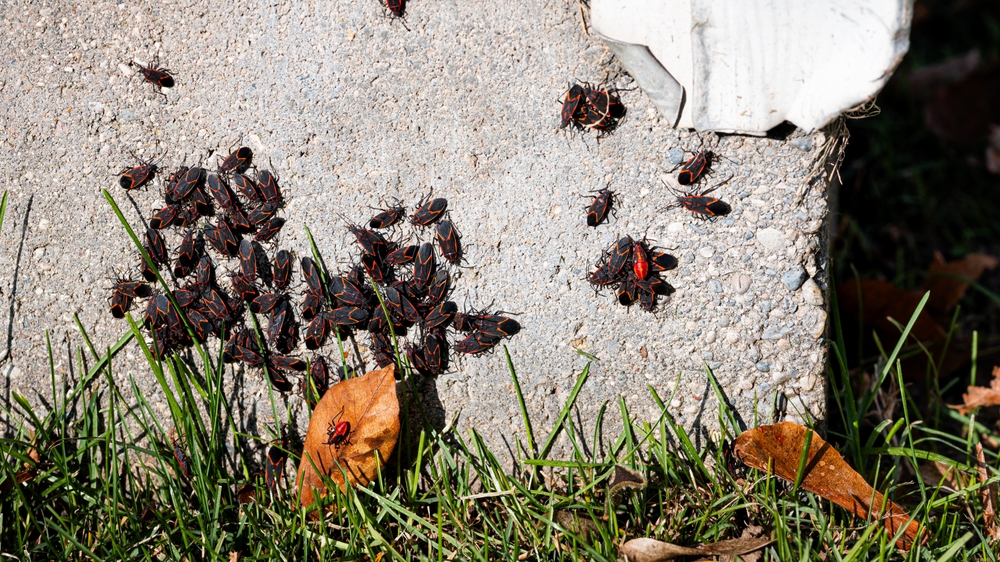
Boxelder bugs don’t invade because they’re interested in your pantry or furniture. They’re looking for shelter. As temperatures drop, adults leave their feeding areas and seek protected winter hiding places, squeezing into cracks and spaces around buildings. University of Minnesota Extension notes that they are particularly attracted to structures with southern or western exposure, where sunshine creates warmer surfaces. Once inside, they can settle into walls, attics and other sheltered spaces until warmer conditions wake them up.
Look For Crowds On The Sunny Side Of Your House

One of the easiest warning signs appears before the bugs cross your threshold. Pest expert Jason Julio recommends watching for groups gathering on south- and west-facing walls, particularly around warm siding and brick. From there, check door and window frames, siding seams and soffits. Adults are about half an inch long, mostly black with distinctive orange or red markings. A large outdoor gathering can be your cue to inspect the house for openings.
They Can Travel Surprisingly Far To Reach You
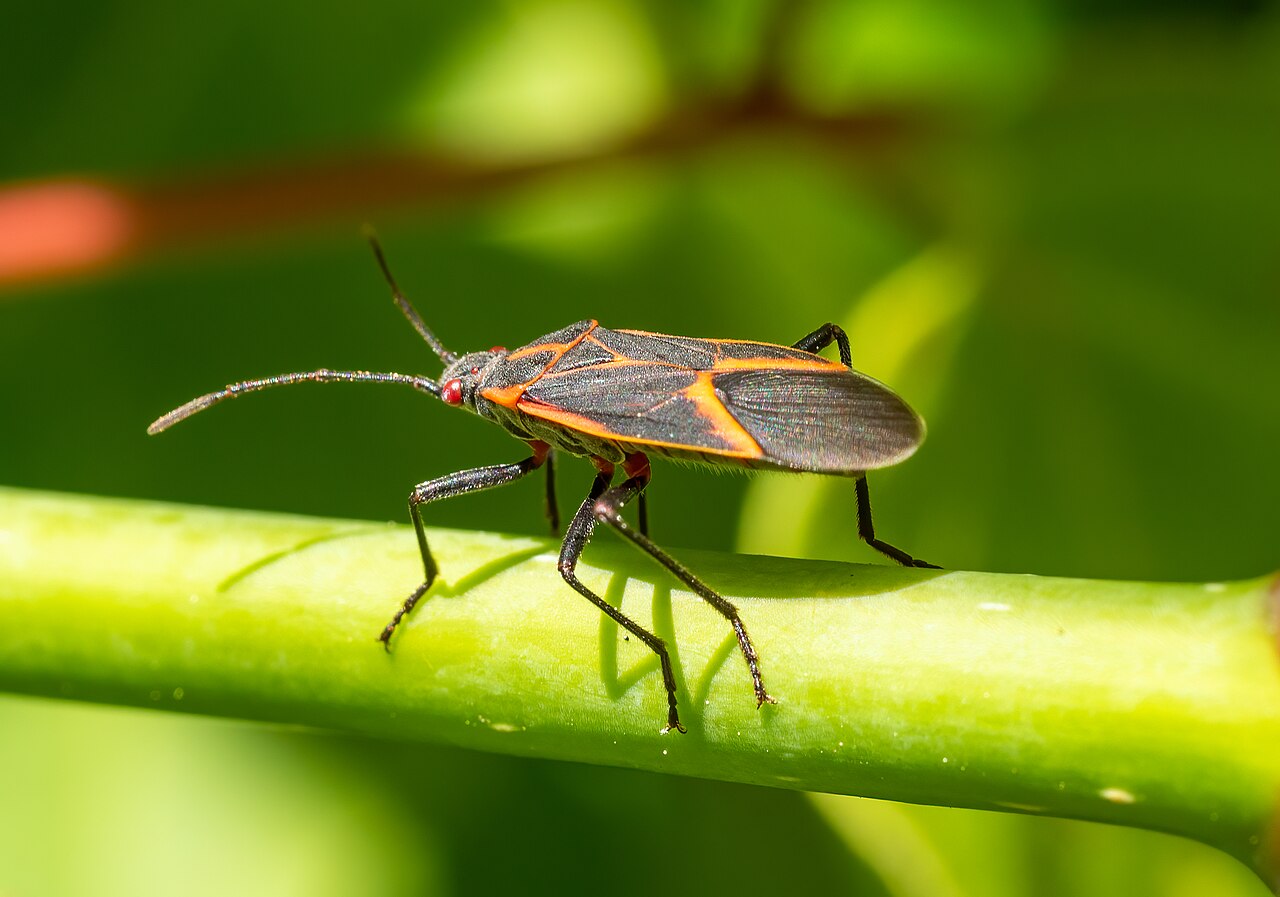
Having no boxelder tree in your yard doesn’t necessarily put your home in the clear. Although the insects feed on boxelder trees and can also use maple and ash trees, adult boxelder bugs can fly several blocks and potentially travel as far as two miles. That also means removing a nearby boxelder tree isn’t considered an effective solution. Instead of trying to eliminate their food source, homeowners can concentrate on making the house itself much harder for the insects to enter.
Start With The Tiny Gaps Around Your House
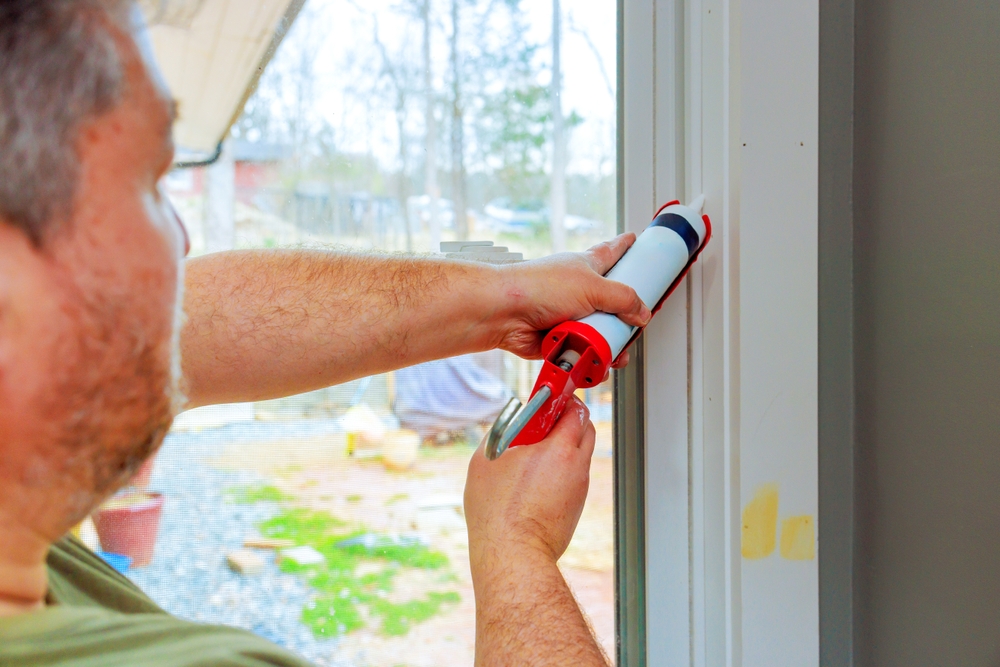
The most effective defense is surprisingly straightforward: seal the openings. Check around windows, doors, utility pipes and wires, soffits, rooflines, fascia boards and anywhere different exterior materials meet. University of Minnesota Extension recommends sealing openings one-eighth inch or larger and repairing damaged screens. Door sweeps and seals along garage doors can close additional routes. Pest expert Sean Hearn told Real Simple that sealing some openings can cost homeowners less than $20 and take under an hour, depending on the repair.
Don’t Forget What You’re Bringing Indoors
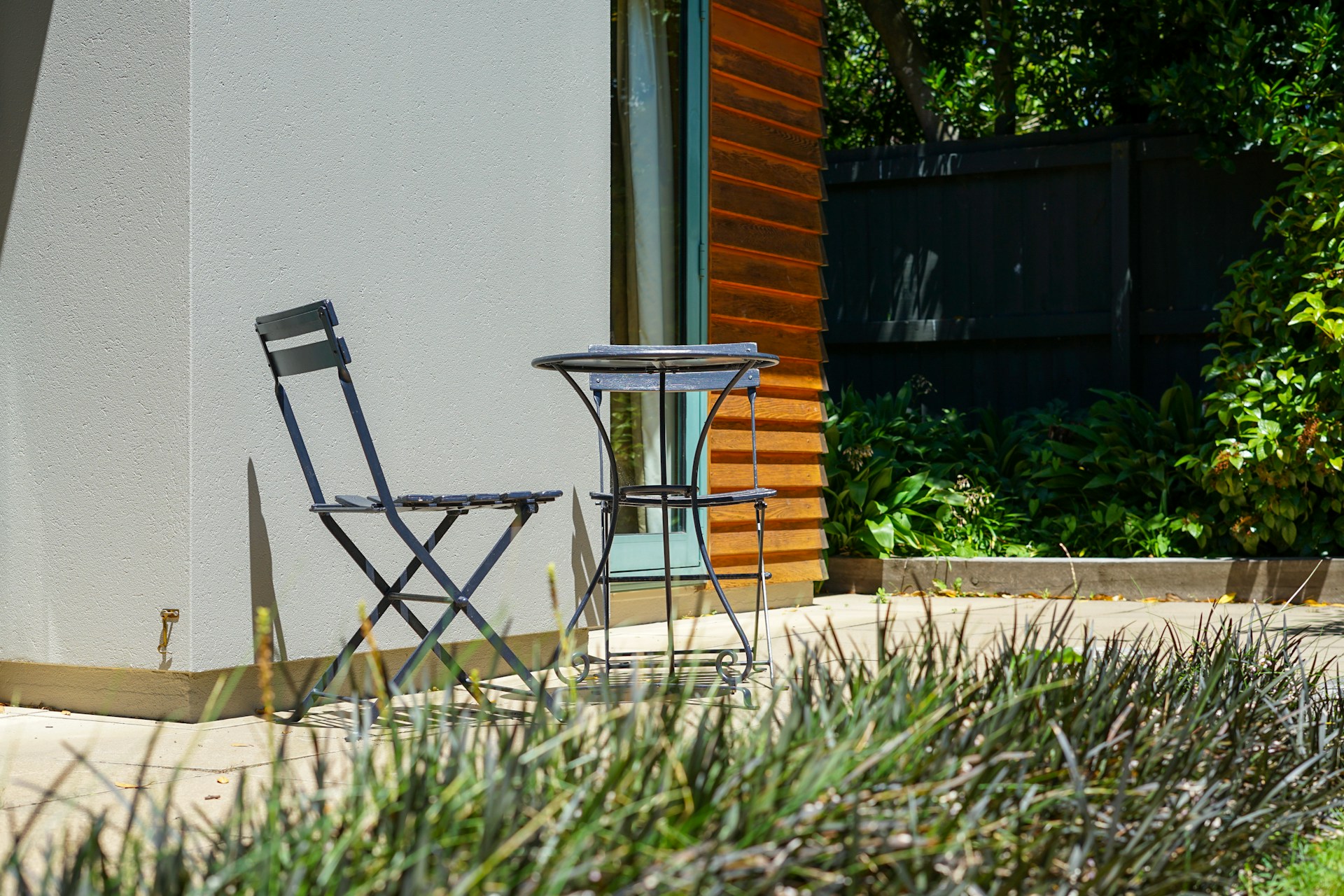
Cracks aren’t the only possible route into the house. Boxelder bugs can hitch a ride on objects that have been sitting outside, including potted plants and storage boxes. That’s worth remembering when you’re moving patio items, plants or seasonal belongings indoors as colder weather approaches. A quick inspection before carrying things through the door can catch unwanted passengers that otherwise bypass all the caulking and weatherstripping you’ve just installed.
If They’re Already Inside, Grab The Vacuum
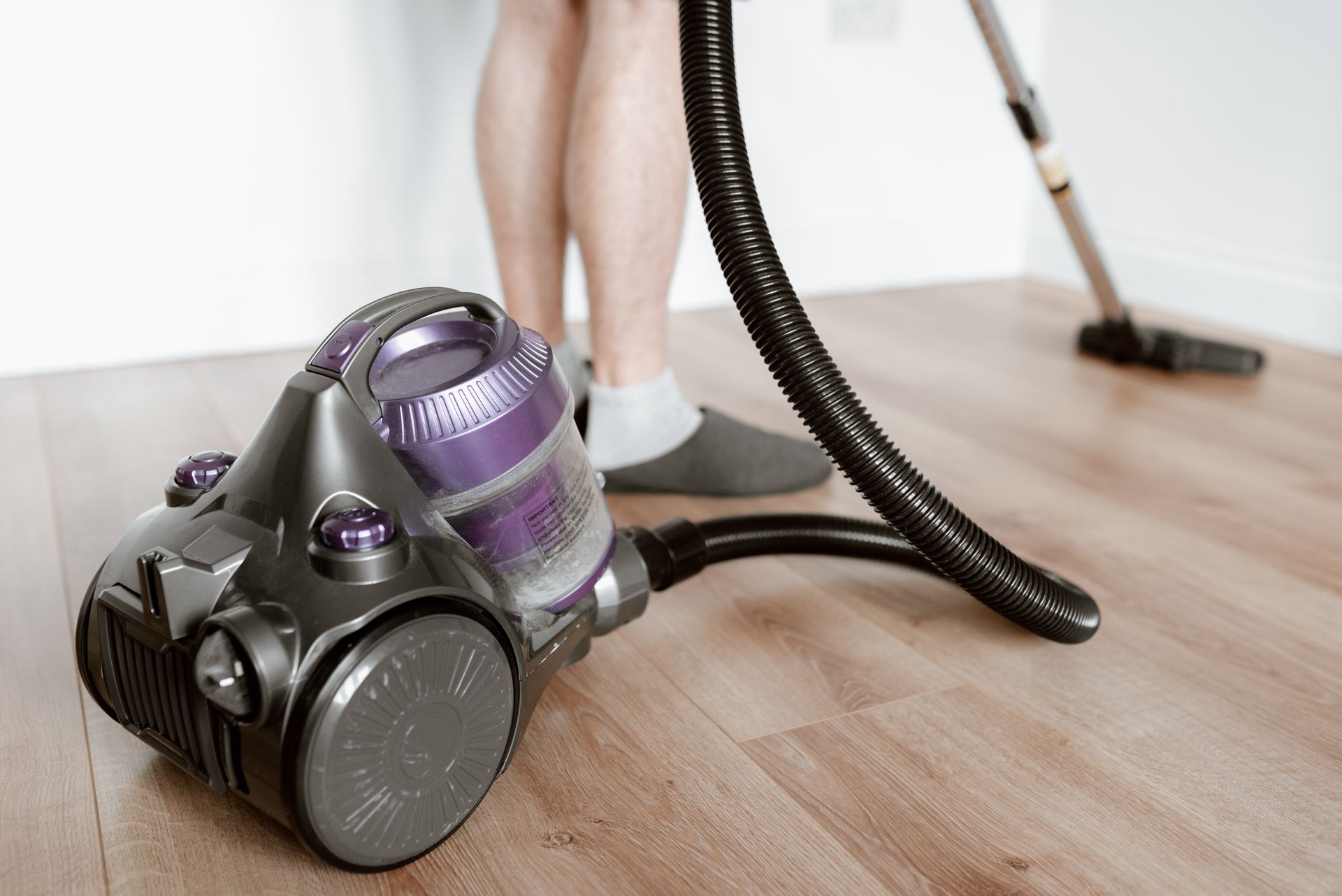
Discovering boxelder bugs indoors doesn’t mean you need to reach immediately for an insecticide. Experts recommend physically removing them with a vacuum or sweeping them up. Pay particular attention to windowsills, baseboards, curtains, light fixtures and attic access areas. Empty the vacuum outside promptly so the insects can’t crawl back out. University of Minnesota Extension notes that boxelder bugs don’t reproduce indoors, so the bugs appearing during winter and spring are generally ones that entered the previous fall.
Whatever You Do, Don’t Squish Them
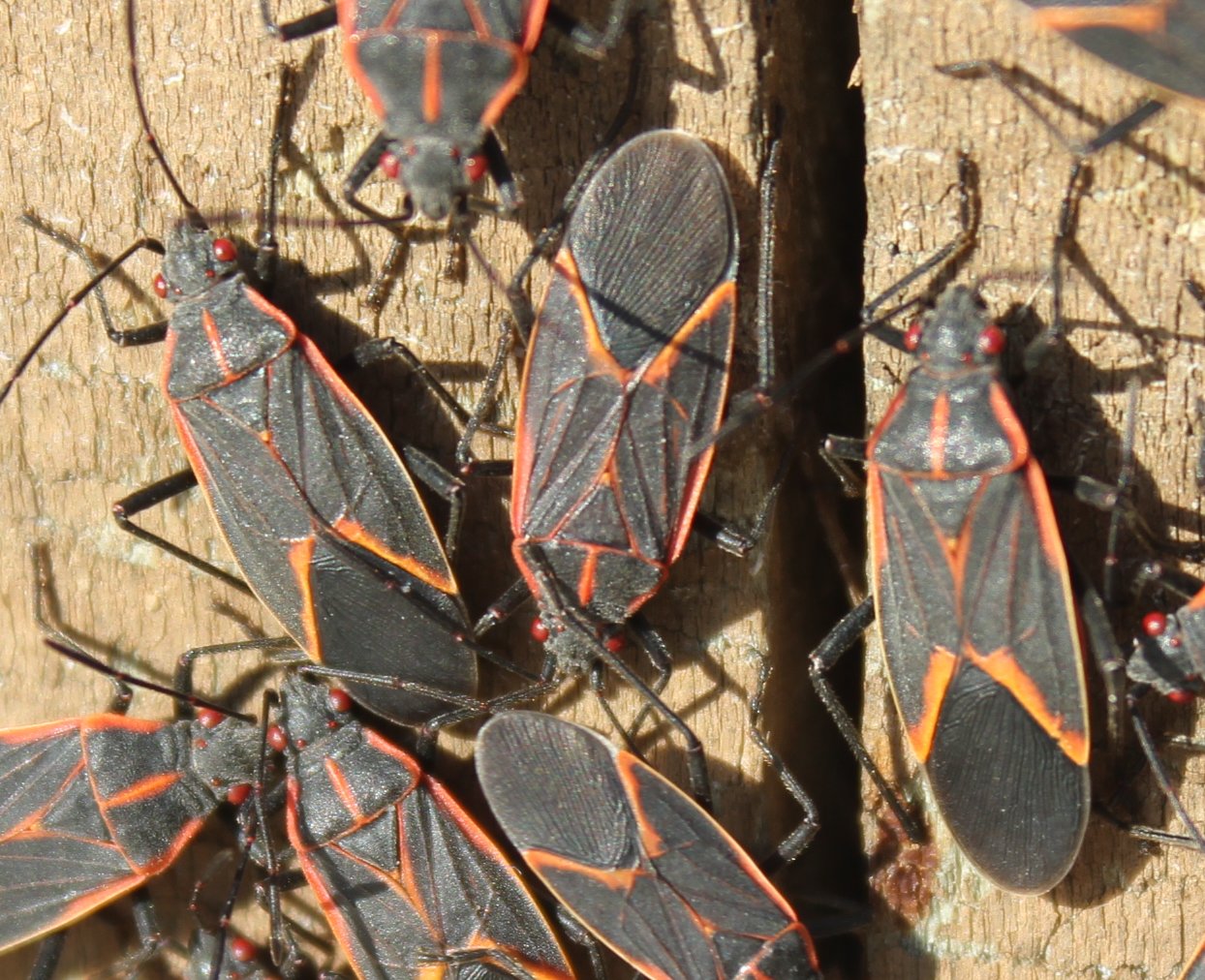
The temptation to squash one crawling across the wall is understandable, but it can create a mess bigger than the bug itself. Boxelder bugs can release an unpleasant odor when crushed, and their fecal material can leave reddish-orange stains on fabrics and other surfaces. Pest experts also caution that squishing doesn’t address the reason they’re appearing. Vacuuming lets you remove them without turning a minor nuisance into a stain on the wall or curtains.
Spraying Indoors Isn’t The Best Answer Either
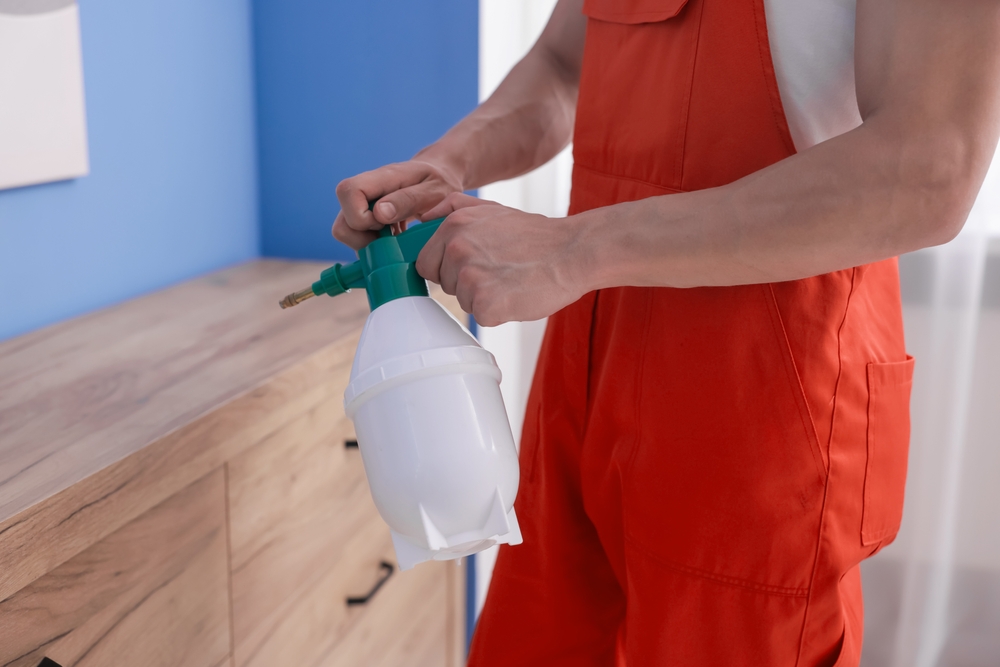
Indoor sprays and foggers aren’t the fix experts recommend. Once boxelder bugs have made it inside, University of Minnesota Extension says physical removal is the practical approach and insecticides aren’t recommended after the insects emerge indoors. For serious recurring problems, exterior insecticide treatments can supplement sealing when bugs begin clustering outside in late summer or early fall, but pesticide labels and directions should always be followed. Severe infestations may be better handled by a pest-control professional.
The Best Time To Stop Them Is Now
Once boxelder bugs disappear into walls and attics, your options become much more limited. That’s why those fall clusters outside deserve attention now. Sealing gaps, repairing screens and checking doors can dramatically reduce how many find shelter inside. And don’t be surprised if a few hidden bugs reappear on mild winter days or when spring arrives. Warmth can make overwintering insects active again. By then, though, the most important prevention work happened months earlier, before they ever crossed the threshold.