19 States Are Ready to Make Daylight Saving Time Permanent, but There’s One Thing Holding Them Back

Nineteen state legislatures have already voted to stop the twice-yearly clock change for good. Not one of those laws can actually take effect. The holdup isn’t in any statehouse. It sits in a single building in Washington, where a bill with rare bipartisan support has been parked for months with no vote in sight.
The Sunshine Protection Act would end the seasonal clock switch nationwide, and it has backing from President Trump, a bipartisan House majority, and dozens of states. Polling has long shown most Americans want the twice-yearly change gone. Yet the bill has stalled in the Senate, where it hasn’t reached the floor despite years of momentum building behind it.
The math is getting tight. Standard time returns on Nov. 1, and lawmakers are scheduled to leave Washington for another extended recess on Oct. 5. That leaves a narrow window for the Senate to act before Americans set their clocks back again this fall, and so far, nothing on the calendar suggests it will.
Florida Started It in 2018, and 16 More States Joined In This Year Alone

Florida passed the nation’s first permanent daylight saving time law back in 2018, well before the idea gained national traction. Eighteen other states have since followed with laws of their own, from Colorado and Georgia to Texas and Washington. Every one of those laws is written to activate only once Congress clears the way at the federal level.
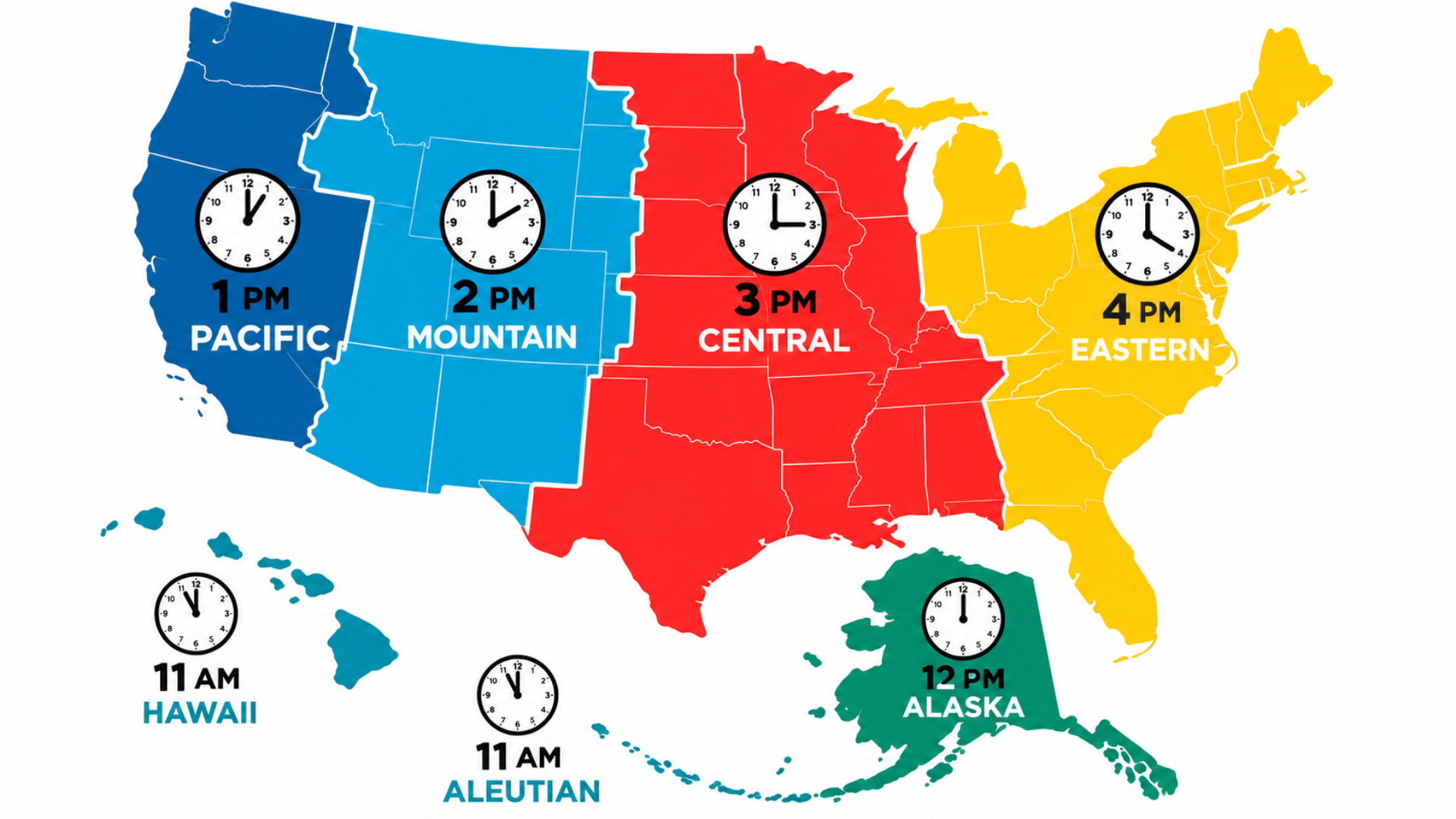
The push hasn’t slowed down. In 2026 alone, 16 states introduced 23 separate bills touching daylight saving or standard time, according to the National Conference of State Legislatures. Under existing federal rules, states are free to lock in permanent standard time, as Arizona and Hawaii already do, but permanent daylight saving time isn’t an option without Congress.
Not every state’s law is unconditional. Delaware and Utah both attached a catch: their permanent daylight saving time rules only kick in if neighboring states adopt the same change. It’s a hedge against becoming an island of mismatched clocks in a region that didn’t come along, and it says something about how tangled this issue gets at the state level.
The Senate Is Back From Recess, but the Bill Still Hasn’t Moved

The Senate returned to Washington on Sept. 14 after five weeks away, giving the Sunshine Protection Act a chance to finally get a hearing on the floor. That chance hasn’t materialized. No vote has been scheduled, and there’s no public sign the chamber intends to take the bill up before fall arrives.
Time is short and getting shorter. Congress is set to break again for recess on Oct. 5, which trims the Senate’s working calendar down to a handful of legislative days. Bills with far less support than this one have died in narrower windows, and right now the Sunshine Protection Act doesn’t even have a hearing date to point to.
If the bill doesn’t move in that stretch, the outcome is already written. Nineteen states with laws on the books, a sitting president in favor, and a majority in the House won’t be enough to stop what happens next on the first of November.
Clocks Fall Back Nov. 1 Regardless of What the States Want
Barring a surprise floor vote, Americans will do the thing millions of them say they’re tired of doing: turn their clocks back an hour on Nov. 1. It will mark yet another year the twice-yearly ritual survives, not because the public wants it or because states haven’t tried, but because one chamber of Congress hasn’t scheduled a vote.
The frustration isn’t new, but the scale of it is notable this time. Nineteen states, a presidential endorsement, and a House majority represent about as much alignment as this issue has ever had, and it still wasn’t enough to force Senate action before the deadline arrived.
Nineteen state legislatures did their part years ago. The bill that would let their laws matter is still sitting untouched in the Senate, and on Nov. 1, that inaction becomes the thing millions of Americans feel with their own hands as they reset every clock in the house.