If Your Childhood Home Had These Things, People Thought You Were Rich

Ask someone who grew up in the 1950s, 60s, or 70s what actually signaled a wealthy family back then, and the answers rarely involve anything flashy by today’s standards. When older adults were recently asked to share the household items that once separated the comfortable from the truly well off, their responses painted a genuinely fascinating picture of how dramatically our definition of luxury has shifted. Many of the things mentioned are so completely ordinary today that it’s almost jarring to think they once functioned as clear status symbols. Here’s what actually counted as rich back then, and what it reveals about how much everyday life has changed.
This article was created with the assistance of AI and reviewed by our editorial team for accuracy and clarity.
Having More Than One Bathroom in the House
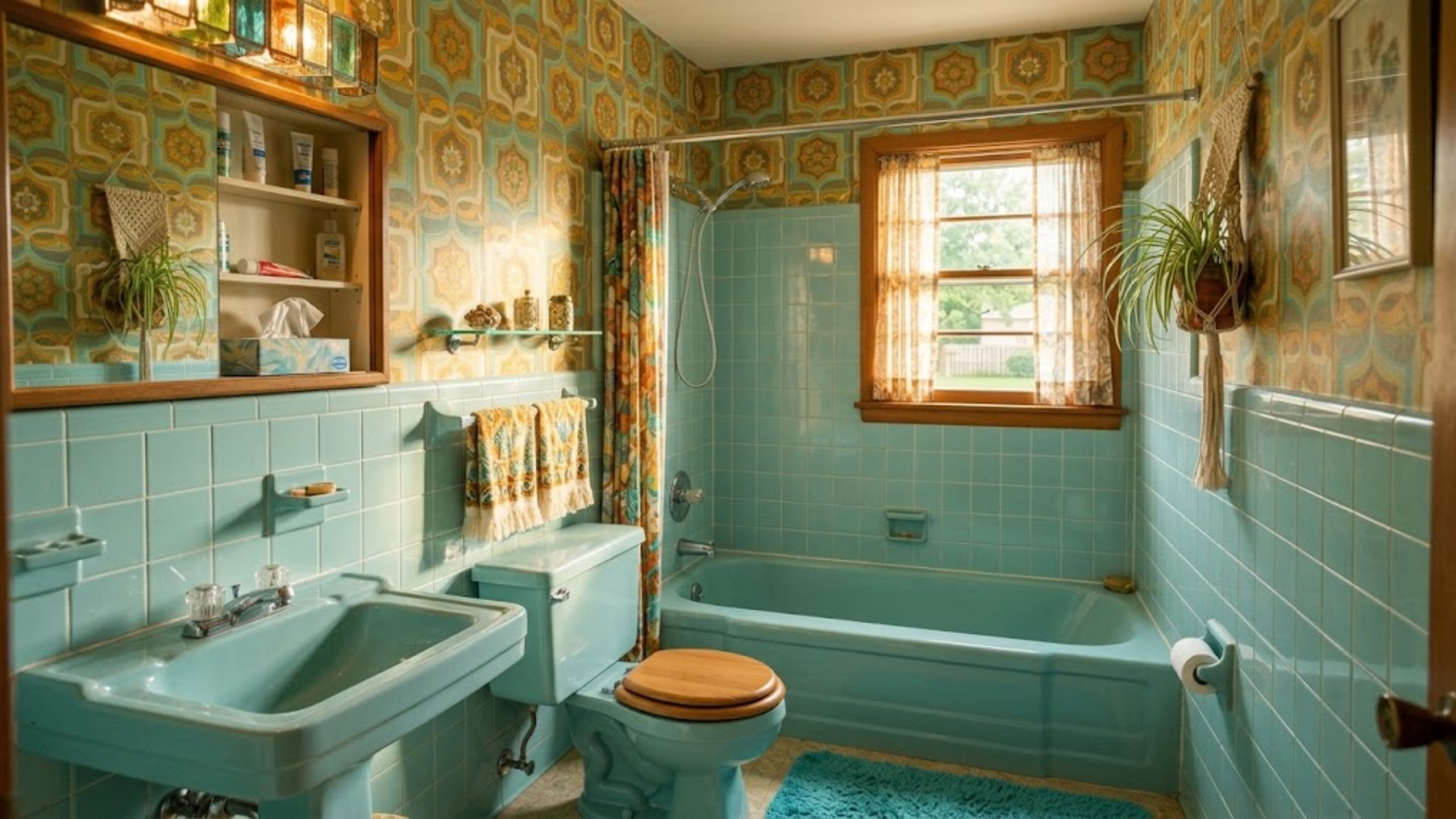
For many older adults, a second bathroom stood out as one of the clearest signs of real wealth. One person recalled attending a work Christmas party back in 1976 and being genuinely amazed to discover their boss’s house had more than a single bathroom. Another shared that their grandparents, born in 1912, were the very first among their many siblings to have a bathroom located inside the house at all, a milestone so significant that extended family members would come by specifically to see and use it. Today, homes with two, three, or more bathrooms are considered fairly standard, making this particular marker one of the more dramatic examples of how quickly expectations have shifted.
Owning a Color Television Instead of Black and White
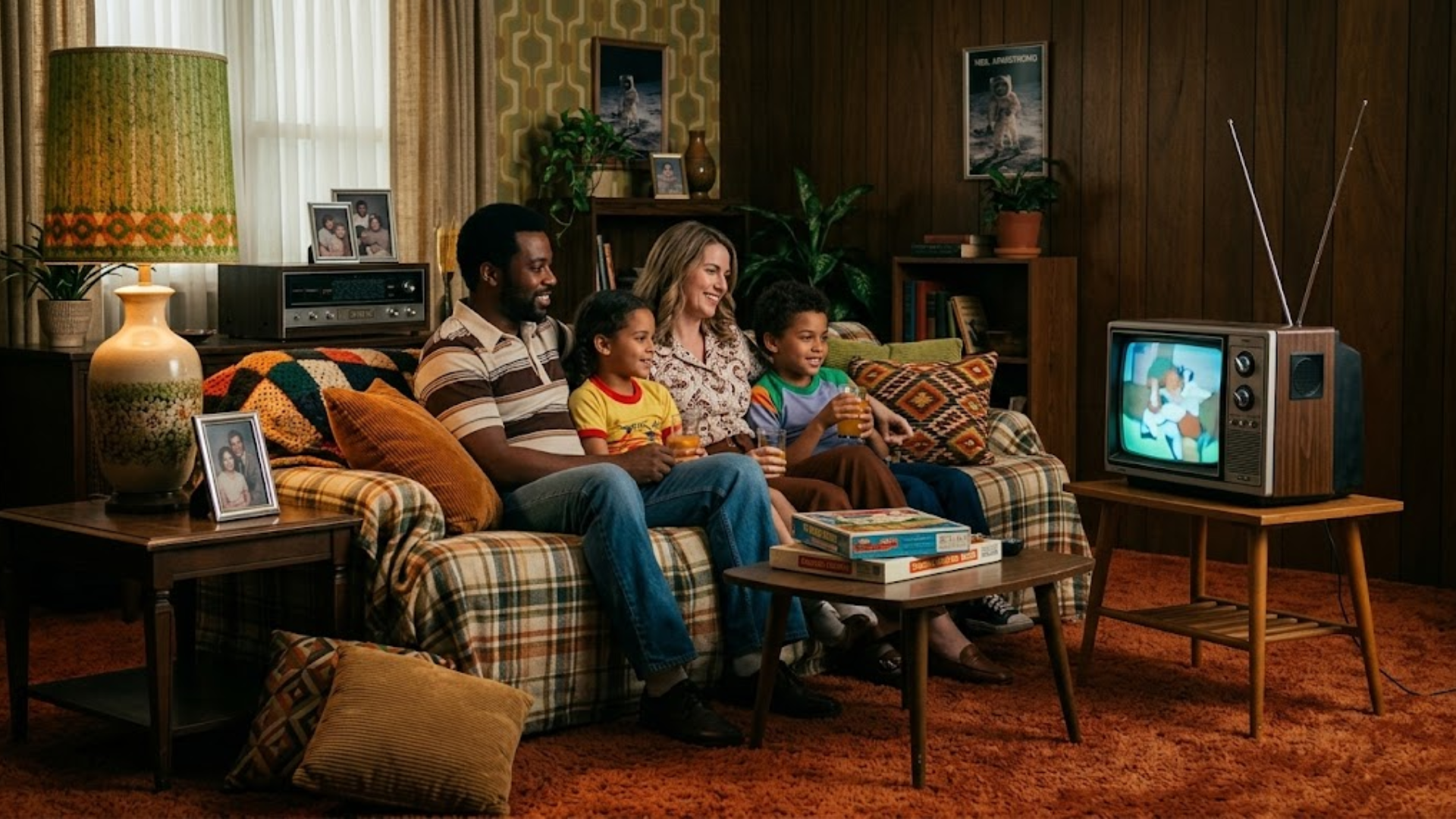
Long before flat screens and streaming became the norm, simply owning a color television set was enough to impress the entire neighborhood. One person recalled their family finally purchasing their first color TV specifically to watch the 1972 Olympics, a modest nine inch screen the whole household piled onto a bed to watch together. Another remembered being a teenager in the late 1960s when most families in even a solidly middle class suburb still owned only black and white sets, making a color television something genuinely special reserved for the more fortunate households nearby.
A Window Air Conditioning Unit Was the Height of Comfort
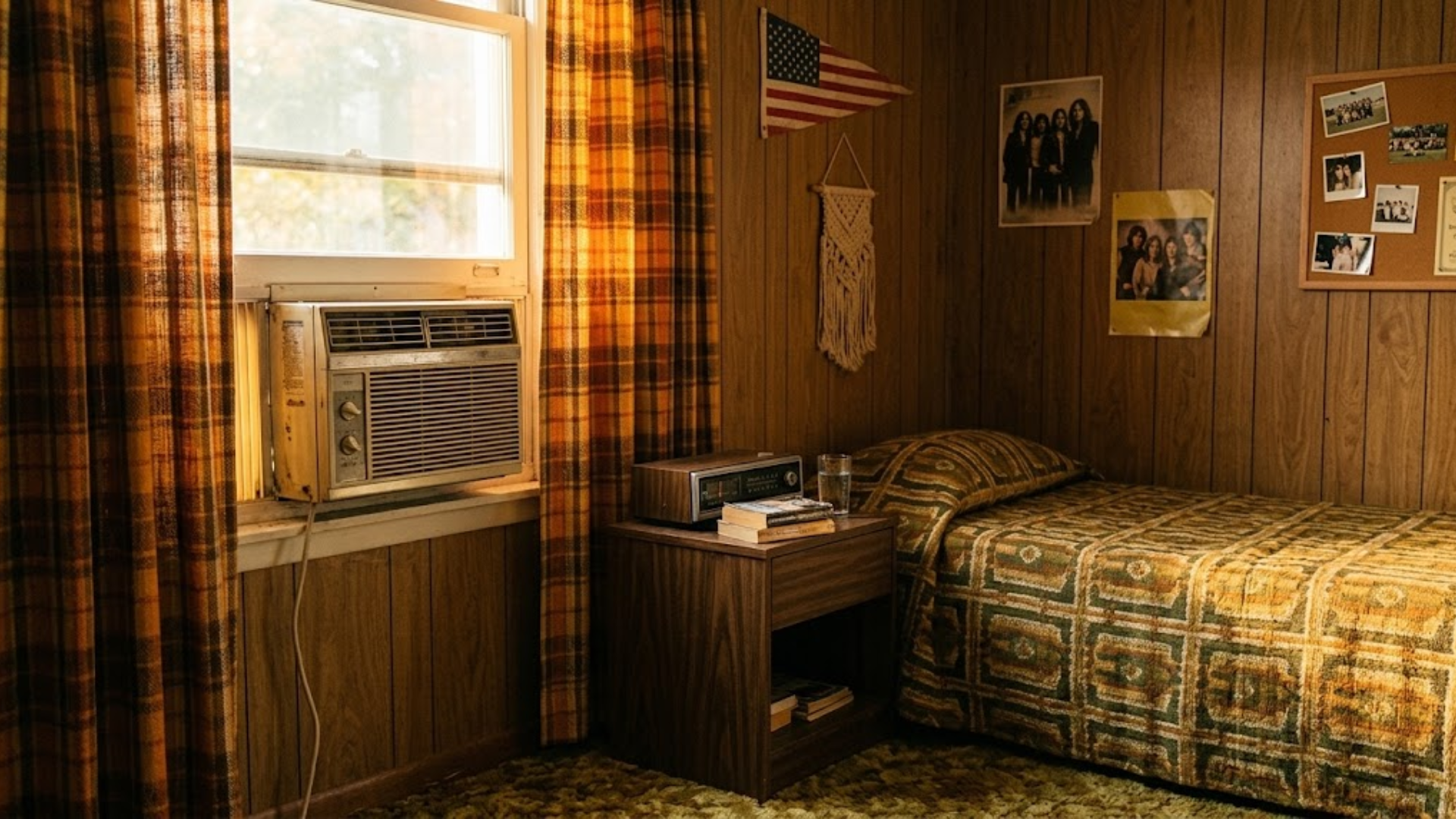
Central air conditioning throughout an entire home wasn’t even part of the conversation for most families decades ago. Instead, a single window mounted air conditioning unit, often installed only in the parents’ bedroom, represented real luxury. Families without one commonly recalled piling into that one cooled room together on especially hot nights, watching television as a group simply to escape the heat elsewhere in the house. The idea of every room staying consistently cool, something most people take completely for granted today, was once a comfort reserved specifically for wealthier households able to afford that extra unit and the electricity to run it.
Two Cars Sitting in the Same Driveway
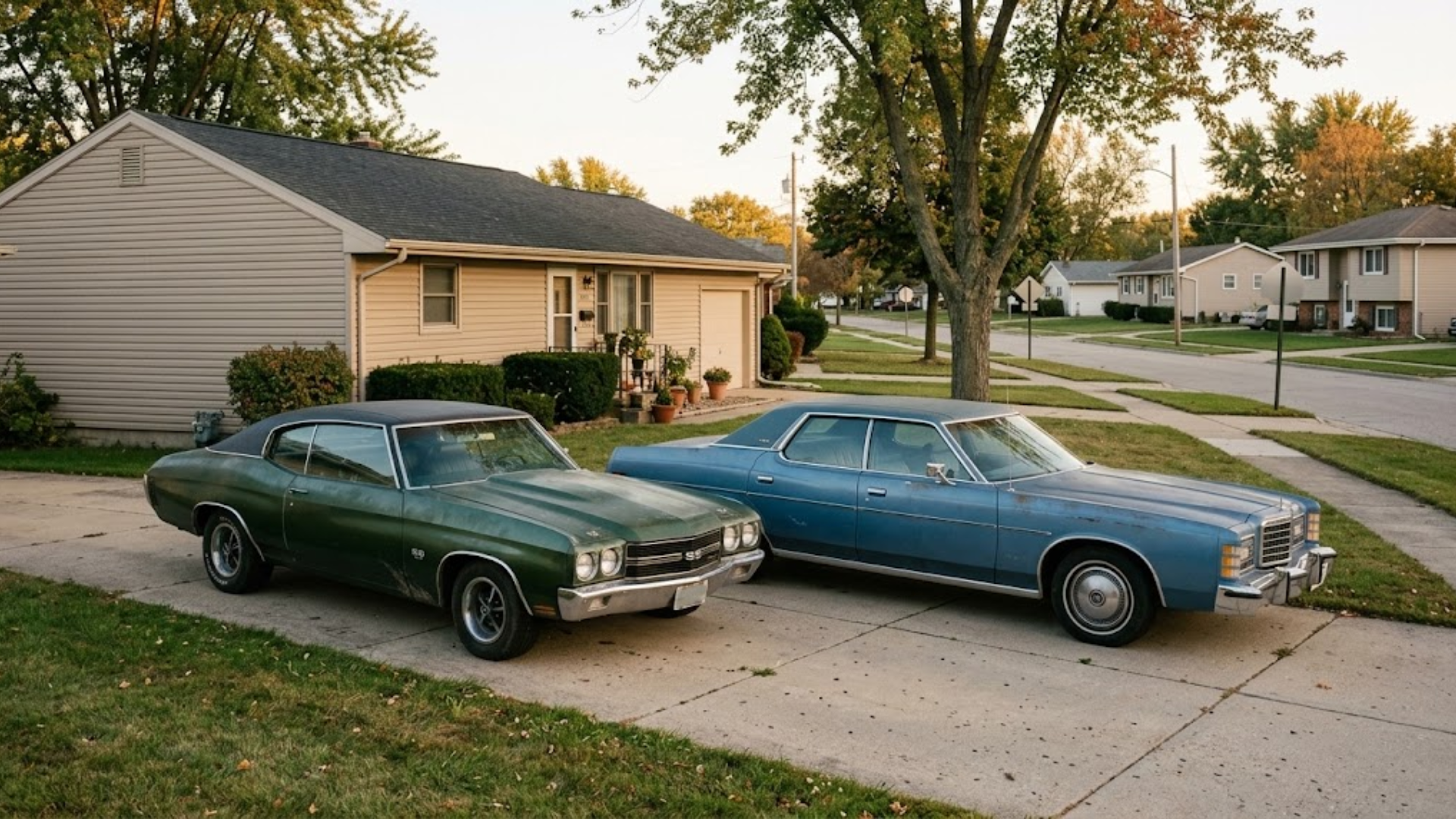
For much of the mid twentieth century, owning a single family car was the norm, even in comfortably middle class neighborhoods. One person specifically recalled growing up in a solidly middle class household in the Denver area throughout the 1970s, noting that even with both parents working professional jobs, their family never owned more than one vehicle at a time, a pattern shared by most of their neighbors as well. Two cars parked in the same driveway only started becoming more common by the mid-1970s, and even then it remained something of a notable exception rather than an unremarkable, everyday sight.
Having Your Very Own Telephone Line
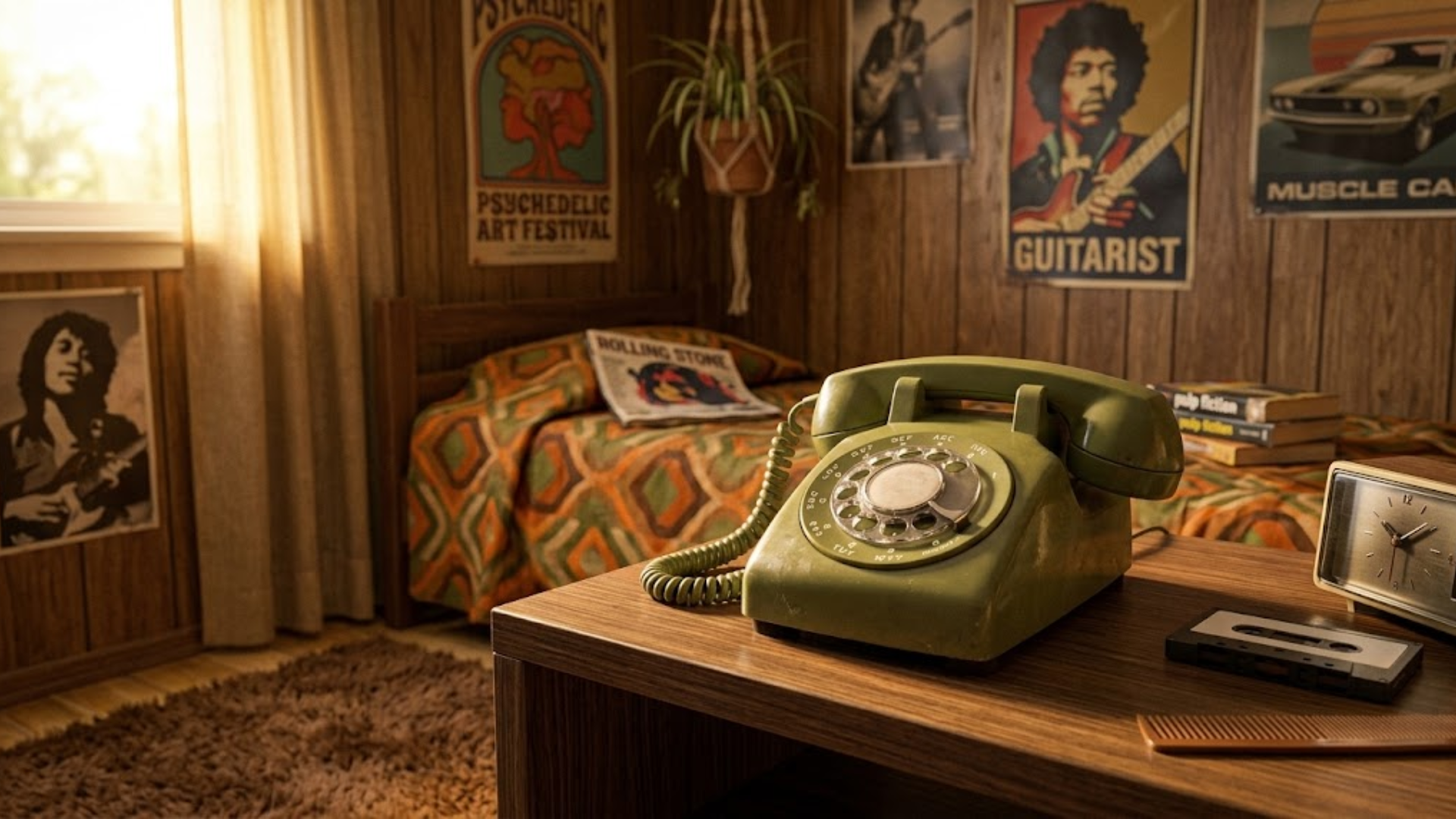
Before every household member carried a personal cell phone, having more than one phone line coming into a single house was a genuine luxury few families could justify. One person specifically remembered a wealthier classmate in middle school having her own personal phone number, completely separate from her parents’ line, along with an actual telephone in her own bedroom, something described at the time as an almost unimaginable height of luxury. Another recalled that one particularly well off family on their street was actually the first to have the phone company run private lines throughout their neighborhood, a service everyone else eventually gained access to as well.
Belonging to an Exclusive Country Club

Country club membership carried a distinct social weight that went well beyond simply having access to a golf course or swimming pool. One person recalled attending a high school swim team dinner at a country club specifically because a teammate’s parents happened to be members there, and asking the front desk directly how someone could actually join, only to be told rather pointedly that membership required a formal sponsorship rather than a simple application. In certain communities, additional details like yacht club or private beach parking stickers on a car served as an even further, more specific signal of a family’s actual social and financial standing within that particular area.
A Fully Finished Basement Packed With Extras
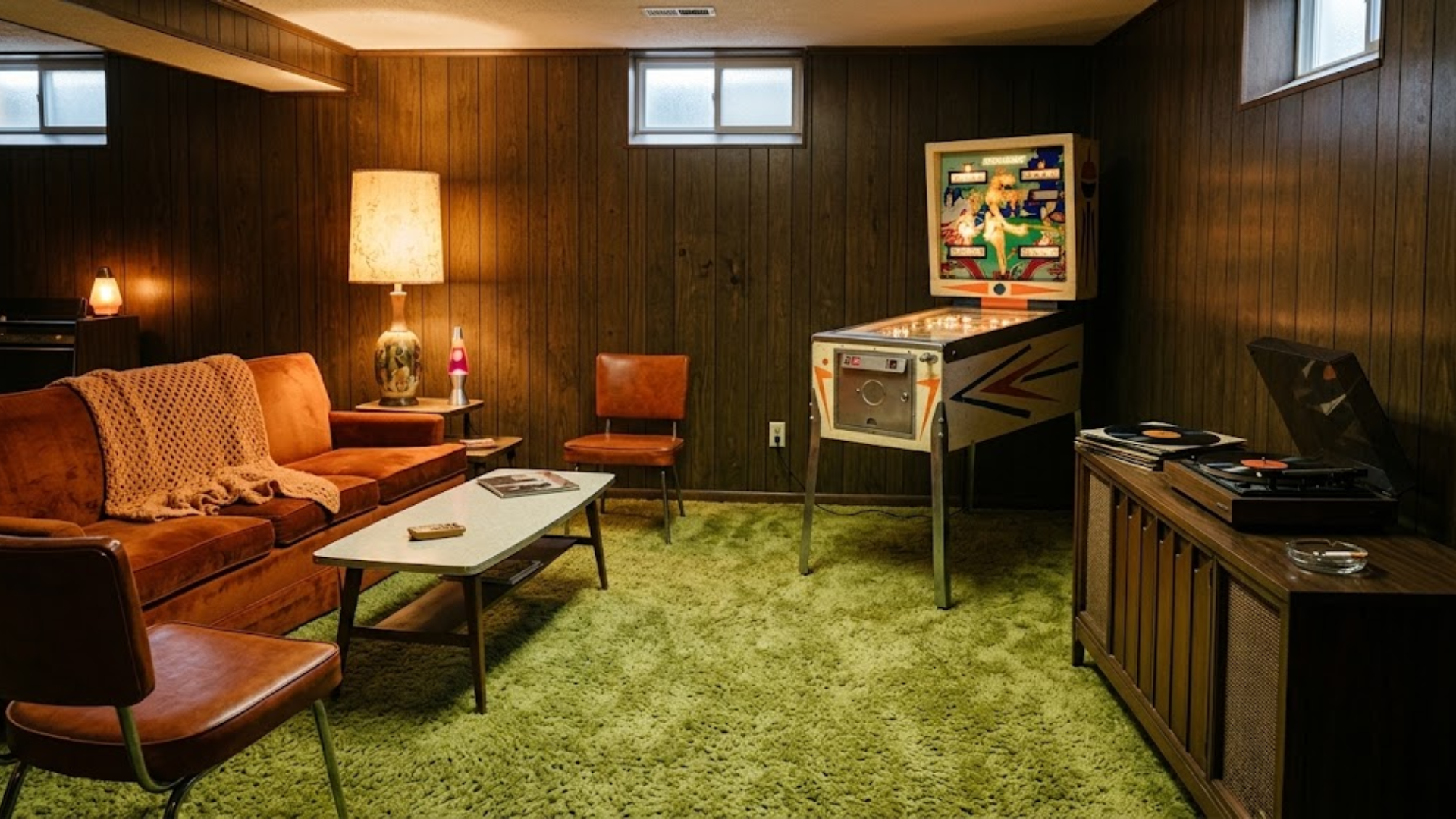
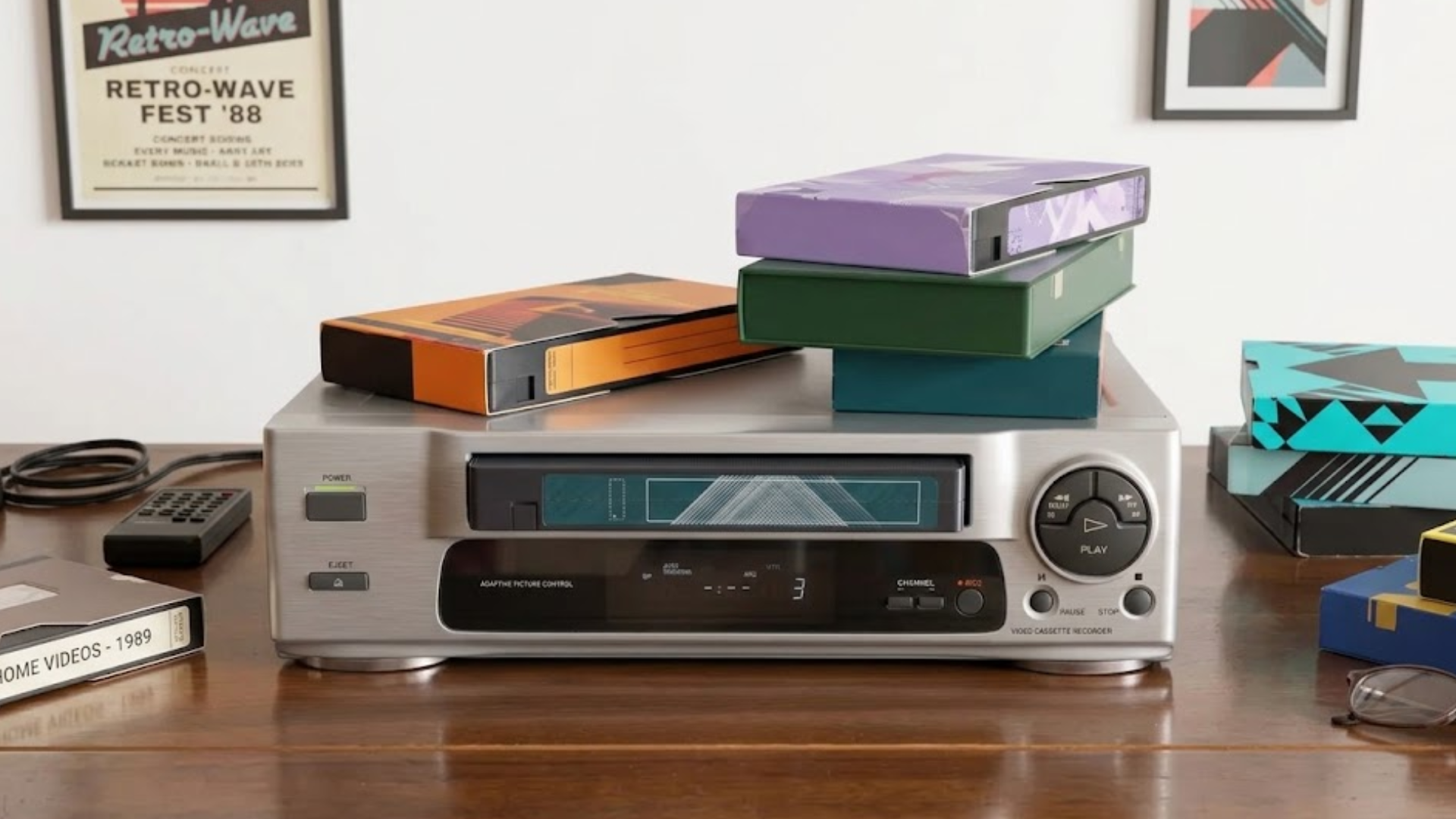
Some of the most vivid memories shared involved elaborately finished basements belonging to the wealthiest family on the block. One person specifically described their well off neighbors’ basement as featuring shag carpet, an 8-track music player, a strobe light, a dedicated extra bedroom set aside specifically for household staff, a water bed, an air hockey table, pinball machines, and notably, one of the very first home VCRs available, a device that alone cost around 2,000 dollars at the time. That single basement essentially functioned as a rotating showcase of nearly every major luxury item available during that particular era, all gathered together under one roof.
Household Appliances That Did the Work for You
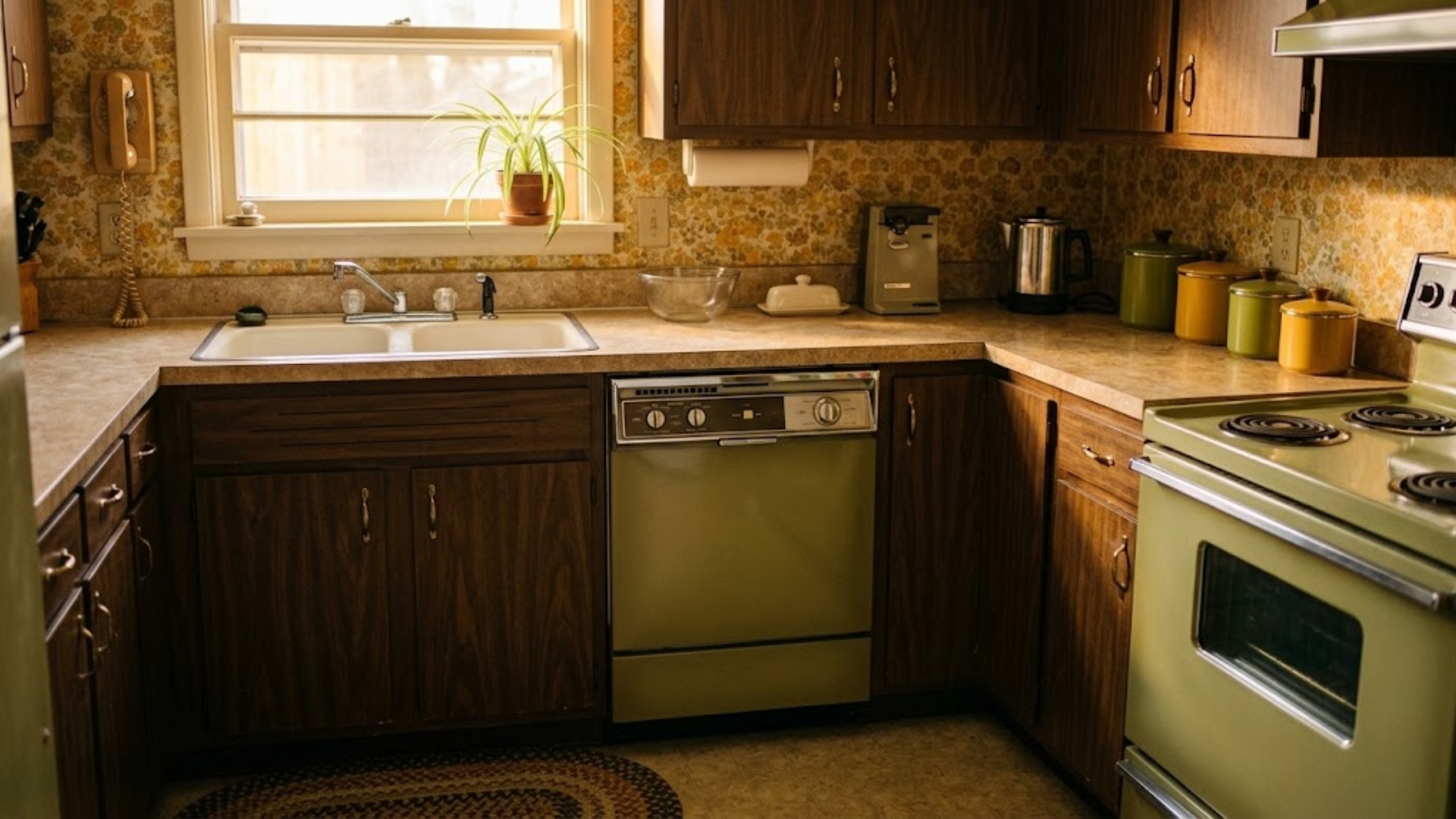
Even certain everyday kitchen appliances carried real status weight decades ago. One person specifically recalled really wanting a dishwasher as a kid, only to be told directly by their mother that she herself was the only dishwasher the household actually needed. Automatic washing machines held similar status for lower income families specifically, with one person recalling not realizing until around age 13 that some households simply owned a washer and dryer at home, rather than needing regular trips to a public laundromat the way their own family always had growing up.
What This Says About How Much Has Actually Changed
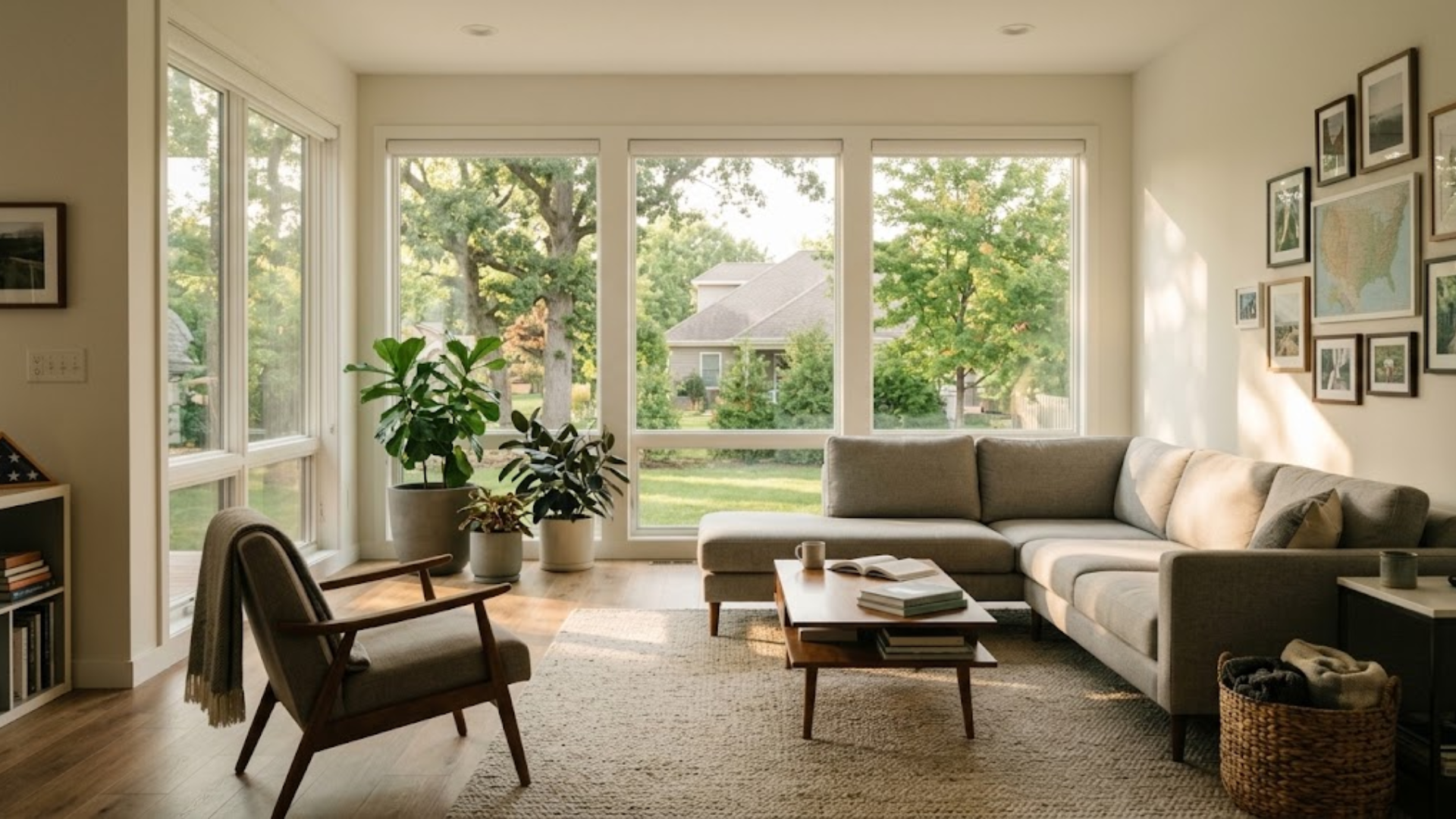
Looking back at this entire list makes something remarkably clear. Nearly every item mentioned, extra bathrooms, color televisions, personal phone lines, home dishwashers, and reliable air conditioning, has become such a basic, unremarkable part of everyday life today that it’s genuinely difficult to imagine any of them once functioning as meaningful markers of wealth at all. That shift reflects decades of steadily improving technology, manufacturing, and overall living standards across most of American society. It’s also a useful, grounding reminder that today’s version of an aspirational luxury, whatever that might currently be, will likely look just as ordinary and unremarkable to the next generation looking back on it decades from now.