Americans Hoping for Lower Fuel Prices May Have to Wait a While Longer, Chevron CEO Warns
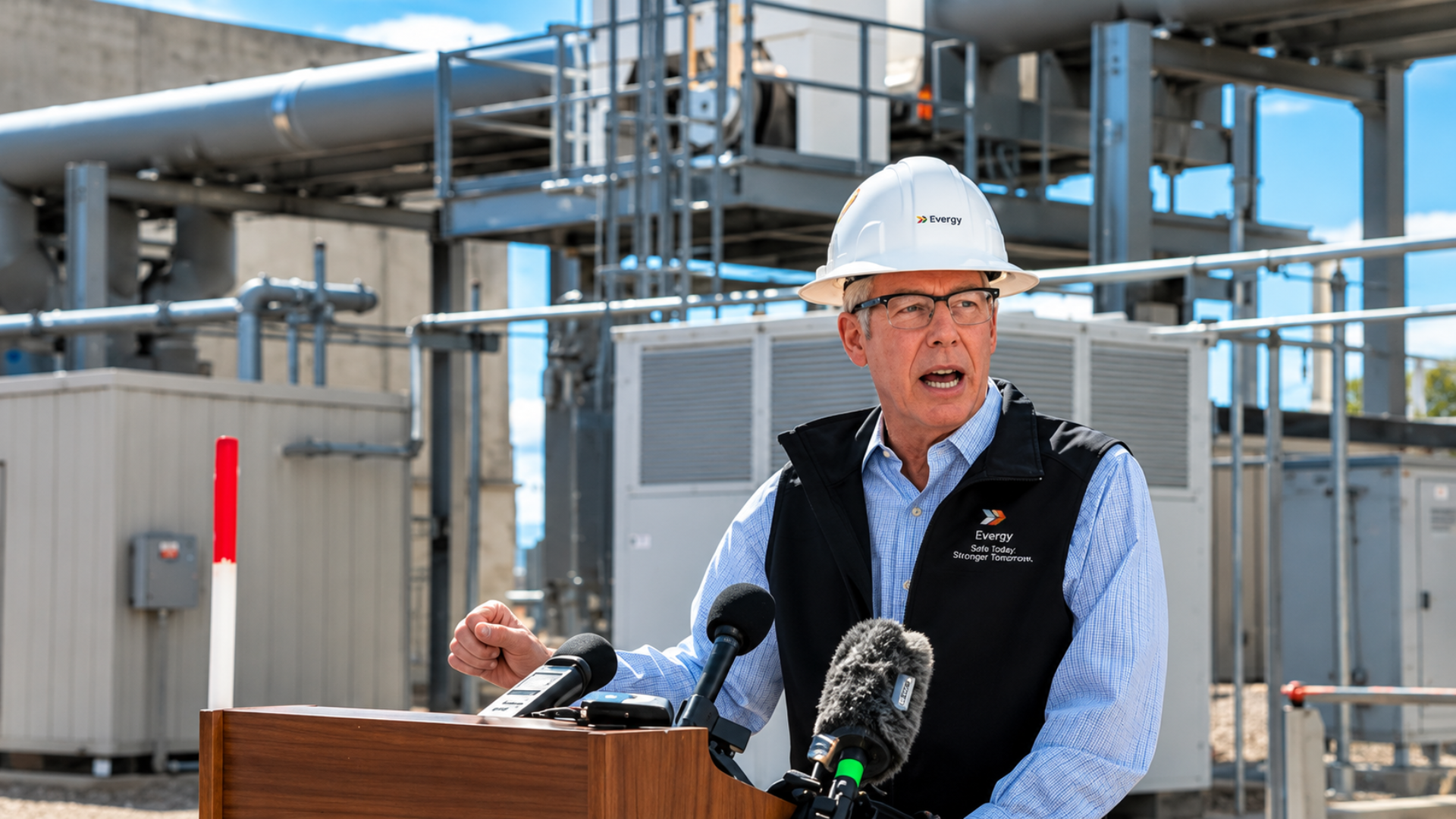

Since late February, the average American household has paid roughly $740 more to fill up. Across the country, that adds up to about $97 billion in extra fuel costs, according to CNN. President Trump has promised gas prices will drop once the midterms are over. Chevron’s chief executive just told a room full of energy experts that he does not see a fast way to get there.
Mike Wirth, Chevron’s chairman and chief executive, delivered that message at a University of Texas at Austin energy conference on September 11. He told the audience that the tools which had softened the oil shock earlier in the U.S.-Iran conflict have largely run out. Prices, he said, are now more likely to climb than fall over the coming months. His comments carried weight coming from the head of one of the world’s largest oil producers.
When the conflict began in late February, the oil market still had cushions in place. Countries released crude from their strategic reserves. Companies drew down commercial inventories. The United States eased restrictions on sanctioned crude sitting on tankers at sea. Those steps held prices back for months, even as the war dragged on. Wirth pointed to one specific line when explaining why that relief has now faded.
The Buffers That Kept Prices in Check Have Run Dry

“Those have largely now played out,” Wirth said of the measures that once limited the damage. The energy system no longer carries the spare capacity it had when the war started. Governments already tapped their reserves. Companies already drew down their stockpiles. The easing of sanctions on floating crude already happened. Every lever that once bought the market time has been pulled, leaving fewer options if another shock hits.
The squeeze got tighter after attacks knocked out a major Saudi crude pipeline that had been routing oil around the Strait of Hormuz. That single strike put an estimated 2.5 million barrels a day in limbo, according to Chevron’s own account of the market. Supply that once flowed reliably suddenly became uncertain, and traders had to price in the risk of losing even more.
“It’s harder to envision a scenario where prices soften and quickly,” Wirth told the conference. “I think the risks remain to the upside over the next few months.” He also said the Trump administration had raised Ukraine’s strikes on Russian energy sites directly with Kyiv, and that Chevron has since seen fewer disruptions at Tengiz, its major oilfield in Kazakhstan.
Diesel Hits a Record $6.23 a Gallon
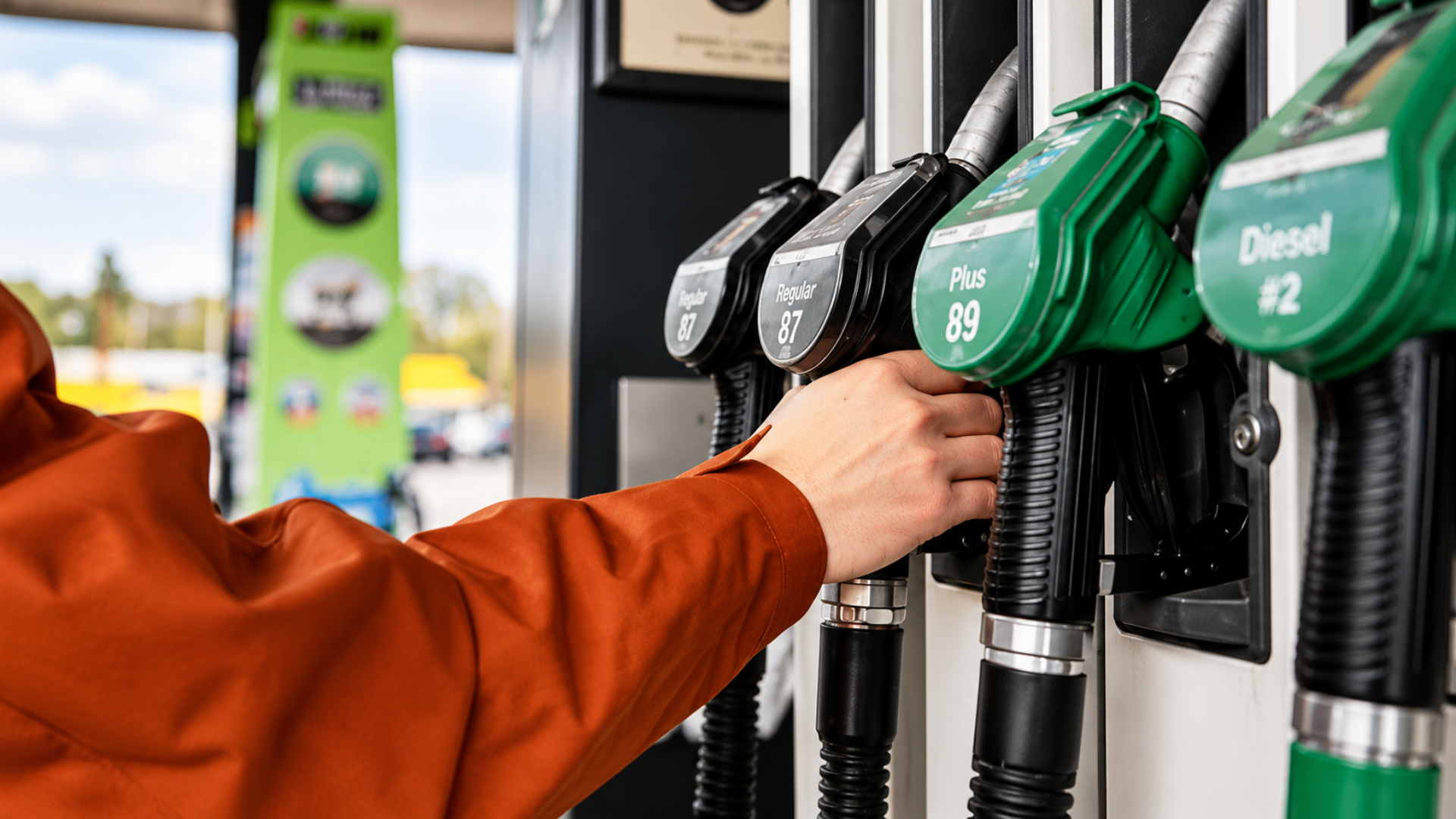
The numbers at the pump back up Wirth’s warning. The average U.S. diesel price crossed $6 a gallon for the first time on September 10, according to TheStreet. By the time Wirth spoke the next day, the national retail diesel average had climbed to a record $6.23 a gallon. Diesel keeps trucks, farms and construction sites running, so that cost spreads fast through the wider economy.
Gasoline has followed a similar path. Prices climbed back to about $4.32 a gallon after slipping below $4 for a stretch this summer, when crude pulled back from its March 2026 peak near $120 a barrel. That relief did not last. Crude has been climbing for weeks as attacks on shipping and energy infrastructure picked back up on both sides of the conflict.
Brent crude for November delivery was trading near $105 a barrel around the time of Wirth’s remarks, while West Texas Intermediate sat just above $100, according to Yahoo Finance. Brent was near $70 before the Iran war began in late February, so crude is now up roughly 50%. Chinese buyers have also returned to the international market, adding fresh demand pressure just as supply tightens.
Trump Says Prices Fall After the Election. Wirth Isn’t So Sure.
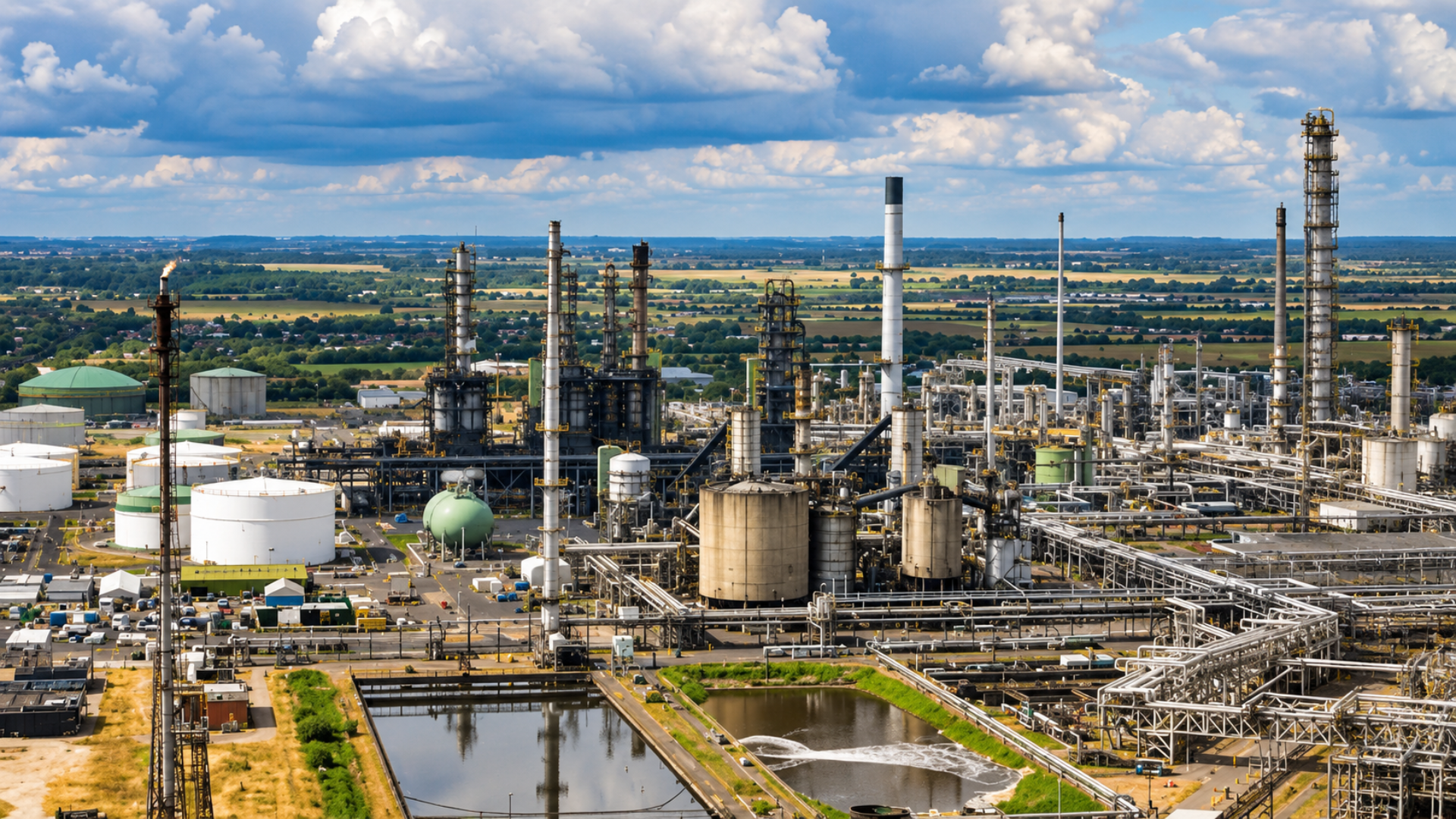
Trump struck a very different tone on September 9, saying oil prices would fall “right after the election,” tying his timeline to the November midterms and hopes of ending the Iran war. Interior Secretary Doug Burgum has called the latest supply disruption temporary, pointing to plans for more Venezuelan output and expanded U.S. refining capacity as near-term fixes for the market.
The administration has already used its main tools. It drained the Strategic Petroleum Reserve to below 300 million barrels by early August, more than 100 million barrels lower than where it stood at the start of 2026. It also loosened restrictions on sanctioned crude. Wirth never said prices could not fall. He said the forces that would need to make that happen are harder to find than they were six months ago, according to BOE Report.
Higher energy costs ripple outward from there. Truckers charge more, distributors charge more, and grocery bills climb along with them. The Federal Reserve faces a genuine bind: rate hikes slow spending, but they cannot add a single barrel of oil to the market. Chevron stands to gain from higher crude prices, while airlines, retailers and manufacturers absorb the opposite hit. Wirth’s warning leaves one question hanging over the market: whether enough spare capacity remains to survive the next shock.