These U.S. States Can Ban You From Living in an RV Even If You Own the Property
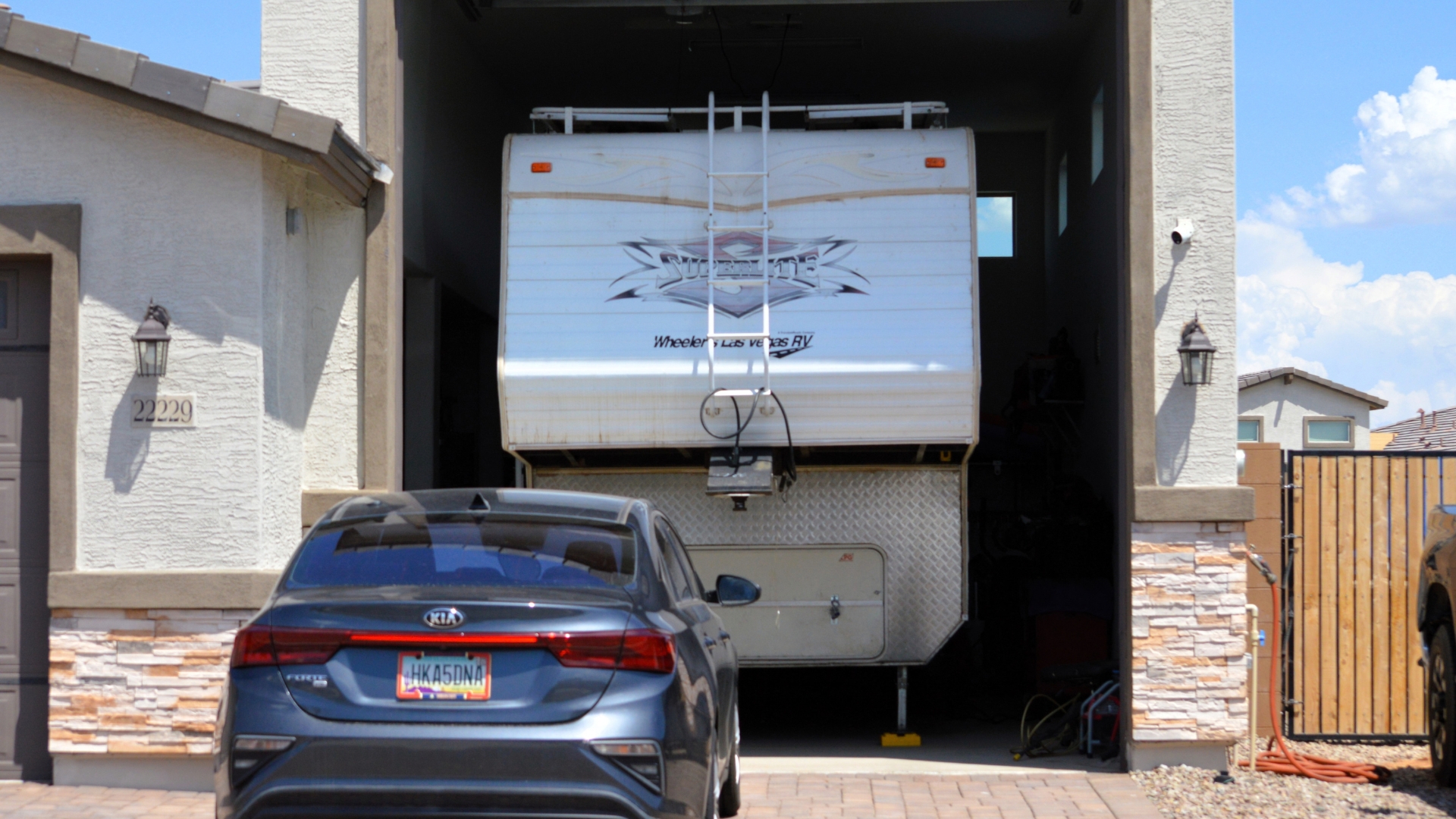

Buy the acreage, park the RV, move in. It sounds like the whole plan. But in four U.S. states, that last step can get you fined or forced out, even on a deed with your own name on it. The reason has nothing to do with trespassing and everything to do with a technicality most buyers never think to check before they sign anything.
Hawaii’s Law Treats Your RV as a Car, Not a Home
Hawaii’s statute is blunt: “No person shall use any vehicle for purposes of human habitation.” An RV counts as a vehicle under state law, full stop, meaning sleeping in one long-term is technically off-limits even parked on land you own outright. The workaround some residents use is constant movement between campgrounds, never staying anywhere long enough to count as a permanent residence.
Michigan Classifies Every Wheeled Home as Temporary-Use Only
Michigan draws a hard line based on whether a structure sits on wheels or a foundation. A tiny house bolted to a slab counts as a dwelling and falls under the residential code. The same structure on a chassis becomes a recreational vehicle under the state’s vehicle code, restricted to licensed parks and campgrounds, with private-land living generally prohibited regardless of lot size.
Indiana Caps Campground Stays and Blocks Full-Time Use Outright
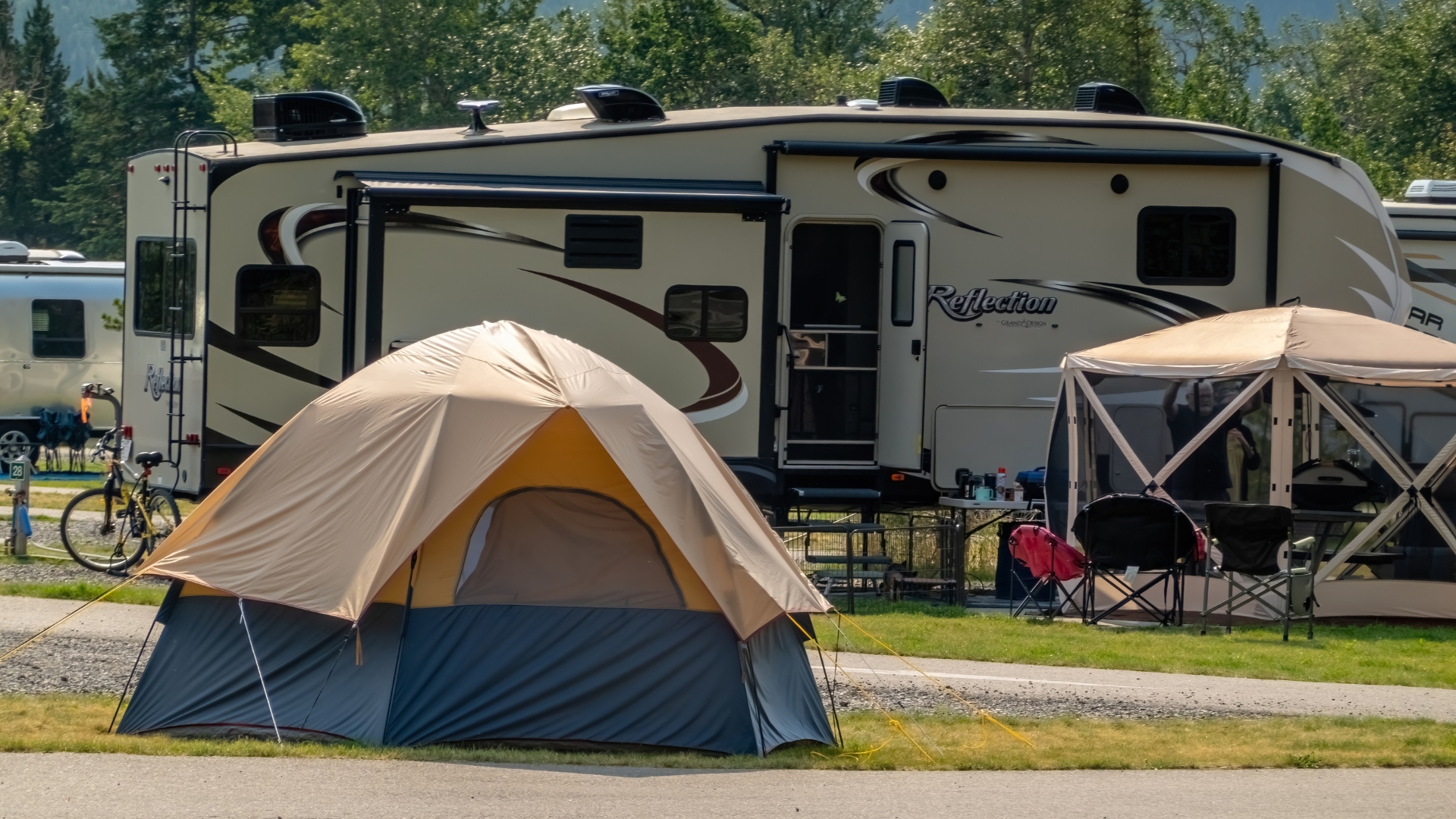
Indiana’s framework treats an RV strictly as temporary lodging, never a primary residence, no matter who owns the underlying property. Campground stays typically max out at 14 consecutive days before a required move, and the state’s legal language leaves little room for property owners to argue their situation is different because the land itself is theirs.
Delaware Backs Its Ban With a Direct Fine
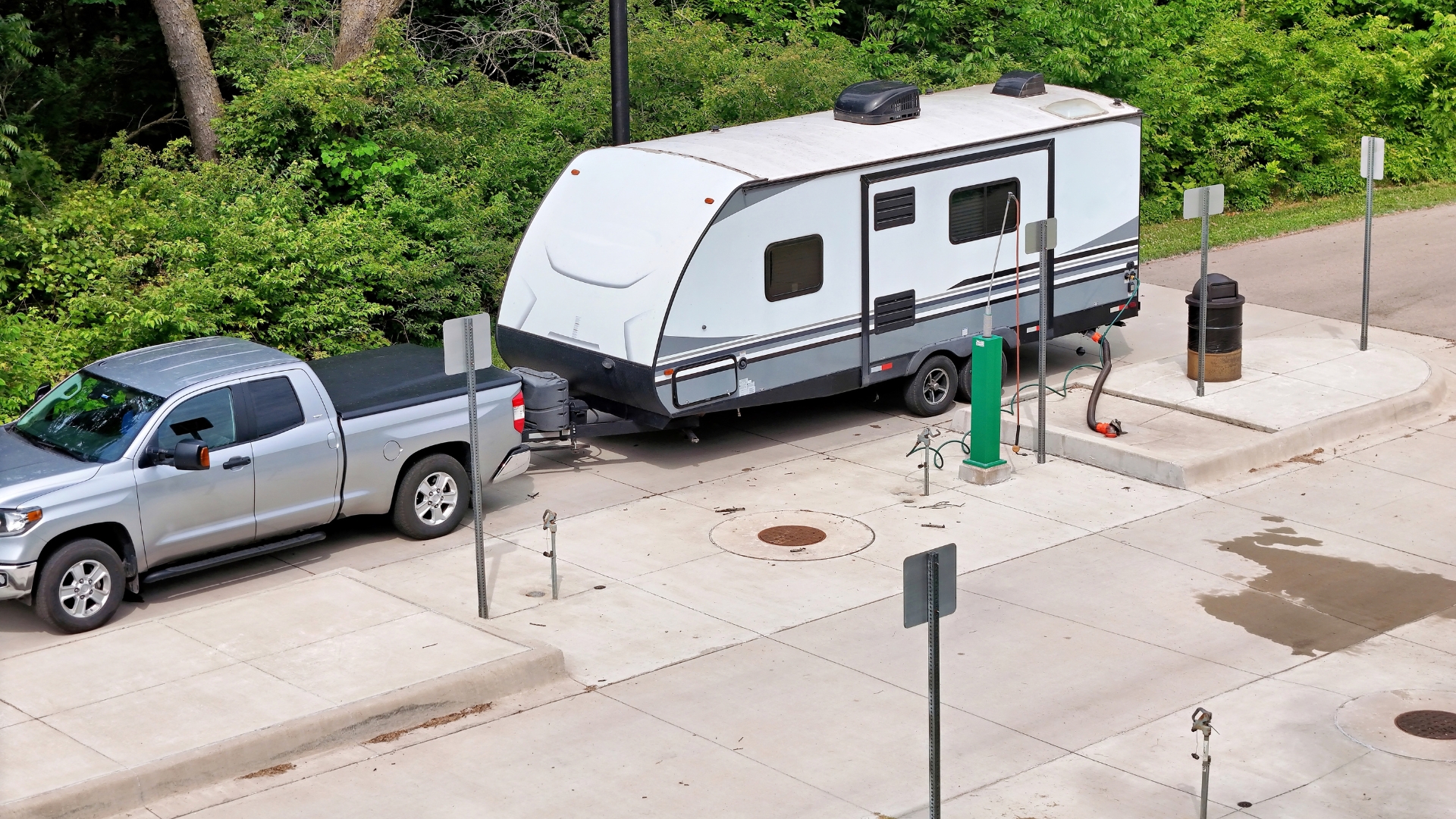
Delaware pairs its restriction with a real financial penalty. Living in a vehicle outside a licensed site can bring a fine of up to $100 and an order to relocate. The state also caps RV parking to just five designated state parks, making Delaware, by several accounts, the toughest of the four to work around without formal park access.
The Real Issue Is Zoning, Not Ownership

In every one of these states, the core problem is classification, not property lines. Local zoning codes decide whether an RV counts as a legitimate dwelling, and most don’t, treating it instead as a vehicle that happens to have a bed inside. That single label determines whether sewage hookups, permits, and residency rules apply, and it overrides whatever the deed says about who owns the ground underneath.
Some RVers Are Building Entire Communities to Beat the Rule
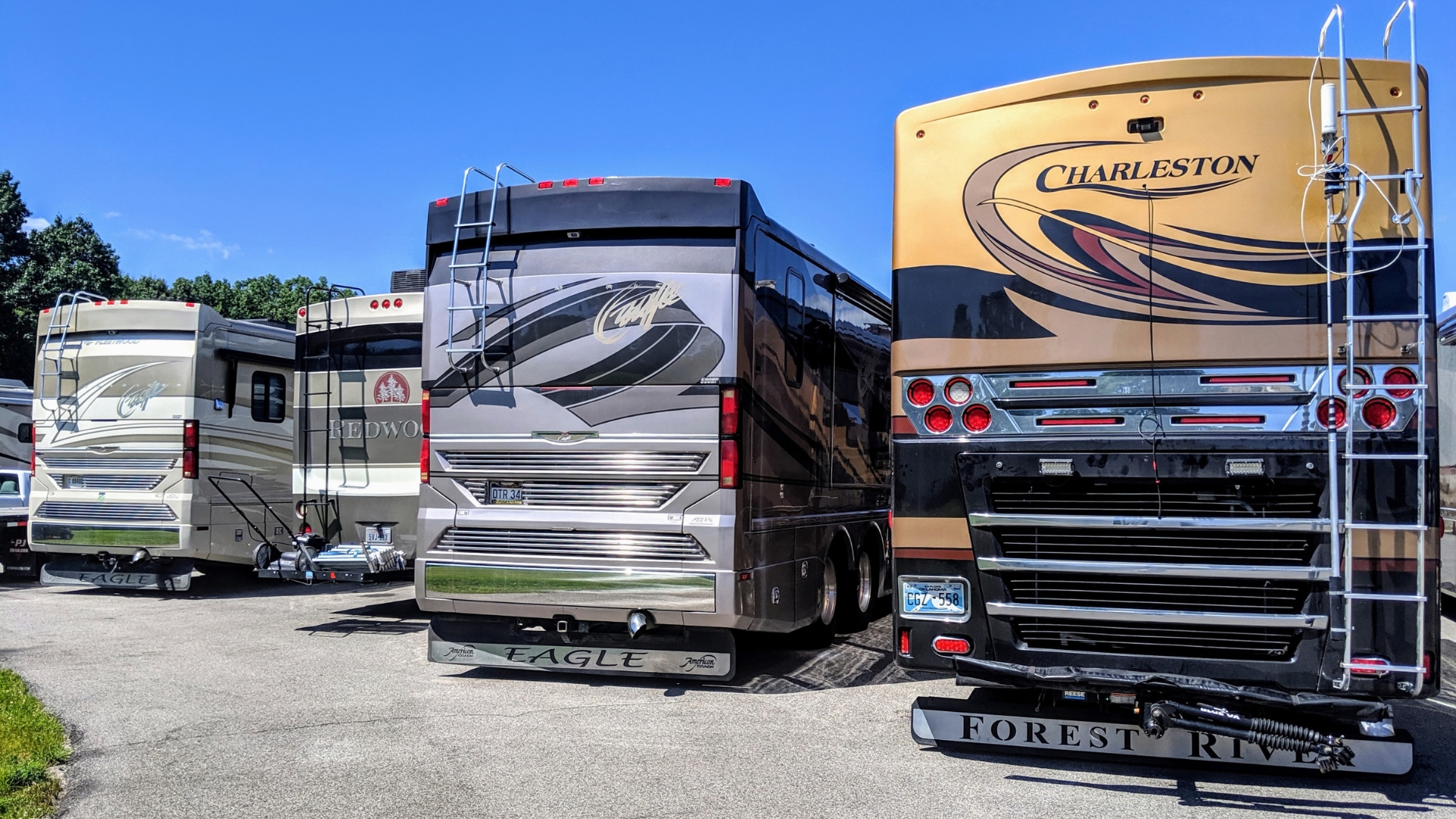
One legal workaround has been forming quietly: purchasing land collectively and developing it specifically as RV and tiny-house housing, permitted the way a campground would be. Because the county can issue an RV park designation for that parcel, residents living there aren’t breaking any zoning law. It’s a more involved path than parking in a backyard, but it sidesteps the ban entirely.
A Few States Barely Ask Any Questions at All
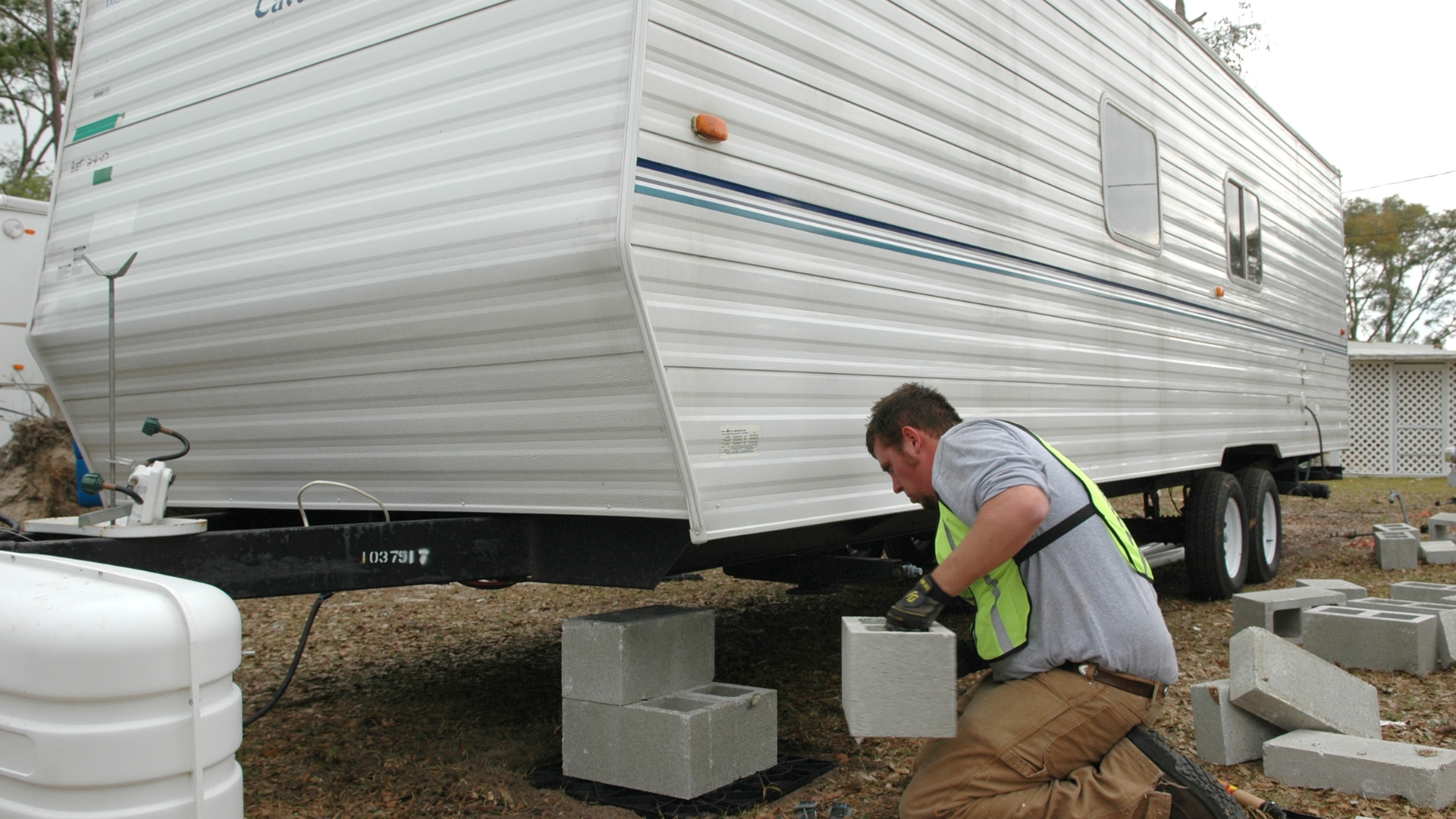
Not every state polices this closely. Texas, Colorado, Oregon, and Florida are consistently named among the least restrictive, generally allowing long-term RV living on private property without special permitting as long as neighbors aren’t filing complaints. Even there, county and HOA rules can still override state-level leniency, so the state name alone isn’t a guarantee.
Remote Work Is Pushing More People Into This Legal Gray Zone
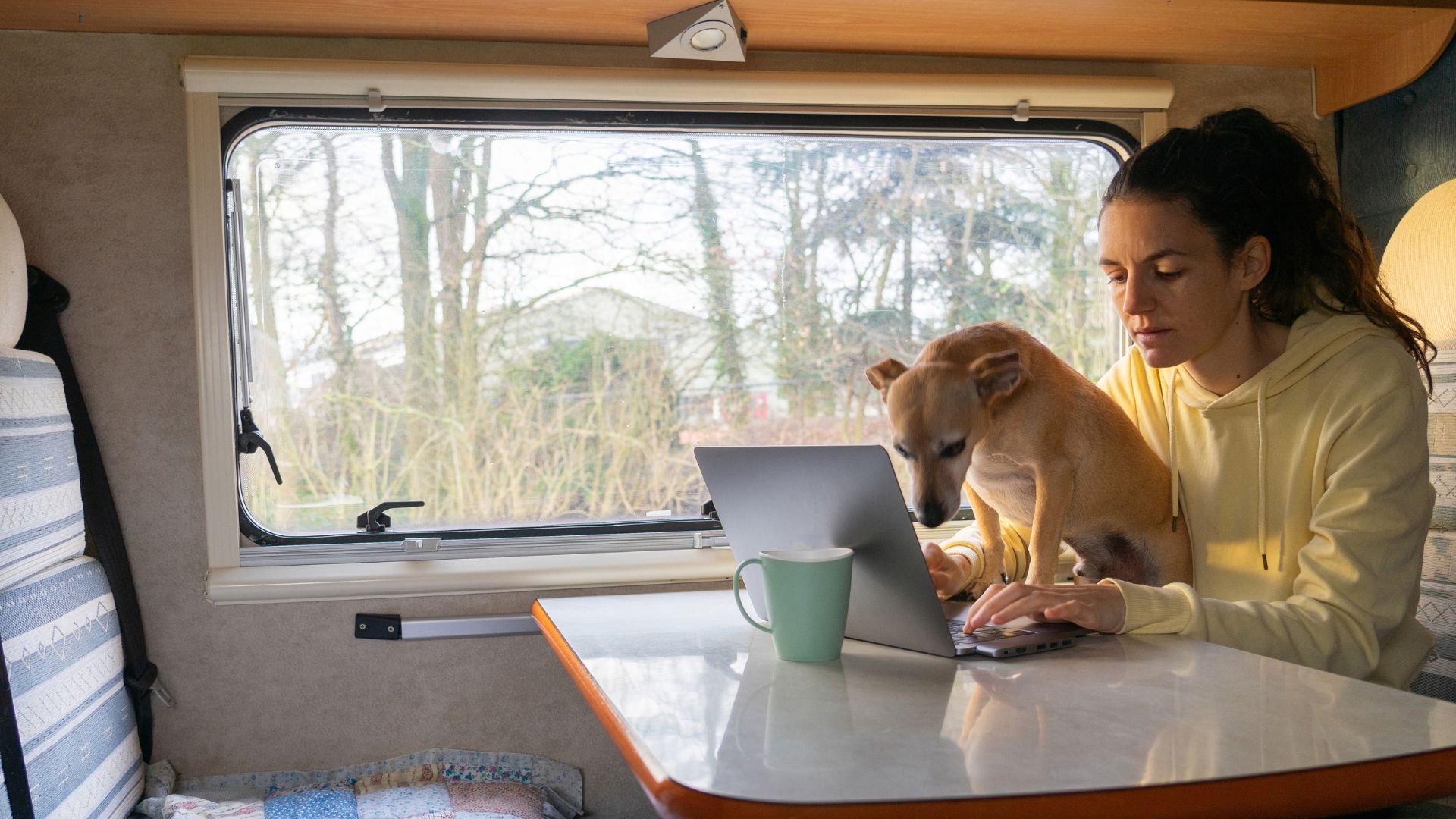
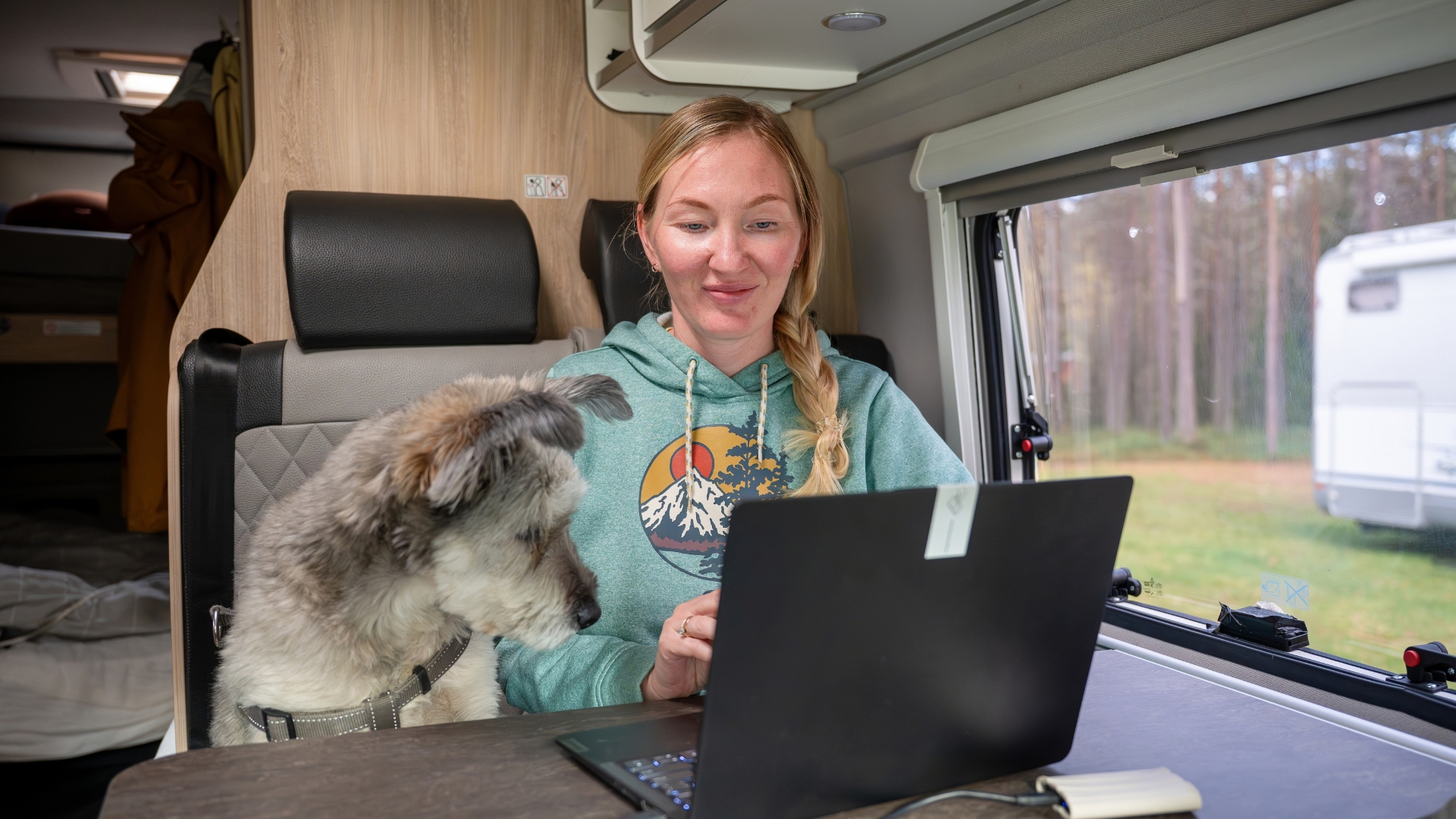
The pressure behind this trend keeps building. Nearly 18.5 million Americans now identify as digital nomads, and rising rent alongside remote-work flexibility is pushing more of them toward RVs as a cheaper base. That growth means more people colliding with laws written decades before anyone imagined a laptop and satellite internet turning a camper into a full-time address.
Check the Zoning Code Before You Check the Odometer
Land ownership settles who holds the title, not whether you’re legally allowed to sleep on it in an RV. Hawaii, Michigan, Indiana, and Delaware all draw that line sharply, while states like Texas and Colorado leave far more room. The only way to know for certain is pulling the local zoning ordinance before buying, not after the RV is already parked and the fine has arrived.