This Car Brand Beat Toyota and Honda for Overall Quality in a Major 2026 Study
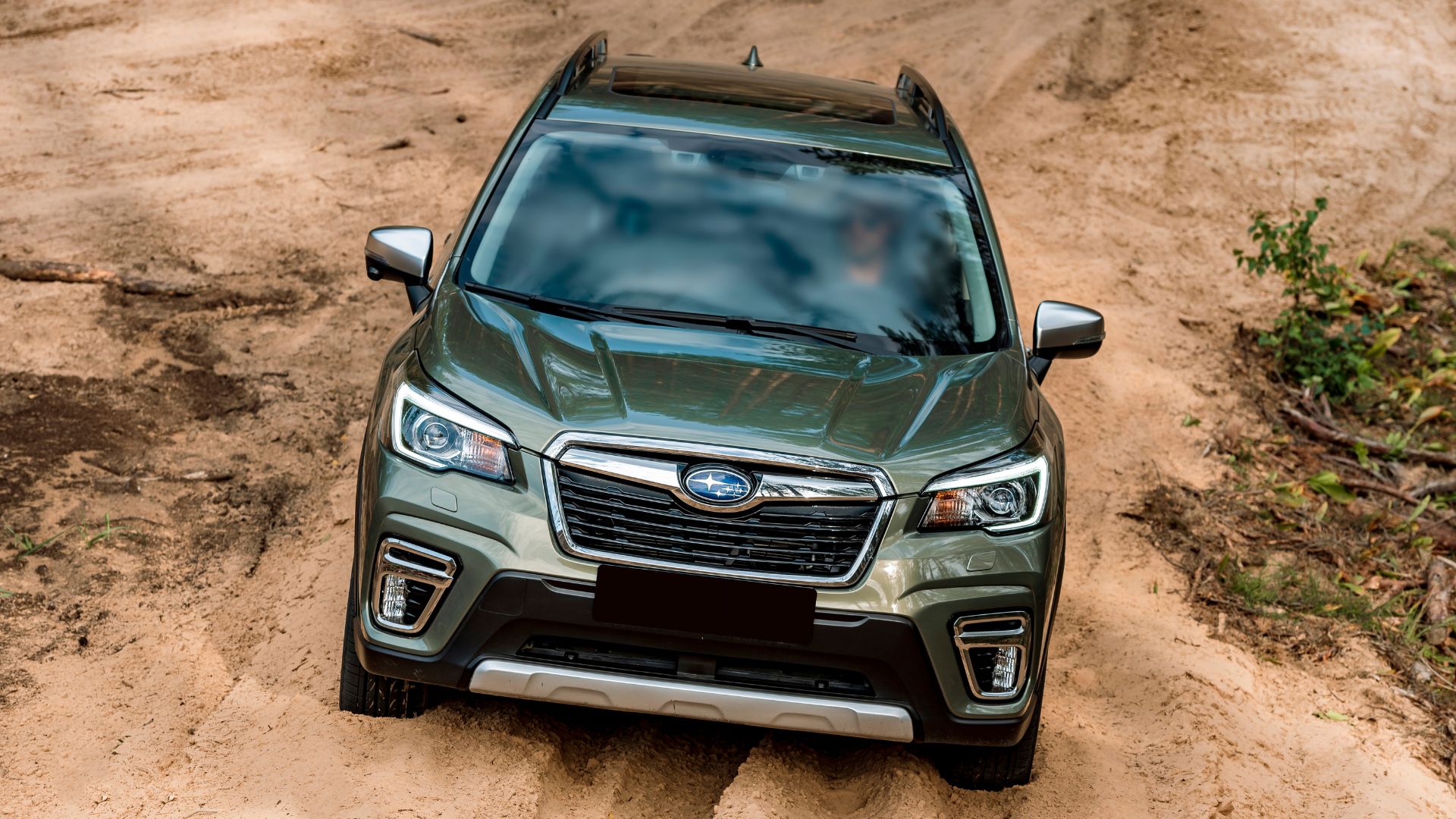

When you’re shopping for a new car, a few questions tend to come up. Is it safe, is it well built, and what will it be worth later? On September 15, Subaru of America said the annual 2026 American Customer Satisfaction Index (ACSI) Automobile Study rated its gas vehicles No. 1 among mass-market brands. The four areas were overall quality, service quality, resale value, and vehicle safety.
Safety comes with a streak, too. Subaru says it has held the top spot for seven years in a row. Jeff Walters, President and Chief Operating Officer of Subaru of America, called that “an honor and a reflection of our commitment to keep consumers safe.” He added that the recognition, together with reaching first place for overall quality and resale value, “reinforces the trust our owners place in Subaru.”
Toyota and Honda are both listed as mass-market brands in the ACSI’s July 21 release, so Subaru’s No. 1 rankings put it ahead of both in those four areas. Toyota still holds the industry’s top overall customer satisfaction score, though, so who’s ahead depends on which measure you look at. Auto Guide describes the overall quality ranking as reflecting customer satisfaction with a vehicle’s build and performance.
How Owners Got a Say in the Rankings

The ACSI has been around since 1994, when it was developed at the University of Michigan. Subaru’s release describes it as the only nationwide gauge of customer satisfaction across industries and the largest single benchmarking study in the U.S. It tracks about 400 companies across roughly 40 consumer industries in 10 economic sectors each year, the release says. Auto Guide calls it a national economic benchmark.
The 2025-2026 ACSI Automobile Study is built on 6,699 completed surveys. The ACSI says customers were picked at random and reached by email from July 2025 to June 2026. Subaru’s release says the rankings rest on owners’ firsthand experience with their vehicles. Auto Post adds that the feedback comes from active owners across the country and covers both how a vehicle performs and how well its manufacturer supports it.
According to the ACSI release, scores run on a scale of 0 to 100, and the overall auto industry landed at 78, down 1%. The luxury segment, down 3%, tied with the mass-market segment, down 1%, at 78 apiece, which the release calls a first in recent measurement history. Luxury complaint rates also jumped 14% to 32%, and complaint handling in that segment deteriorated 4% to 73.
The Scoreboard Looks Different Depending on the Measure
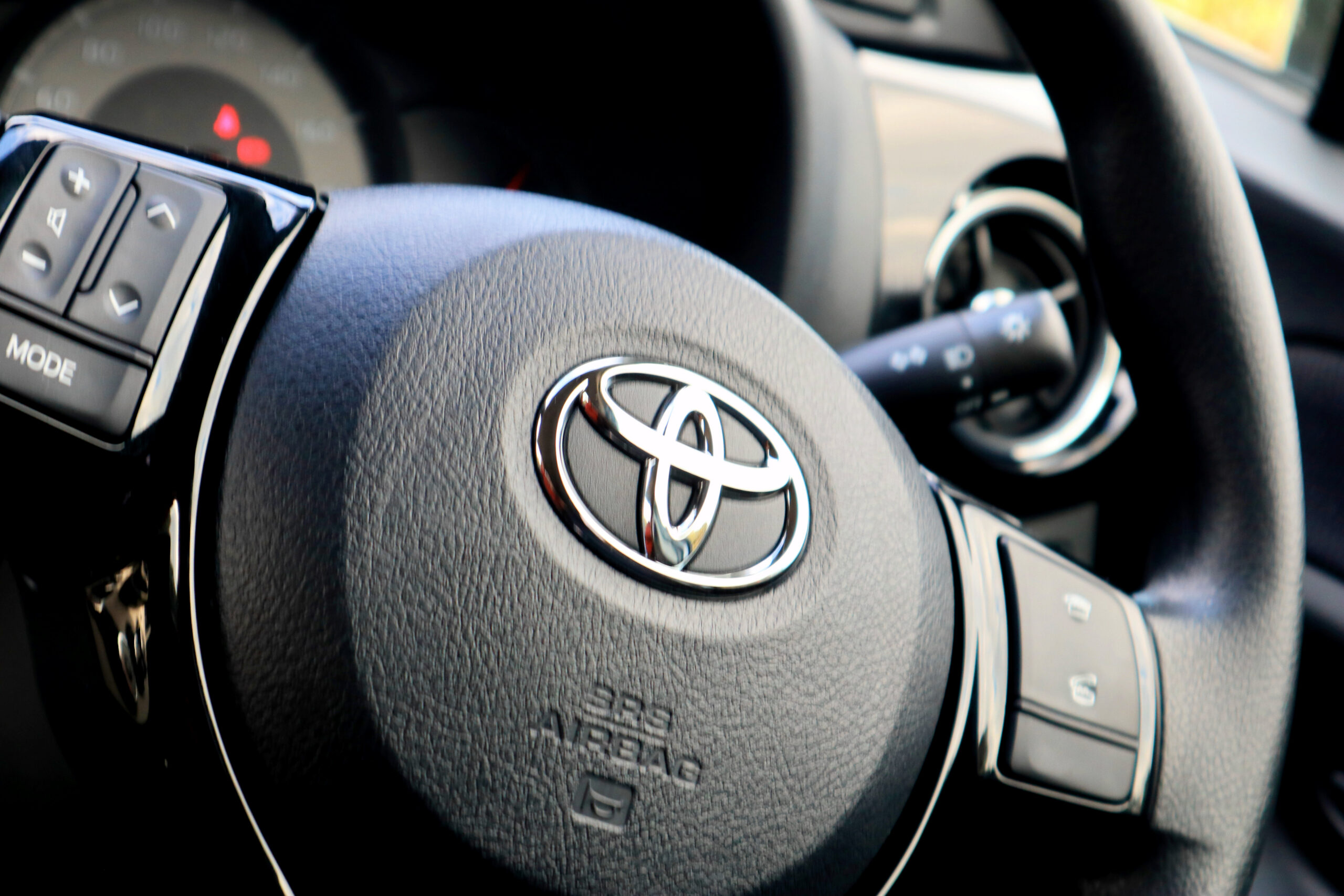
On overall customer satisfaction, though, Toyota leads the entire industry at 83, up 1%. Subaru slipped 5% to 81, a bigger drop than the gain it posted last year, and Honda dipped 1% to 80. The ACSI release also notes that Toyota and Honda have kept broad sedan lineups even as competitors moved toward SUVs. Among mass-market brands, technology, comfort, and interior were the only customer experience measures to improve.
The ACSI data shows some big swings elsewhere in the mass-market group. Ram climbed 7% to 74, Kia rose 3% to 79, and Jeep gained 3% to 76, the segment’s biggest gains this year. Buick fell 16% to 68, the study’s largest decline of the year. GMC dropped 6% to 76, and Chevrolet slid 5% to 75 as tariffs hit GM harder than many of its competitors.
Forrest Morgeson, Associate Professor of Marketing at Michigan State University and Director of Research Emeritus at the ACSI, said buyers at every price point are reassessing what they expect to get for their money. For someone paying off a vehicle over six or seven years, he said, “reliability and value matter more than the nameplate.” Luxury brands, in his view, are feeling the same squeeze as everyone else.
What Buyers Are Weighing Now

Hybrids came out on top by fuel type at 80, unchanged from last year, according to the ACSI. Gas-powered vehicles scored 78, down 3%, and EVs scored 72, down 1%. Among mass-market brands, hybrid owners also rated driving distance highest at 76, versus 74 for gas and 64 for EVs. Expected resale value followed the same order, at 75 for hybrids, 71 for gas, and 63 for EVs.
The ACSI release says the luxury and mass-market tie arrives amid growing affordability pressure. Experian data puts the average monthly new car payment at $767 in 2025’s fourth quarter, up 2.8% year over year. A CarEdge survey found 42% of would-be new-car buyers have already canceled their plans over high prices. In that survey, 65% said a 5% rise in monthly payments would push them out of the market.
Complaint handling among mass-market brands improved slightly to 67, the ACSI says. Even so, the top complaint areas were electrical, battery, and software issues; service, dealer, and customer support; and engine and powertrain. Walters said in Subaru’s release that the recognition motivates the company to “continue raising the bar across our lineup.” The ACSI is an annual study, so brands are measured again each year.