Texas Built So Many Homes It May Now Be the Weakest Major Housing Market in the Country


Texas built its way into a housing crisis of a very different kind than most states worry about. Rather than too few homes, several of the state’s biggest markets now have too many, and analysts say that inventory glut could make Texas the weakest major housing market in the entire country. The state’s own population boom is what set this particular collapse in motion.
A 2.1 Million Person Population Boom Sparked the Building Surge
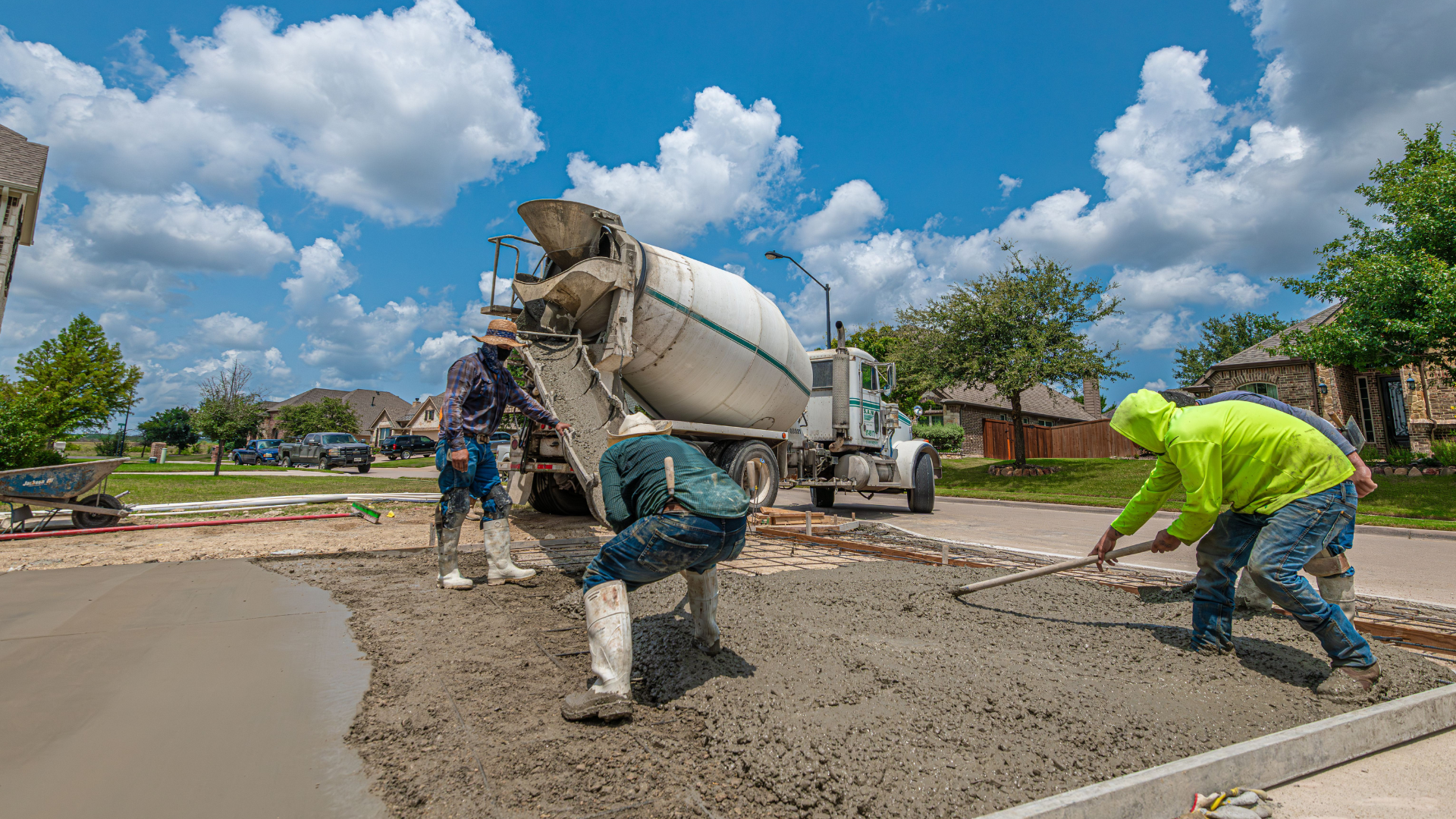
Between 2020 and 2024, Texas gained more than 2.1 million new residents, according to U.S. Census Bureau data, triggering an unprecedented construction boom across the state’s major metros. Regulatory relief and comparatively lower costs made building easier than in many other states, and homebuilders responded by adding new inventory at a pace few other markets could match during that same period.
The Market Shifted Before All That New Inventory Even Arrived

By the time all that new inventory actually reached the market, conditions had shifted dramatically underneath it. Domestic migration into Texas slowed as return-to-office mandates pulled workers back toward other states, while climbing borrowing costs and already-elevated home values pushed many would-be buyers to the sidelines entirely. “High mortgage rates and still-high home prices have dampened demand and allowed homes to stack up on the market,” said Joel Berner, senior economist at Realtor.com.
One Analyst Calls It a Correction. Another Sees Something Darker.

Analysts disagree on how seriously to interpret what’s happening. Berner describes it as a natural market correction working itself out. Trevor Bacon, founder and CEO of housing data firm Parcl Labs, sees something more concerning. “Texas is dealing with a supply glut that was largely built for a very different demand and affordability environment,” he said, noting demand actually peaked back in 2021 when mortgage rates still sat near 3 percent.
Four Cities Account for 15 Percent of All New US Housing Since 2020

The supply-demand imbalance shows up clearly in the state’s own numbers. Housing inventory across Texas now sits at roughly twice monthly sales volume, according to Parcl Labs. Dallas, San Antonio, Austin, and Houston alone have accounted for roughly 15 percent of all new housing stock added nationwide since 2020, an enormous concentration of new supply landing in just four metro areas.
Nearly Half of Texas Listings Have Already Cut Their Price

Sellers are responding to the imbalance the only real way they can: cutting prices. Roughly 48 percent of Texas listings have undergone a price cut, up from 40 percent back in April, according to Parcl Labs. Even with those discounts, demand hasn’t meaningfully recovered so far. Home sales in July were still down 4 percent year-over-year across the entire state.
Texas and Florida Are Locked in a Close Race for Weakest Market
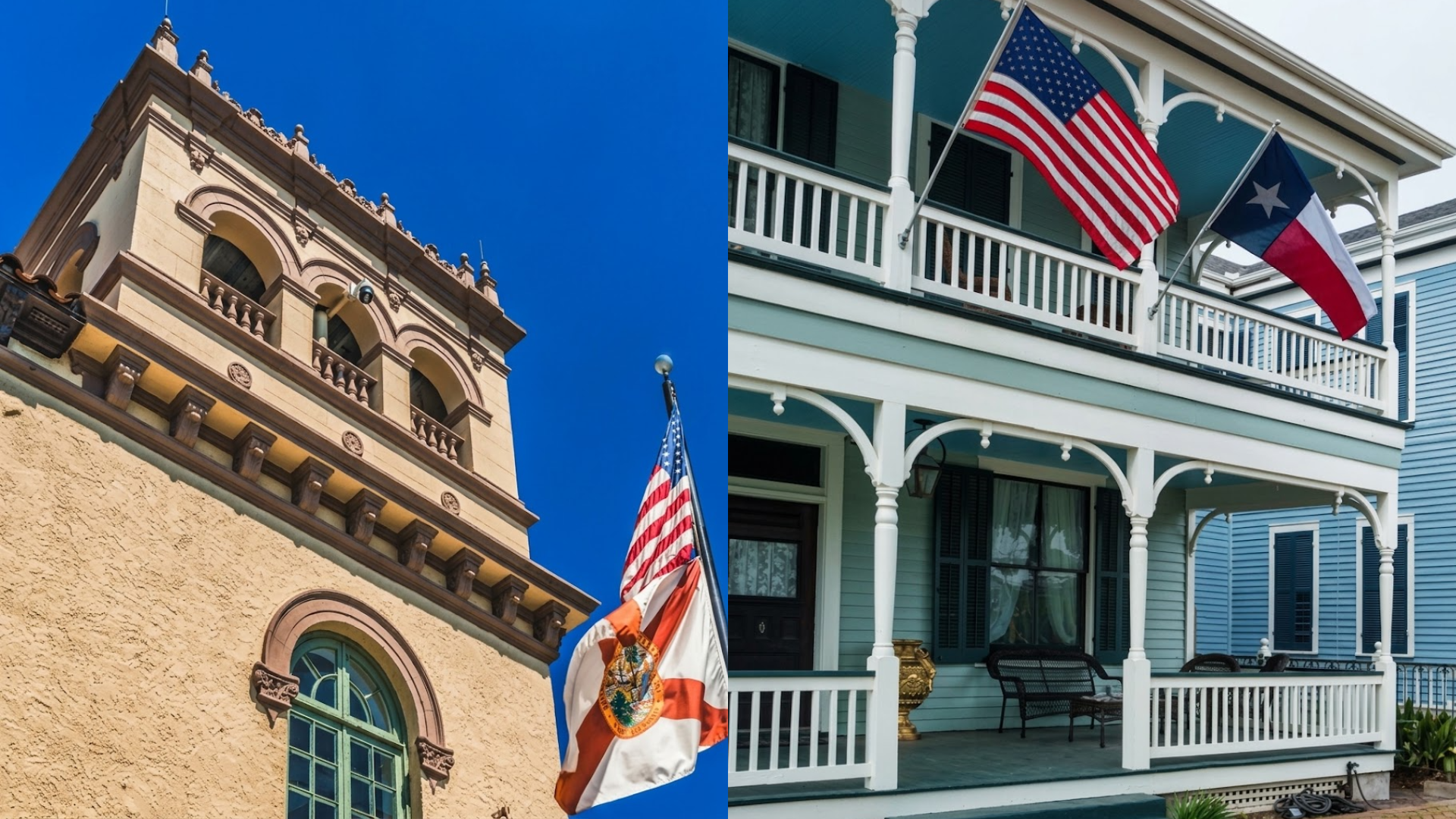
Comparing Texas to Florida, another pandemic-era building boom state, reveals a genuinely close race for weakest market nationally. Since its August 2022 peak, Texas has seen for-sale inventory grow 76.2 percent while prices fell 9.2 percent, according to Realtor.com data cited by Berner. Florida’s numbers land close behind, with inventory up 77.6 percent and prices down 12.6 percent over the same stretch.
Some Smaller Texas Metros Are Seeing Even Sharper Inventory Spikes
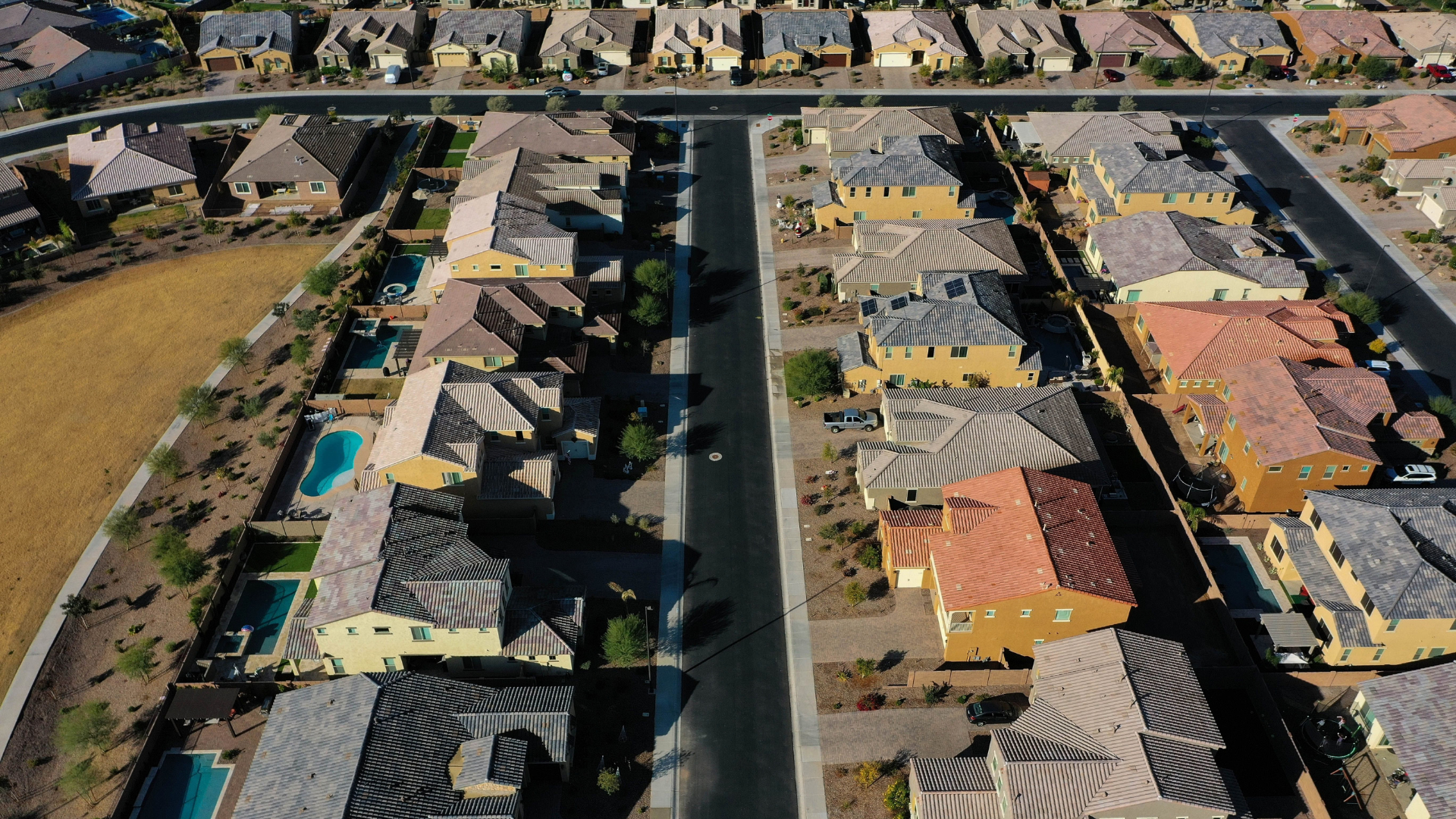
Some individual Texas metros are seeing even sharper inventory growth than the statewide average suggests. Midland, Waco, and Tyler have all seen homes for sale climb more than 25 percent compared to last August. Among the state’s largest metros, Houston inventory rose 15.3 percent, San Antonio 14.0 percent, Austin 11.4 percent, and Dallas-Fort Worth 7.1 percent, all continuing to climb rather than stabilize.
Texas Built 200,000 More Units Than Florida Over Five Years
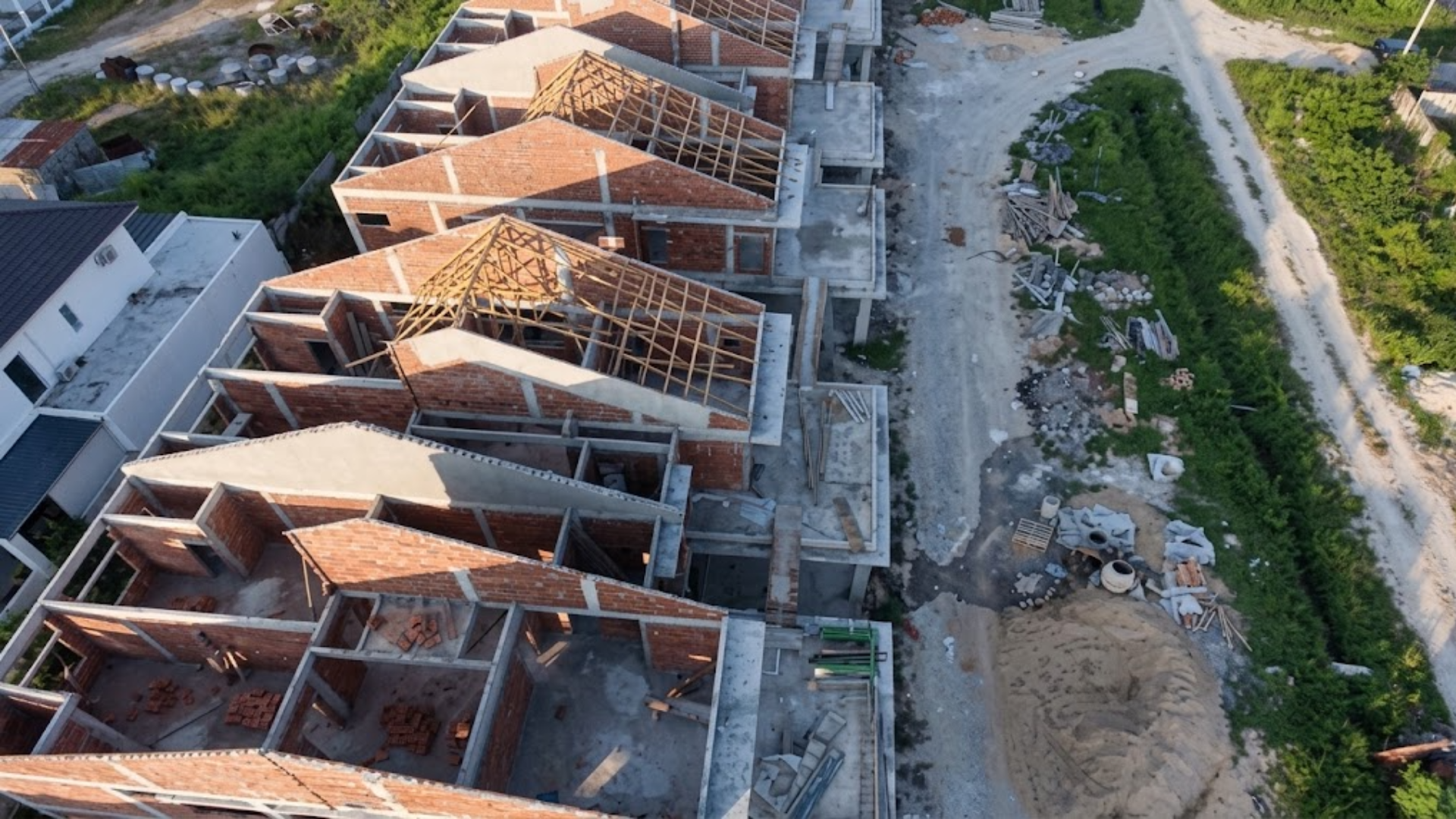
Bacon argues Texas’s problem runs deeper than what similarly overheated Sun Belt states are facing right now. “Over the past five years, Texas added roughly 50 percent more housing than Florida, or about 200,000 more units in nominal terms,” he said. That larger absolute supply overhang, layered onto the same affordability pressures other states face, makes Texas’s specific adjustment considerably more acute by comparison.
The “Irony”: This Could Actually Help Affordability, Eventually

Ironically, this weakness could ultimately help affordability, since a genuine buyer’s market gives sellers real incentive to compete on price. Buyers are still struggling to capitalize, though, with mortgage rates back near 7 percent after briefly dipping below 6 in February. Homebuilders are also pulling back, with new home permits falling 7.4 percent from 2024 to 2025, a shift that could eventually erode the negotiating leverage buyers currently hold.