Walking Barefoot at Home Isn’t So Bad After All, but Doctors Say There’s a Catch
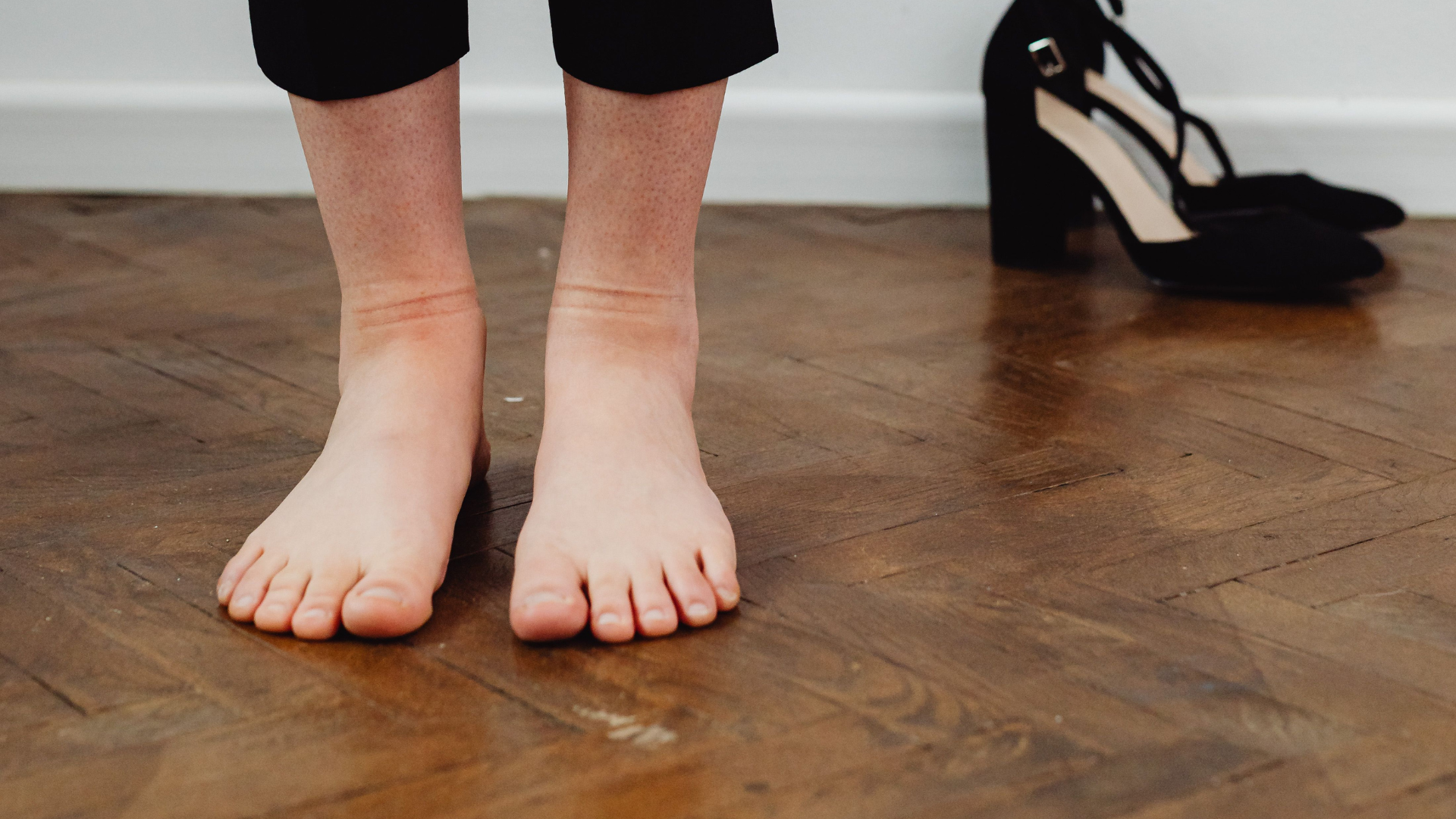

If you automatically kick off your shoes when you get home, there may be no reason to change the habit. UCLA Health doctors say there is no universal rule requiring healthy people to wear shoes indoors, and for most people without foot problems, spending a few hours barefoot at home does not pose a health risk. The catch is that going barefoot is not equally appropriate for everyone, particularly people with certain foot conditions, diabetes, neuropathy, poor circulation, balance problems, or increased vulnerability to injuries and infections.
Going Barefoot Lets Your Feet Move More Naturally
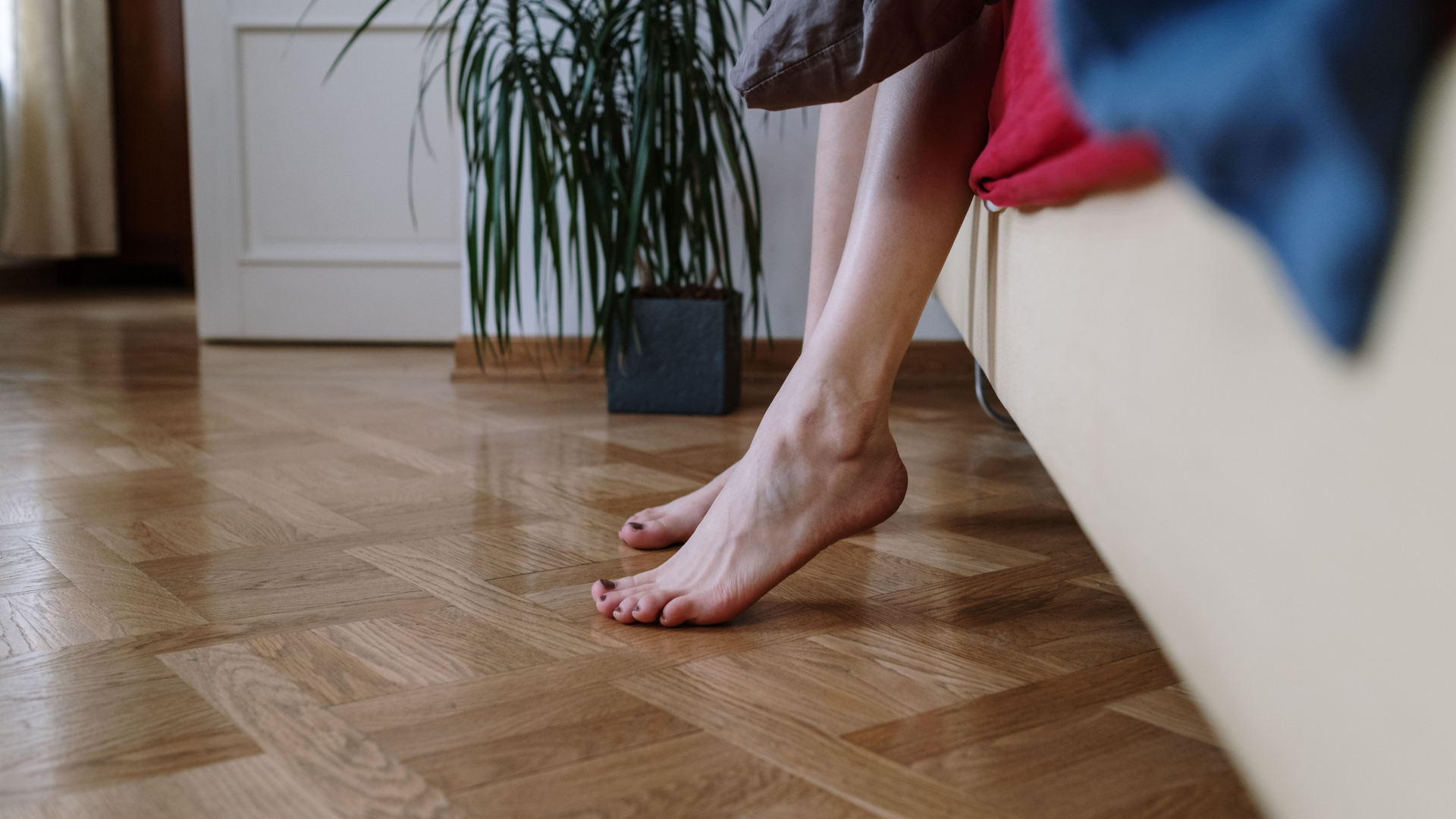
Shoes change how the feet interact with the ground, while going barefoot allows the toes, muscles, and joints to move without that external structure. UC Santa Barbara notes that barefoot movement can increase awareness of how the foot strikes the ground and how that movement affects the ankles, knees, and hips. UCLA Health also notes that proponents associate barefoot time with greater foot and ankle strength and flexibility, although the evidence varies depending on the specific claimed benefit.
Your Feet Make Constant Adjustments Without Shoes
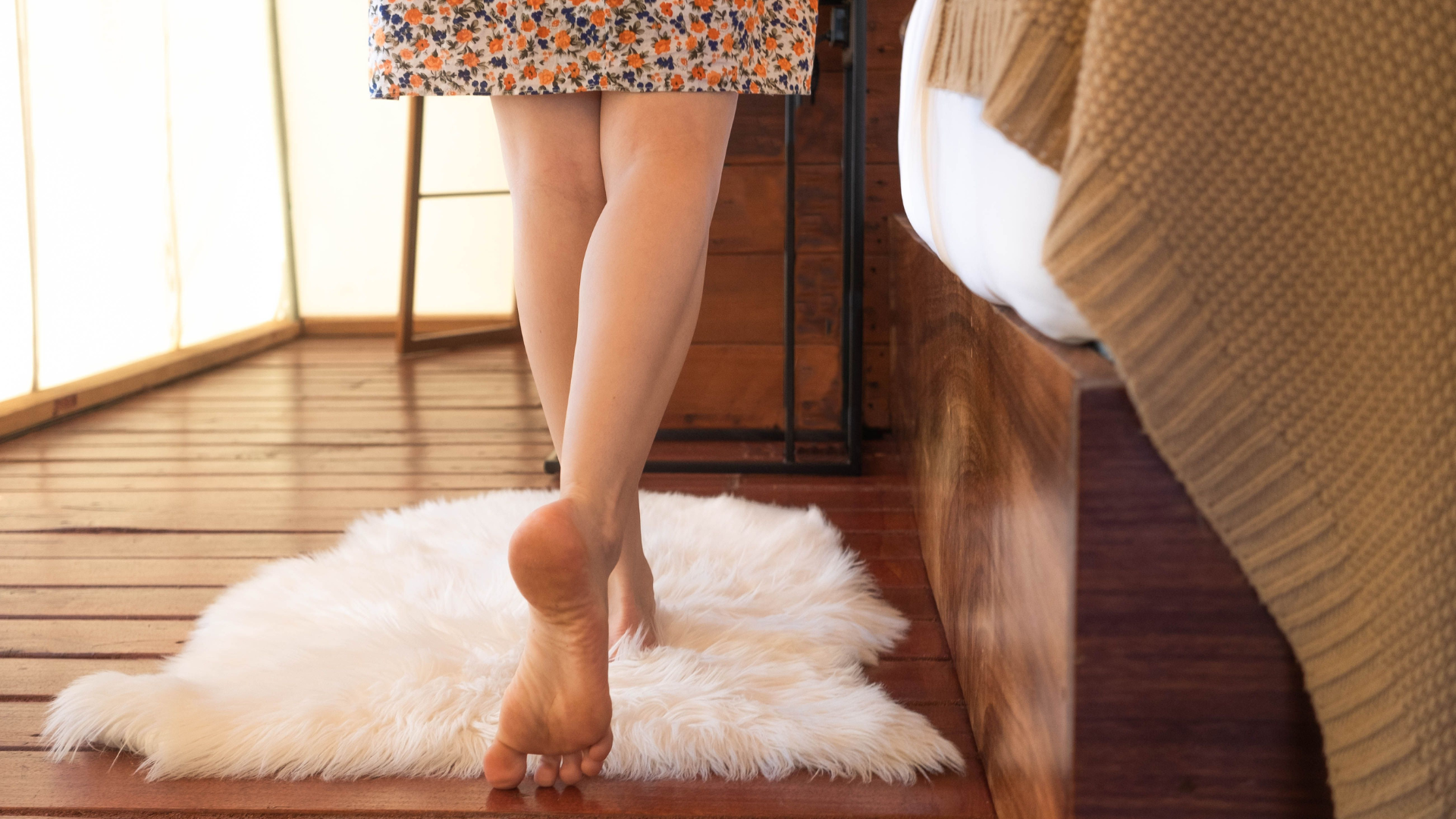
Walking around the house may feel effortless, but the muscles in your feet and ankles are continually making tiny adjustments to keep you balanced. UCLA Health explains that people often become more aware of these muscular microadjustments when they are not wearing shoes, and barefoot time may encourage the feet to work through their natural movements. That does not mean everyone should abandon supportive footwear, but it helps explain why healthy people may find occasional barefoot walking comfortable.
Hard Floors Can Become Uncomfortable Over Time
Feeling comfortable barefoot for a short period does not necessarily mean your feet will appreciate an entire day on hard flooring. Wood, tile, stone, and laminate provide less cushioning than carpet, and people who spend many hours standing may eventually notice soreness or fatigue depending on their individual foot structure. Anyone who develops persistent heel, arch, ankle, or joint discomfort should reconsider how much time they spend barefoot and discuss recurring pain with a healthcare professional.
Certain Foot Conditions May Need More Support
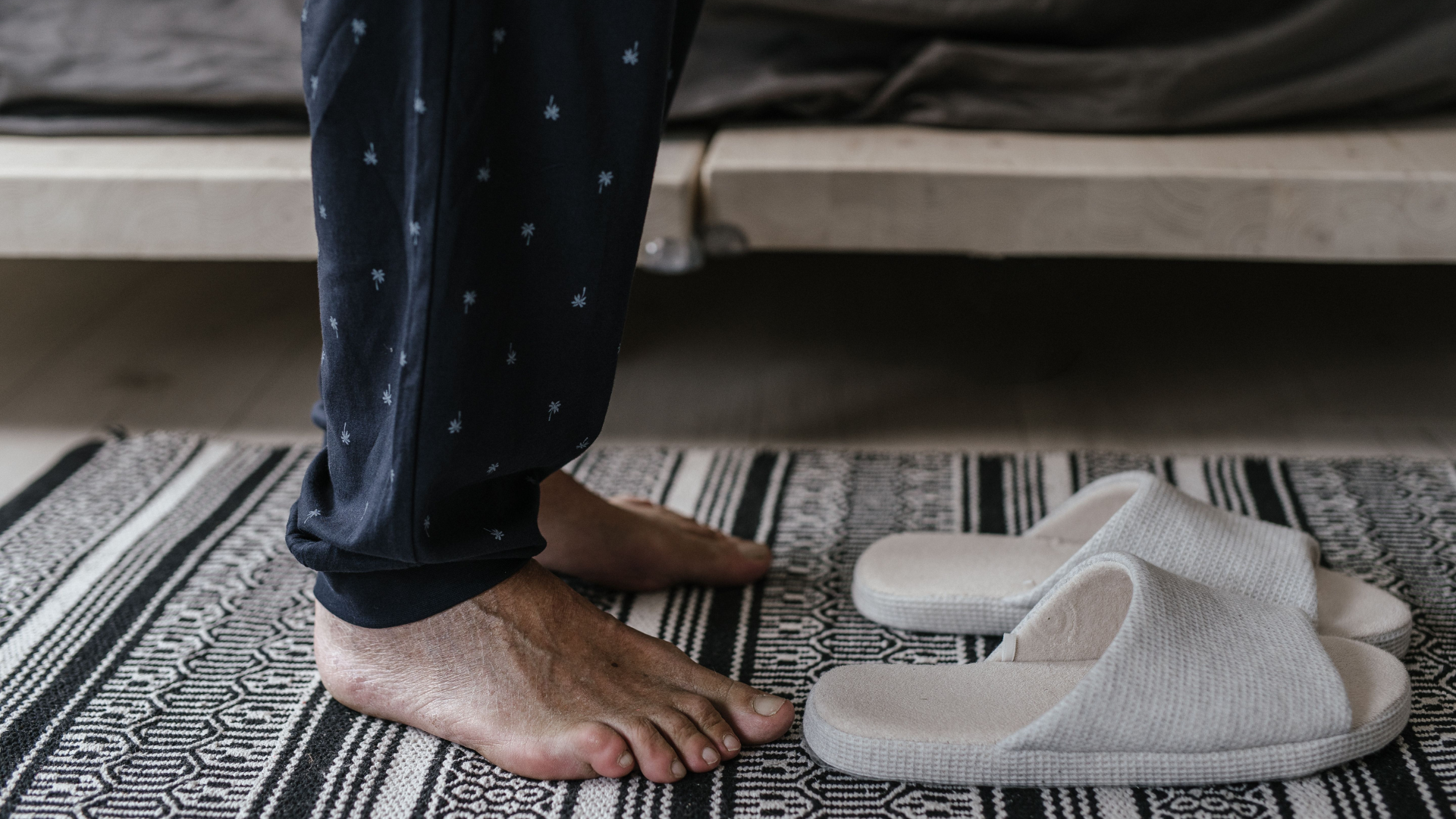
The biggest catch involves people who already have structural or painful foot problems. UCLA Health advises caution with extended barefoot time for people with flat feet, fallen arches, bunions, plantar fasciitis, arthritis, loss of the natural fat padding beneath the feet, or a tight Achilles tendon. Supportive footwear may help some people manage these conditions, so a habit that feels perfectly comfortable to one person could aggravate symptoms in someone else.
Diabetes and Neuropathy Change the Equation
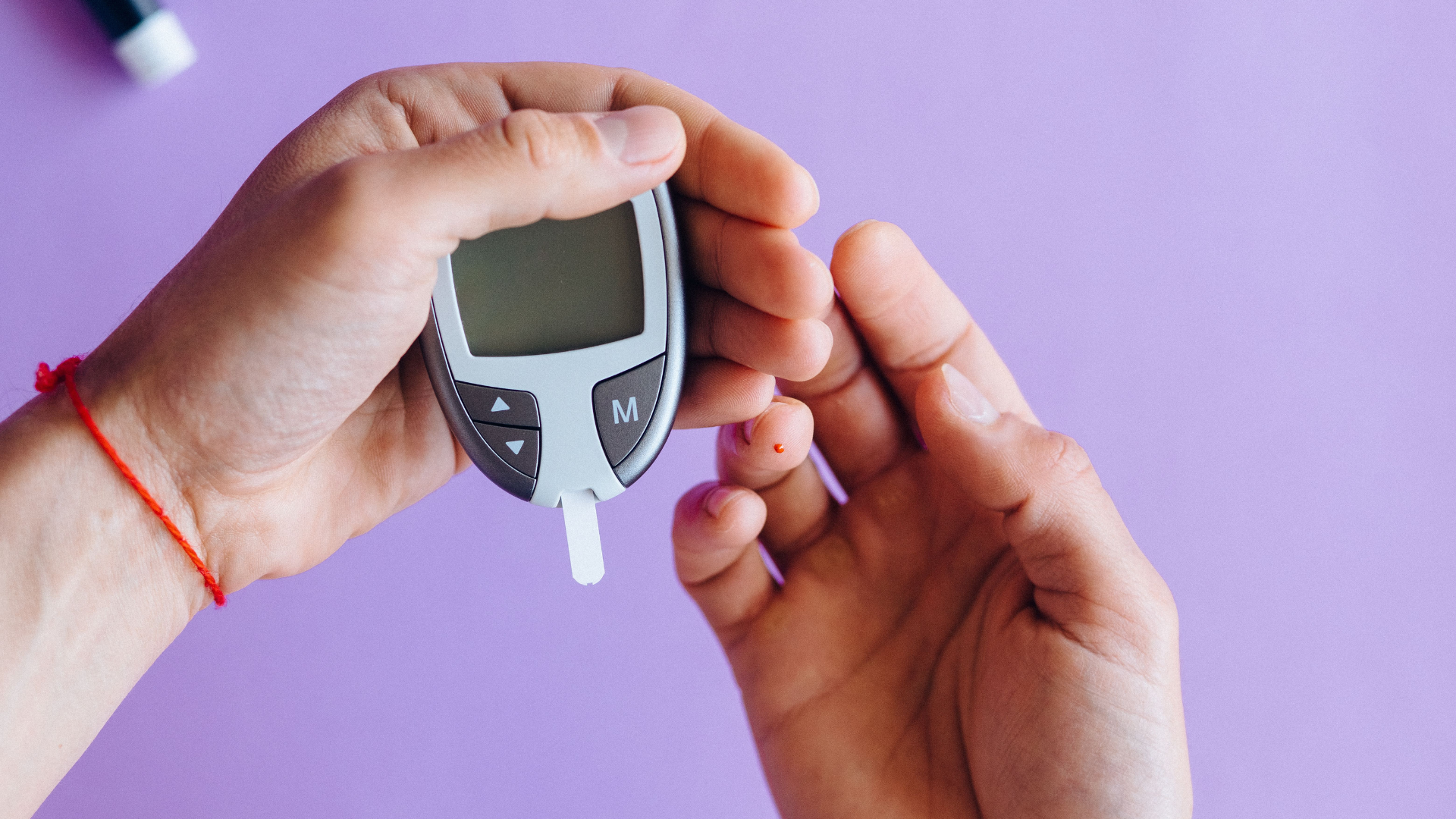
People with diabetes should be particularly careful because diabetes can affect circulation and sensation in the feet, allowing a seemingly minor injury to become a more serious problem. UCLA Health also advises against barefoot walking for some people with neuropathy, poor circulation unrelated to diabetes, or a history of foot ulcers. Reduced sensation can make it harder to notice a cut, blister, splinter, or burn quickly, which is why protective footwear can become an important safety measure rather than simply a comfort choice.
Your Own Floor Can Still Injure Your Feet
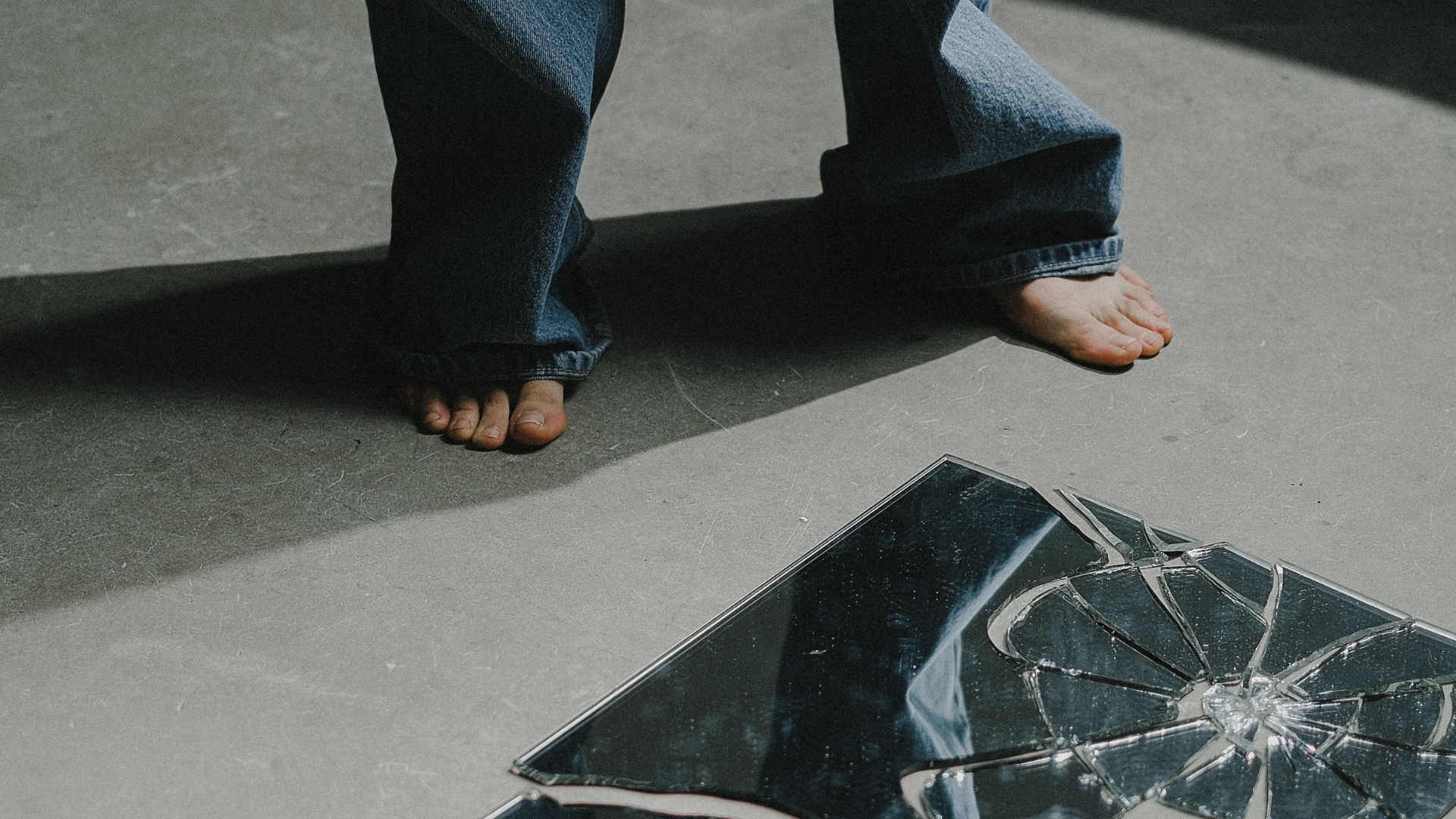
Being inside does not eliminate the possibility of stepping on something sharp. UCLA Health points out that wood, tile, stone, and laminate can contain rough, uneven, or jagged areas capable of causing wounds, while carpeting can hide hazards such as nails, tacks, or pieces of broken glass. Keeping floors clean and checking for hazards becomes more important when bare feet are routinely moving through the house.
Bare Floors Aren’t Necessarily Germ-Free
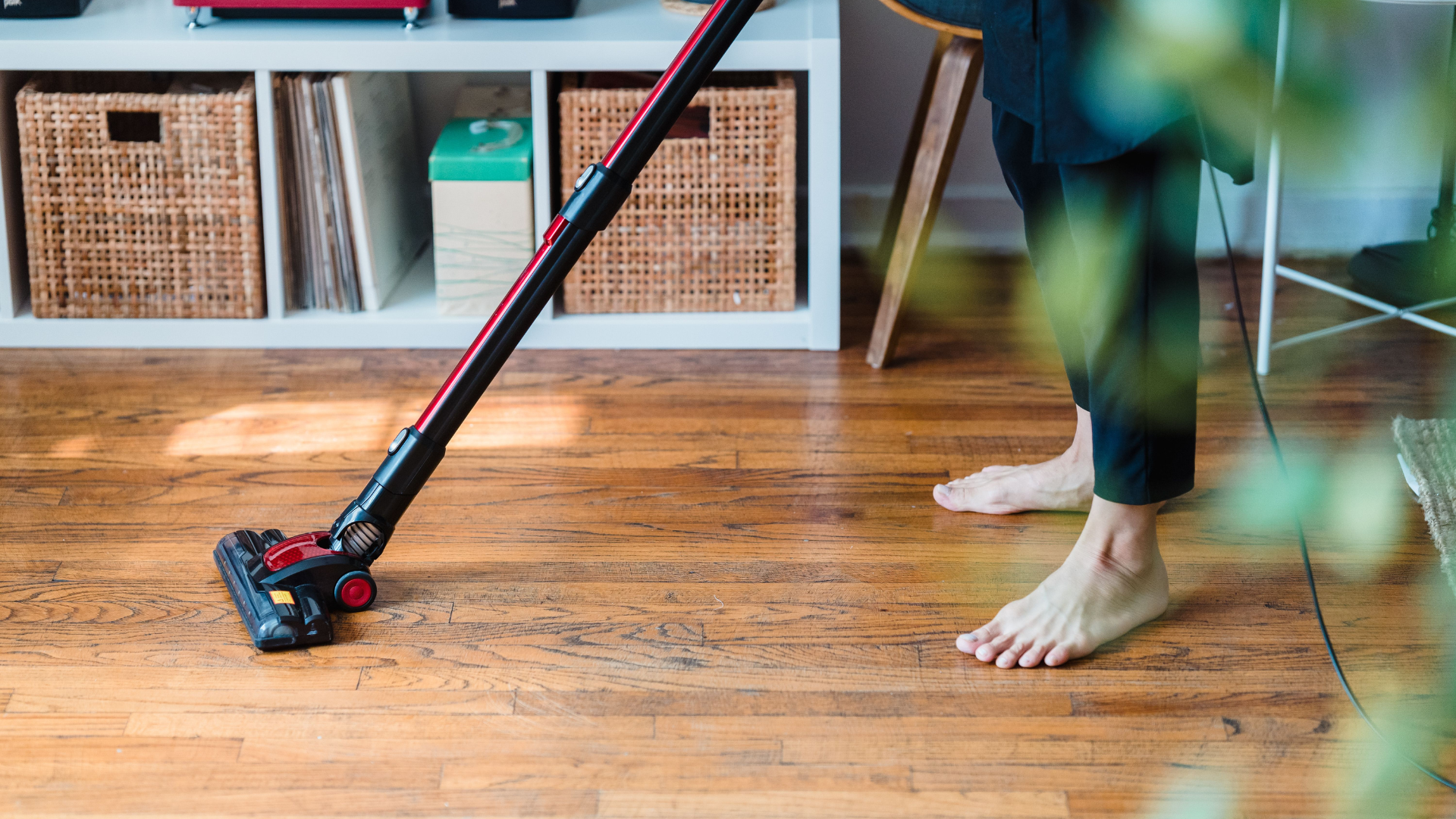
Floors continuously collect dirt and microorganisms carried indoors by shoes, people, and pets, so hygiene is another consideration. UCLA Health notes that some fungi, including those responsible for athlete’s foot, can spread through contaminated shared flooring. Washing your feet regularly and keeping household floors clean can help, while shoes or slippers may be a better choice in communal areas where many people share the same surfaces.
Balance and Overall Health Matter Too
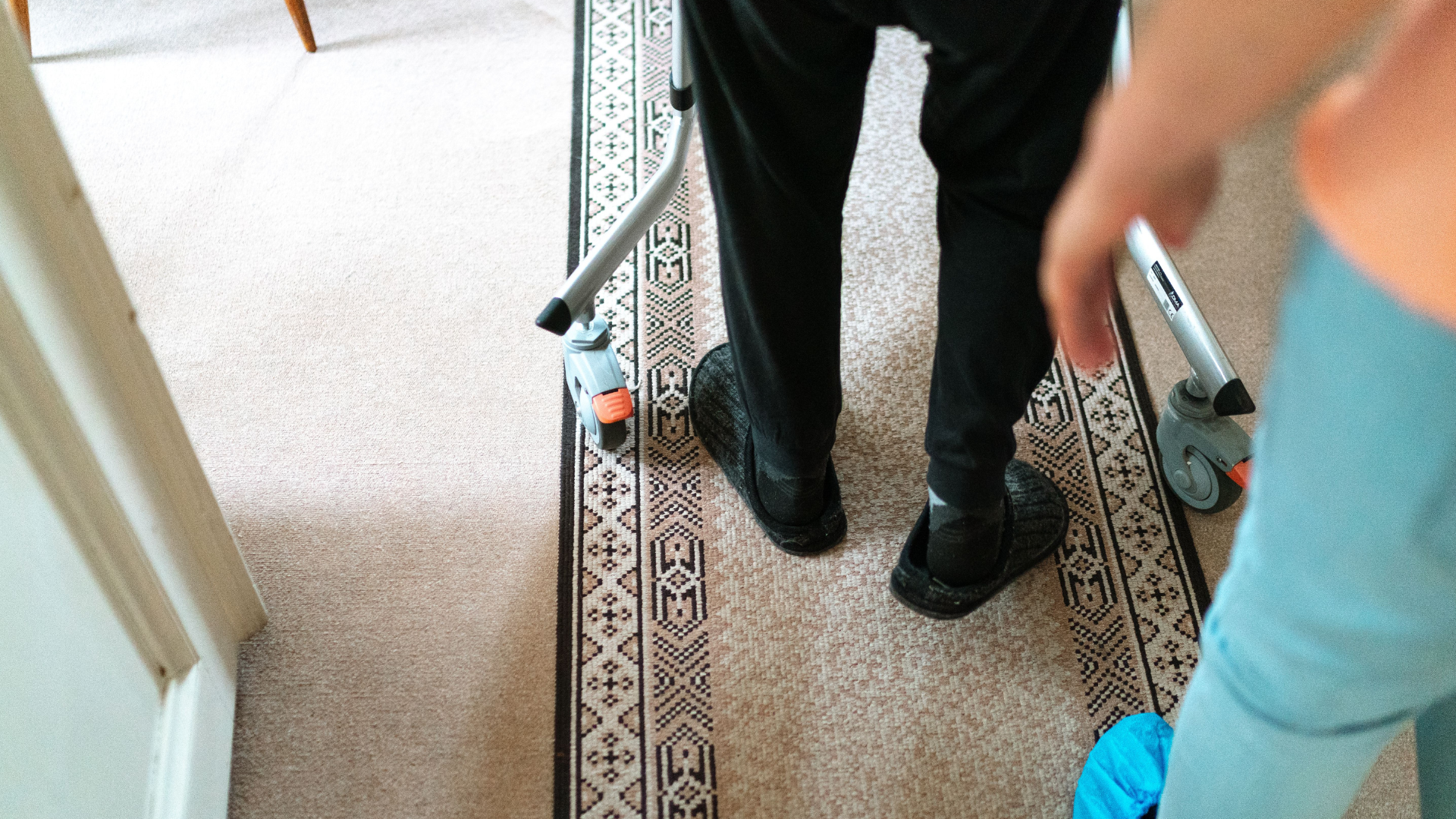
Foot problems are not the only reason someone may need protection indoors. UCLA Health advises caution for people with balance difficulties that increase their risk of falling, as well as certain individuals with health conditions or medical treatments that weaken the immune system. The decision to go barefoot therefore depends less on a blanket rule about shoes and more on someone’s health, mobility, environment, and the surfaces they regularly walk across.
For Healthy Feet, Barefoot Time at Home Can Be Perfectly Reasonable
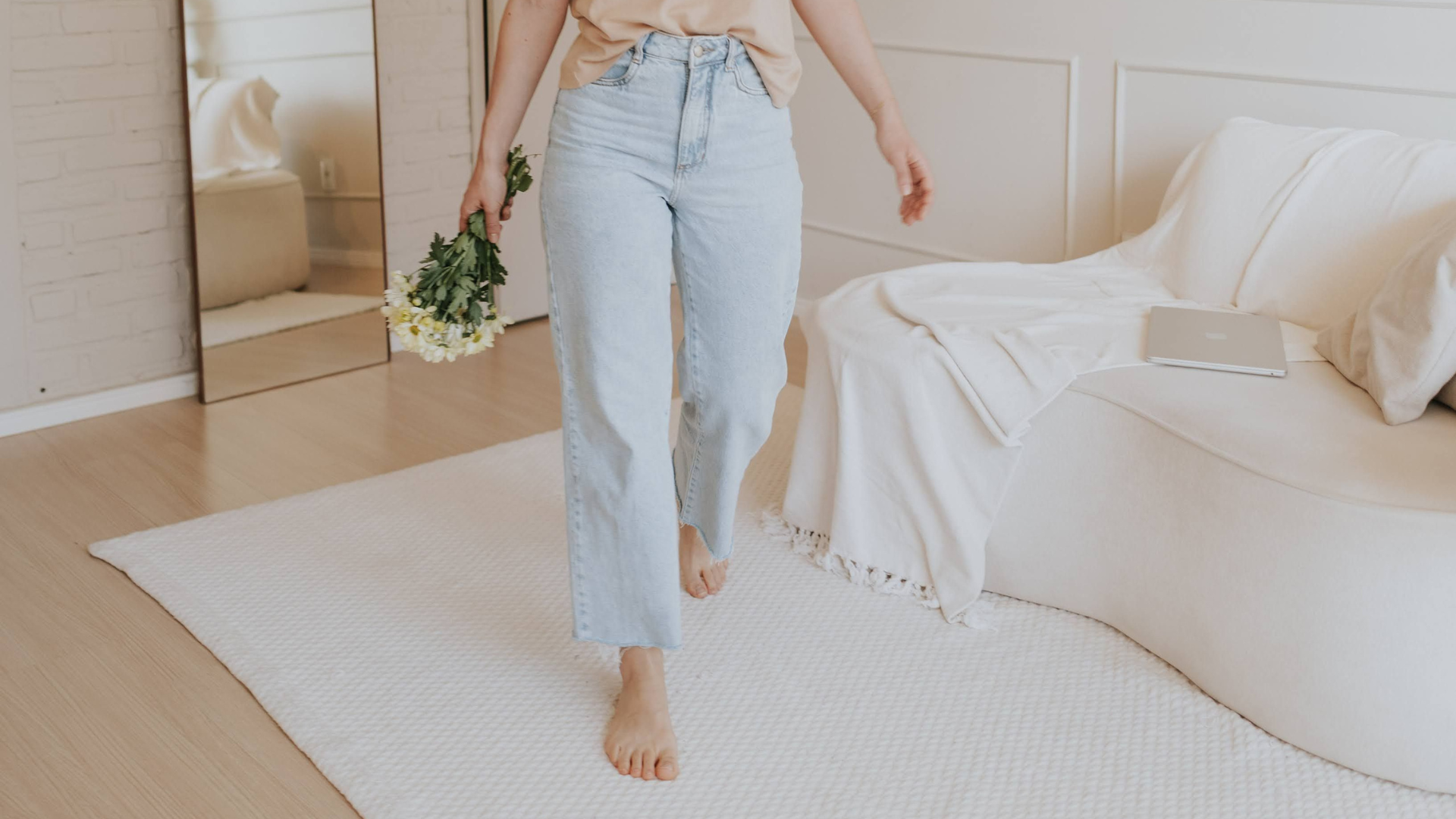
For a healthy person without foot problems, neuropathy, poor circulation, balance difficulties, or other relevant medical concerns, there is little reason to assume that spending a few hours barefoot around a clean home is inherently harmful. The important part is paying attention to your feet and environment rather than assuming barefoot is always healthier or always dangerous. If discomfort develops, the floor presents hazards, or a medical condition makes even small injuries risky, supportive indoor footwear becomes the safer choice.