Want More ‘Organized’ Kids? A 30-Year School Veteran Says These Habits Make the Difference

After nearly three decades in public education, including sixteen years in school administration, one pattern became impossible to ignore for Dr. Frank Buck. The most organized students were rarely the smartest kids in the room. They were simply the ones with a system, usually one a parent helped set up before the first bell of the year ever rang.
It Comes Down to Systems, Not Smarts
Buck’s biggest takeaway after years of watching students succeed or struggle is refreshingly simple: intelligence alone does not create organization. What separates smooth, low stress school years from chaotic ones is a handful of small structures put in place ahead of time. None of his recommended strategies are complicated or expensive, which is exactly what makes them realistic for busy families to actually stick with.
Secure a Locker Divider
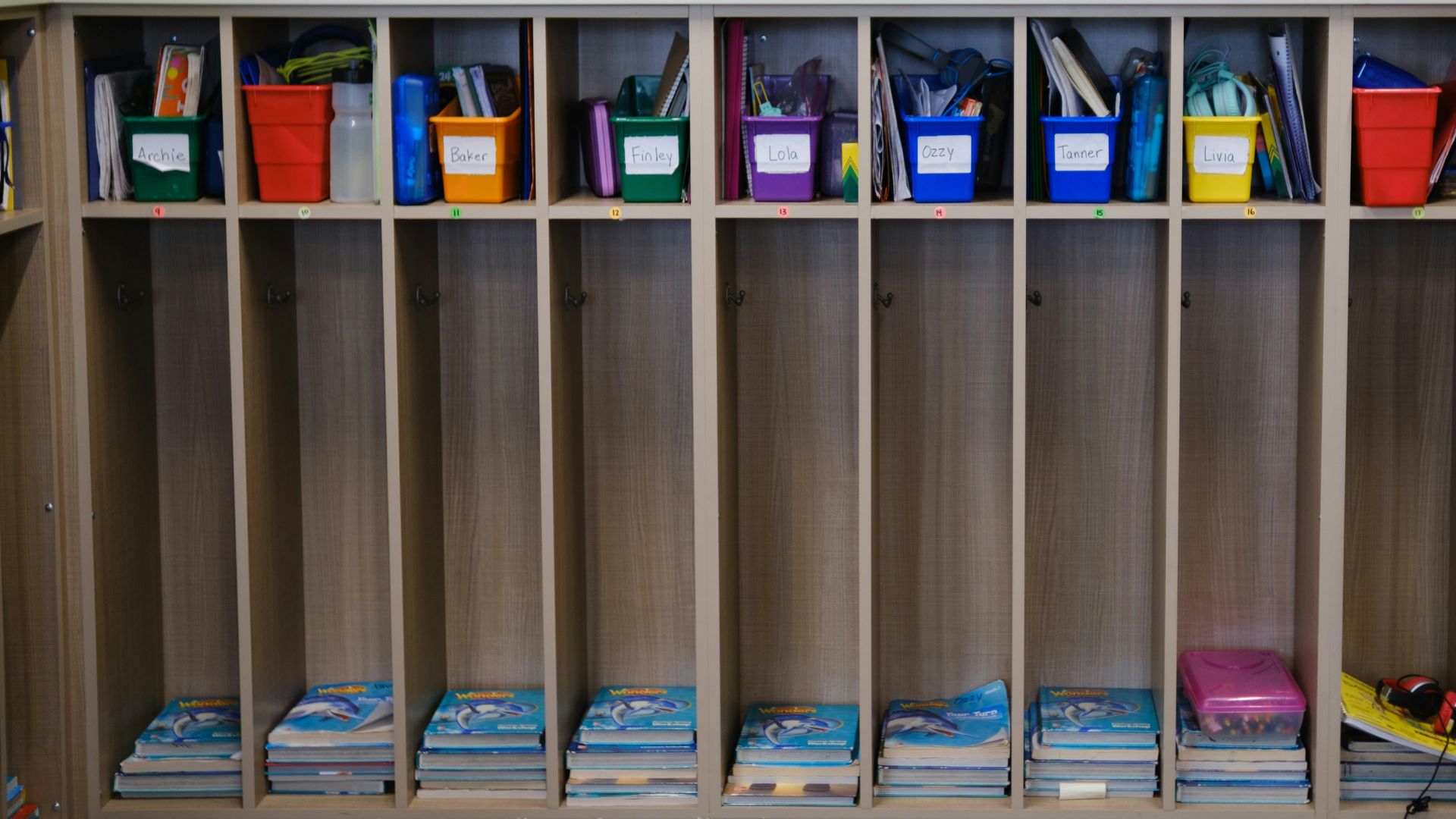
School lockers are tall and narrow, which usually means books get stacked in a messy pile with the one your student actually needs buried at the bottom. A simple locker divider solves this instantly by creating a shelf, letting a textbook and notebook sit side by side instead of getting lost in the shuffle. It is a two dollar fix for a daily frustration that plays out in hallways everywhere.
Create a Designated Spot for Papers
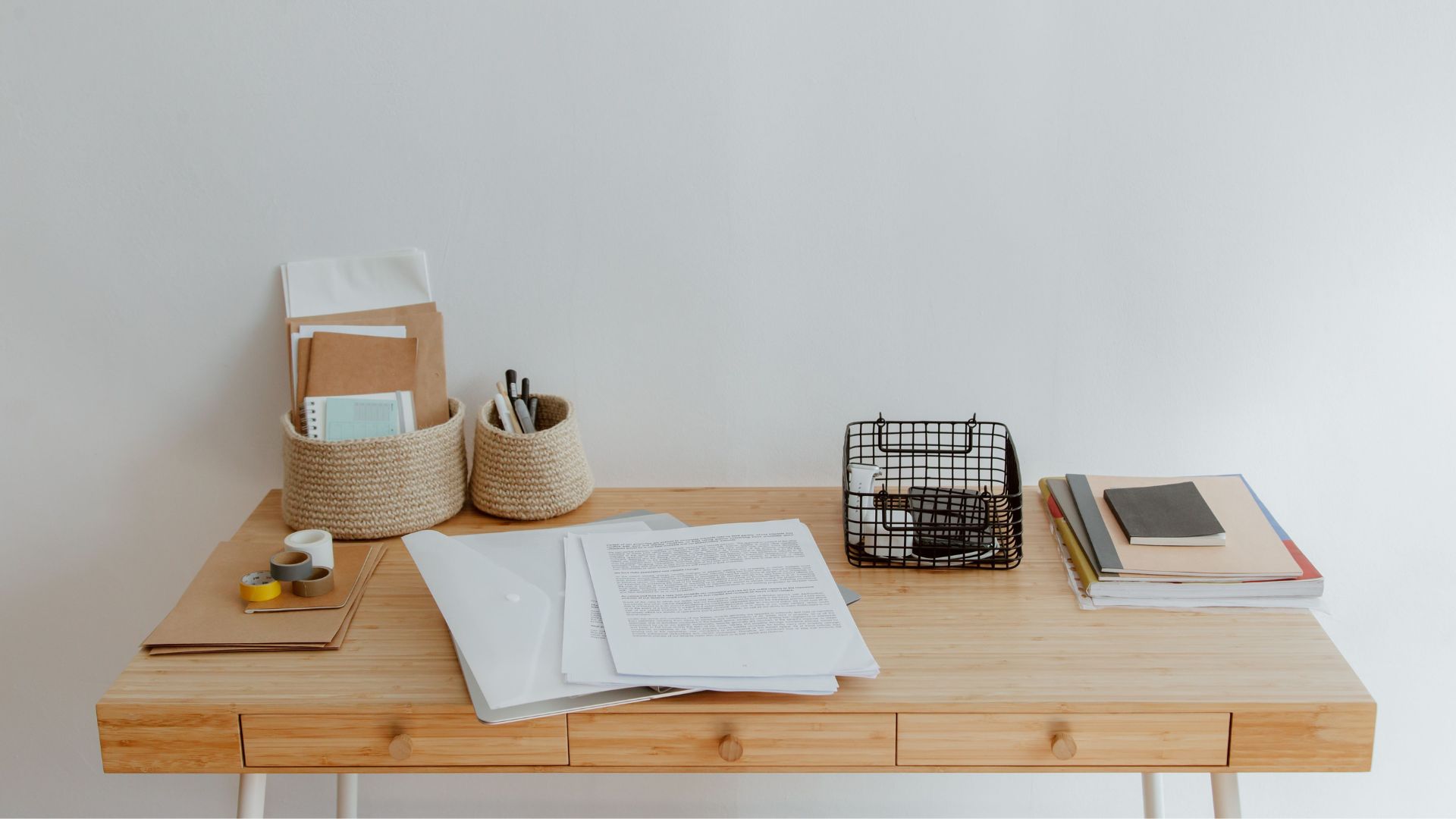
Few things frustrate parents more than crumpled permission slips surfacing weeks after they were due. Buck’s fix is picking one consistent spot, a basket, bin, or counter space, where school papers land the moment a child walks through the door. Parents can then review everything on their own schedule, and nothing gets lost in what he calls the backpack black hole.
Use a Family Calendar
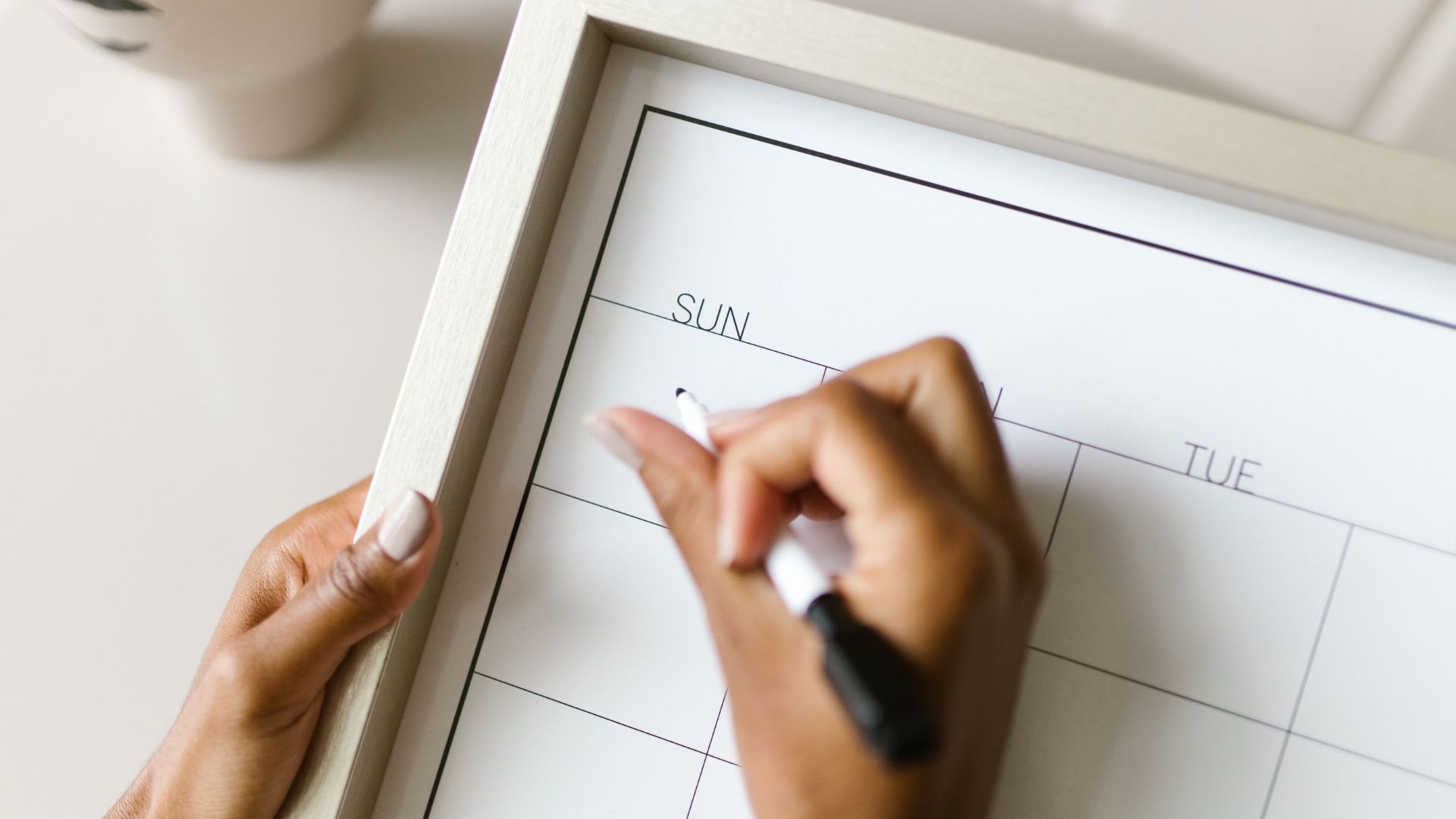
When every practice, rehearsal, and appointment lives in one shared place, coordinating rides and schedules stops being a constant guessing game. Buck has watched families make the shift from a paper calendar taped to the fridge to a shared digital version, calling the difference night and day. A family calendar keeps everyone literally on the same page, cutting down on missed events and last minute scrambling.
Use a Planner, Notepad, or Index Card
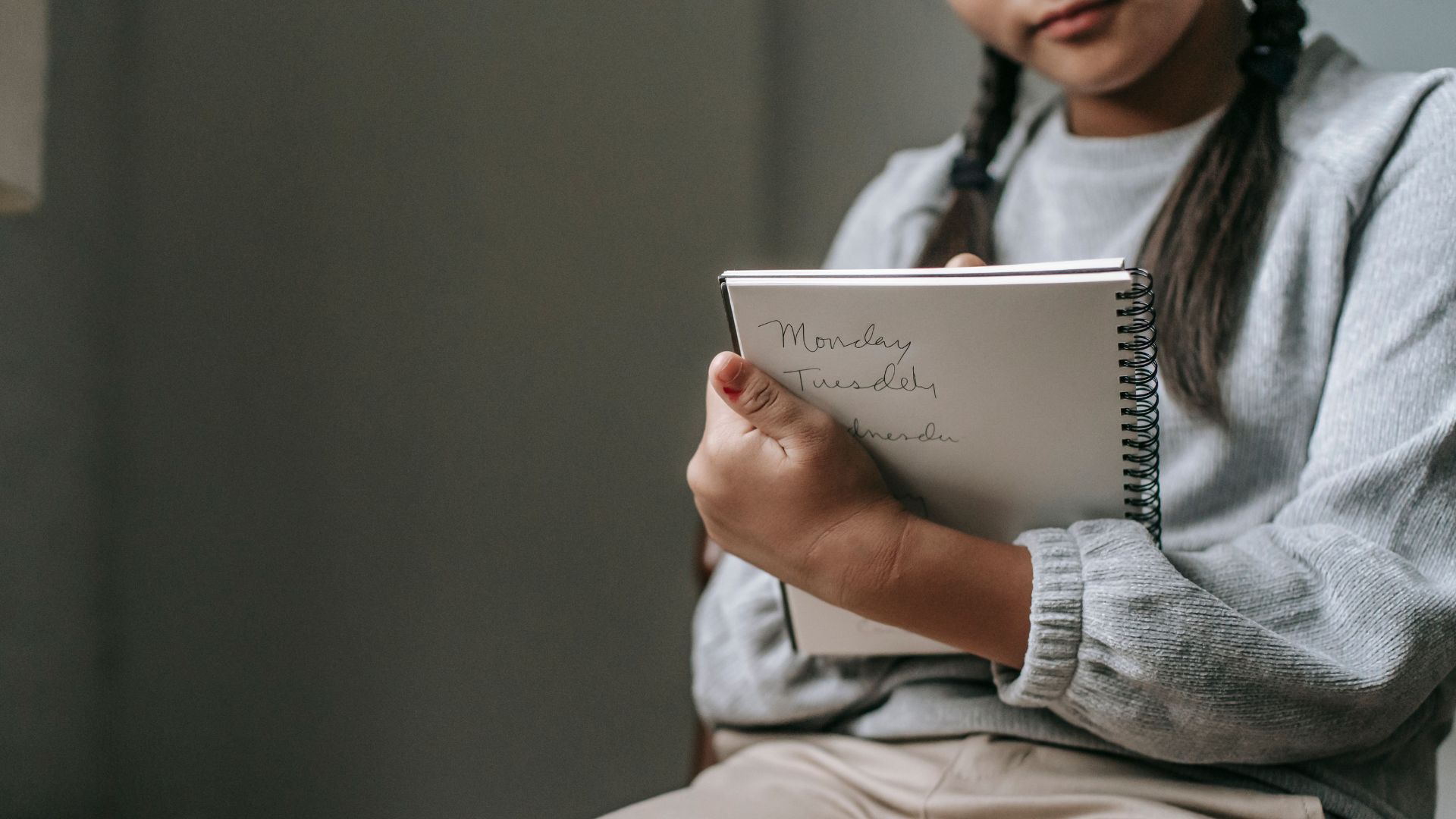
A planner gives students one place to record every responsibility, but it is not always within reach between classes or at practice. That is where something as simple as a pocket notepad or a single index card comes in handy. According to Buck, the tool itself matters far less than the habit behind it: writing things down the moment they come to mind, which prevents more forgotten assignments than any app ever could.
Try the One Binder Method
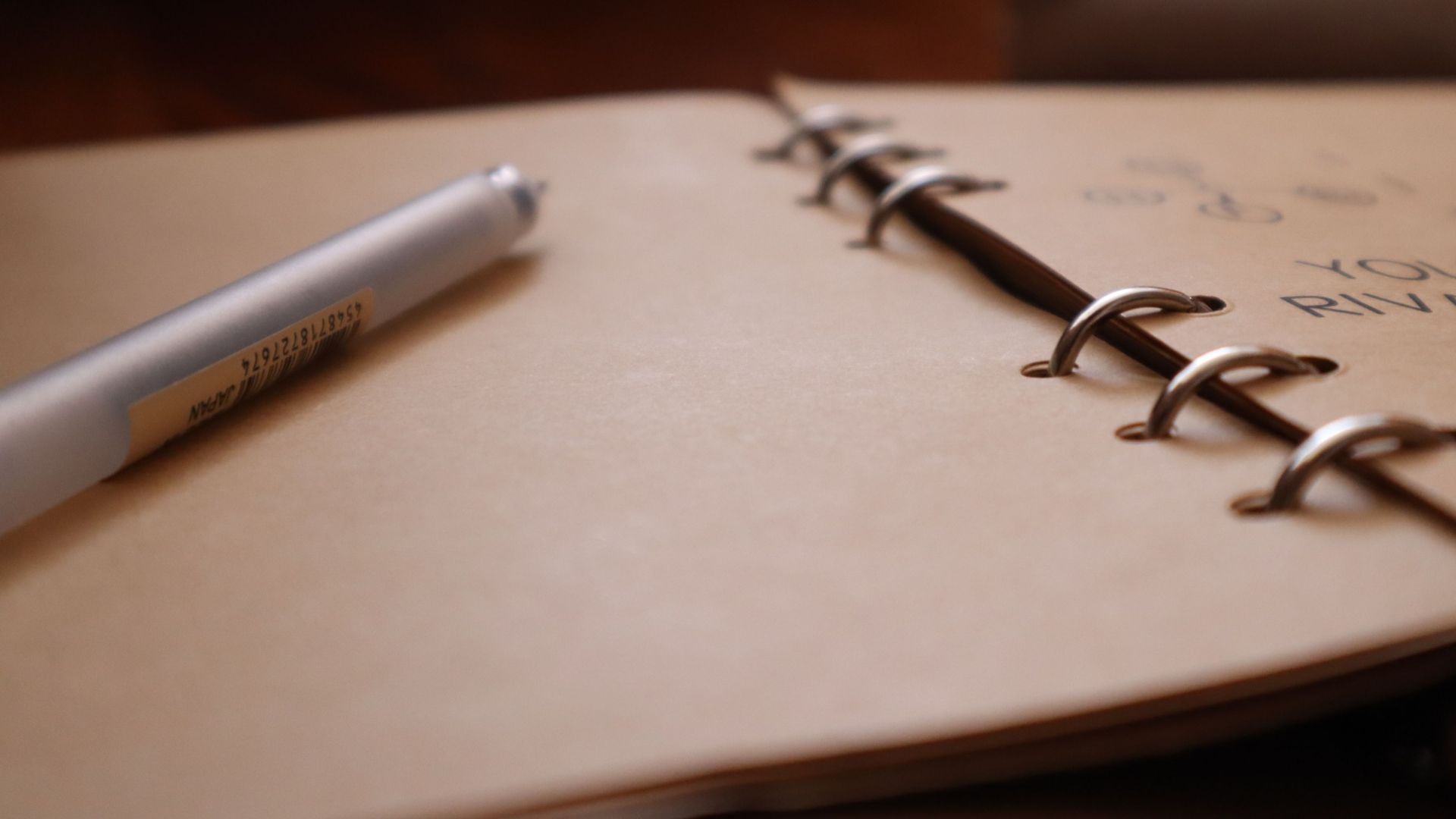
If a teacher allows it, Buck recommends skipping separate notebooks entirely in favor of one three ring binder with a divider for each subject. The real key to making this work is regular purging, since there is little reason for a September worksheet to still be sitting in that binder come April. Keeping only what is important or timely turns organization into an ongoing habit rather than a one time setup.
Start With One Strategy, Then Build

Trying to implement all five strategies overnight is a recipe for burnout rather than lasting change. Buck suggests picking just one system to start with today, then adding the remaining strategies gradually over the following days. This step by step approach makes the habits far more likely to stick, since each new system gets proper attention instead of getting lost in an overwhelming overhaul.
A Skill Worth Carrying Beyond School
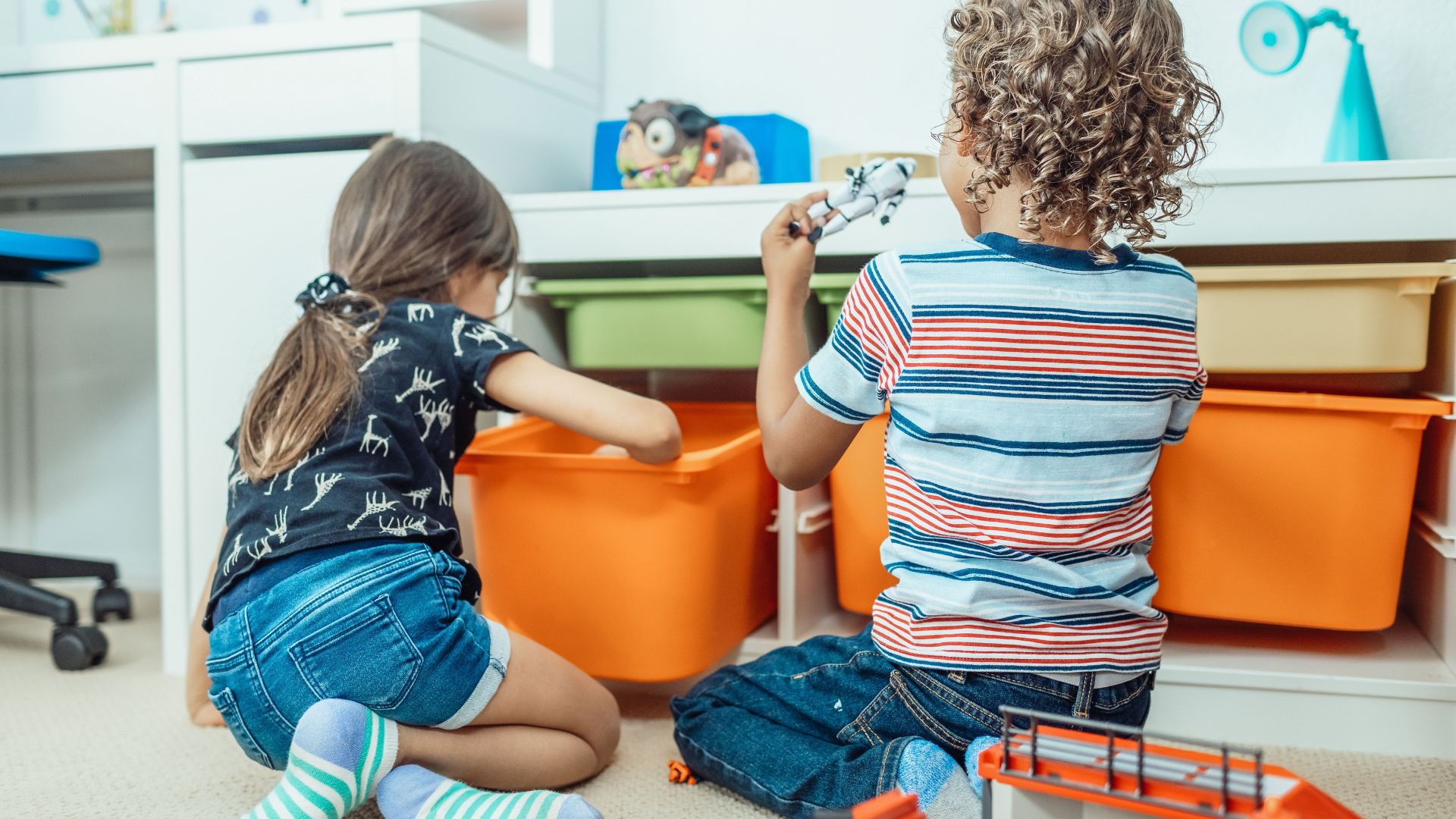
The habit of purging what no longer matters, central to the one binder method, extends well beyond a single school year. Learning to keep what is useful and let go of the rest is a skill that serves people through college, careers, and everyday adult life. These small organizational habits, built early, tend to compound into something far more valuable than any single school year’s worth of tidy folders.
The Real Payoff of Small Systems
None of these five strategies require a big budget or a complicated overhaul, just a willingness to put a few simple structures in place before daily life gets busy. Together, they create the kind of quiet, everyday organization that lets both students and parents spend less time hunting for missing items and more time focused on what actually matters. Small systems, put in place early, tend to add up to a noticeably smoother school year.