Realtors Say Look for These Subtle Red Flags When Touring a Home


A home can look polished during a showing while subtle warning signs point to expensive repairs or maintenance problems hiding underneath the surface. Realtors and other real estate professionals say buyers should look beyond fresh paint, stylish staging and updated finishes and pay attention to how the property functions and what its condition reveals. Recent guidance for home tours highlights issues involving drainage, foundations, water damage, major systems, renovations and even unusual smells as things worth investigating before making an offer.
Check How the Ground Slopes Around the House
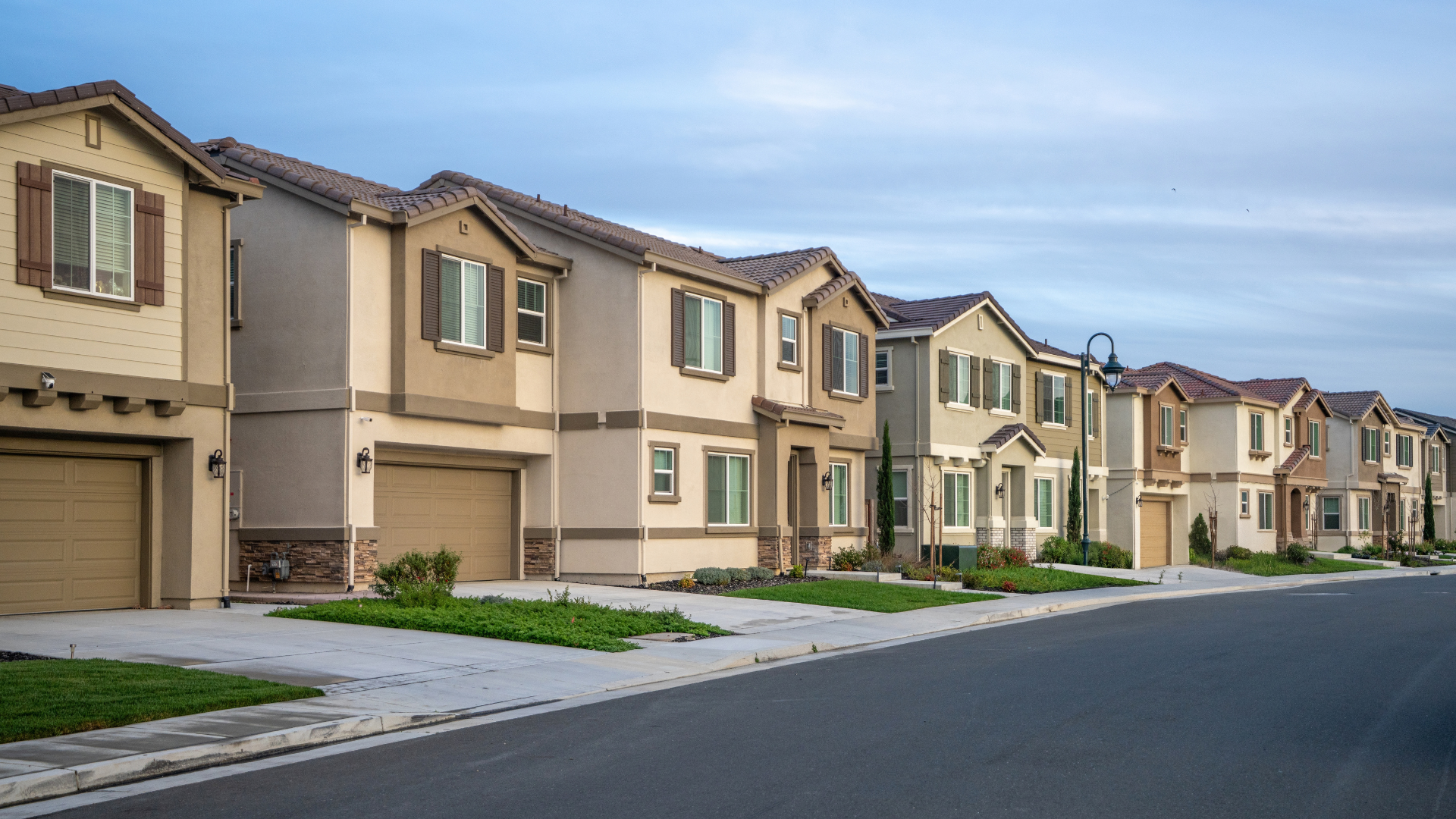
One subtle issue buyers may notice before entering the house is the way the ground slopes around the foundation. Realtors have pointed to grading that directs rainwater toward a home as a potential problem because water can collect near the foundation and contribute to moisture or structural issues. Buyers should walk around the exterior and look at whether soil, driveways and other surfaces appear to direct water away from or toward the house.
Fresh Paint Does Not Always Tell the Full Story
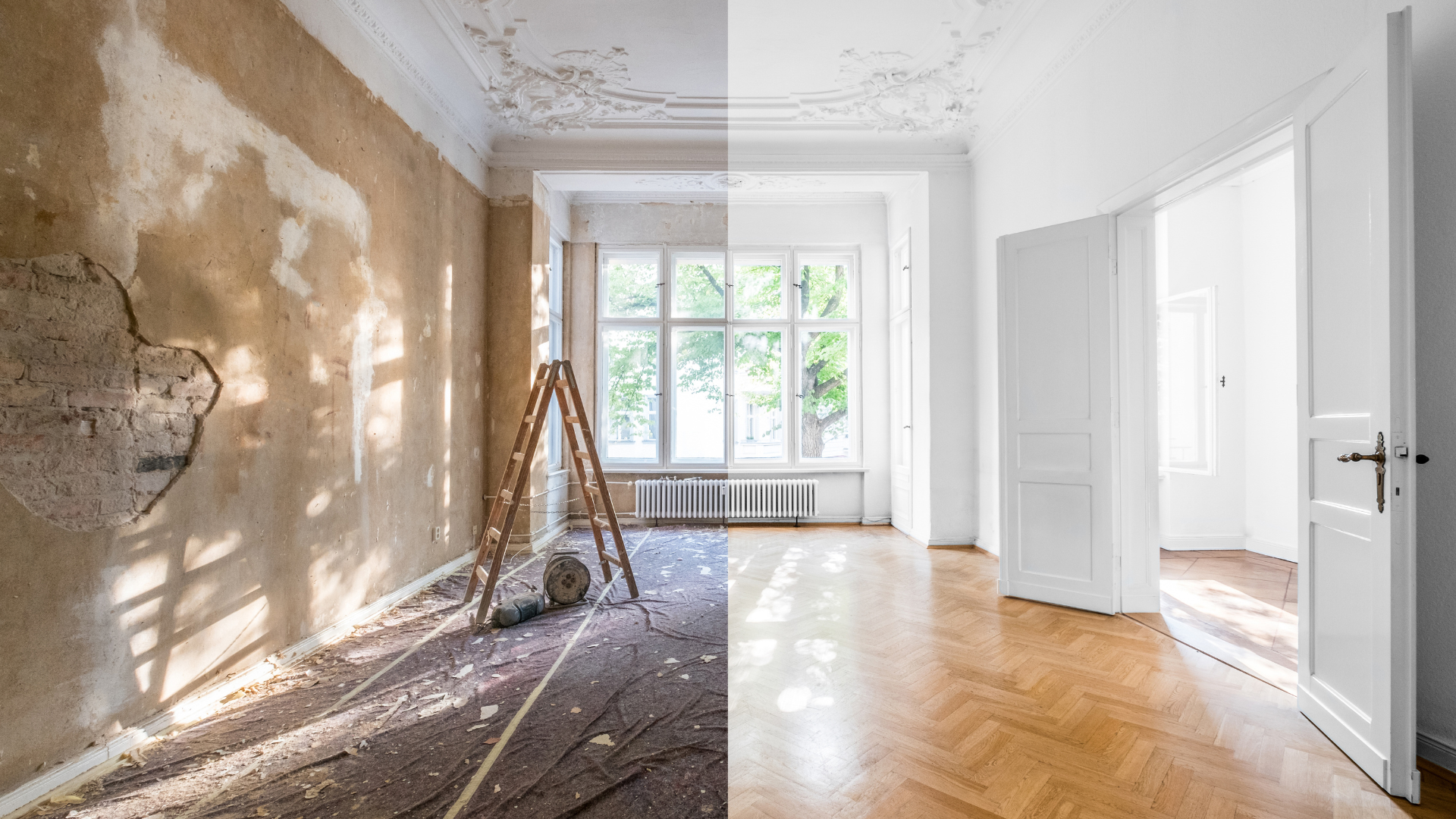
Fresh paint can make a home feel newer, but an isolated patch of newer paint or repair work may deserve closer attention. Real estate professionals say buyers should compare walls, ceilings and other surfaces and ask about areas that look noticeably different from the surrounding finishes because they could be covering previous damage. Water stains, bubbling surfaces, peeling areas and repairs concentrated around windows or ceilings are among the details worth documenting for an inspector.
Pay Attention to Strong Smells
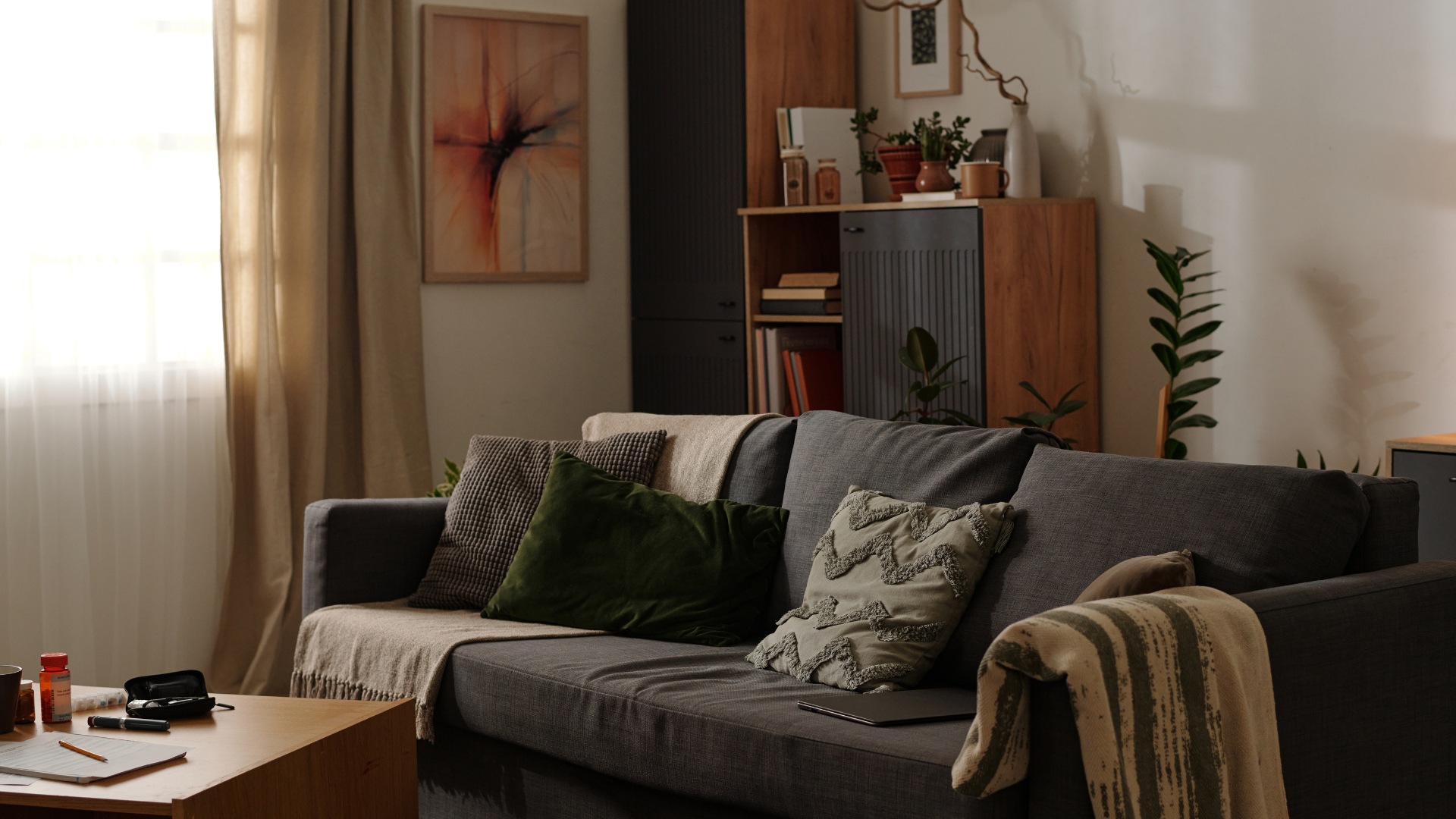
An unusually strong smell during a showing can be more than a seller’s attempt to make the house feel pleasant. Real estate professionals warn that excessive air fresheners, candles or plug-ins can sometimes mask pet odors, smoke, mildew or moisture problems. Buyers should pay attention to whether the scent changes from room to room and whether musty, damp or smoky odors remain underneath the fragrance.
Look Closely at Floors, Doors and Windows
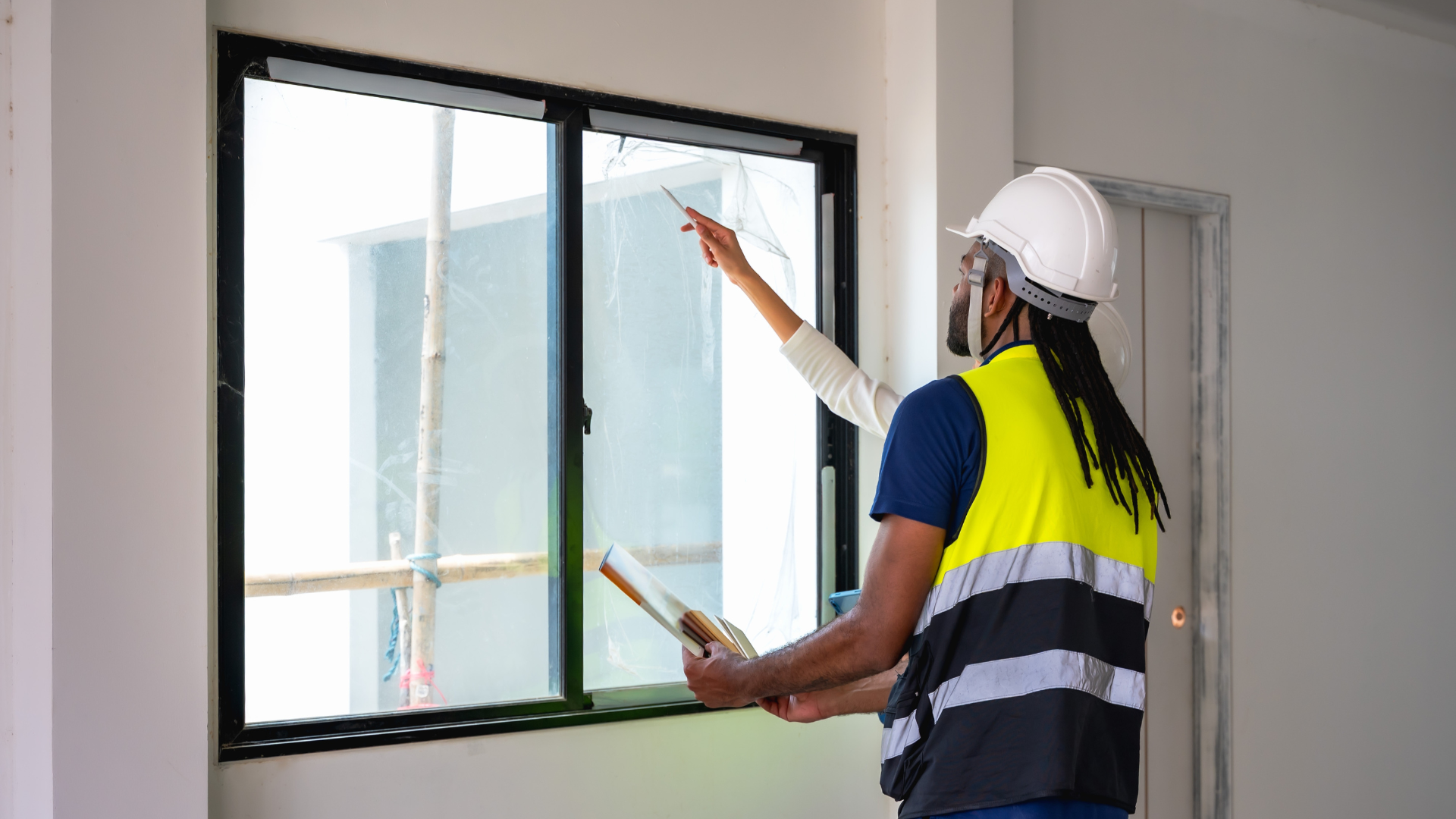
Small problems with how a house’s doors, windows and floors operate can provide clues that deserve further investigation. Sticking doors or windows, uneven or sloping floors, gaps around frames and other signs of movement can sometimes accompany foundation concerns, although not every crack or uneven surface means there is a serious structural problem. Instead of trying to diagnose the issue during a tour, buyers should record what they see and have a qualified inspector evaluate it.
Do Not Ignore the Basement or Crawl Space
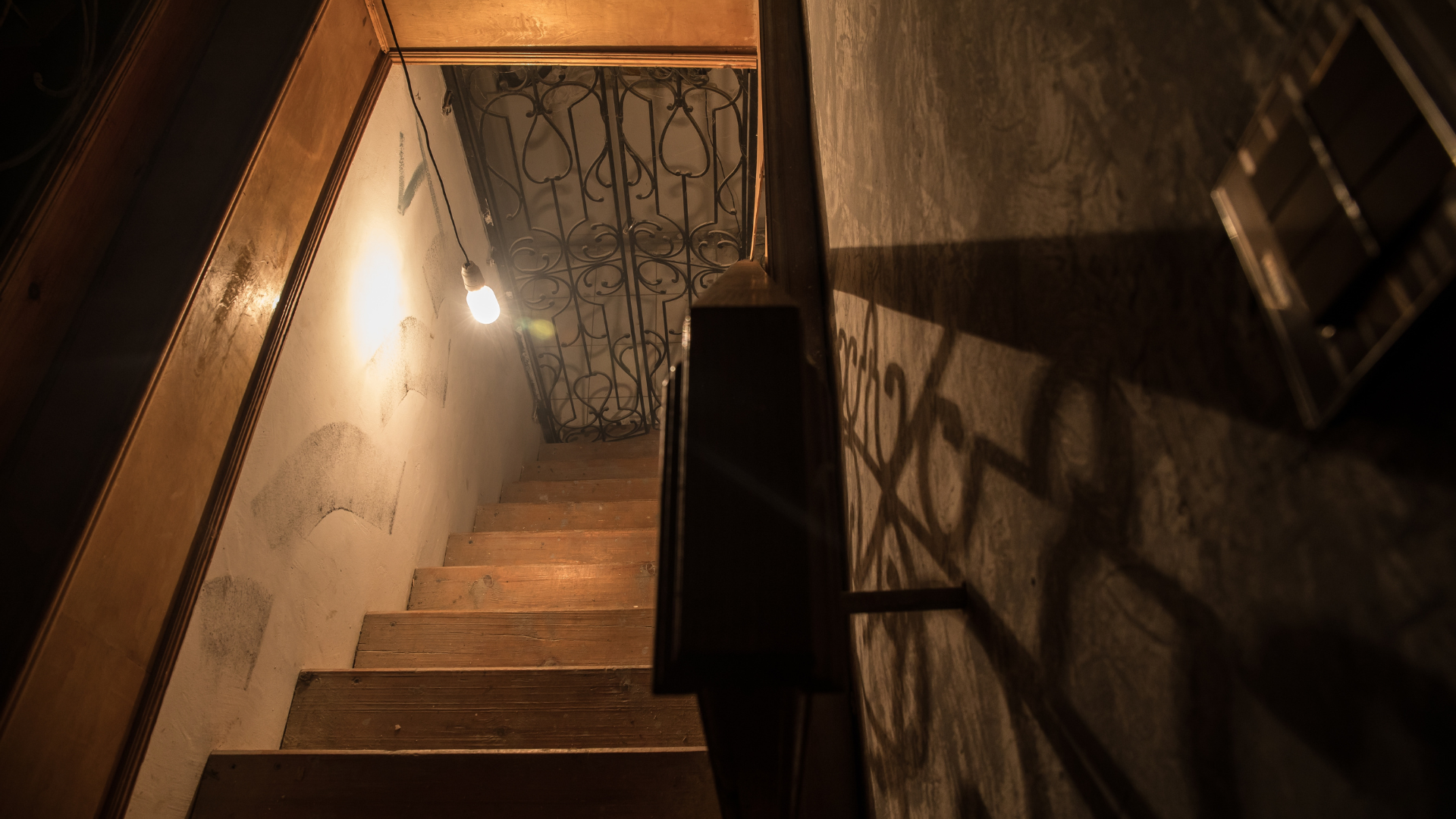
Basements and crawl spaces can reveal problems that are easier to hide in the finished areas of a home. Buyers should look for water stains, damp or musty odors, warped materials, standing water and other evidence of moisture intrusion, while also checking whether gutters, downspouts and exterior grading appear to move water away from the foundation. A rainy day can make drainage problems easier to spot, but buyers should still have any suspected water issue professionally investigated before purchasing.
Check the Age of the Roof and Major Systems
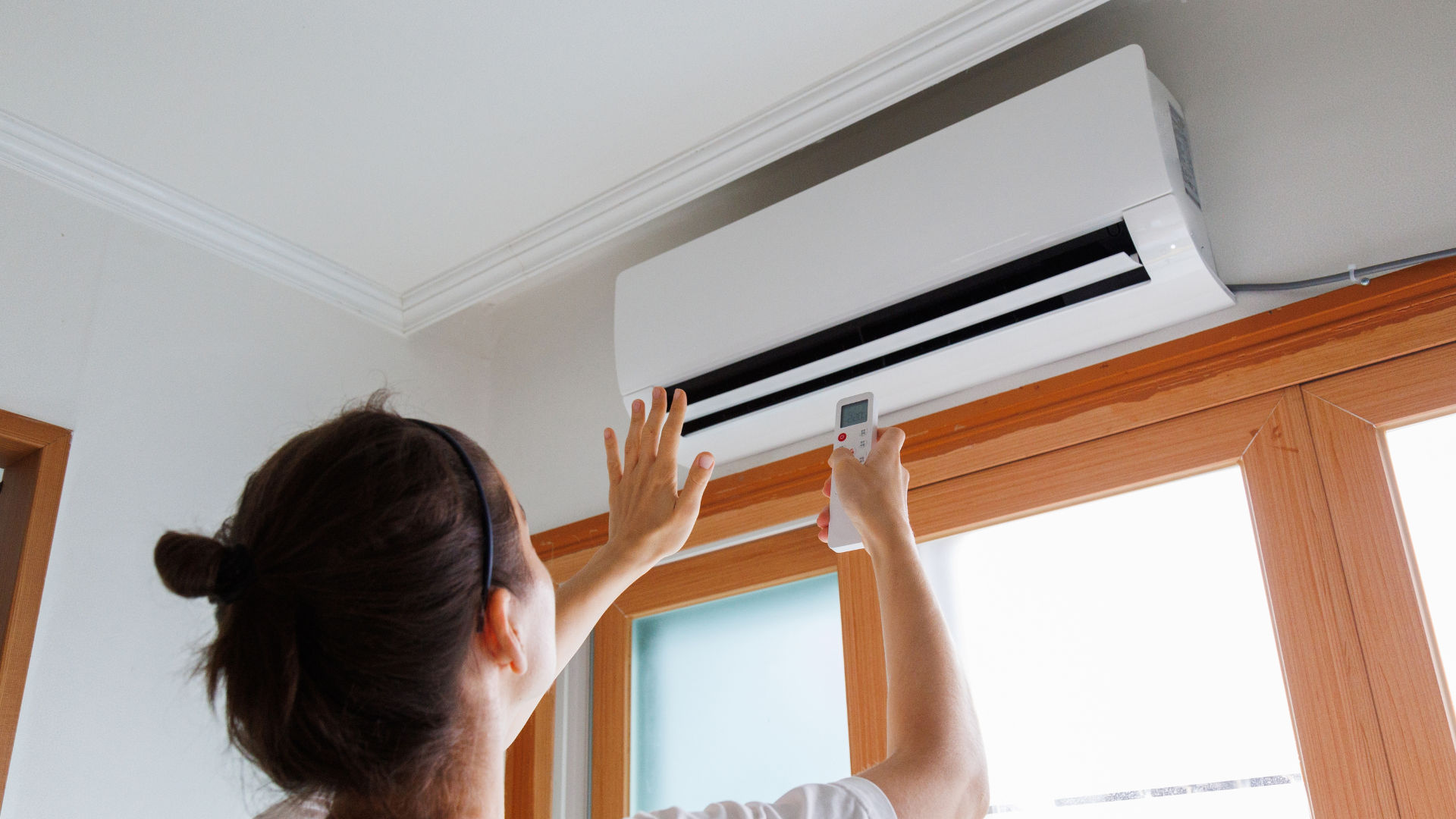
A house can have attractive finishes while its roof, HVAC, plumbing or electrical systems are approaching the end of their useful lives. Buyers should ask about the age, maintenance history and condition of these systems and look for missing documentation, damaged shingles, aging equipment, leaks or outdated electrical components. Knowing when major systems were installed can help buyers anticipate future replacement costs rather than discovering them after closing.
Be Careful With DIY Work and Rushed Renovations
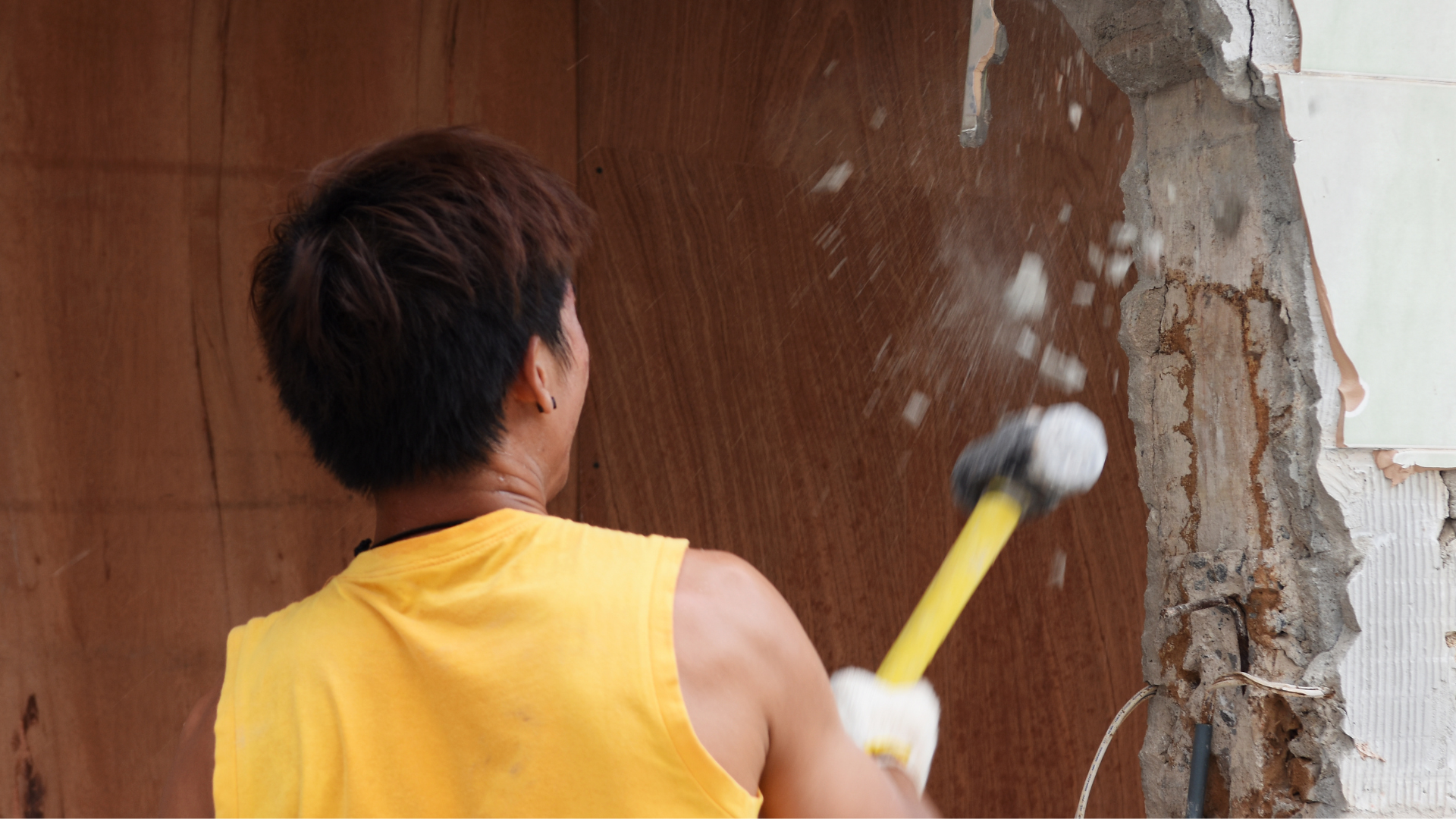
A renovation can add value, but amateur or rushed work can also create problems that are not immediately obvious during a quick showing. Realtor-shared experiences include poorly sealed cabinets and other DIY projects that later required expensive repairs, while current real estate guidance warns buyers to look for uneven flooring, sloppy grout, misaligned cabinets and older systems hidden behind new finishes. Buyers should ask what work was completed, who performed it and whether required permits were obtained.
Ask Why the Home Came Back on the Market

A property that returns to the market after going under contract is not automatically a bad sign, but buyers should find out why the previous deal ended. Financing problems, appraisal issues, inspection findings or disagreements about repairs can all cause a contract to fall apart, and learning what happened can reveal questions worth investigating. Buyers can ask whether a previous inspection was completed, whether major issues were identified and whether the seller made repairs afterward.
A Careful Tour Can Prevent Costly Surprises

The most useful home tour is about more than deciding whether the rooms look attractive because subtle details can point to maintenance, drainage, structural or system problems that deserve professional attention. Buyers do not need to diagnose every issue themselves, but they should notice unusual conditions, ask questions and make sure concerns are addressed during the inspection and due diligence process. Looking beyond staging and cosmetic upgrades can help buyers better understand the property’s condition before committing to one of the largest purchases they are likely to make.