Bikers Often Point Two Fingers Down on the Road. No, They’re Not Just Saying ‘Peace’
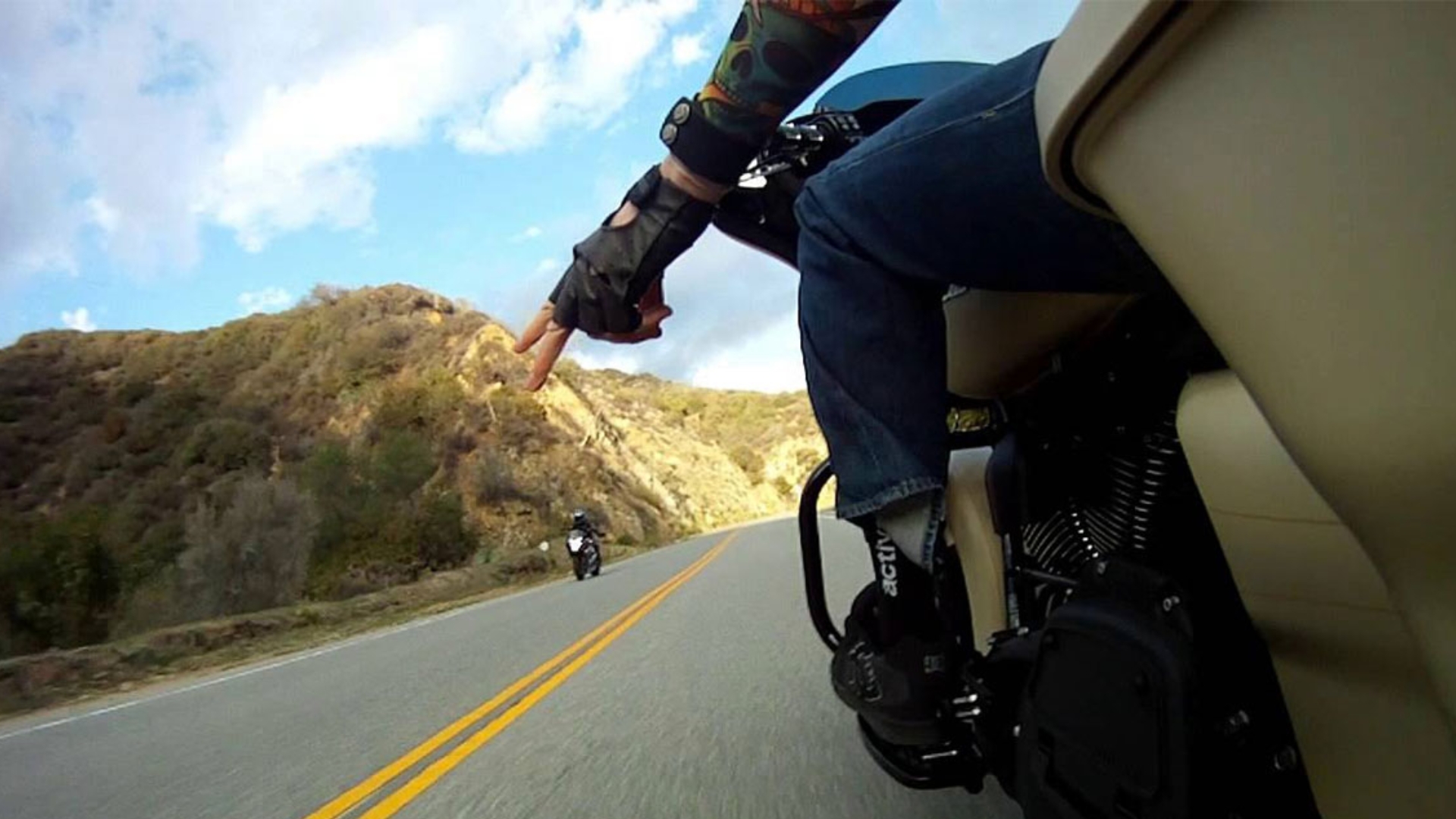

Ride down a two-lane highway and you’ll see it happen in a blink. A motorcyclist passes going the other direction, drops two fingers toward the pavement, and the hand is back on the grip before you can wave back. Plenty of drivers assume it’s a peace sign, a leftover from decades past. Riders carry a different meaning behind it, one built around a habit that keeps them alive every time they throw a leg over a bike.
The gesture is known among riders as the biker wave, and its shape matters. Instead of pointing skyward like the classic peace sign, the fingers drop toward the pavement. According to Jalopnik, the two-finger salute from one biker to another is code for staying safe, shorthand built from the phrase keep it two wheels down. It has nothing to do with protest movements or sixties counterculture.
Two wheels down refers to exactly what it sounds like: both tires gripping the road. A motorcycle only stays upright as long as its wheels stay in contact with the pavement, and losing that contact usually means a crash. The gesture is a rider’s way of acknowledging another person who has accepted that same risk every time they start their engine, regardless of what brand of bike they’re riding.
Riders Use the Same Signal to Thank Drivers in California
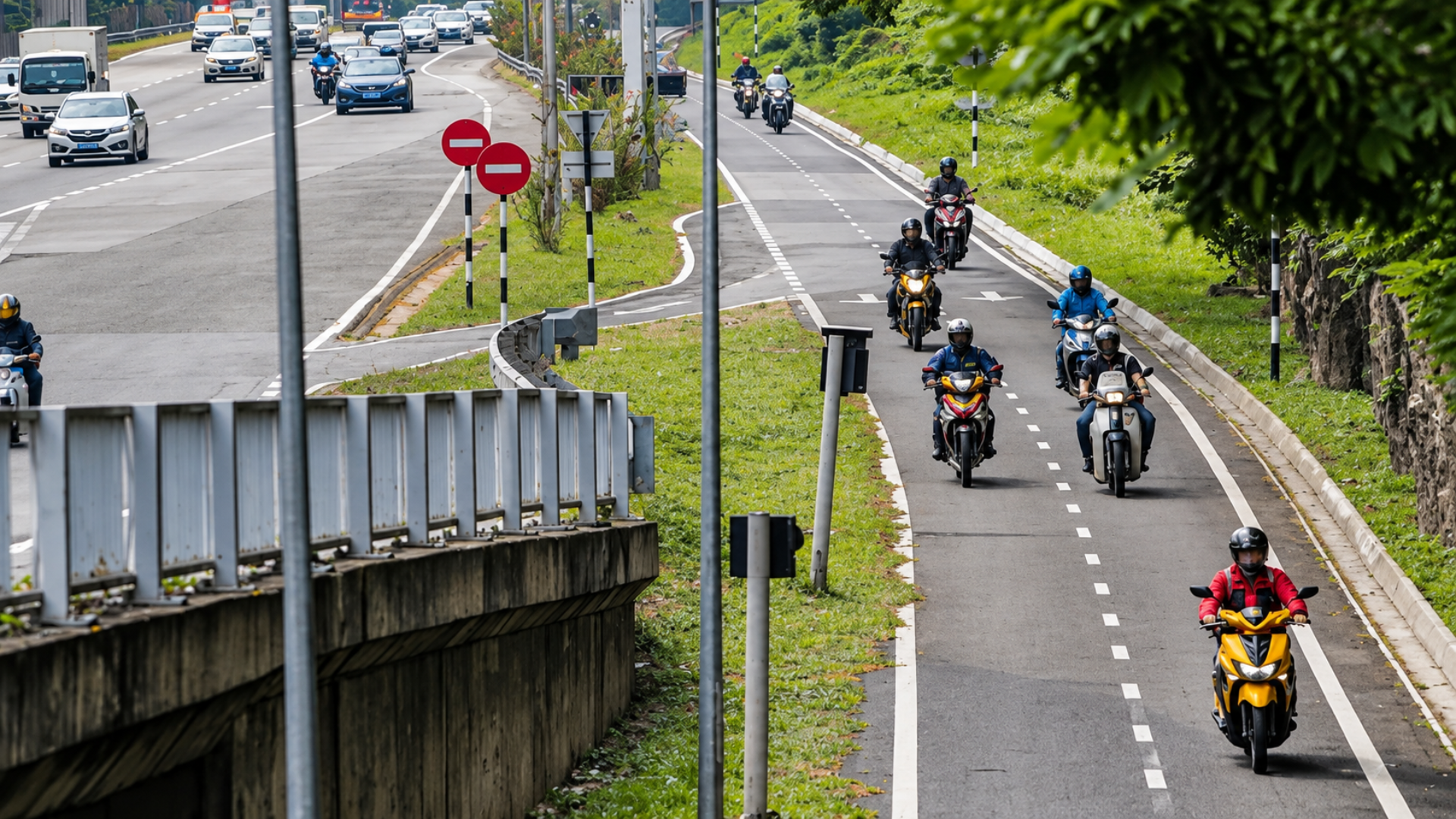
The two-finger drop isn’t reserved only for bikers passing on the highway. In states where lane splitting is legal, including California, motorcyclists ride between lanes of slow or stopped traffic. When a driver notices a bike coming and shifts slightly to create extra room, riders often flash the same low salute as a quick thank you for the courtesy, a small exchange most car drivers never notice.
Reaching all the way across for a full wave isn’t always practical at speed, so the gesture gets compressed into something quick. Sometimes a rider only manages a nod or a thumbs up instead, especially if traffic demands both hands stay on the controls. Whatever form it takes, the message lands the same way: appreciation for a driver who paid attention to a vehicle that’s easy to miss in a mirror.
Attorneys who handle motorcycle accident cases point to that visibility problem as one reason the gesture carries weight beyond simple etiquette. According to CHG, a law firm that represents injured riders, the two-fingers-down gesture acknowledges a shared identity built on the understanding that a moment of inattention from a driver can have catastrophic consequences for someone riding on two wheels.
A Tap on the Helmet Warns of Police Ahead
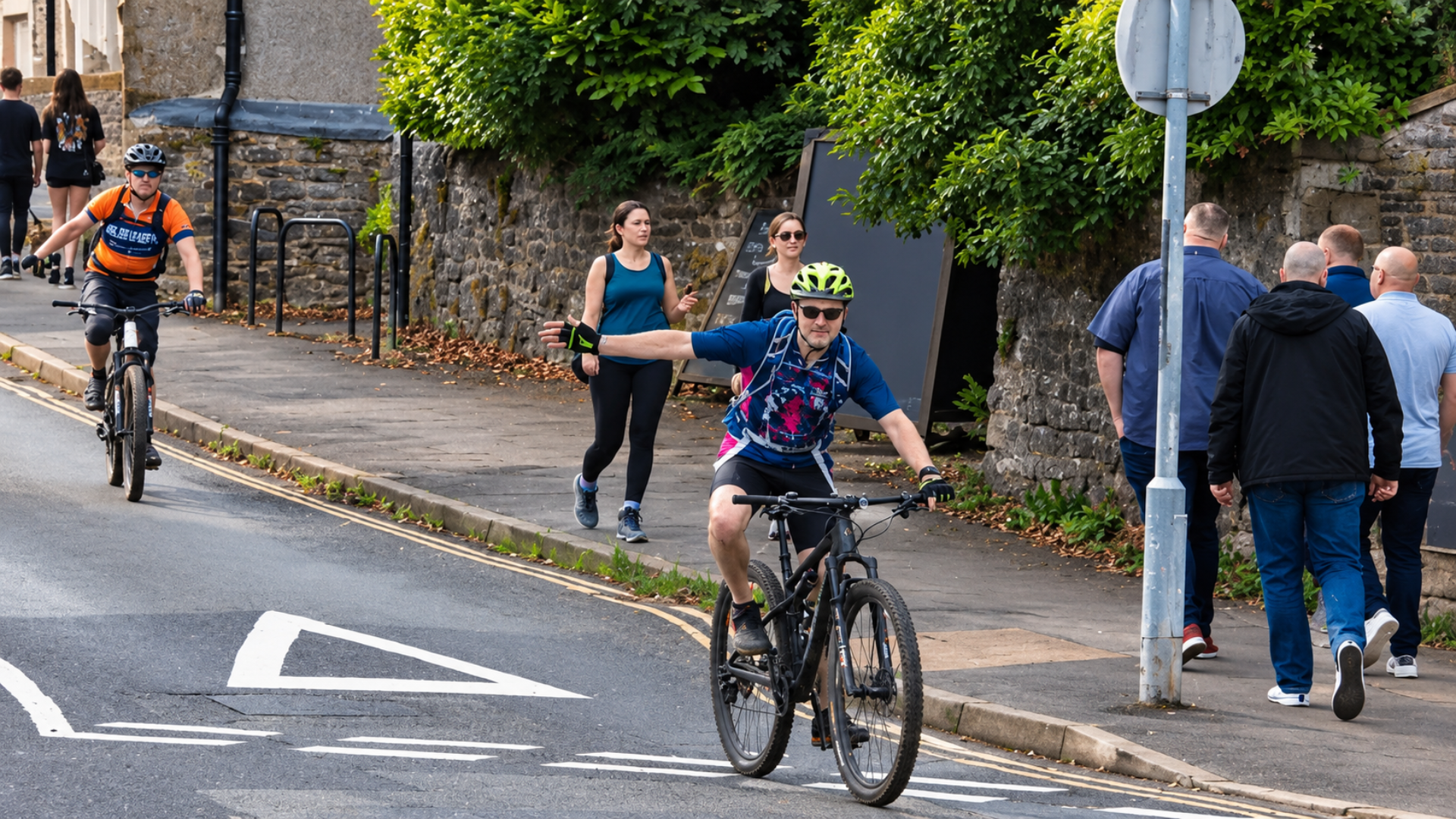
Two fingers down is just one entry in a wider language riders use to communicate without saying a word or letting go of the handlebars for long. Some signals warn of upcoming danger on the road ahead. Others pass along useful information about the ride itself. Learning to read them turns a lone motorcyclist up the road into someone quietly broadcasting updates to everyone nearby, rider or not.
A foot extended toward the pavement flags a hazard such as gravel, dirt, or oil that could send a bike sliding out of control. A hand pressed flat and lowered toward the road signals something bigger ahead, like an accident or construction, telling everyone behind to slow down immediately. Drivers who notice these gestures pick up an early warning too, even if they’ve never ridden a motorcycle themselves.
Patting the top of a helmet carries its own well-known meaning among riders: police are nearby. The signal spreads quickly through a line of bikes, passed from one rider to the next so everyone can check their speed before reaching a patrol car. It’s a small courtesy with real consequences, considering how quickly excitement on two wheels can turn into an expensive ticket.
The Signal Traces Back Decades on America’s Highways
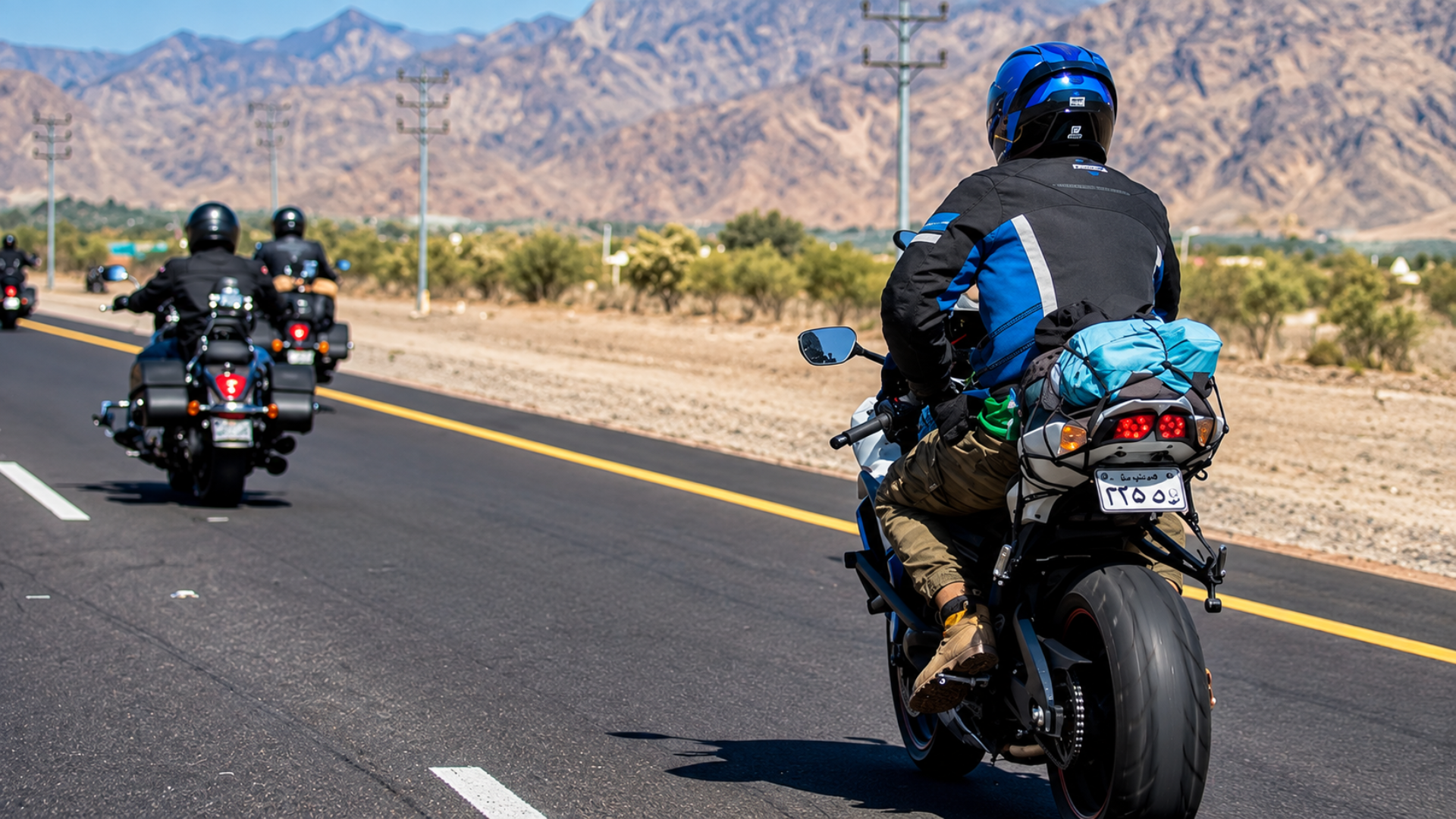
The two-fingers-down wave has circulated through motorcycle culture for decades, long enough that its exact origin is difficult to pin down. Some riders trace it to warnings passed quietly between motorcycle clubs about police up ahead. Others point to markers along famous routes like South Dakota’s Needles Highway, where a glove nailed to a post reads Two Wheels Down as a reminder to riders tackling its sharp curves.
What stands out is how far the gesture has traveled beyond its origins. Commuters riding to work, weekend cruisers, and members of organized clubs all use the same low salute today, regardless of the make or model parked in their garage. It has become one of the few pieces of etiquette that nearly every motorcyclist recognizes on sight, no explanation required, according to Harley-Davidson Insurance.
That’s the real story behind the gesture drivers so often mistake for a peace sign. Two fingers dropped toward the road are a rider’s shorthand for a fact every motorcyclist lives with: the machine only stays upright as long as both wheels stay planted. Passing that reminder along silently, at sixty miles an hour, has kept the tradition alive on American roads far longer than any hippie hand sign ever could.