Real Estate Pros Say These Upgrades Could Make Your Home More Valuable When It’s Time to Sell
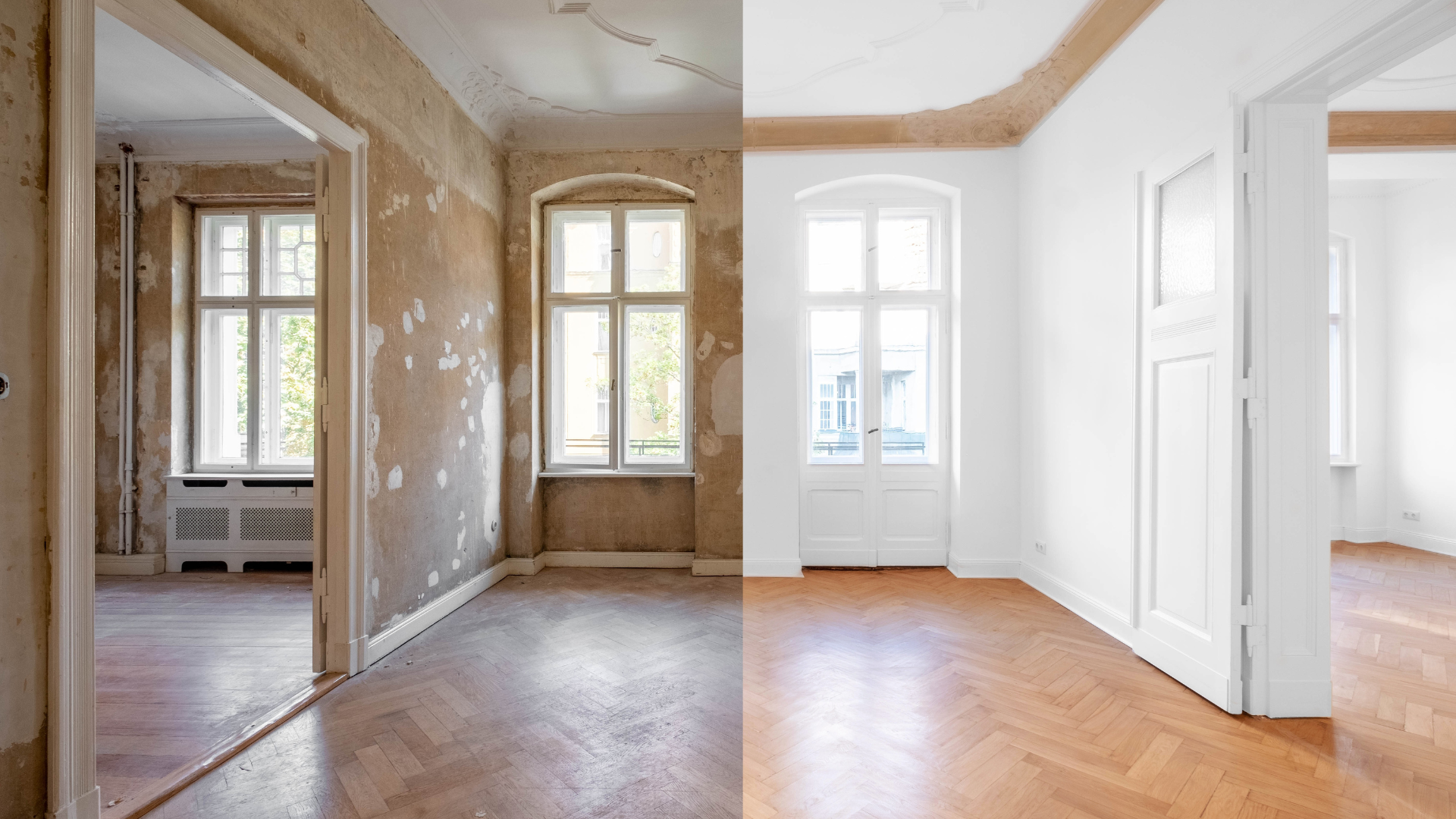

Home renovations can get expensive quickly, and homeowners hoping to sell eventually may wonder which projects are actually worth the money. Real estate and remodeling professionals say the answer isn’t necessarily a massive kitchen remodel or an elaborate addition. In many cases, relatively practical improvements that make a property look cleaner, better maintained, and more functional can have a greater impact on potential buyers.
That can include refreshing a dated kitchen, correcting water problems, improving curb appeal, repainting tired interiors, and making better use of existing living space. The goal is often less about creating a luxury home and more about eliminating issues that could make buyers hesitate while highlighting features that make the property feel move-in ready.
Return on investment can vary significantly depending on the property, neighborhood, local housing market, and cost of the project, so no renovation guarantees a particular increase in selling price. Still, experts identified several areas homeowners may want to prioritize when deciding where their renovation dollars could have the greatest impact.
You May Not Need a Complete Kitchen Renovation
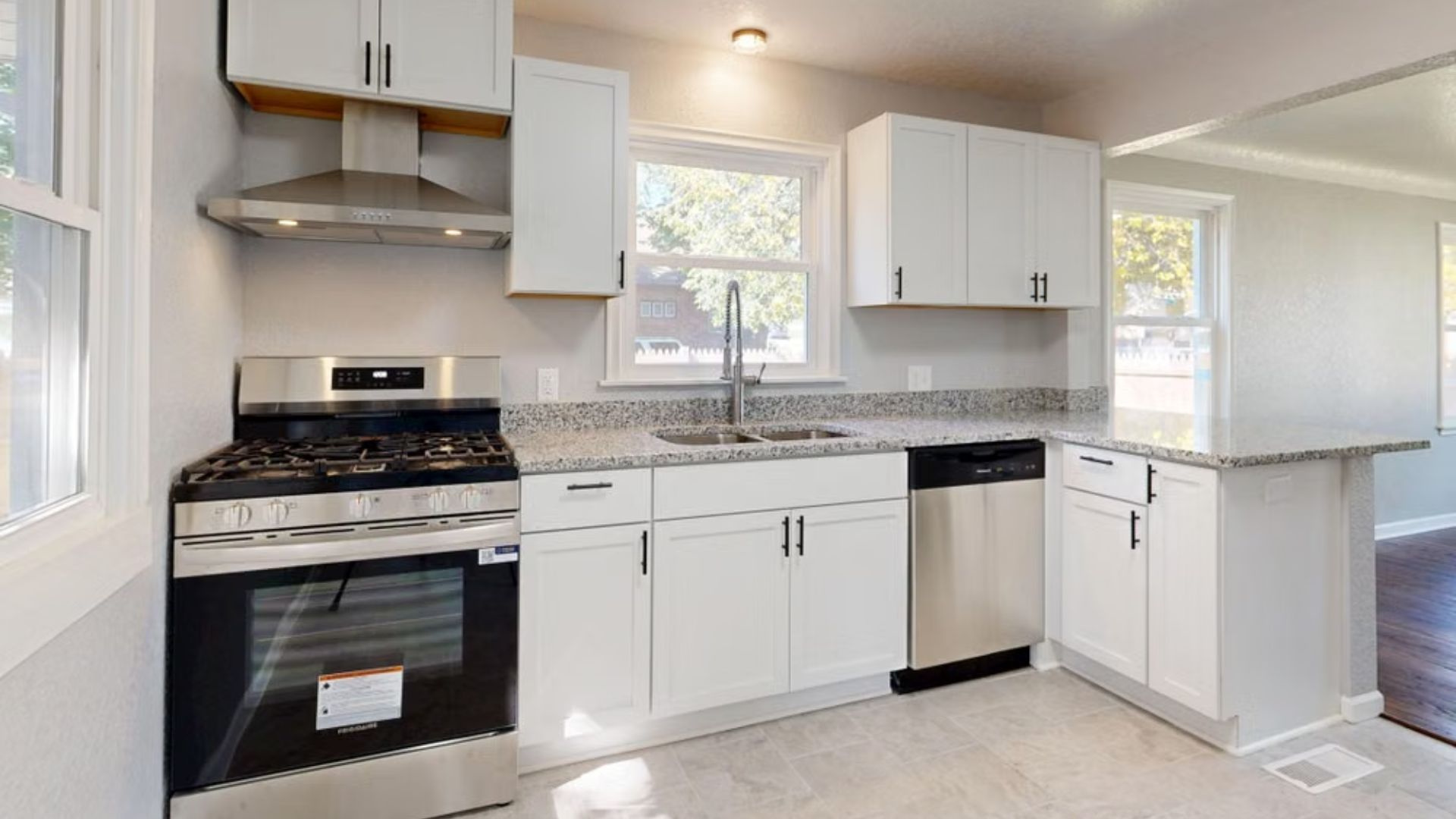
Kitchens remain one of the most important rooms for prospective buyers, but homeowners shouldn’t assume they need to tear everything out and start over. Real estate agent and interior designer Tamara Mattox-Kabat recommends concentrating on the surfaces and fixtures buyers will interact with regularly, including countertops, faucets, and cabinet hardware.
Cabinets can sometimes be refreshed rather than replaced as well. If the cabinetry remains structurally sound but looks dated, repainting it and installing new pulls can give the kitchen a noticeably different appearance without the expense and disruption of a full renovation. The objective is to make the space feel clean, current, and well maintained rather than trying to create an extravagant kitchen immediately before moving.
Homeowners should also pay attention to problems that aren’t purely cosmetic. Water stains, warped flooring, damaged drywall, and evidence of leaks can quickly raise concerns during a showing or inspection. Experts recommend finding and repairing the source of water intrusion before repairing the visible damage, since simply covering a stain doesn’t address the underlying problem.
Some of the Biggest Improvements Start at the Front Door
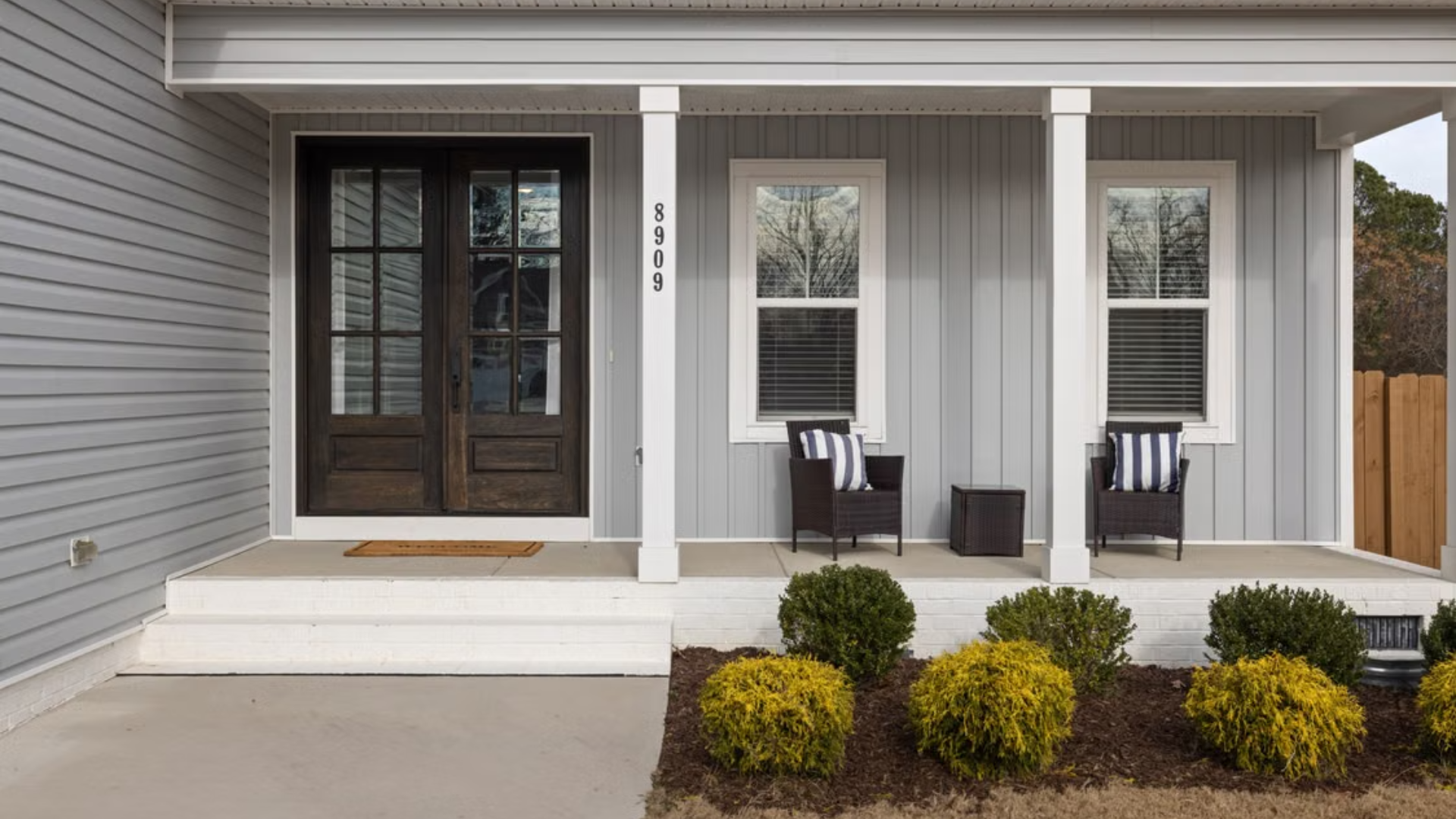
Buyers begin forming opinions before they walk inside, which makes curb appeal another area where relatively straightforward improvements can matter. Cleaning the exterior, refreshing the entrance, adding a few plants, and repainting a worn front door can help create a more inviting first impression without requiring an extensive exterior renovation.
Garage and entry doors can be particularly notable upgrades. The source points to the Journal of Light Construction’s Cost Versus Value research showing exceptionally strong estimated cost recoupment for garage-door replacement, though those figures are national estimates rather than a guarantee that an individual homeowner will receive the same return.
Inside, some of the least glamorous projects can make a noticeable difference as well. Real estate professionals recommend decluttering, deep cleaning, cleaning carpets, addressing odors, and applying fresh interior paint where necessary. Neutral walls can make it easier for prospective buyers to picture their own furniture and belongings in the property, while dirty or heavily cluttered rooms can distract attention from the home’s features.
More Usable Space and Better Lighting Can Change How a Home Feels
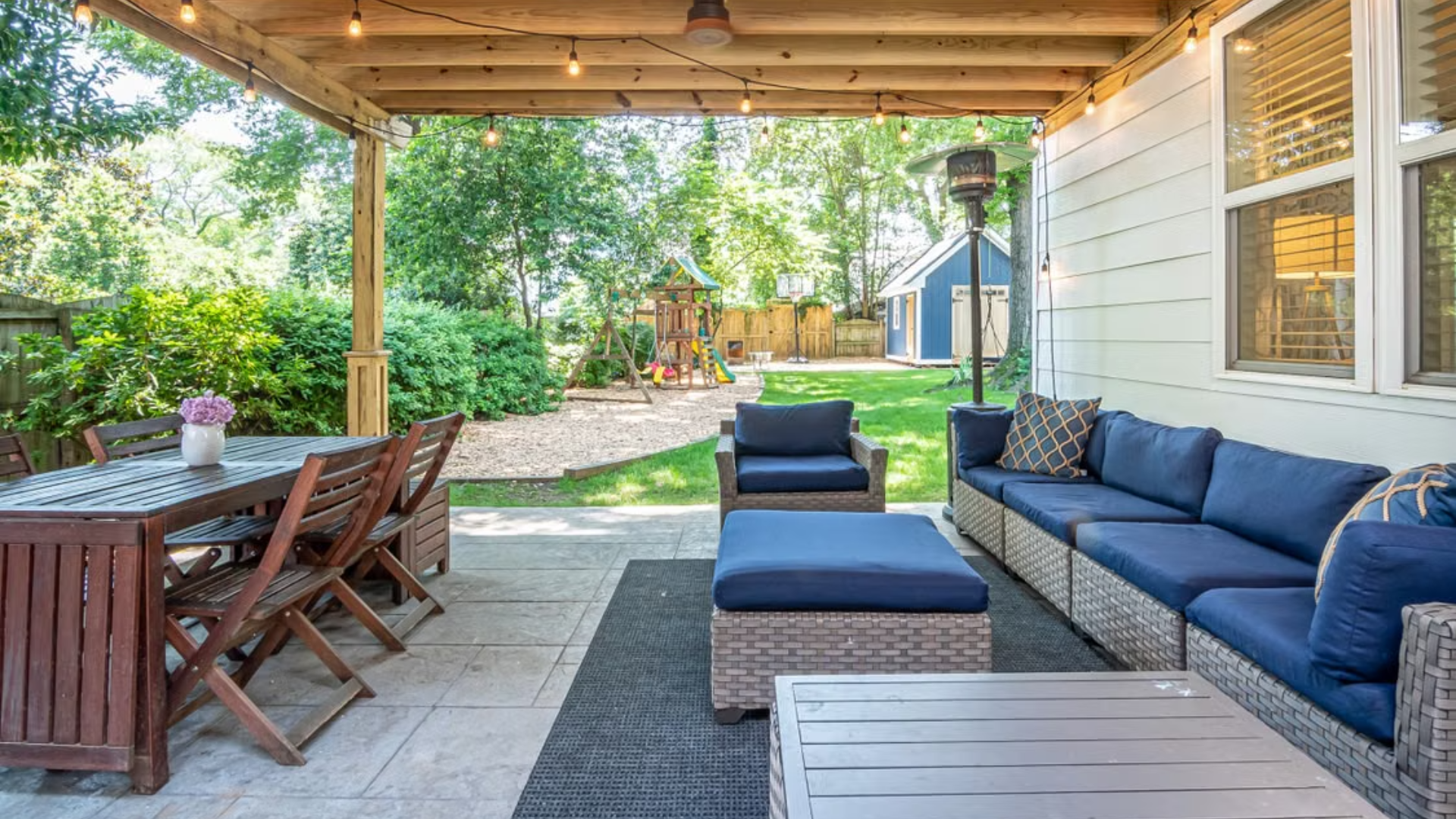
Creating additional usable living space is another strategy professionals say can improve a property’s appeal. Finishing a basement or attic can accomplish that, but those projects can become expensive. Depending on the property, homeowners may be able to create a more affordable extension of the living area outdoors with comfortable seating and a pergola or gazebo.
Lighting can also make existing rooms feel dramatically different without changing their dimensions. Experts recommend maximizing natural light during showings by opening curtains and blinds, making sure bulbs provide consistent illumination throughout the house, and replacing visibly outdated or damaged fixtures in prominent areas such as kitchens and bathrooms.
Ultimately, preparing a home for a future sale doesn’t have to mean spending heavily on every room. A refreshed kitchen, repaired water damage, stronger curb appeal, cleaner and freshly painted interiors, more usable living areas, and better lighting can address many of the things prospective buyers notice first. The smartest project will depend on the individual property and local market, but focusing on maintenance and broadly useful improvements may help homeowners avoid spending heavily on renovations that future buyers don’t value nearly as much as expected.