Americans Are Moving Less And It Has To Do With Who’s “Holding On To The Keys”


Americans are moving less as high housing costs, elevated mortgage rates and limited affordability make relocating increasingly difficult for many households. Bank of America Institute data shows household mobility continued to decline in the second quarter of 2026 across income groups, generations and types of moves, with lower-income households and Millennials seeing some of the sharpest pullbacks. The slowdown is changing the housing market as more people choose to stay where they are, renovate their existing homes or look for more affordable places rather than make an expensive move.
The Pandemic Moving Boom Has Faded

Domestic migration surged during the pandemic as remote work allowed many Americans to leave expensive urban areas and search for lower housing costs, more space and different lifestyles. That wave has since cooled, and Bank of America data shows the number of people changing addresses has continued to decline through 2026. The latest data suggests the slowdown is no longer limited to long-distance relocations because even moves within the same metropolitan area have weakened.
Mortgage Rates Are Keeping Homeowners in Place

One major reason homeowners are reluctant to move is the gap between the mortgage rate they already have and the rate they would likely receive on a new loan. Many owners who bought or refinanced during the era of historically low rates would have to give up those cheaper payments and take on a much more expensive mortgage to purchase another home. This “lock-in effect,” sometimes described as golden handcuffs, can make staying put financially attractive even when a home no longer perfectly fits a household’s needs.
Housing Costs Are Making Moving Harder

The affordability problem extends beyond mortgage rates because buyers also face high home prices, property taxes, homeowners insurance and other costs associated with owning a home. Harvard’s Joint Center for Housing Studies found that 43.5 million U.S. households were cost burdened in 2024, meaning they spent more than 30% of their income on housing, while 21.6 million households were severely cost burdened. Those pressures can leave households with less financial room to sell one home, pay moving expenses and take on the costs of another property.
Who Is Holding On to the Keys?

Older homeowners are an important part of the story because many Baby Boomers and Gen Xers have accumulated substantial home equity and may have little financial incentive to give up an older, low-rate mortgage. Some older Millennials are also staying put as they weigh today’s home prices and borrowing costs against the financial advantages of their current homes. At the same time, an aging population, later marriages and delayed or forgone childbearing can reduce some of the traditional reasons households have historically moved.
Millennials Are Showing the Sharpest Decline

Bank of America found that moving activity has weakened across every generation, but Millennials have recorded by far the steepest decline in the latest data. Gen X movers were down about 5% year over year and Baby Boomers were down about 4%, while Gen Z was the only generation with more movers than two years earlier, although its activity also softened over the past year. The pattern suggests that high housing costs are affecting Americans at different life stages, including younger adults trying to buy their first home and established homeowners considering an upgrade.
Lower-Income Households Are Feeling the Slowdown Most

The decline in mobility has been particularly pronounced among lower-income households, followed by middle-income households, according to Bank of America account data. Higher-income households have also moved less, but their pullback has been more modest, showing that the affordability problem is broad rather than confined to one income group. For households with less financial flexibility, the upfront costs of buying, selling and moving can be especially difficult to absorb.
Some Americans Are Choosing Renovation Instead

Staying put does not necessarily mean homeowners are satisfied with everything about their current properties, and some are spending money to make existing homes work better. Bank of America found that HELOC utilization has risen since 2024 and said some homeowners may be using home equity lines of credit to renovate rather than relocate. That could explain why spending on home-related services connected to HELOC borrowing has increased even as the number of households moving has declined.
Smaller Midwestern Cities Are Attracting Movers
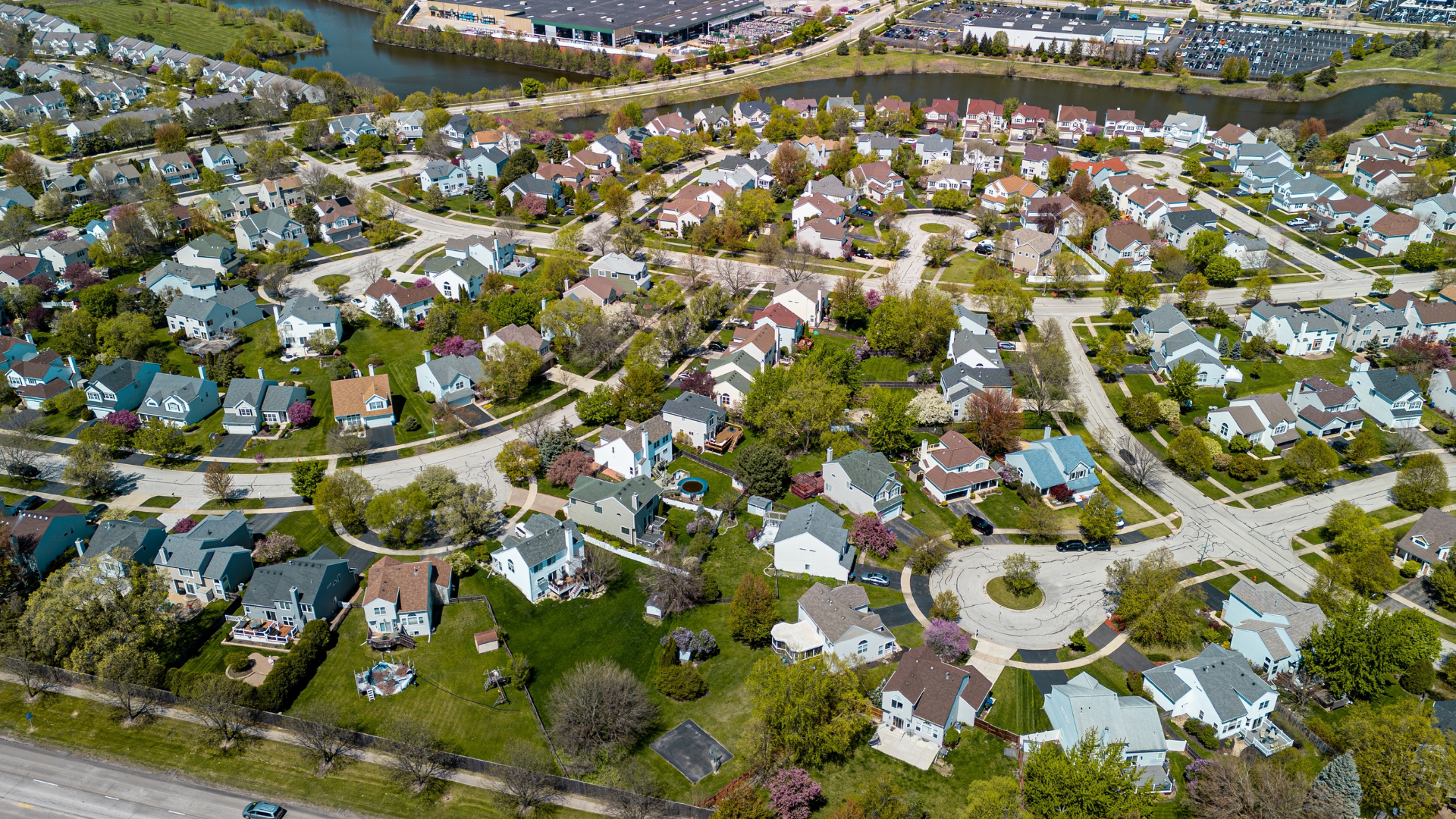
Americans who do decide to move are increasingly favoring smaller cities, particularly in the Midwest, where housing can be more affordable than in many major coastal markets. Bank of America found that the Midwest remained the leader in domestic population growth in the second quarter of 2026, with several Midwestern metropolitan areas among the fastest-growing markets. Salt Lake City ranked first overall for population growth in the bank’s data, while Raleigh, Birmingham and Pittsburgh also showed strong momentum.
The Keys Are Staying in More Hands

America’s housing market is entering a period in which staying put can be a financial decision rather than simply a lifestyle choice. Low-rate homeowners have a strong reason to protect their existing payments, while renters and would-be buyers face high housing costs that can make relocating or purchasing a home difficult, and Bank of America data shows mobility declining across virtually every major demographic group. Until the financial barriers to moving ease, the people already holding the keys may continue to play an outsized role in determining how much housing changes hands across the country.