You Wouldn’t Dry a Clean Dish With Something Dirty. So How Often Should Kitchen Towels Be Changed?


Few kitchen debates get people as fired up as kitchen towels. Some households treat them like a set it and forget it item, while others swap theirs out almost daily. According to a microbiologist who finally weighed in, one side of this argument is backed by real science, and the answer might mean more laundry than you would like.
The Expert Verdict Is In
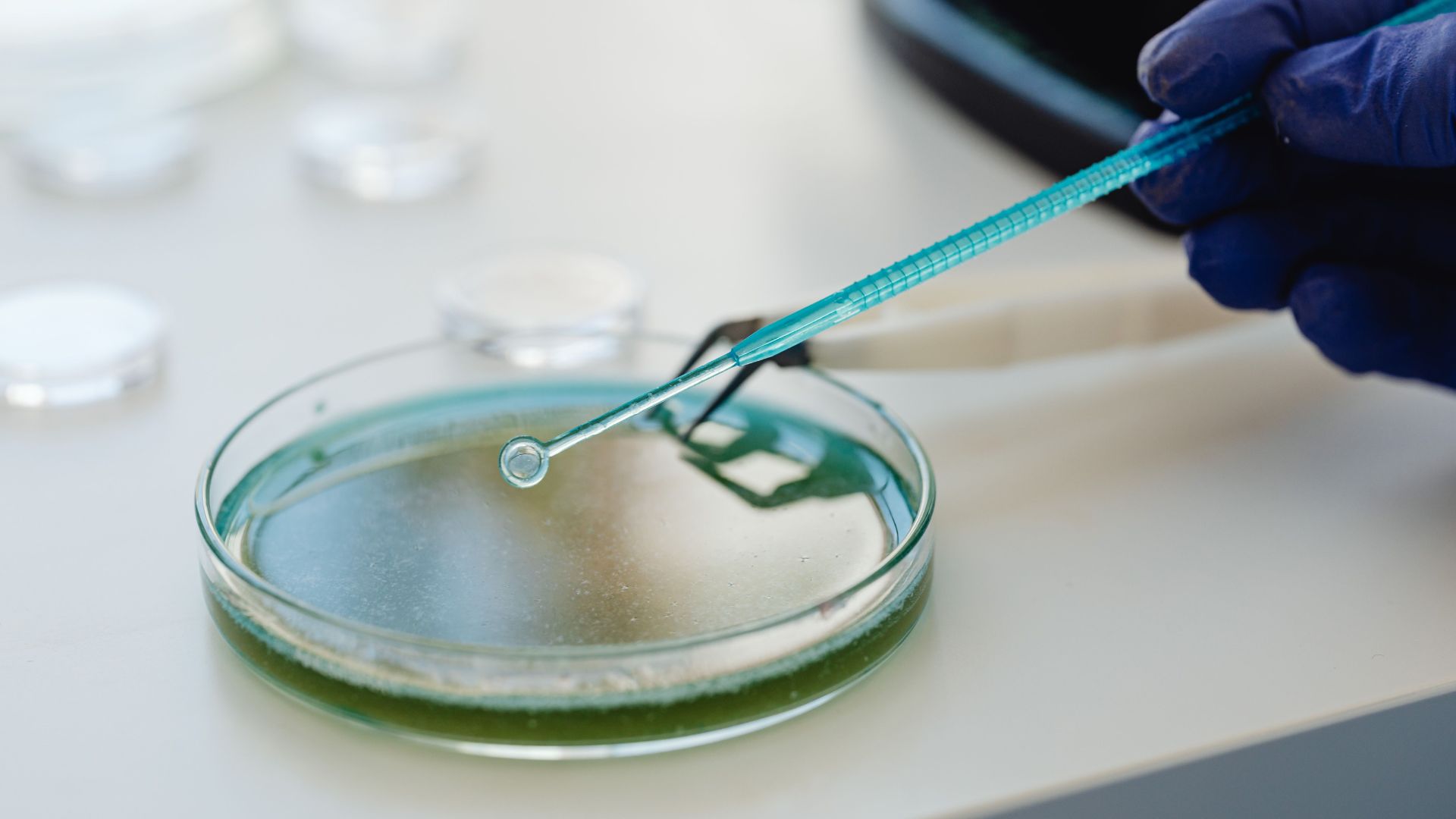
Dr. Primrose Freestone, a microbiologist from the University of Leicester, has settled the long running debate with a clear recommendation: kitchen towels should be changed every single day. That answer may disappoint anyone hoping for a more relaxed approach, but according to Freestone, daily changes are the only way to keep this everyday kitchen item from becoming a genuine health risk hiding in plain sight.
Why They Turn Into a Bacteria Breeding Ground
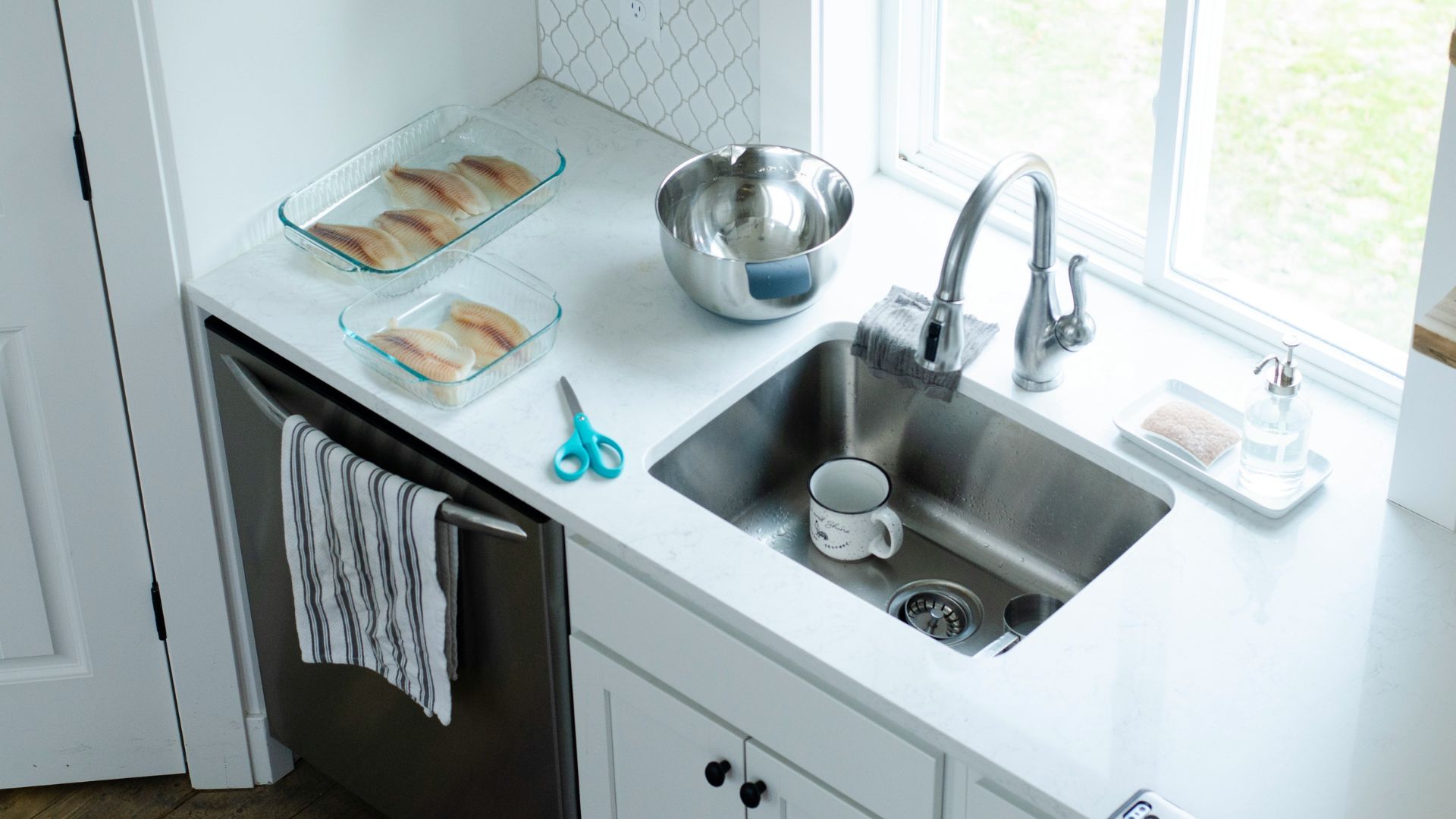
Kitchen towels seem harmless enough, drying dishes and mopping up the occasional spill throughout the day. But that constant exposure to moisture, food residue, and warm kitchen air creates ideal conditions for bacteria to multiply quickly. What starts as a simple drying cloth in the morning can become a genuinely unsanitary object by the end of the day without anyone realizing it.
The Specific Bacteria Worth Worrying About
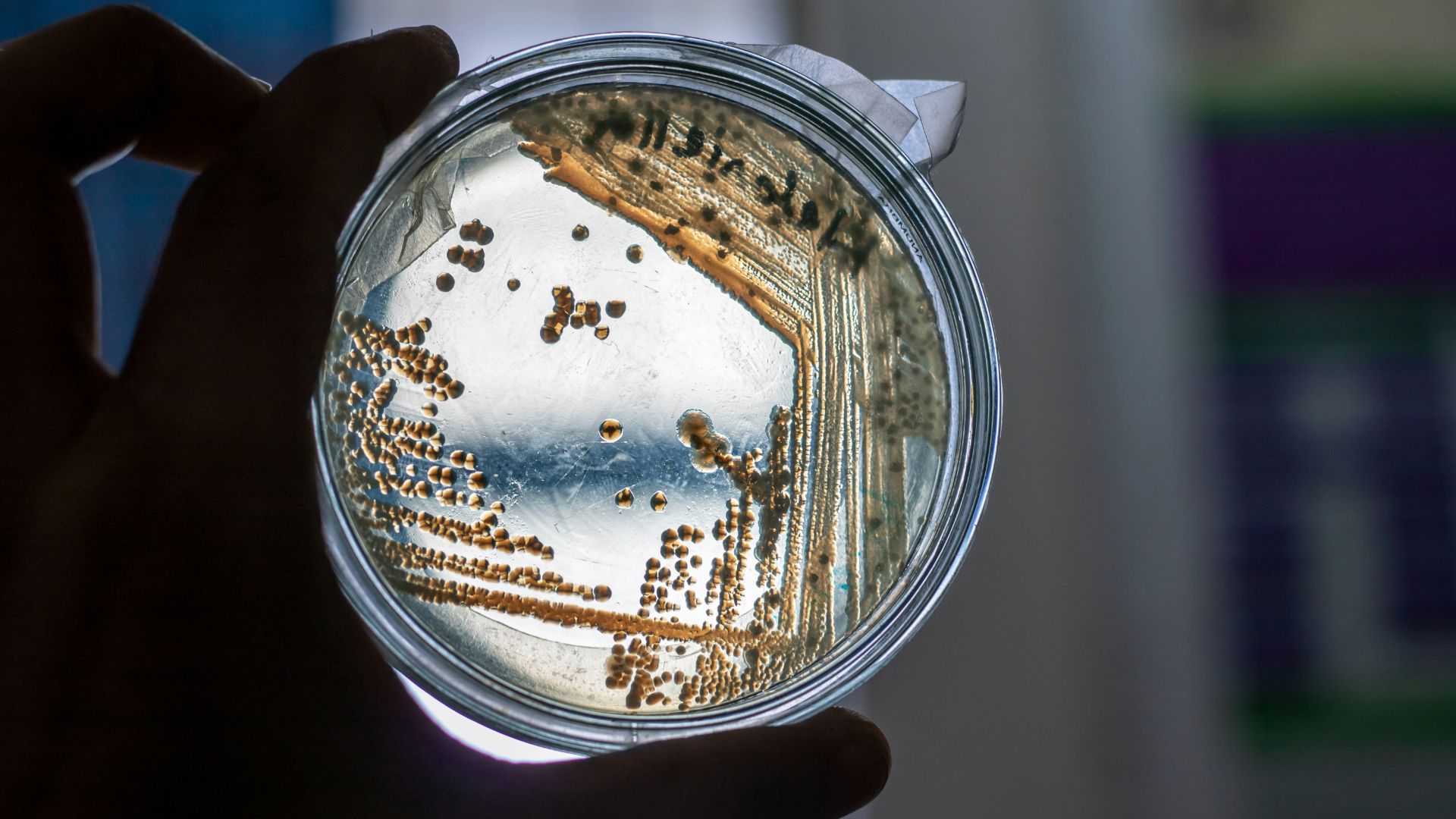
According to Freestone, a kitchen towel left unwashed for too long can end up spreading dangerous bacteria including E. coli and Salmonella across kitchen surfaces. Both are well known culprits behind foodborne illness, and neither requires much moisture or time to establish itself on fabric. Once bacteria take hold, a single towel can quietly transfer contamination to countertops, dishes, and hands throughout the day.
How Contamination Actually Spreads
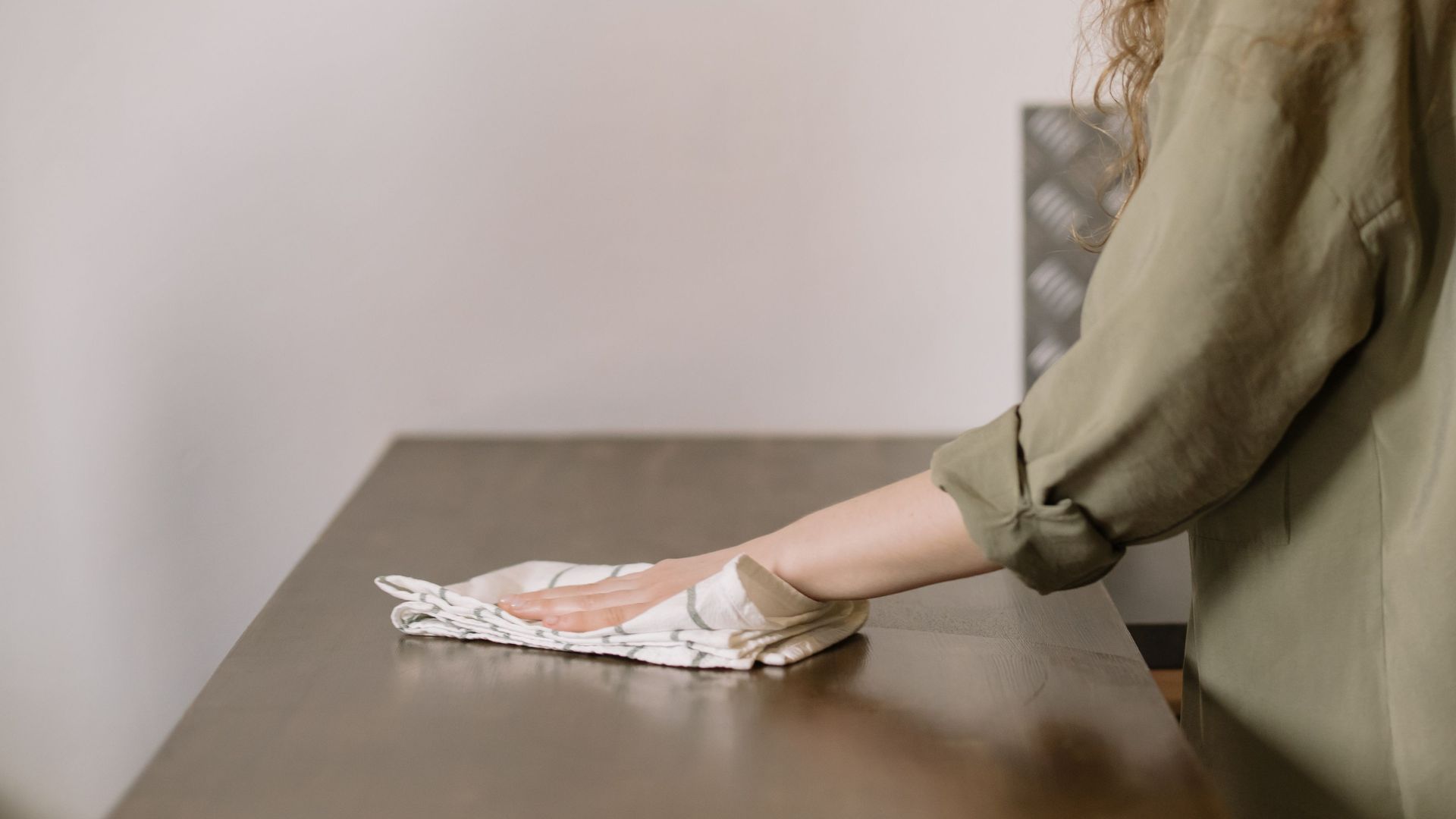
Freestone explained the mechanism directly, telling reporters that illness can occur when a kitchen towel mops up fluids containing infectious bacteria and then gets reused on a previously clean surface. That single reuse is often all it takes to undo any cleaning that happened earlier. It is a simple chain of events, but one that plays out constantly in kitchens that treat one towel as good for the entire day.
Meet the Relaxed Cleaning Camp

Not everyone follows the daily change rule, and social media has made that divide very visible. On Reddit, one commenter admitted they only change their kitchen towel when it starts to stink or visibly looks dirty. Another echoed a similar approach, saying they wait until stains become noticeable on the fabric before deciding it is finally time for a wash.
Meet the Frequent Changers
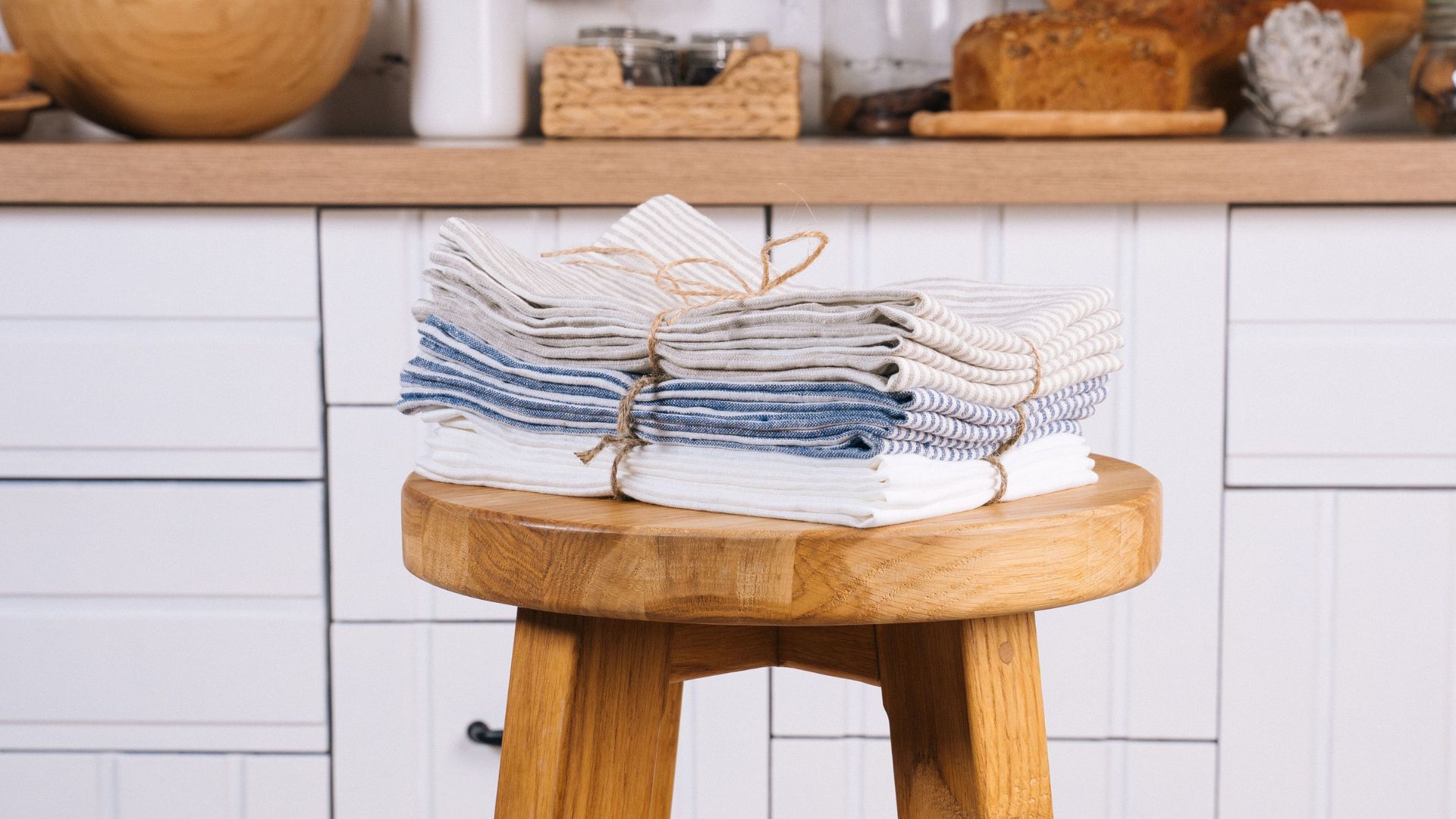
On the opposite end, plenty of commenters take a far stricter stance. One Reddit user insisted that dishcloths and rags should be changed every day or every other day at the absolute latest, with three days marked as an unacceptable maximum for anything used in the kitchen. According to the science, this stricter camp turns out to have been right all along.
Simple Habits That Can Help Between Washes
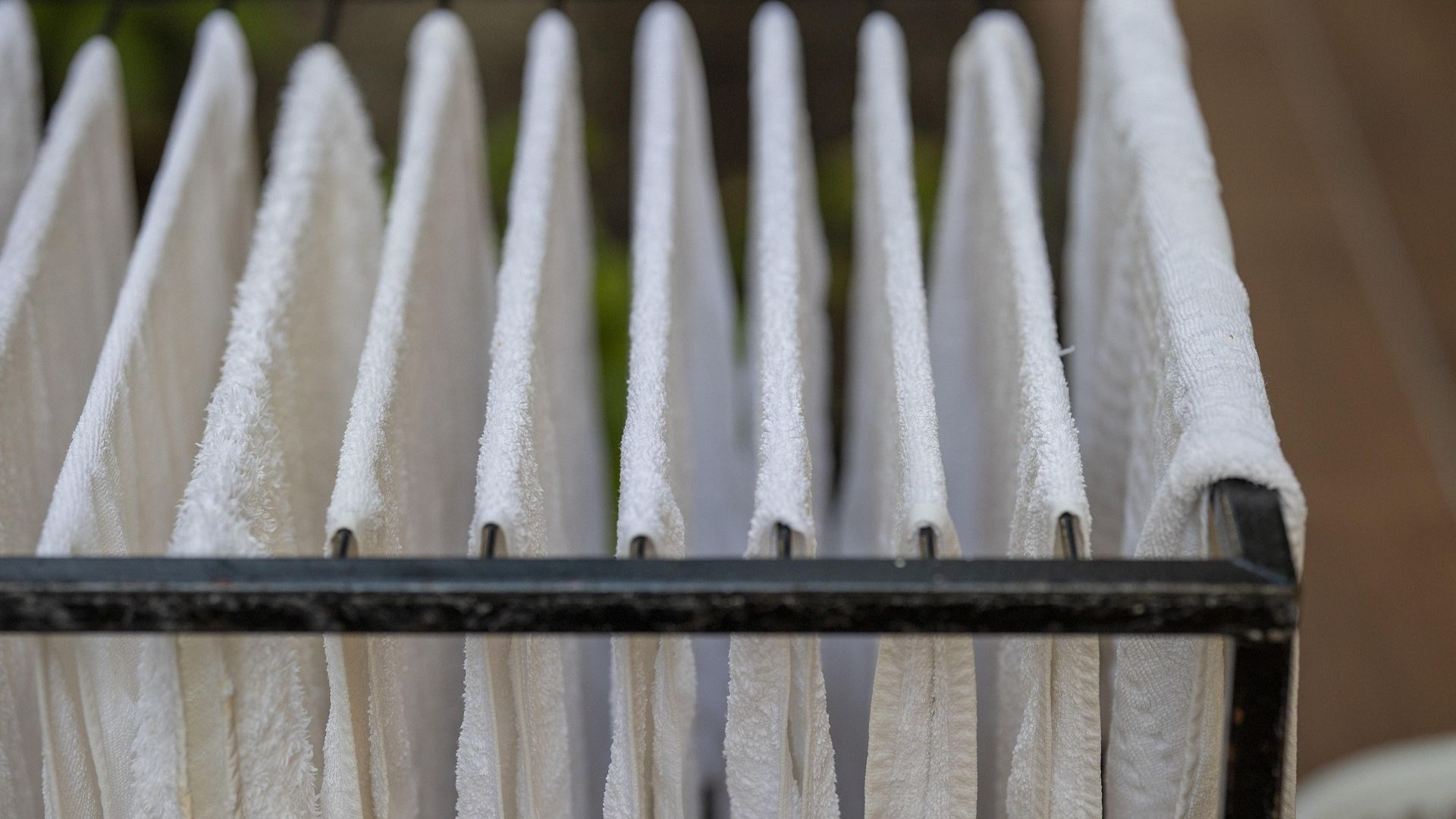
Since daily washing is not always realistic for every household, a few habits can help reduce risk in the meantime. Keeping separate towels for drying hands, dishes, and countertops prevents cross contamination between tasks. Hanging towels to dry fully between uses, rather than leaving them balled up damp, also slows down bacterial growth significantly, buying a bit more safety margin before the next wash.
What This Means for Your Kitchen Routine
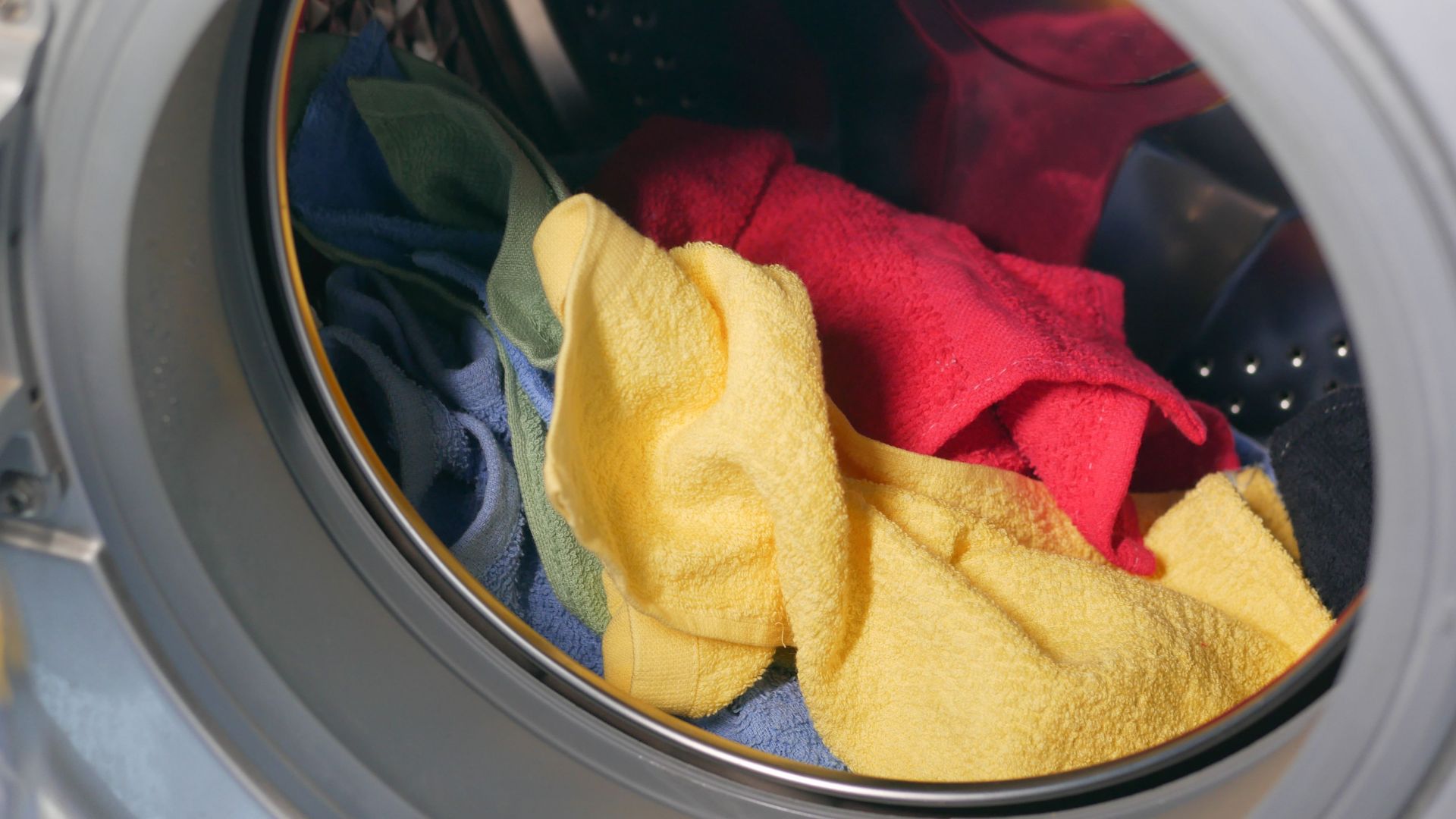
The takeaway is straightforward, even if it is not the answer everyone was hoping for. A kitchen towel that feels perfectly clean to the touch can still be harboring bacteria capable of making someone sick, especially after a day of heavy use. Building a daily or near daily towel swap into your kitchen routine is a small habit with a meaningful payoff for keeping surfaces and hands genuinely clean.
The Bottom Line on Kitchen Hygiene
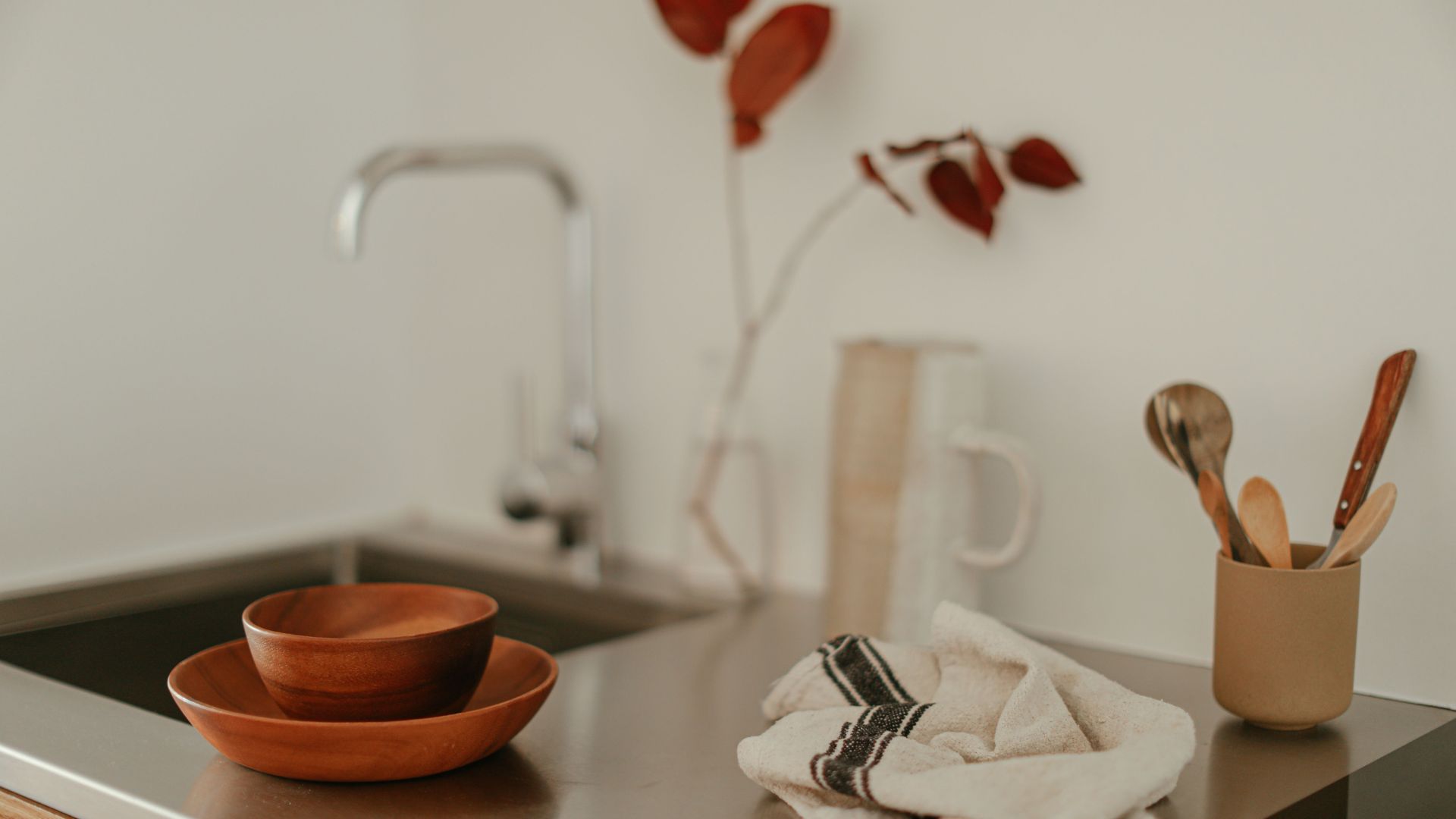
At the end of the day, this is one kitchen debate where science leaves little room for argument. Freestone’s research makes clear that a kitchen towel’s appearance is not a reliable measure of how clean it actually is, since harmful bacteria can thrive well before any smell or stain shows up. Whether or not daily washing feels realistic for your household, treating kitchen towels with a bit more caution, and washing them more often than feels strictly necessary, is a simple way to keep a genuine health risk out of an otherwise spotless kitchen.