Americans Are Losing Big to Check Fraud. It May Be Time to Stop Mailing Them
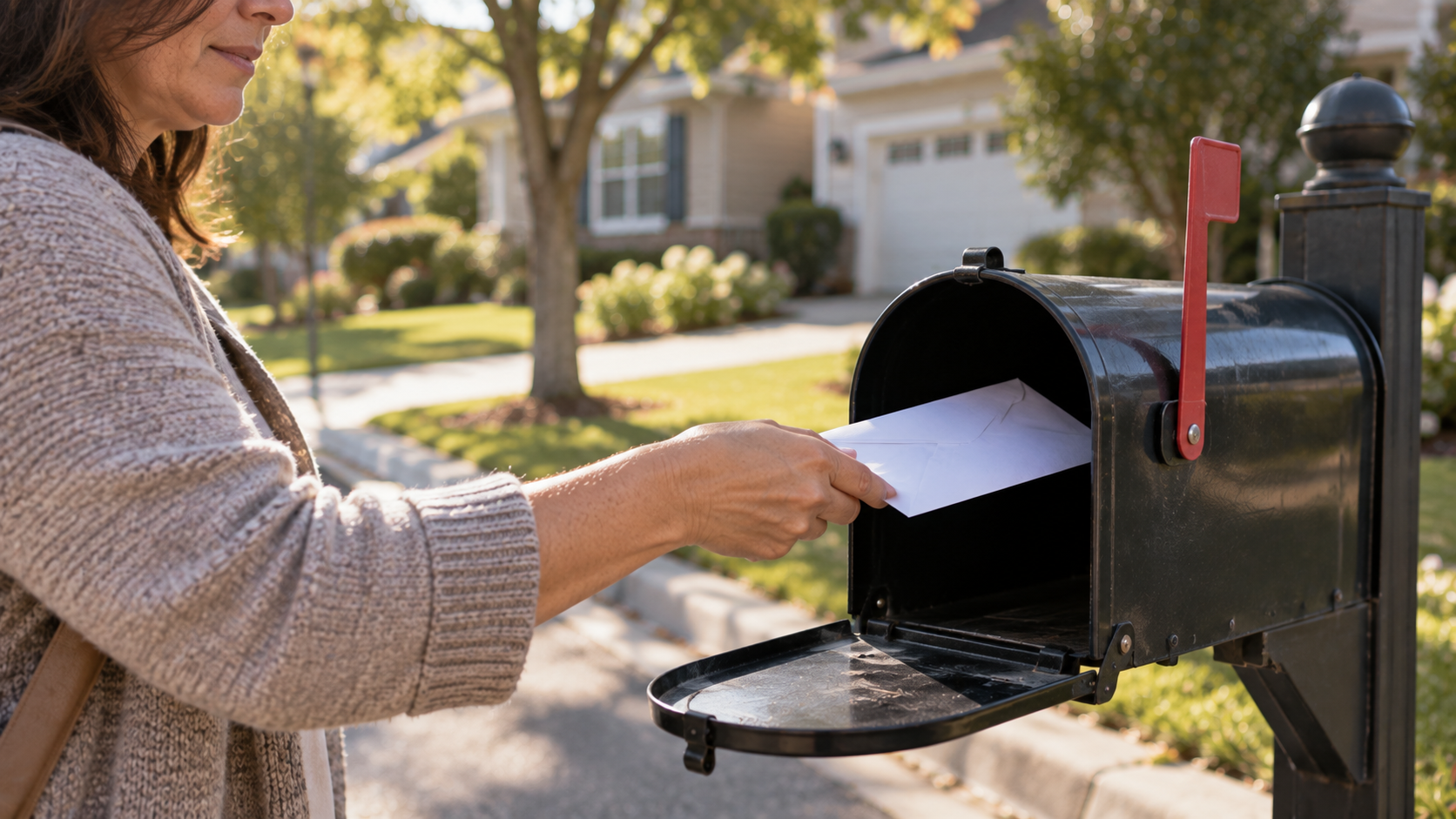

Dropping a check into the mailbox can feel like one of the safest, most ordinary ways to pay a bill. Unfortunately, criminals increasingly see that envelope very differently. Check fraud is rising even as Americans use fewer checks, and federal data cited by USA TODAY shows Americans lost more to check fraud in 2025 than to debit-card or gift-card scams. The problem is not simply that thieves are stealing pieces of paper. A stolen check can give them the information and opportunity to take considerably more.
This article was created with the assistance of AI and reviewed by our editorial team for accuracy and clarity.
We’re Writing Fewer Checks, But Bigger Ones
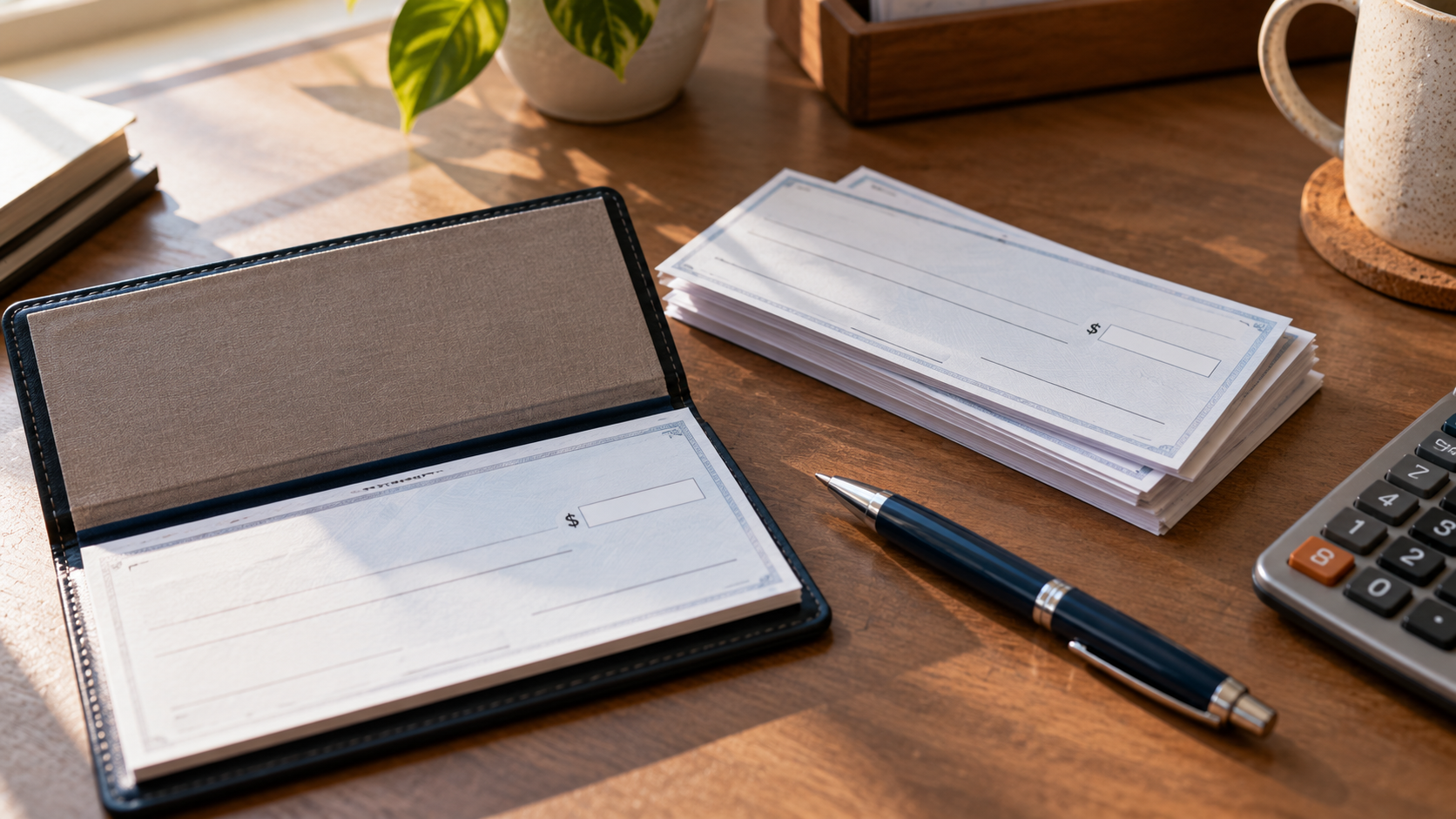
Checks now account for a tiny share of American payments. By 2024, they represented just 3% of U.S. payments, according to Federal Reserve data cited by USA TODAY. But the checks people still write are often for substantial expenses such as contractors or tax bills. Scott Anchin of the Independent Community Bankers of America explained the attraction for criminals: a mailed check today may be worth thousands rather than the small everyday payments checks once commonly covered.
A Thief Doesn’t Have To Steal Your Whole Checkbook
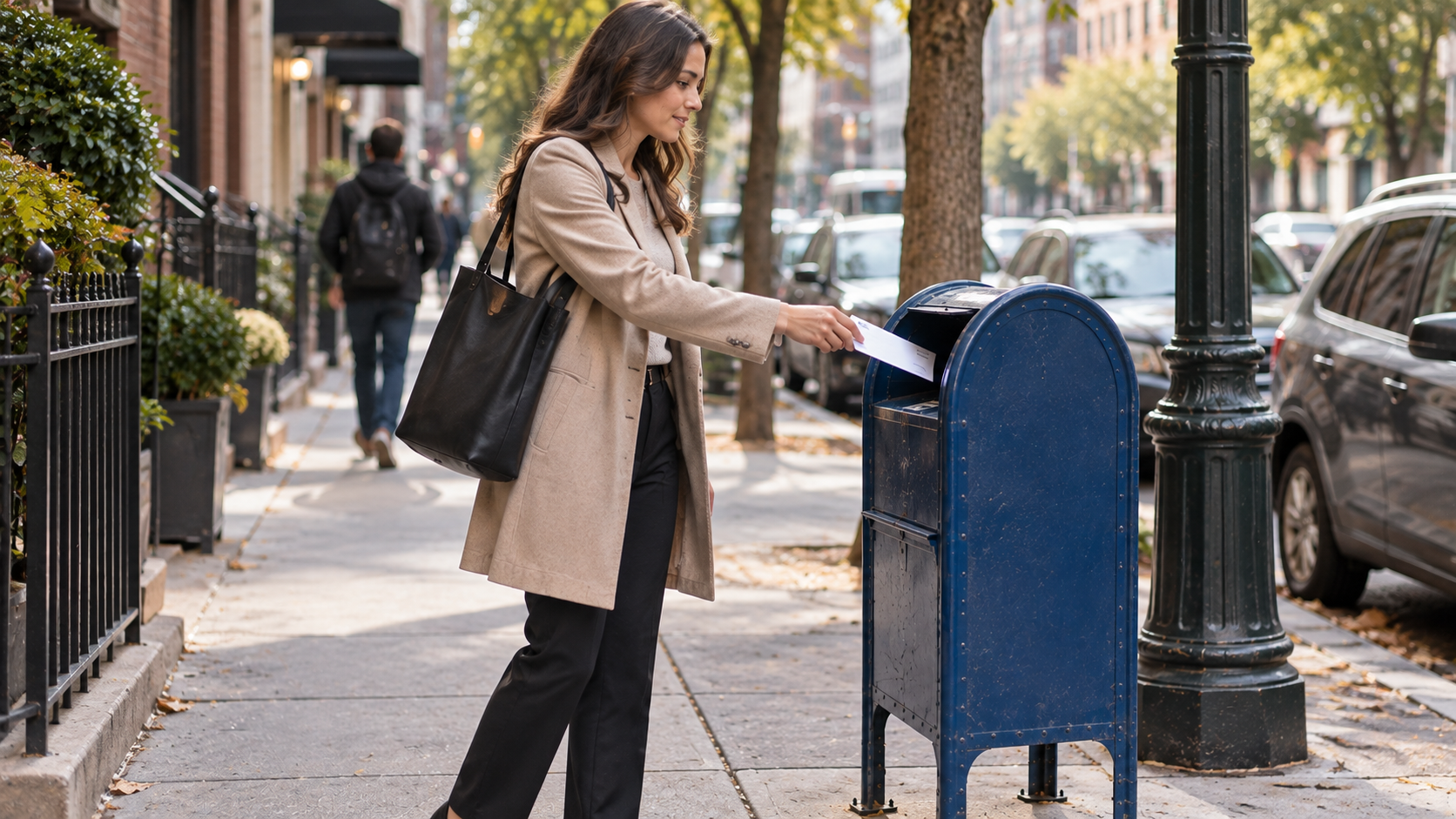
The vulnerability can begin before your envelope gets very far. Criminals steal outgoing checks from residential mailboxes, pull them from USPS collection boxes and, in larger operations, steal bags of mail. Once a check is intercepted, the thief has something particularly useful: a legitimate document containing your signature, routing number and bank account number. That makes mail theft potentially much more costly than simply losing the amount you originally intended to pay.
Check Washing Can Turn Your Payment Into Theirs
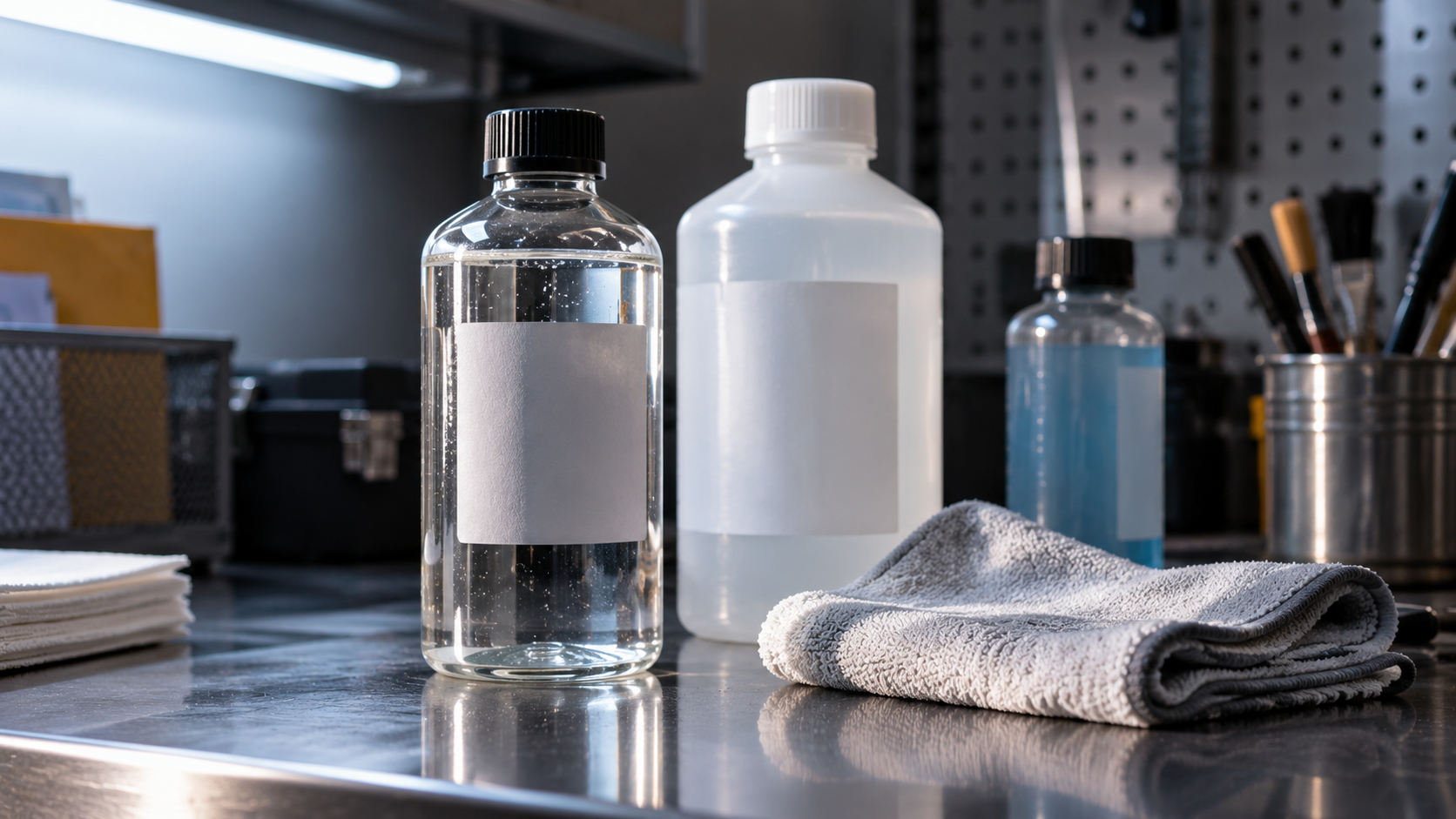
One common technique is known as check washing. A criminal intercepts a legitimate check and uses chemicals to remove information written in ink, then changes the payee or amount while leaving other parts of the check intact. USA TODAY describes how thieves can use substances including acetone, bleach or rubbing alcohol to alter checks. They may cash the rewritten check themselves or sell stolen check information to other criminals.
One Victim’s Heating Bill Became $25,000
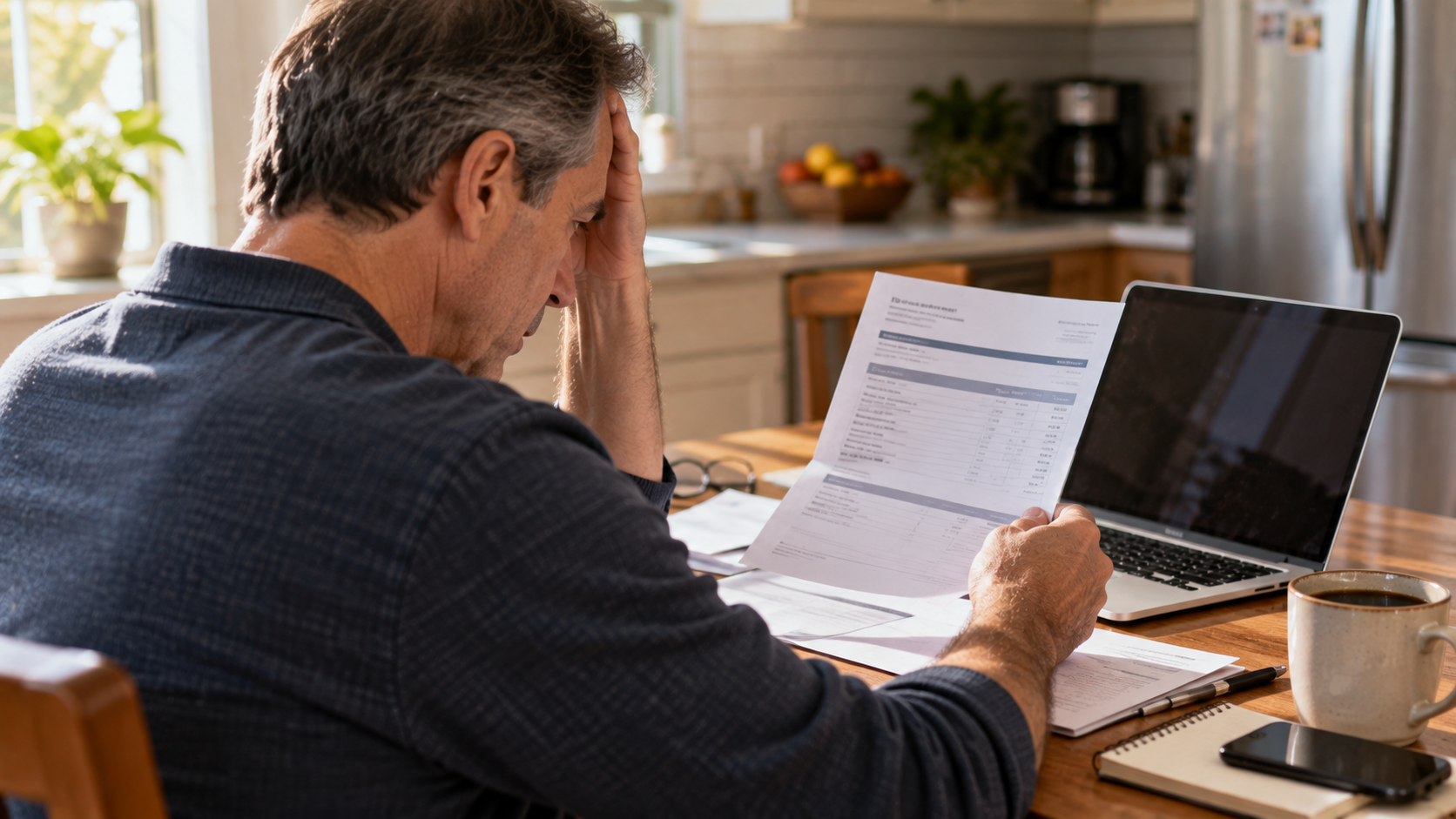
The potential damage isn’t theoretical. Chuck Bell, programs director for advocacy at Consumer Reports, told USA TODAY that thieves intercepted a check for his heating bill from a collection box in 2021. They altered it and cashed it for $25,000. Bell eventually recovered the money a few weeks later. His experience illustrates why an envelope containing a perfectly ordinary household payment can become a valuable target once it leaves your hands.
Old-Fashioned Checks Have Met Modern Fraud

Check fraud isn’t new, but the people committing it have better tools. Anchin said the crime has evolved from the solo operators seen decades ago to organized groups capable of stealing checks in bulk and using technology to alter existing checks or manufacture convincing counterfeits. Meanwhile, Wells Fargo fraud executive Joe Bernardo noted that the basic paper check has changed relatively little. In other words, an old payment method is confronting a much more sophisticated fraud operation.
The Government Is Moving Away From Paper Too

The shift away from checks is reaching the federal government. Last year, President Donald Trump issued an executive order directing a phaseout of paper checks for federal payments and receipts, with limited exceptions. But going entirely digital isn’t equally easy for everyone. Some people remain uncomfortable making payments online or by phone, and access and familiarity can make a paperless transition more complicated than simply telling everyone to stop writing checks.
Digital Payments Can Remove The Mailbox Risk
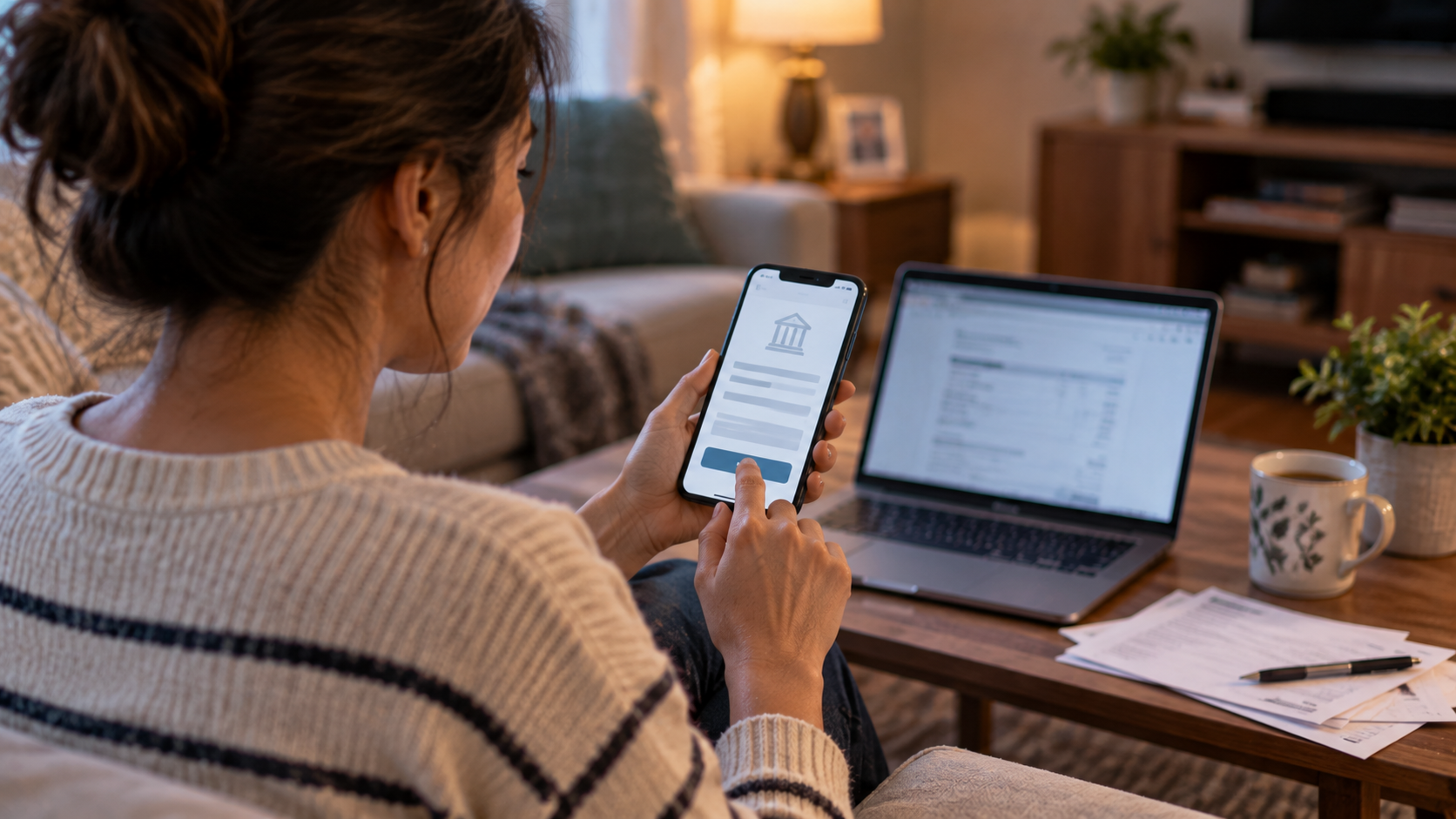
When possible, consumer advocates recommend paying through secure online portals, credit or debit cards, electronic checks or a bank’s bill-pay service rather than mailing a personal check. ACH transfers and digital wallets can also reduce exposure to check-related fraud. Electronic payments aren’t immune to scams, so switching methods doesn’t mean switching off your caution. The important difference is that there’s no physical check sitting in a mailbox waiting to be stolen and altered.
If You Must Mail A Check, Make It Harder To Steal
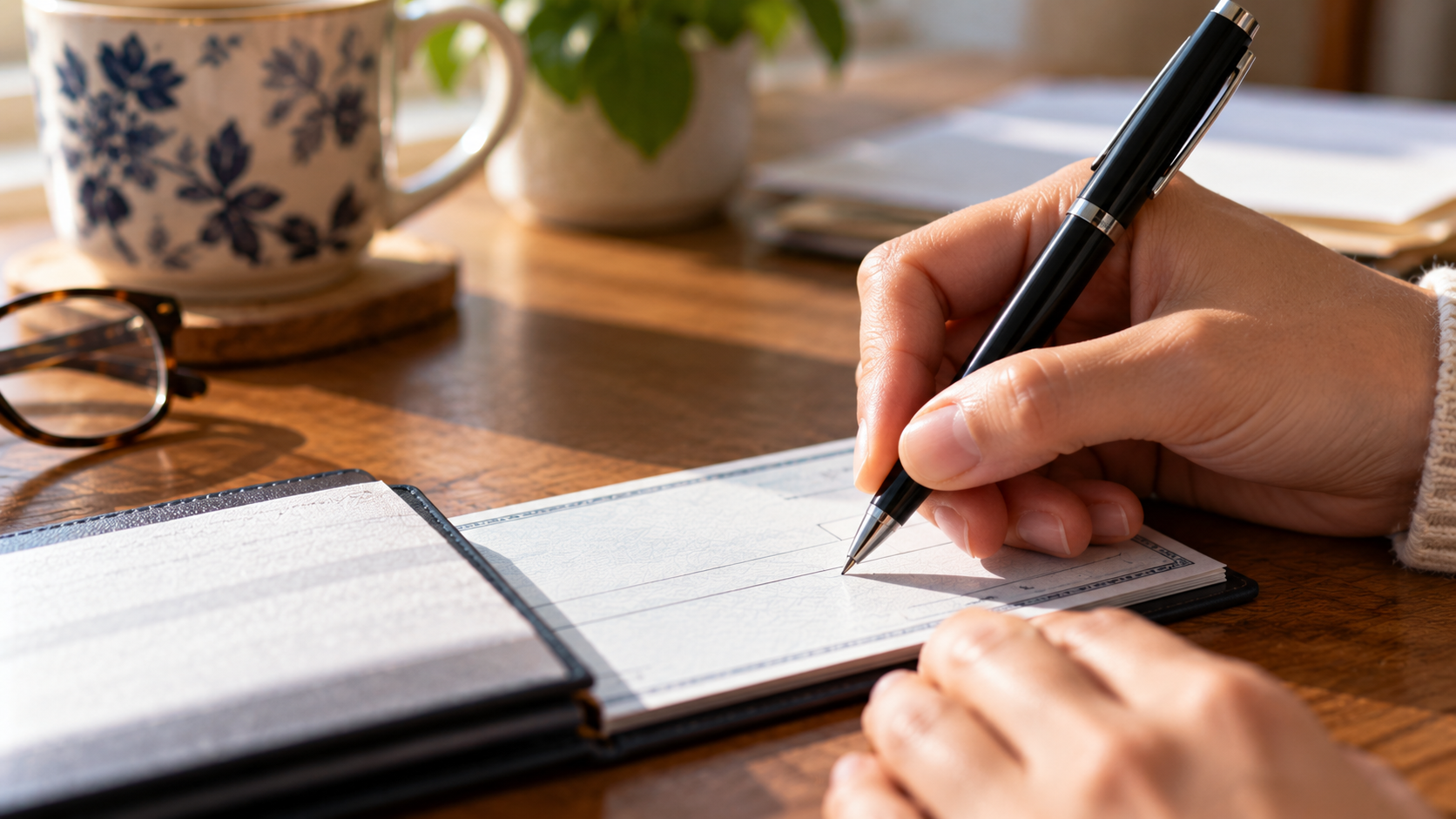
Sometimes a paper check is still the practical option. Consumer Reports recommends checks with features such as watermarks, holograms and chemically sensitive paper or ink, while the American Bankers Association advises using permanent ink to make washing more difficult. Don’t leave blank spaces where someone could add digits or another name, and avoid leaving outgoing checks in your home mailbox overnight. Taking the envelope directly to a post office reduces the number of vulnerable stops along the way.
Your Job Isn’t Over Once The Envelope Is Gone
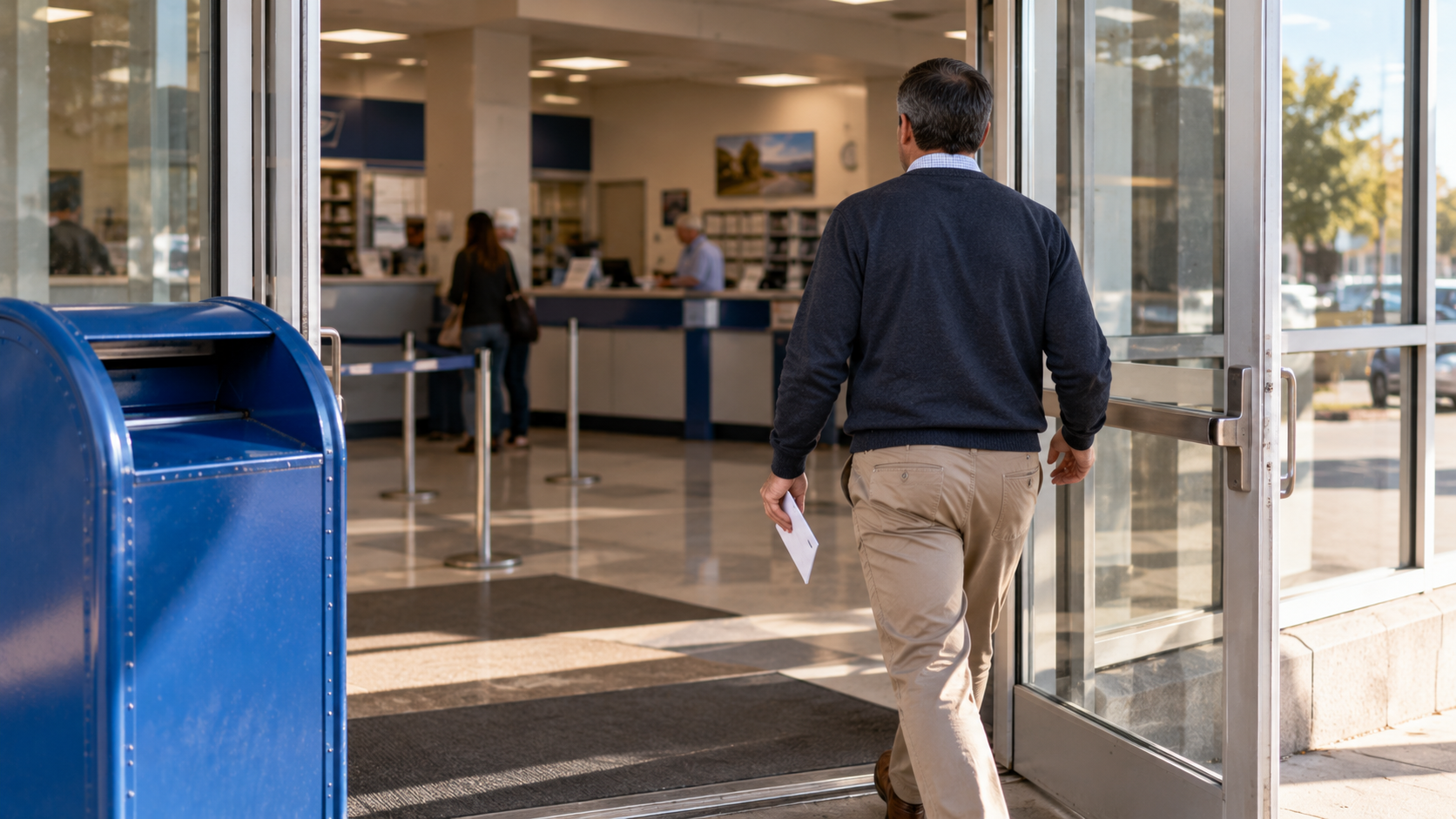
The bigger change may be learning to treat a mailed check as something worth tracking. After sending one, monitor your account, inspect the processed check image to make sure the payee wasn’t changed, and confirm that the intended recipient received the money. Suspected fraud should be reported quickly to your bank and police because delays can complicate reimbursement. As check use continues shrinking and digital alternatives expand, mailing a check may increasingly become something Americans reserve for situations where there truly isn’t a better option.