The Traditional American Lawn Is Shrinking. Here’s What’s Taking Over
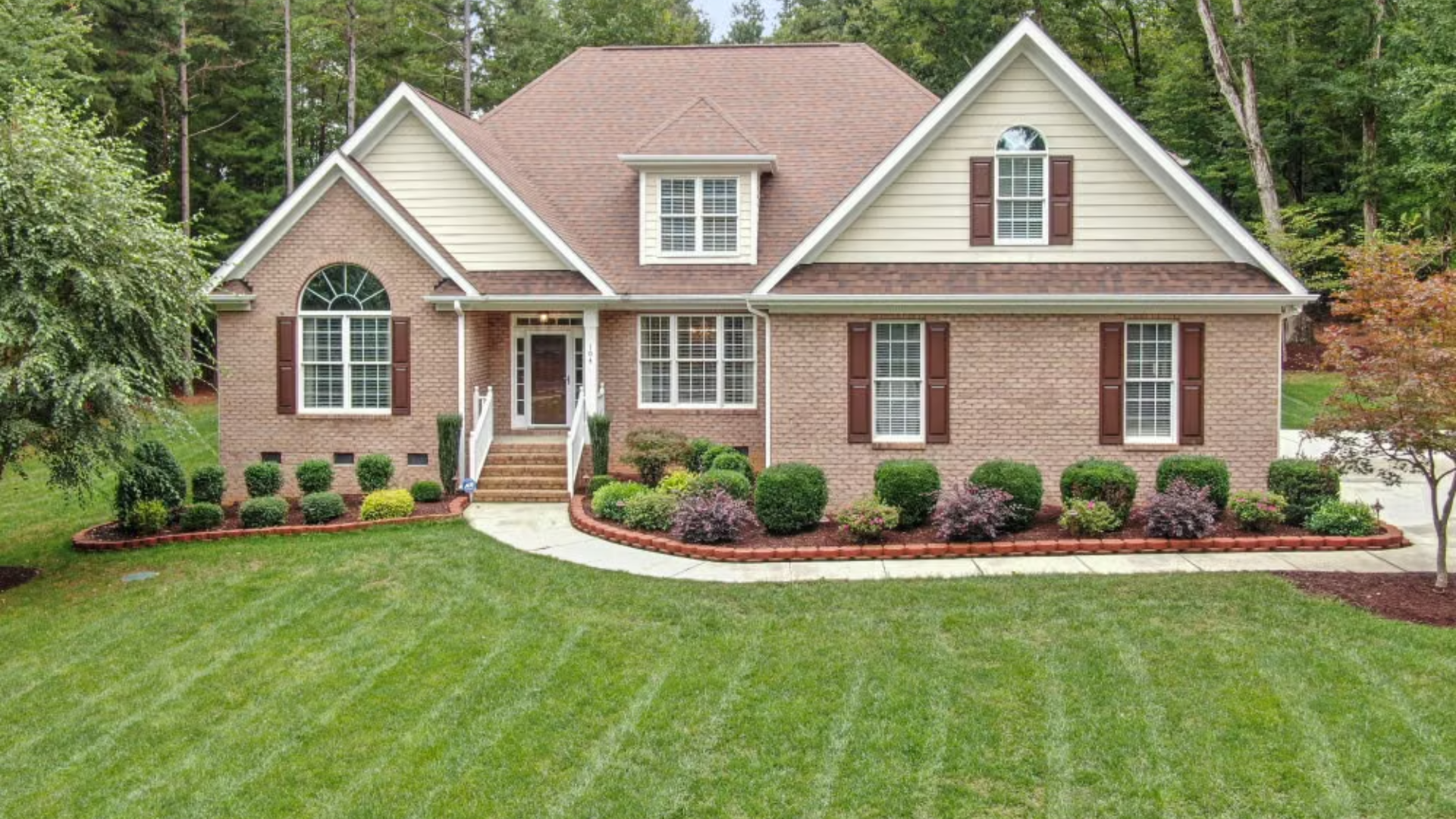

For generations, the classic American yard meant a wide stretch of closely cut green grass, a tidy fence, and perhaps a firepit or fountain in the backyard. But new landscape design data suggests that picture is changing quickly. Homeowners are increasingly shrinking traditional lawns in favor of native plants, natural materials, winding pathways, and outdoor spaces designed to feel more relaxed and connected to their surroundings.
According to Yardzen’s 2026 landscape forecast, the total square footage devoted to lawns in its projects fell by more than 25% this year. Instead of treating the yard as one large patch of grass, homeowners are creating layered environments filled with ornamental grasses, garden beds, gravel, stone, and seating areas that blend more naturally with the home and local landscape.
The shift is not simply about appearance. Designers say people increasingly want outdoor spaces that feel calming, functional, and restorative rather than highly manicured or filled with standalone features that are rarely used.
Native Plants and Layered Gardens Are Replacing Open Grass
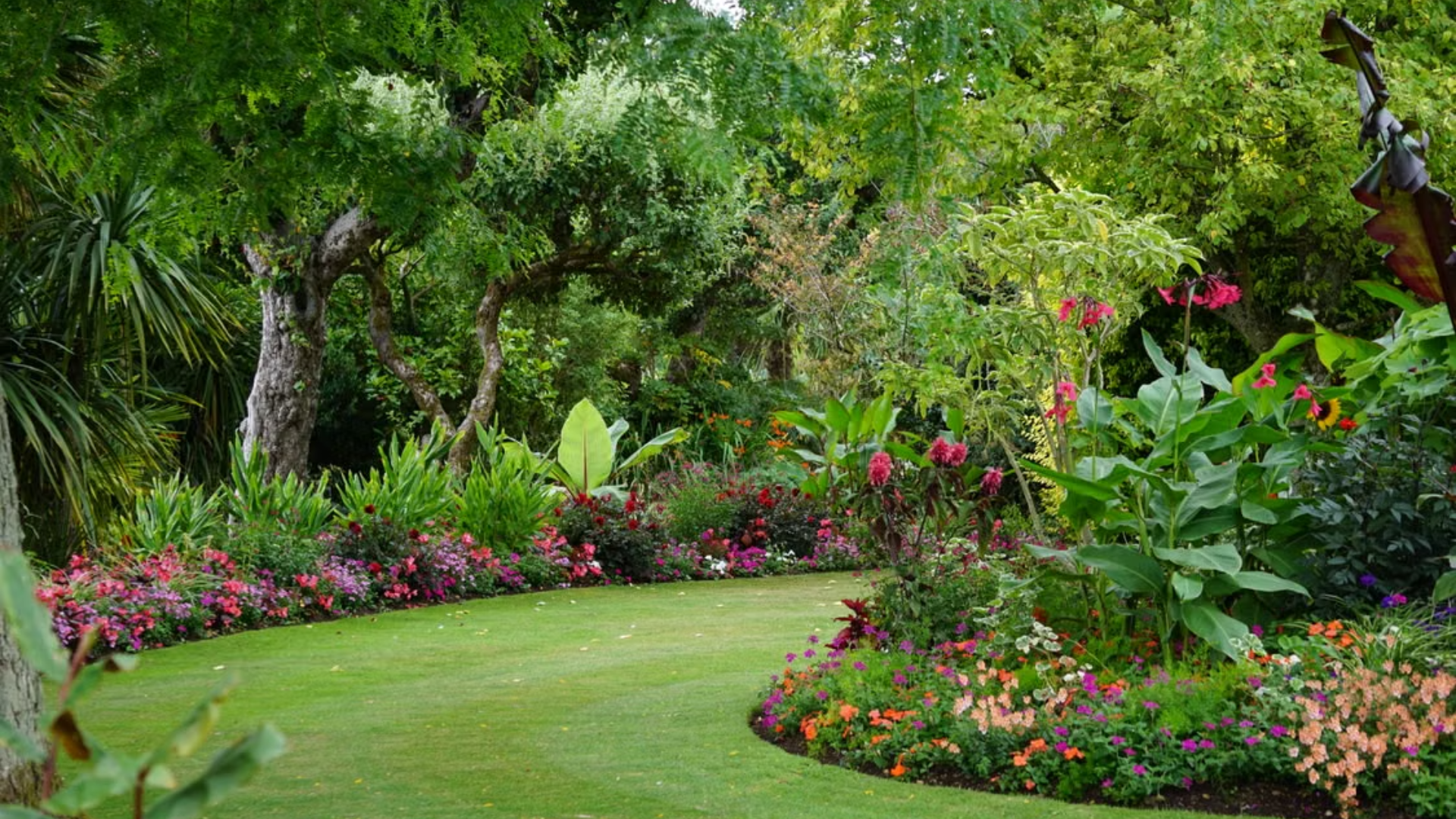
One of the clearest trends is the rise of native planting and layered landscaping. Instead of relying on large areas of turf, homeowners are filling yards with plants suited to local climates, ornamental grasses of different heights, shrubs, flowers, and groundcovers that create more texture and visual interest throughout the year.
Yardzen describes the movement as a shift toward “softer” outdoor living, with curved pathways and planting arrangements that make yards feel less rigid. Rather than dividing a property into clearly defined sections, designers are trying to create spaces that flow naturally from the house into the landscape.
Natural materials are becoming more important as well. Gravel paths, stone borders, wood, and other understated materials can help create a more relaxed garden while reducing the amount of turf that needs regular mowing and watering. The overall effect is closer to a planted retreat than the highly controlled suburban lawn that dominated previous decades.
Firepits and Water Features Are Losing Ground Too
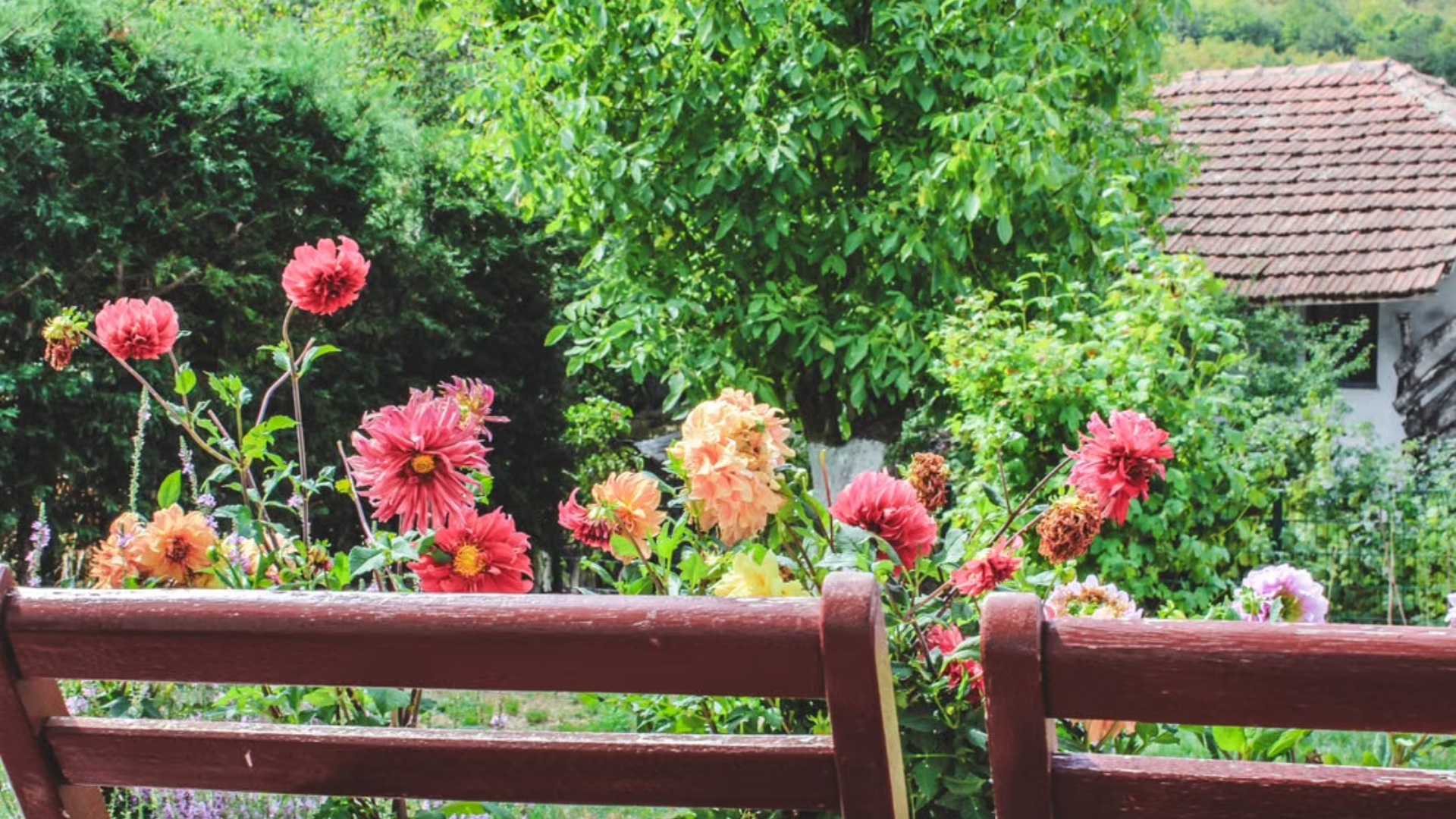
Grass is not the only longtime backyard feature losing some of its appeal. Yardzen’s report also suggests homeowners are moving away from highly visible focal points such as firepits, fountains, and ponds in favor of spaces where the planting and overall atmosphere become the main attraction.
A separate Houzz study cited by Apartment Therapy found that 54% of homeowners renovating outdoor areas upgraded those spaces, with many choosing garden beds and additional planting instead of water or fire features. Designers say the change reflects a desire for outdoor rooms that feel cohesive rather than built around one attention-grabbing amenity.
Function is also becoming more important. Houzz’s 2026 outdoor trends data found that more than 55% of renovated outdoor spaces included coffee or side tables near comfortable seating. That suggests homeowners may be prioritizing places where they can actually sit, eat, read, or spend time with friends over features that look impressive but aren’t used every day.
The Future Yard May Look More Like a Garden Than a Lawn
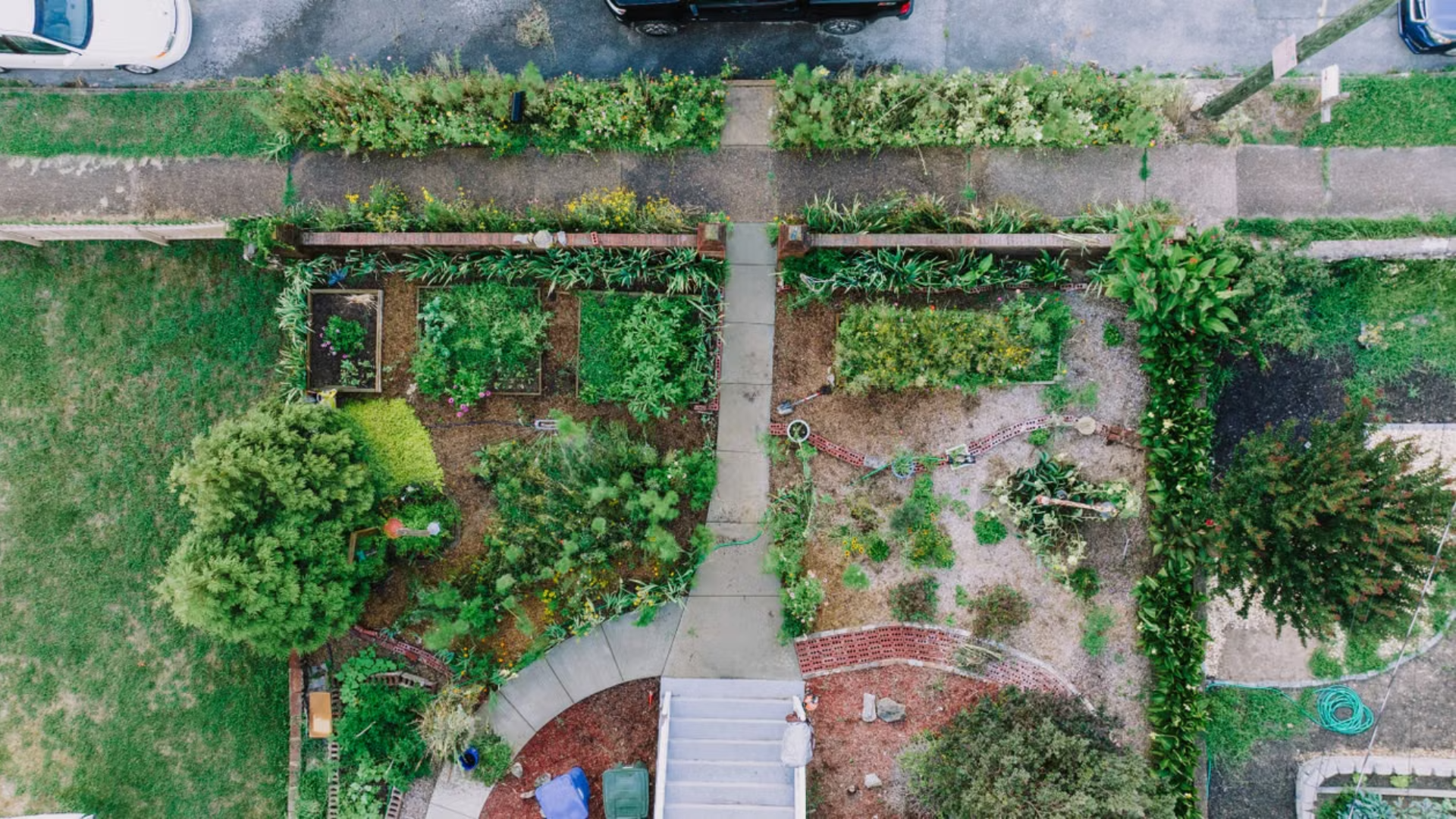
The traditional grass lawn is unlikely to disappear completely, especially for households that want space for children, pets, sports, or entertaining. But the latest design data suggests homeowners are becoming more selective about how much turf they really need and what they want the rest of their property to accomplish.
A smaller lawn surrounded by native planting, gravel, garden beds, seating, and pathways can create a yard with more variety while potentially reducing the amount of space that needs constant mowing and watering. The growing interest in these designs also reflects a broader preference for outdoor areas that feel specific to their region rather than identical from one neighborhood to another.
Ultimately, the future of the American yard may be less about maintaining a flawless carpet of green grass and more about creating an outdoor environment people genuinely want to spend time in. If current trends continue, layered gardens, natural materials, comfortable gathering areas, and more expressive planting could increasingly replace the oversized lawn that once defined the suburban dream.