Their Land Was Worth Less Than $5,000 an Acre. Data Centers Pushed It Past $300,000
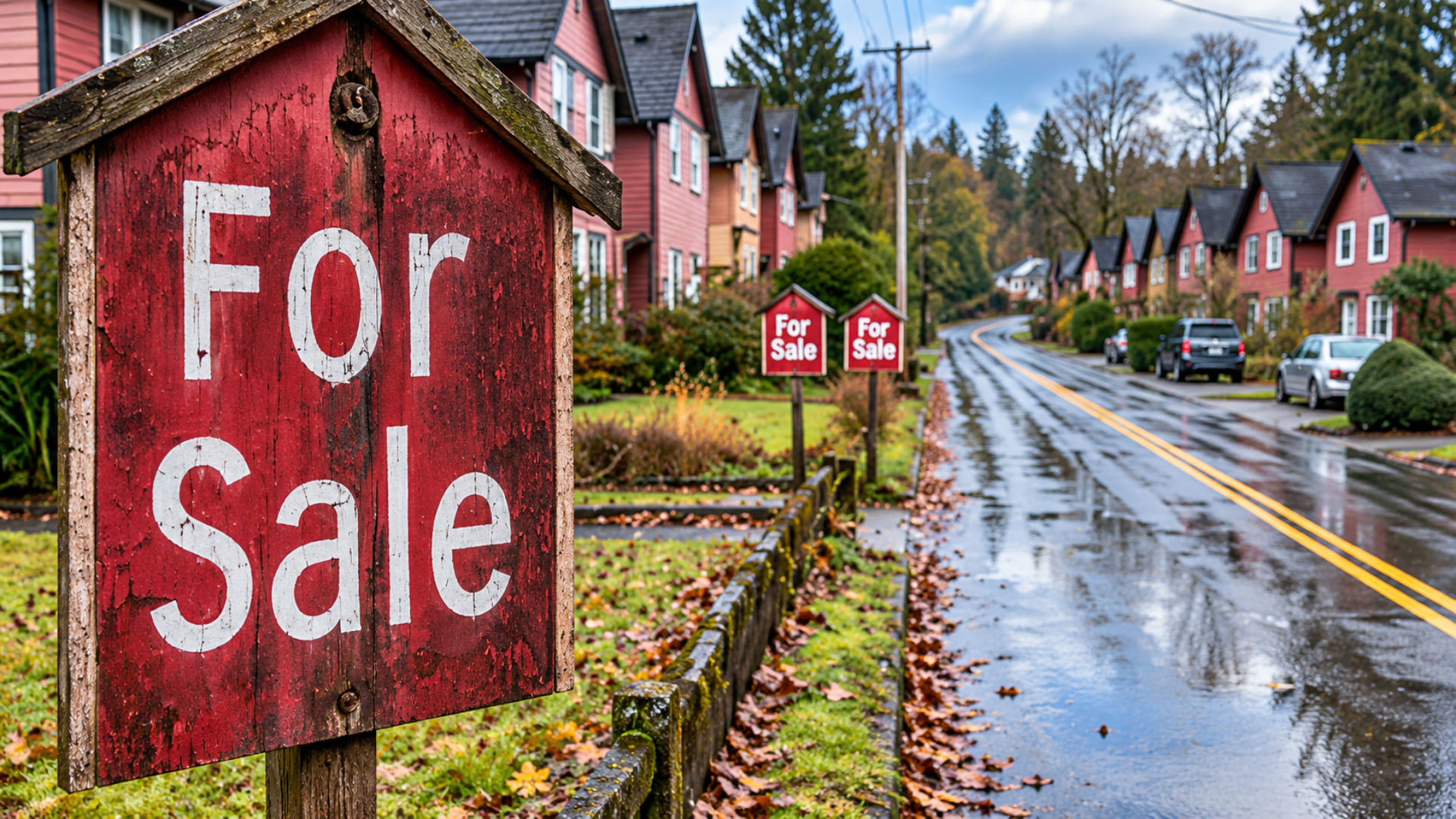

Michael Hodgson spent years bracing for the worst. The 38-year-old construction worker figured he’d be, in his own words, “that guy that died on a job site someday.” Then a knock on the door changed everything. A developer wanted his 14 acres in rural Salem Township, Pennsylvania, for a data center, and the number they offered made him question if it was real.
Block 2: The offer amounted to nearly 60 times what Hodgson paid for his property back in 2019. He didn’t hesitate. “It’s easy to look from the outside looking in and say ‘Oh, these guys are sellouts,’ but, I mean, who wouldn’t jump at the opportunity, you know, to create generational wealth?” he said. For a town of just 4,000 people, that kind of money was almost unimaginable a few years earlier.
Hodgson isn’t an outlier. He’s one of nearly 100 families in Salem Township who collectively sold more than 1,700 acres this year to a single data center developer. The total price tag: $586 million. That works out to more than $300,000 an acre, on land that was worth less than $5,000 an acre just two years earlier, according to CBS News.
Individual Families Walked Away With Anywhere From $1 Million to $35 Million
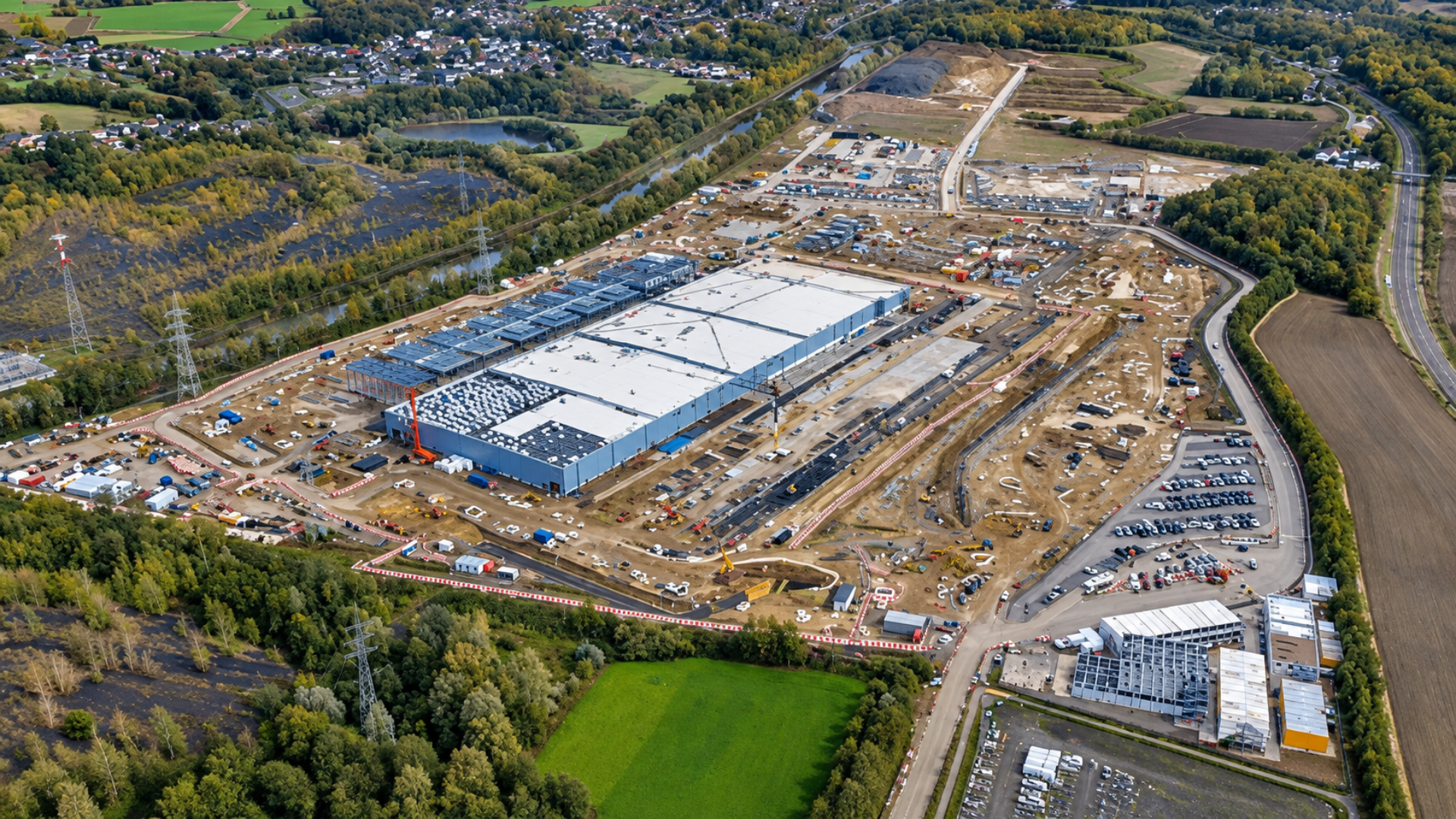
The payouts across Salem Township varied wildly depending on acreage, but even the smallest checks reshaped lives. Families received anywhere from $1 million to more than $35 million apiece. Jack Sordoni, a land developer and Salem Township native who helped organize the sale, called what happened in the community nothing short of a “gold rush.”
Sordoni’s motivation went beyond the payday. “We’re tired of watching things leave Salem Township,” he said, describing years of watching the community lose ground economically. Alongside the direct payments to landowners, he said the deal also includes community benefits agreements worth millions of dollars, aimed at improving local infrastructure that residents had watched deteriorate for decades.
Those benefits agreements are meant to fund improvements across fire, police, emergency services, medical care, water, sewer systems, and education, according to Sordoni. And the opportunity isn’t finished expanding. He said another deal for a data center expansion is already underway, one that could potentially bring the same kind of windfall to more than 200 additional families in the surrounding area.
The Kiliti Family Turned an 89-Acre Farm Into a $20 Million Payday
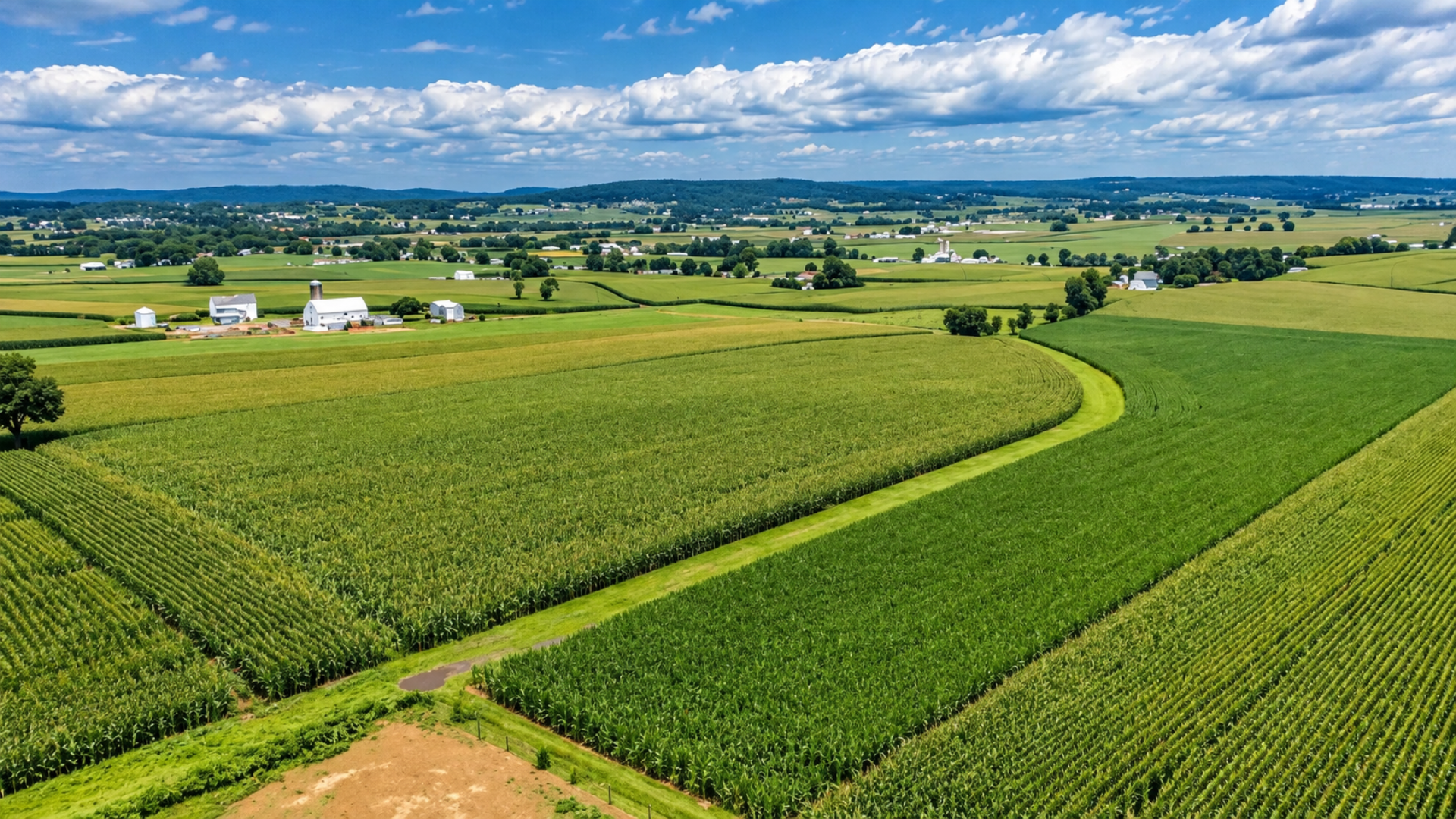
David and Marilee Kiliti spent years grinding through multiple jobs just to keep their 89-acre farm afloat. There was no windfall in sight, just the slow work of holding onto land that had been in the family for generations. Then the same data center boom that reached Hodgson’s property found its way to their farm too.
The Kilitis ultimately sold their land for more than $20 million. With that money, they’re now building their dream home in the same township they’ve called home for years. Their daughter is using part of the family’s new resources to reopen a brewery in town that had been shuttered, breathing life back into a piece of local history.
“For years, the town’s been run down. This helps a lot of people, not just the people that got the money. I’m talking about the whole town, the whole area,” David Kiliti said. Sordoni backed that up with a number: 80% of families who sold their land plan to stay local, keeping that new wealth circulating in the community rather than leaving with it.
Not Everyone in Pennsylvania Is Cheering the Data Center Boom
The demand behind all of this traces back to a single force: artificial intelligence. Data centers house the storage drives and networked servers that process everything from routine email traffic to the software powering the AI boom, and that demand has exploded in recent years. But the enthusiasm in Salem Township isn’t universal across the state.
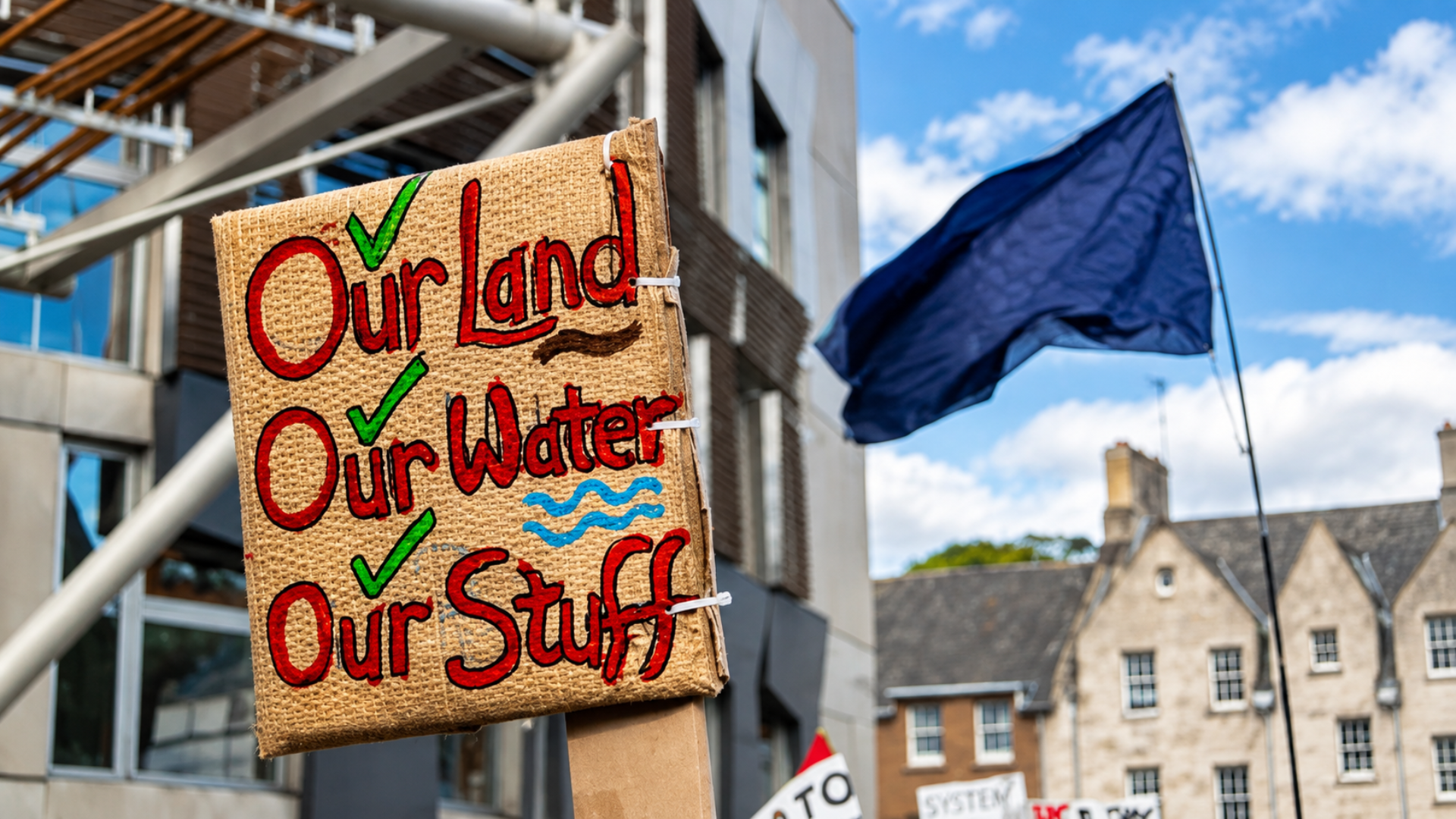
More than 70% of Americans say they don’t want data centers built in their area, according to a Gallup poll cited by CBS News, pointing to noise, environmental strain, and pressure on local resources as key concerns. Pennsylvania has responded by imposing some of the strictest data center regulations in the country, a shift that came directly from Governor Josh Shapiro.
Block 12: Shapiro, who once championed these projects, told CBS News his executive order came after hearing directly from residents. “I showed up in communities and heard the concerns of neighbors,” he said. “I don’t want things that the community is not going to want in their backyards.” Still, he left the door open: proposals with real local support and environmental safeguards, he said, are ones his administration is willing to negotiate.