Extreme Heat Is Turning Mobile Homes Into Danger Zones Across the U.S.

Home is supposed to offer an escape when temperatures outside become dangerous. For millions of Americans living in manufactured housing, that protection can fail. An NPR investigation found that mobile-home residents face an elevated risk of dying from heat, with aging construction, inadequate cooling, high electricity costs and power outages all contributing. The problem is particularly visible in Arizona, where researchers have found that simply living in this type of housing can dramatically change a person’s vulnerability during extreme heat.
Researchers Found A Striking Pattern In Phoenix
Arizona State University geographer Patricia Solis discovered the disparity while mapping heat deaths and electricity-bill assistance around Phoenix. Clusters emerged in mobile-home parks, where deaths were high but assistance was limited. Solis and colleagues eventually determined that Maricopa County residents of mobile homes were roughly six to eight times more likely to die from heat-related causes than people in traditional housing. Another county analysis found mobile homes and RVs represented about 5% of housing but nearly 25% of recent indoor heat-related deaths.
Older Homes Can Struggle To Keep Heat Out
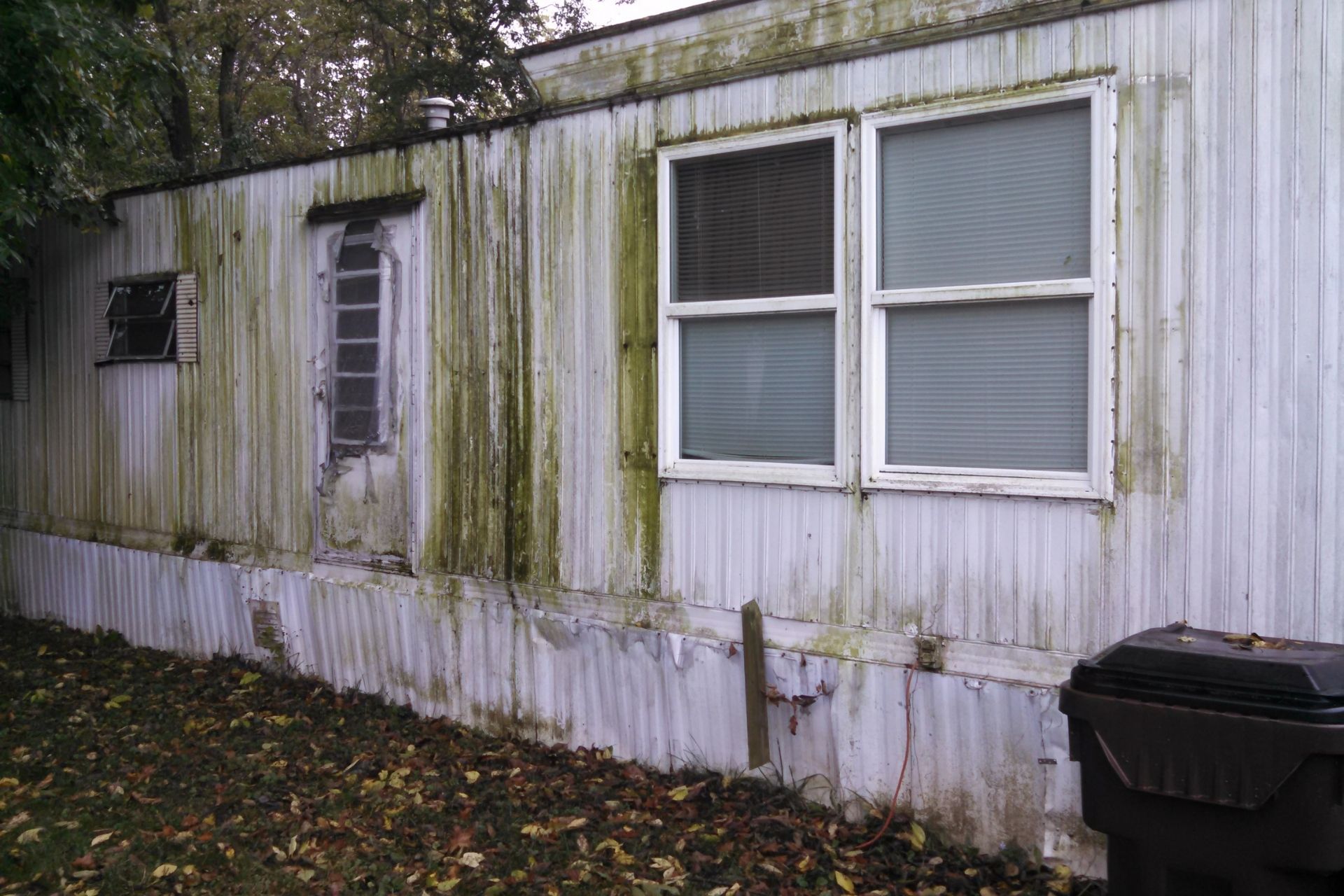
The age of America’s manufactured housing stock helps explain the danger. Federal construction standards for manufactured homes arrived in 1976, requiring improvements including better insulation and safer wiring. Many earlier homes still have thin walls, leaky windows and electrical systems that can struggle with modern air conditioners. The Urban Institute estimates more than one million pre-1976 mobile homes may remain in use nationwide. Newer manufactured homes can be well insulated and energy efficient, making age and condition important distinctions.
Some Neighborhoods Make The Heat Even Worse
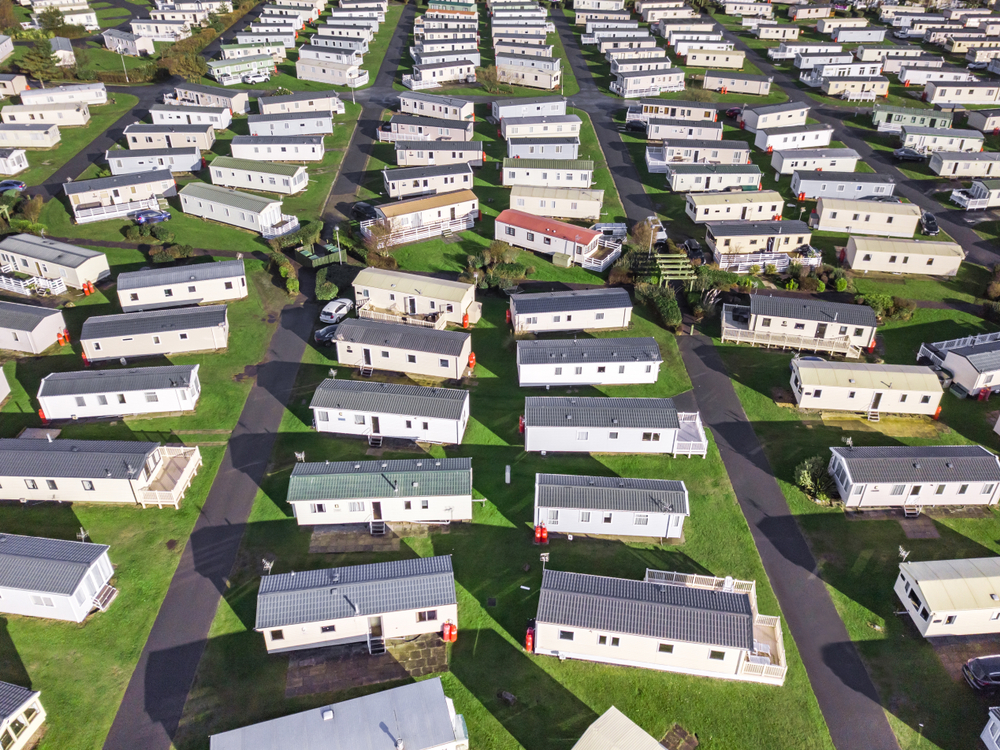
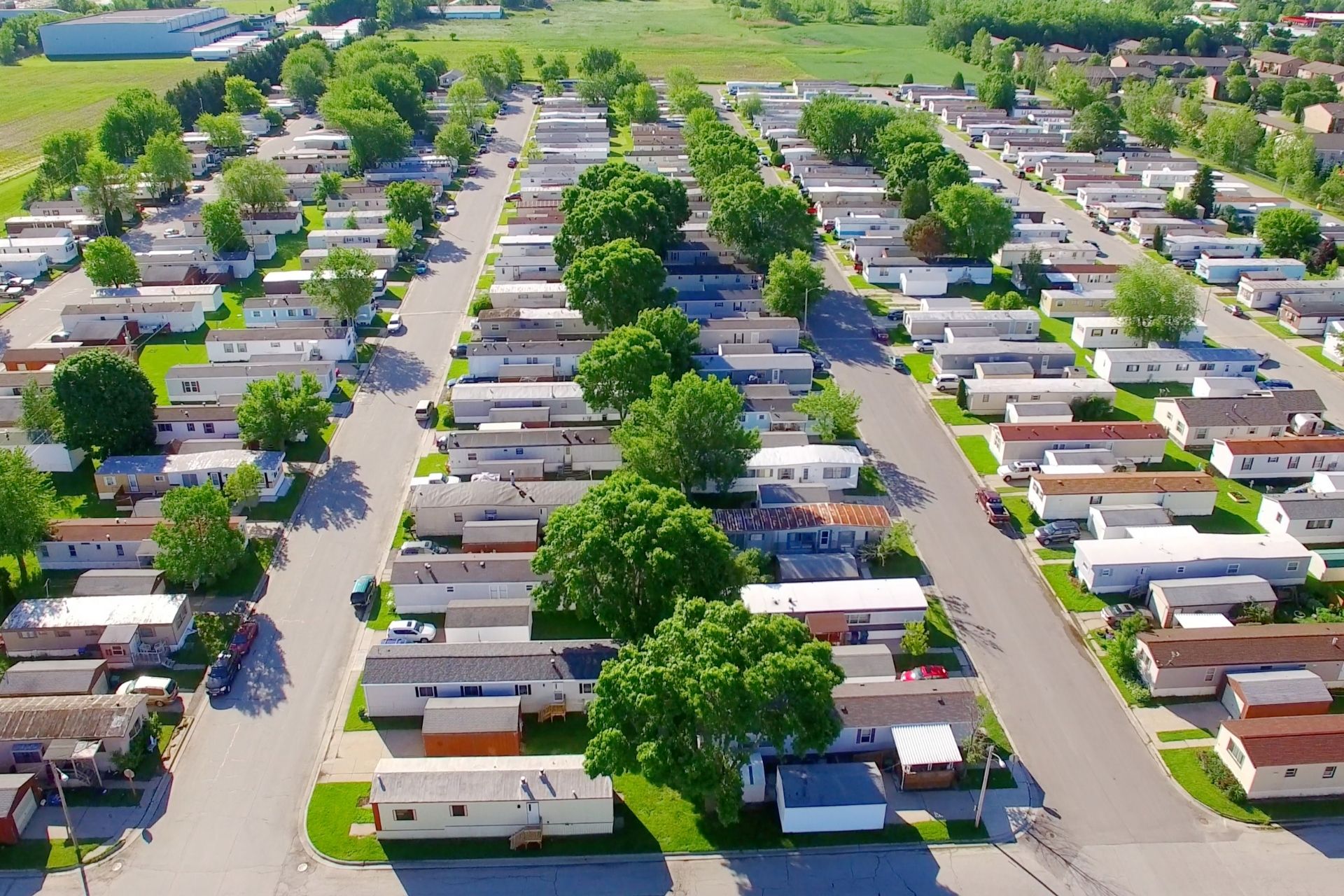
The home itself is only part of the equation. Mobile-home communities can have extensive pavement, limited vegetation and little shade, creating hotter surroundings before residents even step indoors. University of Arizona geographer Mark Kear says those conditions increase the energy required to cool a home, adding another financial burden. The photographs accompanying NPR’s reporting show this vulnerability clearly, with manufactured homes surrounded by pavement and sparse tree cover in parts of Phoenix and Tucson.
Air Conditioning Only Helps If You Can Afford It
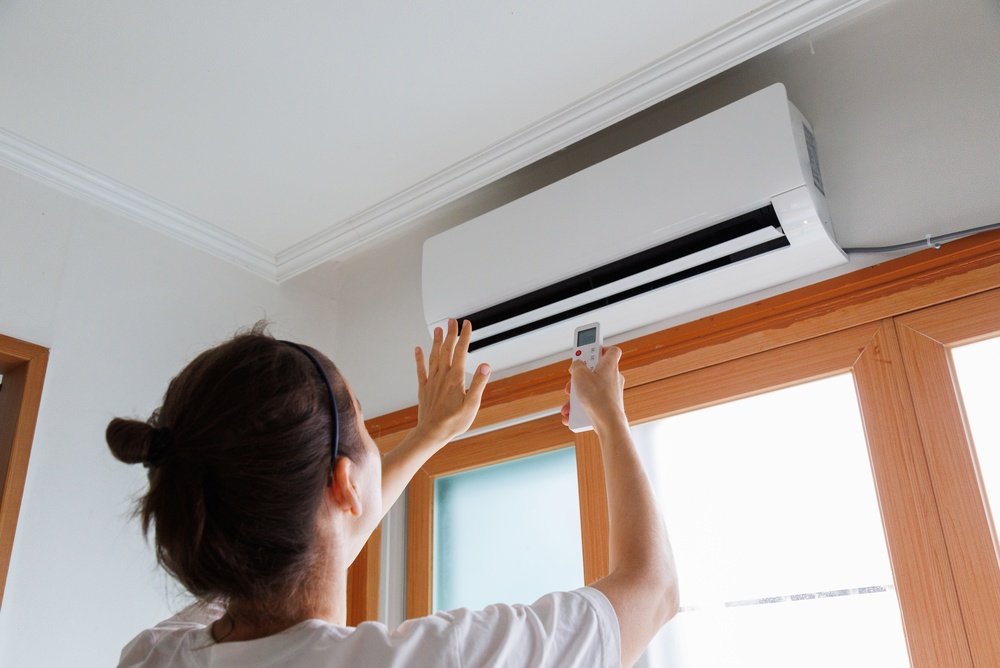
Even a functioning air conditioner cannot protect someone who cannot afford to run it. Tucson heat specialist Karina Martinez heard repeatedly from mobile-home residents who struggled with cooling bills. One man reportedly bought ice after work and sat in an ice-filled bathtub instead. Residents may also pay electricity through a master-metered park rather than directly to a utility, potentially leaving them ineligible for some energy-assistance programs. Repairs can be equally daunting, particularly for households already living on limited incomes.
A Broken Cooler Can Become A Medical Emergency

The consequences became devastating for 76-year-old Sheri Petty in Tucson. During a stretch of temperatures above 100 degrees, her bedroom air conditioner failed, followed days later by the home’s swamp cooler. Petty sought affordable repair assistance but could not get timely help. Her daughter, Tara Gentner, later found her collapsed inside the sweltering home. Petty suffered cardiac arrest triggered by heatstroke, and Gentner said her mother’s body temperature reached 106 degrees. She died at the hospital that day.
Power Outages Remove The Last Line Of Defense
Extreme heat becomes even more dangerous when electricity disappears. NPR documented outages at a South Tucson mobile-home park where resident Paul Valdez sometimes escaped by driving around with his dog in an air-conditioned car. During another outage, neighbor Miryam Palafox took her newborn and two daughters into a running car overnight to keep them cool. The broader risk extends beyond mobile homes: after Hurricane Ida knocked out electricity in 2021, 13 deaths were officially attributed to post-storm heat exhaustion.
Ownership Rules Can Make Upgrades Harder
Many manufactured-home residents own their house but not the land underneath it. Because these homes are often treated as personal property rather than real estate, owners can have difficulty obtaining conventional financing for expensive improvements such as insulation, wiring and cooling systems. Arizona lawmakers addressed another obstacle in 2024 by prohibiting mobile-home park operators from restricting the types of air conditioning residents can install. Still, permission to make an upgrade does little for someone who cannot finance the work.
Communities Are Taking The Risk Door To Door
Officials and nonprofits are increasingly treating extreme heat like the disaster it can become. In Phoenix, the American Red Cross has partnered with the city and others to canvass vulnerable neighborhoods and mobile-home parks. Volunteers distribute information about heatstroke, hydration and nearby cooling centers. During one May visit, resident Joyce Craven had only a small window air conditioner cooling one bedroom. Her summer strategy was straightforward: stay mainly in that single cooled room.
Keeping People Safe Will Require More Than Warnings
Door-knocking can help residents recognize danger, but researchers argue that the underlying housing problems require much larger solutions. Programs in Tucson and Pima County can assist with insulation, electrical and cooling upgrades, yet some are oversubscribed. Meanwhile, experts studying extreme heat are calling for measures such as more shade, reflective building materials and resilient electrical infrastructure that remain useful when conventional cooling fails. As hotter conditions put greater pressure on homes and power grids, the question is increasingly not just whether Americans can escape the heat outside, but whether their homes can reliably protect them from it.