Raising a Child Now Costs $303,000, Up 28% in Just Three Years
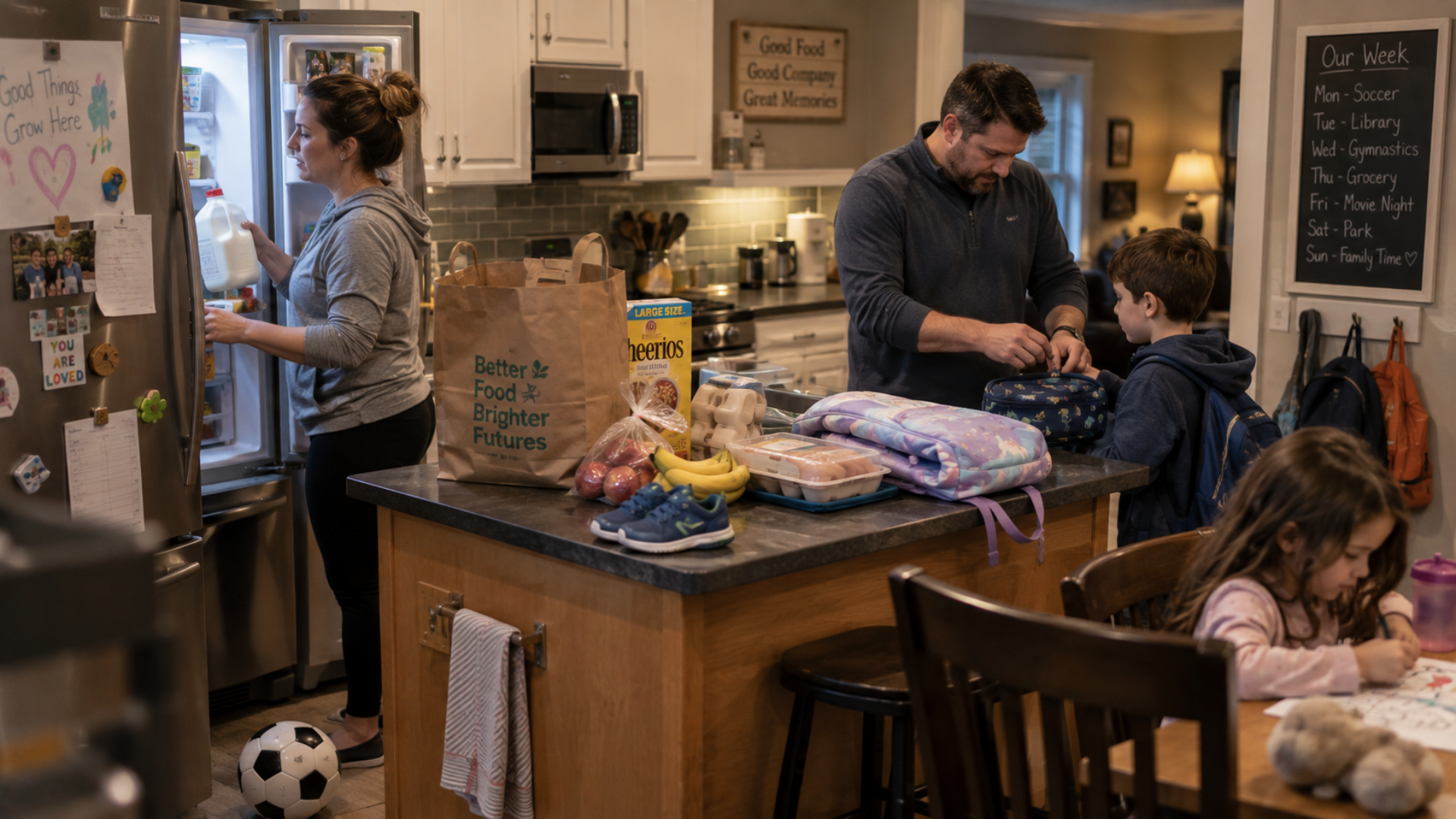

Parents rarely need a spreadsheet to tell them raising kids has gotten more expensive. They feel it every time they check out at the grocery store. A new report from LendingTree now puts an exact number on that feeling, and the figure confirms what a lot of families already suspected: the math genuinely has gotten harder in just the last few years.
Raising a child from birth through age 18 now costs an estimated $303,418, even after tax credits, according to LendingTree’s 2026 analysis. That’s a slight increase from last year’s estimate, but the trend is harder to shrug off: the total has climbed nearly 28% since 2023. Parents don’t need a report to tell them costs are rising, said Ashley Feinstein Gerstley, a certified financial planner and founder of The Fiscal Femme, because “we have been living it.”
Broken down annually, the total works out to about $16,857 a year. It is a slow accumulation of ordinary expenses. Not one single dramatic cost. Understanding why that number keeps climbing means looking closely at exactly where the money is actually going, month after month, inside an average family’s day-to-day budget, well before any parent sits down to add up the full eighteen years at once.
Housing, Groceries, and Childcare Are Quietly Adding Up Faster Than Paychecks
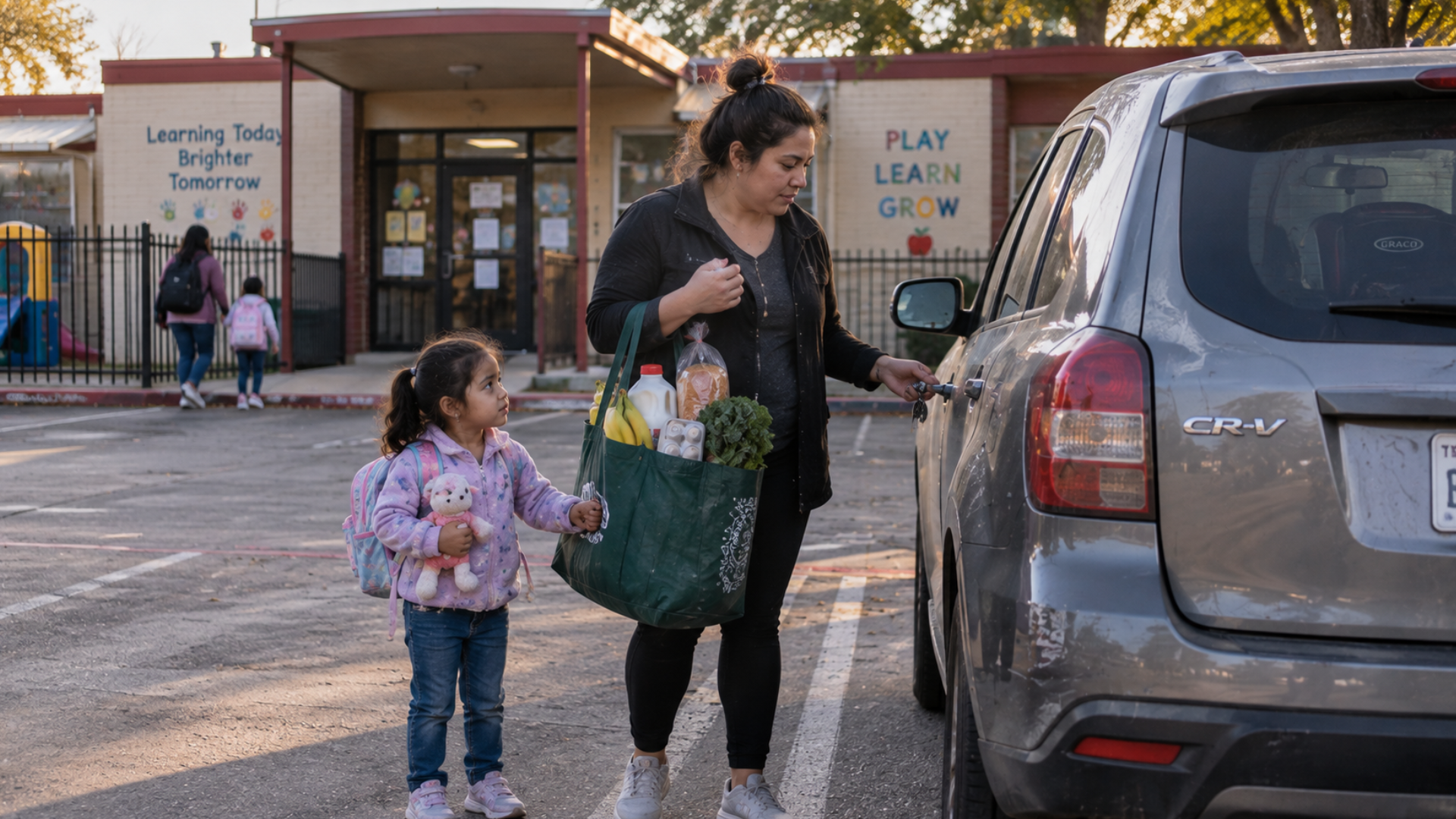
The report describes this as a slow build. It is not one big financial hit. Housing gets a little tighter, grocery bills inch up, transportation costs shift, and suddenly there’s a new line item, soccer registration or school supplies, that didn’t exist the year before. Nadine Patel, a New Jersey mother of two, described the feeling bluntly: “it feels like every paycheck already has a job.”
Gerstley traces much of this back to pressures that built up during and after the pandemic. Tight housing inventory collided with rising demand as more people relocated, and higher interest rates made affordable housing options harder to find for families already stretched thin. Childcare took a separate hit of its own: federal pandemic-era subsidies that had helped keep daycare costs in check expired in 2023, and workers who left the industry never fully returned, pushing wages, and prices, higher.
Food costs added a third layer of pressure. Higher production, packaging, and transportation costs rarely reverse once they climb. Of all these categories, though, childcare stands out as the single biggest early-years expense for most families, and it deserves its own closer look, since the gap between what it costs and what counts as “affordable” is genuinely striking once you actually put the two numbers side by side.
Childcare Often Costs Three Times What the Government Calls ‘Affordable’

Childcare remains the single biggest expense for many families during a child’s earliest years, frequently topping $17,000 annually. The federal government has long defined “affordable” child care as costing no more than 7% of a family’s income. In reality, many families pay two to three times that share. Programs like Head Start and childcare subsidies exist, but they typically only reach the lowest-income households, leaving a large stretch of middle-income families caught in between.
Where a family lives changes the total dramatically. Hawaii is the most expensive state to raise a child, with an estimated 18-year cost above $412,000, more than double the price tag in the least expensive states. Alaska and Maryland follow closely behind, each hovering well above the $300,000 mark. New Hampshire, by contrast, comes in around $202,000, less than half of Hawaii’s total for raising a child to the same age.
Even that gap does not tell the whole story, though. Parents in lower-cost states still describe the day-to-day experience as expensive, tight, and occasionally overwhelming, regardless of how their state ranks nationally. The real pressure people feel usually shows up less in the total number and more in how much of their actual paycheck that number is quietly eating every single month.
The First Five Years Alone Eat Up 22% of a Family’s Income
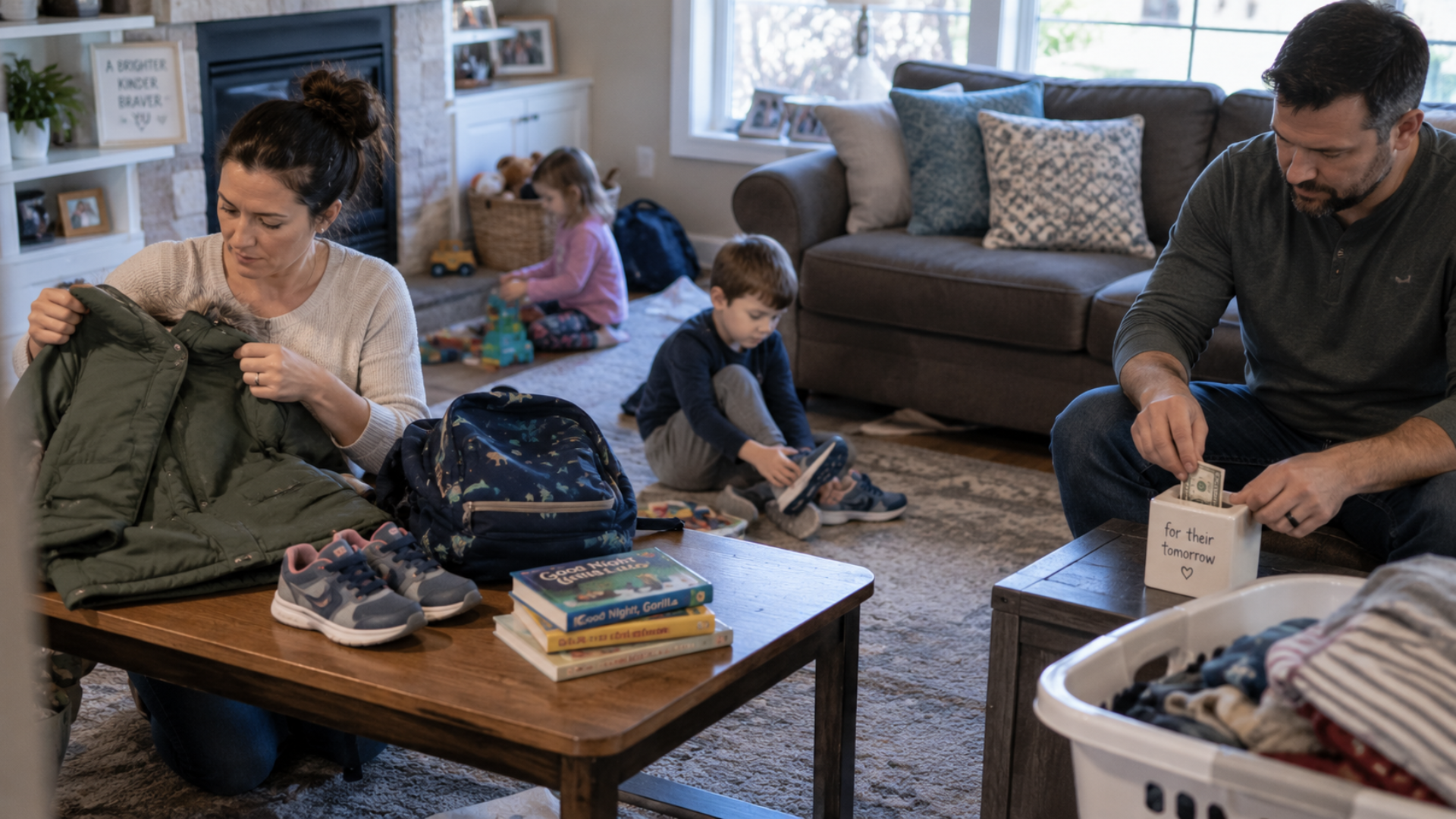
In just the first five years, families spend an average of 22% of their income on basic child-related expenses, according to the report. That share climbs even higher in some places. Families in Hawaii spend more than a quarter of what they earn just to get through those early years. Gerstley points to a simple, structural mismatch behind that number: paychecks have not kept pace with the rising cost of the essentials families actually need.
Individual families are responding to that squeeze in different ways. Noelle Sullivan, a mother of three in Ohio, said she used to buy everything new for her first child. Now, she borrows, buys used, or skips items altogether. Jacob Turner, a father in San Diego, takes a different approach, keeping a separate account specifically for kid expenses, even irregular ones like birthday parties or camp deposits, just to take some of the panic out of it.
Neither Sullivan nor Turner can actually make daycare or groceries cheaper. What they’ve each found, in their own way, is a sense of control over an expense that otherwise feels chaotic and unpredictable. That distinction, between reducing a cost and simply making peace with it, might be the most honest takeaway buried inside a report that is, on its surface, just a number.