Drooling in Your Sleep Is Common, but Here’s When to Pay Attention
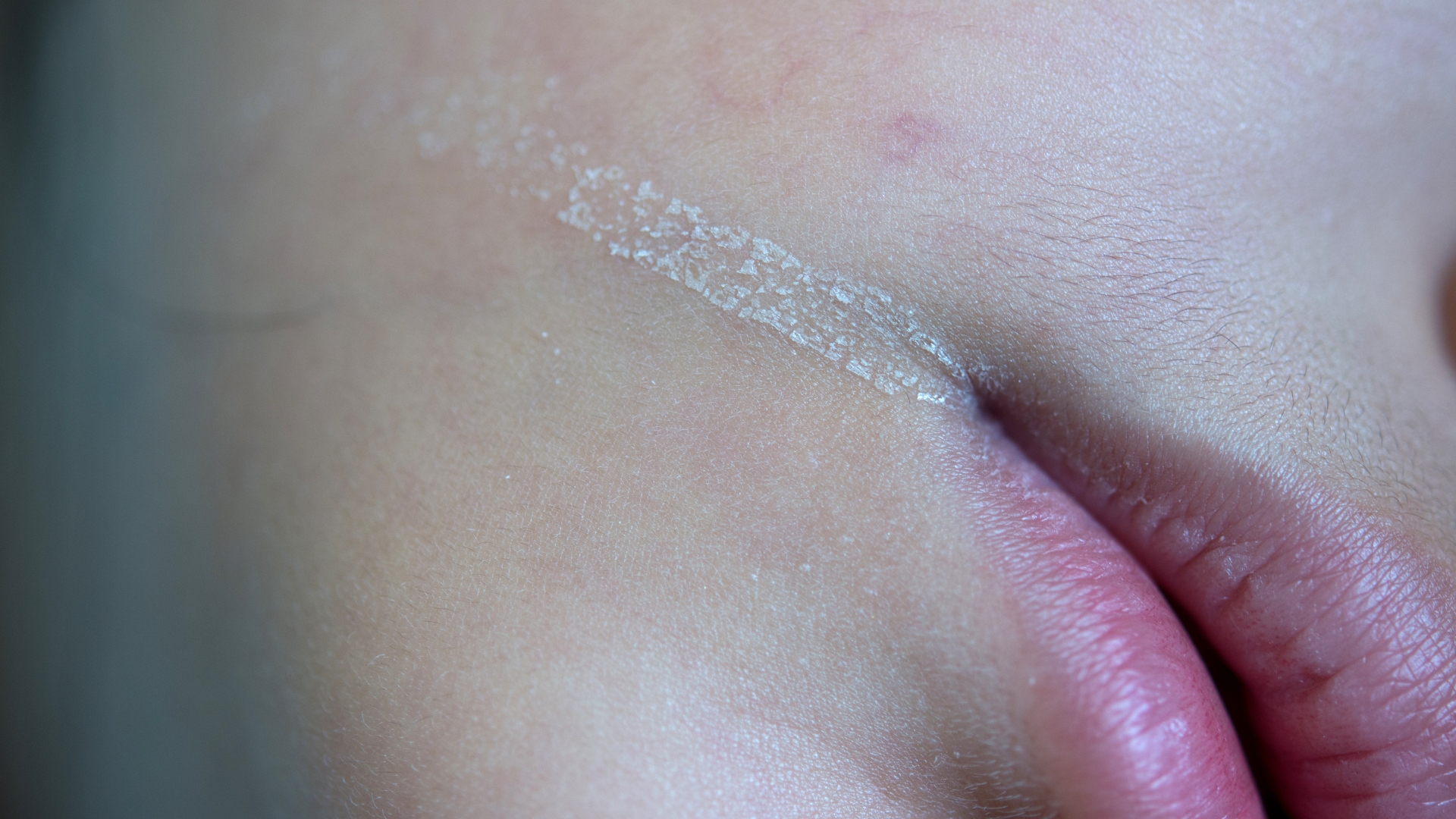

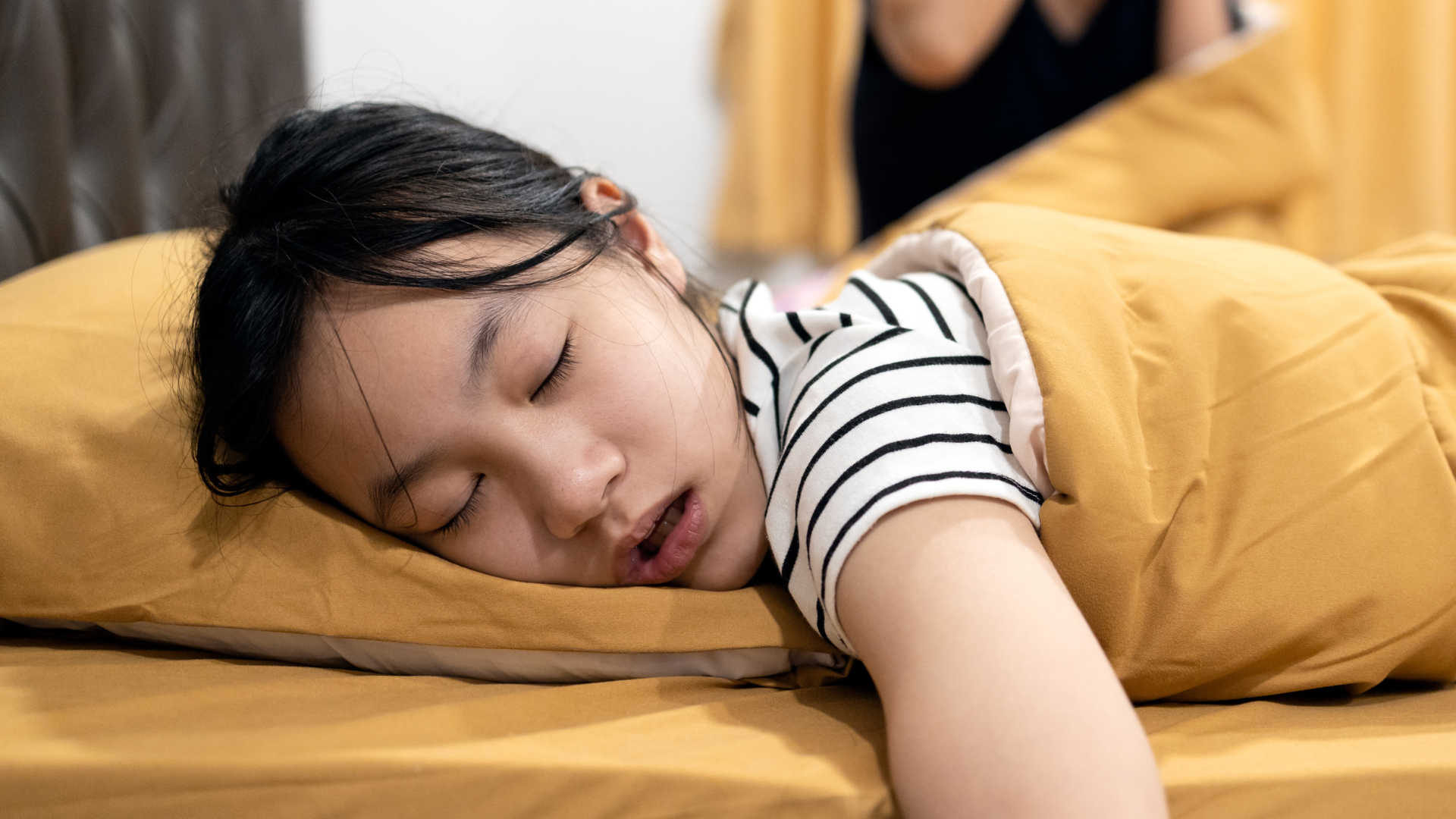
Waking up to find a damp spot on your pillow can be embarrassing, but occasional drooling during sleep is usually nothing unusual. Saliva can escape from the mouth more easily while you’re asleep because swallowing slows and the muscles around the face and mouth relax. Your sleeping position can make a difference, too, with side and stomach sleepers generally more likely to drool than people sleeping on their backs.
In many cases, nighttime drooling doesn’t require treatment. Temporary nasal congestion from allergies, a cold or sinus problems can encourage mouth breathing, while acid reflux and certain medications may also contribute to excessive saliva or make drooling more noticeable.
However, a sudden increase in drooling or excessive drooling accompanied by other symptoms deserves more attention. In some cases, it can occur alongside sleep apnea, swallowing difficulties or certain neurological conditions, making the bigger picture more important than the wet pillow itself.
Your Sleeping Position Could Be the Simple Explanation
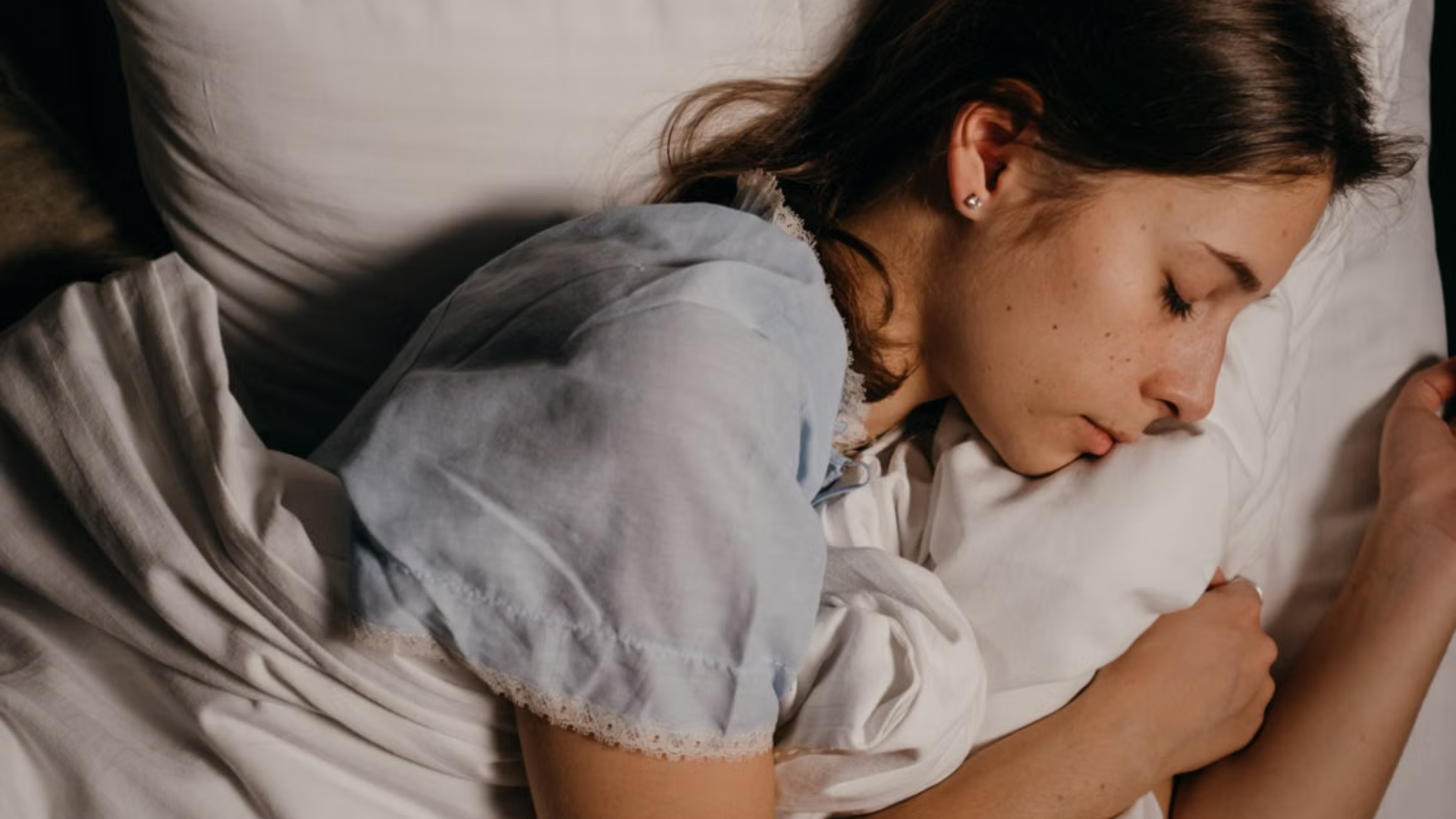
Gravity plays a surprisingly straightforward role in nighttime drooling. When someone sleeps on their side or stomach, saliva can collect near the opening of the mouth and eventually escape onto the pillow. Sleeping on the back makes that less likely because gravity encourages saliva to remain toward the back of the mouth, where it can be swallowed.
A blocked nose can make the problem more noticeable. Allergies, sinus infections and other causes of nasal congestion can encourage someone to breathe through their mouth while sleeping, making it easier for saliva to escape. Gastroesophageal reflux disease, or GERD, is another medical condition associated with excessive drooling.
For someone who has always occasionally drooled while sleeping and otherwise feels well, there may be little reason for concern. A significant change from your normal pattern, particularly without an obvious explanation such as temporary congestion, is more useful to pay attention to than drooling by itself.
Drooling Can Sometimes Accompany Sleep Apnea

Nighttime drooling can sometimes occur alongside obstructive sleep apnea, a condition in which the upper airway repeatedly becomes narrowed or blocked during sleep. Drooling alone isn’t enough to diagnose sleep apnea, but other nighttime symptoms can include loud snoring, pauses in breathing, repeated awakenings, gasping or choking and restless sleep.
There may be clues during the daytime as well. People with sleep apnea can experience excessive sleepiness, difficulty concentrating, morning headaches or the feeling that they haven’t rested despite spending enough time in bed. Untreated sleep apnea can also contribute to serious health complications, including high blood pressure and cardiovascular problems.
Anyone experiencing persistent drooling together with loud snoring, witnessed breathing pauses, gasping during sleep or unexplained daytime exhaustion should consider discussing the symptoms with a healthcare professional. Sleep apnea can be evaluated with an overnight sleep study or, in appropriate cases, home sleep apnea testing.
A Sudden Change Is Worth Paying Attention To

Persistent or newly excessive drooling can have causes unrelated to sleep apnea. Difficulty swallowing or controlling the muscles around the mouth can lead to drooling, and the symptom is associated with neurological conditions including Parkinson’s disease, stroke, multiple sclerosis and ALS. Infections, allergies, swollen adenoids and certain medications can also contribute.
That doesn’t mean someone who occasionally wakes up with saliva on their pillow should assume something serious is happening. The concern increases when drooling begins suddenly, becomes severe or persistent, or appears alongside other unexplained symptoms. Cleveland Clinic recommends speaking with a healthcare provider about excessive or sudden drooling so the underlying cause can be evaluated.
For most people, occasional sleep drooling is simply another normal, and somewhat messy, part of sleeping. But noticing whether it has changed, whether you’re experiencing other sleep problems and whether you’re waking up feeling rested can help distinguish an ordinary nighttime habit from a symptom that deserves a closer look.