Sending Checks in the Mail Isn’t Safe Anymore, Experts Warn
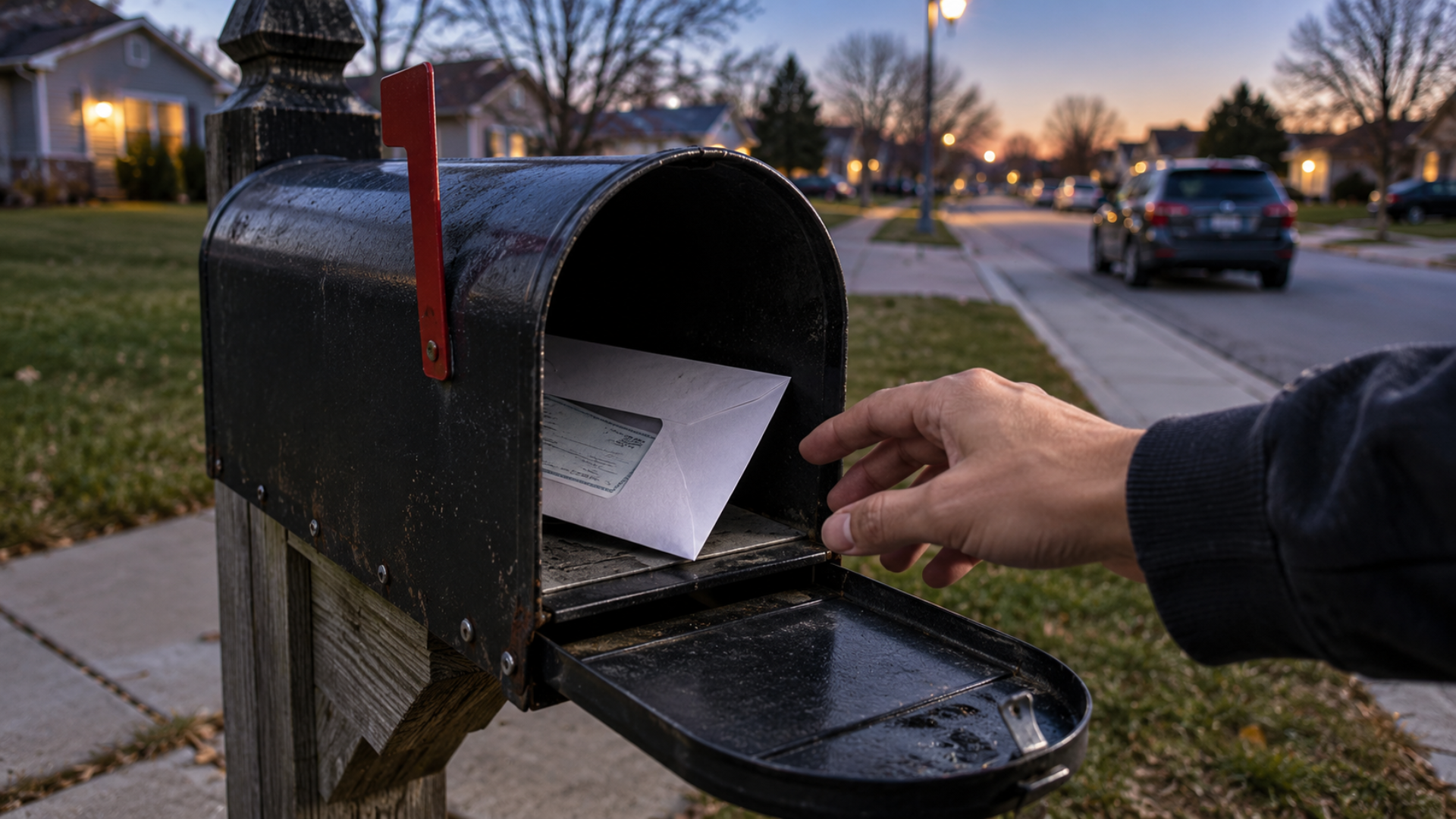

“Criminals know that when they see a check in the mail, it’s less likely to be a $10 check and more likely to be a $10,000 check.” Scott Anchin, senior vice president at the Independent Community Bankers of America, put it plainly. Americans lost more money to check fraud in 2025 than to debit card or gift card scams combined, according to federal data, even as the number of checks written each year keeps shrinking.
This article was created with the assistance of AI and reviewed by our editorial team for accuracy and clarity.
Checks Now Make Up Just 3% of All U.S. Payments
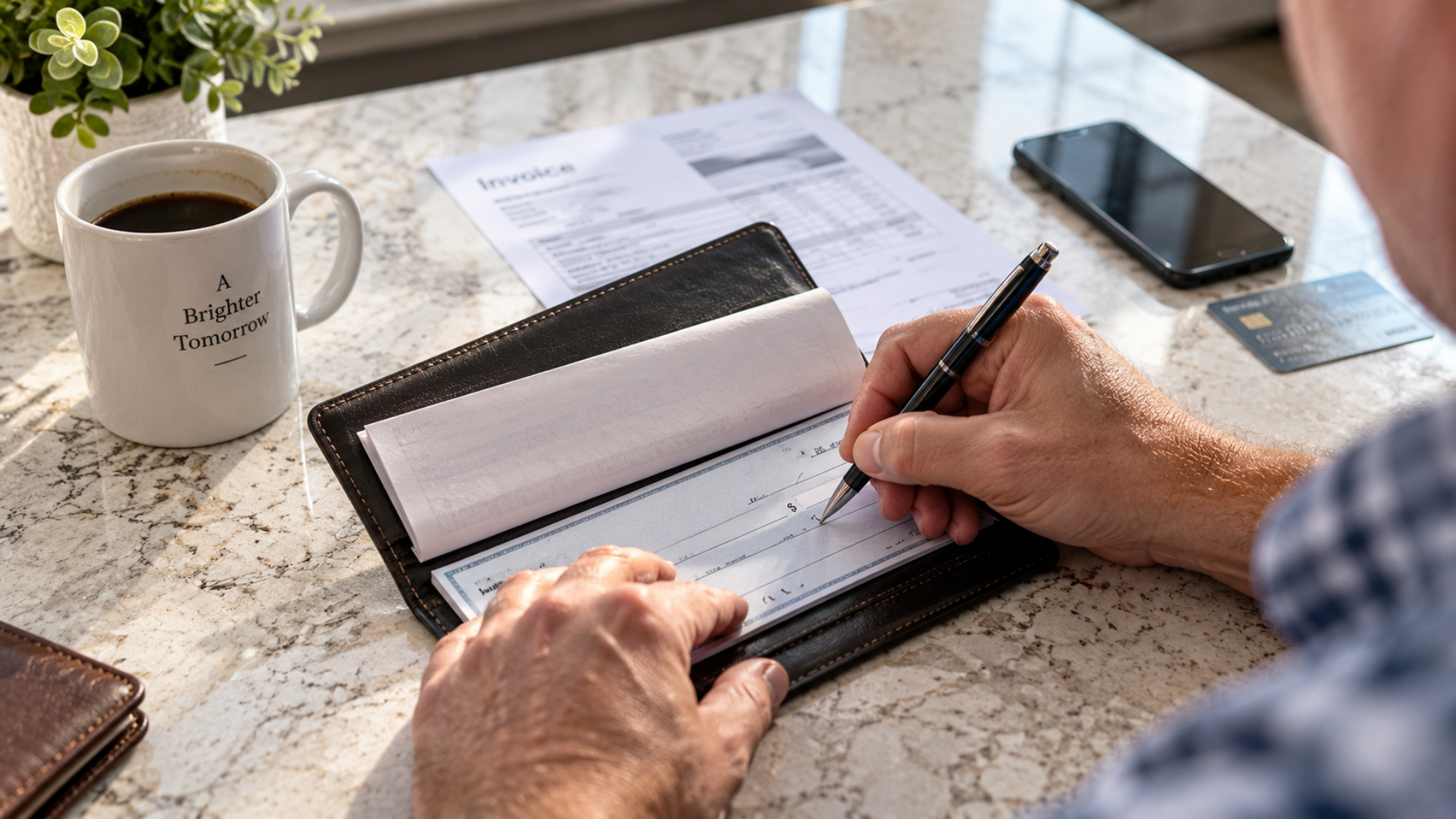
Paper checks once covered nearly everything, groceries, gym dues, monthly bills. By 2024 they made up only 3% of all U.S. payments, according to the Federal Reserve. What remains has shifted toward big, one-time transactions: contractor invoices, tax bills, closing costs. Fewer checks are moving through the mail, but each one is worth more, and thieves have noticed exactly what that means for their odds.
Organized Crime Has Replaced the Lone Check Forger
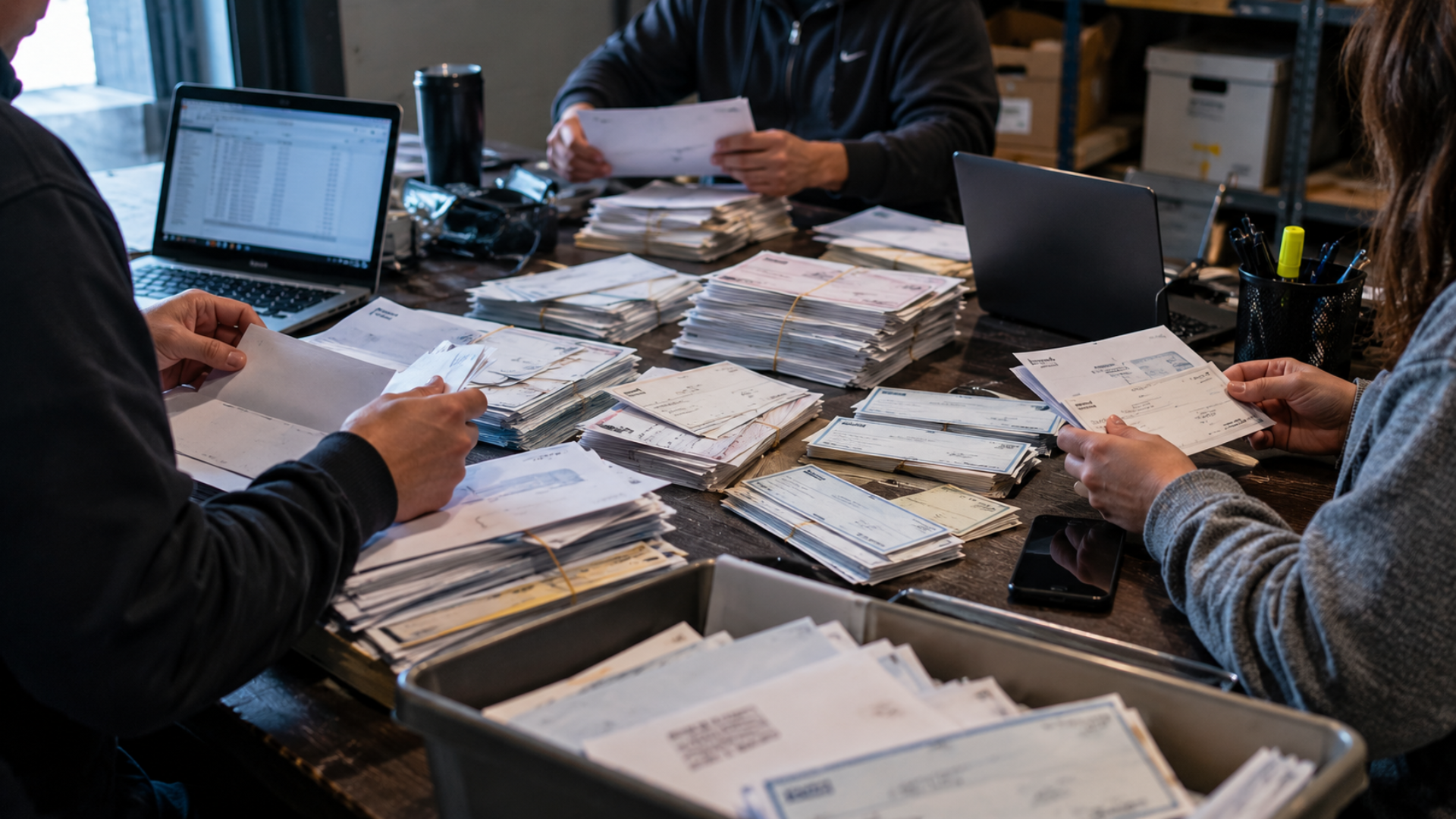
“Twenty years ago, thirty years ago, we were talking about solo operators,” Anchin said. “Now you have real organized criminal gangs who engage in check fraud.” A 2026 Federal Reserve survey found 63% of financial institutions reported check fraud attempts in the prior year, with counterfeit checks climbing fastest. These aren’t lone forgers with a stolen pen anymore.
Mailboxes and USPS Drop Boxes Are the First Target
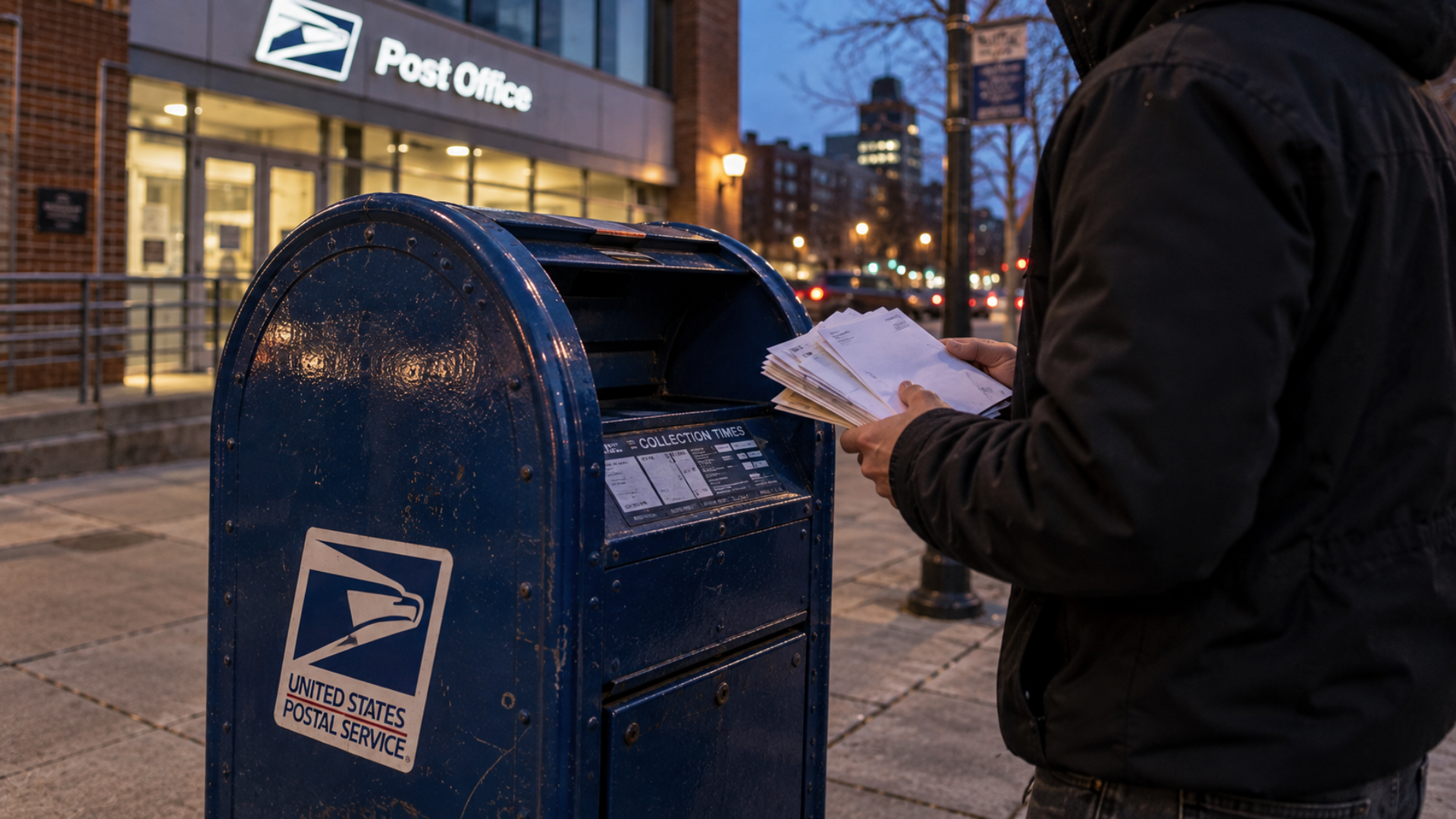
Thieves don’t need to hack anything. They pull envelopes straight from residential mailboxes overnight, fish checks out of USPS drop boxes, or steal entire mail bags in bulk. Mail theft complaints have climbed sharply since the pandemic, federal officials note. Once a check leaves a mailbox and lands in the wrong hands, everything printed on it becomes a weapon.
‘Washing’ a Check Takes Nothing More Than Bleach or Nail Polish Remover
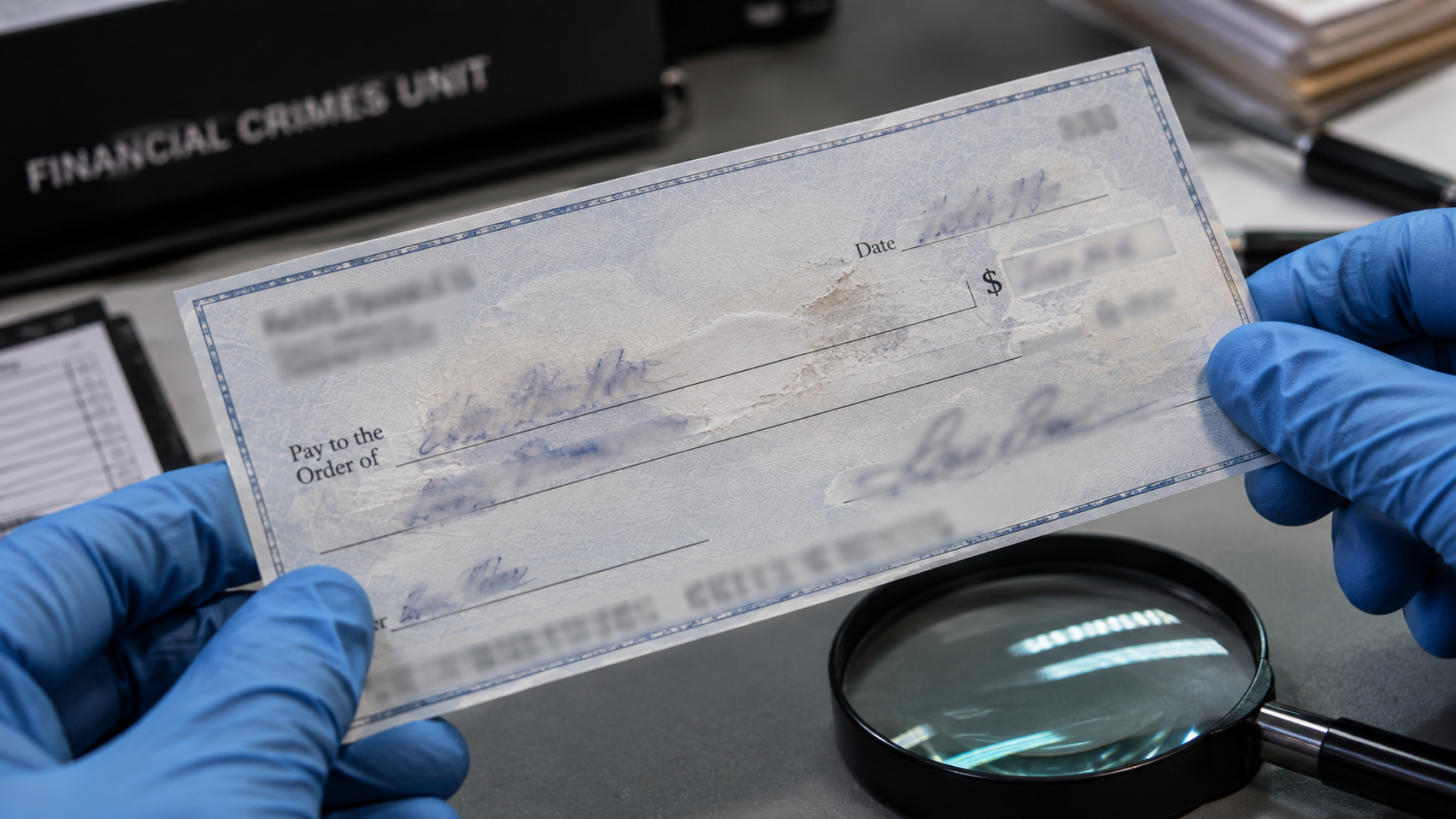
A stolen check can be altered in minutes. Acetone, bleach or rubbing alcohol strip the ink without damaging the paper, said Adam Rust, director of financial services at the Consumer Federation of America. “Your account number and routing number appear on the check. It’s very personal. It’s very sensitive.” Thieves rewrite the amount and payee, or sell a blank washed check on the dark web.
A Doctored Heating Bill Cost One Advocate $25,000
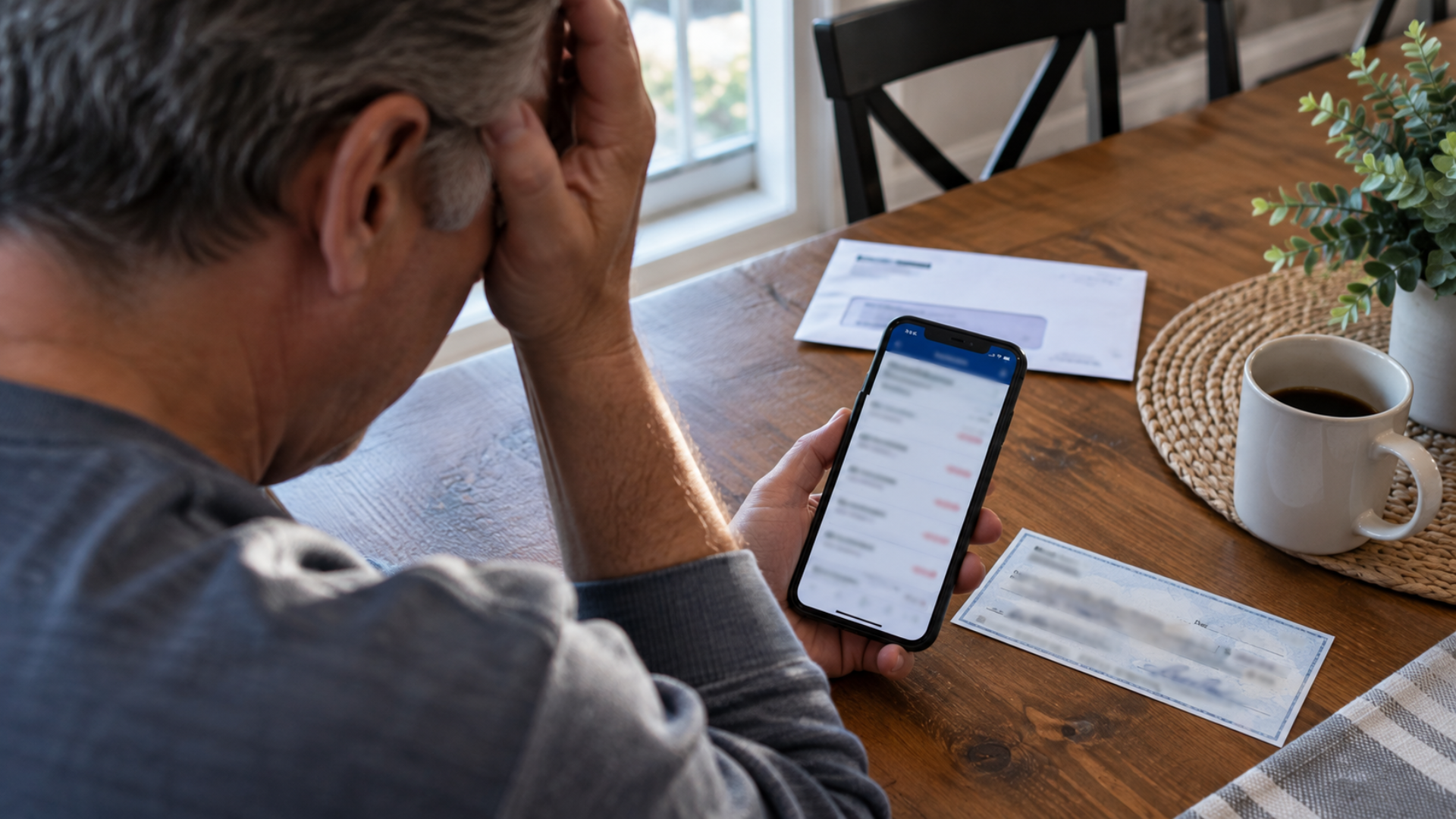
Chuck Bell, programs director for advocacy at Consumer Reports, thought he understood check fraud until it happened to him. In 2021 he mailed a payment for his heating bill. Thieves pulled it from a collection box, altered the amount and cashed it for $25,000. Bell eventually recovered the money, but the case shows how fast a routine bill payment can turn into a five-figure loss.
Trump Ordered Federal Agencies to Drop Paper Checks by September 2025
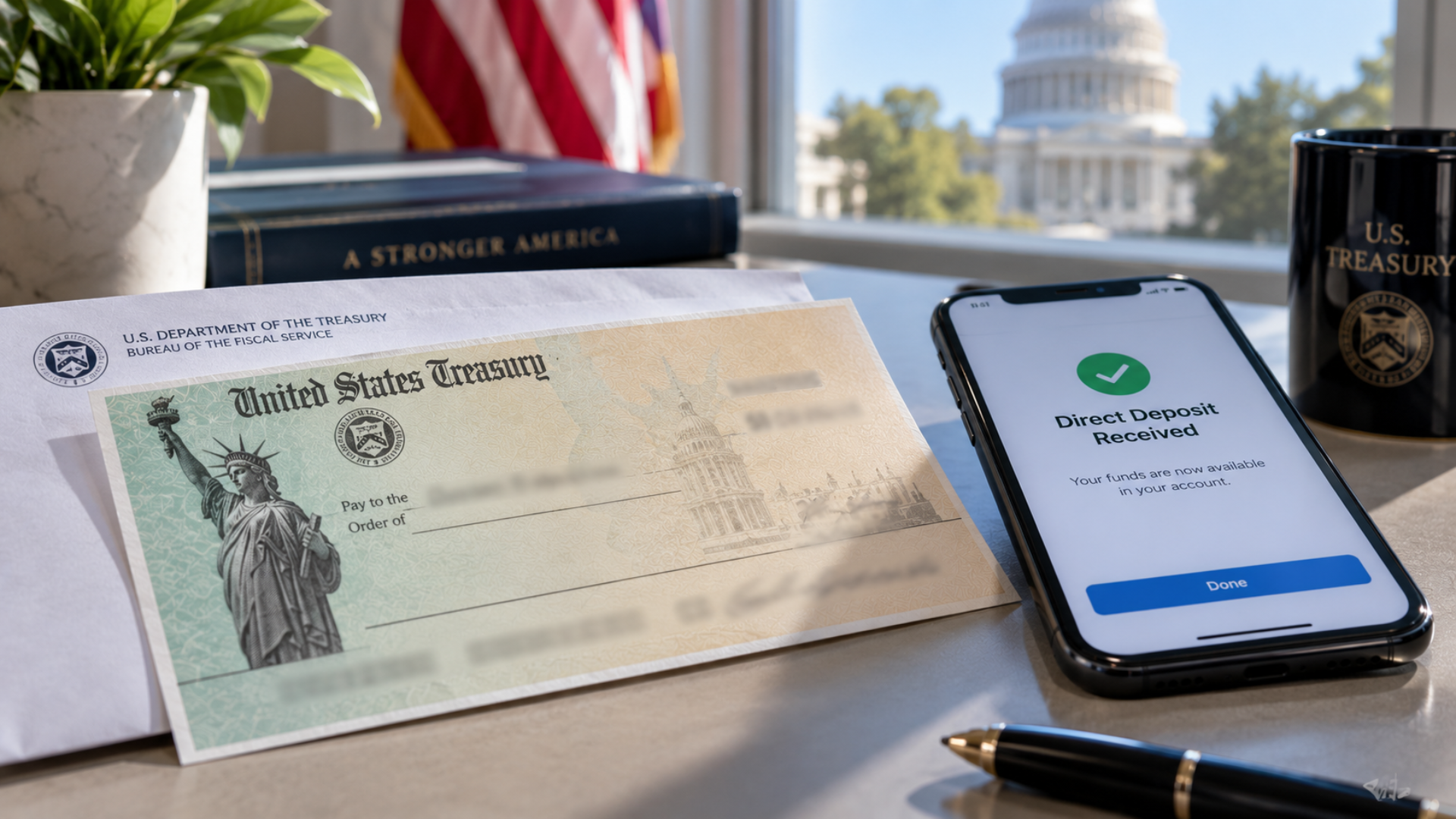
The federal government is done with paper. An executive order signed in March 2025 directed the Treasury to stop issuing paper checks for tax refunds, benefits and vendor payments by September 30. The order cited one stark number: Treasury checks are 16 times more likely to be lost, stolen or altered than an electronic transfer.
Not Everyone Is Ready to Bank on a Phone
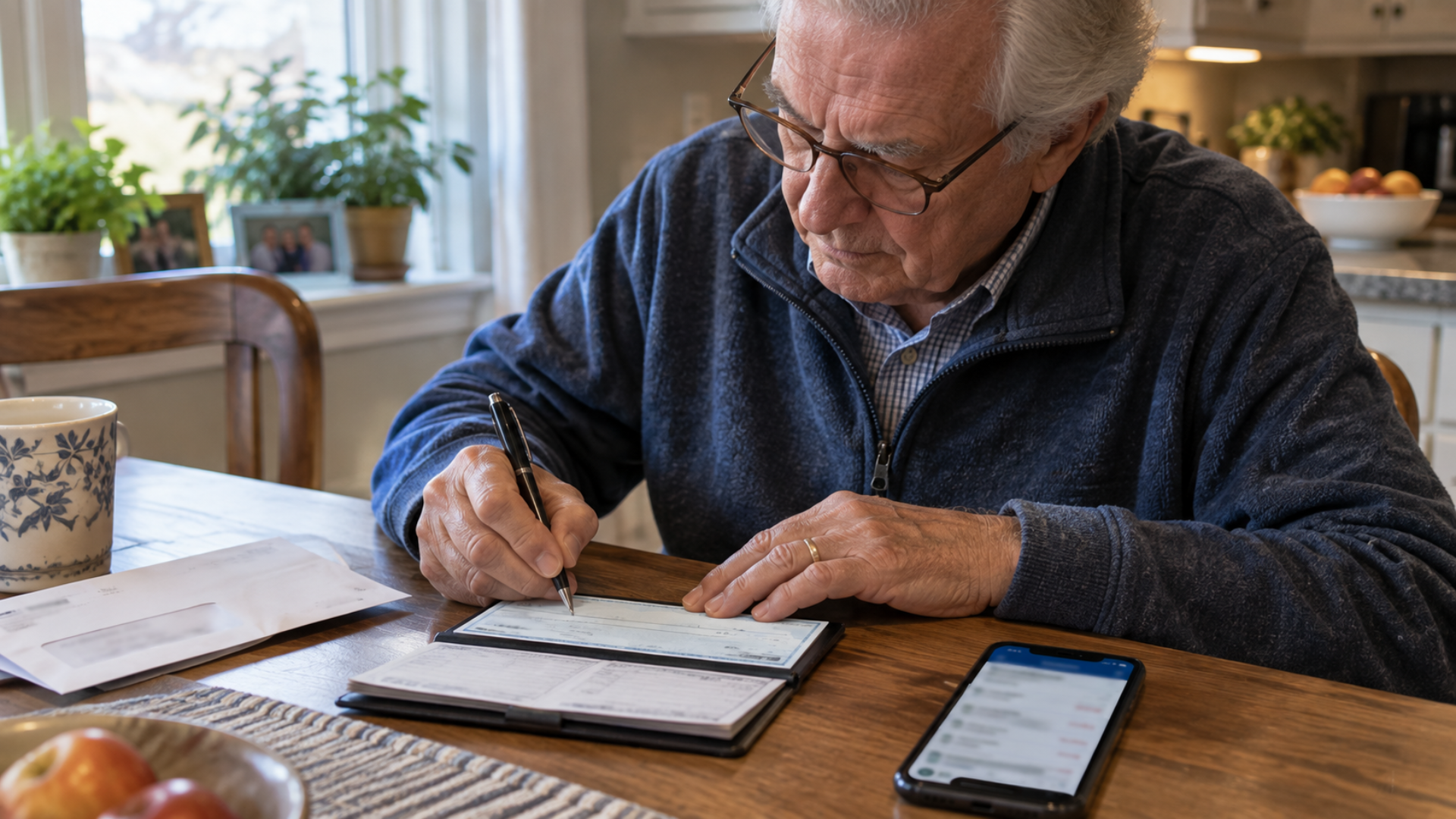
The obvious fix, advocates say, is simply to stop writing checks. But that assumes everyone is comfortable paying online. “If you want to move the whole country to digital payments, it’s not as simple as it looks,” Bell said. Millions of older adults and unbanked households still depend on paper, meaning the safest option in theory doesn’t always match the safest option in practice.
Even Zelle and Venmo Aren’t Equally Safe
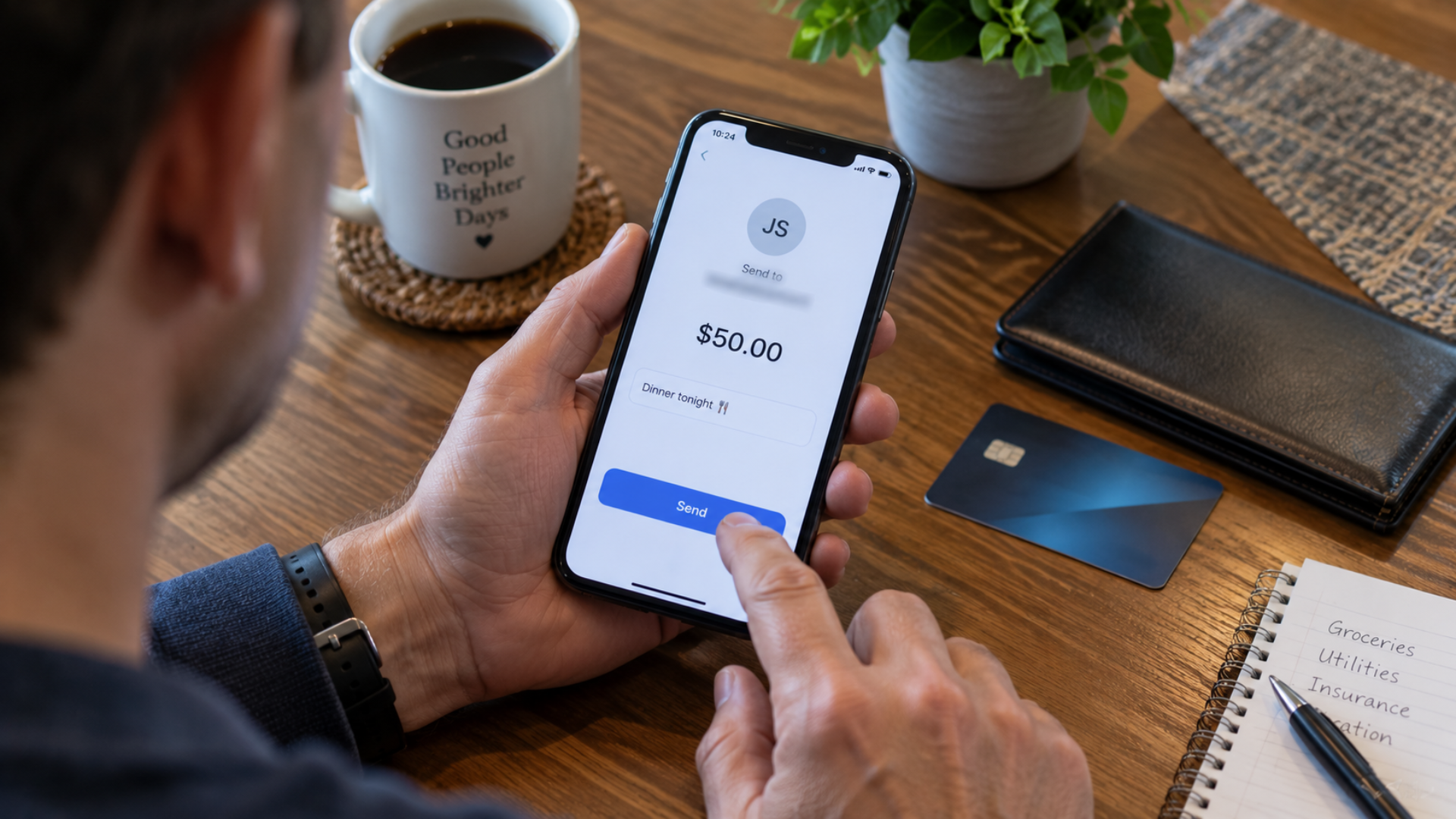
Electronic payments beat checks, but not all of them are equal. A Consumer Reports evaluation of peer-to-peer apps scored Apple’s payment service highest for privacy and security, while Venmo, Cash App and Facebook’s payment tool rated as solid performers with weaker privacy marks. Zelle, despite sitting inside banking apps, scored lowest of the group for both data privacy and security.
The Rules for Anyone Who Still Has to Mail a Check
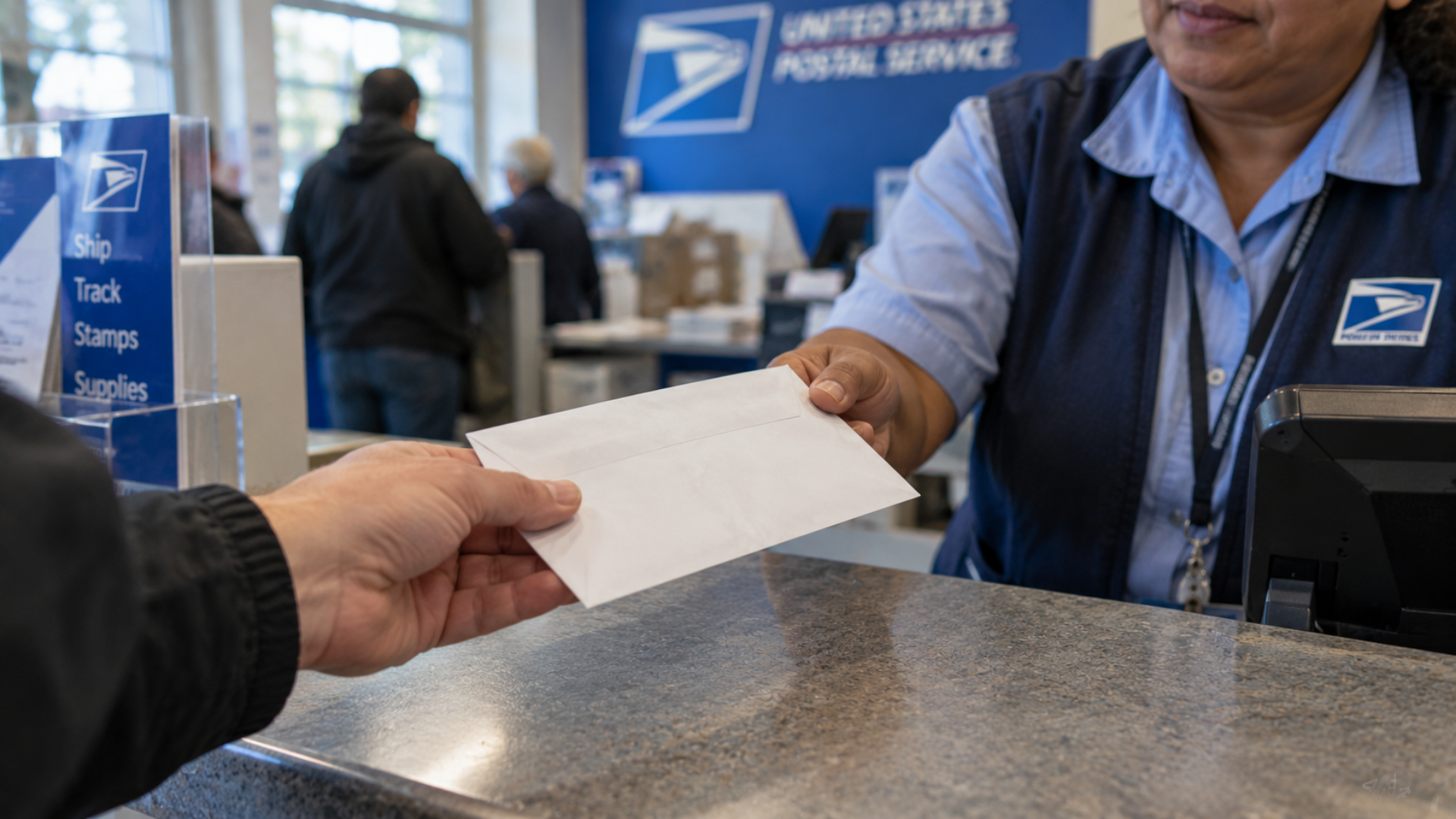
For checks that can’t be avoided, the safeguards are simple: use permanent ink, never leave blank space for tampering, and drop the envelope at a post office rather than a mailbox. Confirm every deposit against your bank statement afterward. If fraud happens anyway, report it within 30 days. Banks are liable for forged checks, but that protection erodes fast once a customer waits too long to flag it.