If Mushrooms Suddenly Appear in Your Lawn, Here’s What’s Really Going On
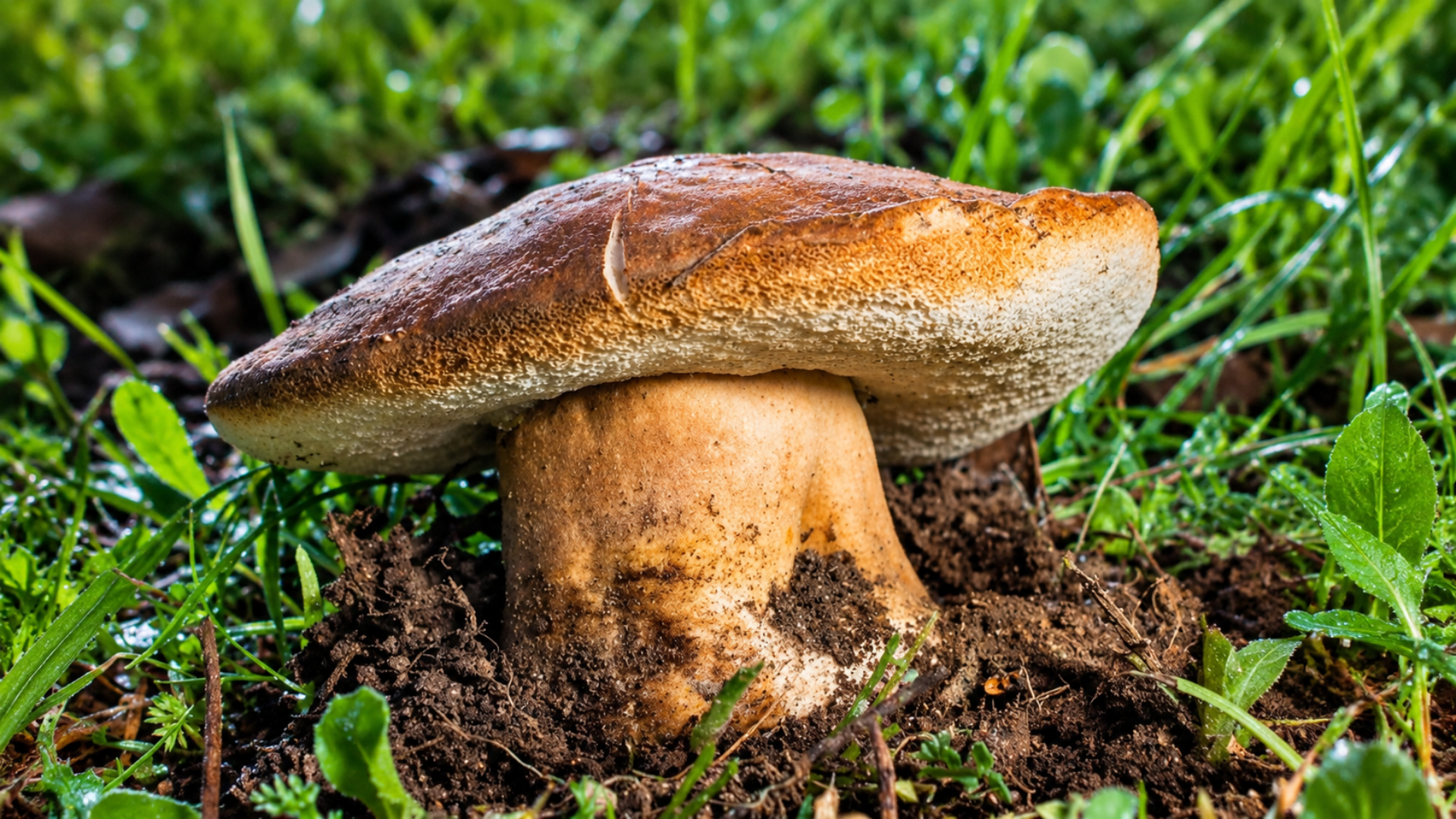

Step outside after a warm, rainy stretch and a cluster of mushrooms can seem to appear out of nowhere. It happens in yards everywhere, and it isn’t random. Every mushroom poking through the grass is connected to a much larger network living underground, one that’s been quietly breaking things down long before it ever surfaced. What that network is feeding on, and whether it’s worth worrying about, depends on a few specific clues in your own yard.
The Mushroom You See Is Only the Fruiting Body of a Much Bigger Fungus
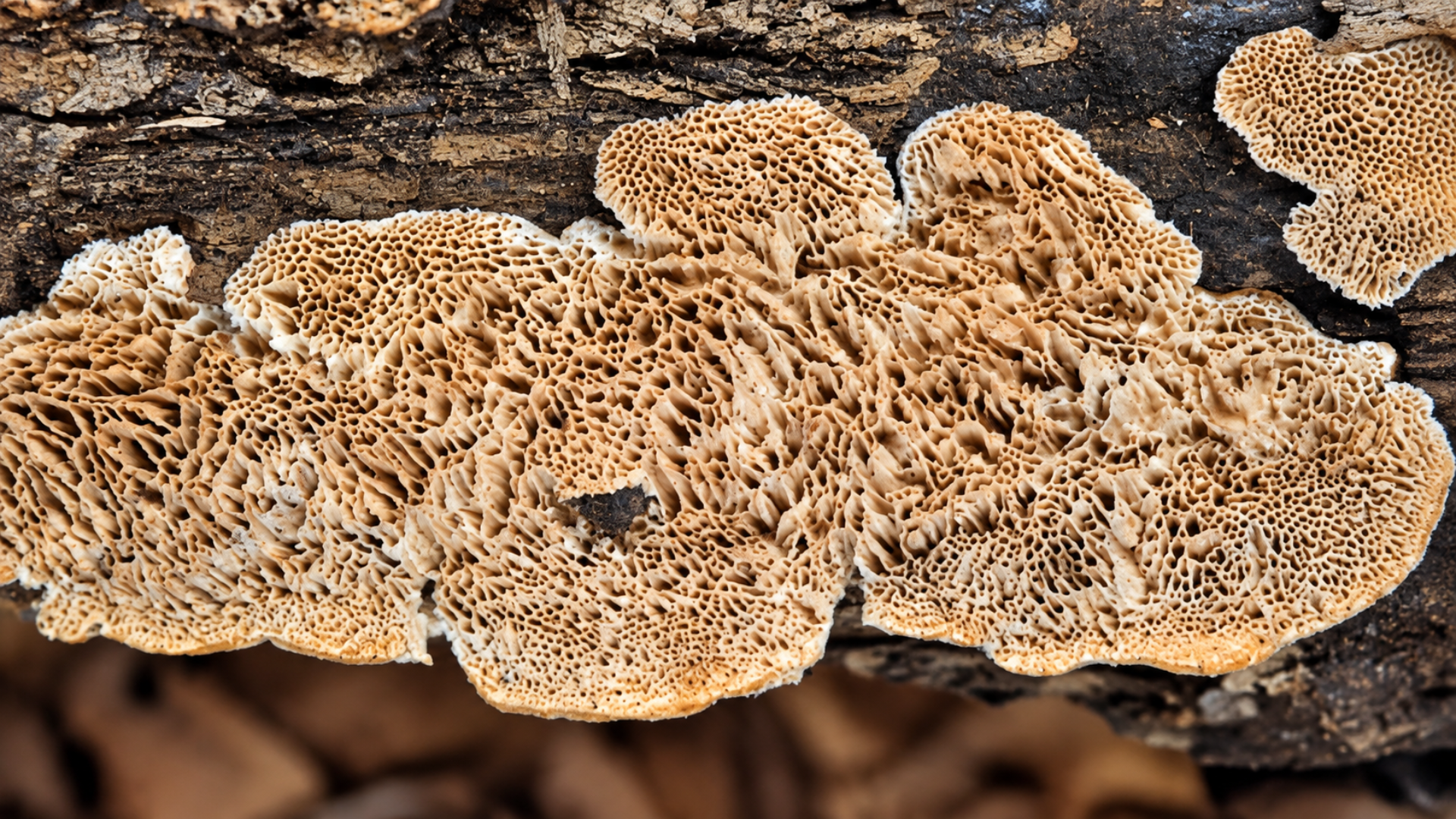
What looks like a single mushroom is really just the visible, reproductive part of a fungus living in the soil, similar to how an apple is only part of a tree. The bulk of the organism, called mycelium, spreads underground as thin threads feeding on decaying material. According to the University of Minnesota Extension, that network releases nutrients like nitrogen as it breaks matter down, feeding the surrounding grass in the process.
Heavy Rain or Overwatering Is Usually What Wakes the Fungus Up
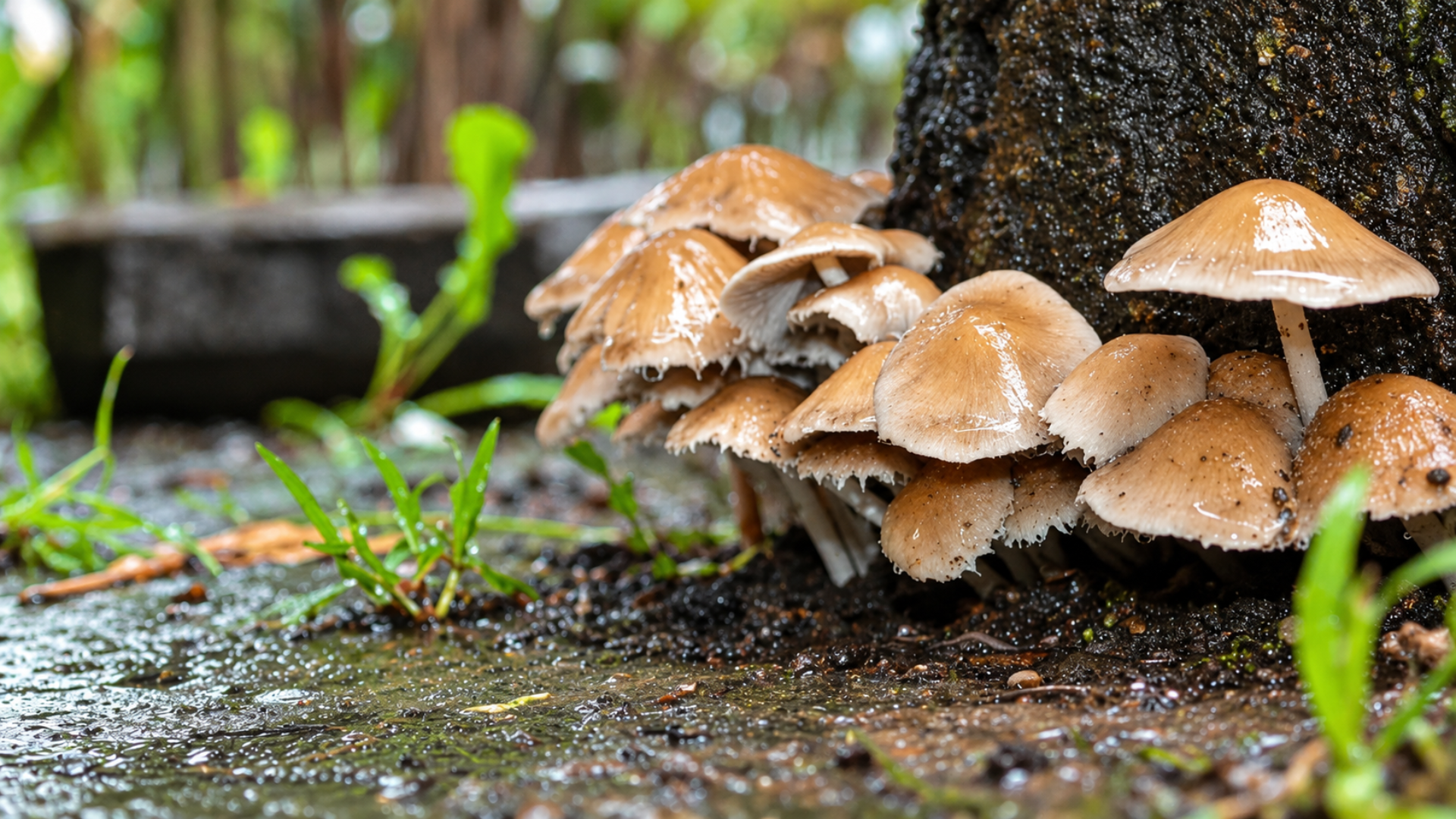
Mushrooms tend to surface in clusters right after a soaking rain or an extended stretch of irrigation, since fungi need consistent moisture to fruit. The fungus itself may have been dormant in the soil for years, waiting for the right combination of warmth and dampness. Once conditions line up, a colony that was invisible for seasons can push mushrooms through the grass within a single humid night.
Buried Wood Left Over From Construction Is a Common Hidden Trigger
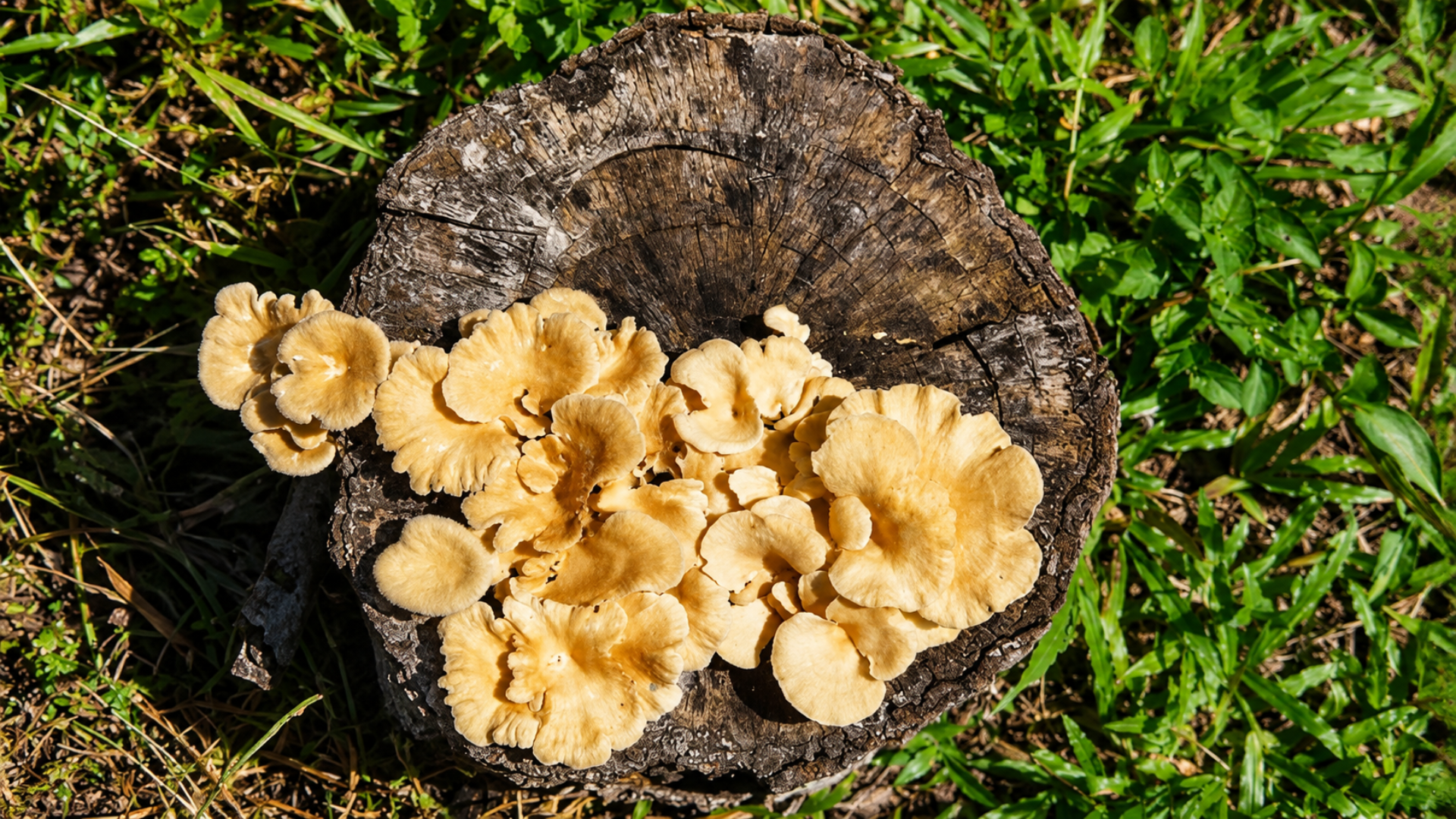
Mushrooms sprouting in a spot with no obvious tree nearby often trace back to scrap lumber, an old root, or a stump buried during construction or landscaping. The fungus feeds on that hidden wood until it’s fully broken down, and mushrooms keep reappearing in that exact patch the whole time. Once the buried material is finally exhausted, the fungus loses its food source and the mushrooms stop coming back on their own.
A Circle of Darker Grass Can Point to a More Serious Root Problem
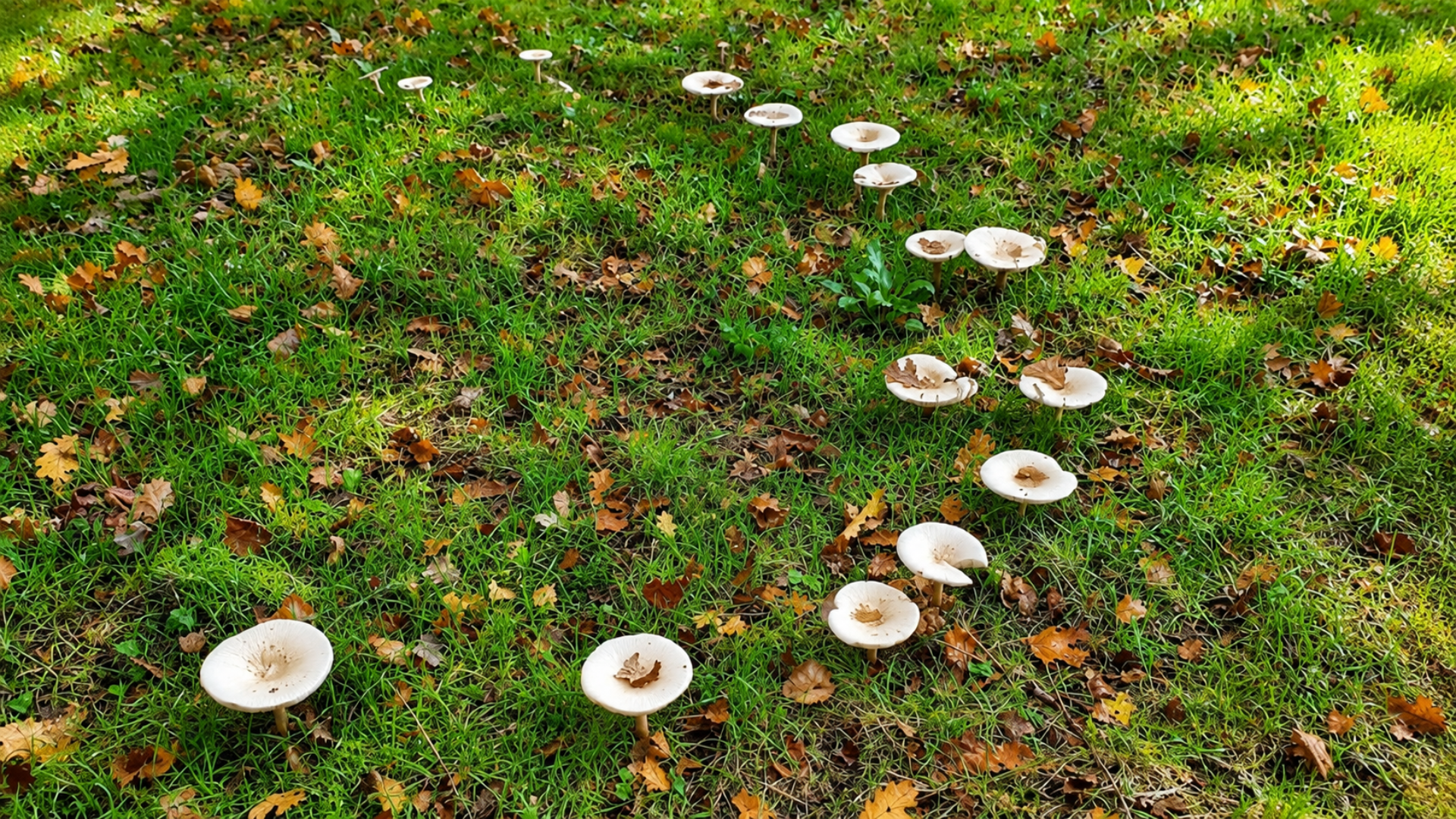
When mushrooms grow in a distinct ring or arc, especially alongside noticeably darker green grass, that pattern usually signals what’s known as a fairy ring, a different situation from scattered mushrooms elsewhere in the yard. In some cases, clusters of honey-colored mushrooms at the base of a tree or shrub point to Armillaria, a root rot fungus capable of damaging or killing the plant it’s attached to over time.
Even a Houseplant’s Soil Can Sprout Its Own Small Mushroom
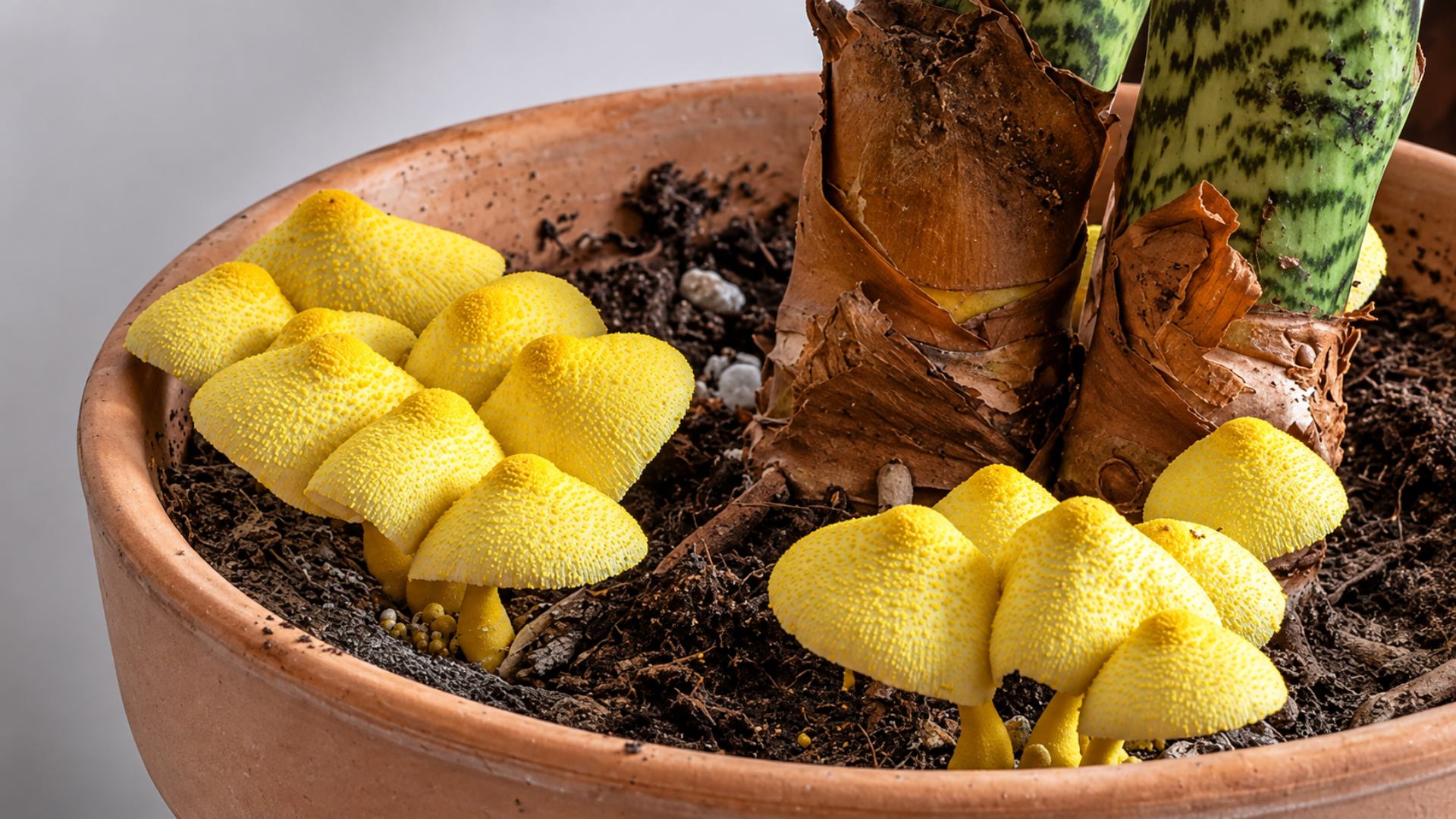
Mushrooms aren’t limited to the yard. A small fungus can also take hold inside a potted plant if the potting mix contains bark or other organic material, which gives it something to feed on. It won’t damage the plant itself, and the mushroom typically comes and goes on its own depending on how much moisture the soil is holding at a given time.
Vets Warn That Any Yard Mushroom Should Be Treated as Suspect Around Dogs
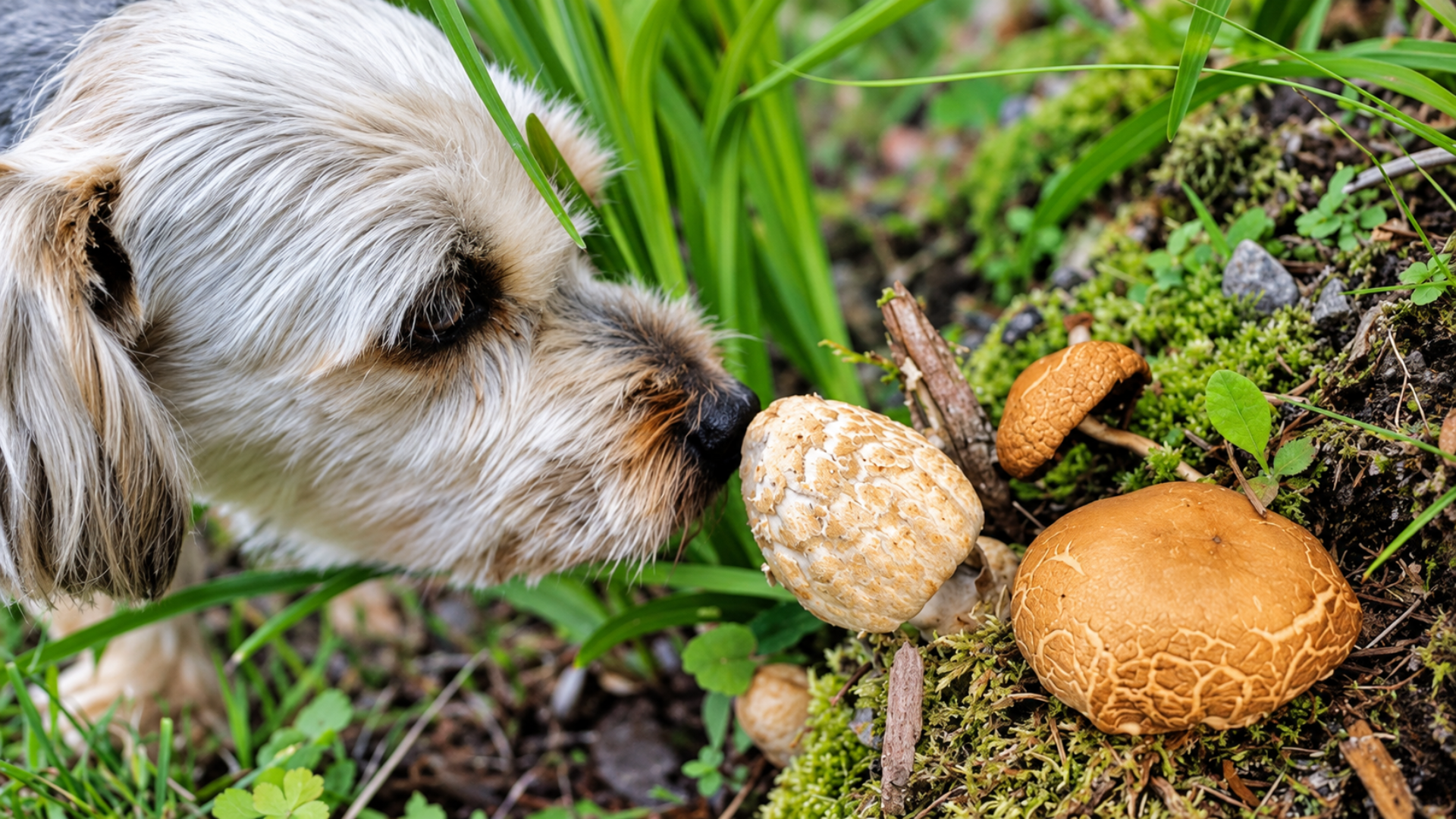
Most lawn mushrooms are harmless to look at, but veterinarians generally advise treating anything growing in the yard as potentially unsafe around pets, since toxic and harmless species can look nearly identical to a non-expert. Dogs in particular tend to investigate mushrooms by smell and taste. Signs of poisoning can include vomiting, drooling, and difficulty walking, and symptoms don’t always appear right away, sometimes taking hours to show up after exposure.
The Same Fungus Making a Mess Is Also Feeding Your Soil
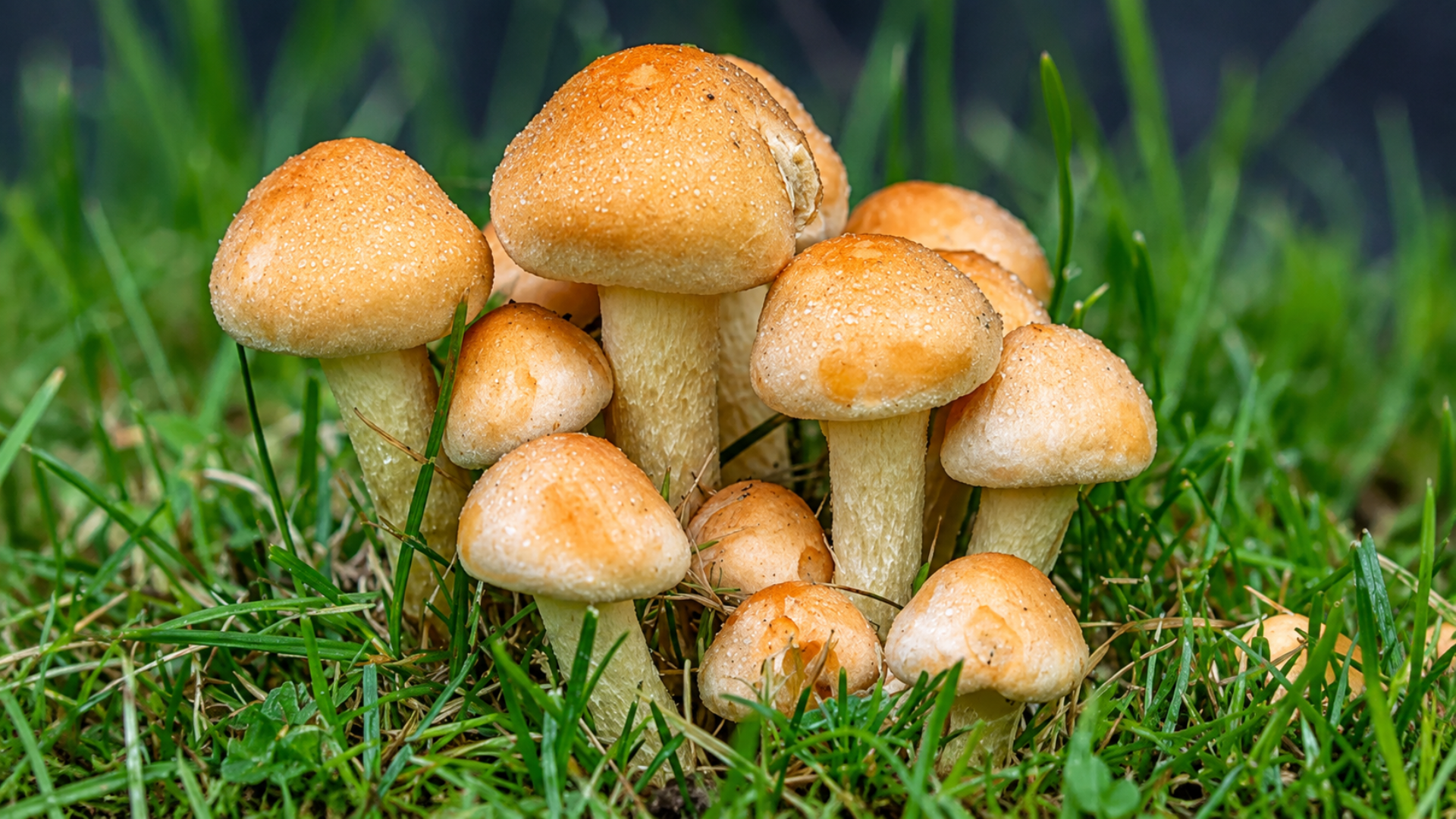
Despite the alarm they can cause, most lawn mushrooms are a sign that the soil underneath is doing exactly what it should. The fungus responsible is actively recycling old roots, thatch, and other organic debris into nutrients the surrounding grass can actually use. In that sense, a mushroom popping up overnight often signals active, healthy soil underneath rather than a problem with the lawn itself.
Raking, Dethatching, and Aeration Are the Only Real Fixes That Work
There’s no spray that reliably kills lawn fungus, since the mushrooms are just the visible symptom of something breaking down deeper in the soil. Knocking mushrooms over with a rake, mowing them down, or removing stumps and buried wood when possible are the most direct ways to manage them in the short term. Dethatching a lawn or aerating in the fall can also help by reducing the excess organic matter fungus feeds on.
Most Lawn Mushrooms Are a Waiting Game, Not an Emergency
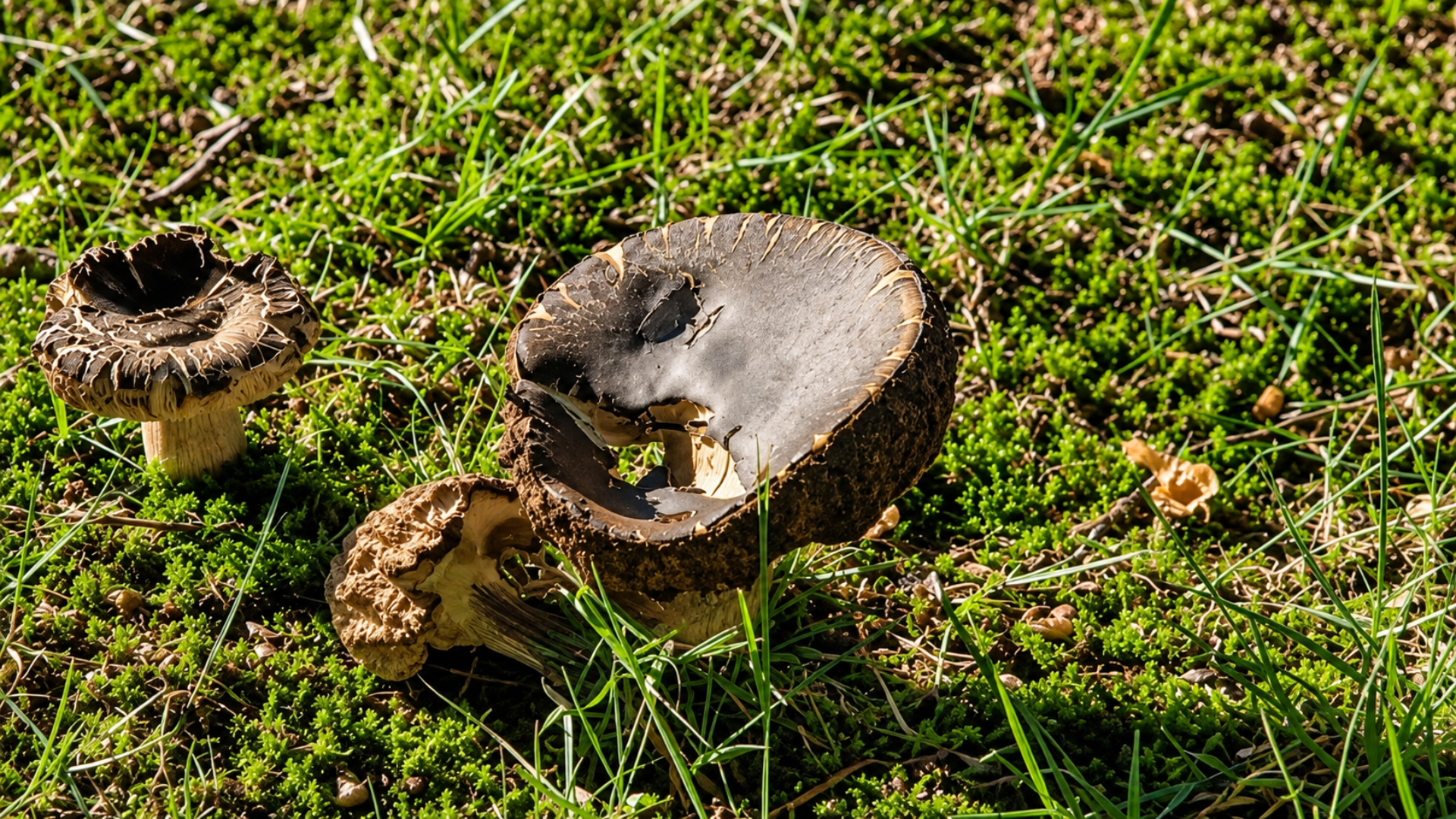
For the overwhelming majority of lawns, mushrooms are a temporary, cosmetic side effect of moisture and decay working exactly as they’re supposed to, and they’ll disappear once conditions dry out or the buried organic matter runs its course. The only real exceptions are fairy rings tied to root rot, and mushrooms within reach of kids or pets, which are worth removing rather than watching. Everything else can simply be left to run its course.