Why Soap and Hand Sanitizer Aren’t Always Interchangeable
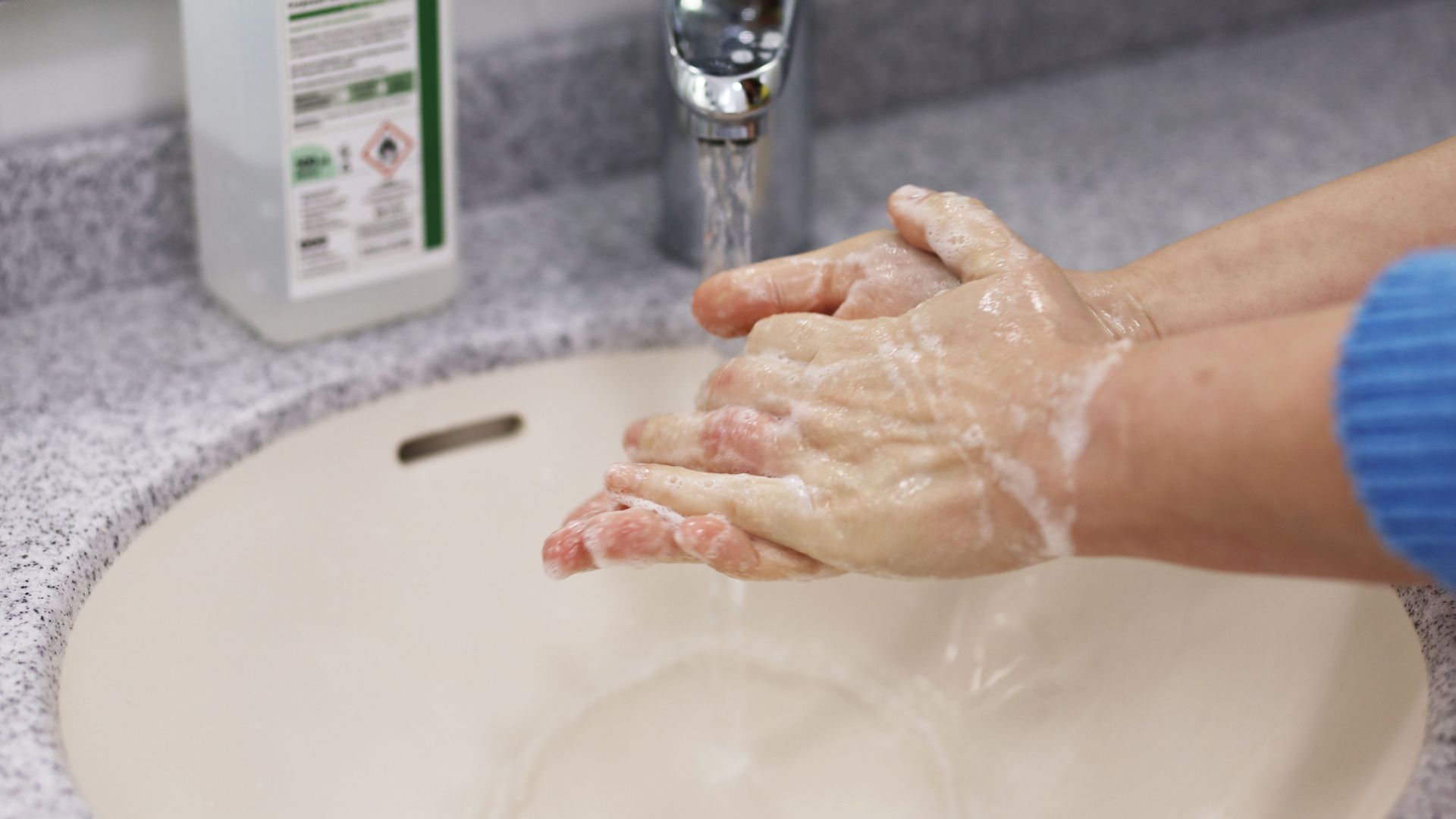

A bottle of hand sanitizer can feel like a portable substitute for the bathroom sink, but the two methods do not always accomplish the same thing. Medical experts say washing with soap and water is generally more effective at preventing disease transmission because the process physically removes dirt, chemicals and germs from the skin. Sanitizer remains useful, but knowing when each method works best can make everyday hand hygiene more effective.
Soap and Water Physically Wash Contaminants Away
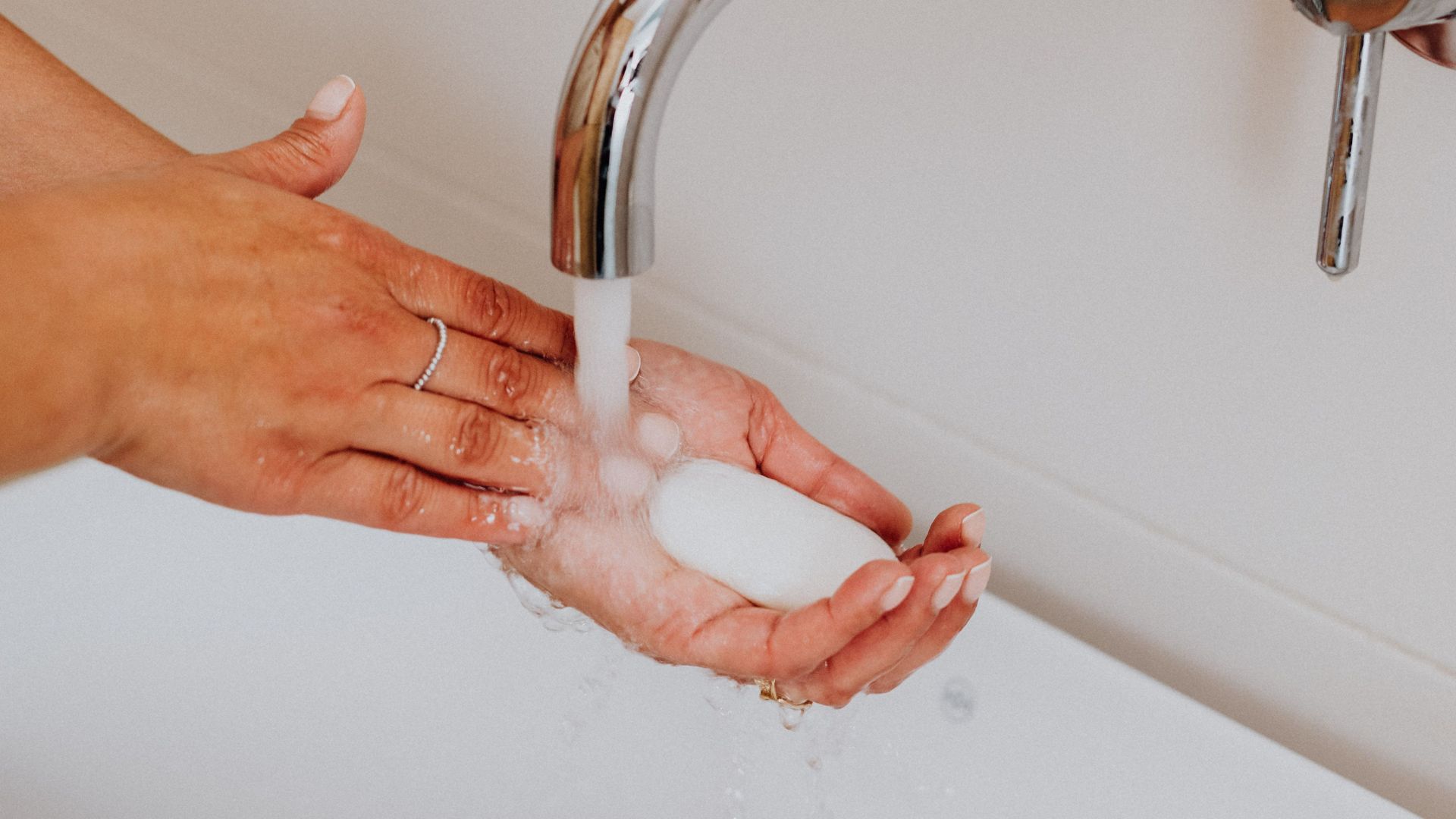
Handwashing involves more than applying a germ fighting ingredient. Wetting, scrubbing, rinsing and drying work together to remove unwanted material from the hands, according to Dr. Robert H. Hopkins Jr., medical director of the National Foundation for Infectious Diseases. Alcohol based sanitizer works differently by damaging structures that many bacteria and viruses need to survive. That distinction helps explain why the two options are not perfectly interchangeable.
Sanitizer Does Not Work Equally Well Against Every Germ
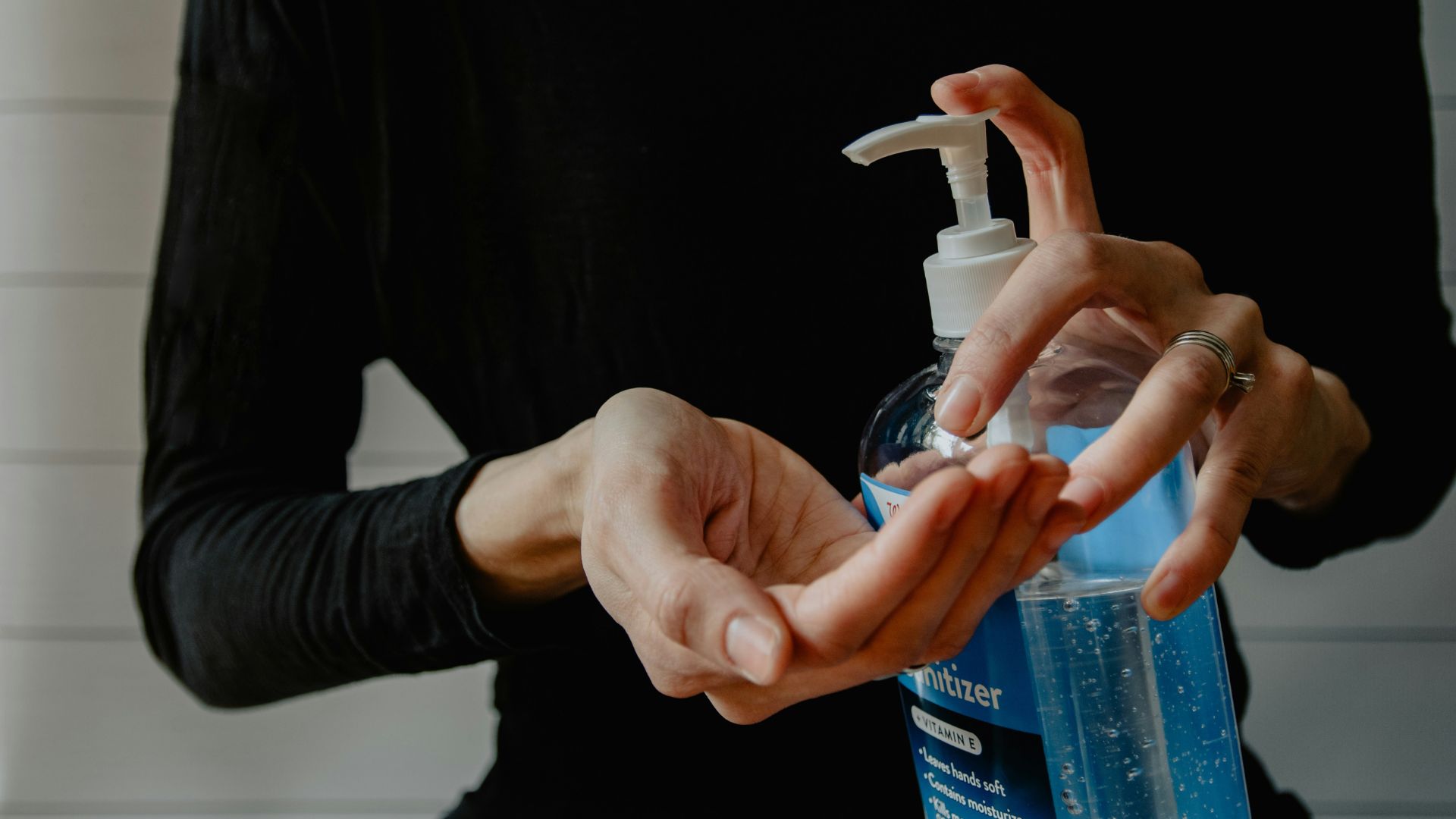
Alcohol based sanitizer can reduce many germs, but it has limitations. Hopkins notes that some organisms, including C. difficile and norovirus, have protective outer coatings that make them less vulnerable to alcohol. That means reaching automatically for sanitizer is not always the best response. If norovirus is circulating at work or at a child’s school, for example, experts recommend washing with soap and water instead.
Visible Dirt Is Your Cue to Find a Sink
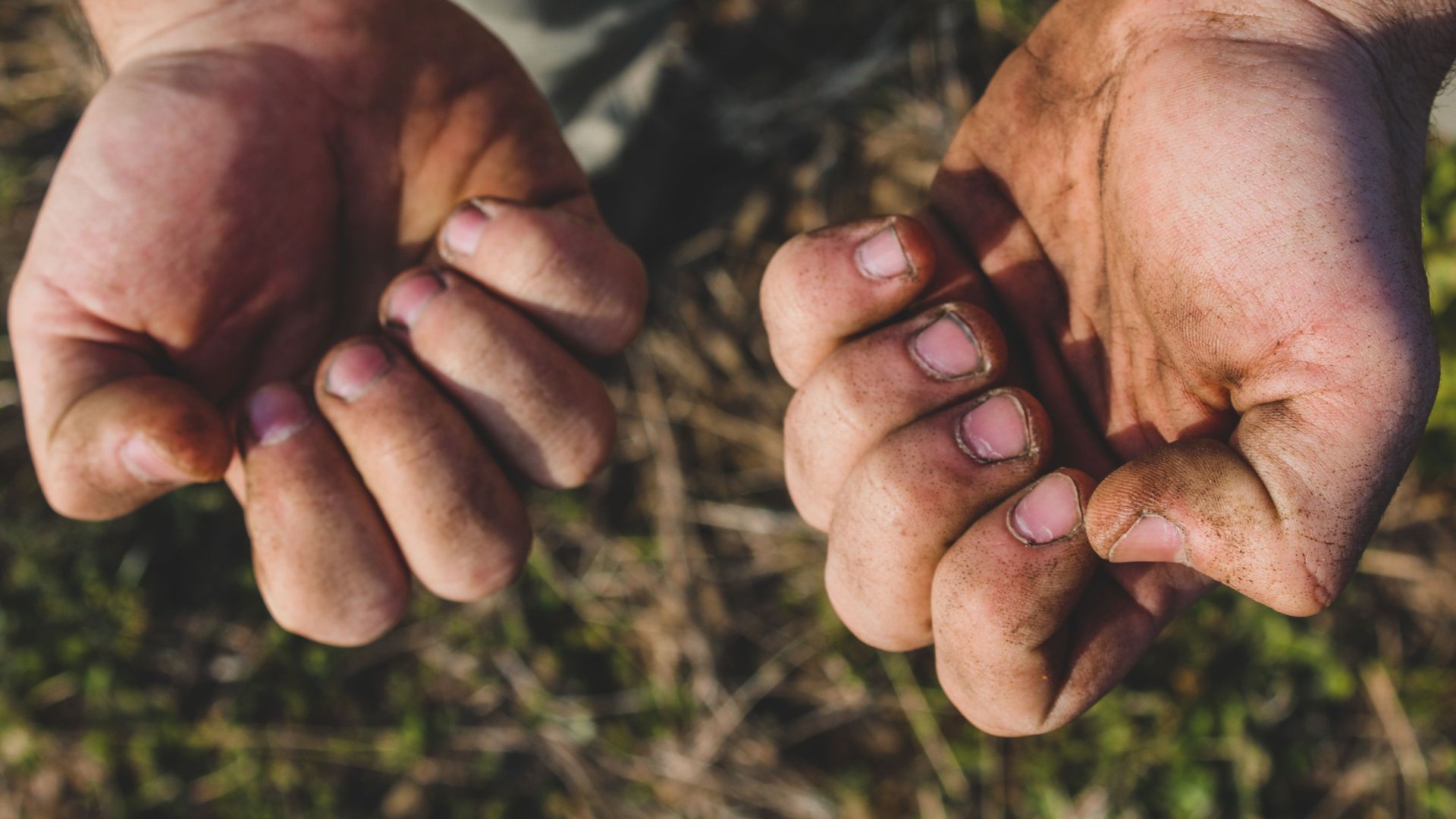
One of the easiest rules to remember is simply to look at your hands. If they are visibly dirty, greasy or contaminated, soap and water should be the first choice. Dr. Bradley Goettl specifically recommends washing after using the bathroom, handling raw meat or changing a diaper, as well as before preparing food. In these situations, physically washing material from the skin offers an advantage that sanitizer alone cannot provide.
Sanitizer Still Has an Important Role
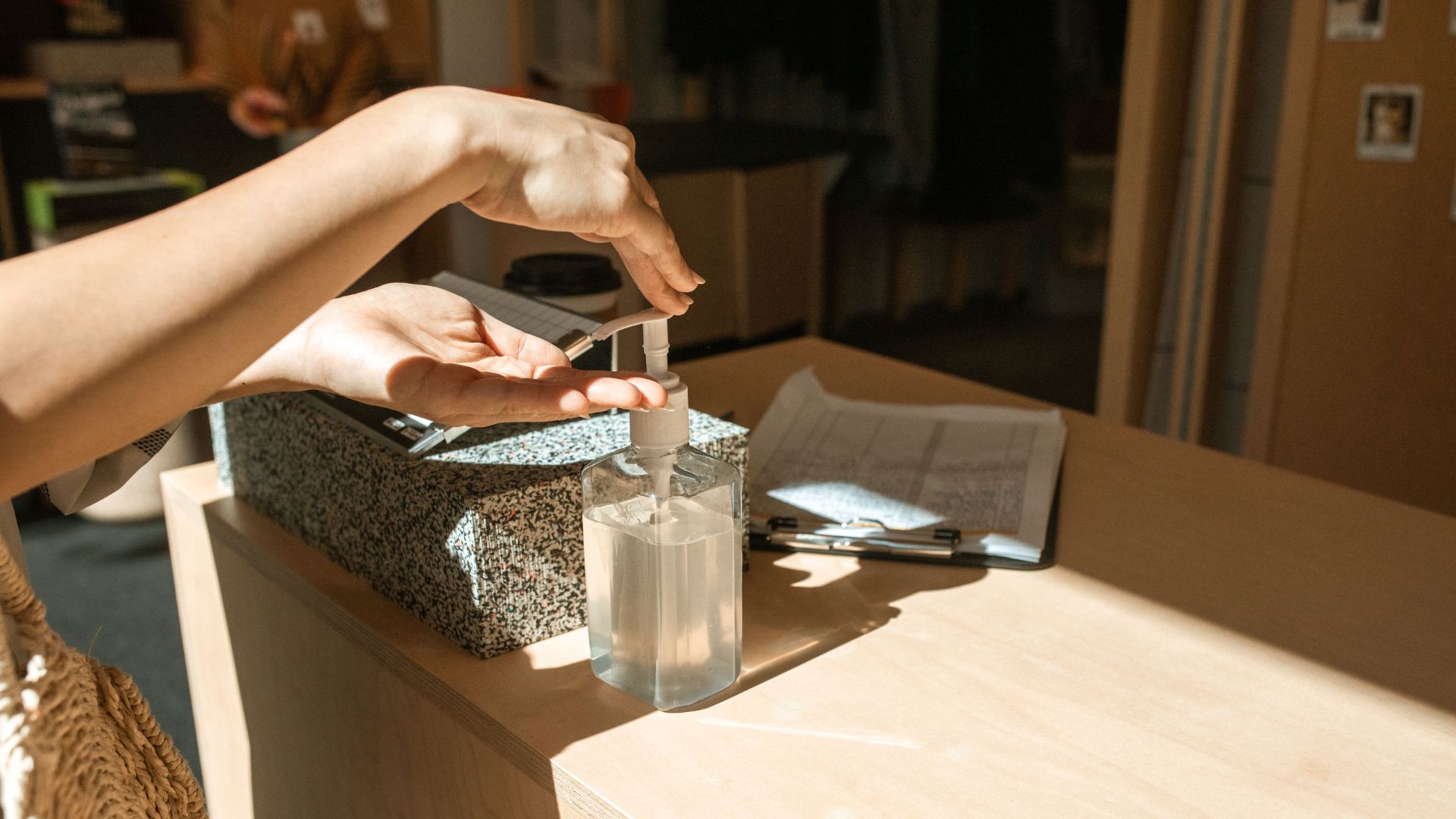
Hand sanitizer becomes especially valuable when a sink is nowhere nearby. Hopkins recommends a product containing at least 60% alcohol when soap and water are unavailable, which aligns with CDC guidance. Goettl points to airports, stores, meetings and public transportation as situations where sanitizer can be practical when hands are not visibly dirty. In other words, sanitizer works best as a convenient alternative rather than a universal replacement.
Rubbing Sanitizer for a Few Seconds Is Not Enough
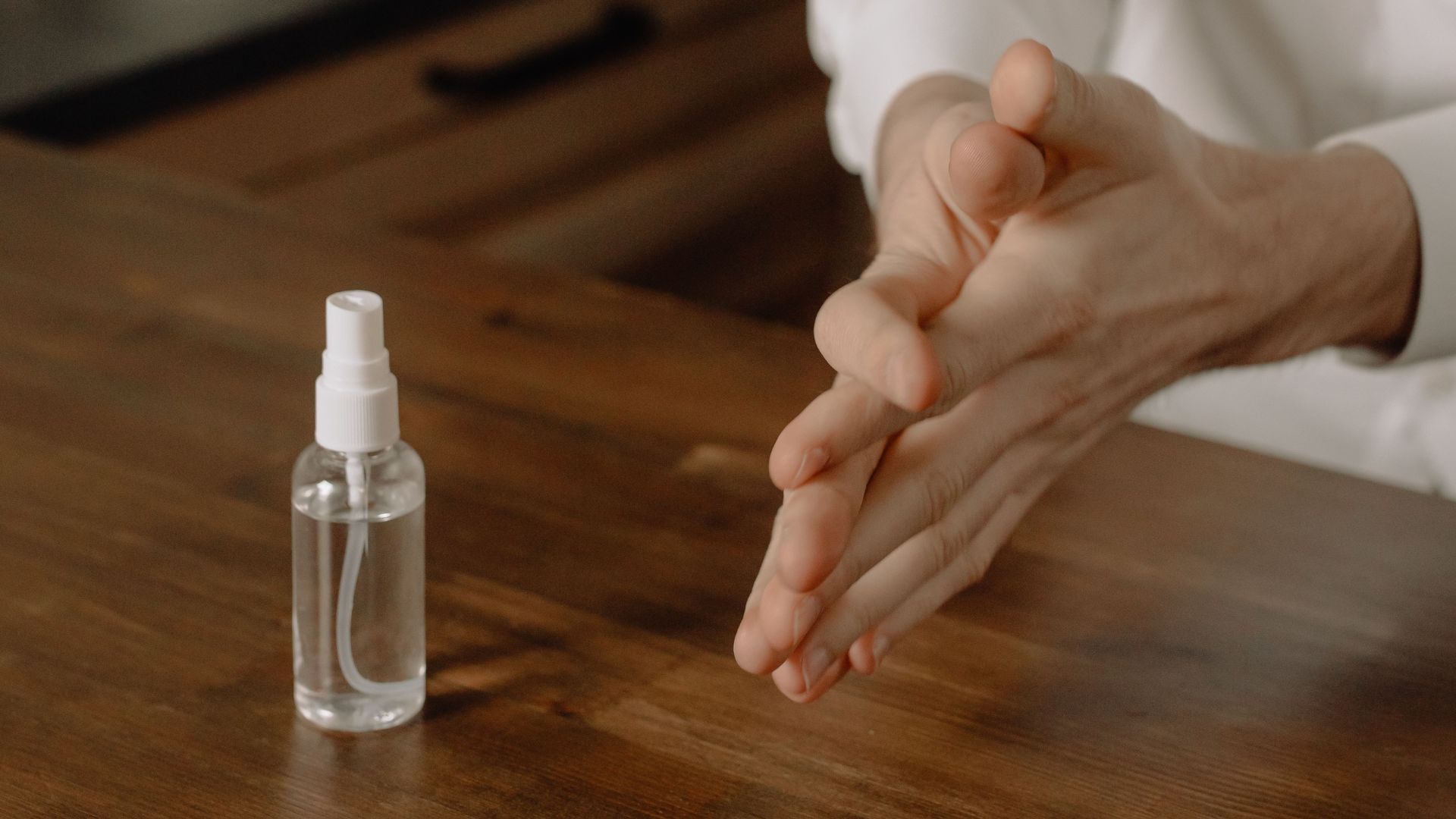
Using sanitizer effectively requires more than a quick squirt and wipe. Hopkins advises applying enough gel or foam to cover both hands, including the fingertips, thumbs and spaces between the fingers. Keep rubbing until the product has dried, which should take roughly 20 to 30 seconds. Wiping excess sanitizer onto clothing before it dries may shorten the contact time and limit how effectively the product can do its job.
Most People Could Improve Their Handwashing Technique
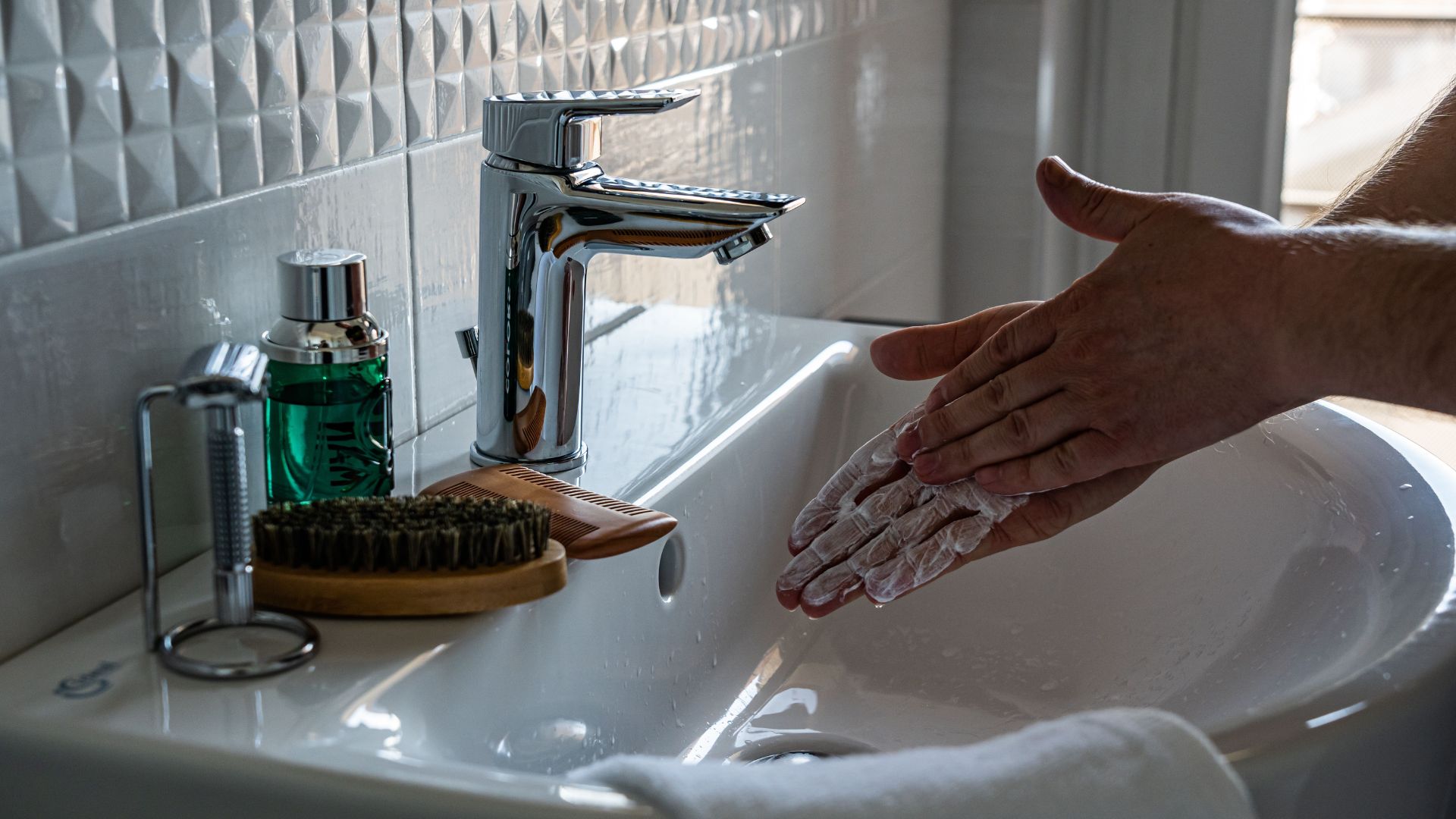
Even choosing soap and water does not guarantee a thorough wash. Goettl says people commonly rush through the process and concentrate on their palms while overlooking their thumbs, fingertips, fingernails, backs of the hands and spaces between the fingers. Experts recommend scrubbing all areas for at least 20 seconds. The water temperature matters less than many people assume, so cold or warm water can be chosen according to comfort.
Plain Soap Is Usually All You Need
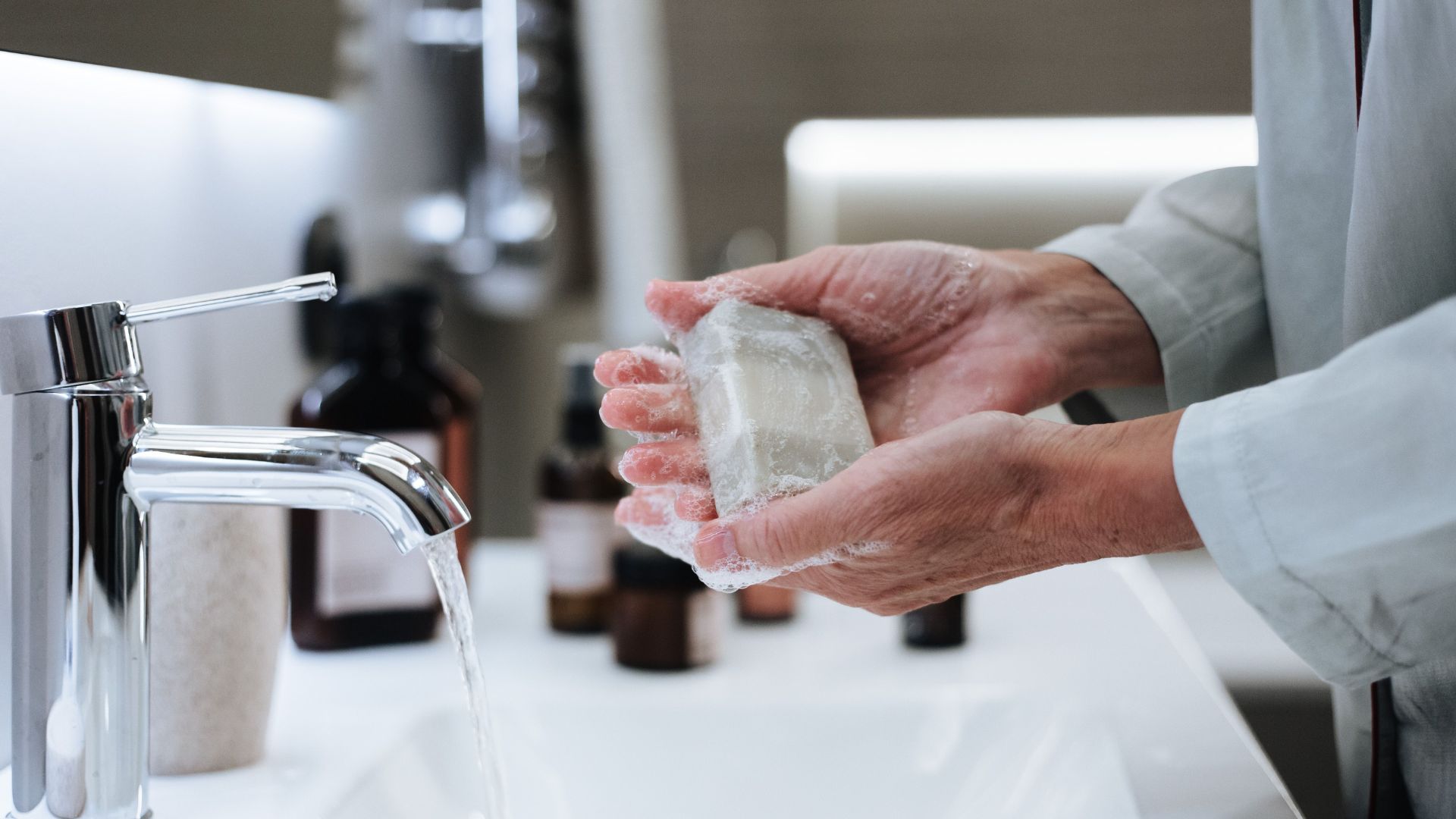
The soap aisle can make effective handwashing seem more complicated than it is. Goettl says plain soap works for routine handwashing, whether it comes in liquid or bar form, and an antibacterial label is not necessary. Frequent use of alcohol based sanitizer can also irritate some people’s skin. Products containing moisturizers may be more comfortable, while those with sensitive skin may prefer to avoid heavily fragranced options.
Drying Your Hands Is Part of the Routine
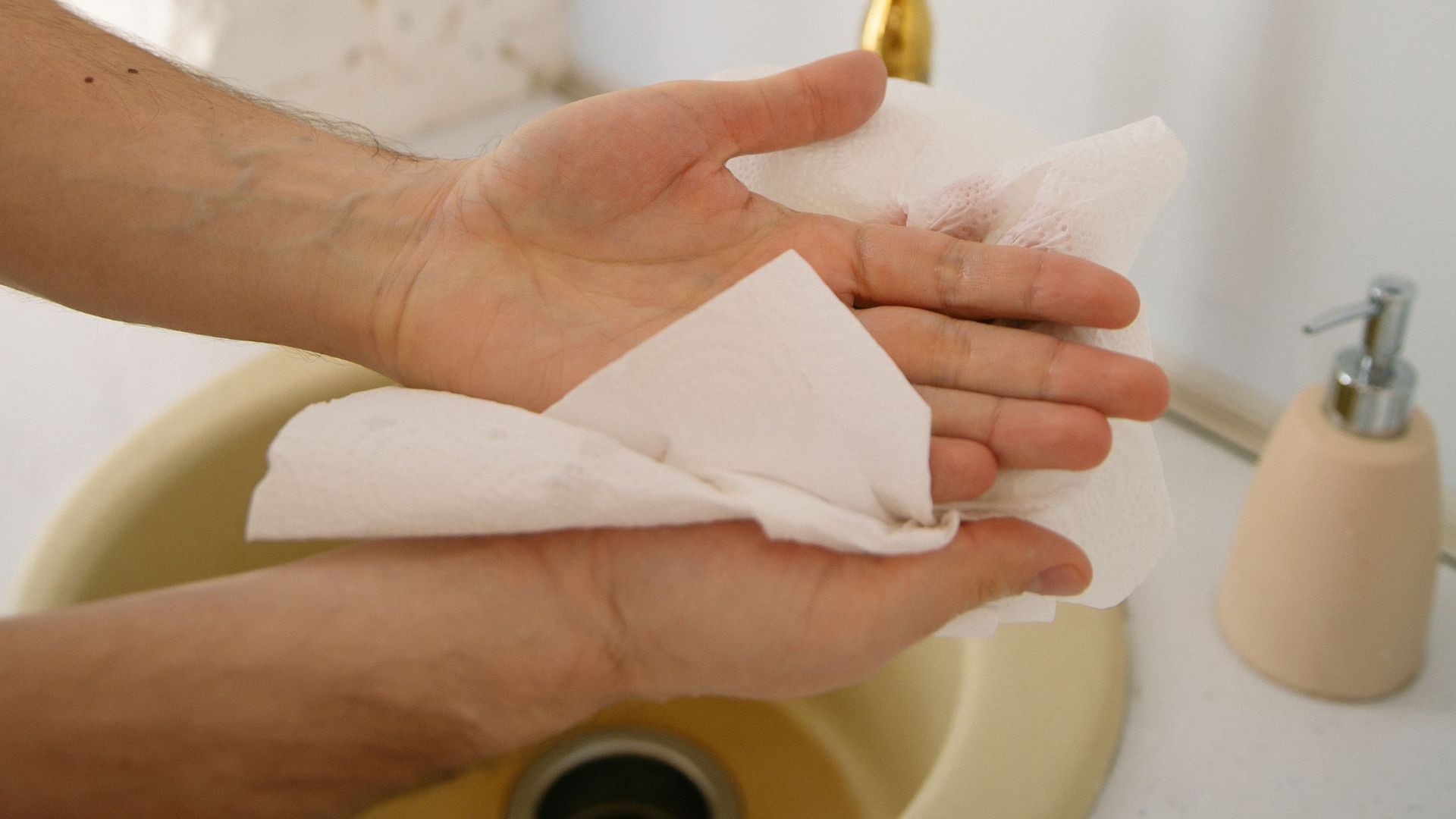
A clean hand towel is perfectly acceptable for drying freshly washed hands, according to Goettl. The important part is keeping that towel clean and dry, with replacement recommended every two or three days in most homes, or sooner if it becomes damp, dirty or heavily used. When away from home, Hopkins recommends paper towels over forced air dryers when they are available.
The Best Choice Depends on the Situation
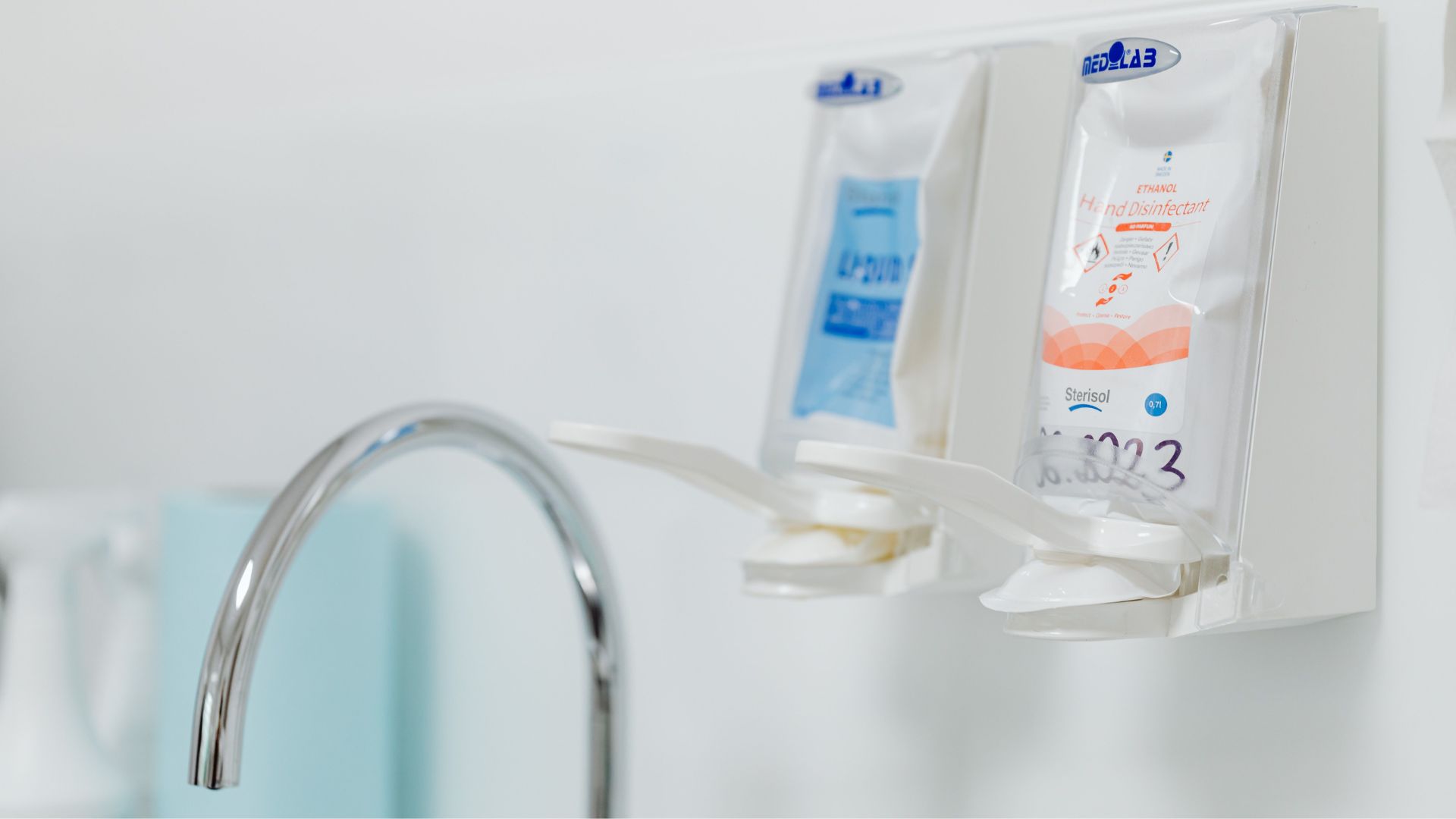
Soap and sanitizer are both useful, but they solve slightly different problems. When hands are dirty, after certain everyday activities or when germs such as norovirus are a concern, washing thoroughly with soap and water is the stronger choice. Alcohol based sanitizer containing at least 60% alcohol provides a practical alternative when a sink is unavailable and hands are not visibly dirty. Knowing the difference makes it easier to choose the right tool at the right moment.