8 School Lunch Foods From the ’50s That Probably Wouldn’t Make the Menu Today
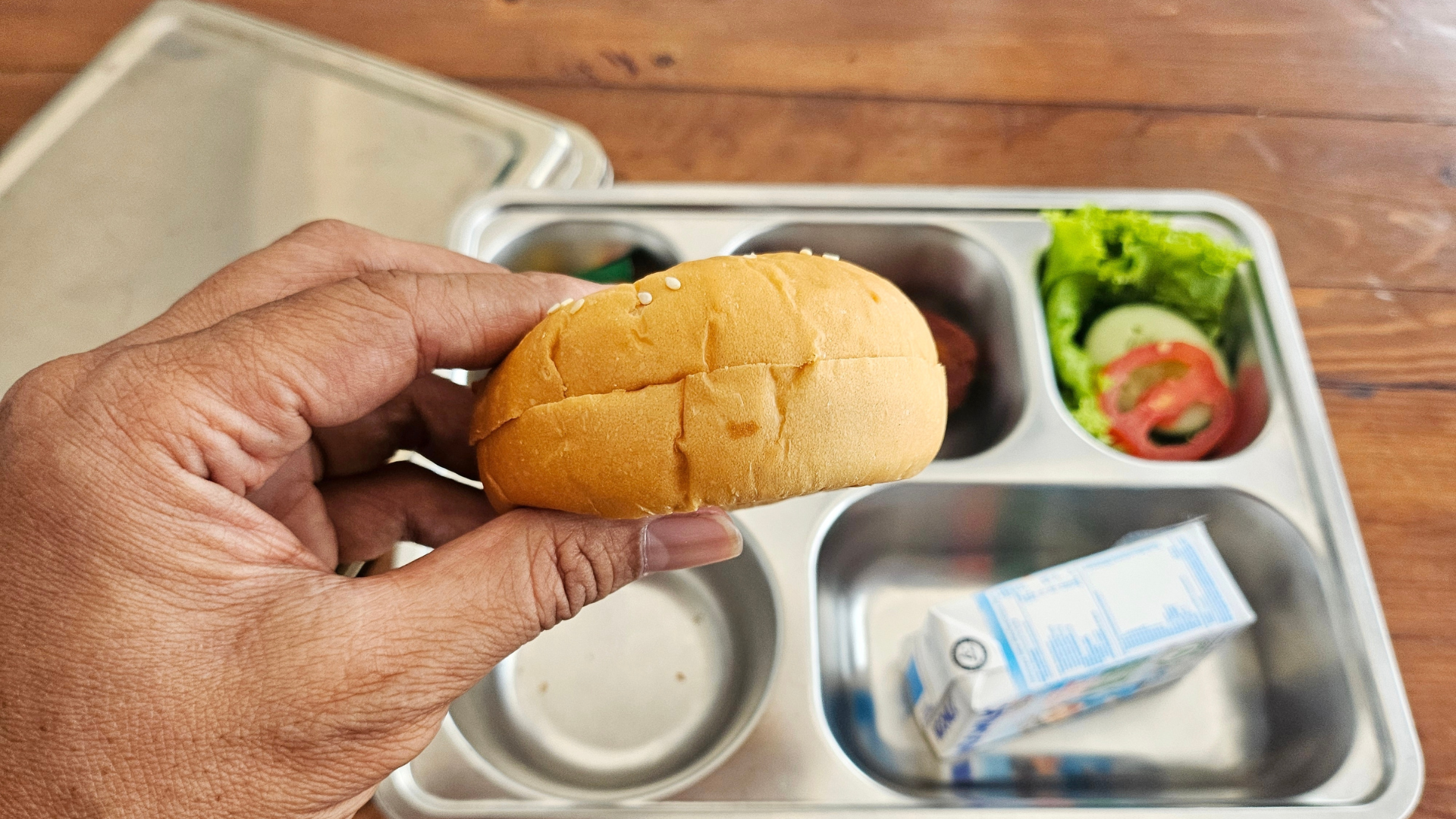

School lunch looked very different in the 1950s, when cafeterias were feeding large numbers of children on limited budgets and shelf-stable convenience foods were becoming increasingly common. Salty processed meats, fried entrées, refined white bread, canned foods, and sugary desserts could all find their way onto lunch trays. Many of these foods are not literally banned from schools today, but the classic versions could be difficult to fit into modern meal standards emphasizing whole grains and limits on sodium, saturated fat, and added sugars.
Fried Chicken With Cream Gravy Was a Heavy Cafeteria Favorite
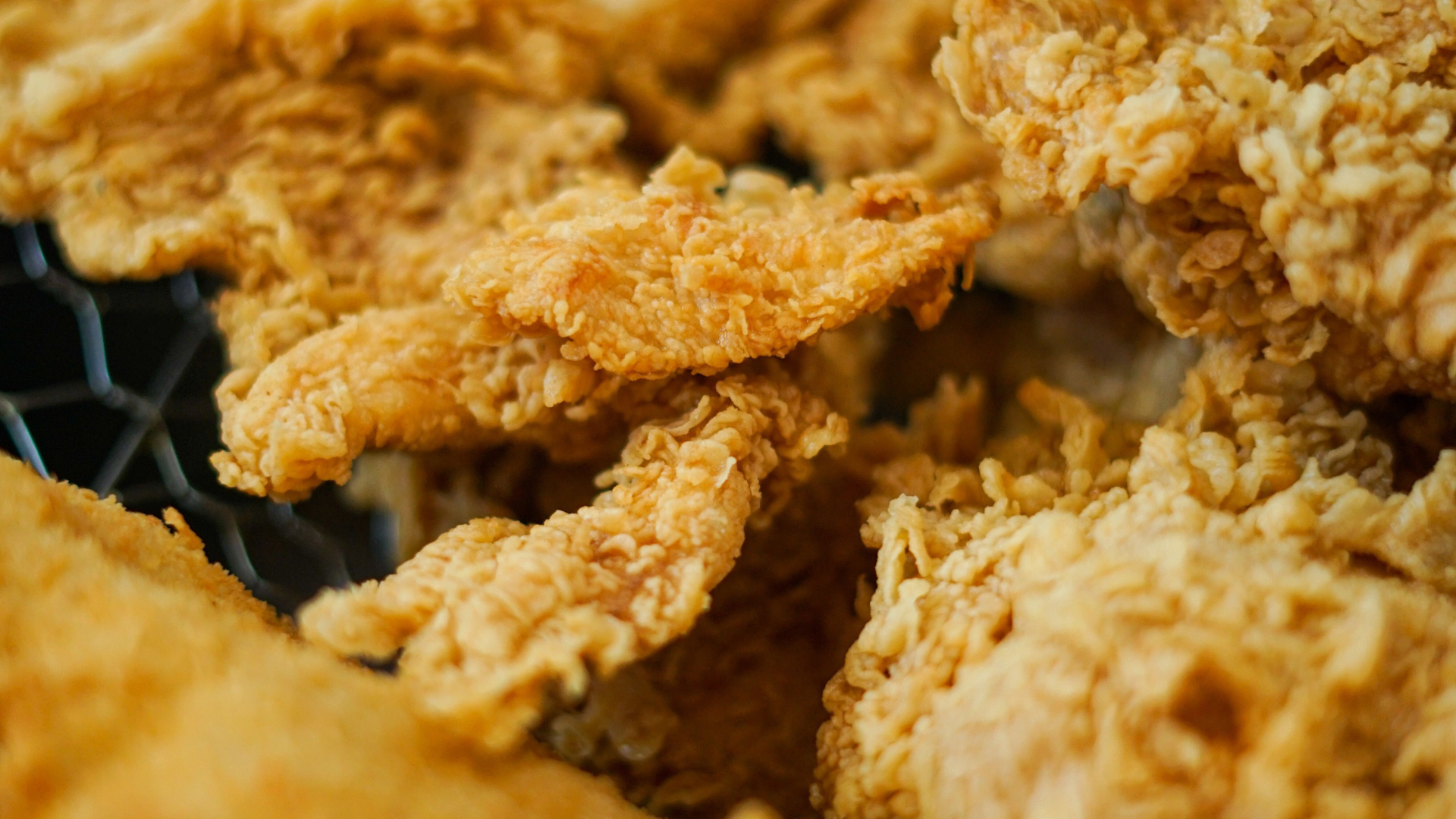
Fried chicken served with rich cream gravy delivered the kind of filling comfort food that worked well in midcentury cafeterias, particularly when accompanied by mashed potatoes and vegetables. Prepared the old-fashioned way, however, the combination could contribute considerable saturated fat and sodium to a single meal. A school could still serve chicken today, but the heavily fried, gravy-covered version would likely need substantial changes to fit comfortably within current nutrition requirements.
Creamed Chipped Beef Piled Salt Onto White Toast
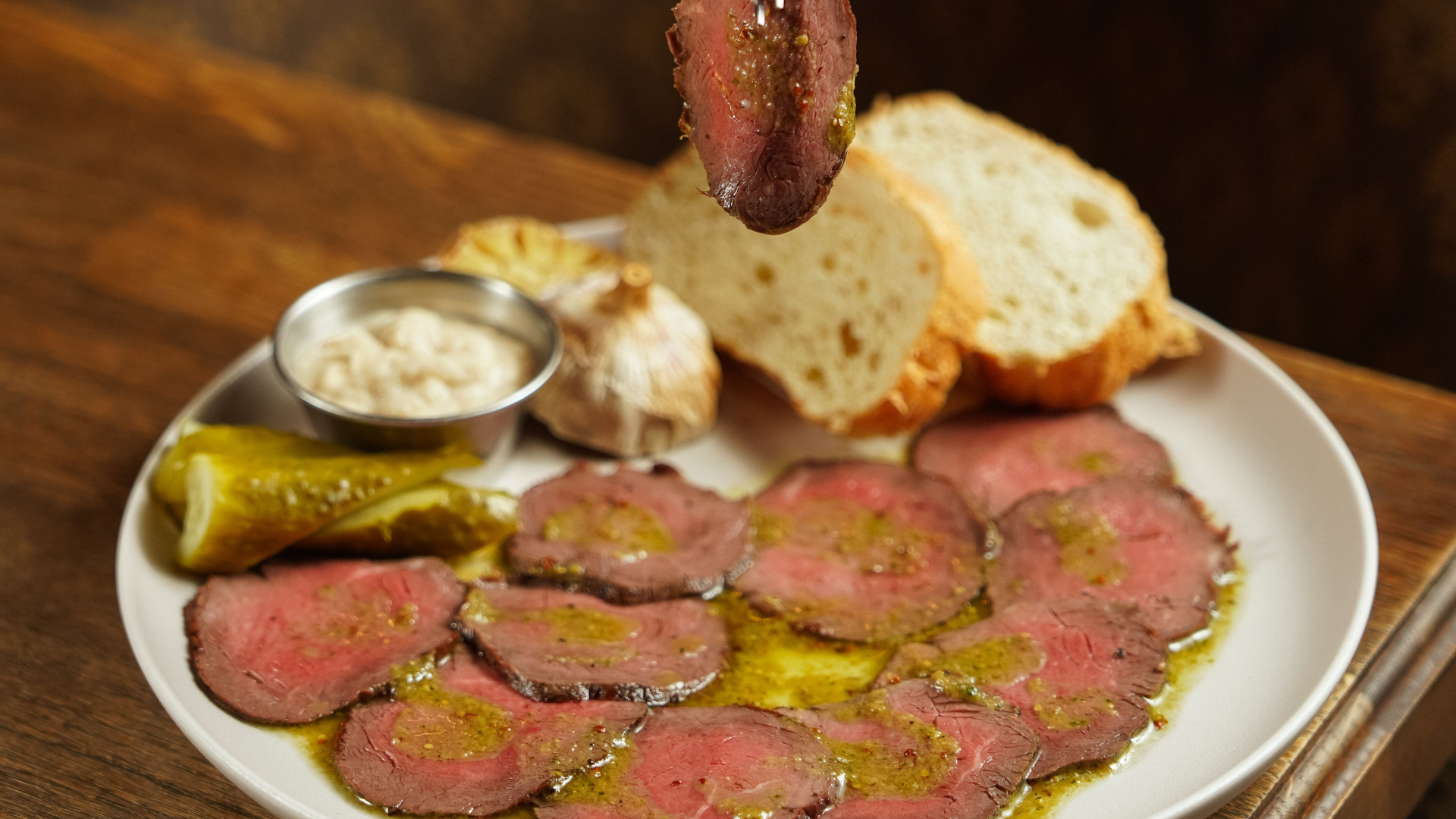
Creamed chipped beef on toast was inexpensive, filling, and practical for feeding a crowd, with strips of dried beef stirred into a creamy white sauce and served over bread. Historical school-lunch recipe collections show creamed chipped beef among the meat dishes prepared for students, demonstrating how established this type of meal once was. The combination of salty cured beef, rich sauce, and refined white bread would be a tougher fit today without reducing sodium, lightening the sauce, and switching to whole grain-rich bread.
Bologna and American Cheese Were an Easy Sandwich Combination

Bologna and American cheese on soft white bread provided cafeterias and families with an inexpensive meal that required little preparation and was easy for children to eat. The drawback is that processed meats and cheeses can quickly add sodium and saturated fat, while traditional white bread contributes less fiber than whole grain alternatives. A modern cafeteria version would likely look quite different, using whole grain-rich bread and carefully selected fillings to keep the overall meal within nutrition standards.
Liver and Onions Once Had a Place on the Lunch Tray
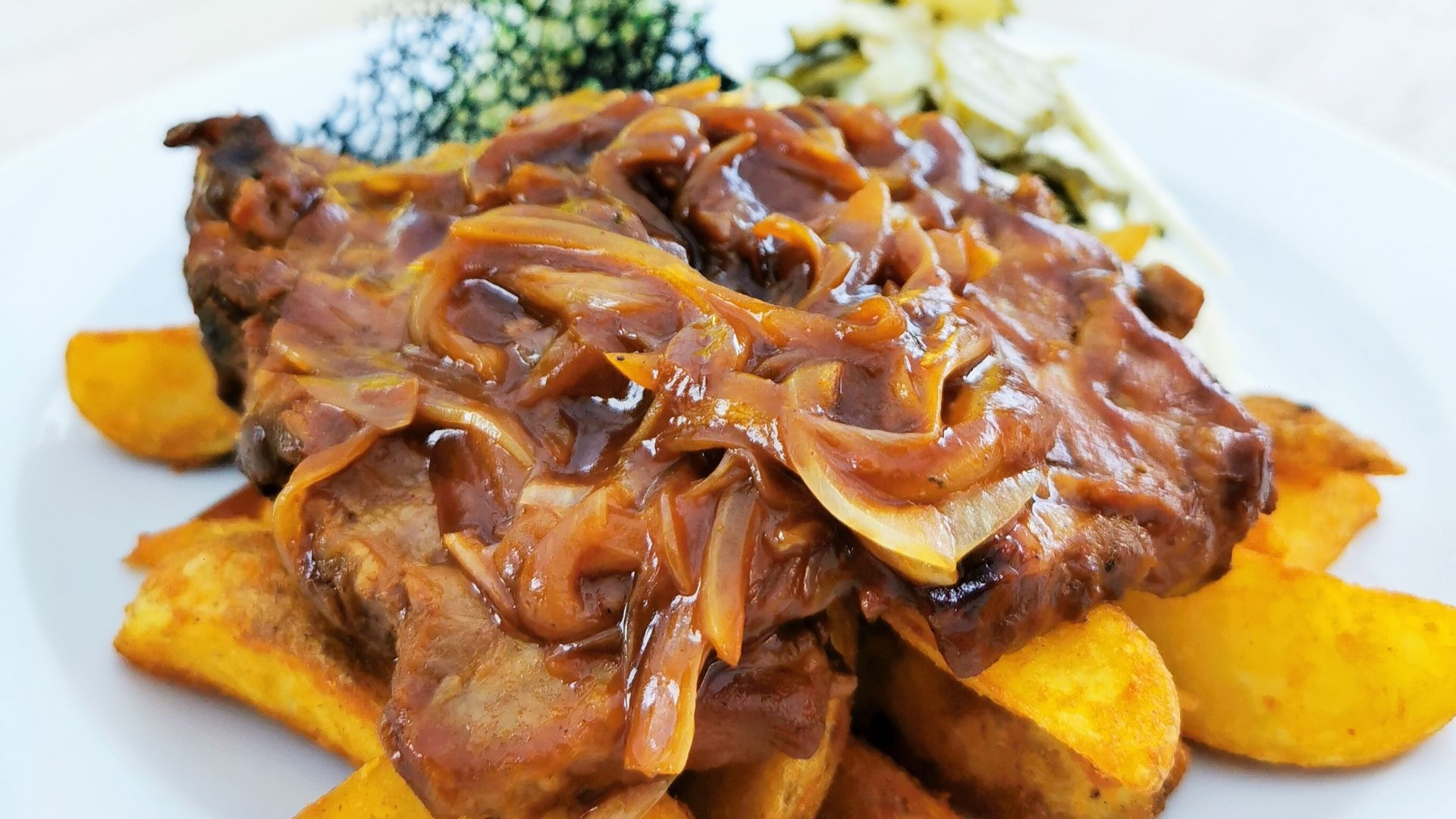
Liver and onions may sound like an unlikely school lunch to many children today, but liver-based dishes appeared in historical institutional lunch recipes and were valued as inexpensive, nutrient-dense meals. The liver itself is not prohibited in modern schools, so this is more about how the old meal was prepared, often with cooking fats, gravy, and salty accompaniments. A lighter version could technically work today, but the traditional cafeteria preparation would require some reconsideration.
Canned Luncheon Meat Made Feeding a Crowd Easy

Canned luncheon meats were particularly useful during an era when convenience, affordability, and long shelf life were major advantages for institutional kitchens. They could be stored easily, sliced quickly, and turned into sandwiches or hot entrées without complicated preparation. The problem for today’s school menus is that many traditional versions are high in sodium and saturated fat, making the classic serving harder to balance within weekly nutrition limits without smaller portions or lower-sodium alternatives.
Hot Dogs and Sweet Baked Beans Could Add Up Quickly

A hot dog accompanied by baked beans offered cafeterias a predictable meal made from inexpensive ingredients that could be purchased and prepared in large quantities. But traditional hot dogs can contain substantial sodium and saturated fat, while canned baked beans may contain significant amounts of added sugar and sodium depending on the recipe. Modern schools would have to pay closer attention to the specific products, portions, and accompanying foods rather than serving the old combination without modification.
French Fries Were Once Cooked Differently
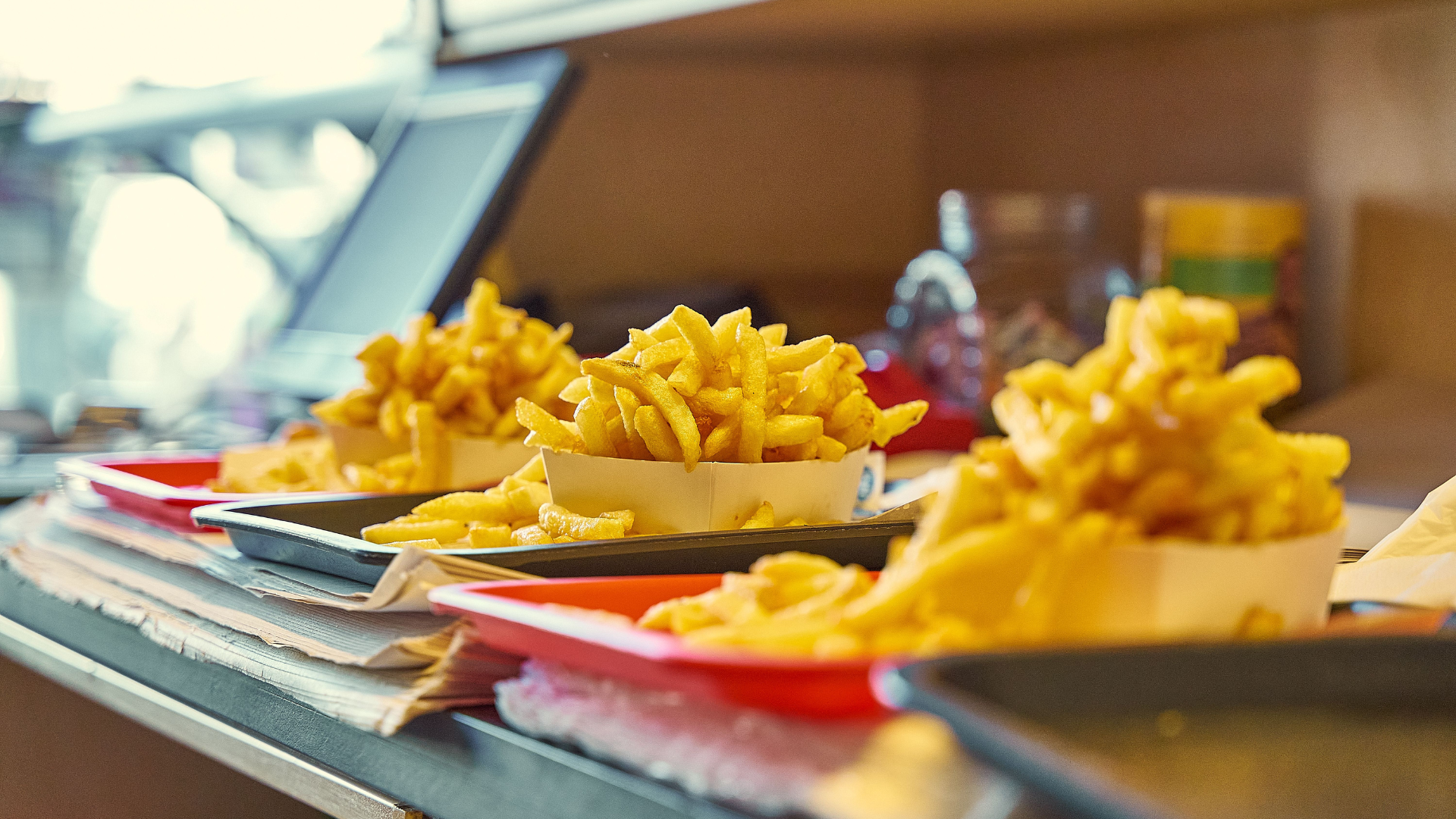
French fries have certainly not disappeared from American cafeterias, but the way they were traditionally prepared has changed considerably. Midcentury kitchens often relied on solid shortenings for frying, and partially hydrogenated oils later became common because they were inexpensive and performed well at high temperatures. Those oils were a major source of artificial trans fats, and the FDA eventually removed partially hydrogenated oils from the list of ingredients generally recognized as safe, meaning an old-school fryer preparation using them would no longer be acceptable.
Fruit Cocktail in Heavy Syrup Turned Fruit Into Something Much Sweeter

Canned fruit cocktail was convenient, colorful, shelf-stable, and available throughout the year, making it an easy way for cafeterias to put fruit on students’ trays. The old-fashioned heavy-syrup version, however, could add considerable sweetness compared with fruit packed in water or juice. Modern school nutrition standards are increasingly focused on reducing added sugars, so cafeterias can still serve canned fruit, but options without heavy sugary syrup make much more sense under today’s guidelines.
Today’s Lunch Trays Reflect a Very Different Set of Standards
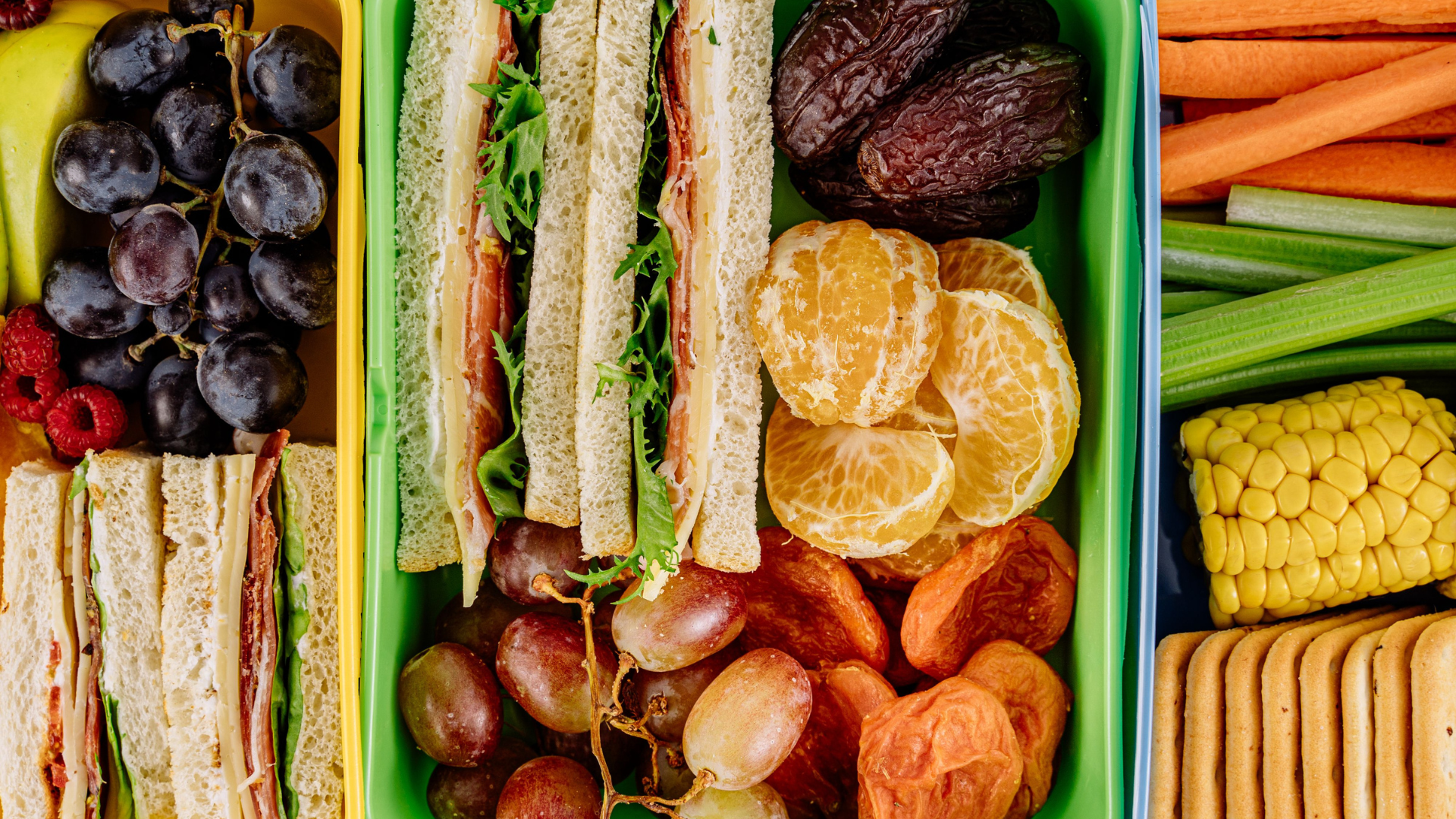
Looking back at these nine foods shows how much school nutrition has changed, but it is important not to confuse changing standards with outright bans. Fried chicken, sandwiches, hot dogs, canned fruit, and even desserts can still appear in schools when their ingredients and portions fit nutritional requirements. What would have trouble surviving today is the classic 1950s combination of salty processed meats, refined grains, heavy frying, rich sauces, and sugary sides all appearing together on the same cafeteria tray.