Are Thrift Store Prices Getting Too High? Why Donors Are Rethinking Goodwill

Published September 24, 2026
The thrill of thrift hunting is losing its spark as skyrocketing price tags at major secondhand chains turn budget shoppers away and leave generous donors scratching their heads. What used to be a reliable treasure trove for dirt-cheap denim and cozy sweaters now feels uncomfortably close to retail pricing, causing a wave of donor backlash for legacy operations like Goodwill.
Sticker Shock on Secondhand Shelves

Shoppers regularly stumble across scuffed sneakers and pre-loved jackets tagged at prices that rival—or even beat—brand-new clothes on discount racks. That jarring sticker shock is forcing longtime donors to take a step back and wonder if their free contributions are actually helping people in need.
The Side-Hustle Reseller Boom
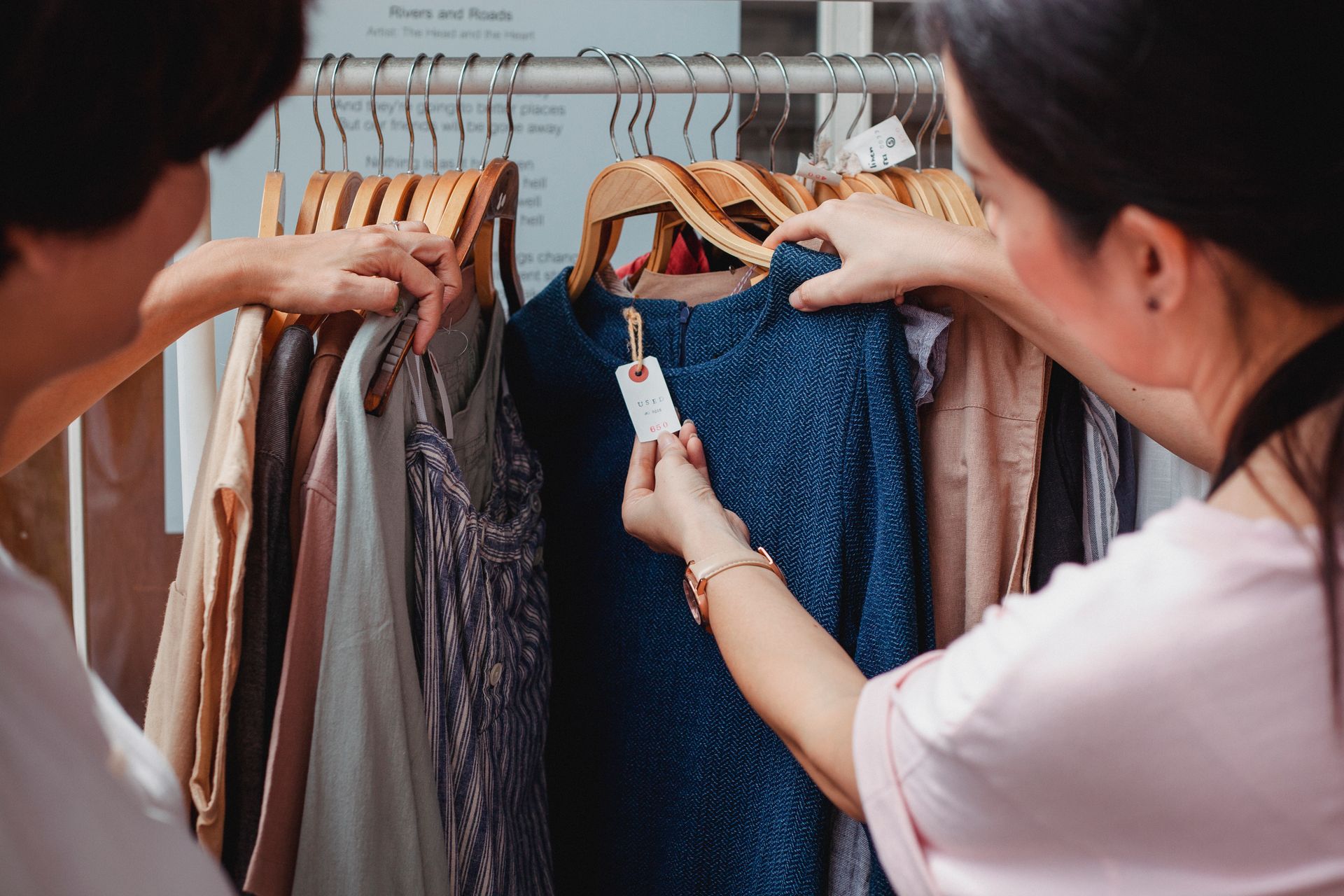
Blame part of the price hike on the explosion of side-hustle culture, where online resellers scour racks for vintage gems to flip on apps like Depop and Poshmark. Sensing an opportunity to capture that lost cash, major thrift corporations started using market-aware dynamic pricing to tag valuable items before resellers could cash in.
Drowning in Low-Quality Fast Fashion
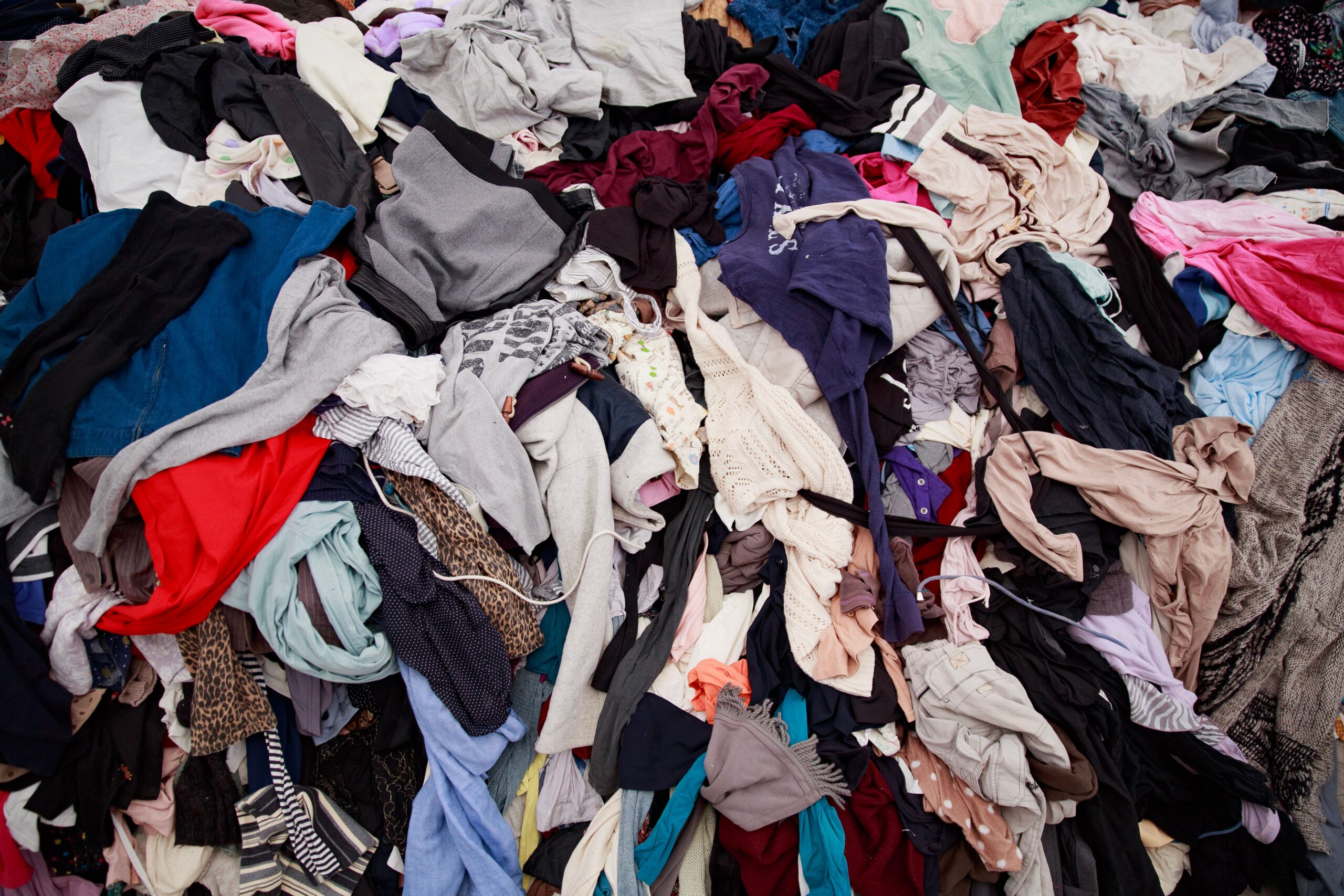
Making matters worse, thrift store backrooms are getting completely buried under mountain loads of cheap, flimsy fast-fashion garments from global web retailers. Because these low-quality clothes have almost no resale value, stores are forced to bump up prices on higher-quality donations just to cover their sorting and processing bills.
Where the Money Actually Goes
To be fair to the non-profit titans, running massive retail networks isn’t cheap, and those store profits serve a genuine purpose. Organizations like Goodwill redirect their retail revenues into funding vital career training, job placement programs, and community assistance for millions of people every year.
Squeezed by Soaring Operational Costs
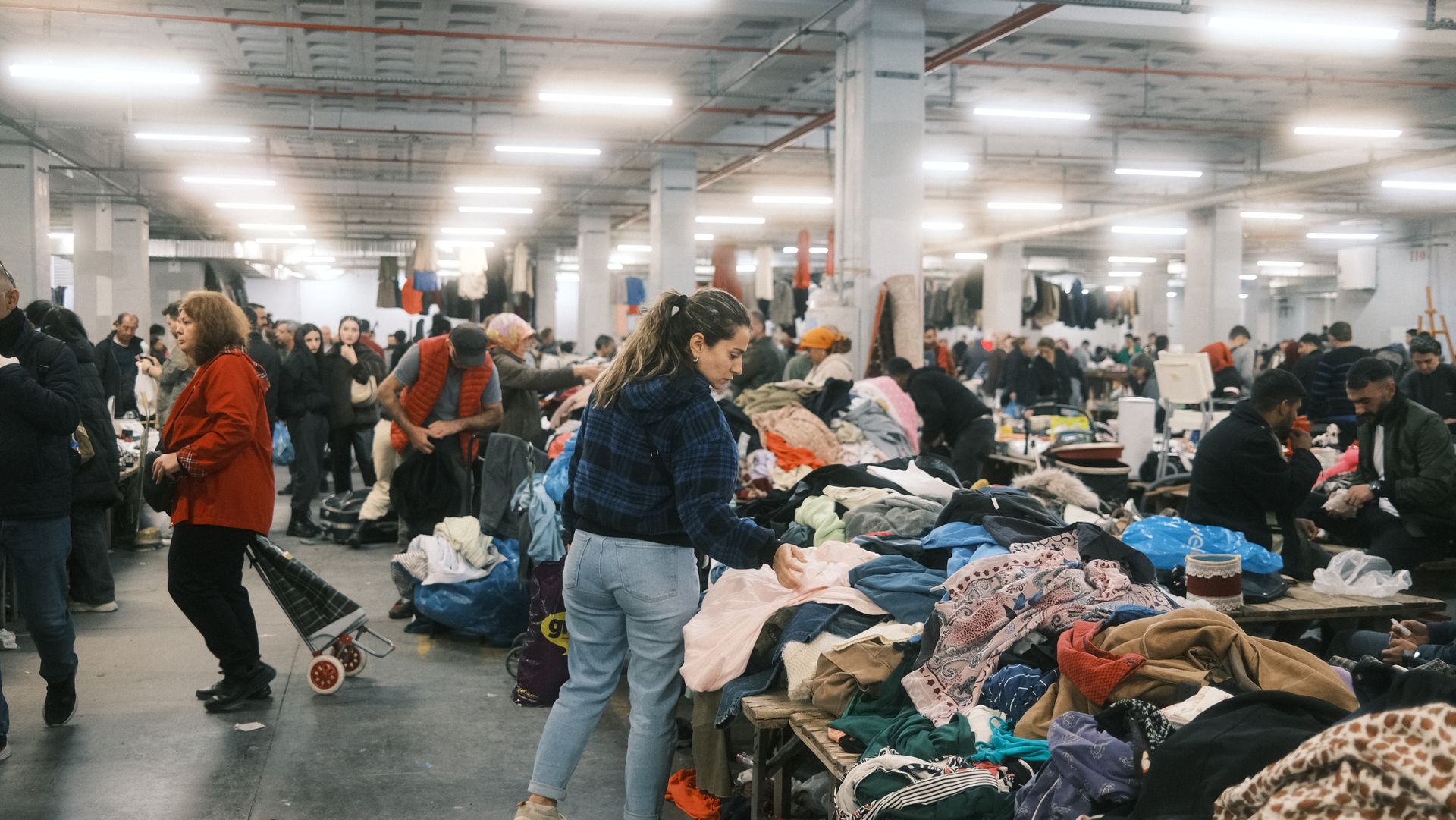
Between rising commercial rent, higher minimum wages, and expensive shipping logistics, non-profit chains say they have no choice but to adjust prices to local market rates. Unfortunately, when a donated coat costs as much as a new one at a department store, low-income families end up priced out of basic necessities.
Bypassing the Big Drop-Off Boxes

Fed up with seeing free donations turned into high-priced retail inventory, a growing movement of givers is ditching large donation bins altogether. People are actively seeking out homeless shelters, crisis centers, and local outreach programs where donated clothes go directly into the hands of someone who needs them—completely free of charge.
Churches, Hospices, and ReStores

Smaller neighborhood operations are also reaping the benefits of this major donor shift. Community hospice shops, church pantries, and Habitat for Humanity ReStores are winning over givers who appreciate lower shelf prices, direct local impact, and full transparency.
Neighbors Helping Neighbors for Free
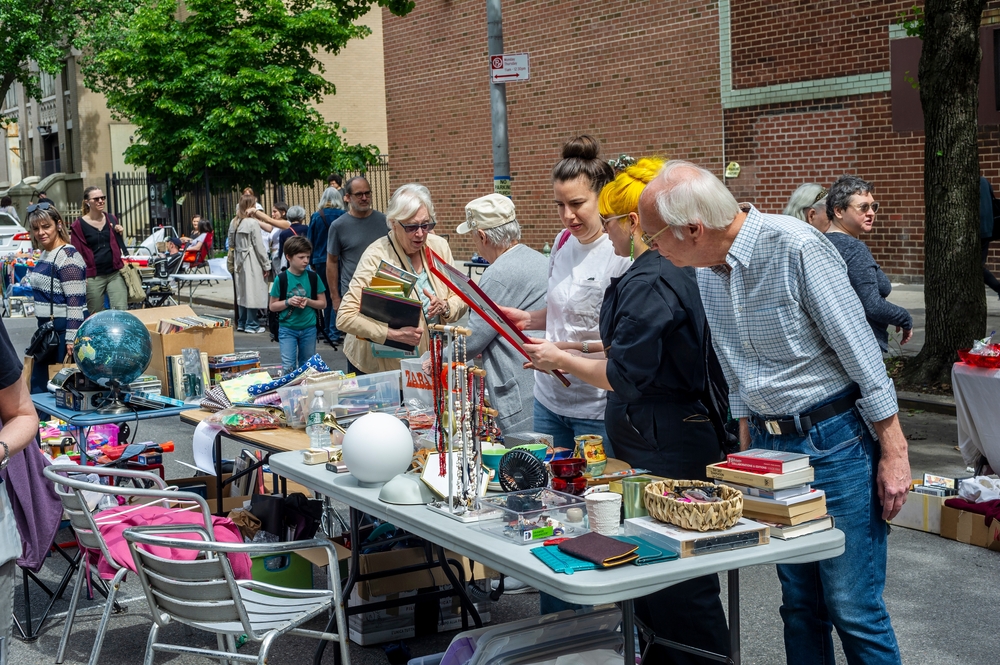
Meanwhile, digital communities are cutting out retail middleman entirely through hyper-local “Buy Nothing” groups and neighborhood exchange apps. These friendly peer-to-peer networks make it ridiculously easy to hand off a kitchen mixer or baby stroller straight to a neighbor down the street without any markup.
Rethinking the Future of Giving
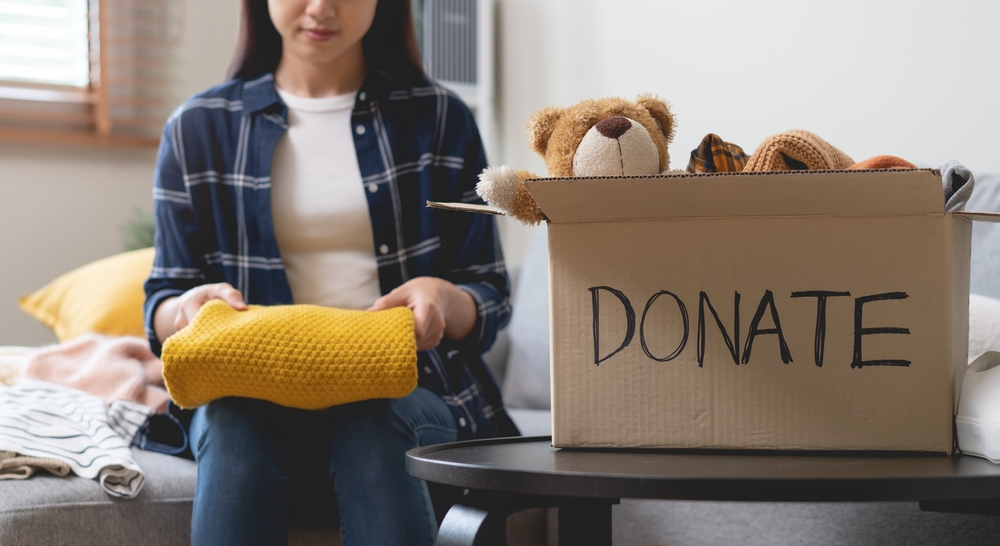
At the end of the day, the secondhand market is undergoing a reality check that balances corporate fundraising against real community accessibility. As everyday givers become far more intentional about where their items land, thrift chains will need to keep their pricing down to keep donor trust high.