What’s Really Lurking in Your Kitchen Sponge
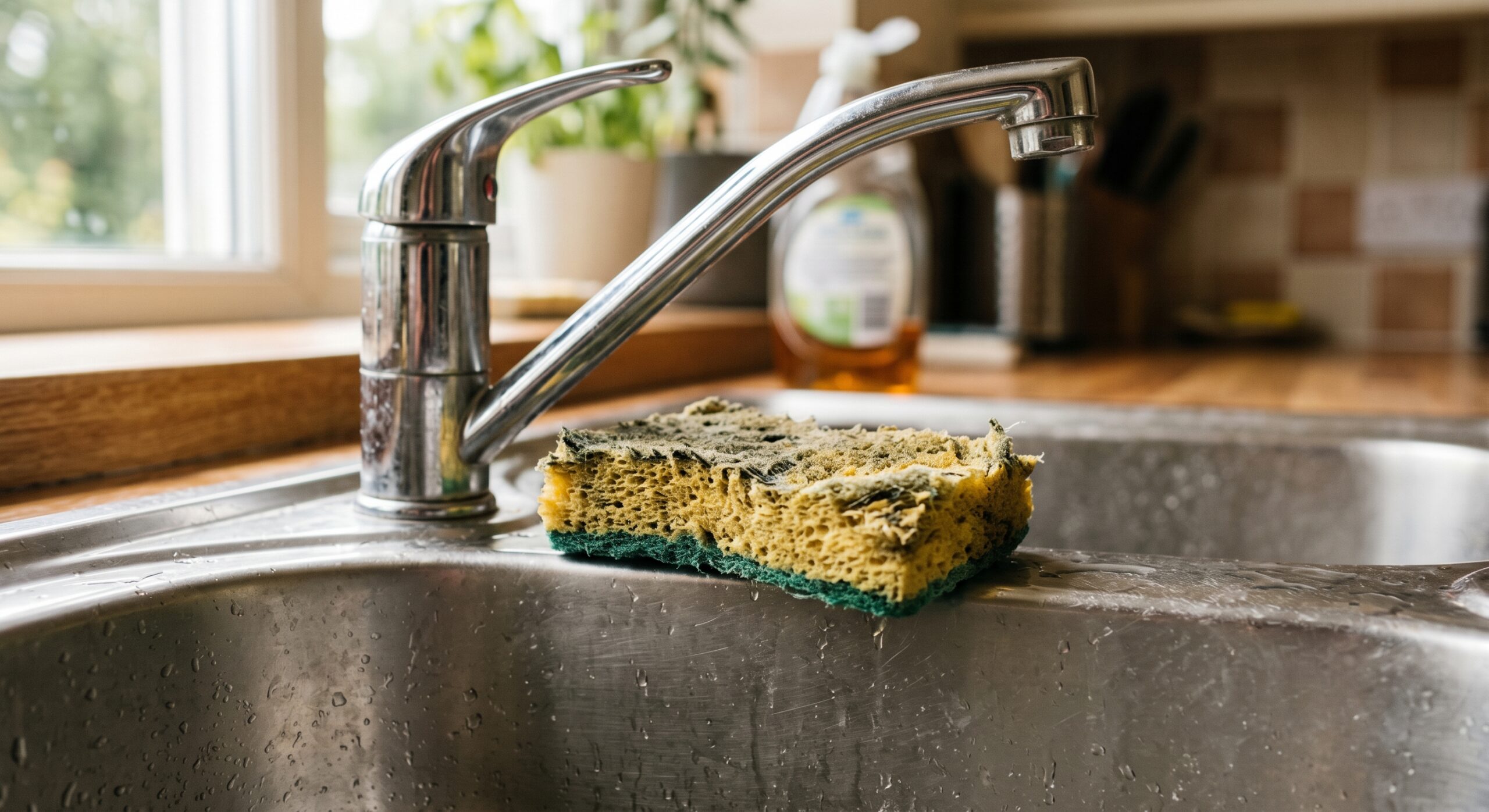

Most kitchens have one: a small, spongy block sitting by the faucet, scrubbing plates three or more times a day. It gets frayed, worn, and a little gross within days, yet few people stop to think about what that wear actually means. Researchers recently did think about it, tracking real sponges from real households in Germany, the United States, and Canada. They wanted to know what these everyday tools shed during normal use, and what that shedding might mean for both the environment and the people using them. The results reveal two separate issues worth understanding, one environmental and one closer to home.
This article was created with the assistance of AI and reviewed by our editorial team for accuracy and clarity.
Your Sponge Sheds Plastic With Every Use
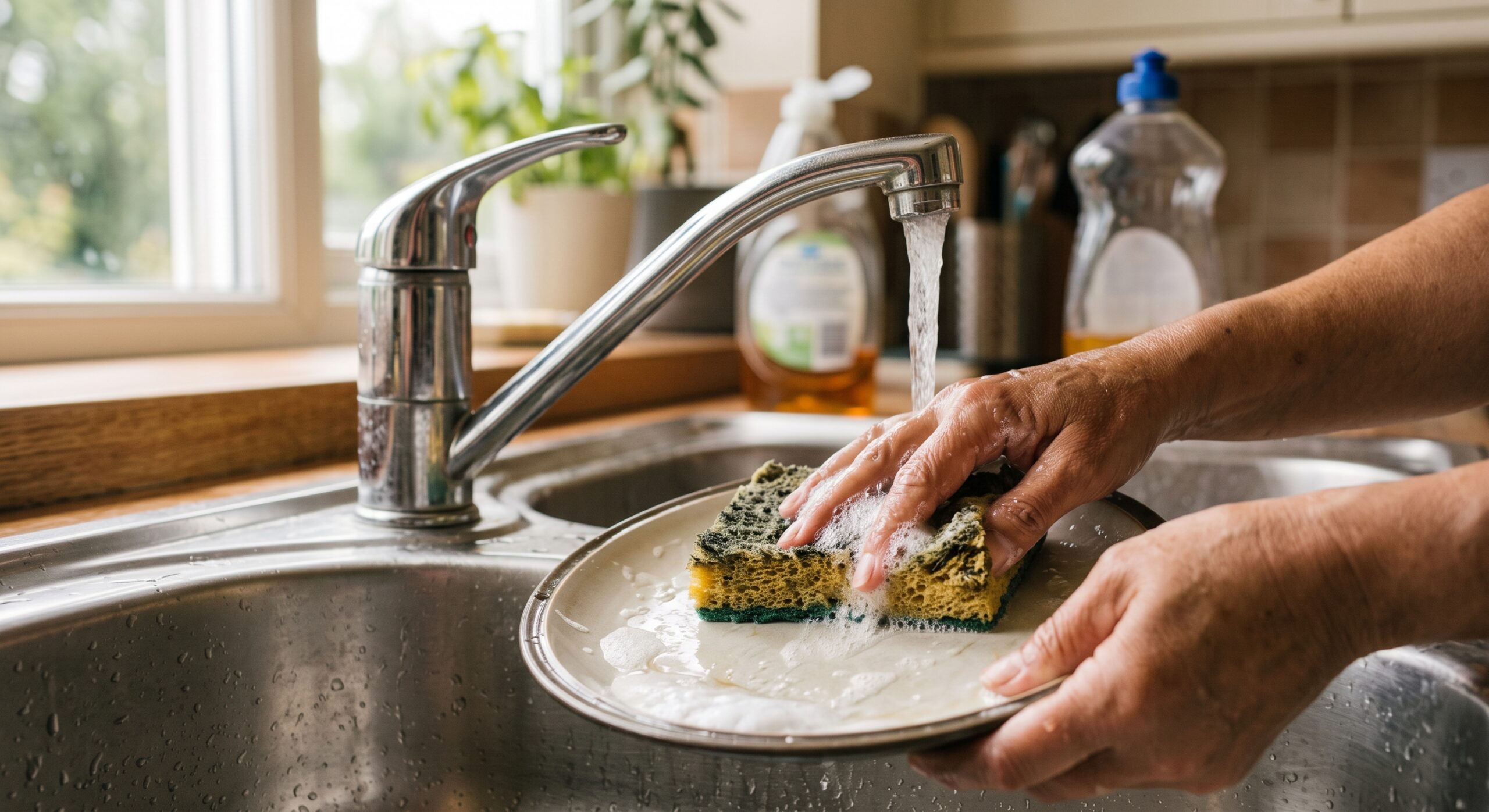
A 2026 study published in the journal Environmental Advances had volunteers use assigned sponges in their own kitchens, then mail them back to a lab for analysis. The finding: sponges release tiny amounts of plastic into wastewater during normal washing. The average amount was only a few grams per person each year, which sounds minor on its own. But multiply that across millions of households washing dishes daily, and the total adds up to a meaningful contribution to plastic entering the environment over time.
Not All Sponges Shed the Same Amount
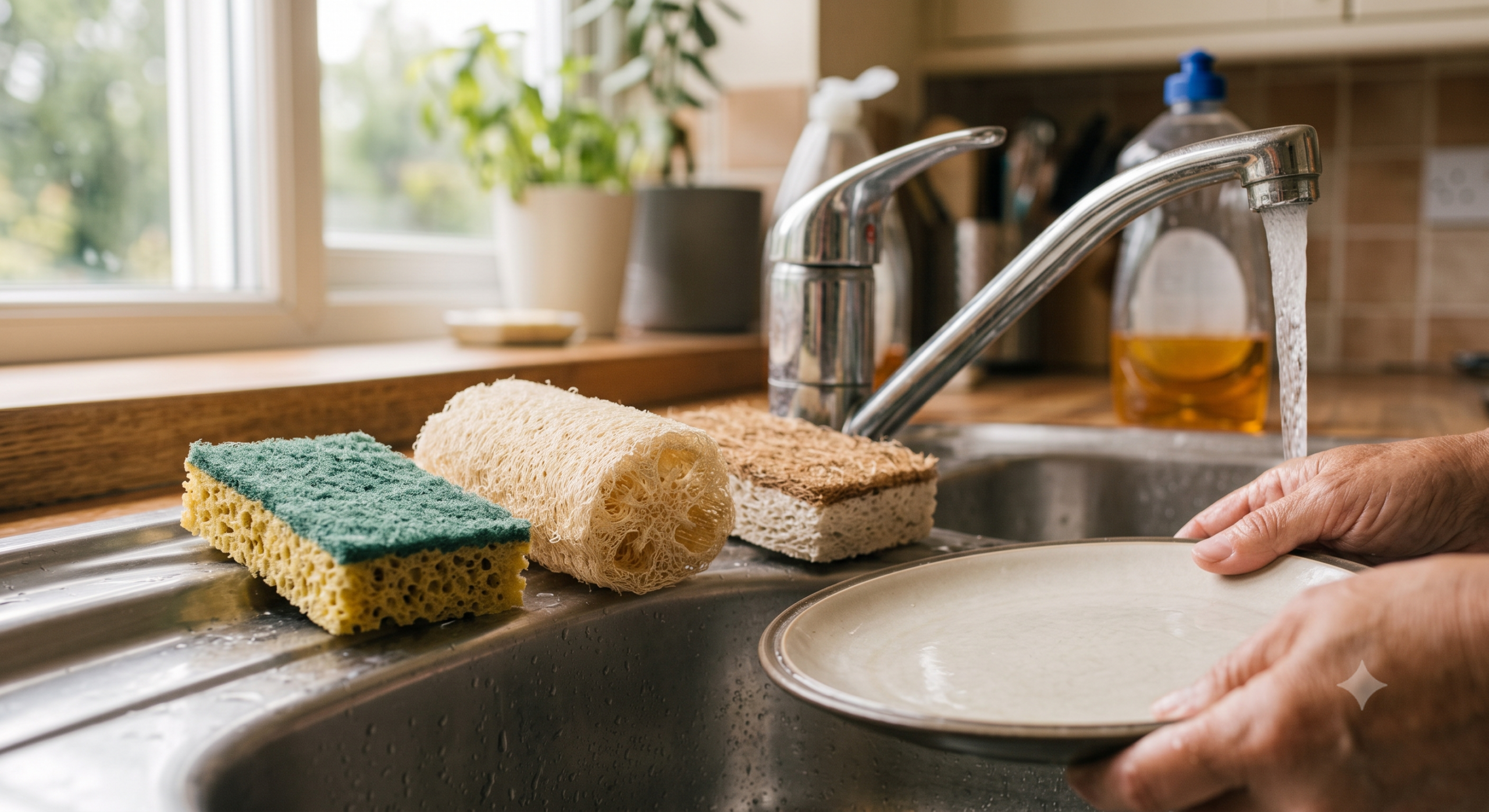
Here’s where it gets interesting: the type of sponge mattered a lot. Researchers found a sixfold difference in shedding between sponge types. Conventional sponges made mostly of plastic released the most material. A sponge made primarily from plant fiber released the least. Everyday mixed sponges landed somewhere in the middle. That’s a significant range for something most people grab without a second thought, and it suggests the material your sponge is made from genuinely changes its environmental footprint.
Even Small Amounts Add Up Across Millions of Homes

A few grams per year might seem trivial for one household, but experts say scale changes the picture. Don Thushara Galbadage, an associate professor at Texas Christian University, points out that because sponges get used constantly and undergo repeated scrubbing, even small individual releases accumulate significantly when spread across the population. That doesn’t mean panic is warranted. It simply means the humble sponge is a small but steady contributor to a much larger, ongoing environmental pattern worth paying attention to.
Should You Actually Worry About Plastic Exposure?

Despite the shedding, experts say kitchen sponges are unlikely to be a major source of personal microplastic exposure. Galbadage notes there currently isn’t evidence showing that microplastics from a sponge specifically cause disease in the people using it. His practical advice: reduce unnecessary plastic exposure where it’s easy to do so, without becoming anxious about any single source. In other words, the plastic issue is real but modest, and it’s far from the most urgent thing about your sponge.
The Real Problem Might Be Bacteria, Not Plastic
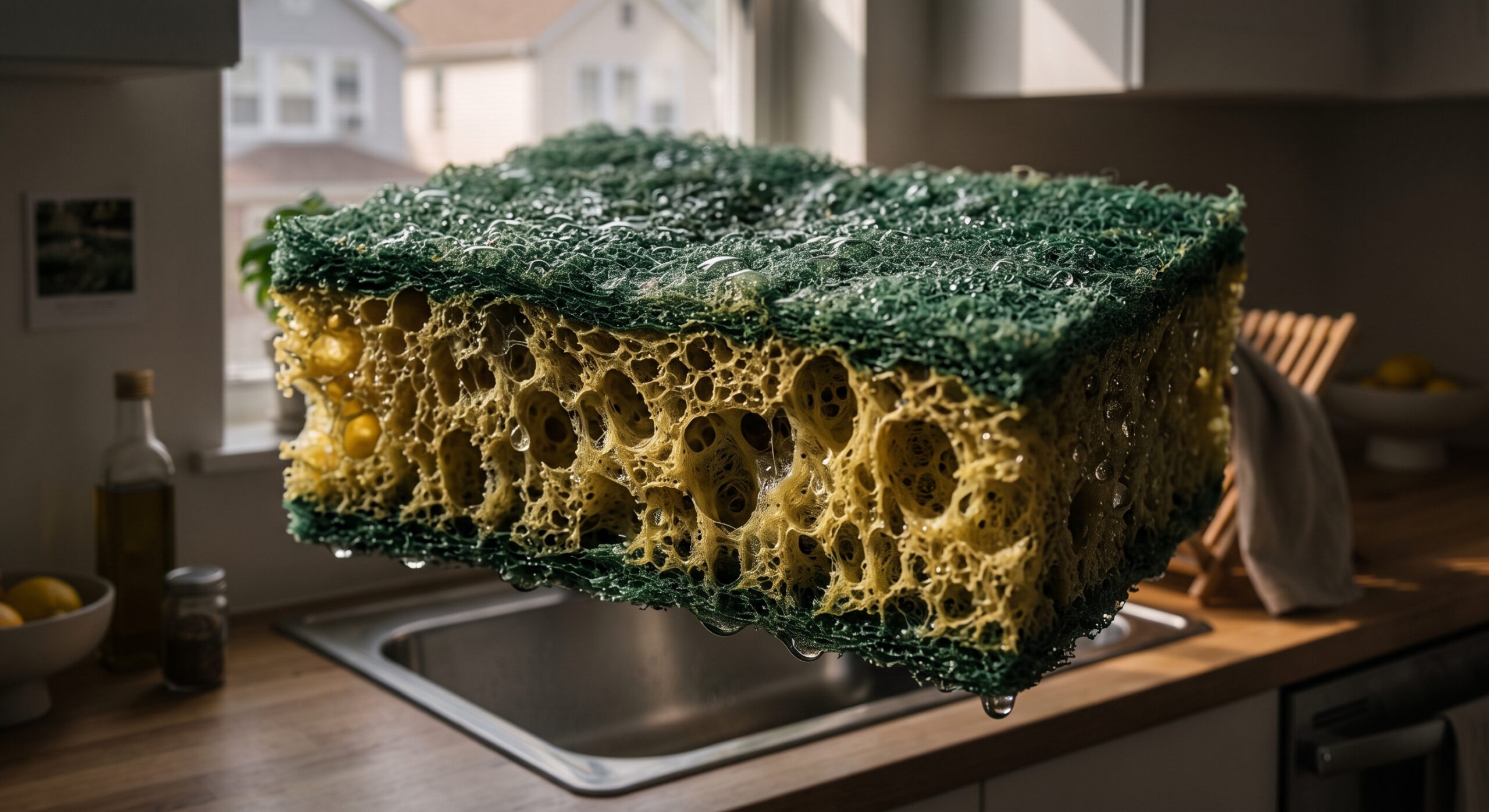
A separate study from 2022 examined used sponges and dishwashing brushes pulled from real kitchens and found some containing as many as 20 billion bacteria. That number sounds alarming, but most of what researchers found was ordinary environmental bacteria. Neither salmonella nor Listeria showed up in the samples tested. Still, the sheer bacterial density highlights something important: a kitchen sponge, by its nature, becomes a dense little ecosystem within days of regular use.
Hazard Isn’t the Same Thing as Risk

Eva Deemer, an environmental health researcher at UTHealth Houston, draws a useful distinction: high microbial hazard doesn’t automatically mean high risk. If normal food hygiene practices are followed, the chance of actual infection stays low. A sponge has to transfer something harmful to you before it can make you sick, and that typically requires a specific chain of events, like wiping a surface that touched raw meat, then using that same sponge on a clean counter without rinsing it first.
Wet Sponges Hold Onto Germs Far Longer Than Brushes Do
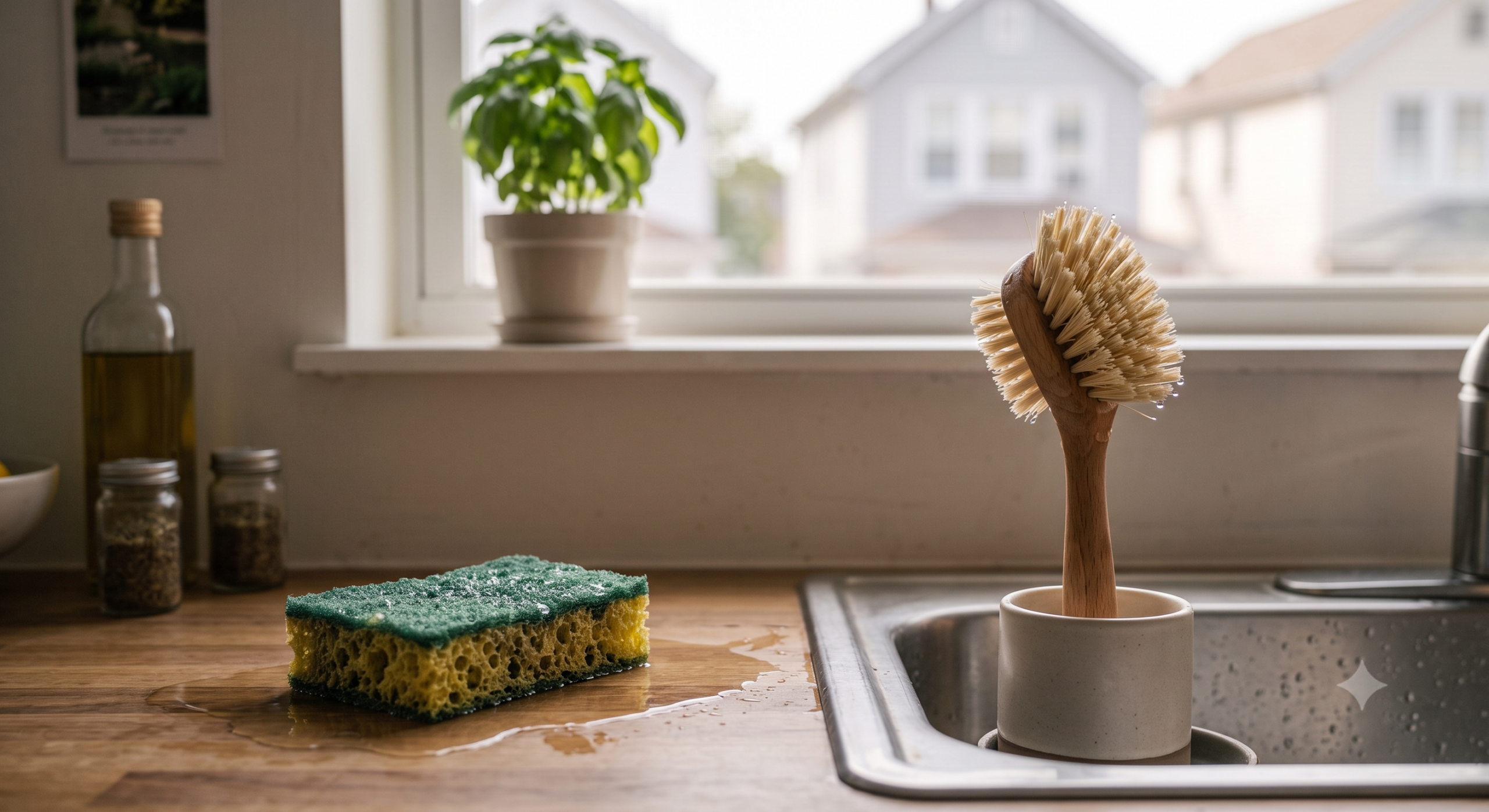
Researchers tested this directly by adding salmonella to sponges and brushes, then leaving both out overnight. The brushes, which dried out, lost about 97 percent of the bacteria. The sponges, which stayed damp, held onto essentially all of it. This single detail explains a lot about why sponges have a reputation for griminess. It isn’t really about the material. It’s about moisture, and how long that moisture allows bacteria to survive between uses.
Smell and Color Aren’t Reliable Warning Signs
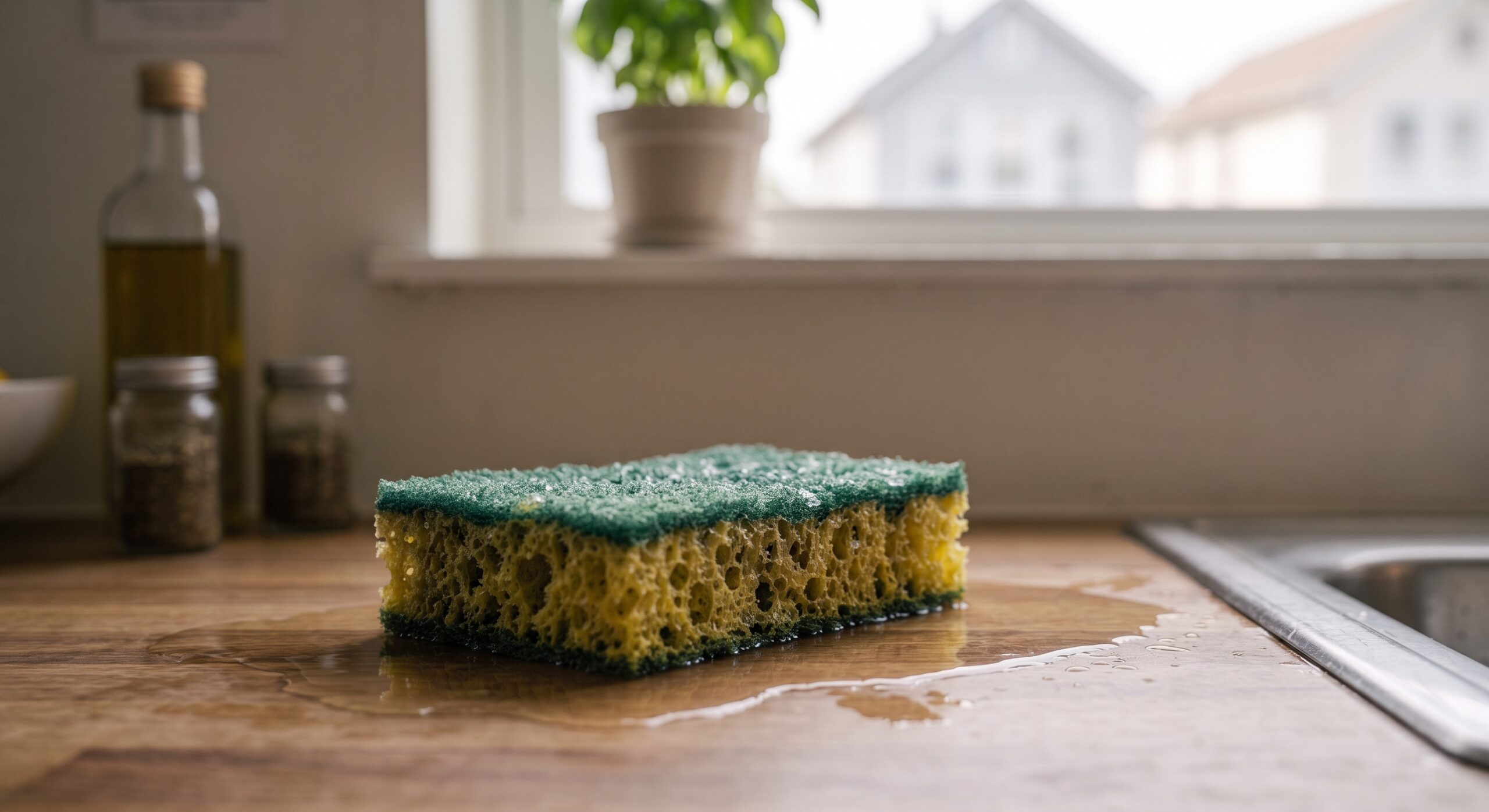
It’s tempting to wait until a sponge smells bad or changes color before tossing it, but a 2026 food safety study found that odor and discoloration don’t actually track with microbial load. A sponge can look and smell perfectly fine while still harboring significant bacteria. Experts suggest replacing sponges every week or two as a reasonable default, and watching for physical signs instead, like grime that won’t rinse out or a sponge that’s visibly falling apart.
What Actually Helps, According to Experts
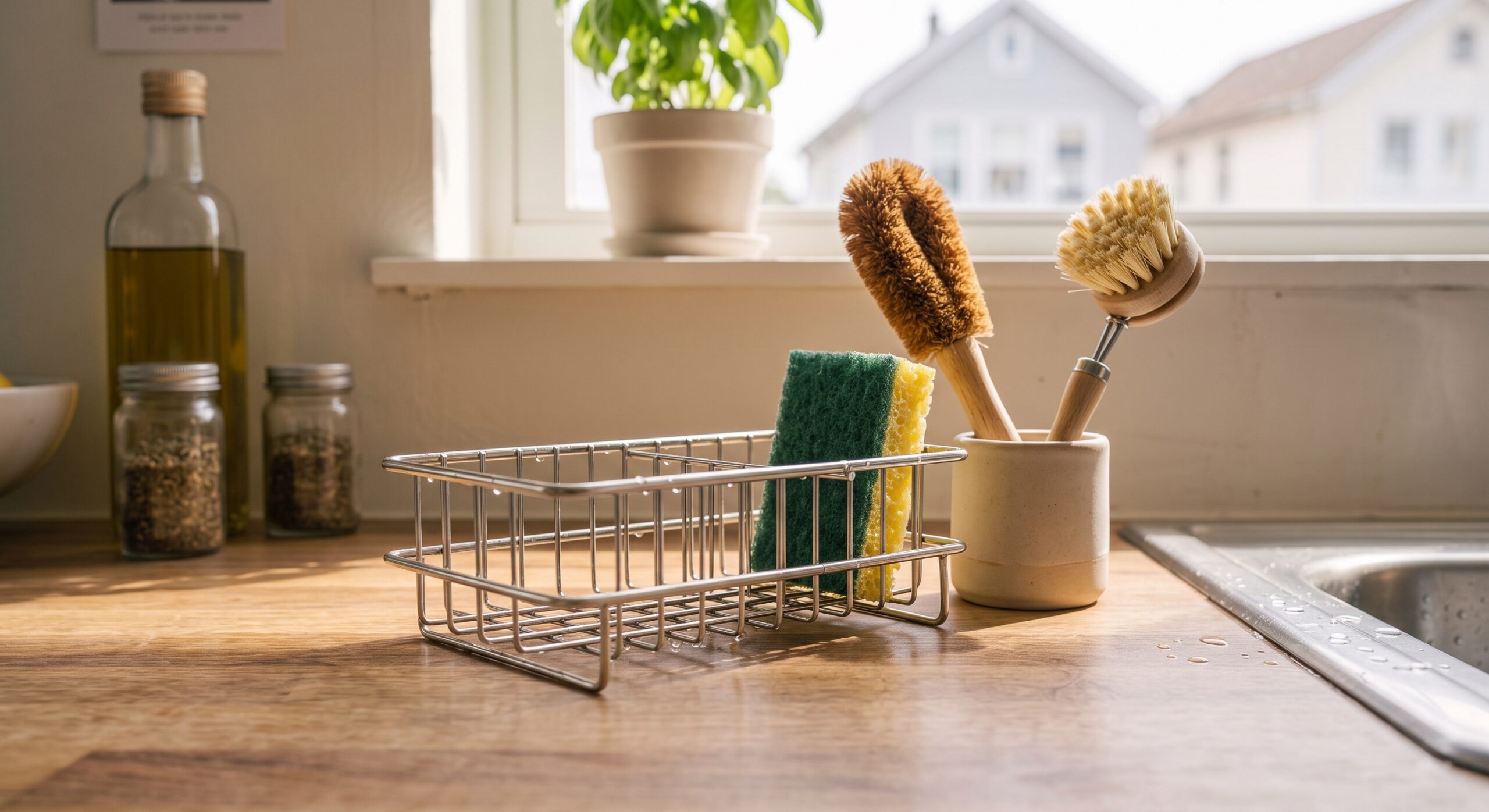
Two changes matter more than anything else: drying and material. Deemer notes that hygiene stays roughly the same whether a sponge contains plastic or not, but faster drying makes a real difference against bacteria. A rack or caddy that allows airflow beats letting a sponge sit in a puddle. For the environmental side, check labels carefully, since products marketed as natural or organic can still contain synthetic polymers. Brushes with sisal or coconut bristles offer a practical alternative that dries quickly and helps with both concerns at once.