Arkansas Gardener Learns Truth After Sharing Photo of Massive Plant Sprawl
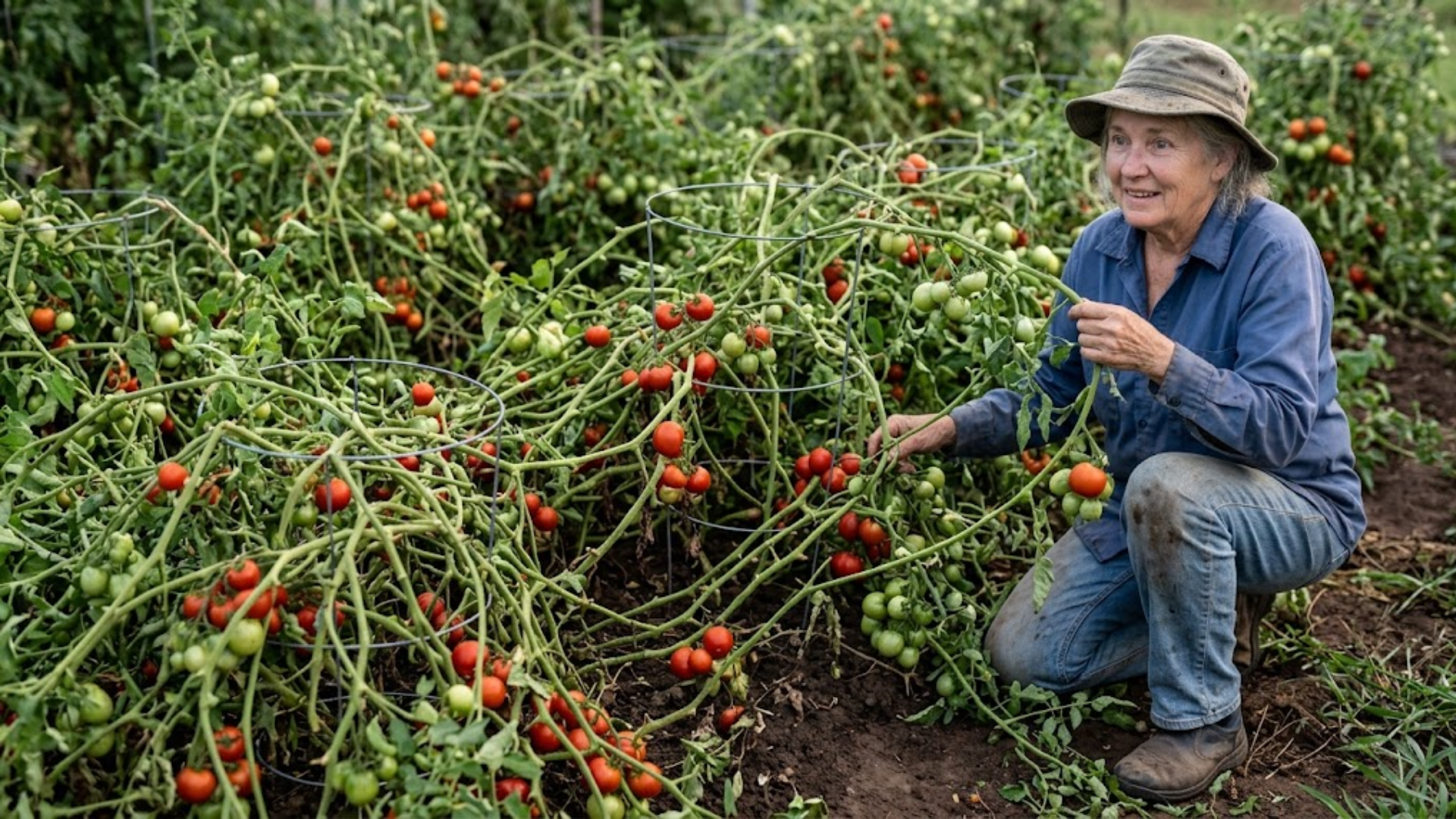

A tomato patch spilling over its cages and trailing across the ground looks like a problem to most first-time gardeners. One Arkansas grower thought exactly that after posting photos to Reddit with the caption “My tomatoes have become ungovernable.” Commenters quickly offered a different read on the same photos. What looked like a plant falling apart was actually a plant doing precisely what it was built to do.
This article was created with the assistance of AI and reviewed by our editorial team for accuracy and clarity.
One Type of Tomato Explains the Entire Sprawl
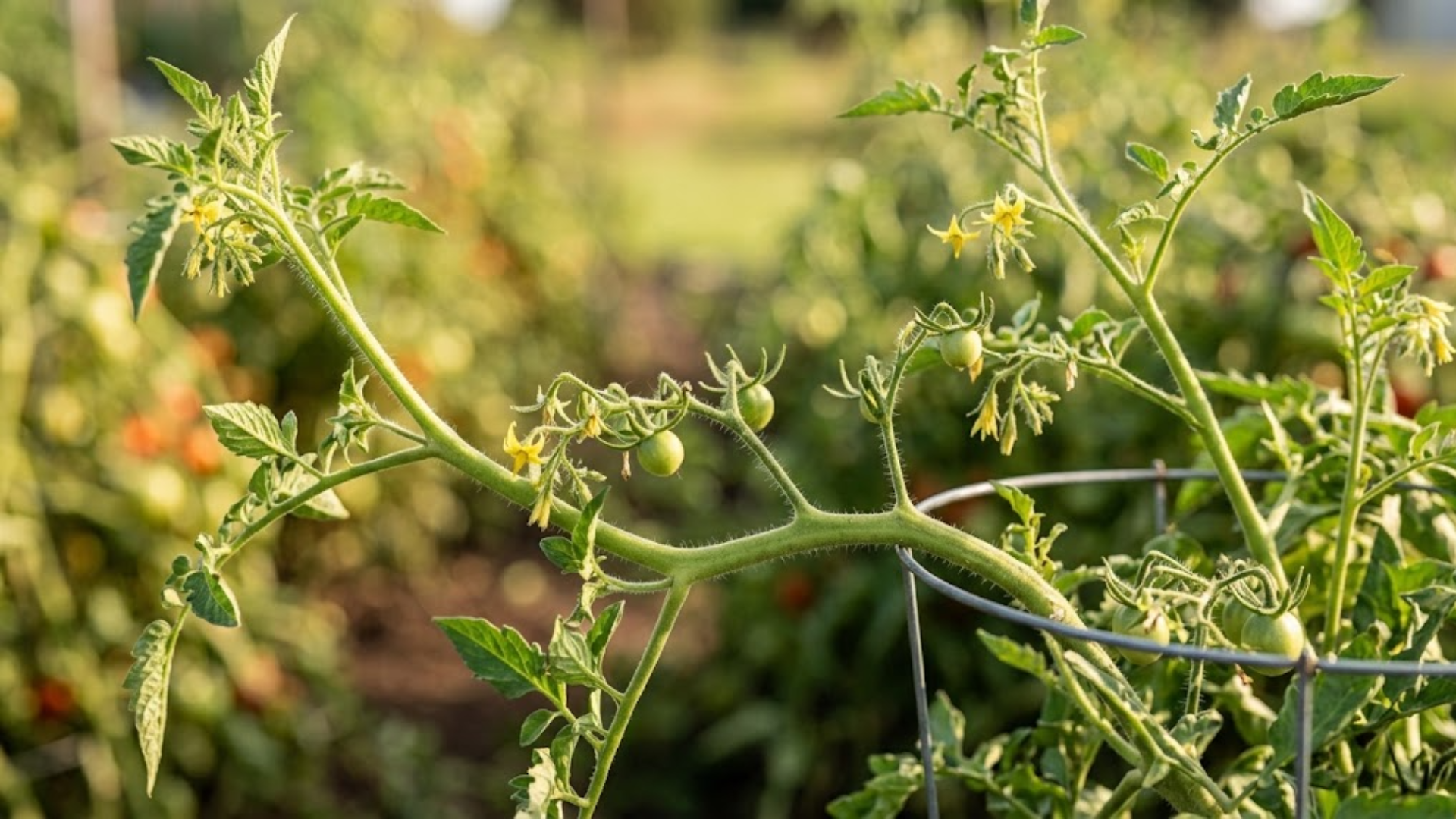
The chaotic sprawl traces back to which type of tomato the gardener happened to plant. Commenters explained that indeterminate tomato varieties keep growing and producing fruit continuously throughout the entire season, rather than stopping at a fixed size. That growth pattern naturally outpaces standard stakes and small cages, which explains why the plants had spread so far past their original supports in the first place.
A Hard Trim Was the Wrong Instinct Entirely
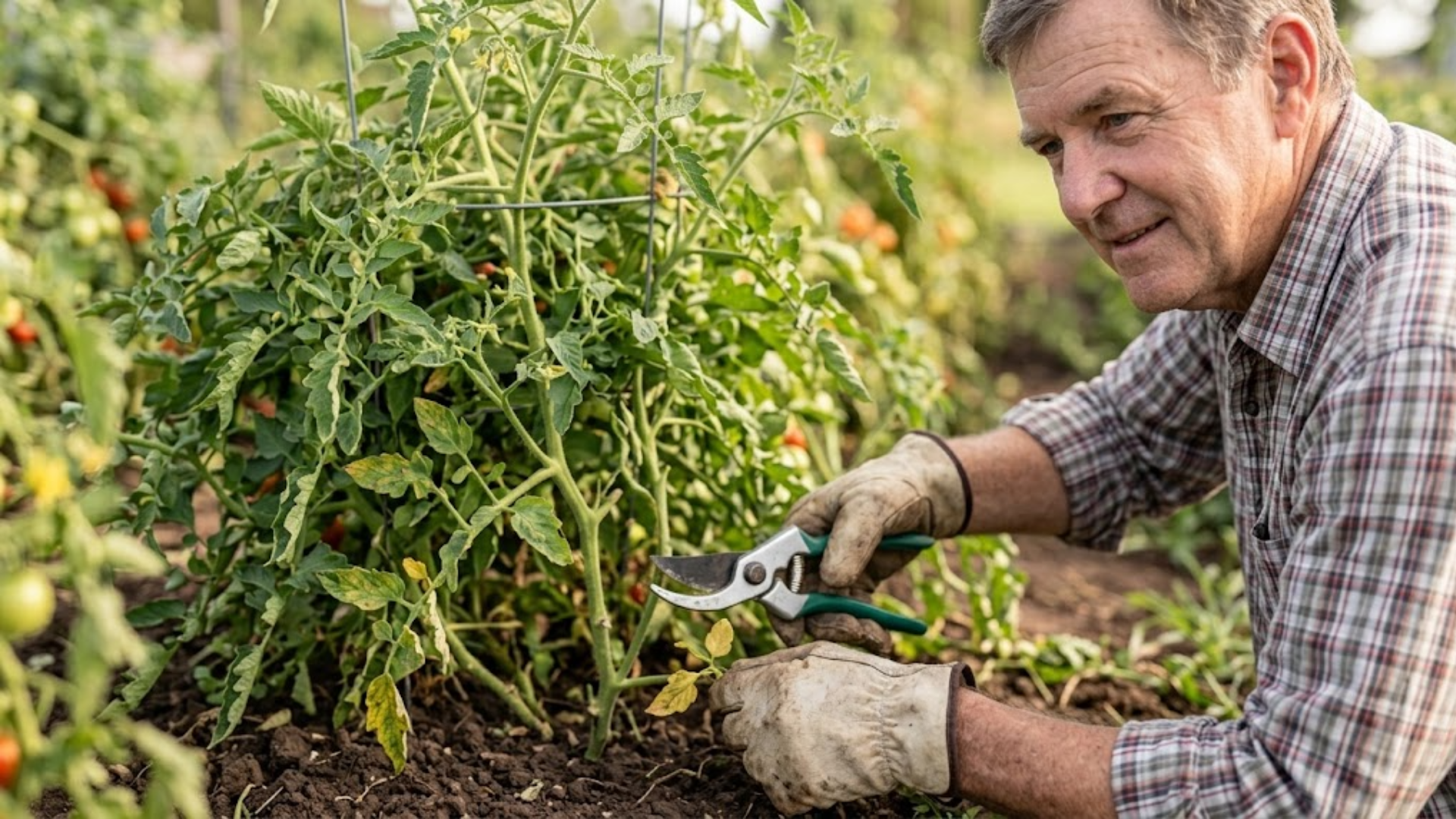
Faced with an overgrown patch, the instinct to grab pruning shears and cut hard is a common one. Commenters pushed back on that instinct specifically. Rather than a severe trim, they recommended a lighter cleanup focused near the bottom of the plants, removing roughly the lowest 6 to 12 inches of growth to improve airflow and reduce the risk of disease spreading upward from the soil.
The Real Fix Was Stronger Support, Not Less Plant
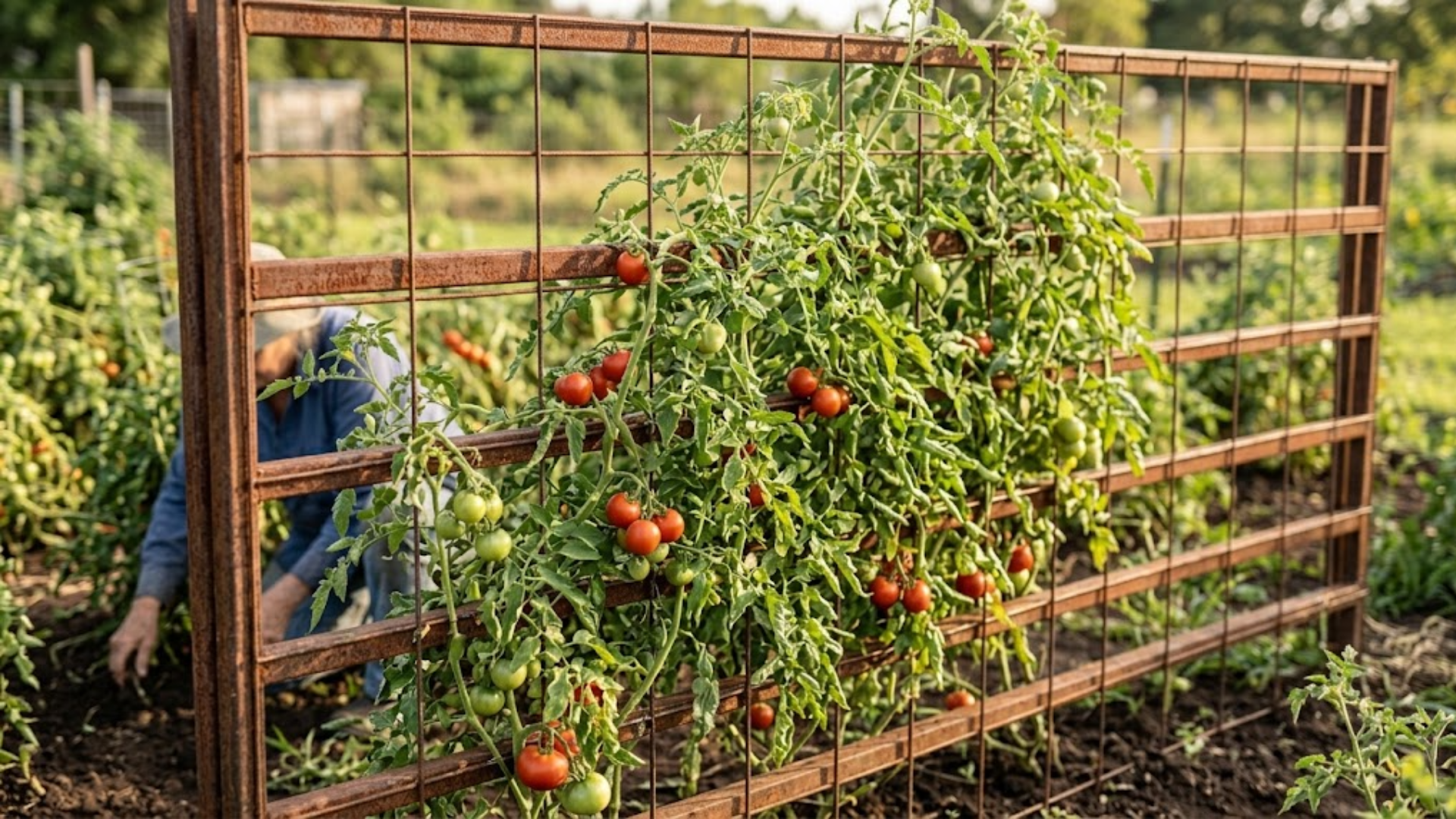
Better support, not less plant, was the second major piece of advice offered. Commenters suggested swapping out undersized stakes for sturdier options entirely, pointing specifically to cages and cattle panels as alternatives built to handle indeterminate varieties. Structures strong enough to support the plant’s full growth reduce the risk of stems collapsing under their own weight later in the season.
Other Gardeners Recognized Their Own Chaos in the Photos

The Reddit thread turned genuinely lighthearted once other gardeners recognized their own overgrown patches in the photos. “Welcome to the Feral Garden Society!!! We meet whenever we can fight our way out of the untameable garden we’ve accidentally grown,” one commenter joked. Another added a blunt prediction: “You will never have to plant tomatoes again,” pointing to just how much fruit a single sprawling plant like this one can produce.
The Best Advice Came Down to Three Simple Words
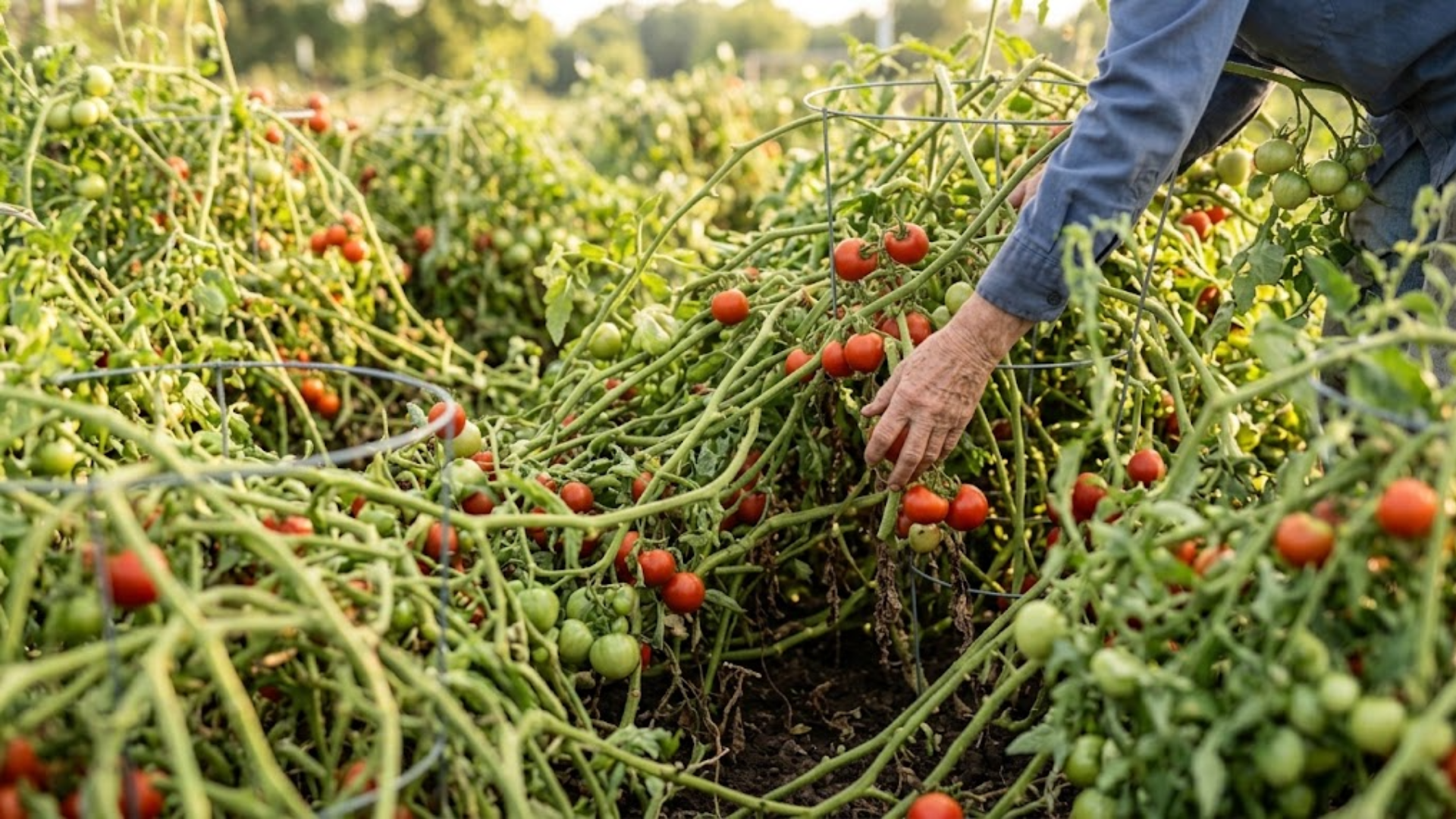
A third commenter offered perhaps the simplest advice of the entire thread: “Embrace the mess.” That sentiment captured a broader point several gardeners made throughout the discussion. A garden bursting with fruit rarely looks tidy while it is happening, and treating natural, productive growth as a mistake can lead new gardeners to cut back exactly the plants that are working the hardest.
A Wild-Looking Garden Can Still Save Real Grocery Money

Beyond one Reddit thread, home tomato growing carries real practical upside worth noting. Growing tomatoes at home can meaningfully cut grocery costs, particularly since fresh tomatoes tend to carry a high price tag during peak summer months. Homegrown fruit also typically reaches full ripeness on the vine, unlike store-bought tomatoes, which are often picked early specifically to survive shipping and handling.
Cutting Back Too Hard Can Actually Hurt the Harvest
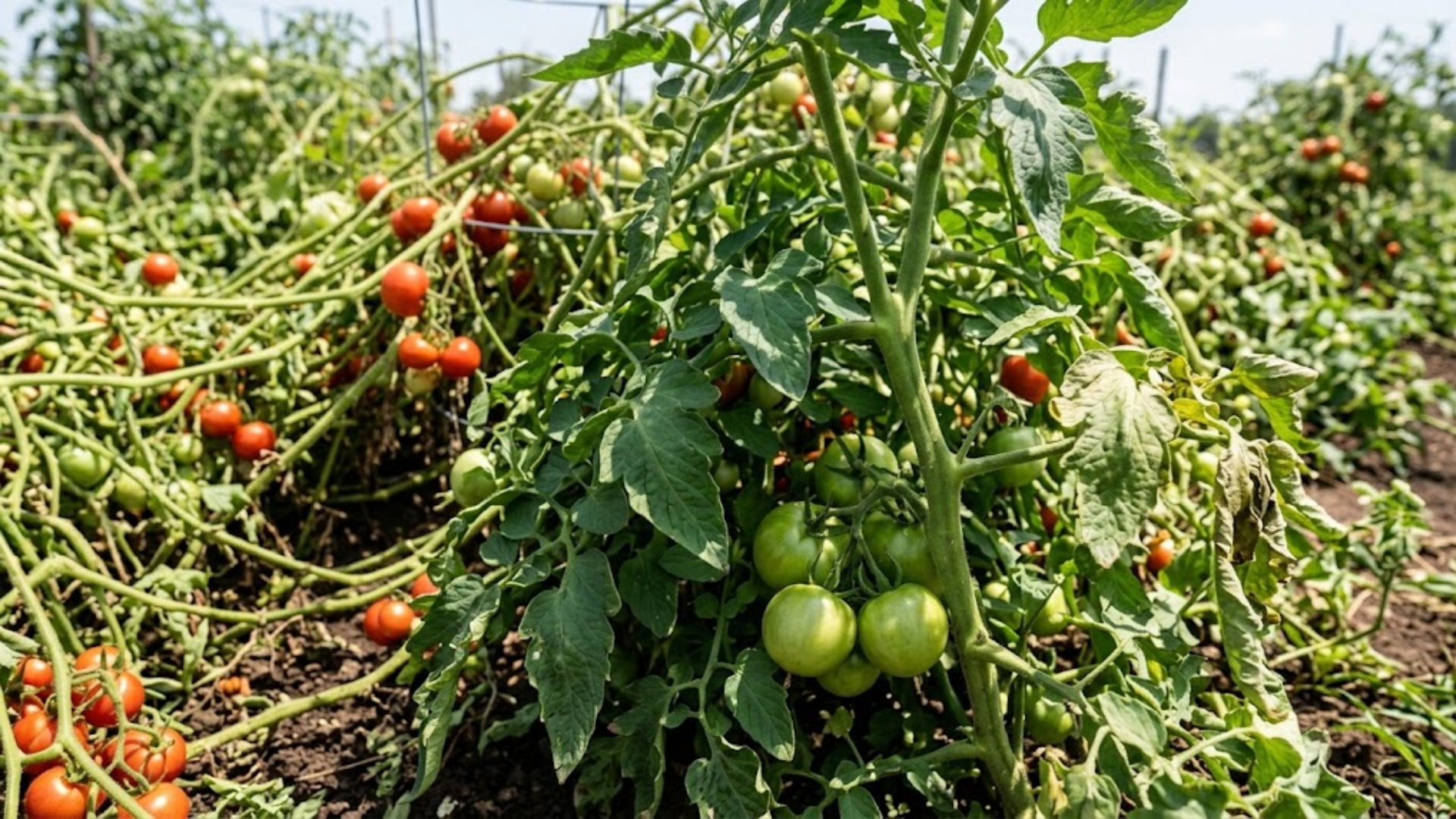
Anyone facing a similarly overgrown tomato patch should resist the urge to prune aggressively out of frustration. Cutting back too much removes leaves that shade developing fruit from intense sun, and it can add unnecessary stress to a plant already working hard during hot summer weather. A lighter touch generally serves the plant, and the eventual harvest, far better than a dramatic cutback.
The Best Fix Happens Before the Plant Ever Gets Wild
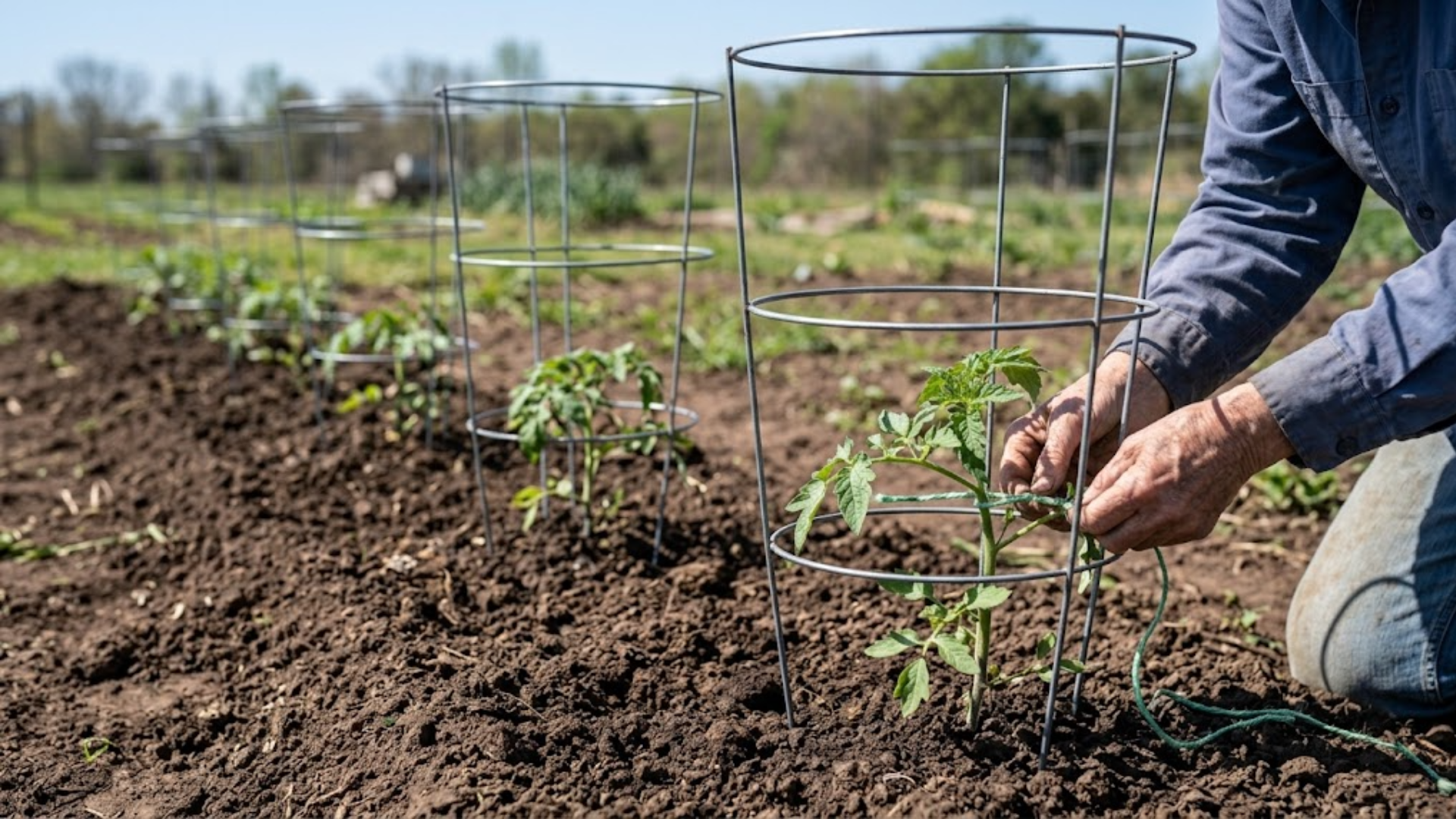
The better long-term fix usually starts before a plant ever gets unruly in the first place. Installing stronger cages, trellises, or cattle-panel supports early in the season gives indeterminate varieties the structure they will eventually need as they grow. Keeping lower growth trimmed away from the soil throughout the season, rather than all at once, also helps prevent the kind of sprawl that started this entire conversation.
A Messy Garden Might Just Be a Thriving One
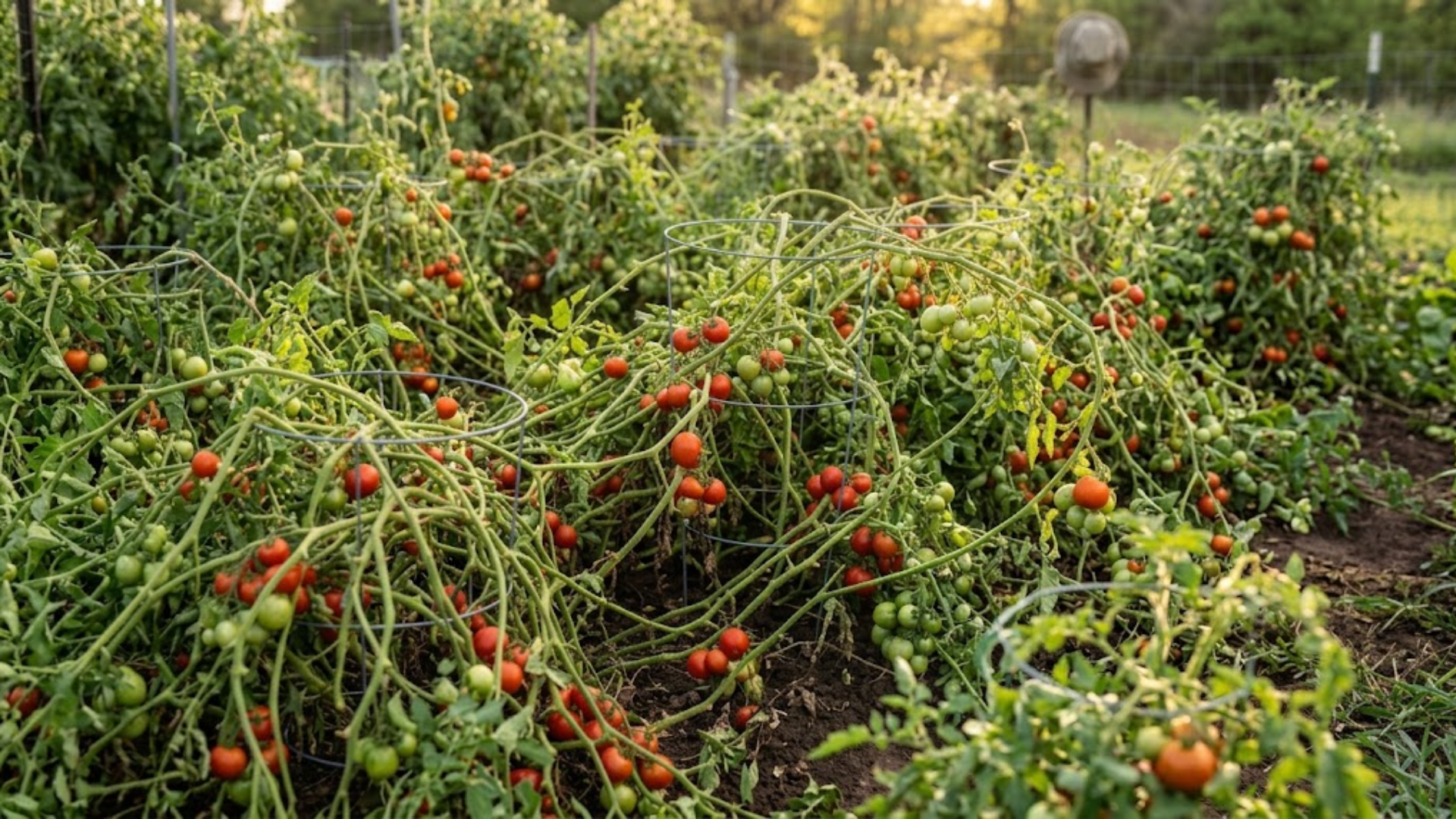
Consistent, simple habits tend to matter more than any single dramatic fix once a garden gets going. Proper plant spacing, routine pruning aimed specifically at improving airflow, and steady watering all work together to prevent common problems well before they start. A wild-looking tomato patch, in the end, is not necessarily a gardener’s failure. Sometimes it is simply proof the plant is thriving exactly as intended.