This article was created with the assistance of AI and reviewed by our editorial team for accuracy and clarity.
15 Warning Signs Around Your Home You Shouldn’t Ignore


Published September 8, 2026
A sticking door, an odd smell or a faint ceiling stain can be easy to put on the weekend to-do list and forget. But homes often reveal bigger problems through surprisingly ordinary clues. Water, structural movement, failing wiring and deteriorating materials can all leave evidence before the damage becomes obvious. Knowing which changes deserve attention can help homeowners distinguish a cosmetic annoyance from something that warrants a closer look.
Ceiling Stains or Bubbling Paint
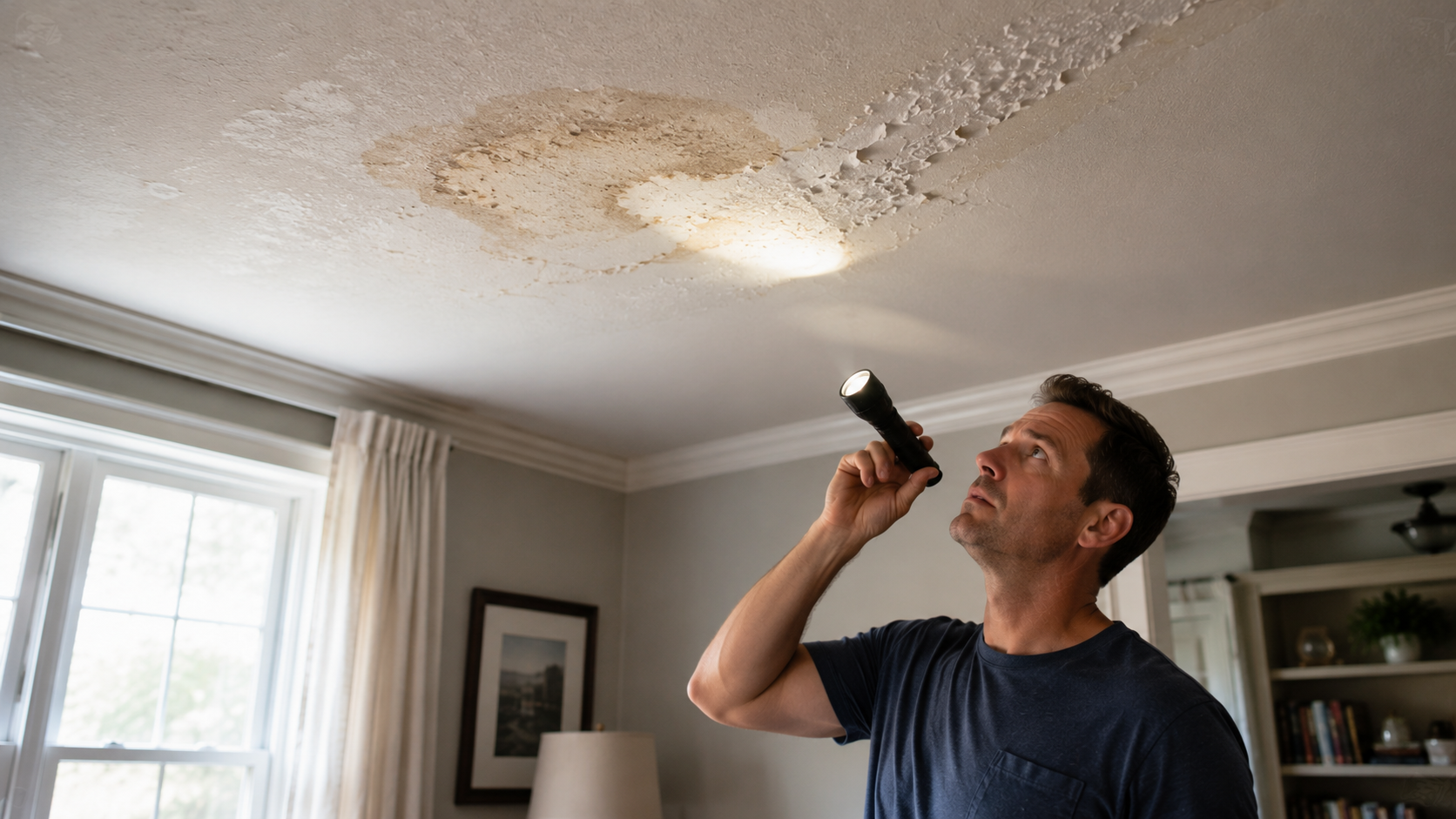
Brown stains, bubbling paint or swelling on a ceiling usually mean moisture is getting somewhere it should not. The source could be a leaking roof, plumbing upstairs, damaged gutters or another water source, and the visible mark may be some distance from the actual leak. Leaving the moisture unresolved can eventually damage insulation and framing while creating conditions for mold growth.
Cracks That Keep Getting Bigger
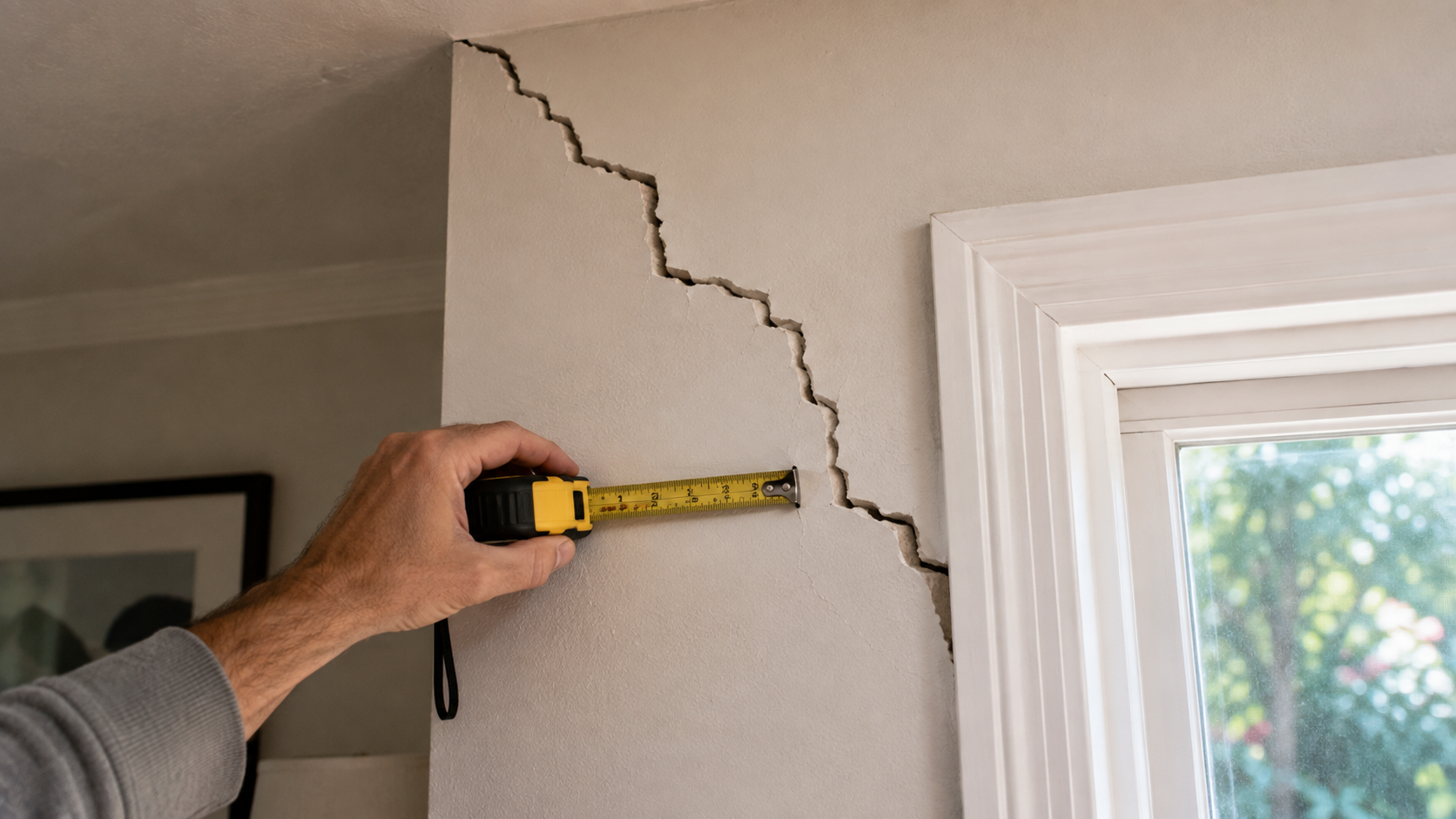
Not every crack signals structural trouble. Small cracks can appear as a house settles, but larger cracks, horizontal cracks and staircase-shaped cracking deserve more attention, particularly when accompanied by bowing walls, sloping floors or doors that suddenly stick. Those combinations can indicate movement affecting the home’s foundation or structure, making a professional assessment worthwhile.
Doors and Windows Suddenly Start Sticking

A door that becomes difficult to latch or a window that suddenly refuses to move smoothly may be reacting to humidity, but widespread or persistent changes can indicate that the house is shifting. Structural movement can distort frames enough to cause sticking, sometimes alongside drywall cracks or uneven floors. If moisture is not the explanation, the foundation may need to be examined.
Your Floors Feel Soft or Bouncy

A spongy patch underfoot is more than an irritating floorboard. Water intrusion can rot the subfloor and eventually affect the joists supporting it, while termite activity can also weaken wooden structures. Deteriorating floors may feel soft or unusually bouncy and can develop high and low spots or make cracking and popping noises.
Several Floors or Surfaces Are Sloping

An older house does not necessarily have perfectly level floors, but a developing slope can point to trouble beneath the surface. A damaged or rotted joist can allow part of a floor to settle, while broader structural movement can produce uneven flooring alongside other symptoms. If objects consistently roll toward one area or the slope appears to be worsening, the underlying structure deserves inspection.
Lights Flicker Without an Obvious Reason
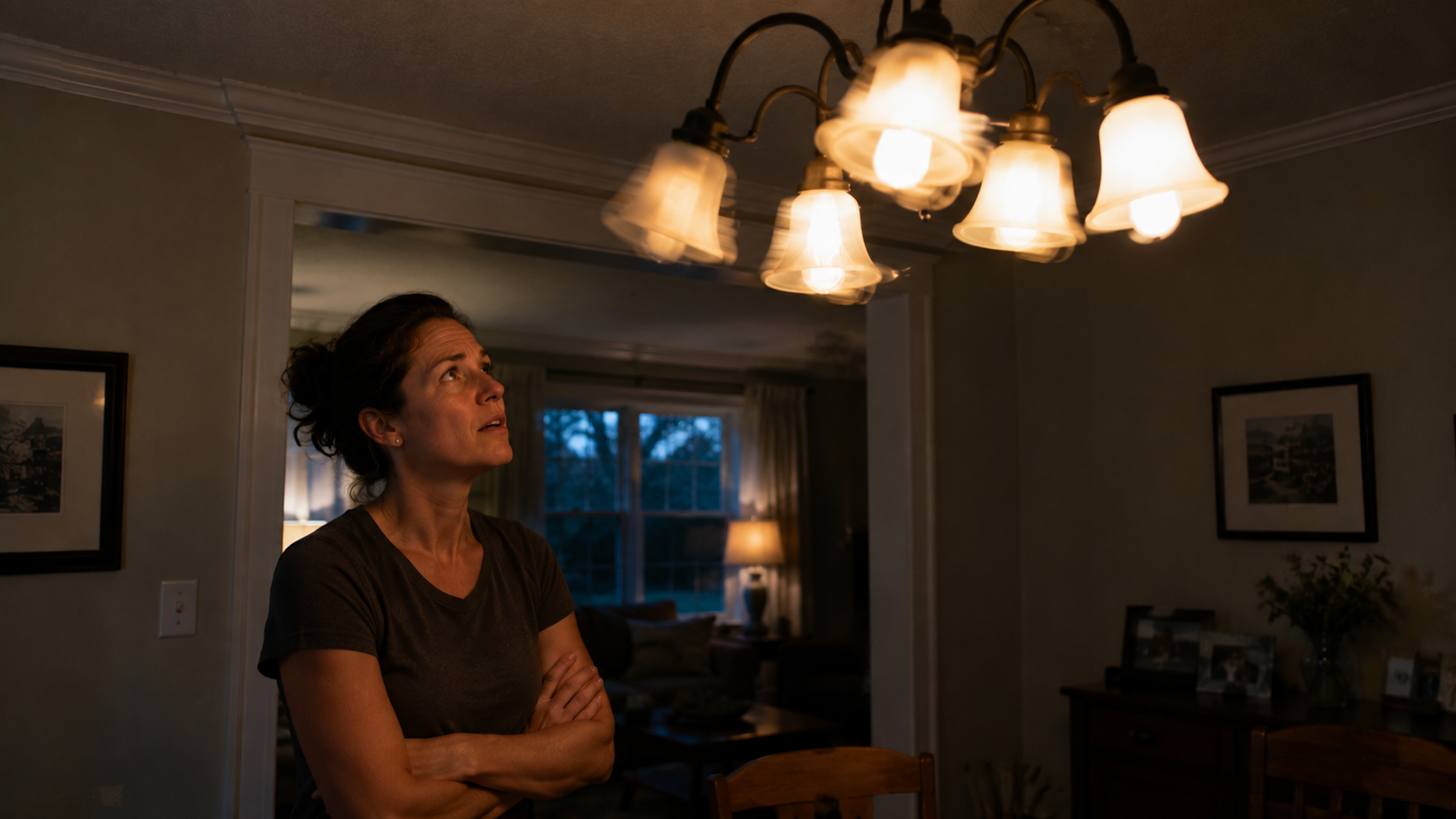
One flickering fixture may simply need a new or tightened bulb. Multiple flickering lights are more concerning because they can point to problems with electrical wiring or connections. Other warning signs include outlets or switches that spark, feel warm, make buzzing or crackling noises, work intermittently or produce a burning odor. Those symptoms warrant attention from a qualified electrician.
The Breaker Keeps Tripping
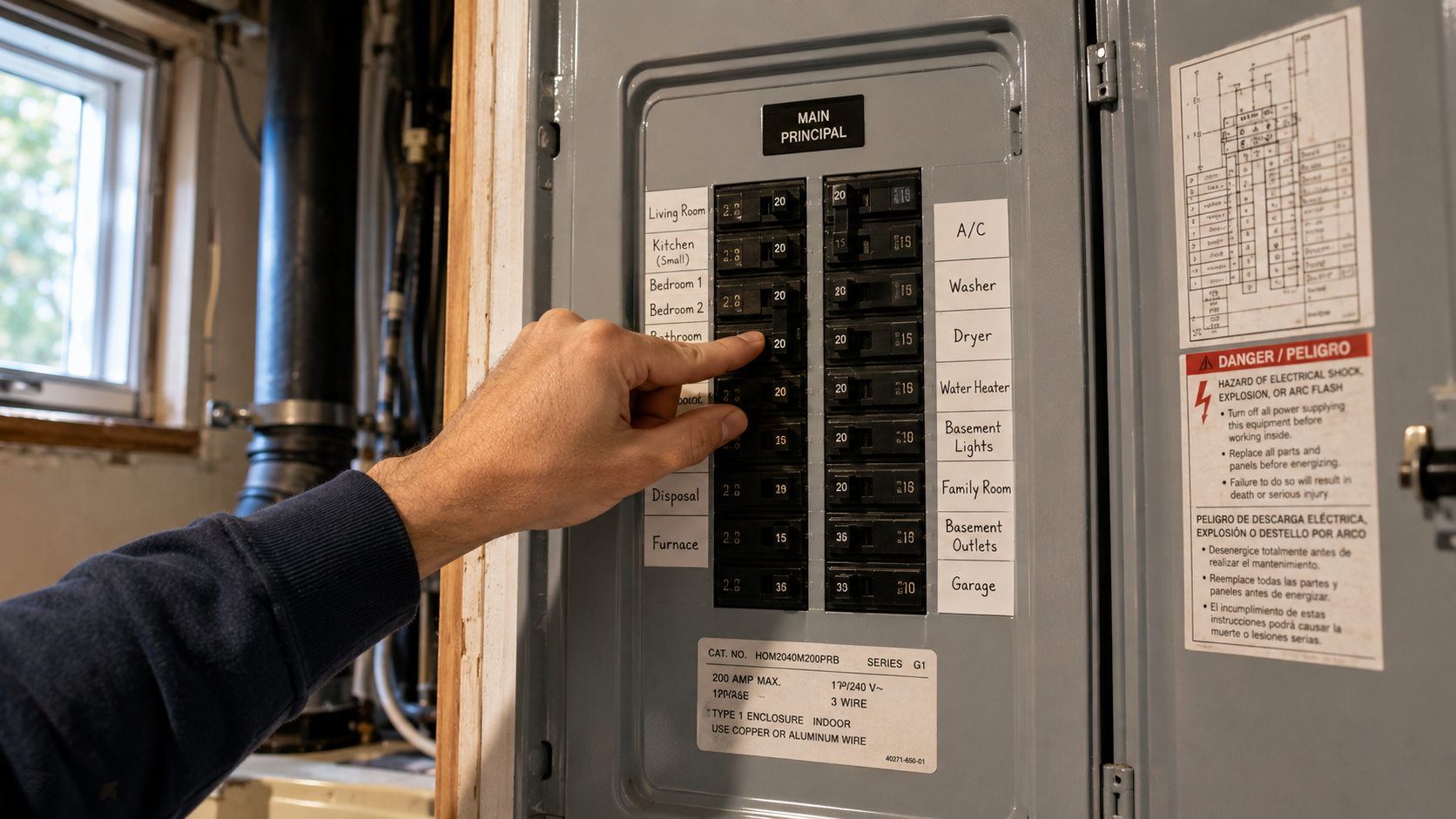
A circuit breaker is designed to interrupt electrical flow when something goes wrong, so repeated trips should not simply become part of your household routine. Persistent breaker tripping is a significant electrical warning sign that can point to potentially dangerous system issues. When it occurs alongside flickering lights, hot outlets, unusual noises or burning smells, professional electrical diagnosis becomes particularly important.
You Keep Smelling Something Musty
A persistent musty odor can reveal moisture even when no leak or mold is visible. Dampness can remain concealed behind walls, beneath flooring or in crawl spaces, allowing mold to develop out of sight. Cleaning the visible evidence does not solve the underlying problem if water continues entering the area, so finding the moisture source is the more important step.
Your Water Meter Won’t Stop
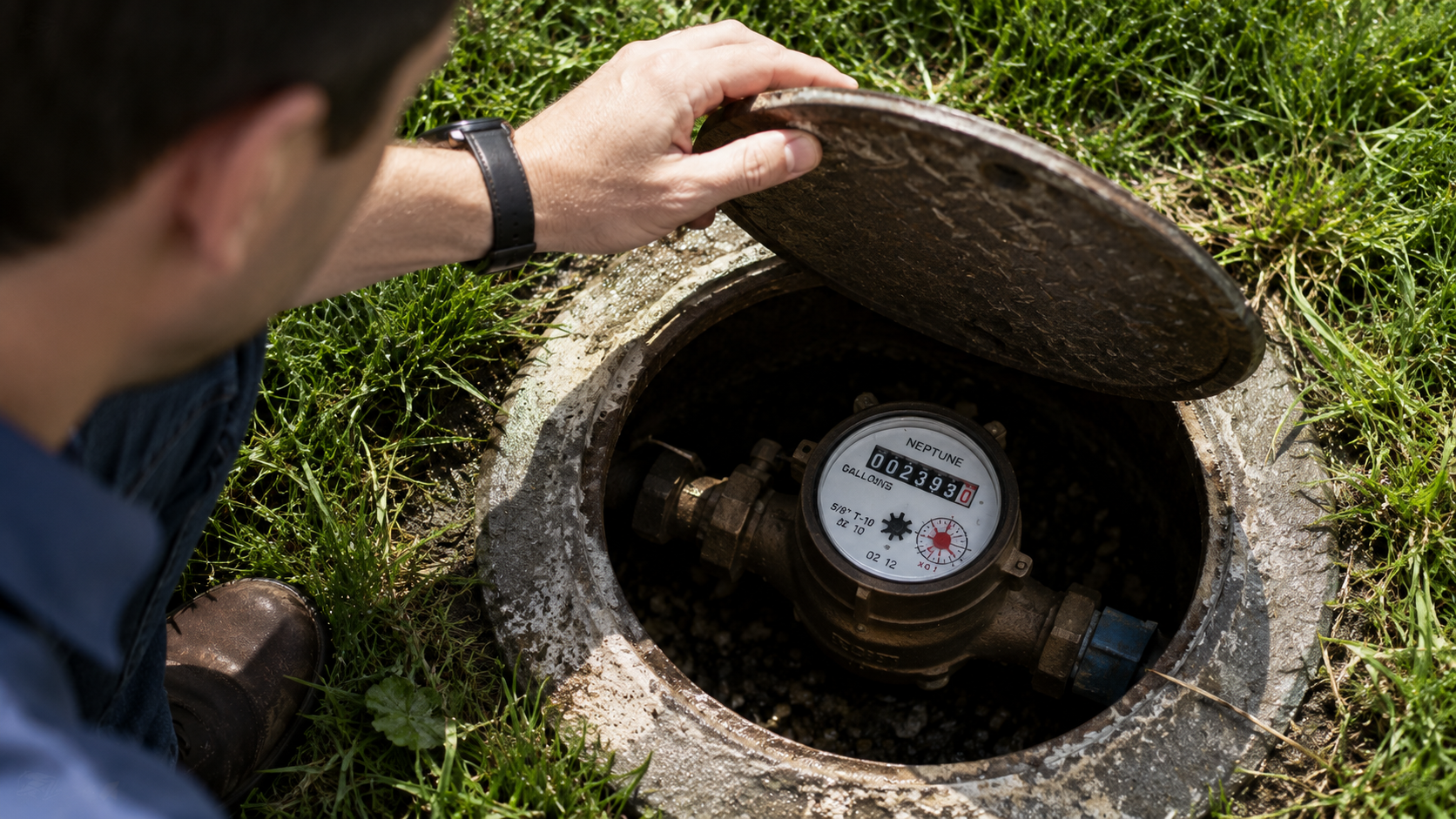
Turn off faucets, toilets and water-using appliances, then check the meter. If its low-flow indicator continues moving, water may still be flowing somewhere in the system. The culprit could be a quietly running toilet, but it could also be a concealed pipe leak. Hidden leaks can waste water while damaging walls, floors or foundations before homeowners see obvious evidence.
Multiple Drains Become Slow

One sluggish sink often points to a local clog. When sinks, showers and other drains across the house begin emptying slowly at the same time, the explanation may be farther downstream. Zephyr Thomas warns that widespread slow drainage can indicate a blockage in the home’s main sewer line, turning an everyday inconvenience into a plumbing problem that calls for prompt professional attention.
A Washing Machine Hose Starts Bulging
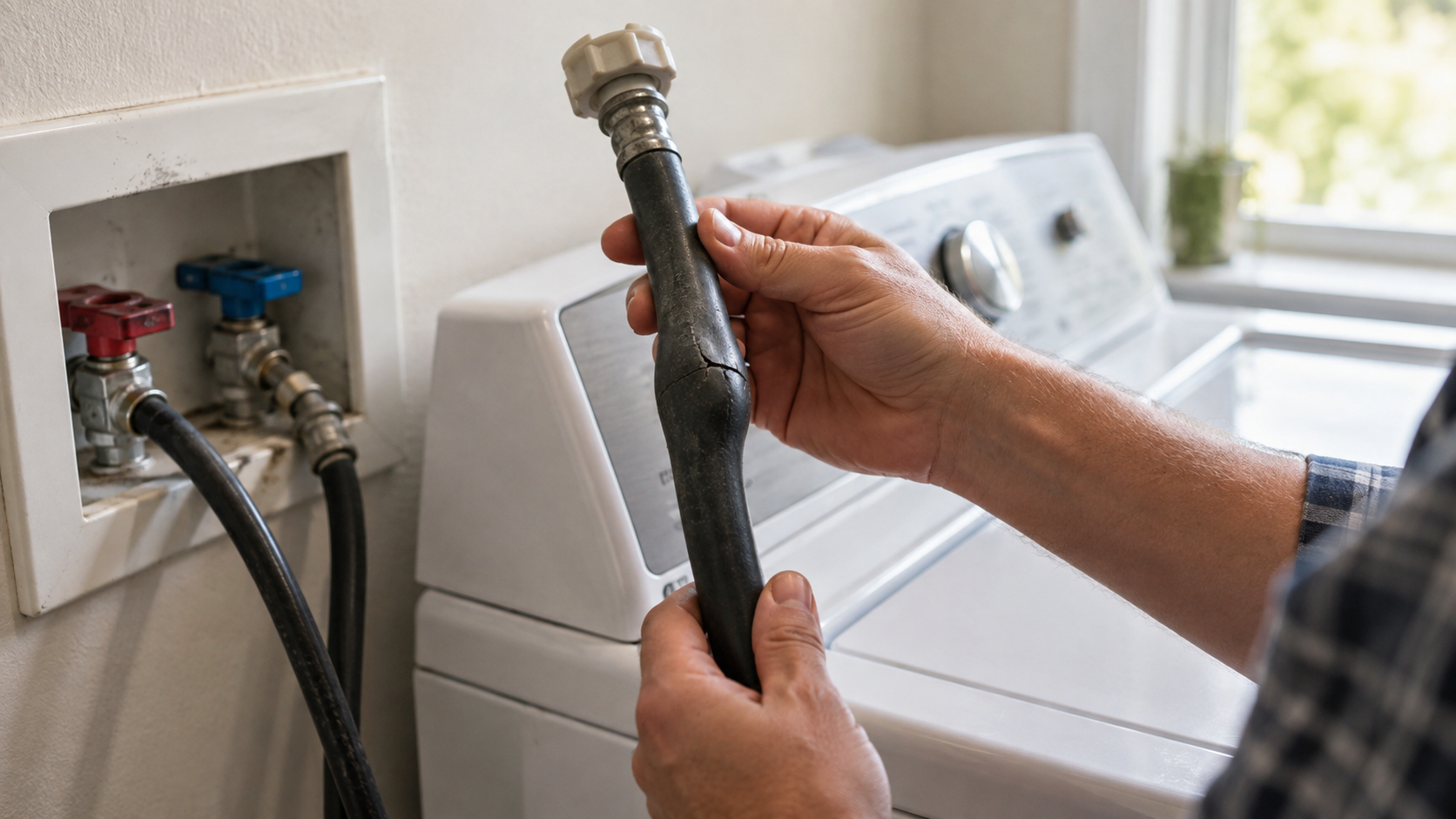
The hoses behind the washer are easy to forget until something changes. A bubble, bulge or crack in a water-supply hose indicates that the material has weakened and may fail. Because the hose carries pressurized water, a rupture can release a substantial amount of water into the home. A visibly deteriorating hose should therefore be replaced rather than monitored indefinitely.
Roof Shingles Look Damaged or Missing
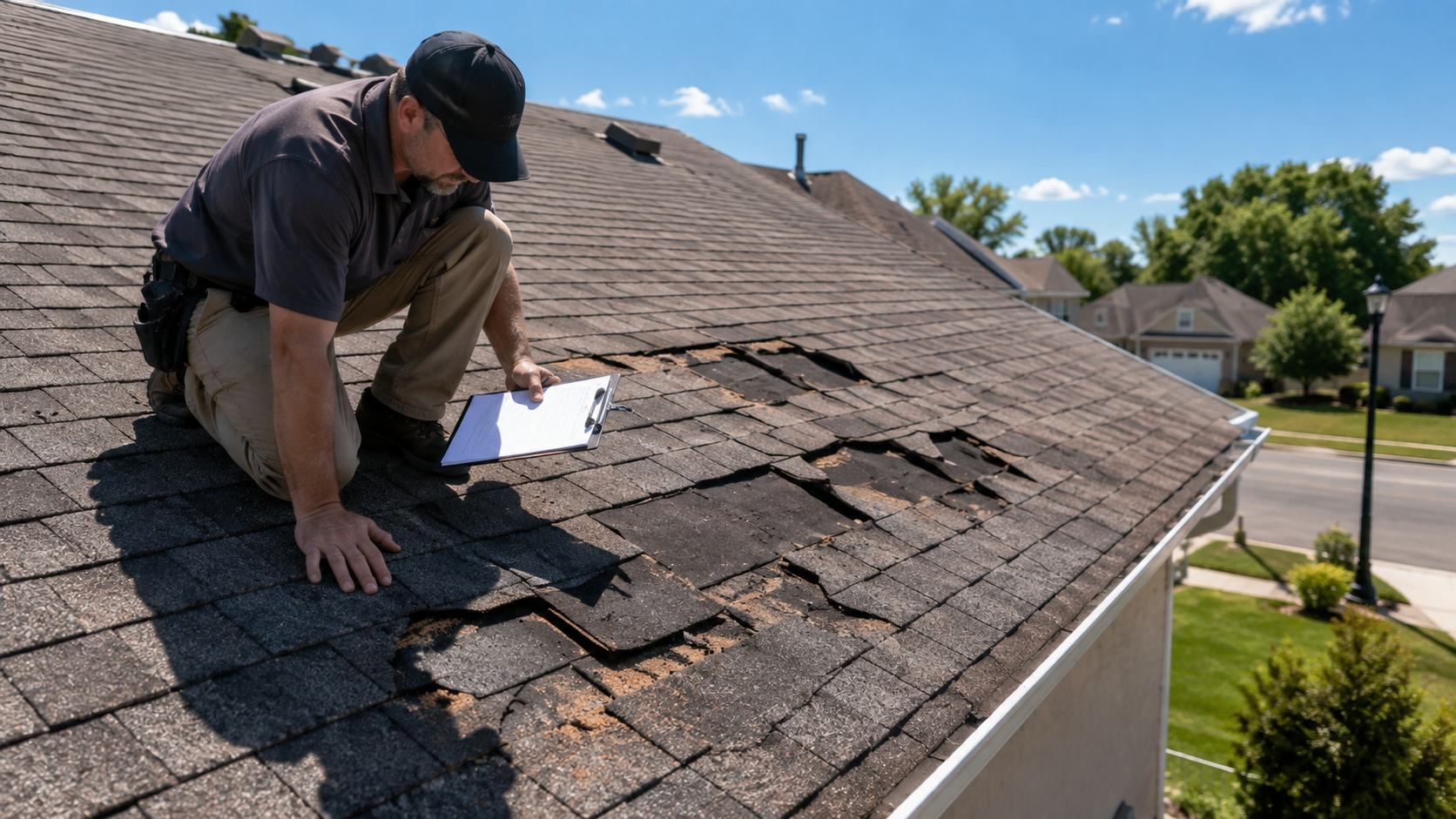
A missing or damaged shingle creates an opening in the roof’s weather protection. Water penetrating that opening can affect roof sheathing and insulation before eventually becoming an interior leak. Widespread deterioration can also indicate that the roof is approaching the end of its useful life. Ceiling stains, sagging and visible mold are additional clues that roof problems may already be allowing moisture inside.
White Powder Appears on Brickwork
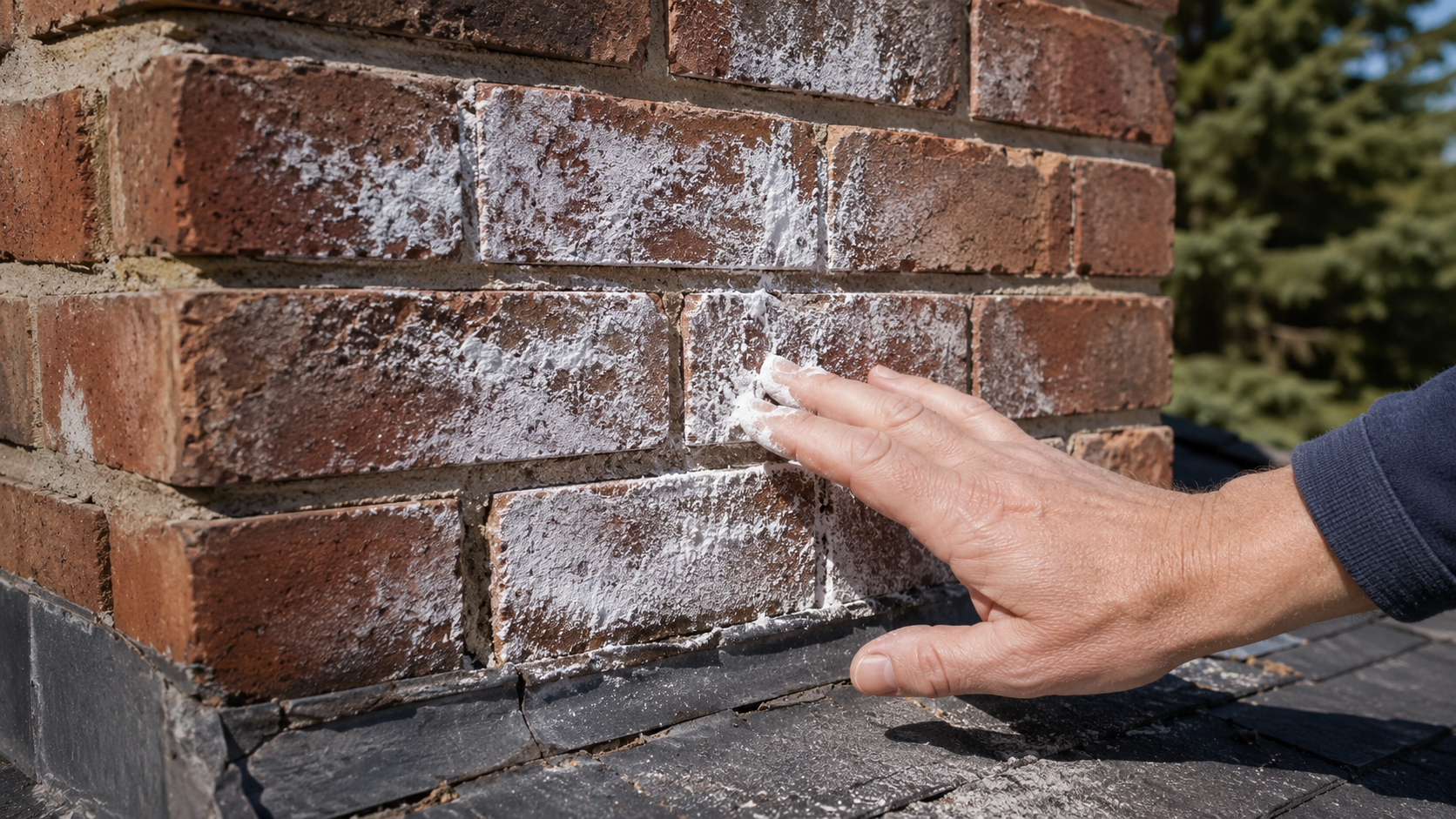
That chalky white coating on brick or masonry has a name: efflorescence. It forms when moisture travels through masonry, dissolves salts and leaves deposits behind as the water evaporates. Heavy efflorescence can therefore reveal unwanted moisture. On a chimney, persistent wetness becomes particularly concerning because freeze-thaw cycles can damage masonry and potentially contribute to deterioration of the flue liner.
Your Chimney Is Developing Cracks
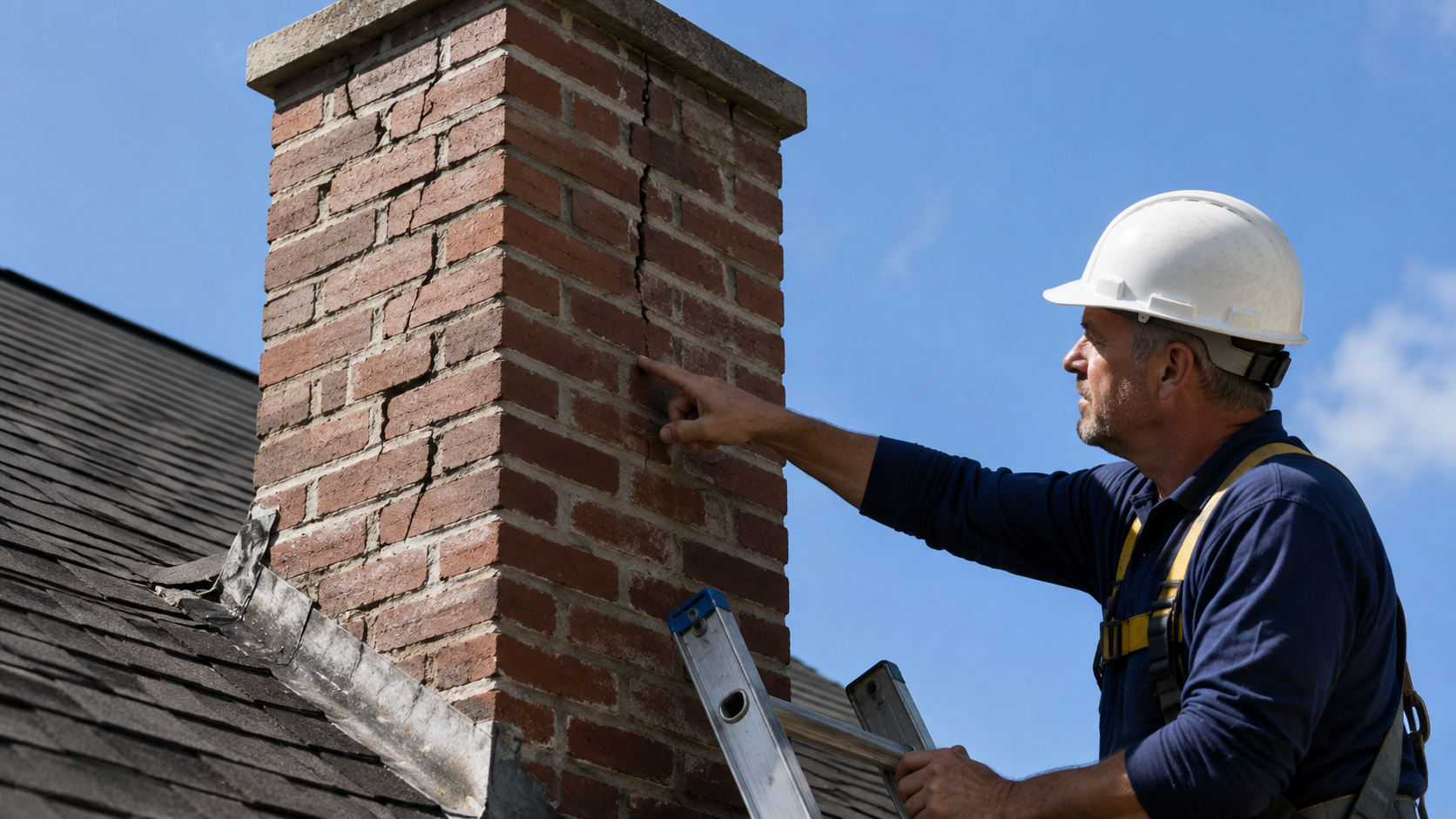
Cracked chimney brick or mortar can create two concerns at once. Openings allow water into the masonry, where repeated freezing and thawing can worsen deterioration. Cracks may also develop when unusual settling or shifting places stress on the rigid chimney structure. Small mortar defects may require straightforward repair, but larger or multiplying cracks can justify evaluation by a mason or structural professional.
The Yard Stays Wet When It Hasn’t Rained
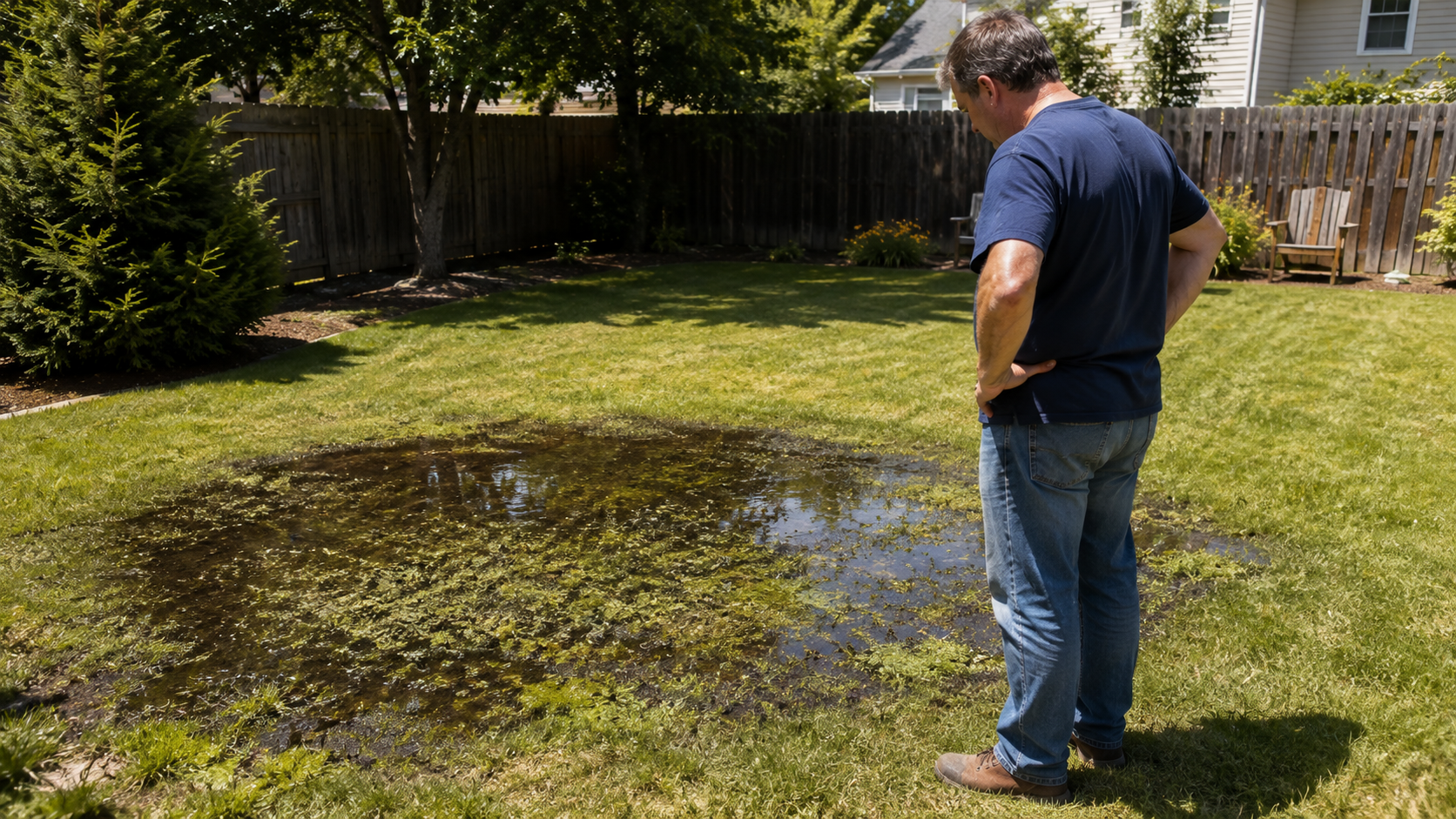
A stubbornly soggy patch of ground can be more revealing than it looks, especially during dry weather. Persistent wet soil may indicate a leaking underground water line or, in some cases, a sewer-line problem. Escaping water can waste money and potentially erode surrounding soil, while damaged wastewater lines introduce additional sanitation concerns. The location of the wet area can help a plumber or utility determine where to investigate.
Small Clues Are Most Useful When You Act Early

The next step is not to assume every crack or flickering bulb means catastrophe, but to watch for changes, combinations and symptoms that persist. Multiple structural warning signs can justify a whole-house inspection, while suspected electrical, plumbing, roofing or foundation problems may require specialists. The advantage of recognizing these clues is timing: a house can often reveal where attention is needed before the problem announces itself through a major failure.