8 Best Places Online to Sell Your Old Clothes and Make Extra Money
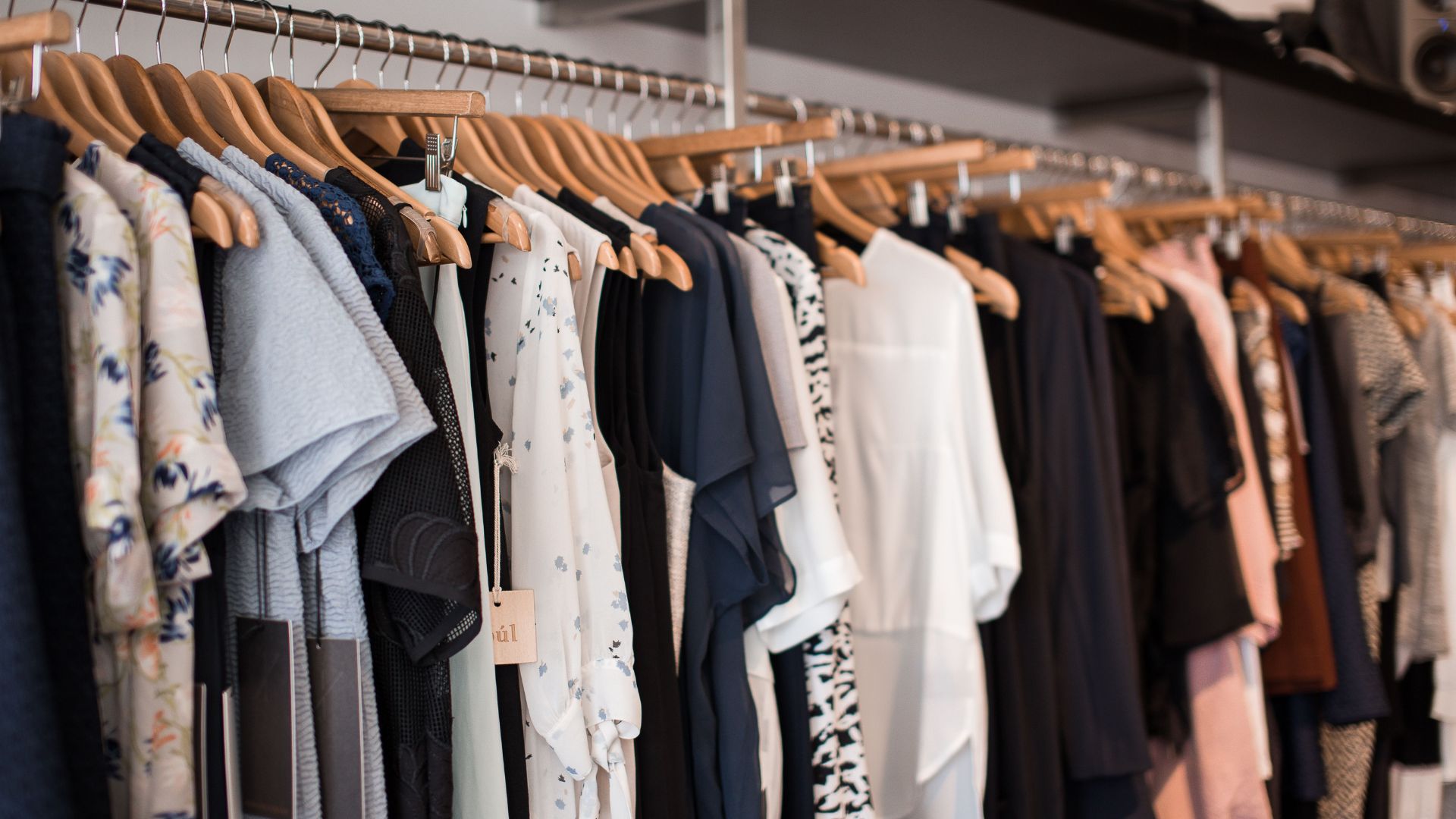

Clothes you rarely wear may be taking up space, but some could still have resale value. A 2025 OfferUp survey found that 93% of U.S. adults had purchased at least one preowned item in the previous year, while 54% had sold one. The key is choosing a marketplace suited to what you own, since everyday basics, vintage finds and designer pieces can perform differently depending on where they are listed.
Poshmark for a Wide Range of Everyday Clothes
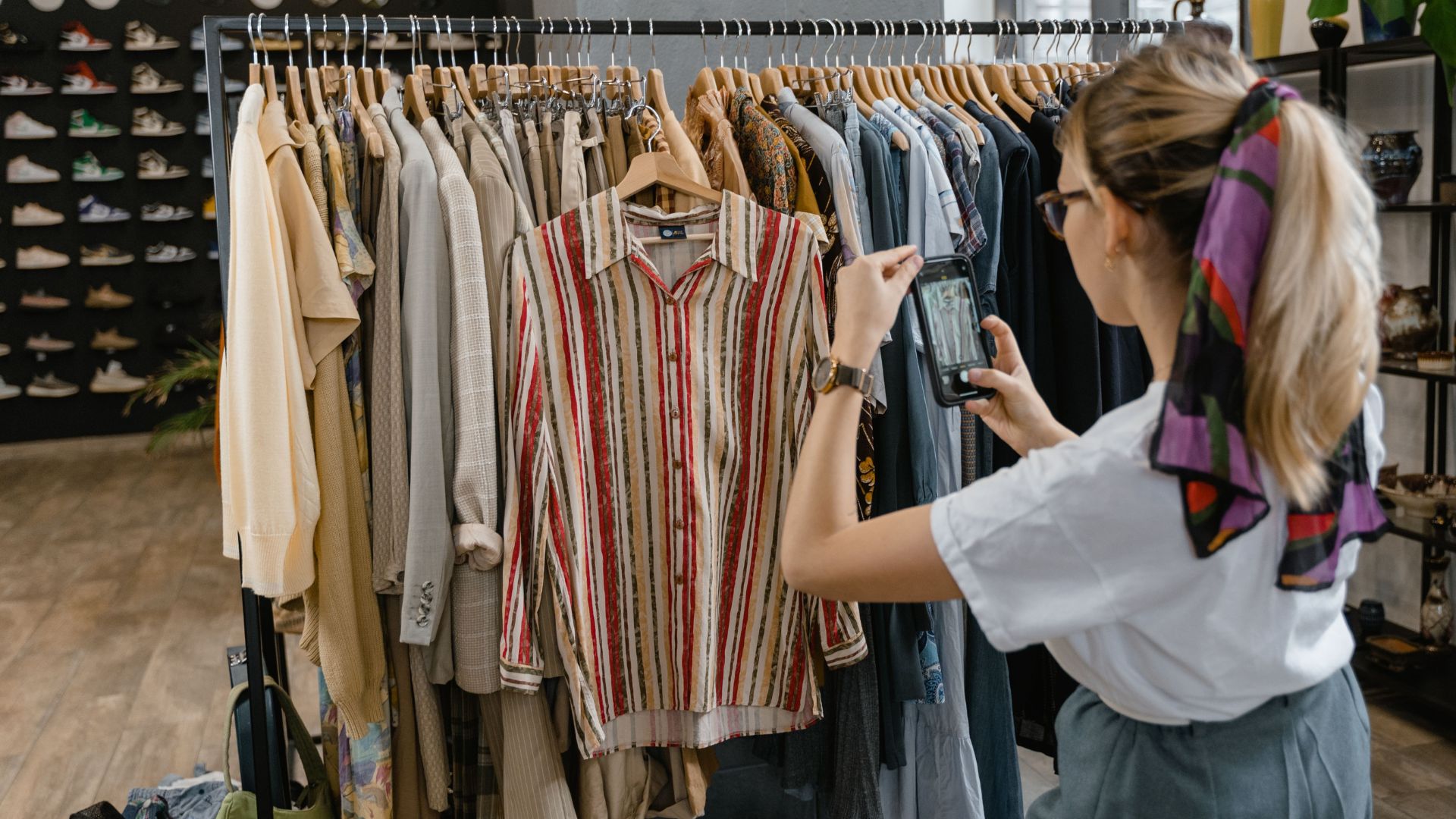
Poshmark is a peer to peer marketplace covering women’s, men’s and children’s clothing, along with accessories and other items. Sellers photograph, describe and price their own pieces, while the platform provides a prepaid shipping label after a sale. Designer and higher end brands can also perform well there, making Poshmark a flexible option when your closet contains a mixture of everyday and more valuable pieces.
ThredUp When Convenience Matters Most

If photographing and listing every shirt sounds exhausting, ThredUp offers a more hands off approach. Sellers can send eligible women’s and children’s clothing and accessories to the company, which handles inspection, listings and shipping. The tradeoff is that payouts vary significantly with selling price, so convenience may come at the cost of earning less than you might by selling desirable pieces yourself.
The RealReal for Designer Pieces

A luxury handbag or designer jacket deserves a marketplace built for higher value goods, and The RealReal specializes in authenticated designer clothing, bags, jewelry, watches and other merchandise. The company can handle authentication, listings, buyer questions and shipping after receiving your items. That makes it particularly appealing for sellers who want professional help rather than managing every transaction themselves, although commissions vary according to an item’s selling price.
Depop for Vintage and Trend Driven Fashion
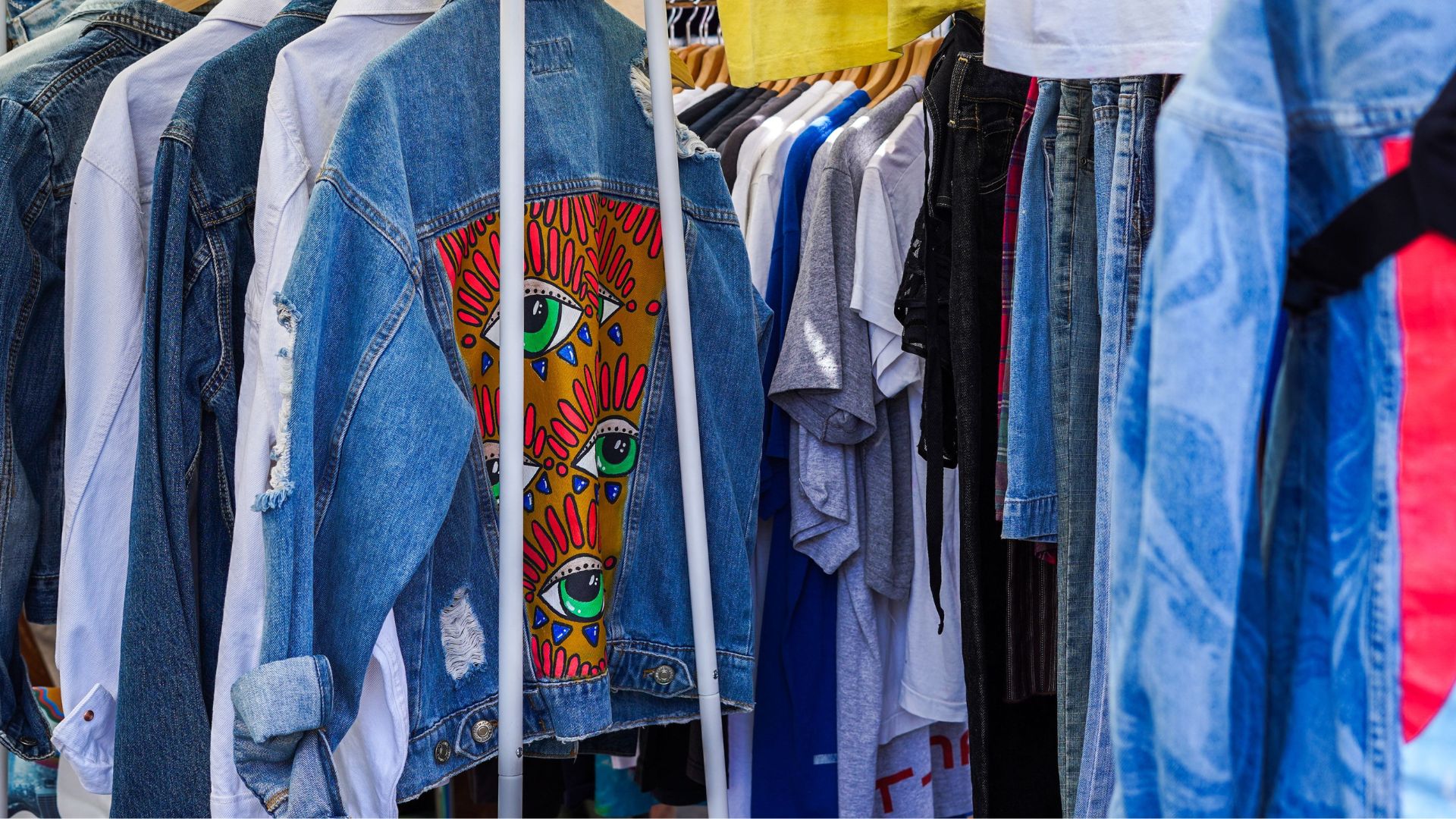
Depop combines peer to peer resale with a social media inspired shopping experience, making it particularly suited to stylish pieces. Its streamlined listing process and flexible shipping options can make selling relatively approachable. The platform is especially well suited to Y2K fashion, vintage pieces and streetwear aimed at younger shoppers, so distinctive items that might get overlooked elsewhere may be a better fit for Depop’s trend focused audience.
eBay for Access to a Broad Buyer Base

eBay can be useful when your closet contains everything from ordinary clothing to collectibles or valuable designer pieces. Sellers create their own listings and can choose an auction or a fixed “Buy It Now” price, giving them flexibility over how an item reaches buyers. Its broad audience can also help unusual or harder to categorize pieces find interested shoppers, especially when sellers provide detailed descriptions and realistic pricing.
Facebook Marketplace for Simple Local Sales

Sometimes the easiest sale is the one that never requires a shipping box. Facebook Marketplace allows sellers to upload photos, write a description, choose a price and communicate directly with interested buyers. Arranging a local pickup can eliminate shipping hassles and lets sellers reach people in their surrounding area. It can be especially practical when you want a straightforward closet clear out rather than building an ongoing resale business.
Mercari for Resale Beginners

Mercari may appeal to someone who has never sold clothing online before. Sellers can add photos, write a description and choose their price through the website or app. Once an item sells, shipping options are available based on the package’s size and weight, helping simplify the fulfillment process. That relatively straightforward setup can make Mercari a useful starting point for anyone testing whether selling unwanted clothes online is worth the effort.
Vestiaire Collective for Luxury Sellers Who Want Control

Vestiaire Collective is another option for luxury fashion, particularly for sellers who want more involvement than traditional consignment provides. Sellers create listings and set prices, while the platform places particular emphasis on authentication, an important consideration when shoppers are buying expensive designer brands. Because fees can reduce the amount you ultimately receive, it is worth comparing your potential return with other luxury marketplaces before deciding where to list a valuable piece.
Match the Clothes to the Marketplace

There is no single resale site that makes sense for every closet. Convenience-focused sellers may prefer ThredUp or The RealReal, while people willing to photograph, price and ship their own pieces have options including Poshmark, eBay, and Depop. Before listing, compare actual sold prices rather than asking prices, then use clear photos and detailed descriptions. Choosing the right platform can turn an ordinary closet cleanout into useful extra cash.