The Everyday Chores That Defined Boomer Childhoods
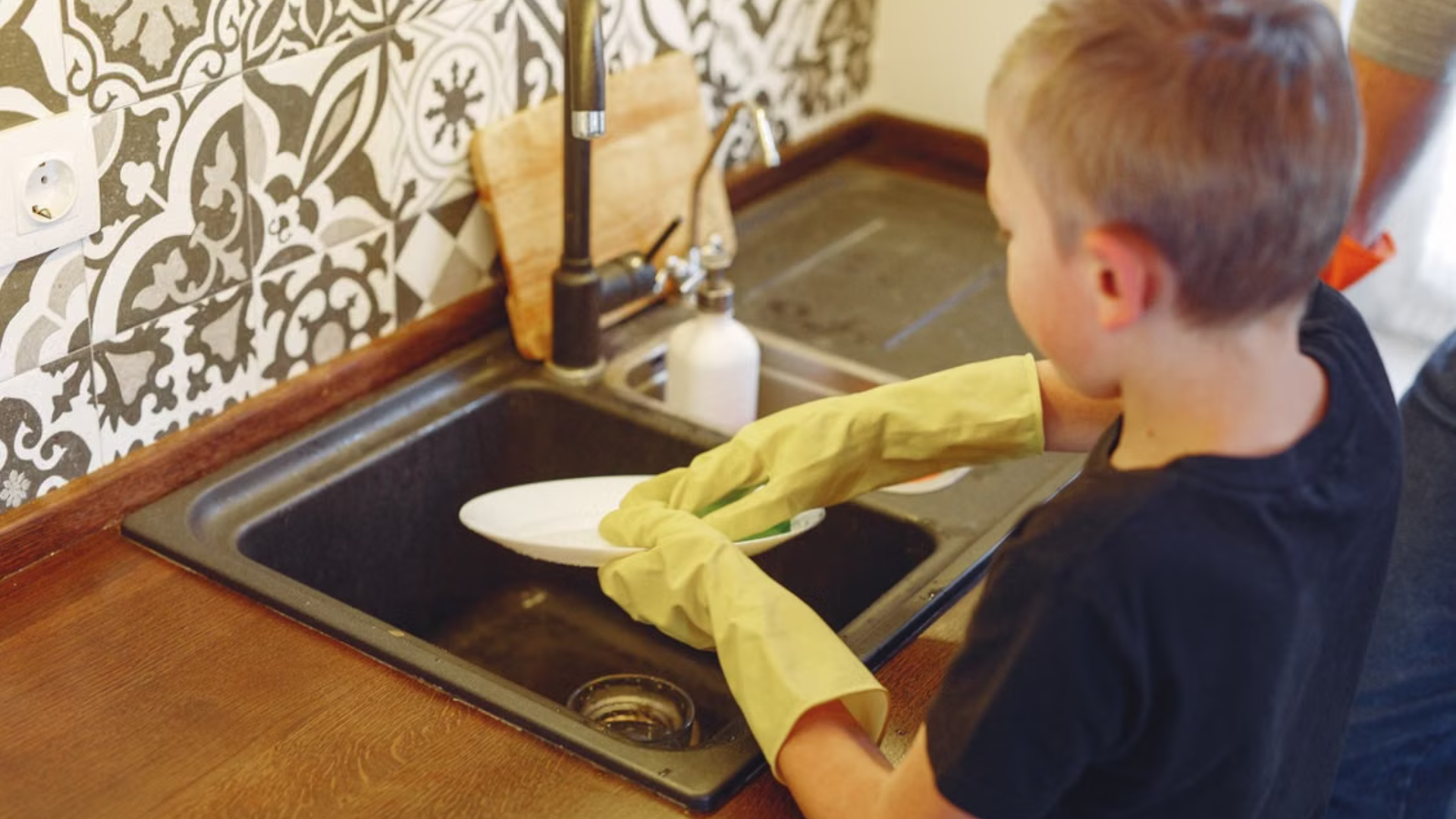

For many Baby Boomers, household chores were a regular part of growing up and often began at a young age. Long before robotic vacuums, dishwashers became common, and lawn services were widely available, children were expected to contribute to the daily upkeep of the home. These responsibilities helped teach practical skills, discipline, and a strong work ethic that many Boomers still remember today.
The chores assigned to children often reflected the era’s lifestyle and available technology. Tasks that may seem unusual to younger generations were once routine responsibilities in households across America. From hanging clothes on outdoor lines to helping maintain family gardens, these activities were considered normal parts of childhood.
Many Boomers recall spending weekends and afternoons helping parents complete essential household tasks. While the work was not always enjoyable, it often fostered independence and a sense of responsibility. Looking back, these chores provide a glimpse into how family life has evolved over the decades.
Household Responsibilities Were a Daily Expectation

One of the most common chores for Boomer children involved helping with laundry. Before electric dryers became standard in many homes, kids were often tasked with hanging wet clothes on outdoor lines and later bringing them back inside. The process required time, effort, and attention to changing weather conditions.
Other routine duties included washing dishes by hand, polishing furniture, sweeping floors, and dusting various rooms throughout the house. Many families assigned these responsibilities on a rotating basis, making household maintenance a shared effort. Children were often expected to complete their chores before enjoying free time or social activities.
Boomers also frequently helped with tasks that are less common today, such as beating rugs outdoors to remove dirt and dust. Some children assisted with preparing meals, peeling vegetables, or helping preserve food through canning. These activities reflected a time when many households relied more heavily on manual labor and home-based food preparation.
Outdoor Work Taught Responsibility and Practical Skills
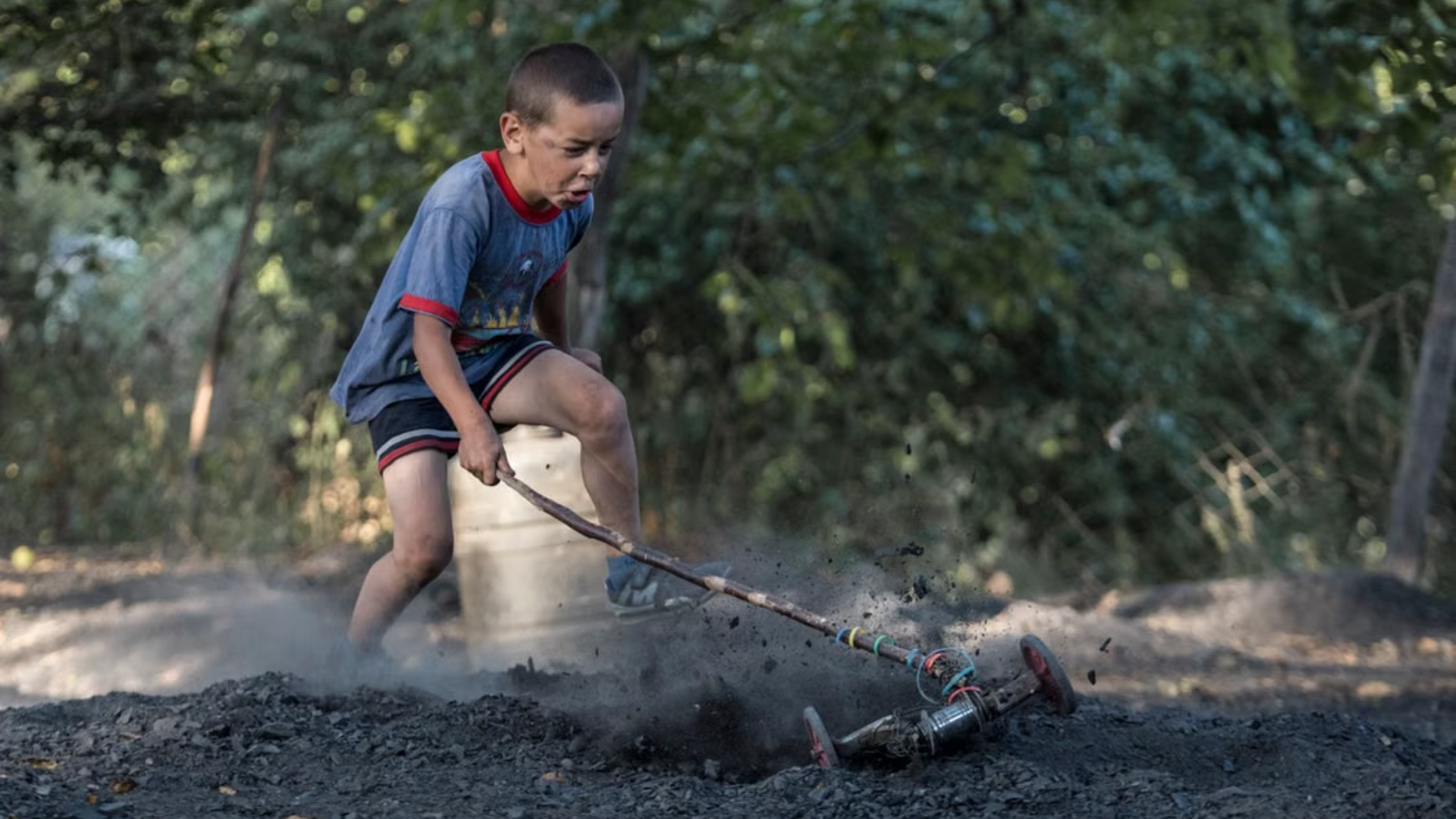
Outdoor chores played a major role in many Boomer childhoods. Mowing lawns, pulling weeds, watering gardens, raking leaves, and shoveling snow were often regular assignments depending on the season. These tasks helped children develop practical skills while contributing to the family’s needs.
Many families also maintained vegetable gardens, requiring children to assist with planting, watering, harvesting, and general upkeep. In rural areas, some youngsters had additional responsibilities involving livestock, collecting eggs, feeding animals, or cleaning barns. These experiences provided firsthand lessons about food production and hard work.
Parents often viewed chores as opportunities to build character and prepare children for adulthood. Completing responsibilities consistently was frequently tied to earning allowances or privileges. The expectation that children contribute to household operations was widely accepted across many communities.
Chores Helped Shape a Generation

The everyday chores that defined Boomer childhoods reflect a very different era of family life and household management. Many tasks required significant time and physical effort because modern conveniences either did not exist or were not widely available. As a result, children often played a more active role in maintaining their homes and neighborhoods.
These responsibilities helped teach valuable life skills that many Boomers carried into adulthood. From managing time and completing assignments to learning practical household tasks, chores served as informal lessons in responsibility and self-reliance. Many people from the generation still credit these experiences with shaping their work ethic and independence.
While childhood expectations have changed over the years, the memories of these chores remain an important part of Boomer culture. They offer insight into how families functioned in previous decades and highlight the significant differences between past and present lifestyles. For many Boomers, those daily tasks were simply part of growing up.