U.S. Product Recalls Hit 1 Billion Units in 2026, the Most in Years
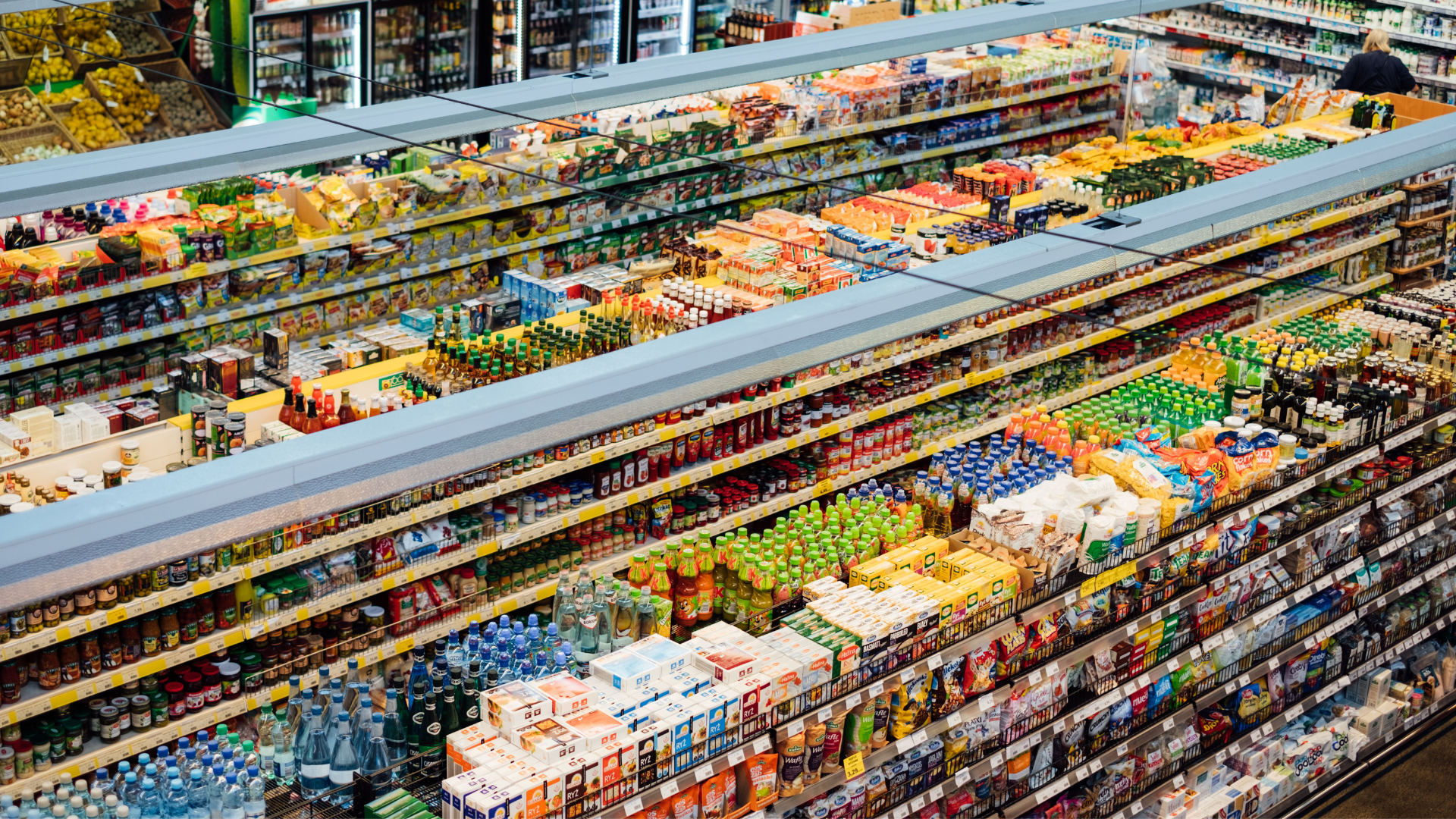

A recall notice pops up so often these days that most people scroll right past it. The actual numbers behind those notices tell a different story. The United States has now surpassed one billion recalled product units in 2026, only the fourth time that has happened in the past 15 years. The surge is not about more companies issuing recalls, it is about each recall now reaching far more households than before.
Half a Year of Recalls Already Beat All of 2025 Combined
Sedgwick’s Product Safety and Recall Index found 941.2 million units recalled across five major industries in just the first half of 2026. That figure jumped 345.5 percent from the 211.2 million units recalled during the same period in 2025, and it already exceeds the total recorded for all of 2025 combined. With July data added, the year officially crossed the billion-unit mark.
The Number of Recalls Barely Changed. The Size of Each One Exploded.
What makes this surge unusual is what did not change alongside it. The total number of individual recall events stayed nearly flat, 1,634 in the first half of 2026 compared to 1,636 during the same stretch in 2025. Companies are not announcing more recalls than before, each recall is simply sweeping up dramatically more products than it used to, concentrating risk into fewer, larger events.
Consumer Product Recalls Hit Their Highest Half-Year Total in 29 Years

Consumer products stood out as the one category where both the count and the scale increased together. The Consumer Product Safety Commission issued 289 recalls in the first half of 2026, up 37.6 percent from 210 a year earlier and the highest half-year total the agency has recorded in 29 years. Q1 alone saw CPSC recalls hit their highest quarterly count since 2007.
Pharmaceutical Recall Volume Jumped 914 Percent in a Single Year
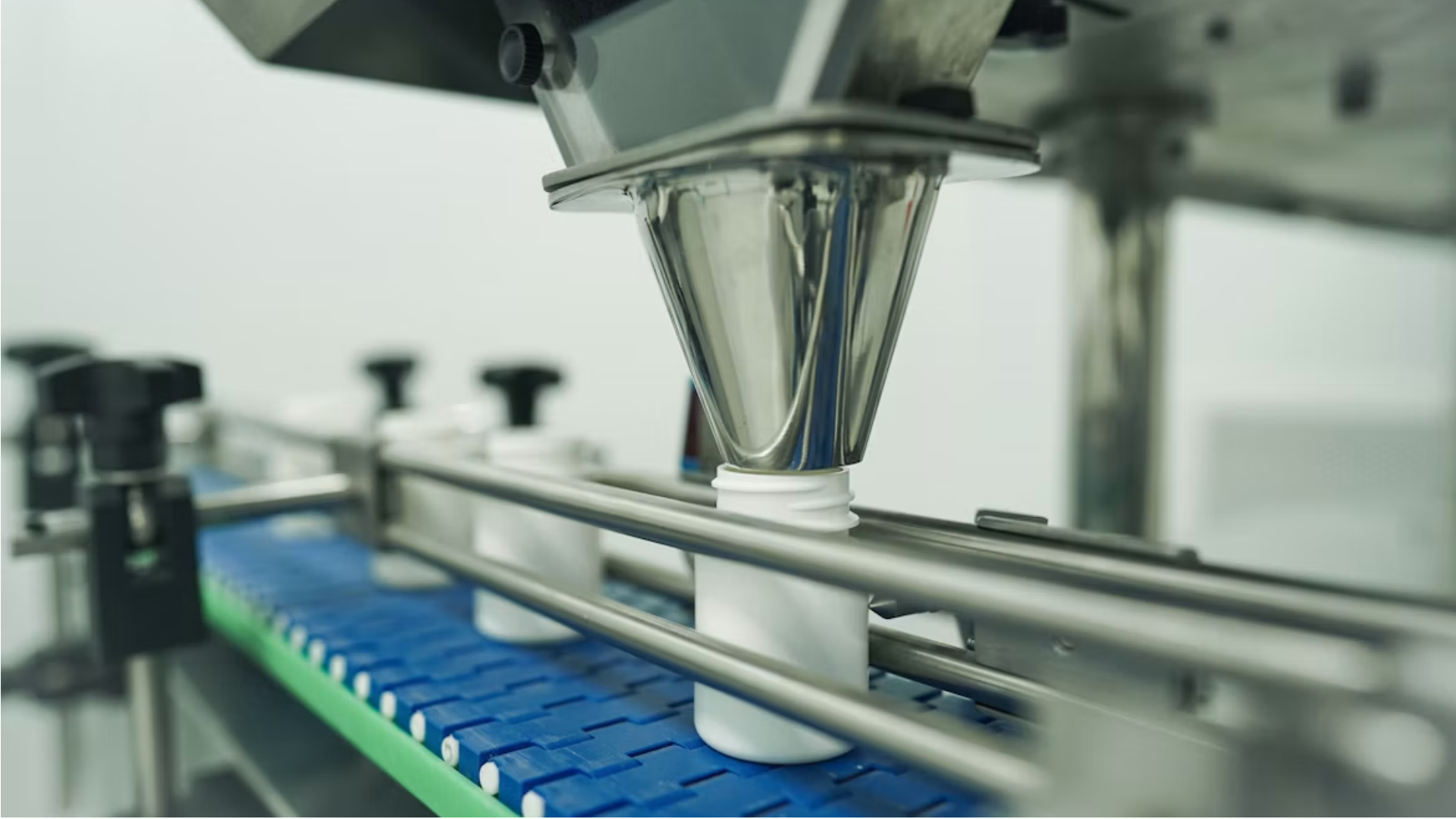
Pharmaceuticals drove much of the overall volume increase almost single-handedly. Recall events in that sector actually dipped slightly, from 184 to 177, but the units involved jumped 914 percent year-over-year to 471.6 million, the sector’s highest level in 18 years. Class I pharmaceutical recalls, the most serious category, fell to a five-year low in event count while their unit volume climbed to a 20-year high.
Medical Device Recalls Surged by More Than 500 Percent

Medical devices followed a similar pattern to pharmaceuticals this year. Units recalled in that sector rose 516.8 percent year-over-year to 313.1 million during the first half of 2026. Combined, pharmaceutical and medical device recalls account for the majority of this year’s total surge, even though neither sector saw a dramatic rise in the actual number of recall announcements filed with regulators.
One Minneapolis Warehouse Recall Shows Exactly How This Works
A real example of this exact pattern played out in Minneapolis this past December. Gold Star Distribution issued a single recall notice after federal inspectors found rodent droppings, urine, and bird waste throughout its warehouse. That one event affected nearly 2,000 different products, from Cheerios and Pringles to Q-Tips and pet food, all sold across Minnesota, Indiana, and North Dakota.
Fewer Companies Are Recalling Products, But Each Recall Hits Harder
Sedgwick’s own researchers describe this shift as a meaningful change in how recall risk actually works. “Recall events remained flat at the half-year mark, but the number of products affected was far greater,” said Chris Harvey, the company’s senior vice president of product innovation and industry engagement. The pattern suggests fewer companies are triggering recalls, but each one now carries far larger consequences.
Even Car Recalls Followed the Same Fewer-But-Bigger Pattern

Not every category moved in the same direction this year. Automotive recall events actually declined, with the National Highway Traffic Safety Administration issuing 431 recalls in the first half of 2026, down 6.5 percent and the lowest count in six years. Yet the number of vehicles affected still rose 111.6 percent to 23.48 million, echoing the same fewer-but-bigger pattern seen elsewhere in the data.
The Real Risk Now Isn’t How Often Recalls Happen

For everyday households, the practical lesson is not that recalls are happening constantly, it is that any single recall now carries higher odds of touching something already sitting in a kitchen cabinet or medicine drawer. Checking product names and lot numbers against FDA, CPSC, or USDA recall notices remains the only reliable way to know if a specific item at home is actually affected.