Americans May Want to Prepare as a Massive Heat Dome Moves In
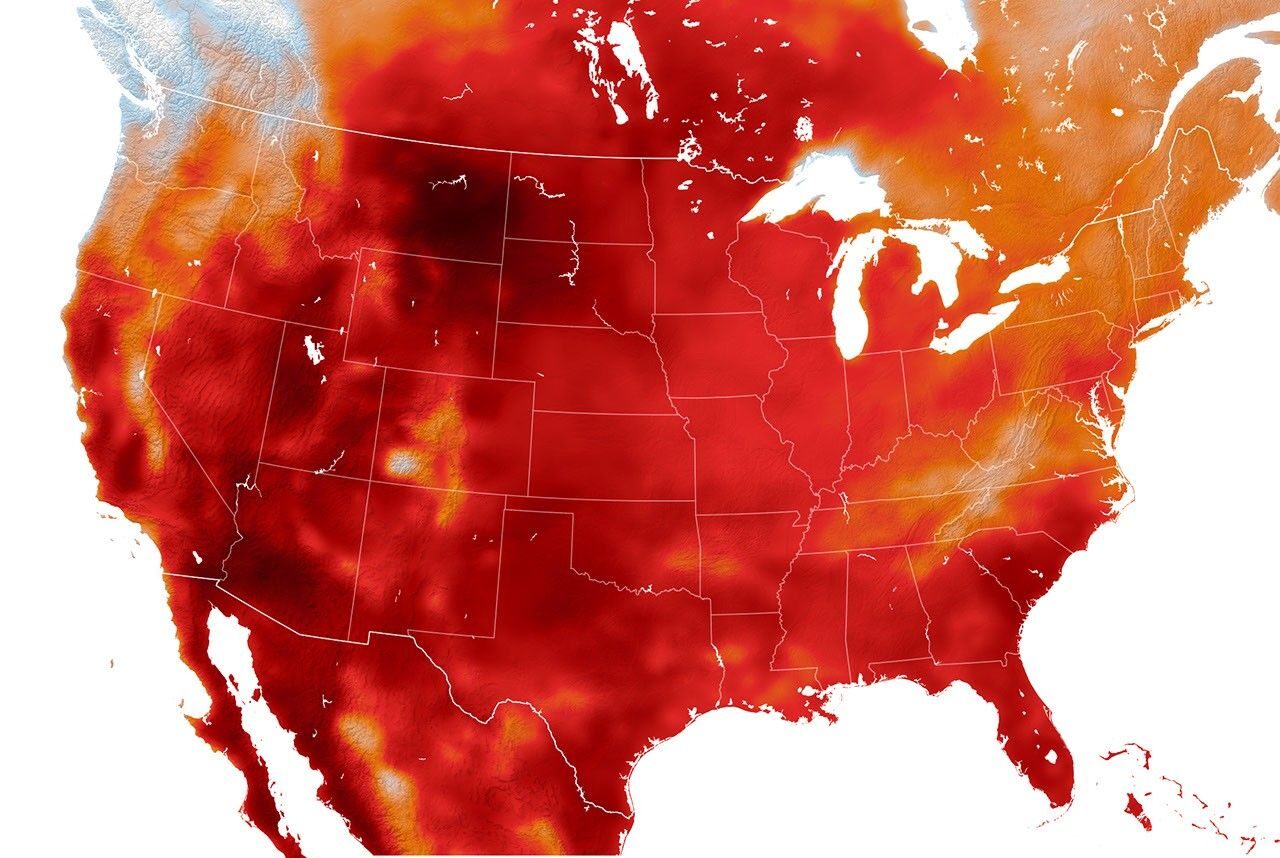

A heat dome may sound like a problem measured in outdoor temperatures, but its effects can reach much deeper into the home. As intense heat lingers across large parts of the country and the same weather pattern helps steer storms toward the Northeast, homeowners could find themselves dealing with everything from air conditioners running overtime to water threatening basements. The risks are not identical everywhere, and some are less obvious than others. Here is how this sprawling weather pattern can put a house to the test, and where homeowners may feel the strain first.
Why A Heat Dome Sticks Around
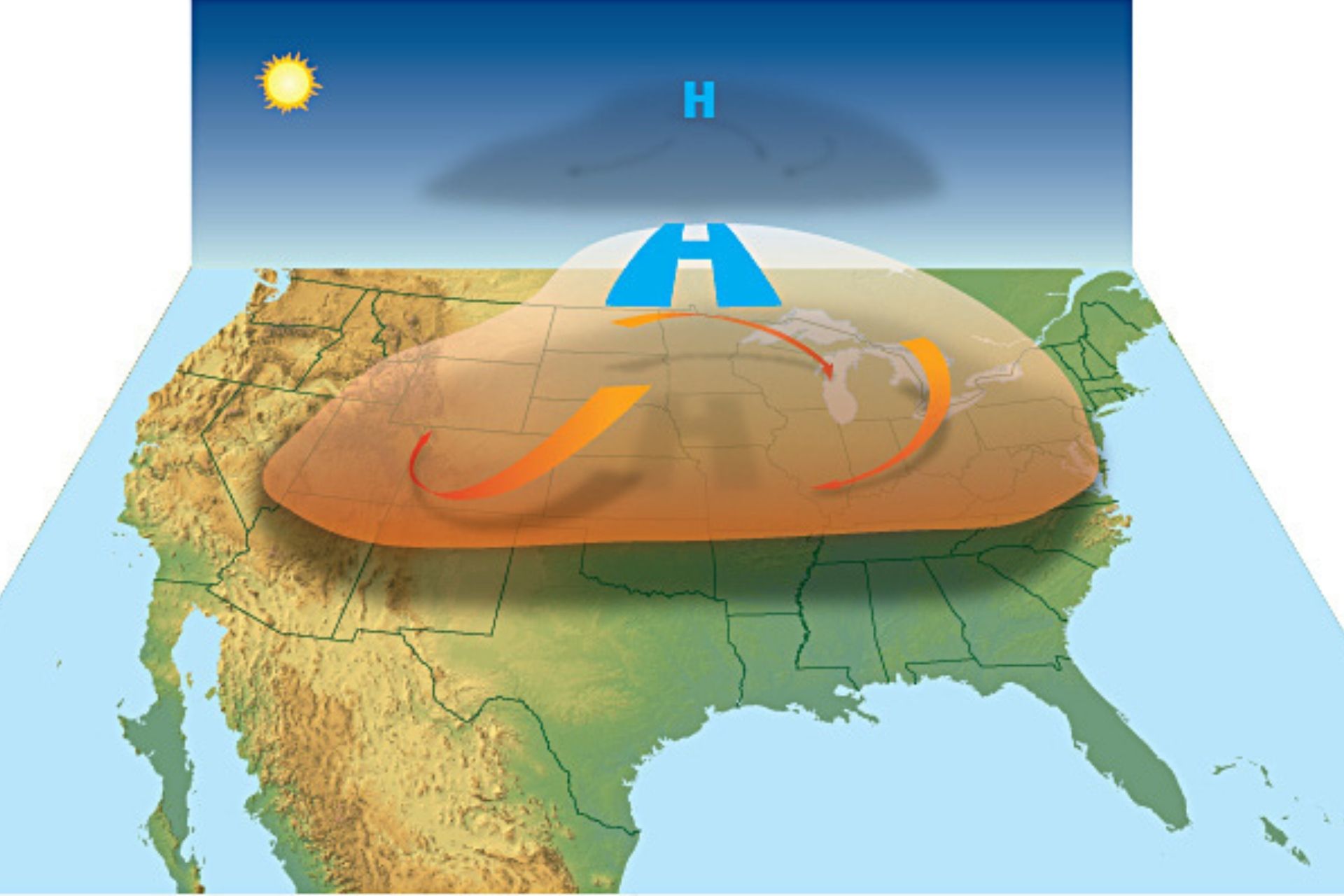
A heat dome develops when persistent high pressure traps warm air below it. Sinking air compresses and warms, while high pressure suppresses clouds and rainfall, allowing sunshine to keep heating the surface. The pattern can persist for days or weeks, effectively placing a lid over a large region. This particular pattern has carried summerlike conditions into meteorological fall, with the Ozarks beginning September near 100 degrees and forecasts there calling for upper-90s to low-100s temperatures through the weekend.
Air Conditioners Face A Marathon
A long heat spell changes how a cooling system works because an air conditioner may have to operate harder and longer simply to maintain the same indoor setting. That extra demand arrives when cooling has already become more expensive: in hundreds of Southern and Western counties, annual home-cooling costs have risen by more than $105 since 2018. Heat waves also increase stress on electrical and climate-control equipment, raising the possibility of mechanical or electrical failure.
Indoor Heat Can Outlast The Day

Air conditioning is also a safety system during extreme heat. Without cooling, heat enters through walls and windows and can build inside, particularly upstairs and in sun-facing rooms. Poorly insulated homes may remain hot after outdoor temperatures fall because their walls, ceilings and other surfaces release stored heat slowly overnight. That matters during the current pattern because unusually warm nights are a prominent feature, with some overnight lows forecast 10 to 20 degrees above average.
The House Itself Can Take Damage
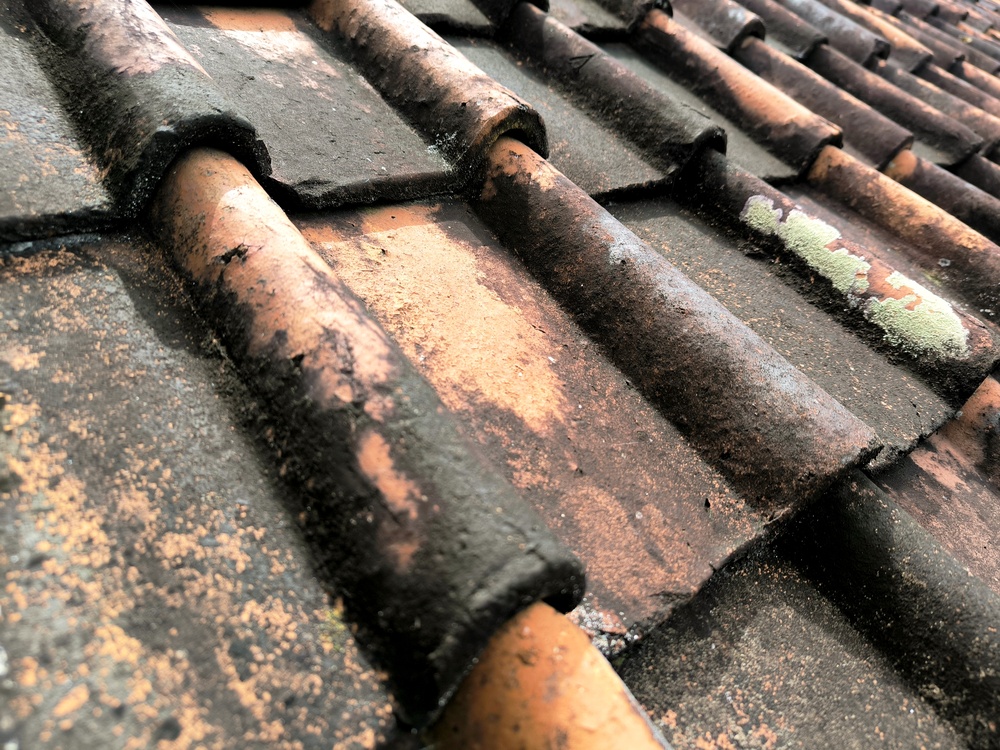
Heat can affect more than indoor comfort. Prolonged high temperatures can contribute to cracked foundations, deteriorating roofs, warped window or door frames and bubbling paint. Homeowners insurance may not automatically solve the problem because gradual deterioration can be classified as wear and tear or preventable damage rather than a sudden covered loss. Equipment-breakdown endorsements may cover certain sudden accidental failures, but breakdowns caused by ordinary wear are generally excluded.
Storms Gather Around The Edge
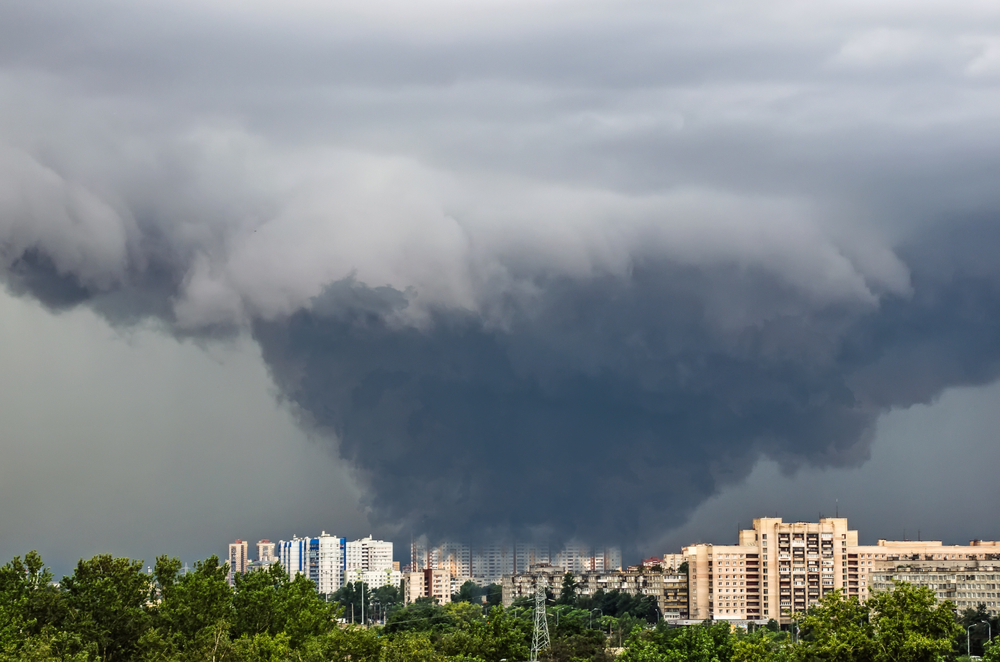
The same atmospheric setup producing heat can create trouble hundreds of miles away. The high-pressure dome can obstruct the jet stream and force storm systems to travel around its perimeter. It also sharpens the contrast between trapped hot air and cooler air nearby, creating conditions that can help storms organize. That helps explain why sweltering weather across the South can coexist with repeated rounds of thunderstorms and flooding concerns across the Northeast.
Repeated Rain Raises The Flood Risk

The Northeast entered September facing successive rounds of rain and thunderstorms through at least Thursday. More than 85,000 customers were without power late Tuesday after winds reaching 70 mph toppled trees and power lines in parts of Pennsylvania, Delaware and New Jersey. The flooding concern becomes greater where storms repeatedly cross the same locations, allowing water to accumulate faster and increasing the threat to streets, smaller waterways and low-lying property.
Small Home Defenses Matter
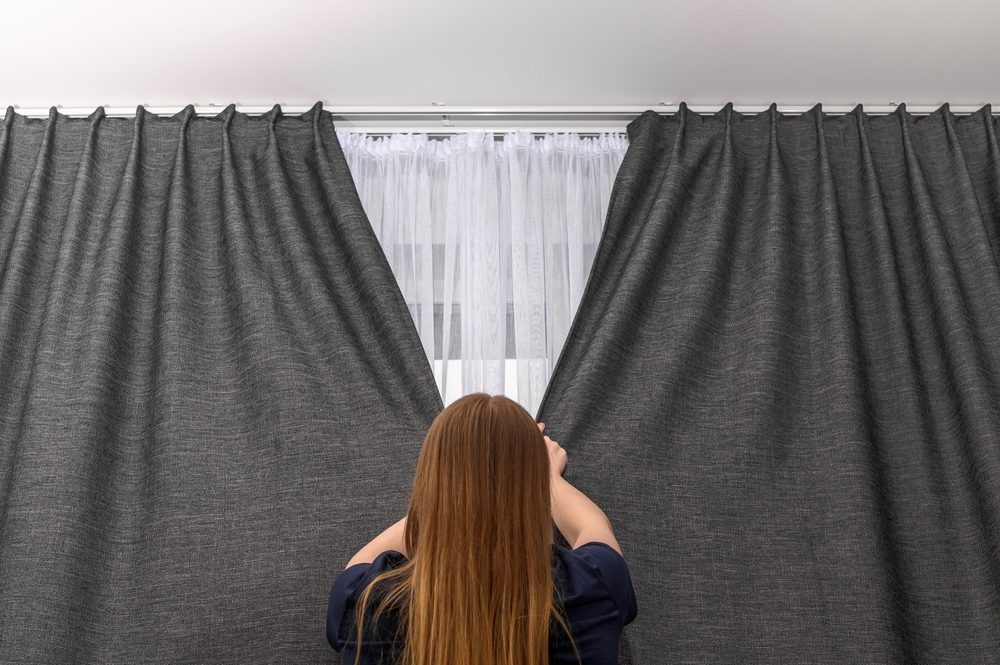
Home preparation does not require rebuilding the house. Recommended heat defenses include changing air-conditioning filters, sealing gaps around windows and doors, using blackout curtains or window tinting, improving attic insulation and ventilation, and monitoring the exterior for cracks. Longer-term measures such as reflective window film, lighter-colored roofing and better insulation can slow indoor heating, an advantage that becomes especially important if a blackout removes mechanical cooling during a heat wave.
Climate Change Raises The Baseline
Heat domes are weather patterns, but they now operate in a warmer climate. Human-caused climate change is making U.S. heat waves more frequent and intense, and the average number of heat waves has doubled since the 1980s. Lawrence Berkeley National Laboratory scientist Michael Wehner told NPR that climate change has added roughly 3 to 5 degrees Fahrenheit to typical U.S. heat waves. That warmer baseline can translate into longer cooling demand and less nighttime recovery.
The Next Test Is How Long It Lasts
The immediate question for homes is duration. In the Ozarks, forecasts suggest the ridge may weaken around mid-September, potentially allowing cooler air and rain farther south, although the month is still expected to lean warmer and drier than normal there. Meanwhile, the Northeast’s storm threat is expected to ease toward the weekend. What happens next will show whether this becomes a short-lived September anomaly or another reminder that homes increasingly need to handle heat, power strain and heavy rainfall in rapid succession.