Tesla Joins China’s Largest-Ever Recall, Covering 4.3 Million Vehicles

One of the electric car industry’s most recognizable design choices is becoming a safety problem in its biggest market. China has launched its largest automotive recall campaign, covering about 4.3 million vehicles from Tesla and eight other automakers over concerns that doors could be difficult to open during emergencies. Tesla accounts for the largest share, with 2.98 million vehicles affected.
Tesla Bears Most of the Recall
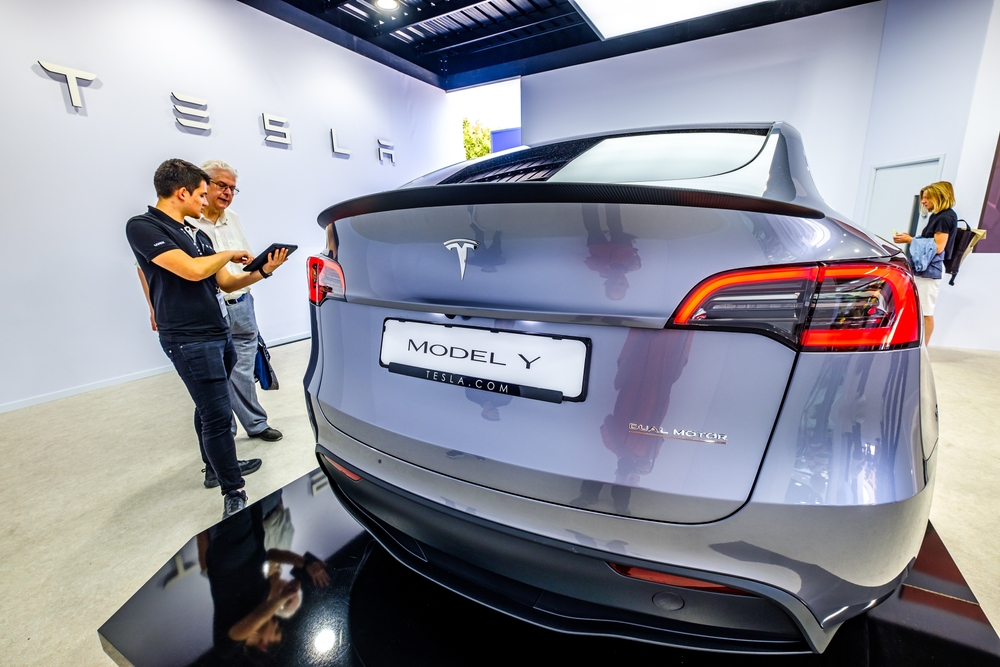
Tesla’s action covers 2.98 million imported and China-made Model 3, Model Y, Model S and Model X vehicles. Although Chinese regulators announced the recall campaign on August 21, Tesla’s portion is not scheduled to begin until September 25. The concern centers on mechanical emergency door-release handles that can be difficult to identify after a severe crash and electrical failure, potentially slowing occupants trying to escape or rescuers attempting to reach them.
Why Hidden Handles Became So Popular
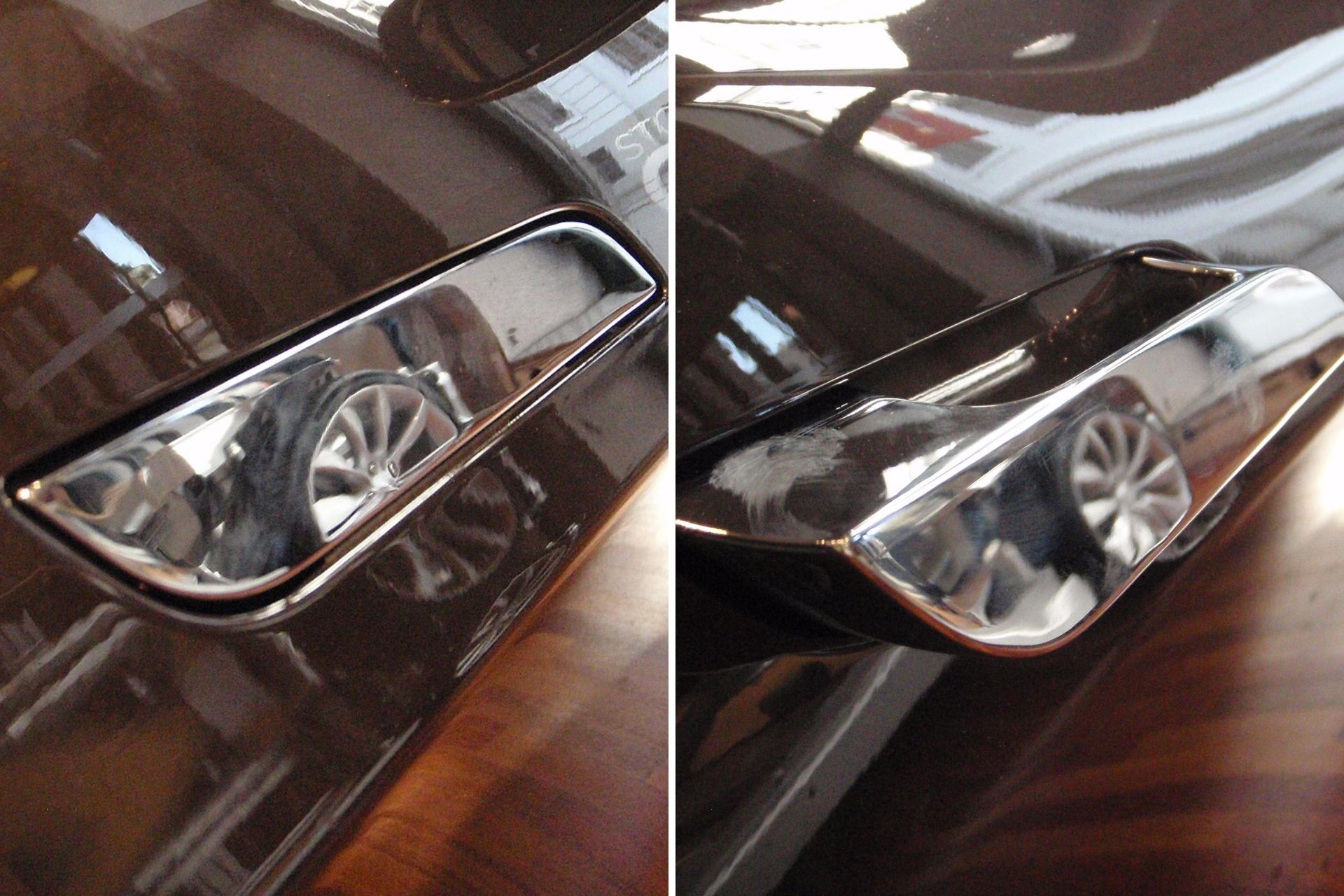
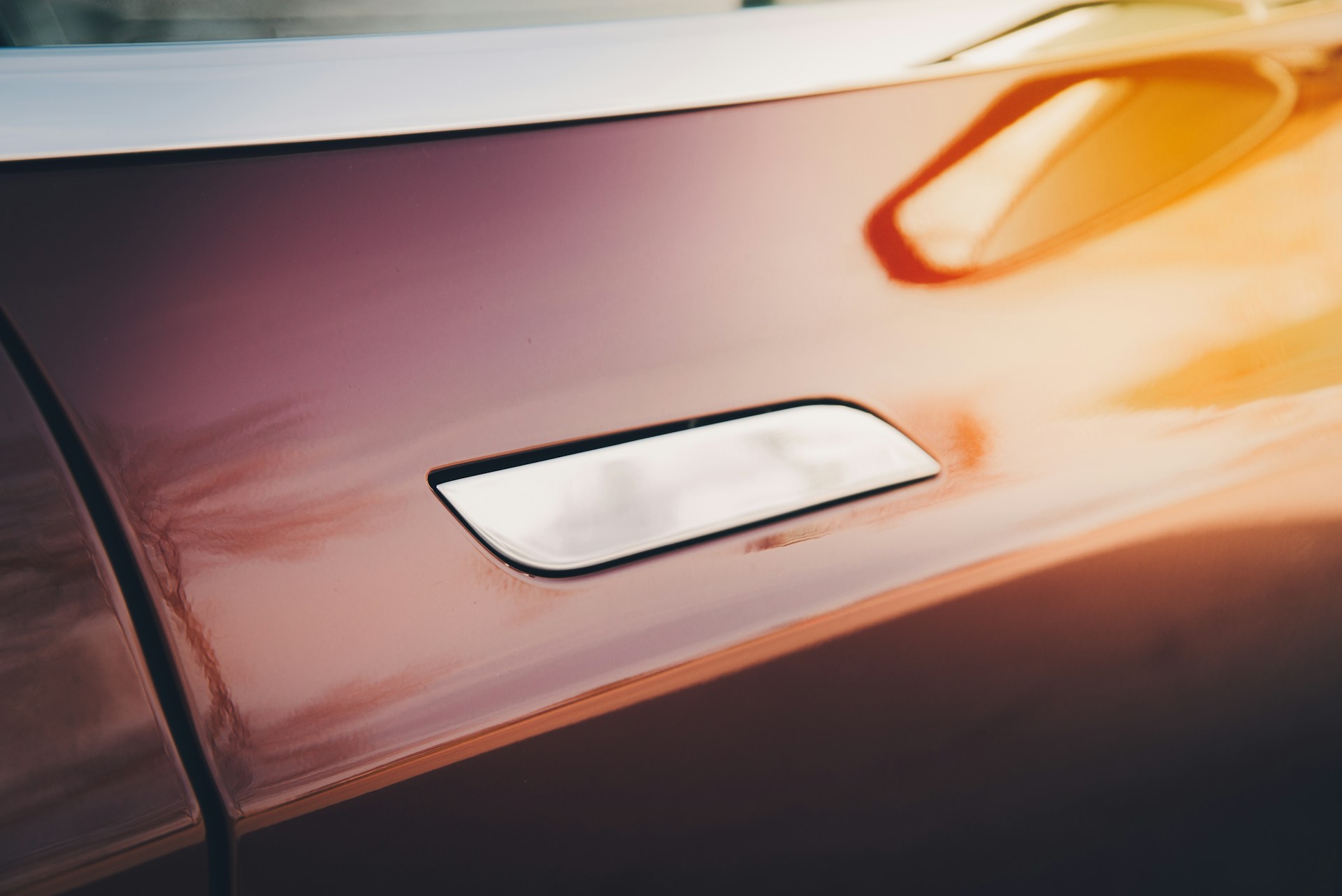
Tesla helped popularize concealed handles with the Model S (in photo), which it began selling in China in 2014. The idea spread quickly because flush handles provide a sleek appearance and can reduce aerodynamic drag. They are now common across China’s rapidly expanding electric and hybrid market: roughly 60% of the country’s 100 best-selling new-energy vehicles use hidden handles, according to reporting citing industry experts.
A Simple Feature Becomes Critical After A Crash
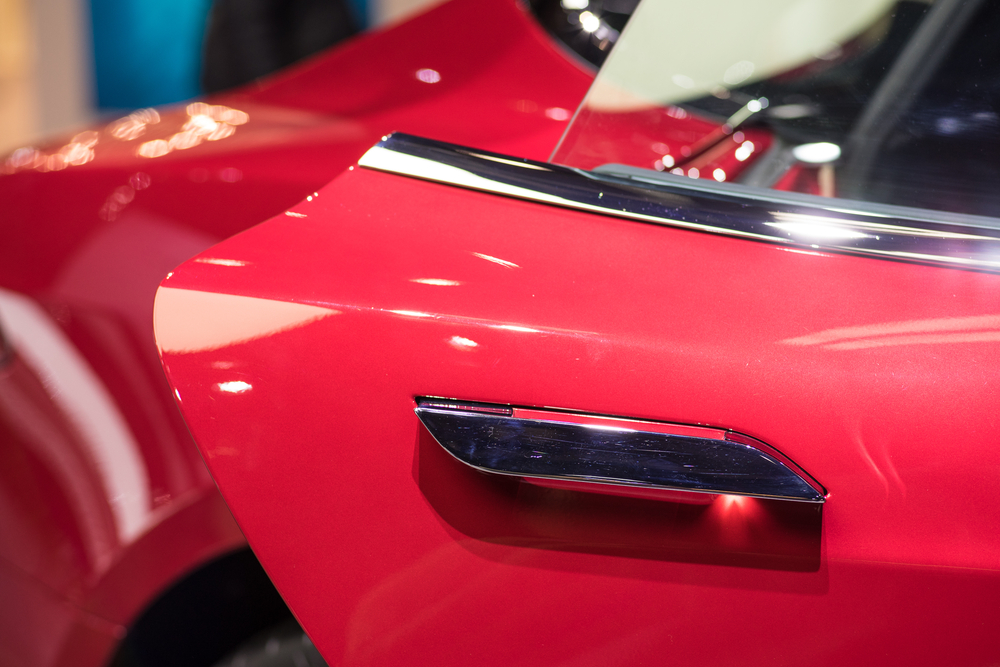
The concern is less about opening a door during an ordinary trip than what happens when electronics fail. Modern handles can rely on key fobs, smartphones, touch-sensitive controls or powered mechanisms. After a serious collision, however, electrical systems may stop functioning. Nanyang Technological University associate professor Lyu Chen described doors as “safety-critical” in the seconds following a crash, when occupants and rescuers need an obvious escape route.
Fatal Crashes Intensified The Scrutiny
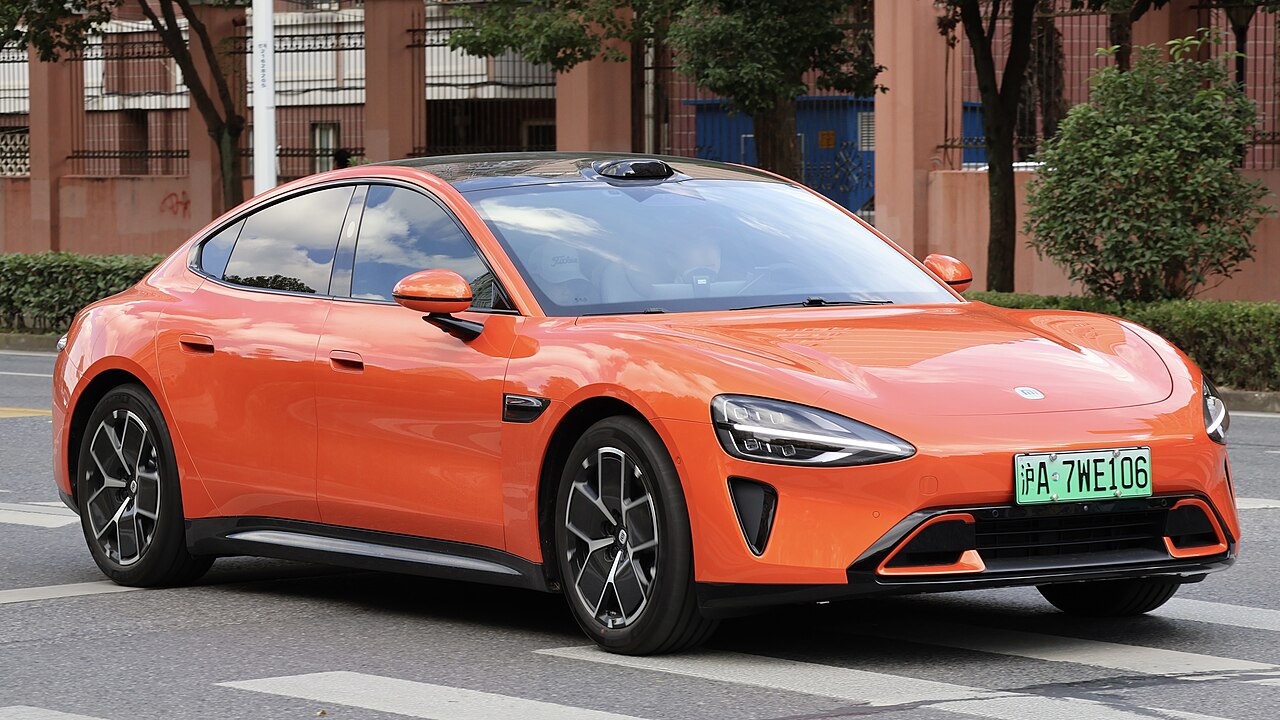
China’s action follows heightened attention to crashes in which occupants were reportedly difficult to reach. Xiaomi faced scrutiny after two fatal 2025 crashes involving its SU7, with suspected electrical failures linked to concerns about occupants being trapped. Xiaomi said the SU7 had mechanical emergency releases capable of working without power, and newer versions now use handles that can also be opened without electricity.
The Immediate Fix Is Relatively Modest
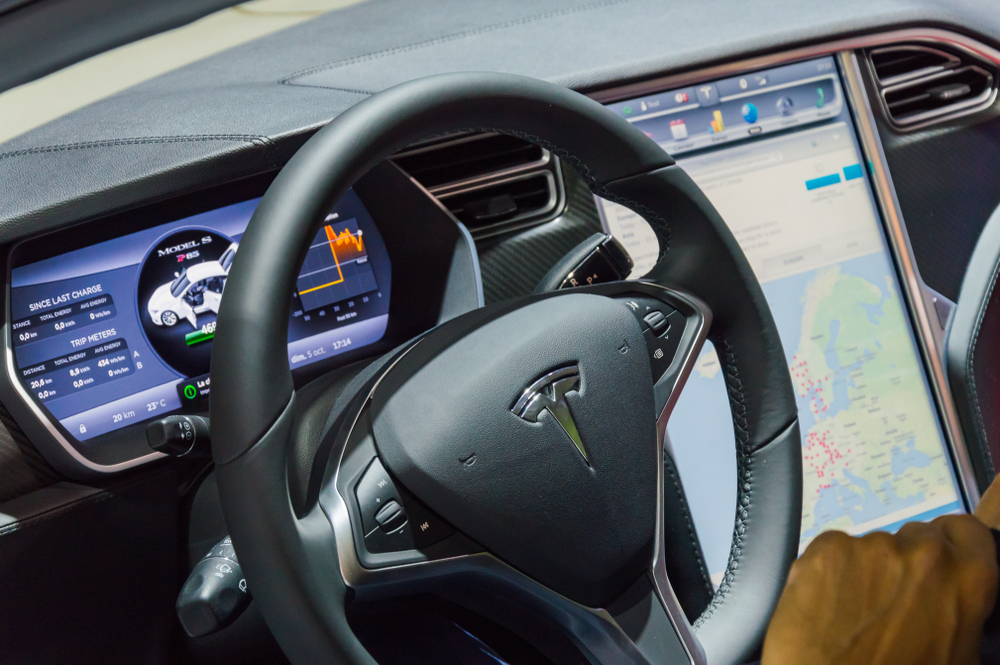
The recall will not require millions of owners to receive completely redesigned doors. Automakers will add warning labels or clearer markings identifying emergency releases, while many vehicles will receive over-the-air software updates. Tesla’s update will automatically lower the windows following a collision. Sam Fiorani of AutoForecast Solutions said remote updates should help keep costs and vehicle downtime relatively limited compared with major traditional recalls.
Critics Say Labels Cannot Solve Everything
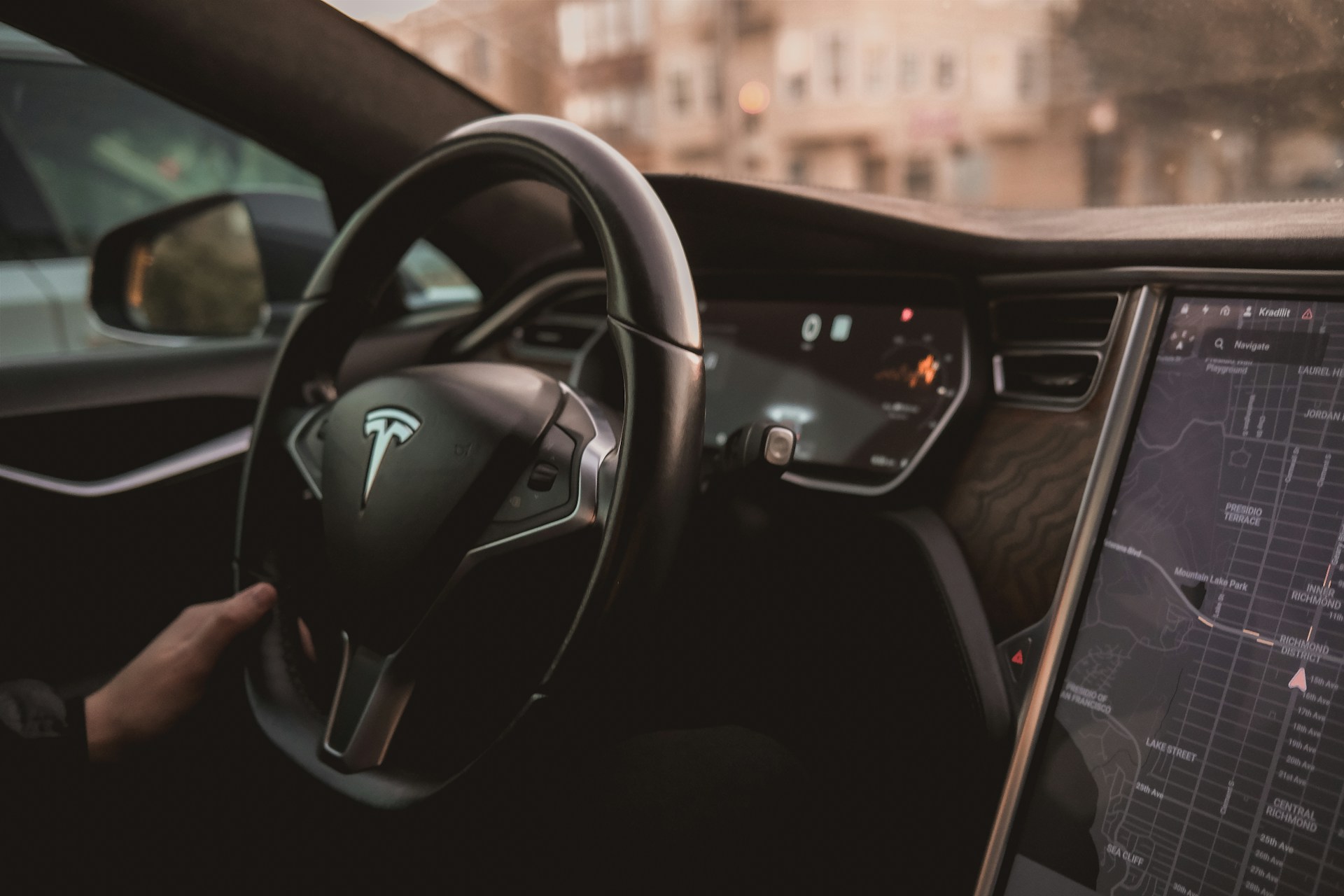
Some safety specialists question whether those measures address the underlying problem. Engineering instructor Lim Hong Wee argued that emergency access should not depend on software, while risk-management consultant Gokul Krithivasan called warning labels a “weak remedy,” noting that people in a dark, smoke-filled cabin may react instinctively rather than search for instructions. The fixes also leave questions about how rescuers reliably gain access from outside.
China Is Going Further In 2027
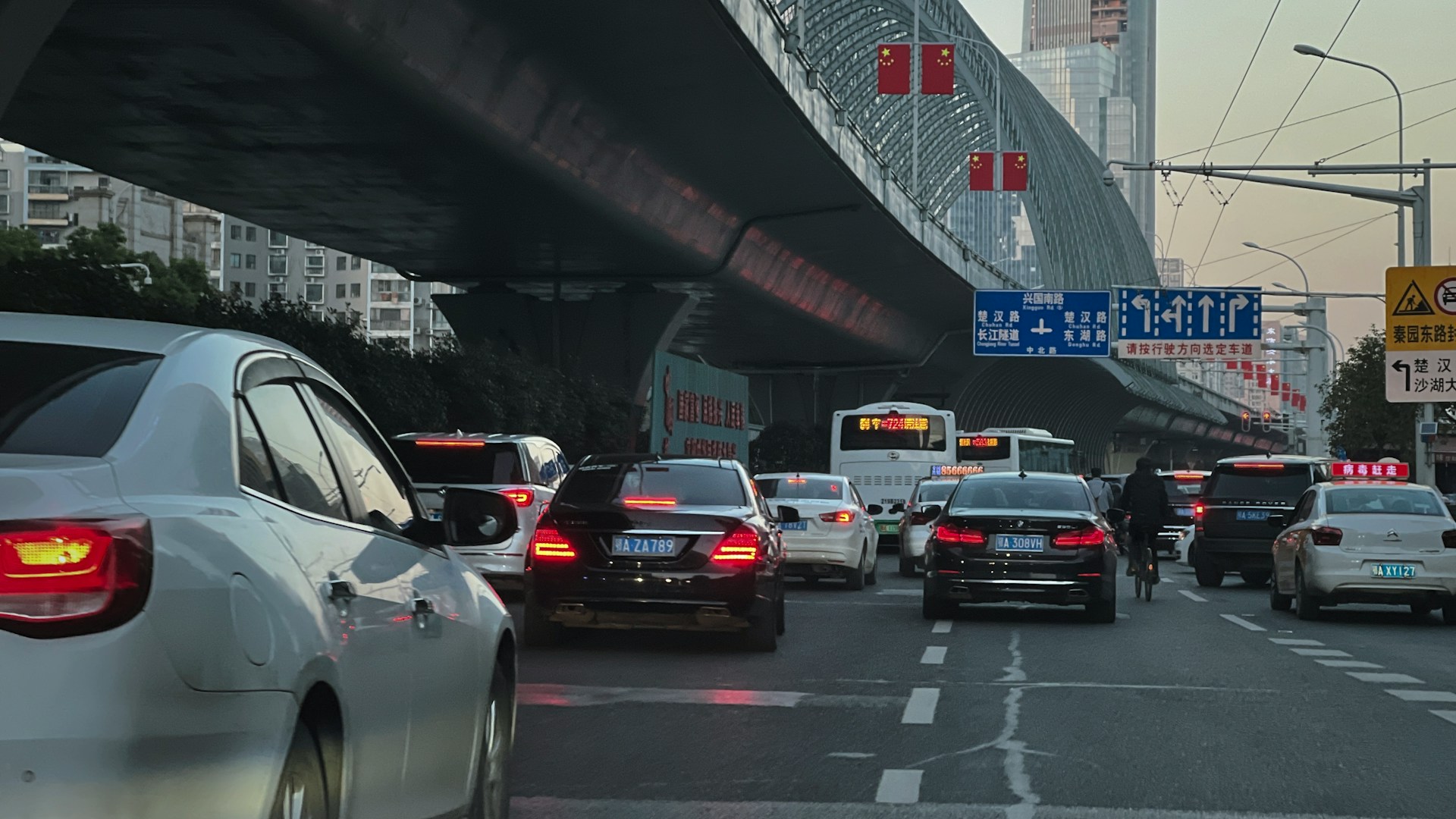
The recall arrives before a much more consequential regulatory change. China has announced that from January 1, 2027, new vehicles sold there must have mechanical release mechanisms on both the inside and outside of their doors. Interior instructions showing passengers how to operate the doors will also be required. The move makes China the first country to phase out the concealed-handle approach that Tesla helped turn into an EV design trend.
Tesla Has More Riding On China
For Tesla, the recall comes as its Chinese operation remains important well beyond domestic sales. Its Shanghai factory produced 93,579 vehicles in June 2026, up 38% from a year earlier, while almost 40% were exported. In the second quarter, slightly more than half of Shanghai production went to Europe, Canada and other Asian markets, highlighting the plant’s role as an international manufacturing and export hub.
The Design Debate May Spread Beyond China
What happens next could reach far beyond the 4.3 million vehicles involved. U.S. regulators are considering new standards addressing occupant entrapment when vehicle power fails, although automakers had not notified the National Highway Traffic Safety Administration of equivalent U.S. recalls when China’s campaign was announced. European regulators have also examined standards for doors after power loss. China’s 2027 rules could therefore help turn mechanical emergency access from a national requirement into a broader benchmark for EV design.