A Glass of Tap Water Looks the Same Everywhere. It Isn’t.

A glass of tap water looks identical no matter which state it comes from, yet what’s inside can vary a lot depending on where you live. The CDC estimates at least 1.1 million people in the U.S. get sick every year from germs in drinking water, roughly 1 in every 300 people. A new state-by-state ranking from The Kitchn set out to measure how water quality differs across the country, and the gap between the best and worst states turned out to be significant.
Three Factors Decided Where Every State Landed
Ranking fifty states on something as complex as water quality required narrowing the question down to specific, measurable factors. The Kitchn’s researchers focused on three: regulatory compliance, meaning how often water systems violate safety rules, oversight of public water systems, and contaminants detected above health-based guidelines. Data came from two established sources, the EPA’s Drinking Water Dashboard and the Environmental Working Group’s Tap Water Database, covering measurements collected between 2020 and 2024.
A Lower Ranking Doesn’t Mean the Water Is Unsafe
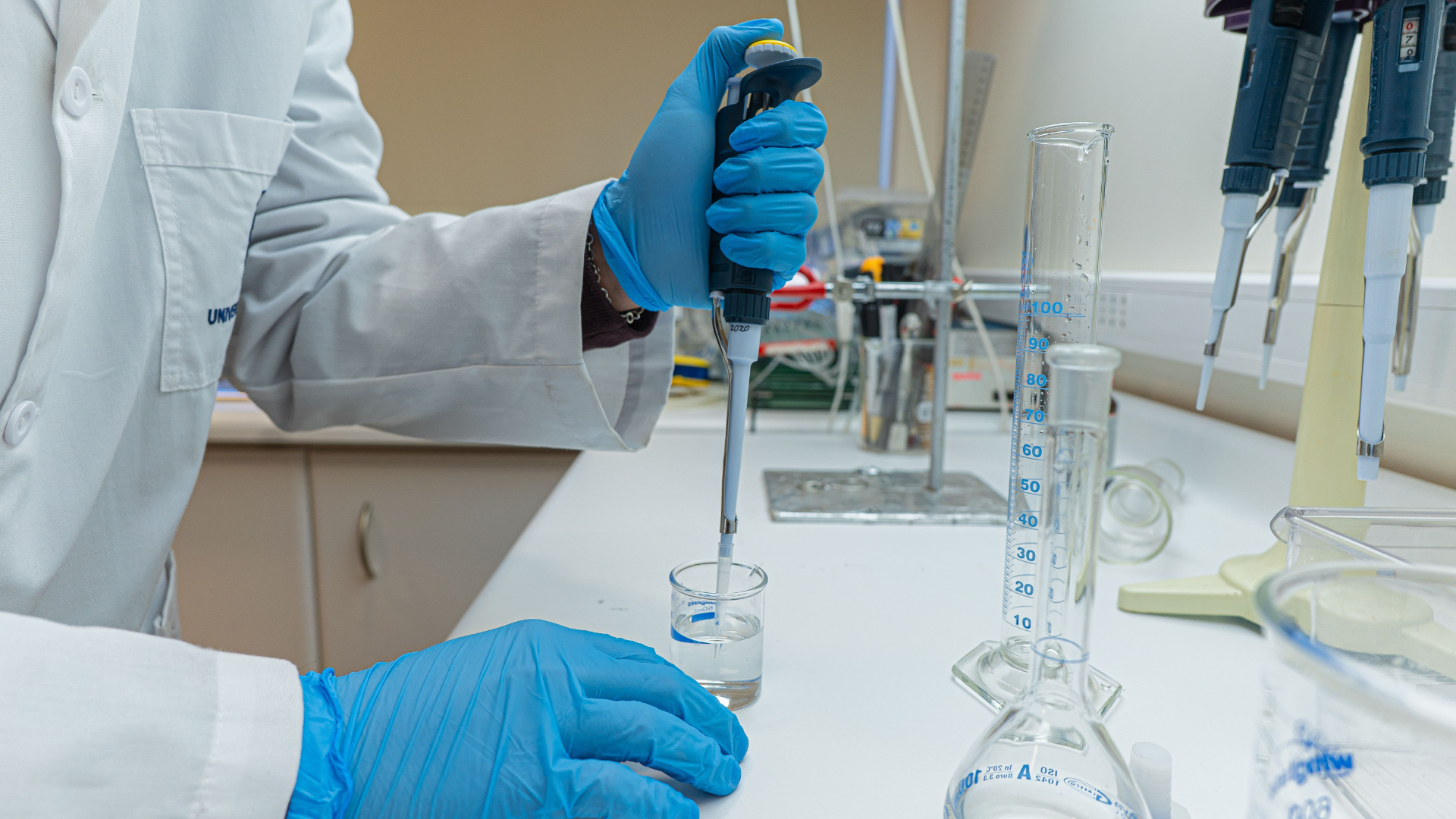
Turning raw violation and contaminant data into a single ranking required some added structure. Researchers used AI to help build a weighted point system based on public health significance, then standardized the numbers so states could be fairly compared against each other. One important caveat applies throughout: every public water system included meets federal safety standards. A lower ranking does not mean unsafe water, only a higher likelihood of violations or contaminants worth a closer look.
South Carolina Claimed the Top Spot for Cleanest Water
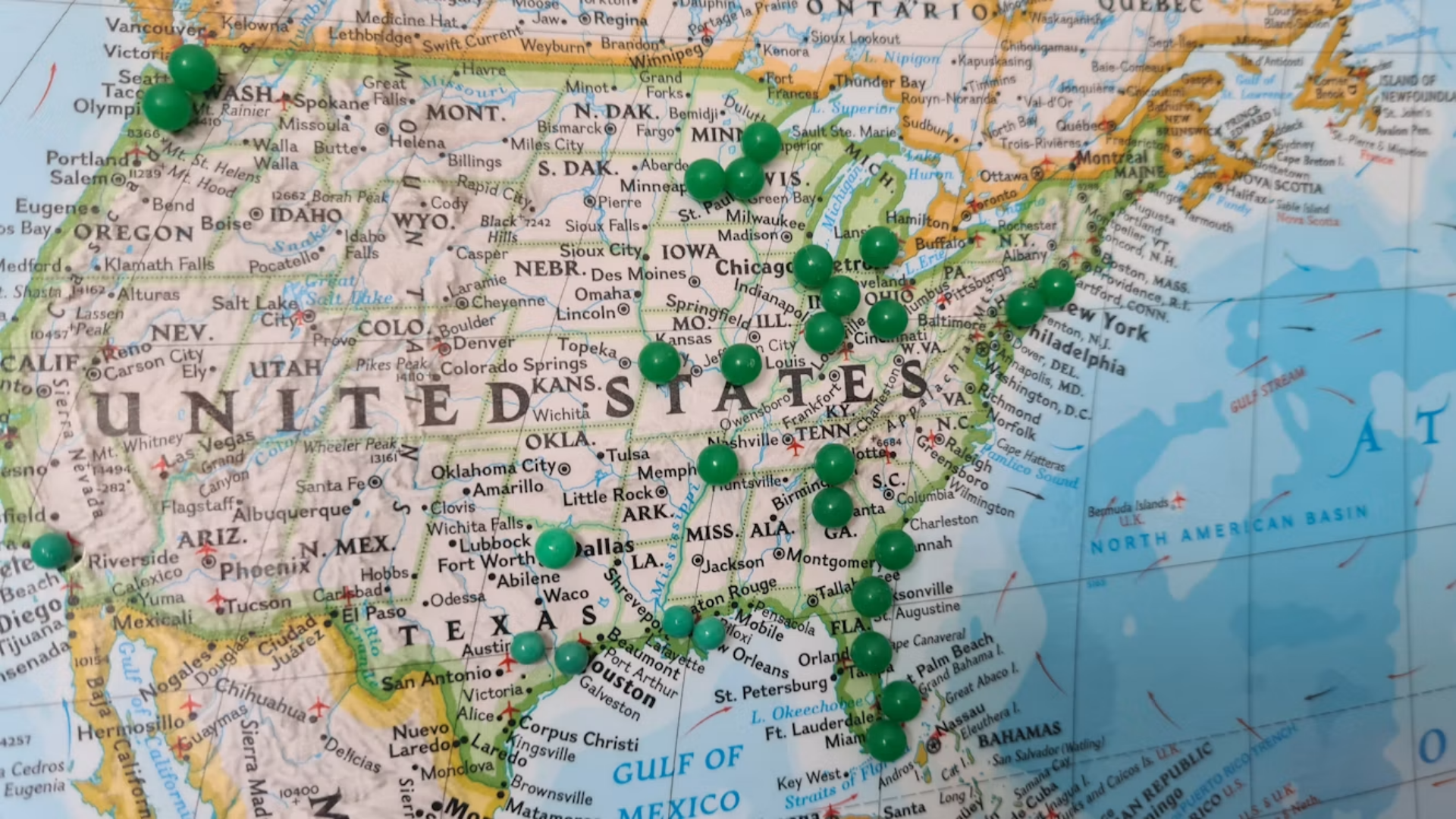
South Carolina topped the list as the state with the best overall tap water, followed by Hawaii, Minnesota, North Dakota, and Maryland rounding out the top five. These states generally showed fewer regulatory violations and lower contaminant levels across the water systems examined. Strong infrastructure oversight played a consistent role in keeping these states near the top of the rankings.
Five More States Rounded Out the Cleanest Water List
Rounding out the top ten, Alabama, Michigan, Wisconsin, South Dakota, and New Hampshire also ranked among the states with the cleanest tap water nationally. Cities within these states tend to benefit from stronger infrastructure investment and more consistent contaminant monitoring. That does not guarantee every single faucet is flawless, but residents in these states face a lower statistical likelihood of chronic water quality problems.
North Carolina Landed at the Very Bottom of the List
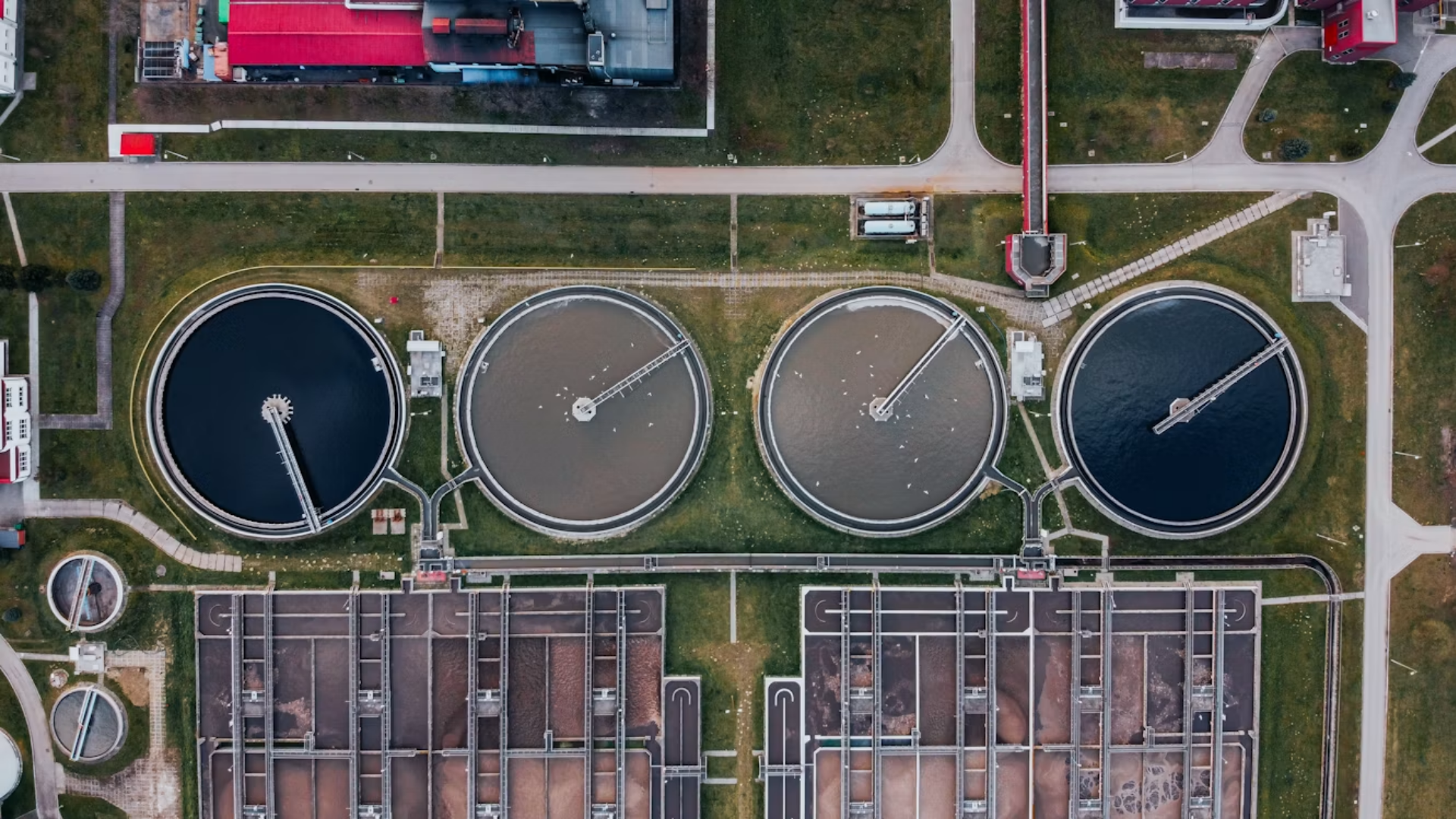
At the other end of the list, North Carolina ranked as the state with the worst overall tap water in this particular analysis, followed by Nevada, Wyoming, West Virginia, and Delaware rounding out the next four spots. These states showed higher rates of aging infrastructure, more frequent violations, or contaminants exceeding health-based guidelines more often than states near the top of the rankings.
Texas Rounds Out a List Full of Underfunded Water Systems

Ohio, New York, Texas, and Alaska rounded out most of the bottom ten, with Louisiana and Oklahoma tied for the final spot. Cities in these states often face underfunded water systems alongside higher exposure to potential contaminants. The water remains legally safe under federal standards throughout, but residents in these states report buying bottled water and filters at noticeably higher rates than the national average.
Other Rankings Using the Same Data Reach Different Conclusions
State-level rankings can only tell part of the story, and this one is no exception. Water quality can vary dramatically within a single metro area, with one neighborhood’s supply testing clean while another just a few miles away raises real concerns. Other tap water ranking projects, built with different methodologies and weighting choices, have produced noticeably different state orderings, a reminder that ranking systems reflect real but incomplete pictures.
Millions of Households Aren’t Even Counted in This Ranking
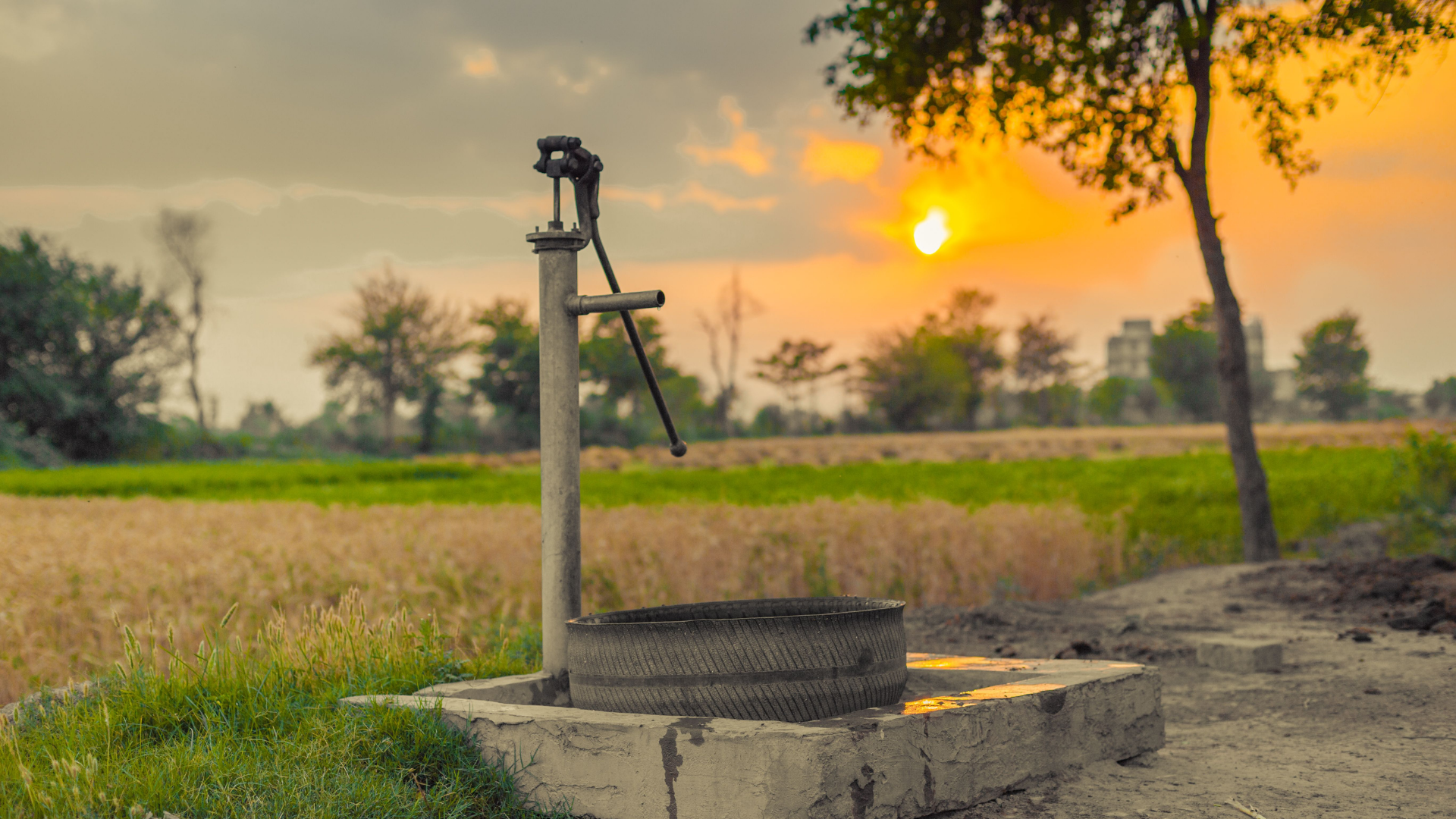
This particular ranking also has a specific blind spot worth knowing about. It covers only public water systems, which leaves out roughly 10 percent of Americans who rely on private wells. Those wells are not regulated under the Safe Drinking Water Act and were not included anywhere in this analysis, meaning millions of households do not appear in these state rankings at all.
The Real Answer Is in Your City’s Report, Not a State Ranking
Living in a lower-ranked state is not a reason to panic, just as living in a top-ranked one is not a reason for total confidence. The most useful next step for any concerned resident is checking their own city’s Consumer Confidence Report and testing their tap water directly if questions remain. Many contaminants cannot be seen, smelled, or tasted, which makes a direct test far more reliable than guessing based on a state ranking alone.