Why Millions of Empty Homes Aren’t Solving America’s Housing Crisis
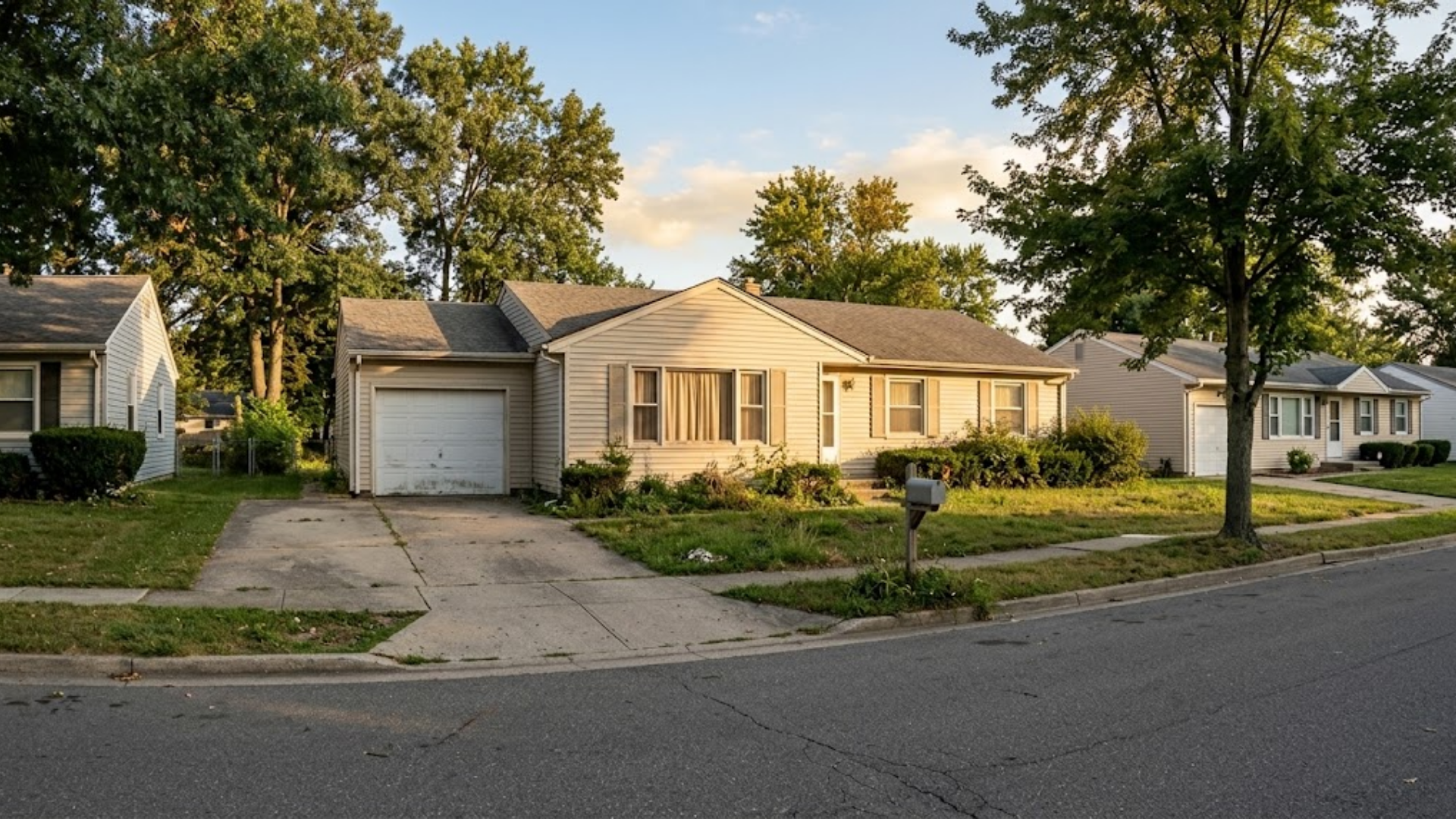

It sounds like it should be an easy fix. The country has a well-documented housing shortage, with prices and rents climbing well beyond what many families can comfortably afford. At the same time, roughly 14 to 16 million homes across the United States sit vacant at any given moment. On the surface, that looks like a simple math problem waiting to be solved. Just fill the empty homes with the families who need them, right? The reality turns out to be considerably more complicated. Understanding why these empty homes aren’t a quick fix reveals a lot about how housing actually works, and why the shortage is much harder to solve than it first appears.
This article was created with the assistance of AI and reviewed by our editorial team for accuracy and clarity
What “Vacant” Actually Means According to the Census
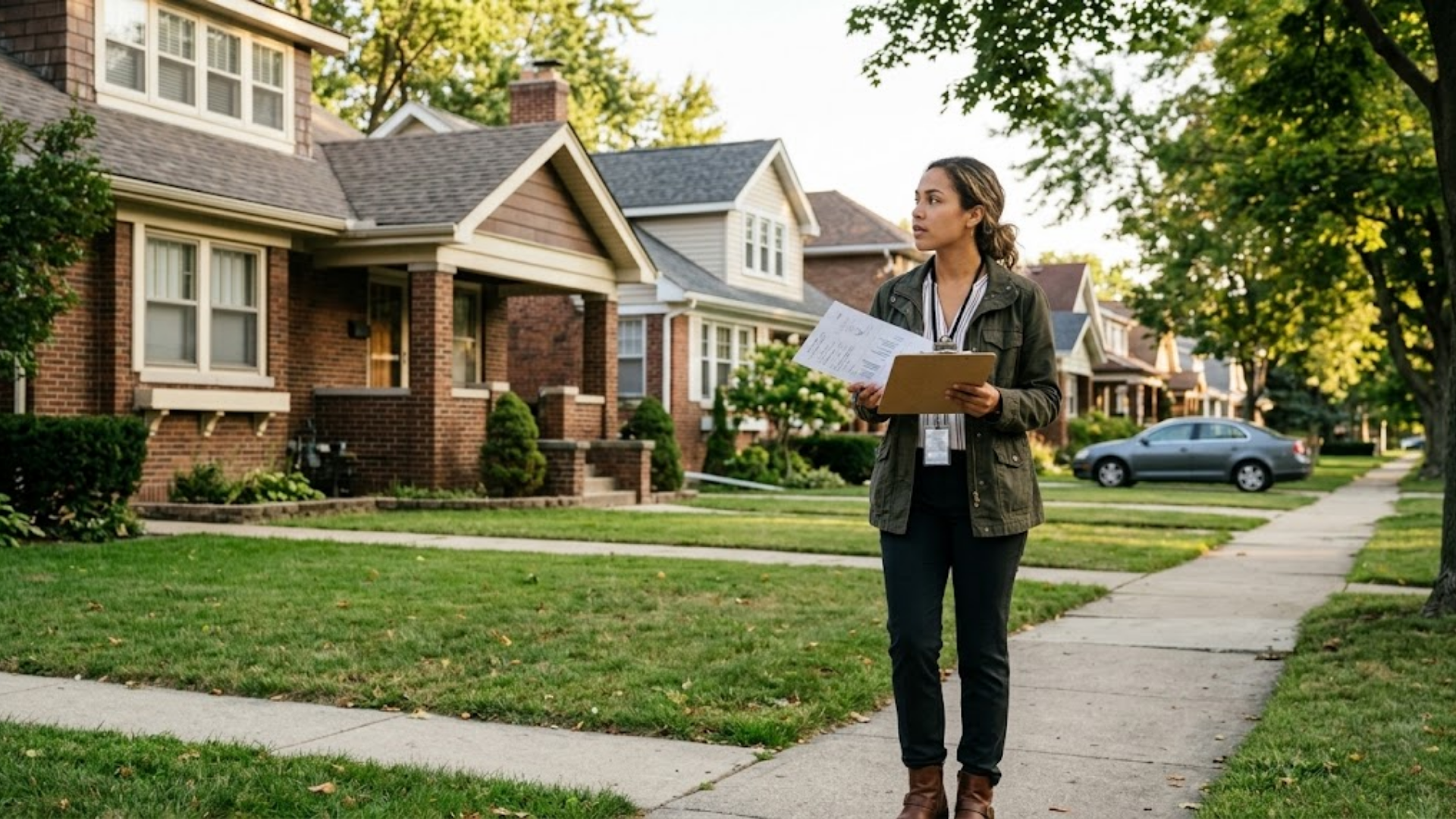
The first thing to understand is how the government actually defines a vacant home, because the term casts a much wider net than most people assume. The Census Bureau considers a home vacant simply if no one is living there at the moment the survey is conducted, regardless of the reason. That definition includes homes sitting between renters, properties that just went up for sale, brand new construction still waiting for its first buyer, and even homes where someone is actively planning to move in soon but hasn’t yet. In other words, a meaningful vacancy is a completely normal, temporary part of a functioning housing market, not necessarily evidence of waste or hoarding.
The Single Biggest Reason Homes Sit Empty

If you’re picturing empty homes as abandoned houses in struggling neighborhoods, the actual data tells a different story. Seasonal and recreational use accounts for the largest single chunk of vacant homes nationwide, making up nearly a third of all vacancies at around 32.8 percent. These are vacation homes and second properties that sit empty most of the year simply because their owners only use them occasionally. Cities with the highest share of vacant homes tied to seasonal use include Scottsdale, Arizona, along with Miami Beach and Pompano Beach in Florida, places well known for attracting vacation and retirement property buyers rather than full time, year round residents.
Why the Real Vacancy Numbers Are Actually Near Historic Lows
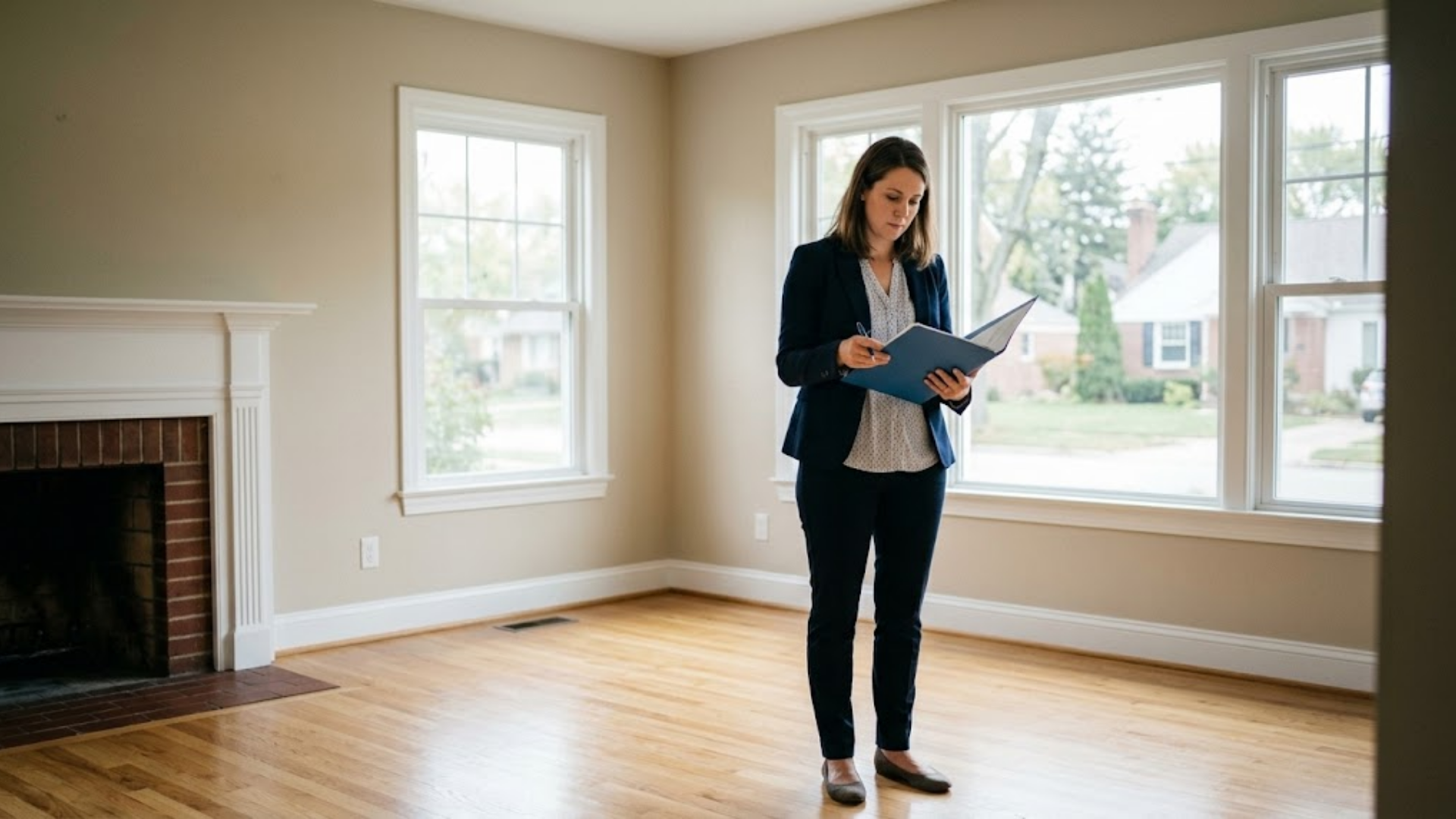
Here’s where the picture gets genuinely counterintuitive. Despite millions of technically vacant homes existing nationwide, the vacancy rates that actually matter for measuring housing availability are sitting near record lows. Homeowner vacancy rates, meaning the share of owned homes currently sitting empty and available for sale, have hovered around just 1 percent in recent data. Rental vacancy rates, while somewhat higher at around 6.6 to 7.3 percent, remain historically tight as well. LendingTree senior economist Jacob Channel has noted that these vacancy numbers don’t necessarily signal an abundance of available housing, even though the raw totals sound large at first glance.
Rental Markets Have Been Quietly Recovering

Part of what’s driving elevated rental vacancy specifically comes down to a genuine shift in the rental market itself. According to Realtor.com senior economic research analyst Hannah Jones, rental vacancy has climbed in recent years largely because rental inventory has meaningfully recovered in many markets after a long stretch of tight supply. That’s actually a modestly encouraging trend for renters, even though it doesn’t fully solve the broader affordability crisis. Meanwhile, inventory of homes actually available for purchase remains more than 20 percent below pre pandemic levels, according to Jones, which keeps consistent upward pressure on home prices even as rental availability slowly improves.
When Vacant Homes Become an Investment Strategy
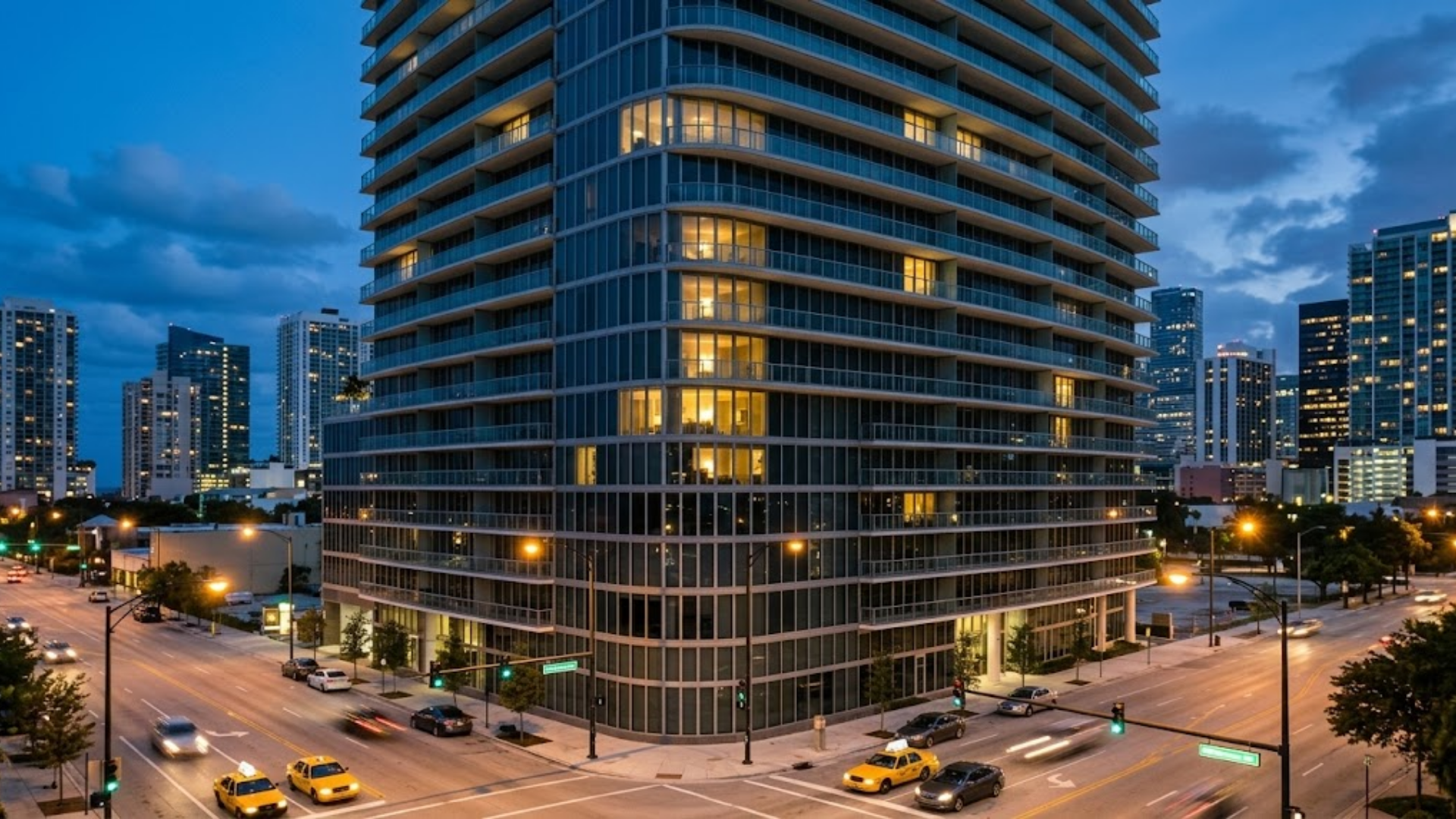
In certain high cost cities, a smaller but genuinely important factor adds another layer to the puzzle, speculation. Some investors purchase properties not to live in or rent out, but simply to hold as a financial asset, betting on future appreciation rather than generating income from a tenant. In New York City specifically, this pattern tends to show up more in luxury buildings than in lower income neighborhoods, since it typically requires enough capital to comfortably absorb the cost of an empty, non income producing property. Cities including Vancouver and Oakland have responded by introducing vacancy taxes specifically designed to financially discourage this kind of speculative, empty ownership.
The Real Problem Is Where the Empty Homes Actually Are
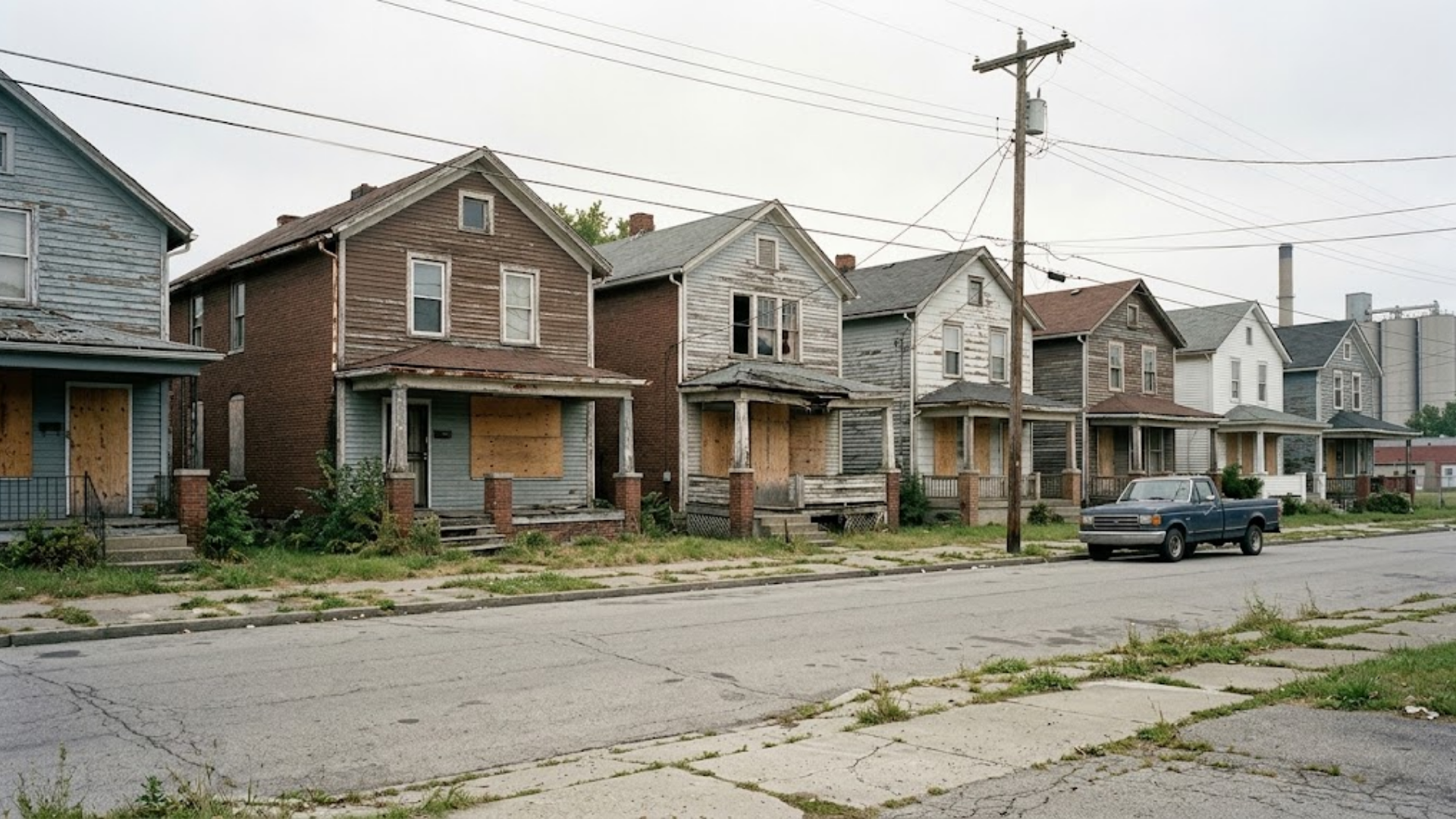
Perhaps the most important piece of this puzzle is geography. Many of the country’s vacant homes exist in regions experiencing population decline or economic struggle, places like former industrial cities that lost major employers and, along with them, much of their population. Flint, Michigan is a frequently cited example, where decades of industrial decline left behind a large number of empty properties as residents moved elsewhere for opportunity. Meanwhile, the housing shortage is most acute in exactly the opposite kind of place, fast growing metro areas with strong job markets, where demand for housing far outpaces what’s actually available, creating a fundamental geographic mismatch between where homes sit empty and where people actually need them.
Why You Can’t Simply Relocate an Empty House

Even setting geography aside, plenty of vacant homes come with practical barriers that keep them from becoming usable housing quickly. Some properties require expensive repairs before they’re safely livable again. Others are tangled up in legal disputes over ownership, inheritance, or unresolved liens that can take years to untangle in court. Some sit in a kind of limbo while an owner decides what to do with them long term, whether to sell, rent, renovate, or simply hold onto the property. None of these obstacles show up in a simple vacancy count, but each one represents a real reason why a specific empty home can’t just be handed over to a family in need overnight.
What Would Actually Move the Needle on Housing Costs
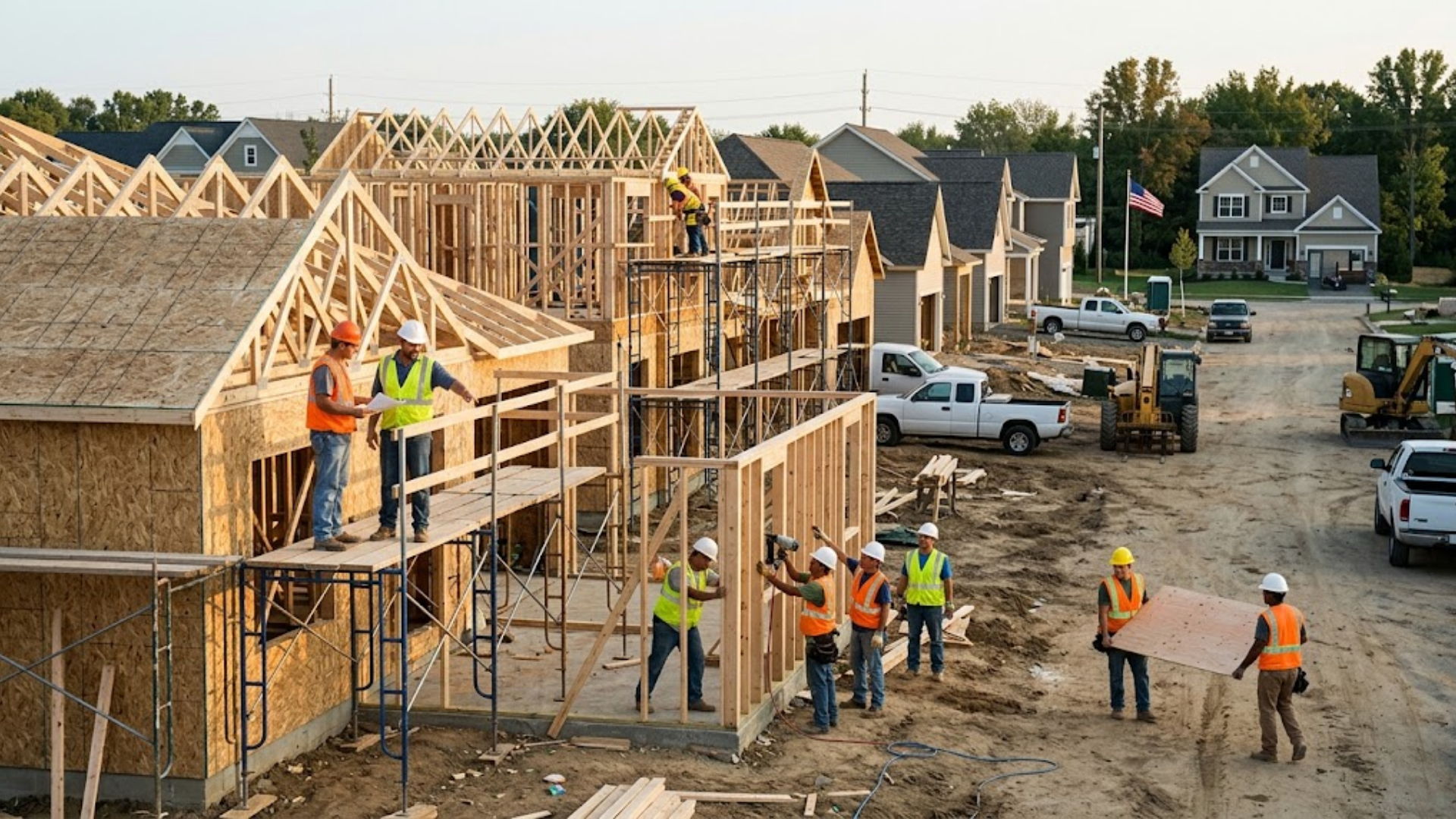
Given everything working against a simple fix, most housing economists agree that meaningfully addressing the shortage requires building genuinely new housing supply in the specific places where demand is highest, rather than just redistributing existing vacant homes scattered around the country. That means new construction concentrated in growing metro areas, policies that make it easier and cheaper to build, and, in select high cost markets, targeted measures like vacancy taxes to discourage pure speculation. Local reuse strategies for existing vacant properties can help at the margins, but experts are fairly consistent in describing them as a complement to new construction rather than a genuine substitute for it.
The Real Takeaway Behind This Paradox
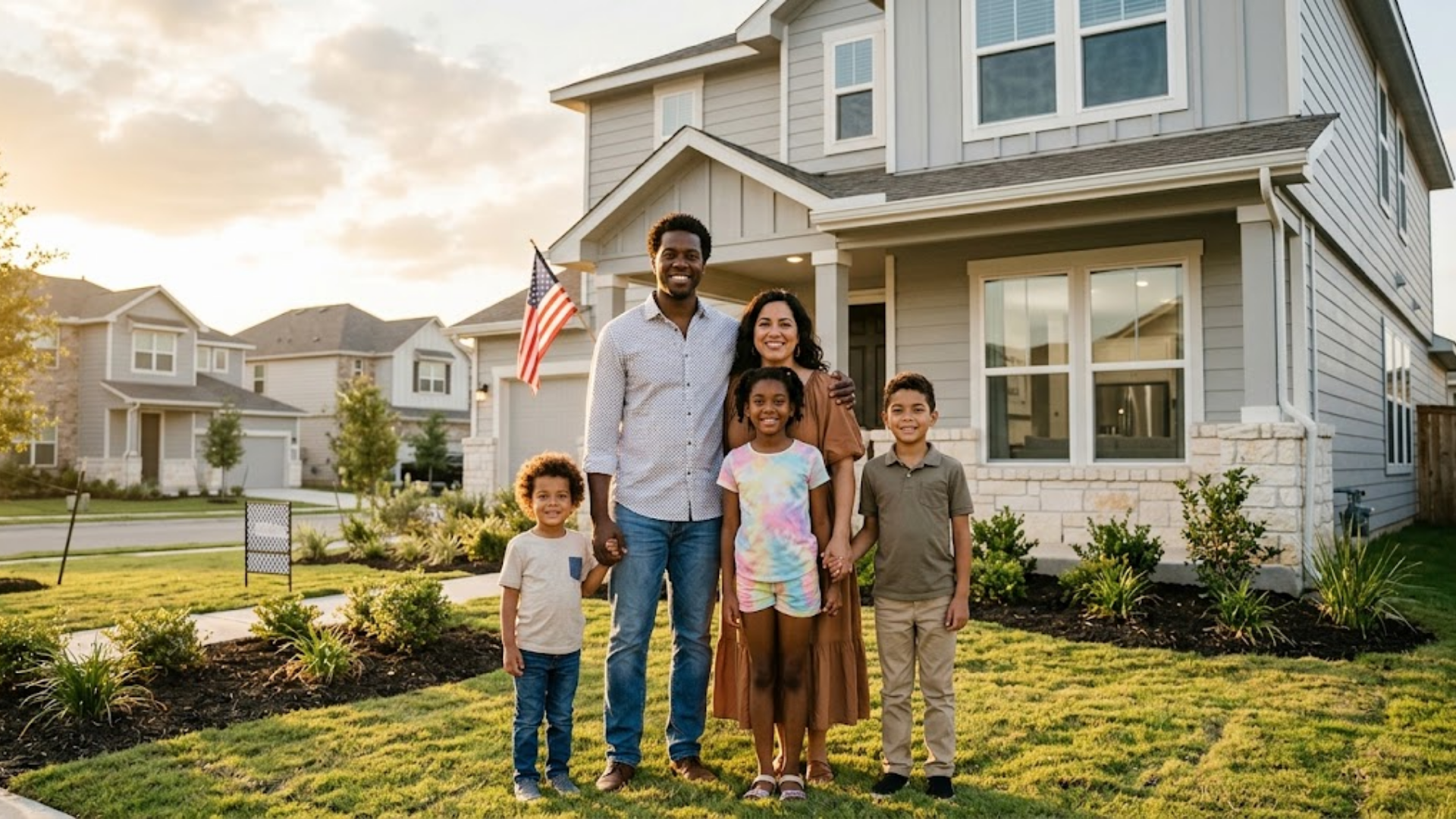
So can the country really have a housing crisis while millions of homes sit empty at the same time? The honest answer is yes, and the two facts aren’t actually in conflict once you understand what vacancy data is really measuring. Most vacant homes are either temporarily between occupants, seasonal properties used only part of the year, or sitting in places where there simply isn’t strong housing demand to begin with. The homes people genuinely need, in the cities and neighborhoods where jobs and opportunity are concentrated, remain in remarkably short supply. Understanding that distinction is the key to seeing why this isn’t a simple math problem, and why solving it will likely take new construction rather than a clever redistribution of existing houses.