JD Vance Fundraising Text Told Americans Not to Donate Because ‘Groceries Cost What They Cost’
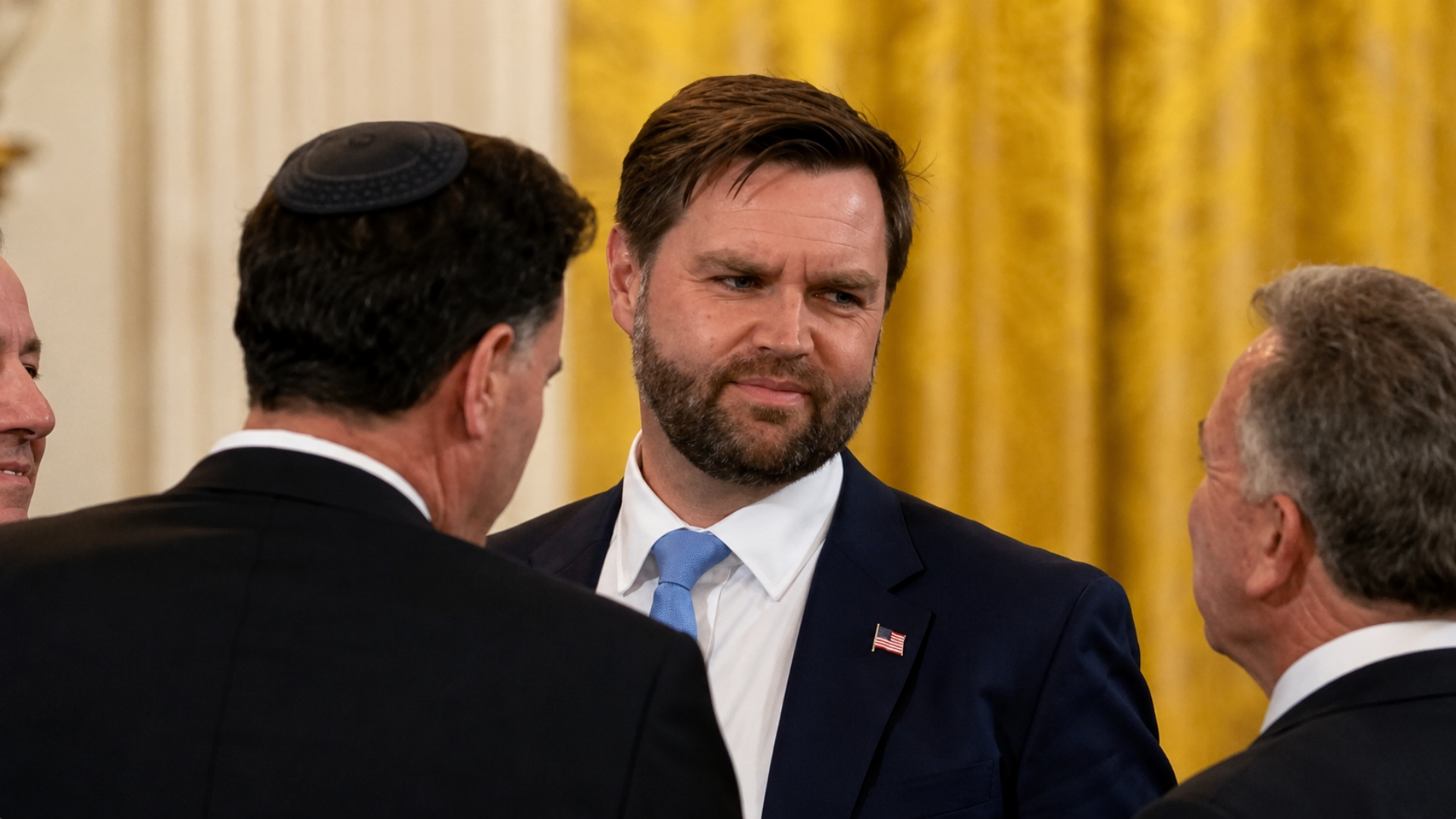

A text message sent this week in Vice President JD Vance’s name told supporters not to bother donating if money was tight, adding a blunt line that quickly went viral: “Groceries cost what they cost.” The message, part of a Republican National Committee fundraising push, was screenshotted and shared publicly within hours, and it immediately became fodder for Democrats looking to hammer Republicans on the cost of living ahead of November’s midterms.
A Washington Post Reporter Was the One Who Posted It

The message surfaced Tuesday when Natalie Allison, a White House reporter for The Washington Post, shared a screenshot of the text on social media. It addressed her by name, told her not to feel obligated to give if she couldn’t, repeated the now-viral grocery line, and then pivoted straight into asking her to click through and answer a question. It was signed simply “JD Vance.” How directly the vice president was involved in writing or approving it remains unclear.
The Link Led to a Page Titled “A Letter From JD Vance”

Clicking through led recipients to an RNC fundraising page framed as a rejection of typical political pressure tactics, the kind involving countdown clocks that expire and reset overnight. The letter repeated the grocery line, then pivoted to a more candid pitch: “I’ll tell you the truth, including the parts you don’t want to hear,” it read, before acknowledging plainly that the committee simply needed money.
The Page Offered a $47 Donation, Twice

Rather than pushing a single ask, the page suggested a specific $47 contribution, along with the option to schedule a second $47 gift later in the week. It also pointed donors to an itemized breakdown showing exactly where the money would go, a transparency pitch apparently meant to counter the sense that political fundraising asks are often vague or manipulative about their actual purpose.
Democrats Wasted No Time Turning the Line Into an Attack

The Democratic National Committee seized on the wording almost immediately. “Vance is turning a blind eye to the hardship of American families,” DNC Rapid Response Director Kendall Witmer said in a statement, tying the phrase directly to broader criticism of the administration’s economic record. The party’s own fundraising operation followed up soon after, quoting the same line back at its own supporters as an attack line.
Online Reaction Was Swift, and Largely Unflattering

Screenshots of the text spread quickly across social media, drawing mockery from anti-Trump accounts and confused reactions from ordinary users questioning why a sitting vice president’s fundraising operation would seemingly concede that prices are a problem. Several posts framed the line as a rare unforced error, a political operation stating the obvious in exactly the words its opponents wanted handed to them.
The Actual Grocery Numbers Tell a More Complicated Story

Federal data shows the picture isn’t quite as simple as either side’s framing suggests. The Bureau of Labor Statistics reported the food-at-home index rose 2.7% over the 12 months ending in July, down sharply from pandemic-era peaks but still climbing. Beef and veal prices jumped 9.4% year over year, while chicken actually got cheaper, falling 2.7% over the same stretch.
Polling Shows Exactly Why Republicans Are Nervous About This Topic

A Reuters/Ipsos poll conducted in late July and early August found 48% of Americans named living costs their top factor heading into the midterms, with 35% trusting Democrats to handle the issue compared to 27% for Republicans. In the same survey, 70% of respondents said they disapproved of President Trump’s handling of both living costs and inflation specifically.
A Separate Poll Found the Same Pattern
The Marquette Law School Poll, conducted around the same time, reached a similar conclusion independently. 35% of adults named inflation and living costs the country’s most important issue, more than double the 15% who pointed to the economy more broadly. Cost concerns have ranked first in every Marquette national poll taken so far in 2026.
The Text Lands Ahead of a Midterm Fight Both Parties Are Bracing For
Every House seat and 35 Senate seats are on the ballot November 3, and both parties are treating affordability as the issue most likely to decide close races. Whether “groceries cost what they cost” becomes a lasting talking point or fades by fall, it captured something real: a fundraising message meant to build trust instead became a headline about the very prices it was trying to raise money around.