Why Your Cast-Iron Skillet Needs a Little More TLC
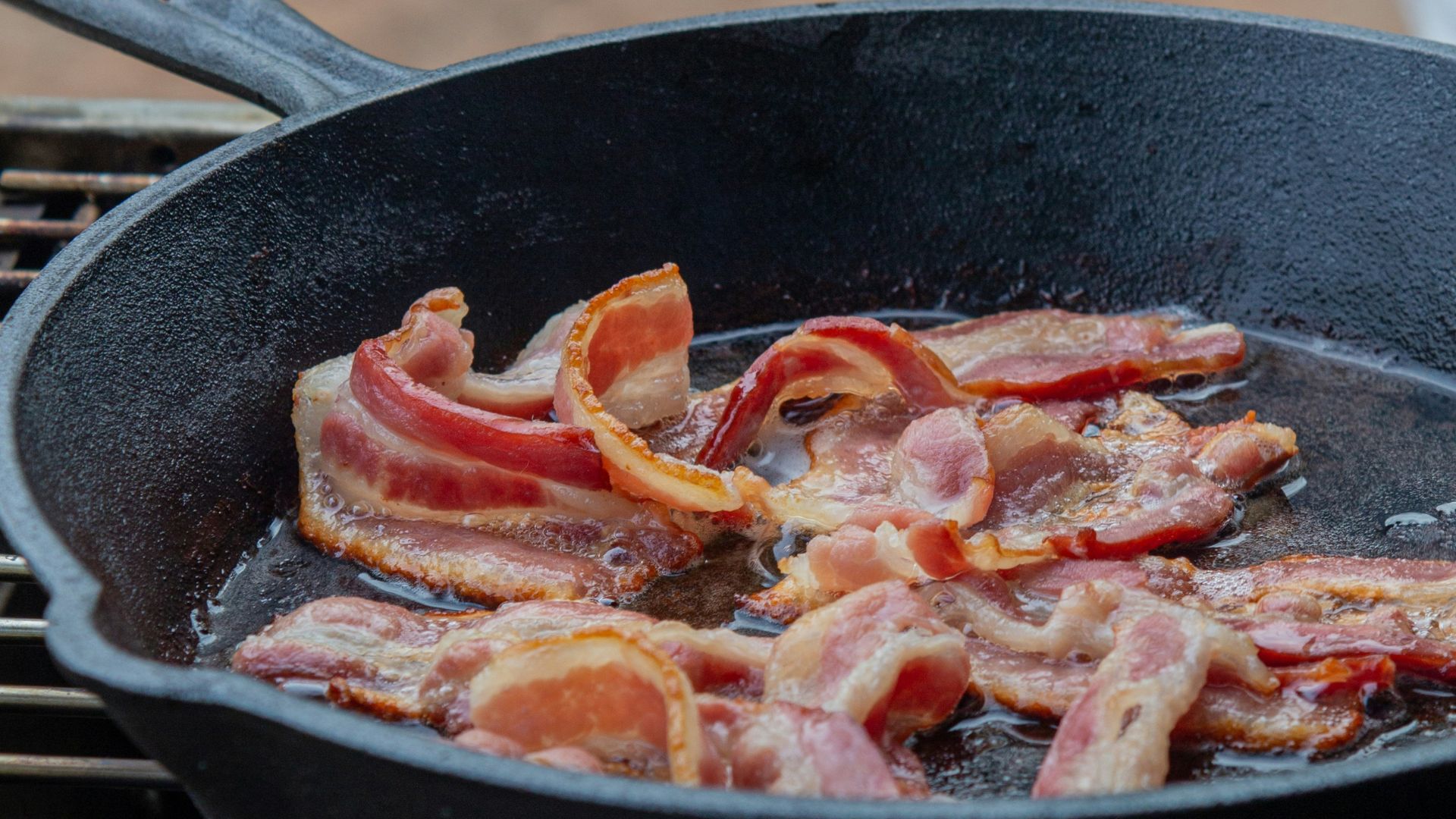

What if the skillet you rely on for perfectly browned meals could actually last a lifetime with the right care? Cast-iron cookware is famously durable, but that doesn’t mean it can be treated like every other pan in the kitchen. Unlike cookware that can simply go into the dishwasher, cast iron needs regular attention to protect its surface and keep it in good condition.
The secret is seasoning, which creates a baked-on layer of oil that helps protect the cookware from food residue and rust. That protective layer is one of the reasons cast iron can remain useful for years, but it needs to be maintained rather than taken for granted.
Fortunately, caring for cast iron doesn’t have to be complicated. A few simple habits, from cleaning the skillet promptly to drying it thoroughly and storing it carefully, can help preserve its quality and extend its lifespan.
Seasoning Is the Key to Protecting Cast Iron
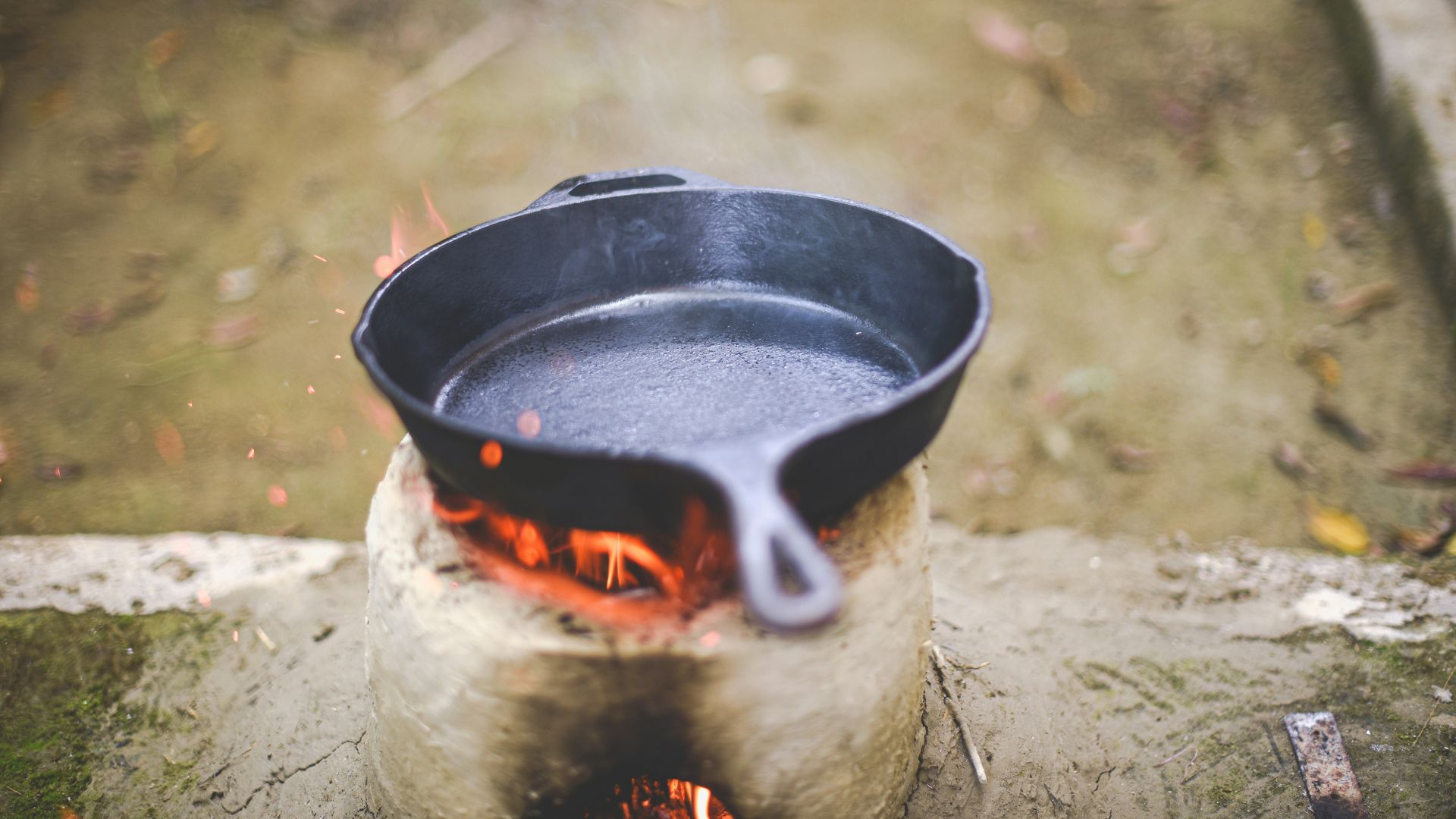
Cast iron is particularly prone to rust when exposed to too much moisture, which is why seasoning is such an important part of its care. A properly seasoned pan develops a protective oil layer over the surface, helping guard against rust and making the cookware easier to maintain.
When seasoning a skillet, start by scrubbing it with warm water and soap, then dry it thoroughly over a stovetop burner. Apply a thin layer of seasoning oil across the entire pan, then wipe away the excess until the surface looks dry rather than greasy.
The pan can then be placed upside down in an oven on top of a sheet pan and baked at a minimum of 450 degrees for one hour. Grapeseed and canola oils are among the options recommended for seasoning cast iron.
Cleaning and Storage Matter, Too
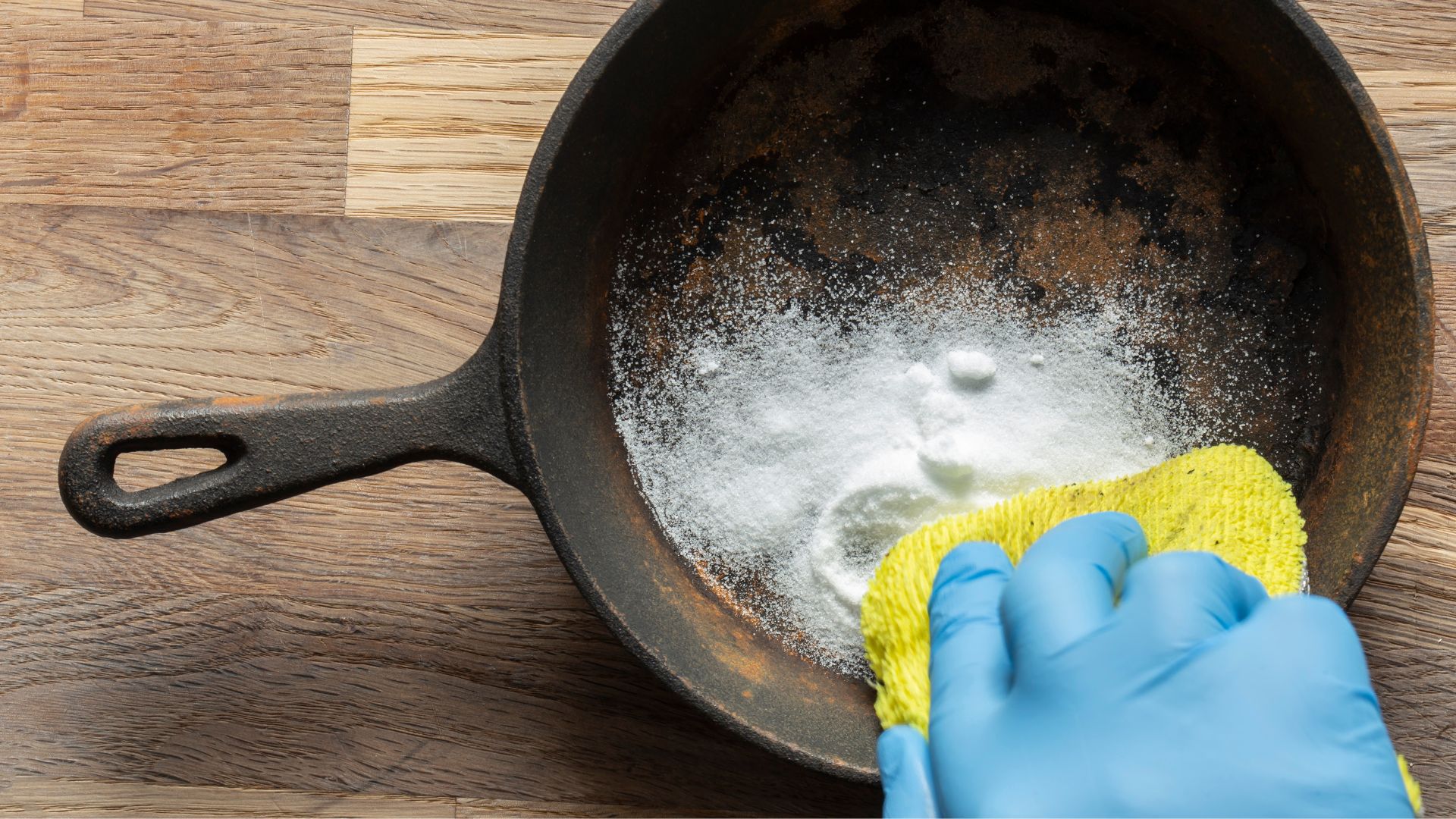
One of the easiest ways to protect a cast-iron skillet is to clean it soon after cooking. Rinse the pan under hot water and use a chainmail scrubber or scraper to tackle stuck-on food. Prompt cleaning can help preserve the cookware’s condition while limiting food from becoming difficult to remove.
Drying is just as important as washing. After cleaning, dry the skillet over a hot burner to eliminate lingering moisture, then finish with a light coating of oil. Any excess should be wiped away so the pan doesn’t end up with a greasy residue.
Storage can also affect the condition of cast iron. If you’re stacking pans in a cabinet, cookware protectors can help prevent scratches, while rack hangers offer another option that keeps skillets accessible and can free up cabinet space.
A Little Care Can Keep Your Skillet Going
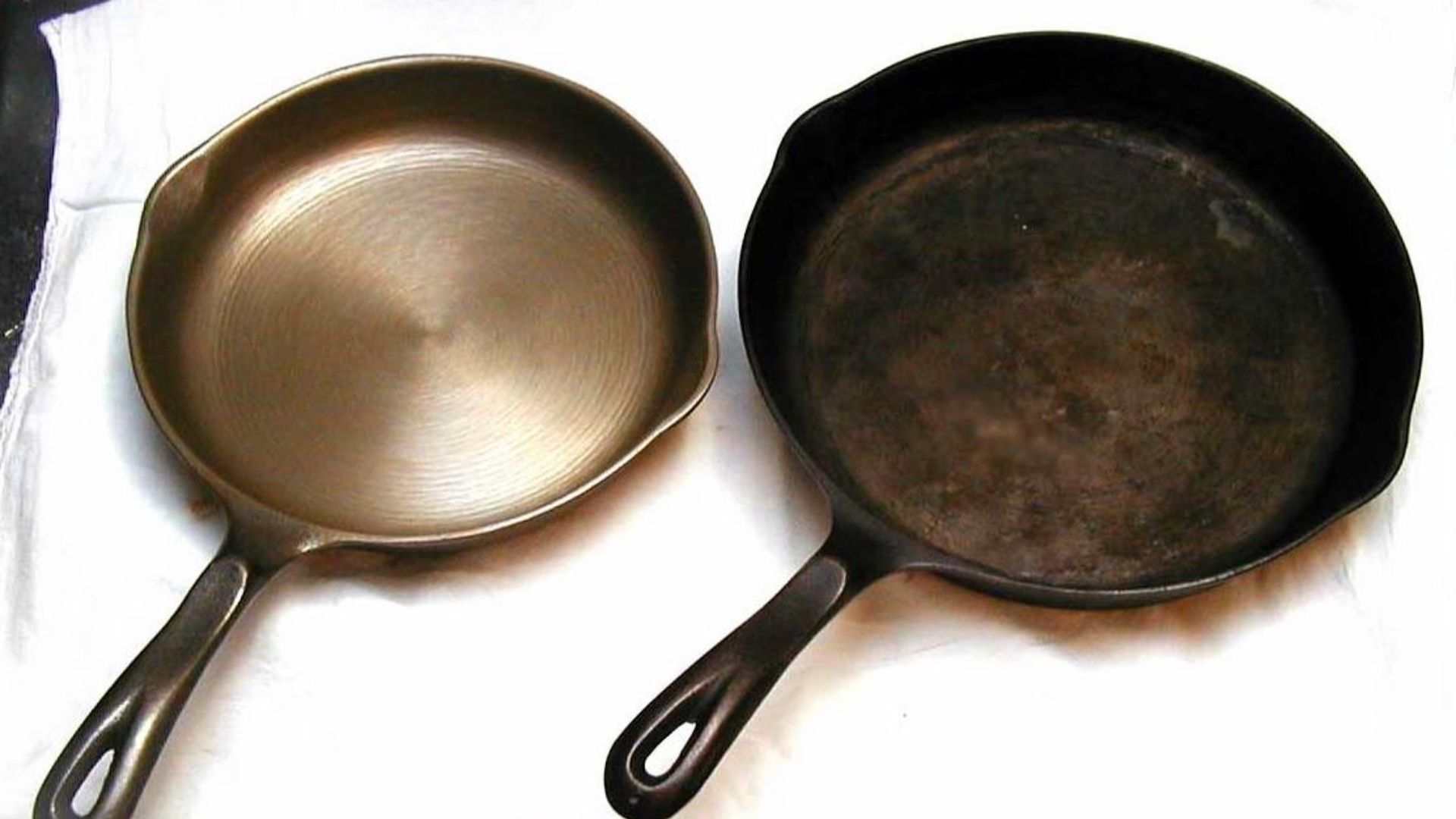
Rust doesn’t necessarily mean a cast-iron skillet has reached the end of its life. Before replacing a rusted pan, consider restoring it with tools such as pan scrapers or rust erasers, which can help remove rust by hand.
That makes cast iron a particularly forgiving piece of cookware when given the right attention. Even if a skillet has developed some rust or lost some of its protective seasoning, it may be possible to restore it instead of immediately buying a replacement.
Ultimately, the extra TLC comes down to a few consistent habits: maintain the seasoning, clean the pan promptly, remove moisture completely, apply a light layer of oil after cleaning, and store it in a way that minimizes damage. With those steps, a cast-iron skillet can remain a dependable part of the kitchen for a very long time.