Interior Decorators Say These 7 Common Home Items Aren’t Worth Having
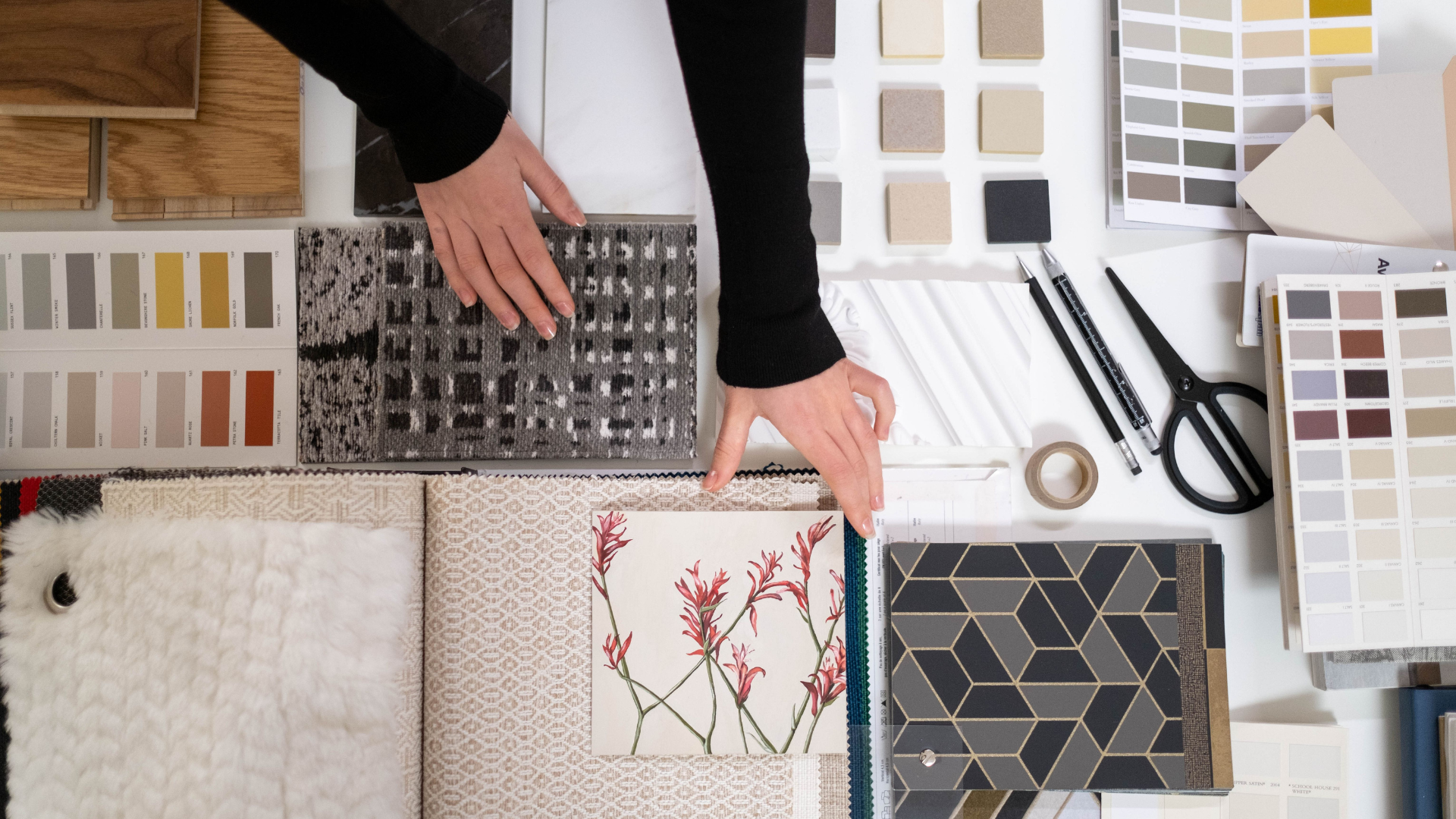

Picture a living room dressed up for guests, throw pillows fluffed, shelves neatly styled, a cozy chair in the corner. One interior decorator says several of these familiar pieces are actually mistakes. She admits she would never keep them in her own home. The reasons range from durability to plain old style. Some choices even damage floors or fall apart within months. Her list might make you look at your own furniture differently.
Good Design Is About Lasting Choices, Not Trends
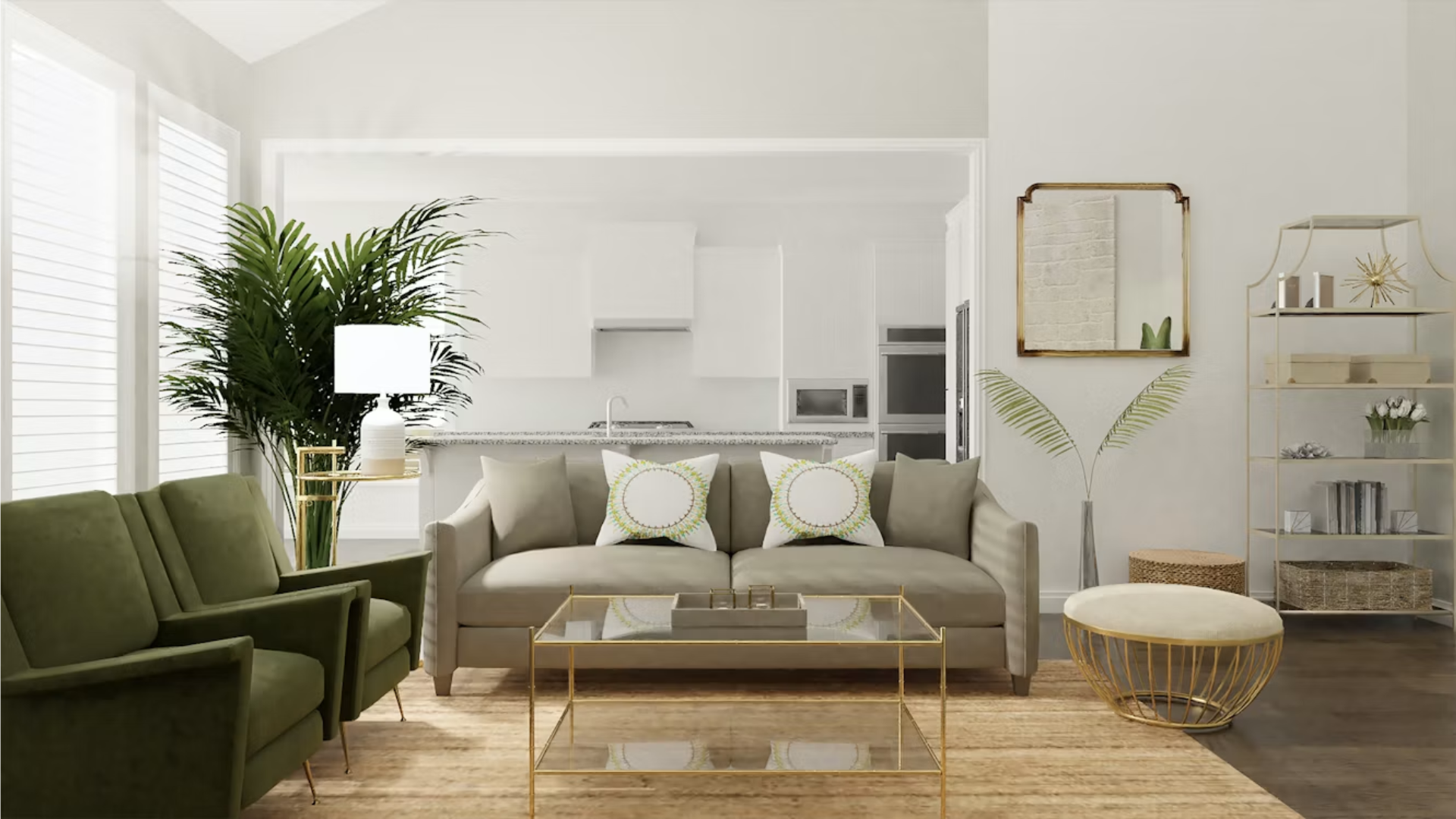
This decorator says her choices come down to two things: how long an item lasts and how well it fits a lifestyle. Trendy pieces often look great in photos but fall apart fast in real life. She would rather spend a bit more on something sturdy than replace a cheap version every year. That mindset shapes every item on her list. It also explains why some popular home trends never made it past her front door.
Cheap Throw Pillows Get Gross Faster Than You Think
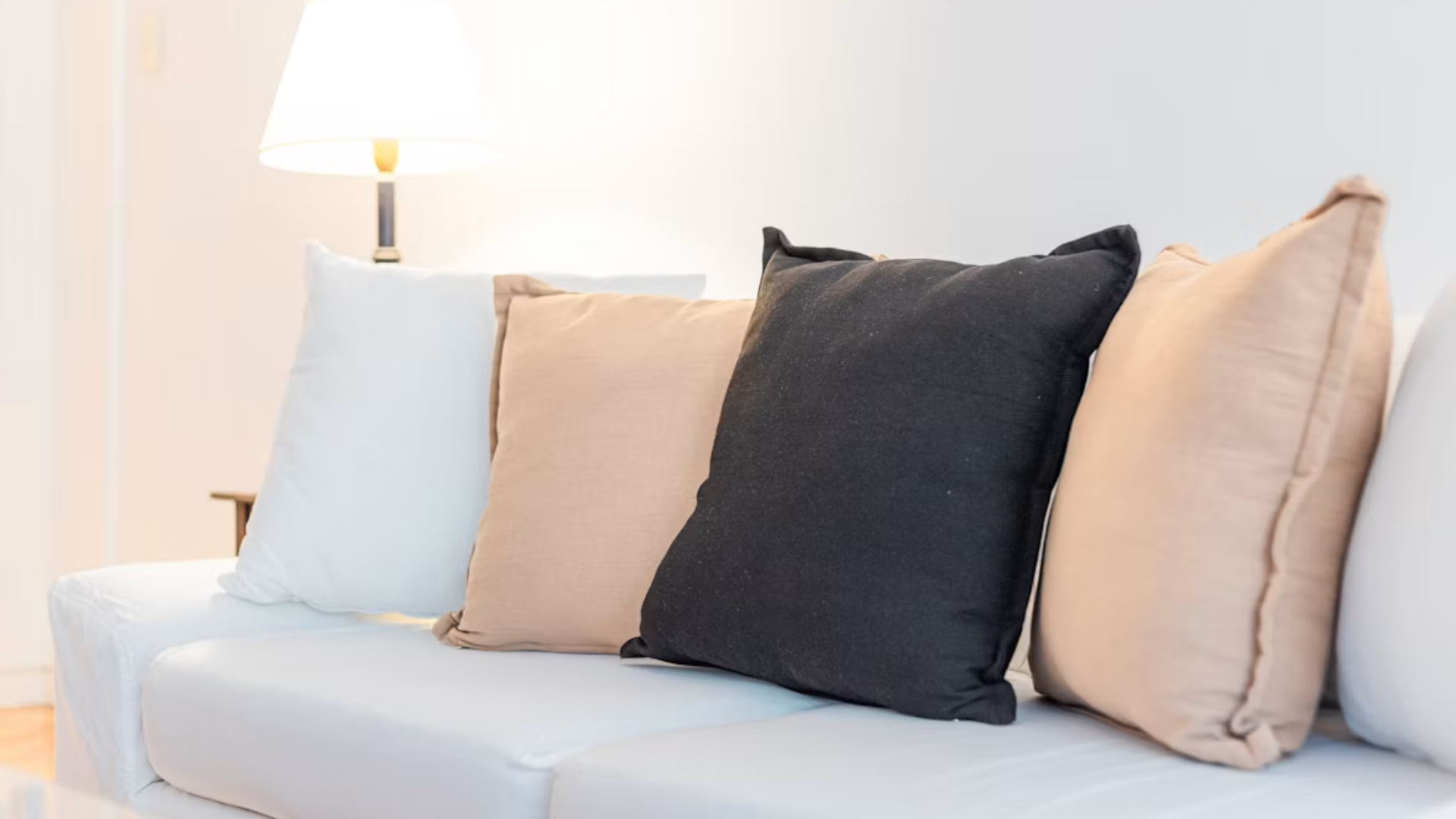
Throw pillows show up in nearly every living room, but not all of them hold up. A pillow without a removable cover collects dirt and oils just like a pillowcase does. Most people would never skip washing their sheets for six months, yet many never wash their pillow covers at all. That is why this decorator always picks pillows with washable covers. A better insert costs more upfront, but it saves money over time.
Faux Leather Looks Nice but Wears Out Fast
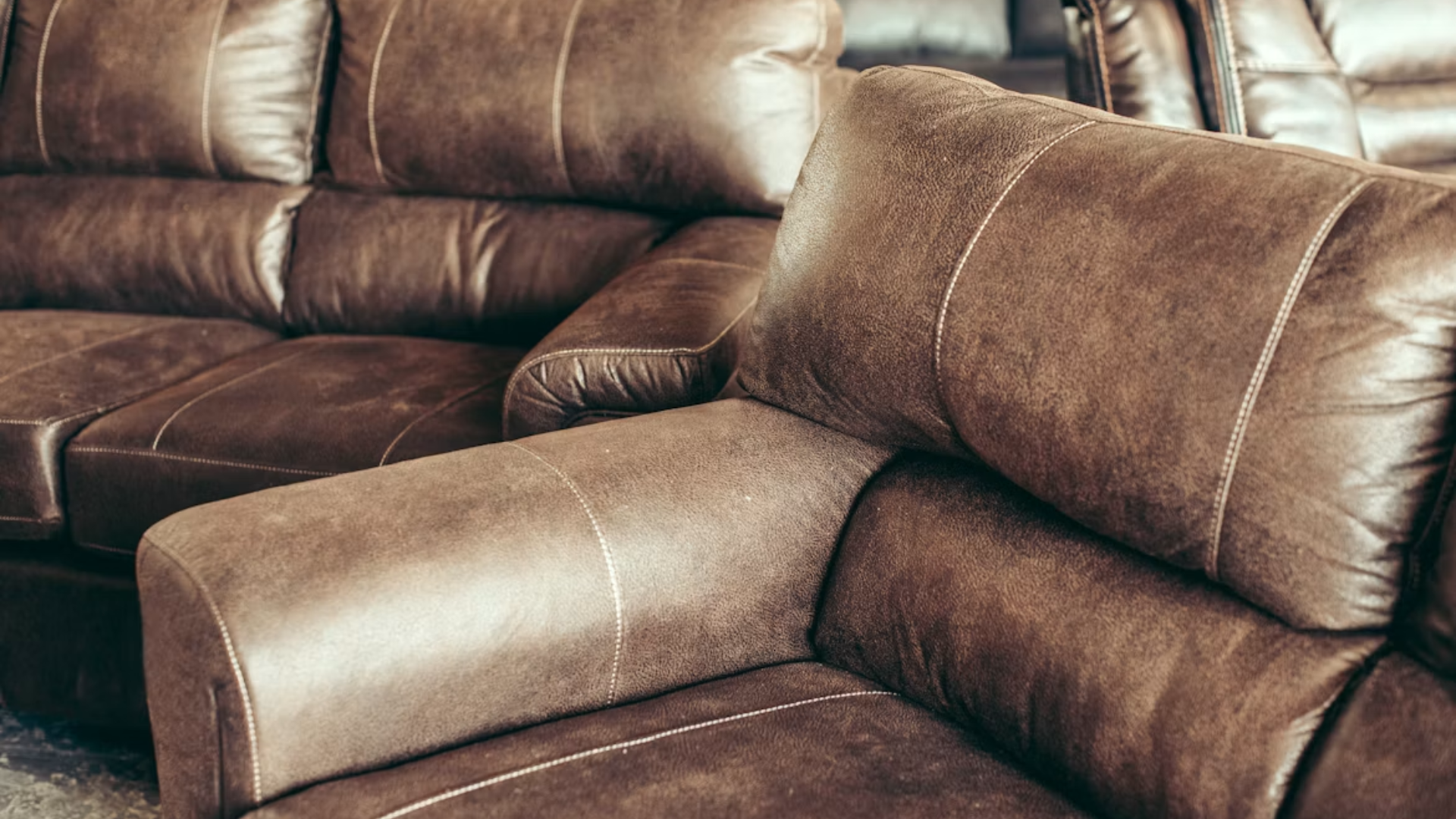
Faux leather can be a good cruelty-free option, but it is not built like the real thing. It is made from plastic, so it resists small cracks and scratches at first. Over time, though, that plastic coating breaks down and starts to peel. Genuine leather also stretches and softens with age, while faux leather stays stiff. This decorator suggests using faux leather sparingly, as an accent instead of a main piece. That way, wear and tear shows up less.
Fabric Storage Cubes Belong in Dorm Rooms, Not Living Rooms
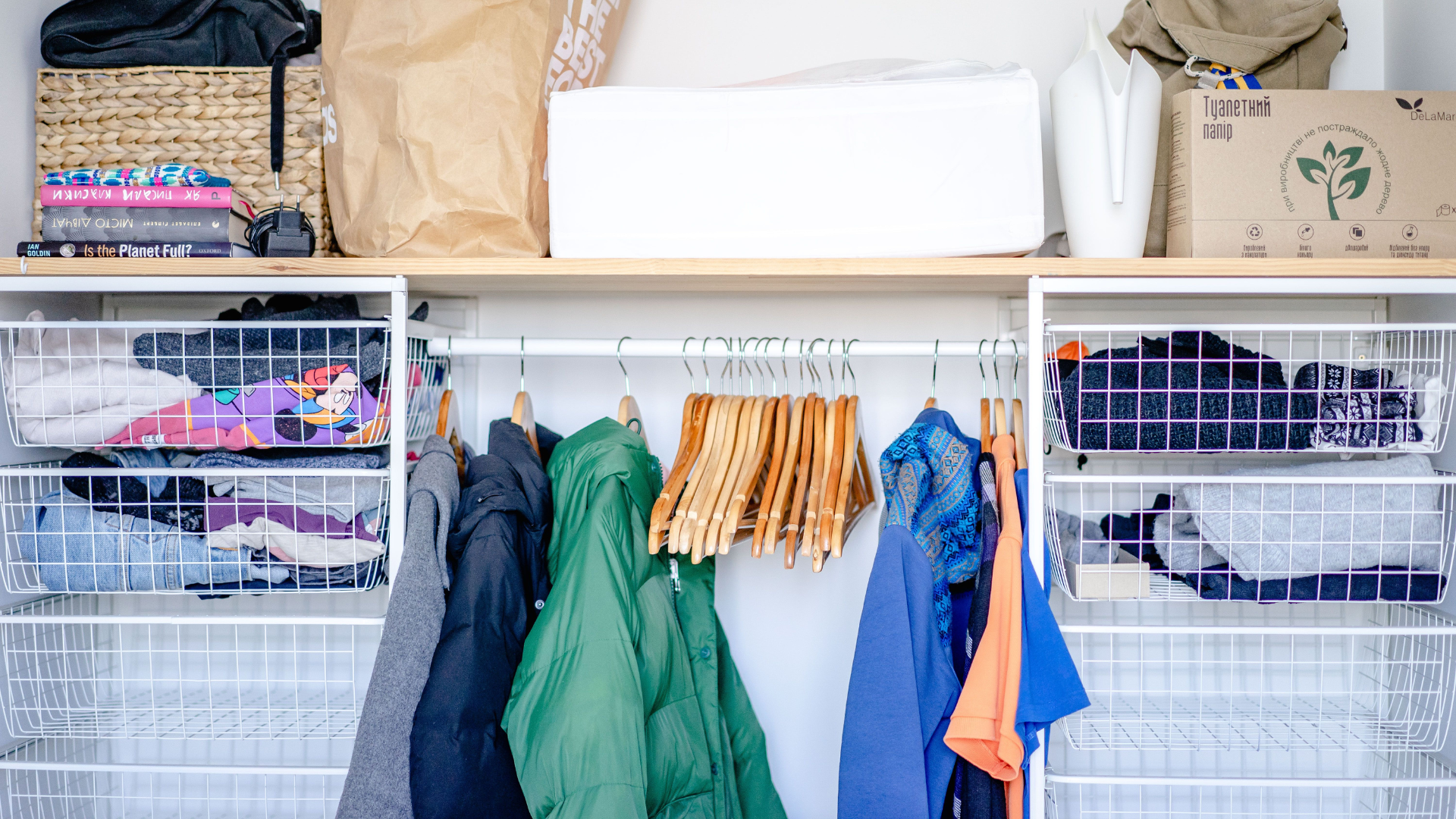
Soft-sided storage cubes are cheap, light, and popular with college students. They work fine for a dorm room, but they rarely fit into a grown-up space. This decorator prefers real furniture for storage instead, like a sideboard or a thrifted cabinet. Solid pieces hold up longer and look better in a finished room. A cardboard-and-cloth box may save money today, but it will not survive many more moves.
Plastic Chair Wheels Can Wreck Hardwood Floors
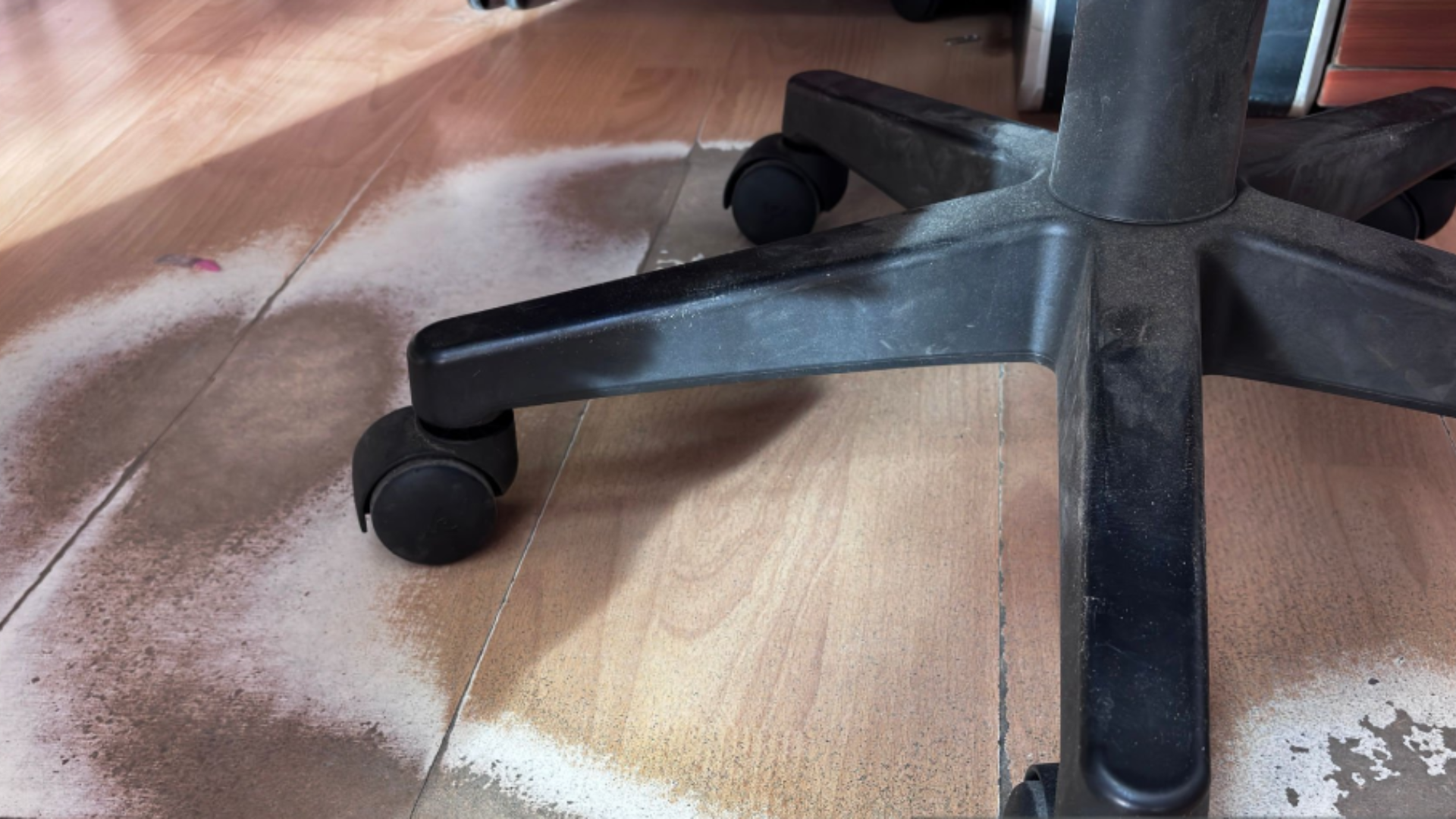
Most affordable office chairs come with small plastic wheels. Those wheels roll easily, but over time they scratch and dent hardwood floors. This decorator learned that lesson the hard way in her own home office. Her fix was simple: she swapped the plastic wheels for rubber ones. Rubber wheels cost a little more, but they glide smoothly without leaving marks behind. It is a small change that protects a much bigger investment, the floor itself.
Exposed Light Bulbs Can Turn Charming Into Harsh
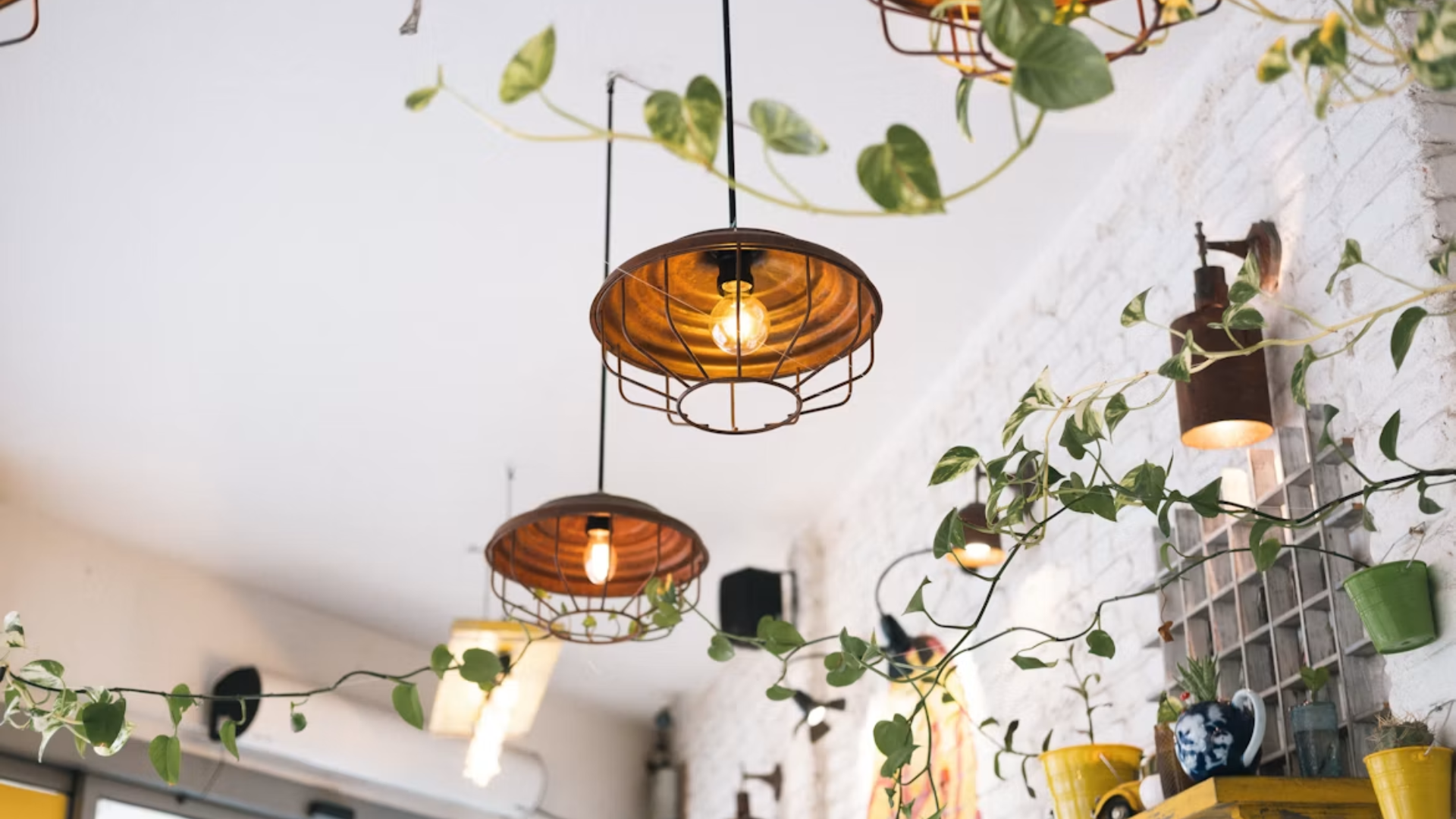
Exposed bulbs fit right in with farmhouse, industrial, or minimalist rooms. In the wrong space, though, that same look becomes harsh and glaring. This decorator says exposed fixtures put the bulb on display instead of the fixture’s design. They also limit which bulbs a person can use as smart lighting becomes more common. She prefers fixtures that hide the hardware and let good design lead. A softer glow, she says, almost always beats a bare bulb.
Beach Signs and Rooster Clocks Rarely Age Well
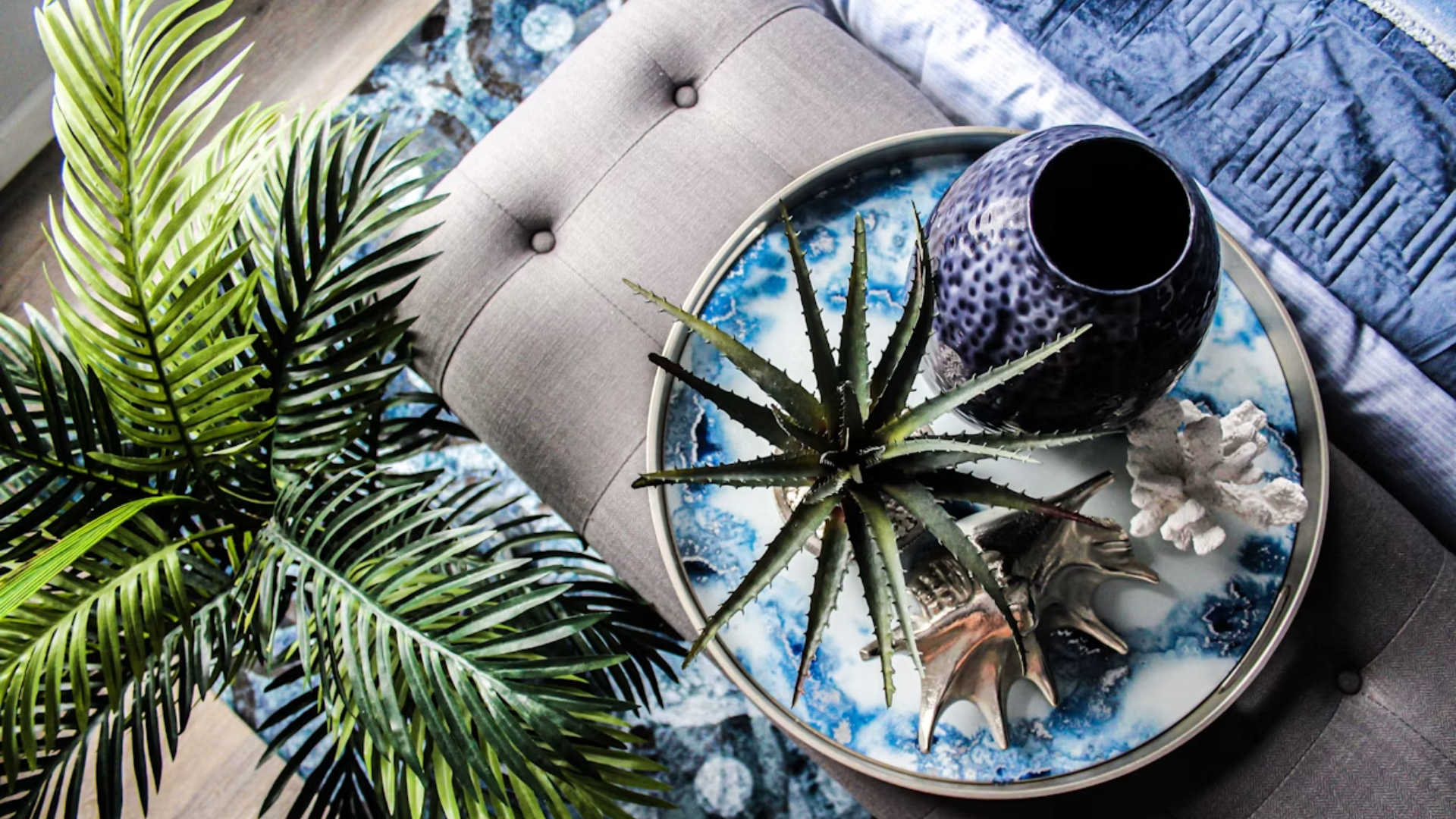
Themed decor can feel like an easy shortcut to a finished room. Starfish lamps, rooster clocks, and other themed pieces might look cute in a store. In a real home, though, they often feel overstimulating and mass produced. This decorator puts it simply: “good design whispers; themed decor shouts.” She only allows theme pieces if someone truly owns a beach house or a mountain cabin. Otherwise, she steers clients toward something quieter and more personal.
Geometric Shelves Often Just Collect Dust and Clutter
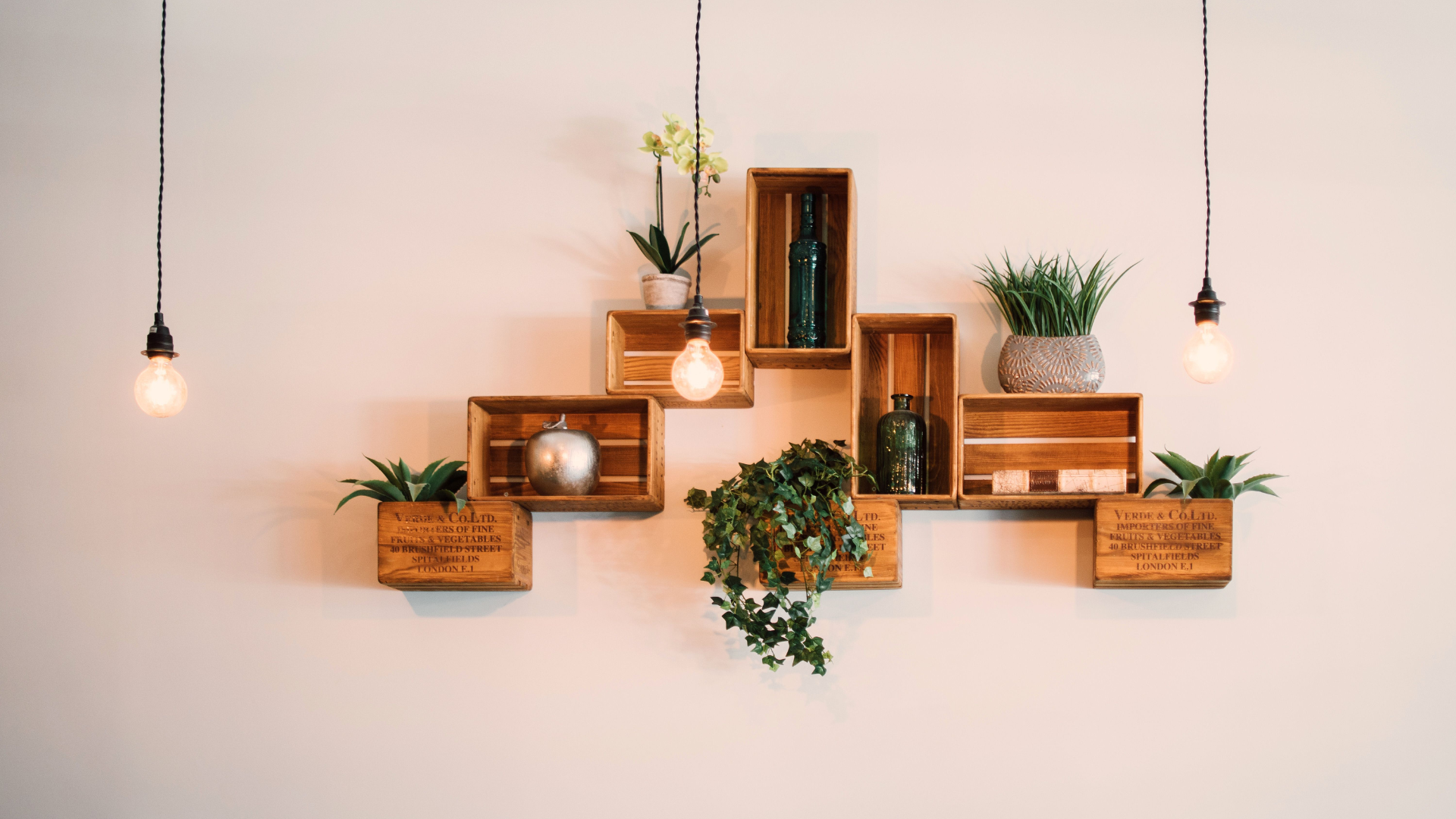
Geometric wall shelves show up everywhere in modern design boards. The trouble is, once they are on the wall, most people never plan what goes on them. This decorator says empty shelf space quickly fills up with random trinkets instead of anything meaningful. She chooses large artwork or framed photos over shelving instead. Those pieces create a finished look without adding extra clutter to dust. A blank wall, she believes, deserves more than an afterthought.
The Real Lesson Isn’t About Any Single Item
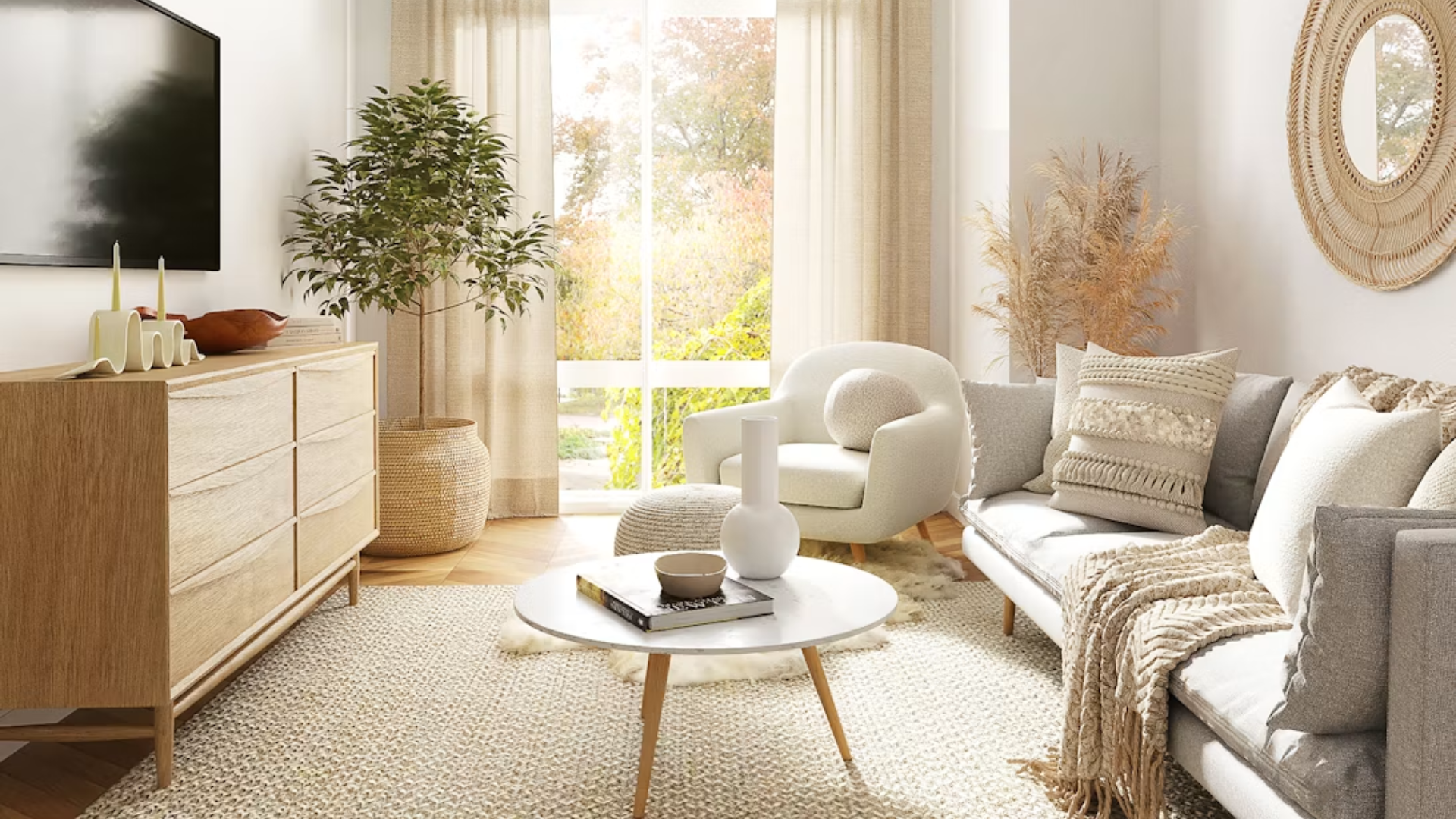
None of these seven items are disasters on their own. What ties them together is a decorator’s simple test: will this last, and does it truly fit my life? That question matters more than any trend chart or store display. The next time a piece looks tempting, it might be worth pausing before buying it. A home built on lasting choices tends to feel calmer than one chasing every new idea.