Walmart Finally Accepts Apple Pay After a Decade of Refusing It
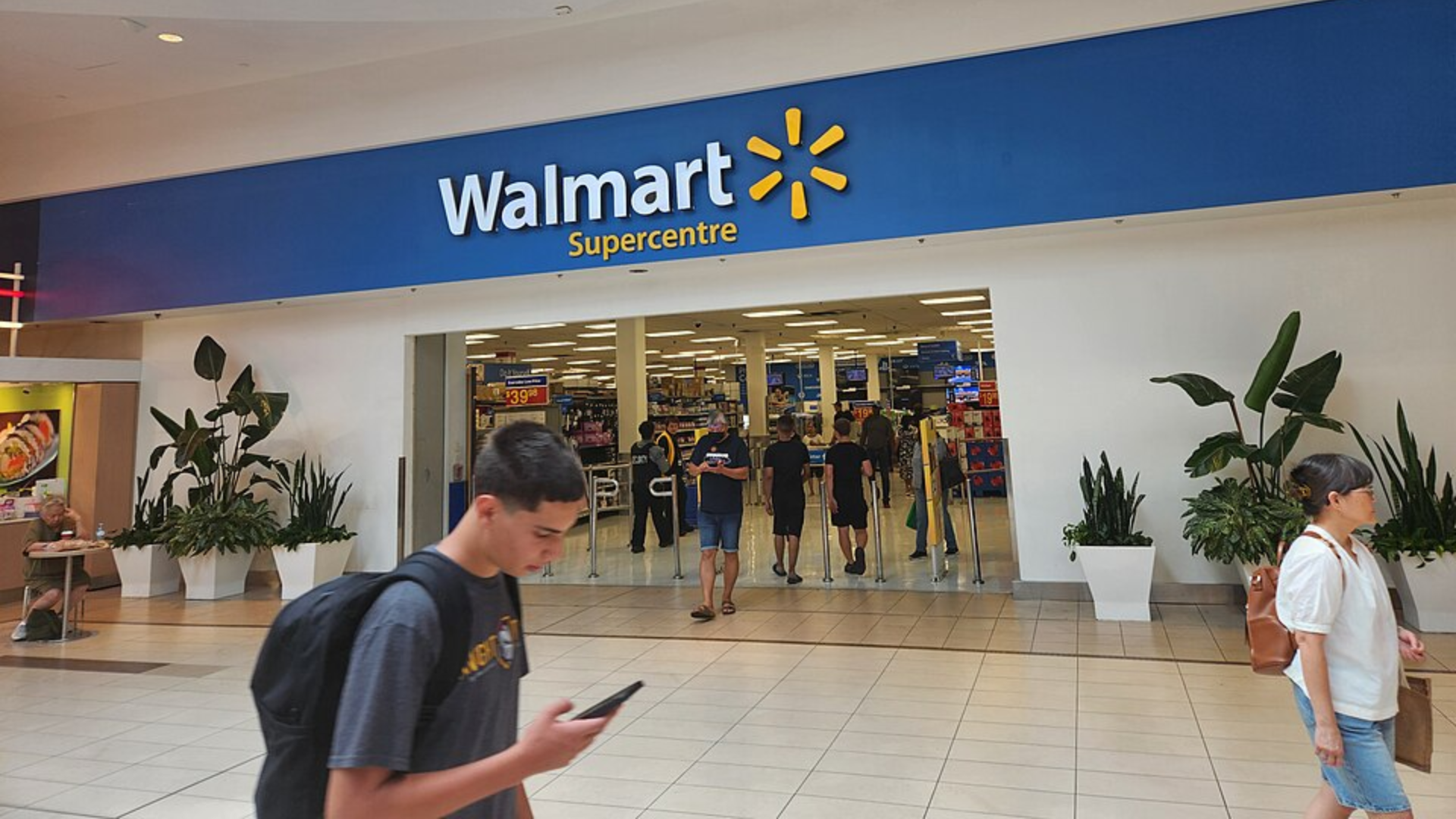

Tapping a phone to pay feels like the default everywhere, right up until you tried it at Walmart. For more than a decade, the country’s largest retailer simply would not accept Apple Pay, Google Pay, or any other tap-to-pay option at checkout. That changes starting August 24. Walmart announced it will begin rolling out tap-to-pay technology at select stores, ending one of the longest holdouts against contactless payments in American retail.
The Rollout Starts Small Before Going Fully Nationwide
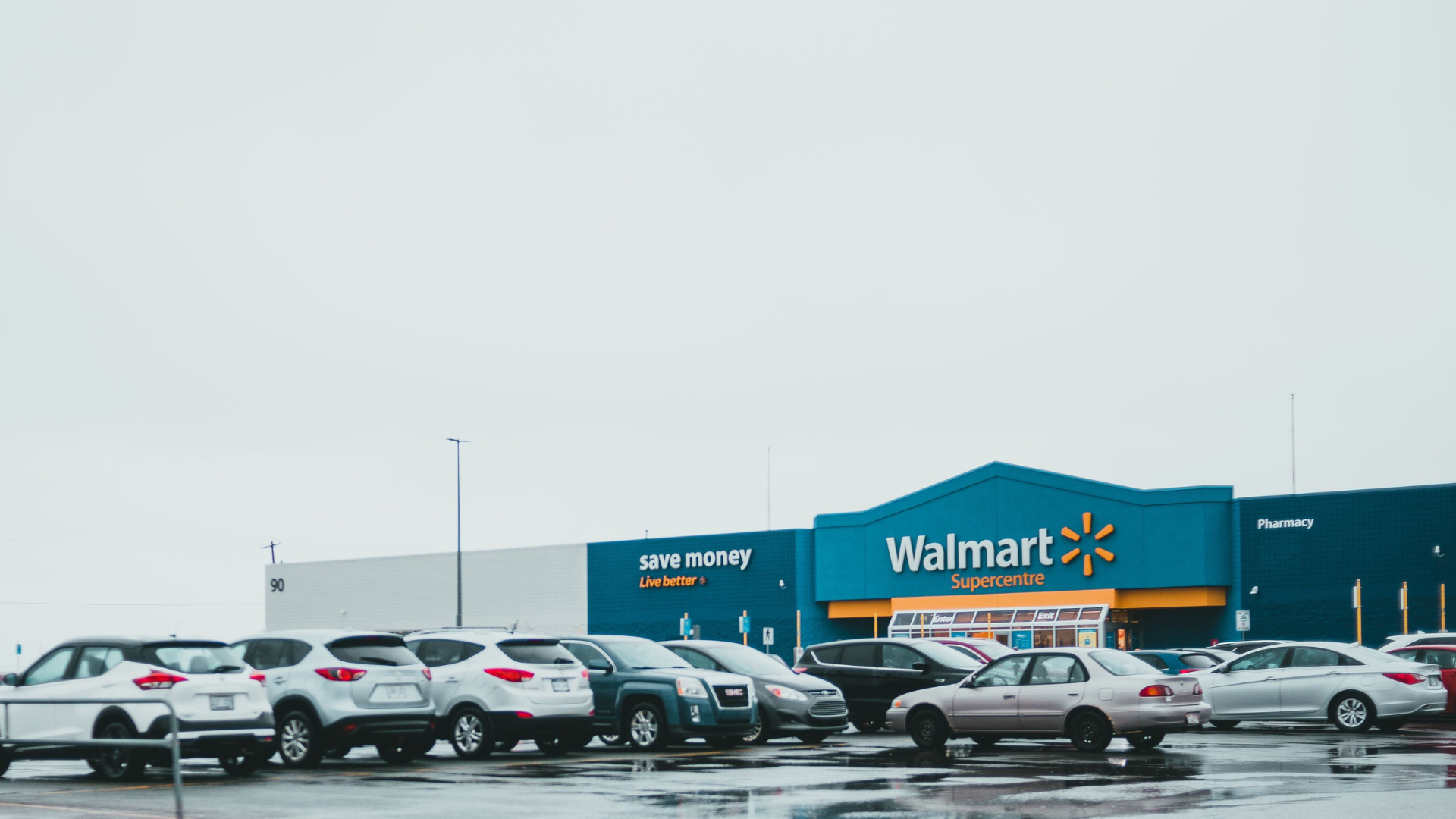
The rollout starts small before going nationwide. Select Walmart and Sam’s Club locations will offer tap-to-pay beginning August 24, with Walmart planning to reach every U.S. store and club by the end of 2026. Fuel stations will get the technology later, by mid-2027. Apple Pay, Google Pay, and Samsung Wallet will all work at the new terminals, alongside eligible Walmart, Sam’s Club, and OnePay cards added to digital wallets.
Paying With a Phone at Walmart Used to Mean Extra Steps
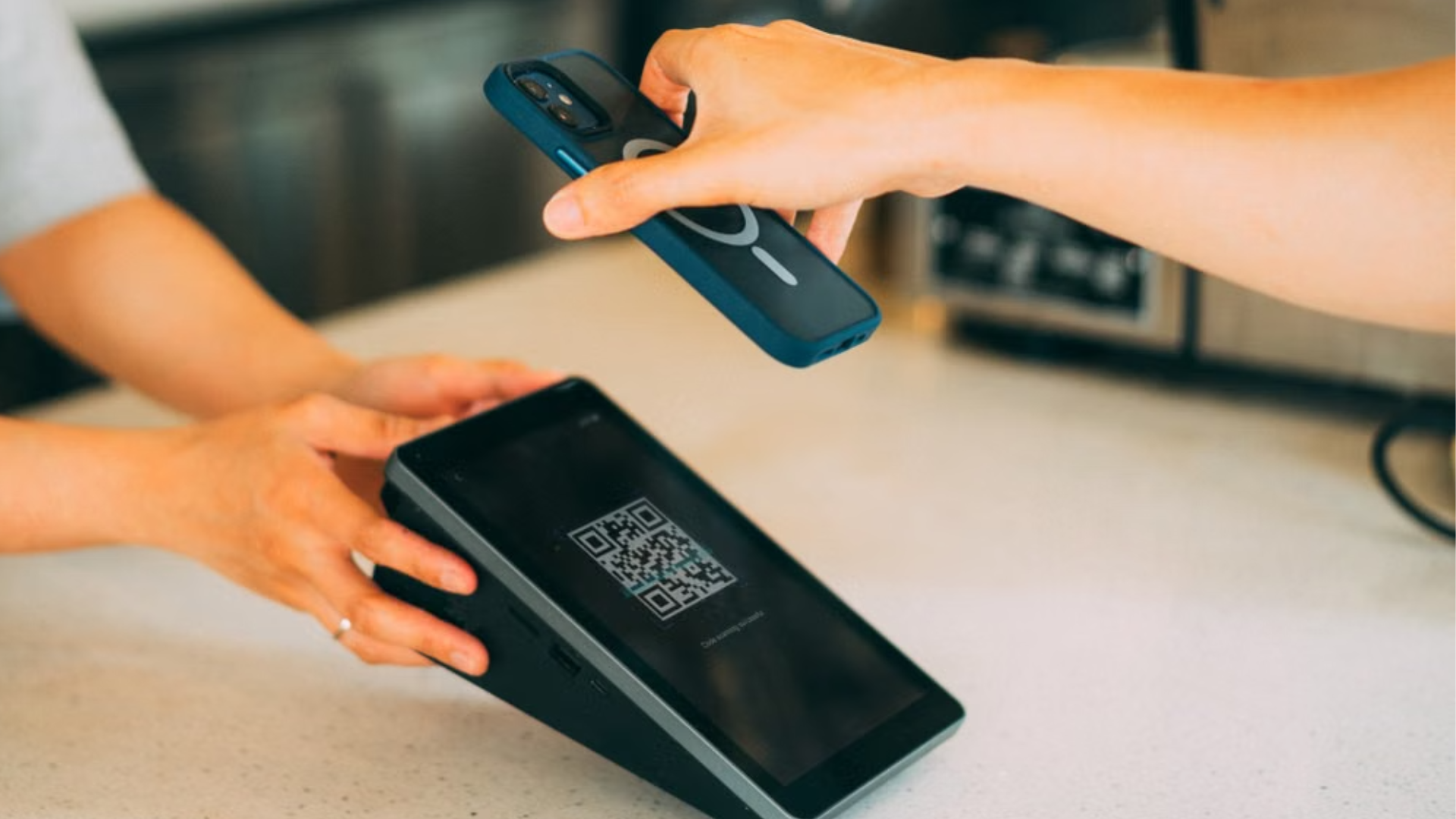
Before this change, paying with a phone at Walmart meant extra steps most other stores had eliminated years ago. Shoppers relied on physical cards or Walmart Pay, the retailer’s own app-based system requiring customers to scan a QR code at checkout. That process worked, but it added friction compared to simply tapping a phone or card, especially for shoppers used to faster checkout everywhere else they shopped.
This Was Never Really About Missing Technology
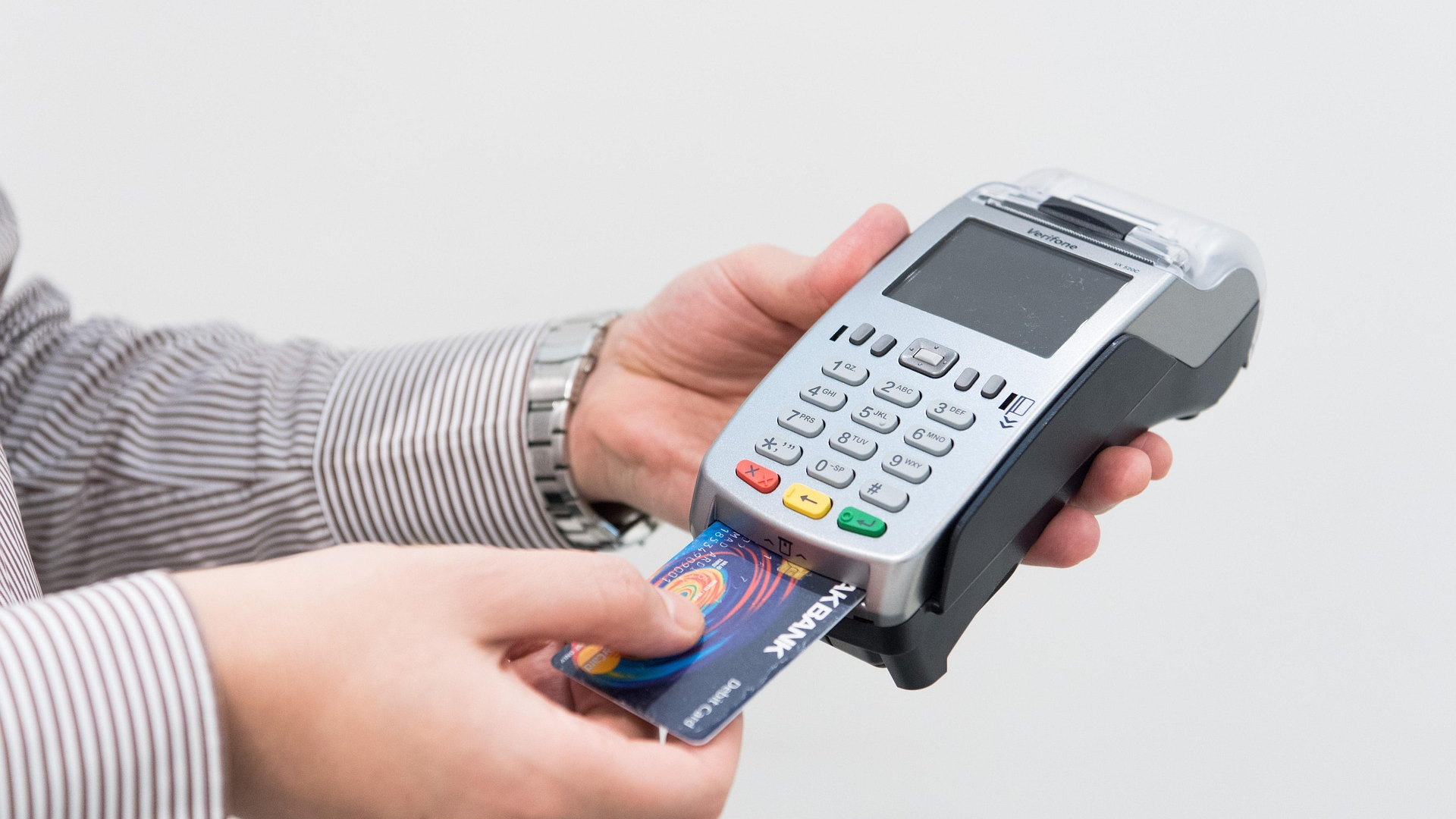
Walmart’s resistance to tap-to-pay was never really about missing technology. The retailer’s payment terminals have supported the necessary hardware for years. Back in 2016, Walmart even joined a group of major retailers backing CurrentC, a rival mobile payment system designed to compete directly with Apple Pay. That effort collapsed entirely, but Walmart kept pushing its own Walmart Pay app instead of accepting outside options.
Money, Not Convenience, Explains the Decade-Long Holdout
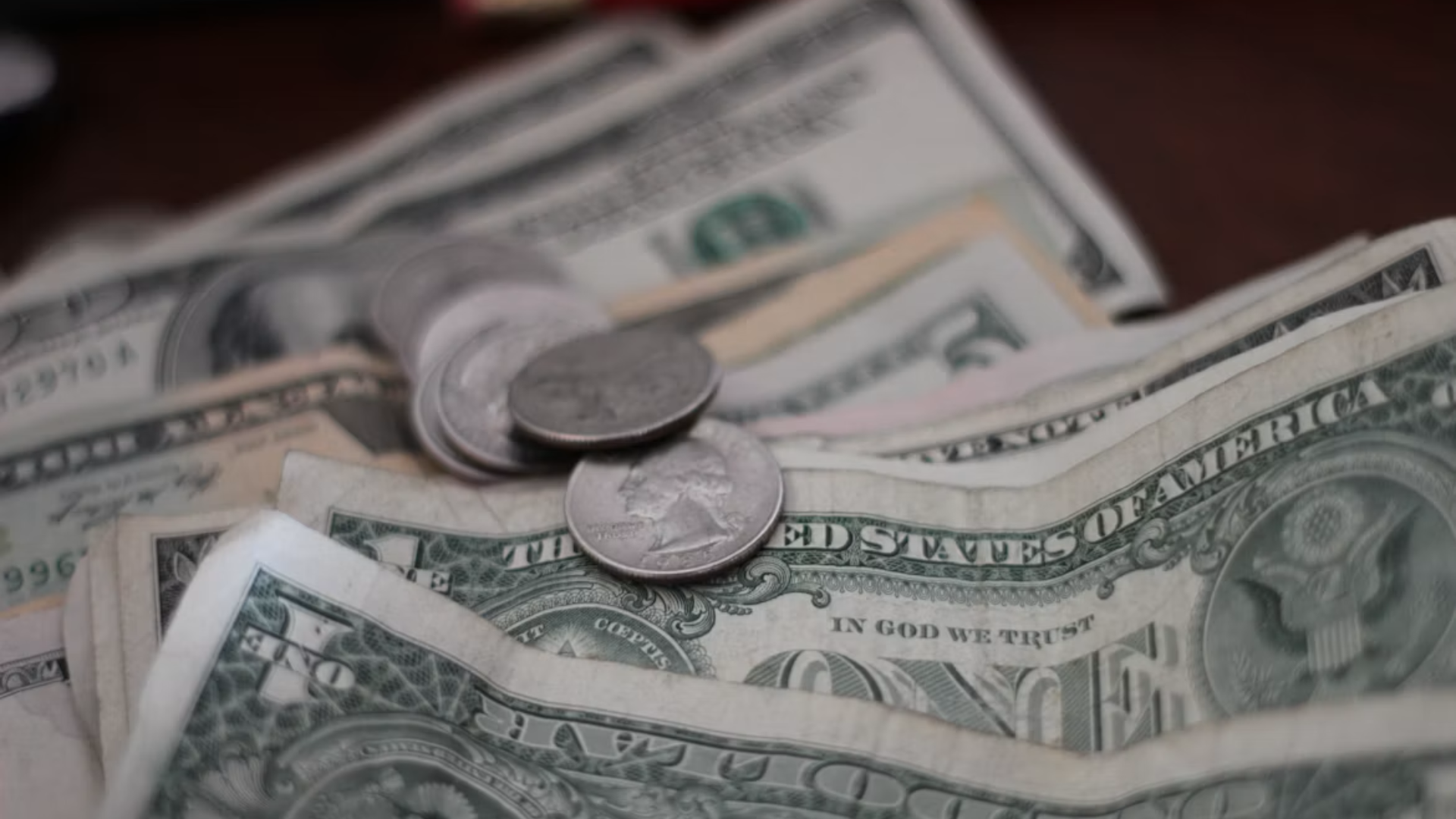
Money, not convenience, appears to explain why Walmart held out this long. Apple charges card issuers a small fee on every Apple Pay transaction, and Walmart’s own payment system let the company minimize those interchange costs while collecting shopper data directly. That strategy made financial sense when Walmart Pay launched in 2015. By 2026, though, that same approach had become a checkout bottleneck rather than a competitive advantage.
Walmart Framed the Shift Around Customer Choice
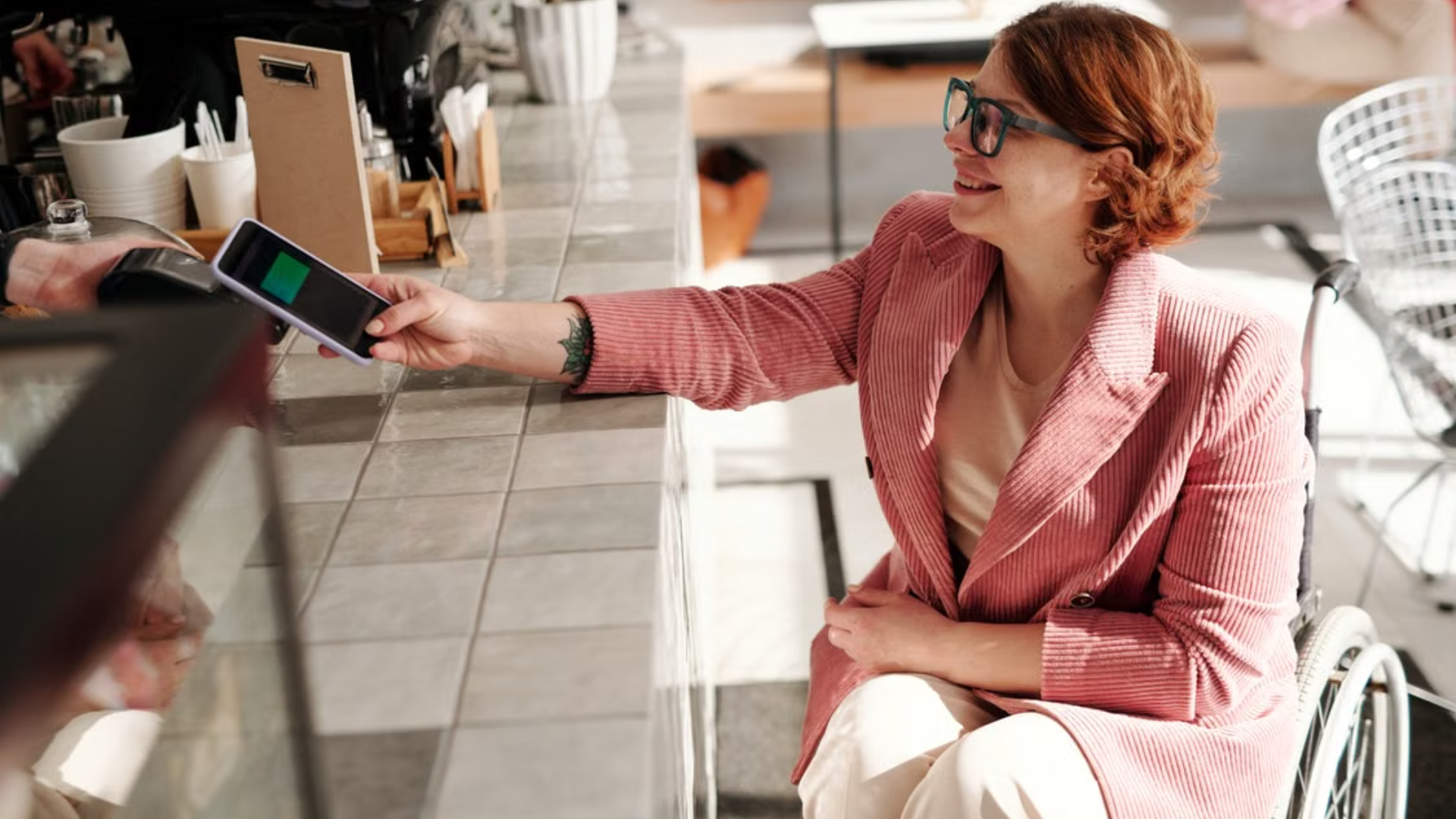
Walmart framed the shift publicly around customer flexibility rather than internal cost calculations. “We want customers and members to have choice in how they pay, so they can check out in the way that works best for them,” the company said in its announcement. It added that the change fits into a broader effort covering “how they manage their money to how they pay at checkout.”
Walmart Was Nearly Alone Among Major Retailers on This
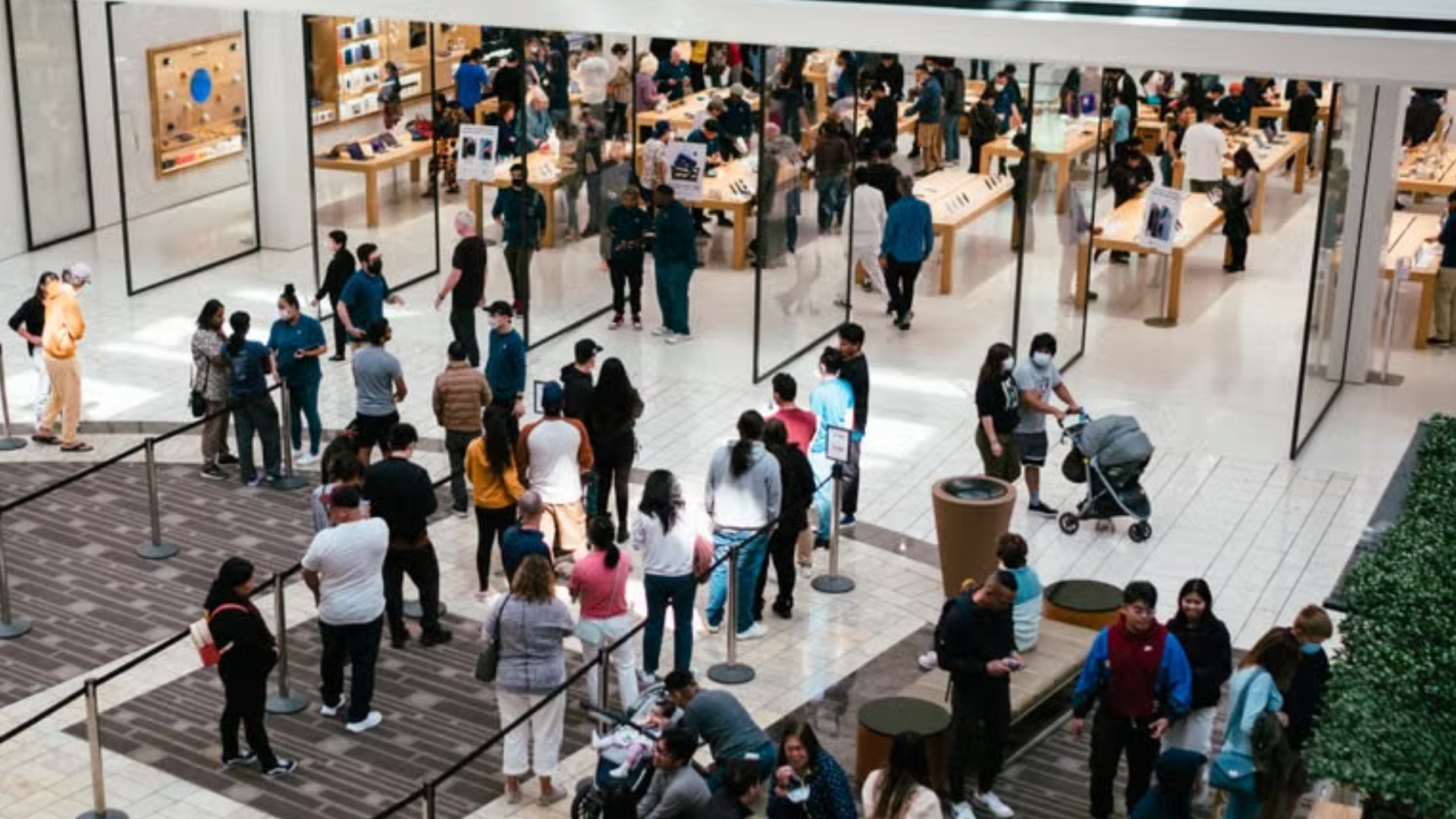
Walmart had become an increasingly visible outlier as tap-to-pay spread across the retail industry over the past several years. Roughly 85 percent of U.S. retailers already support Apple Pay, according to Axios reporting, leaving Walmart as one of the last major holdouts among big-box chains. With an estimated 240 million weekly shoppers in the United States, the change affects a customer base larger than most countries’ entire populations combined.
Your Old Payment Options Are Not Disappearing
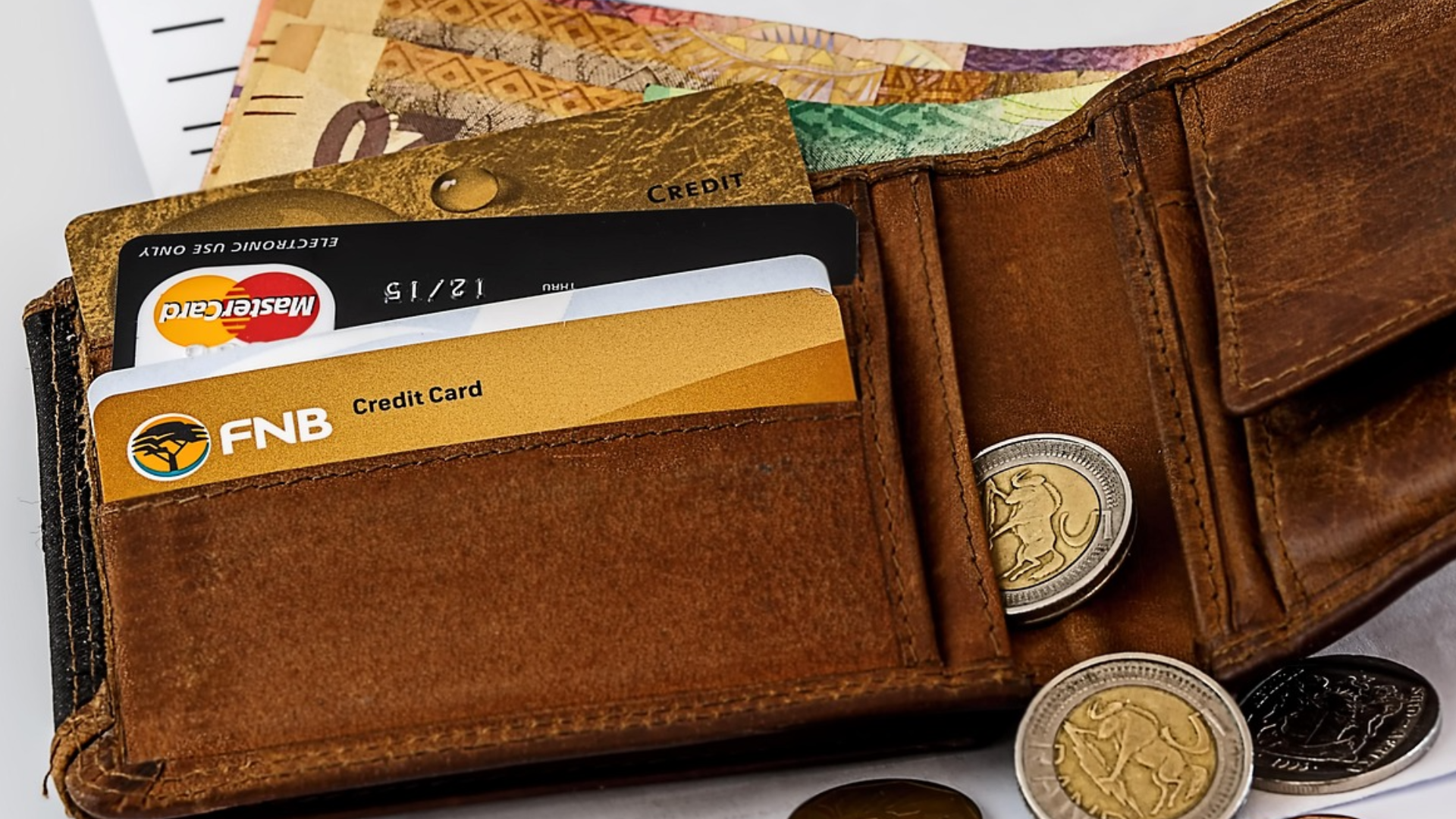
Existing payment methods are not going anywhere once tap-to-pay arrives at a given store. Cash, chip cards, and Walmart Pay will all remain available alongside the new contactless option, giving shoppers flexibility rather than forcing a single checkout method. Walmart has not specified exactly which stores will get the technology first, meaning shoppers in different regions may see tap-to-pay arrive at noticeably different times before the company’s end-of-2026 nationwide target.
This Fits Into a Bigger Wave of Walmart Changes This Year
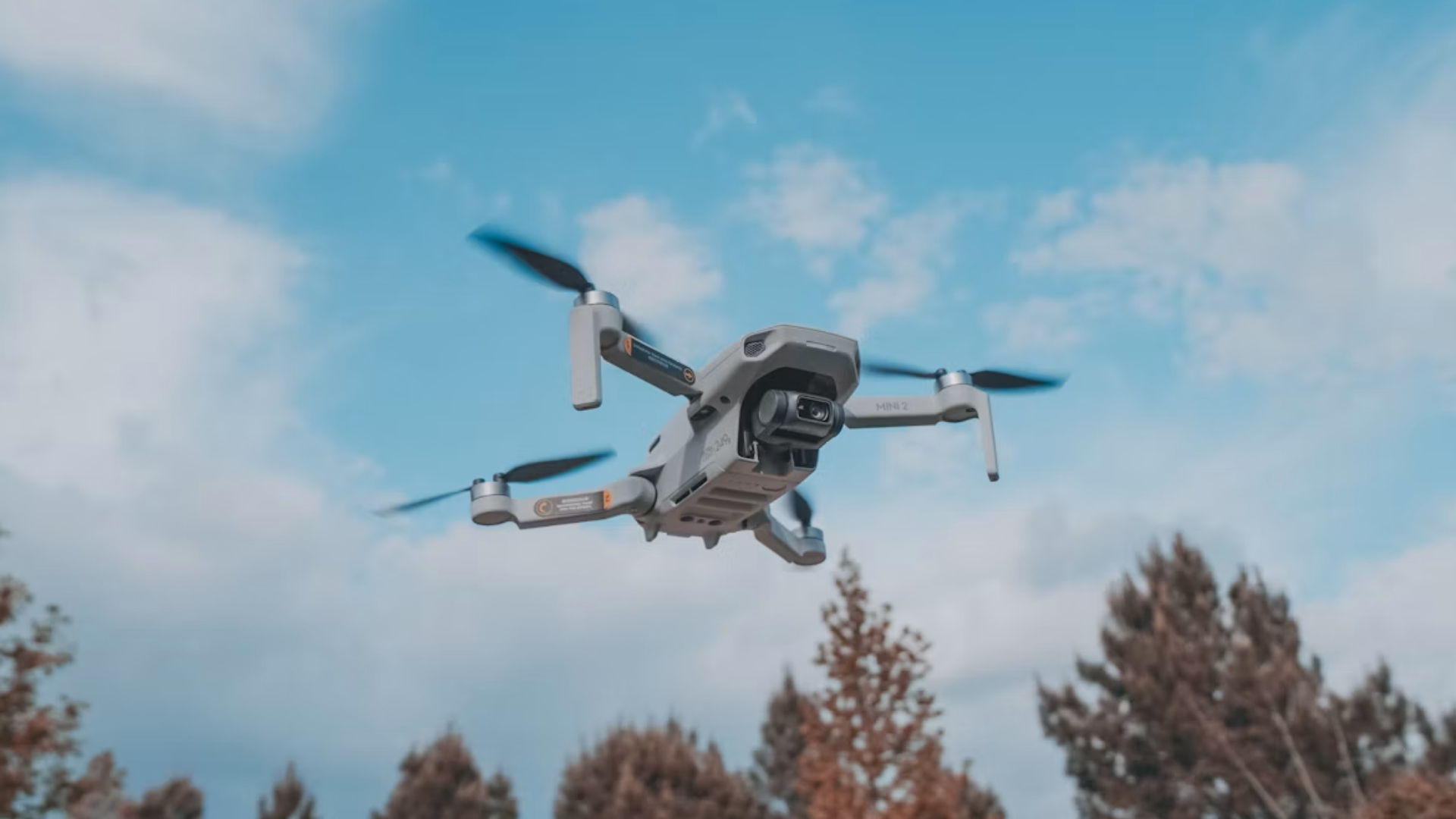
This payment shift lands alongside several other operational changes at Walmart this year. The company has launched drone delivery through a partnership with Alphabet-owned Wing in the Orlando area, and separately announced plans to open roughly 20 new stores while remodeling 650 existing locations through 2027. Better integration between Walmart’s app and in-store shopping is part of that broader remodeling push as well.
A Decade Late, but Finally Here
A checkout feature most shoppers take for granted elsewhere finally arrives at the country’s biggest retailer more than ten years late. Walmart’s reasoning centered on cost control rather than any technical obstacle, a strategy that worked until standing apart from nearly every competitor became its own liability. Starting August 24, tapping a phone at Walmart stops being wishful thinking and starts being an actual checkout option.