They Own Their Homes, but Not the Land. Now Some California Residents Are Fighting Back
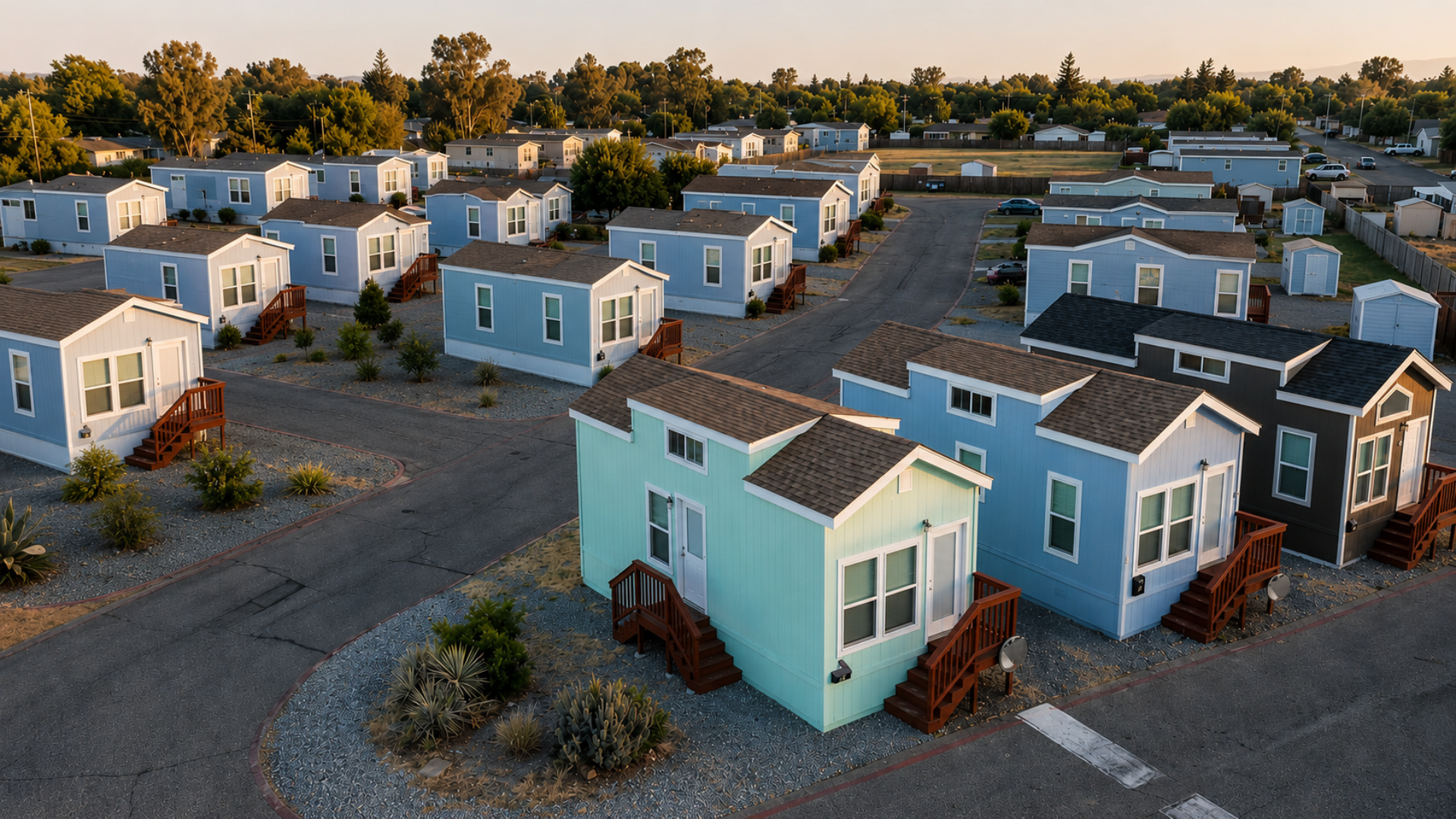

Owning your own home is supposed to come with a certain sense of security. But for residents of mobile home parks, that security can be surprisingly limited, because owning the physical structure and owning the land underneath it are often two completely separate things. At the San Jose Mobile Home and RV Park, a group of longtime residents says they’ve experienced exactly how fragile that arrangement can become. After organizing to push back against rising costs, several residents report receiving a wave of official notices they believe are tied directly to their advocacy. Their situation offers a useful window into an often overlooked corner of the housing market, and the specific protections that exist, or don’t, for people in it.
The Basic Setup Behind Mobile Home Ownership
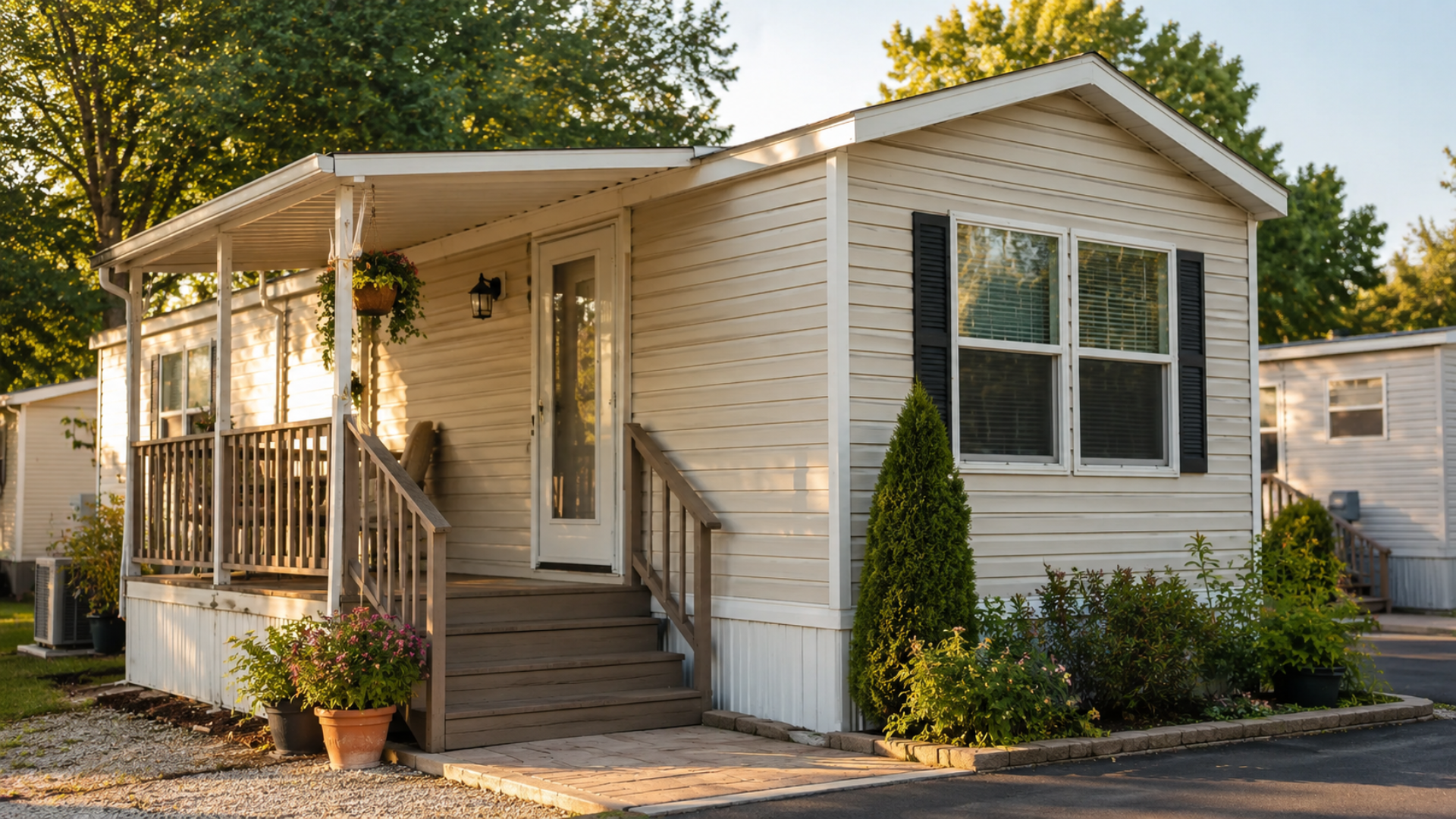
To understand why this situation is even possible, it helps to know how mobile home living actually works financially. Residents typically own their mobile home or trailer outright, meaning it’s genuinely their property. What they don’t own is the land it sits on. Instead, they pay ongoing rent to a park owner for that individual space, similar in some ways to renting an apartment, except the physical home itself belongs entirely to the resident. This hybrid arrangement was historically seen as one of the more affordable paths to homeownership. But it also means residents can face real pressure over their space rent even while fully owning the home sitting on top of it.
Old Homes and New Investments Sitting Side by Side
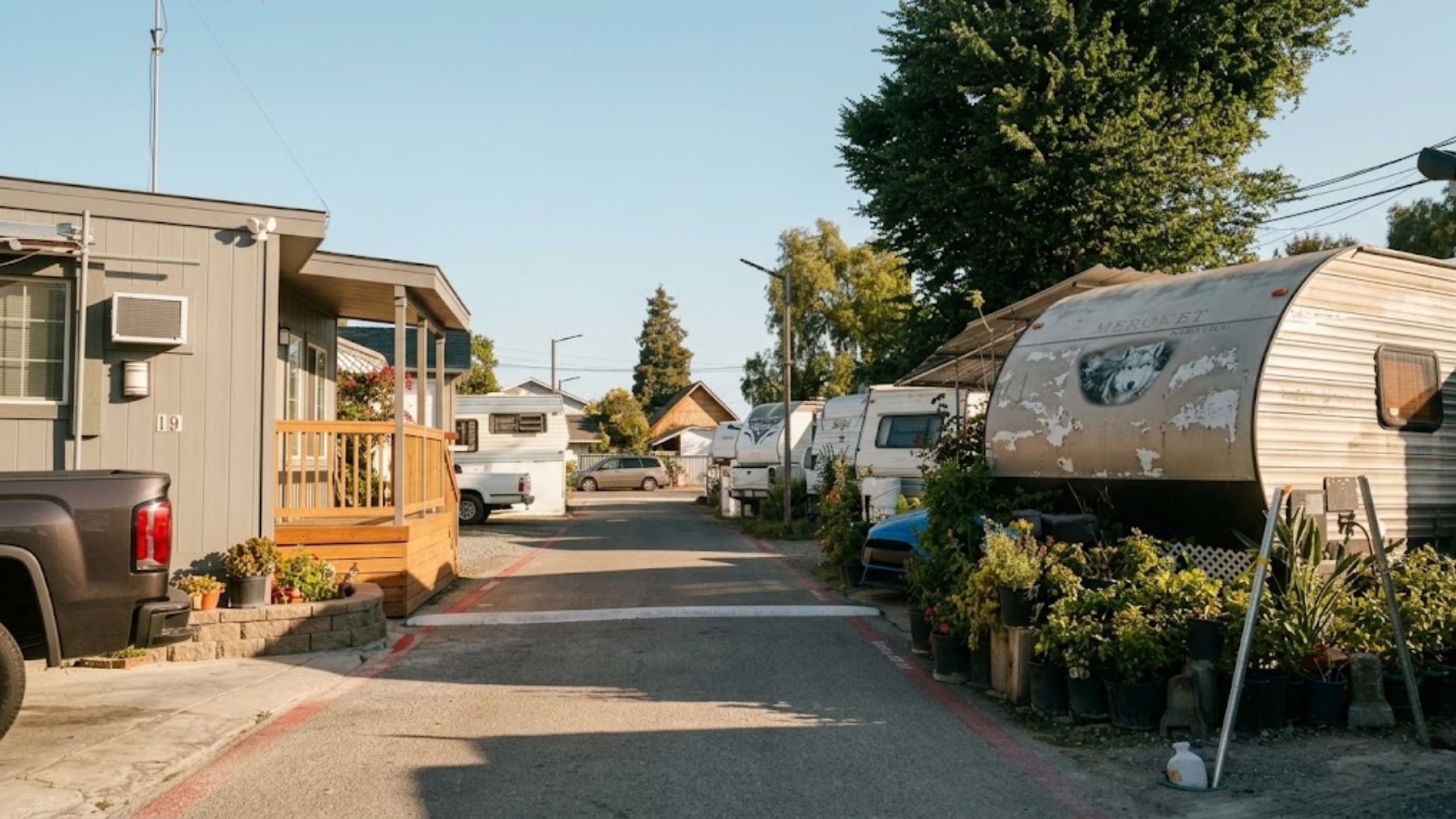
The particular park at the center of this story shows its age throughout the property, with many of the mobile homes and RVs looking visibly worn, and a large share of its low income residents speaking little or no English. But scattered among those older units are newer small modular homes recently added to the property, ones capable of commanding significantly higher prices. According to resident Maria Munoz, those new units are being sold for around 150,000 dollars, plus the ongoing space rental fee. That’s a striking financial contrast within a single park, and residents believe it created a clear incentive for management to want certain longtime, lower paying tenants gone.
How One Resident’s Trouble With Management Started
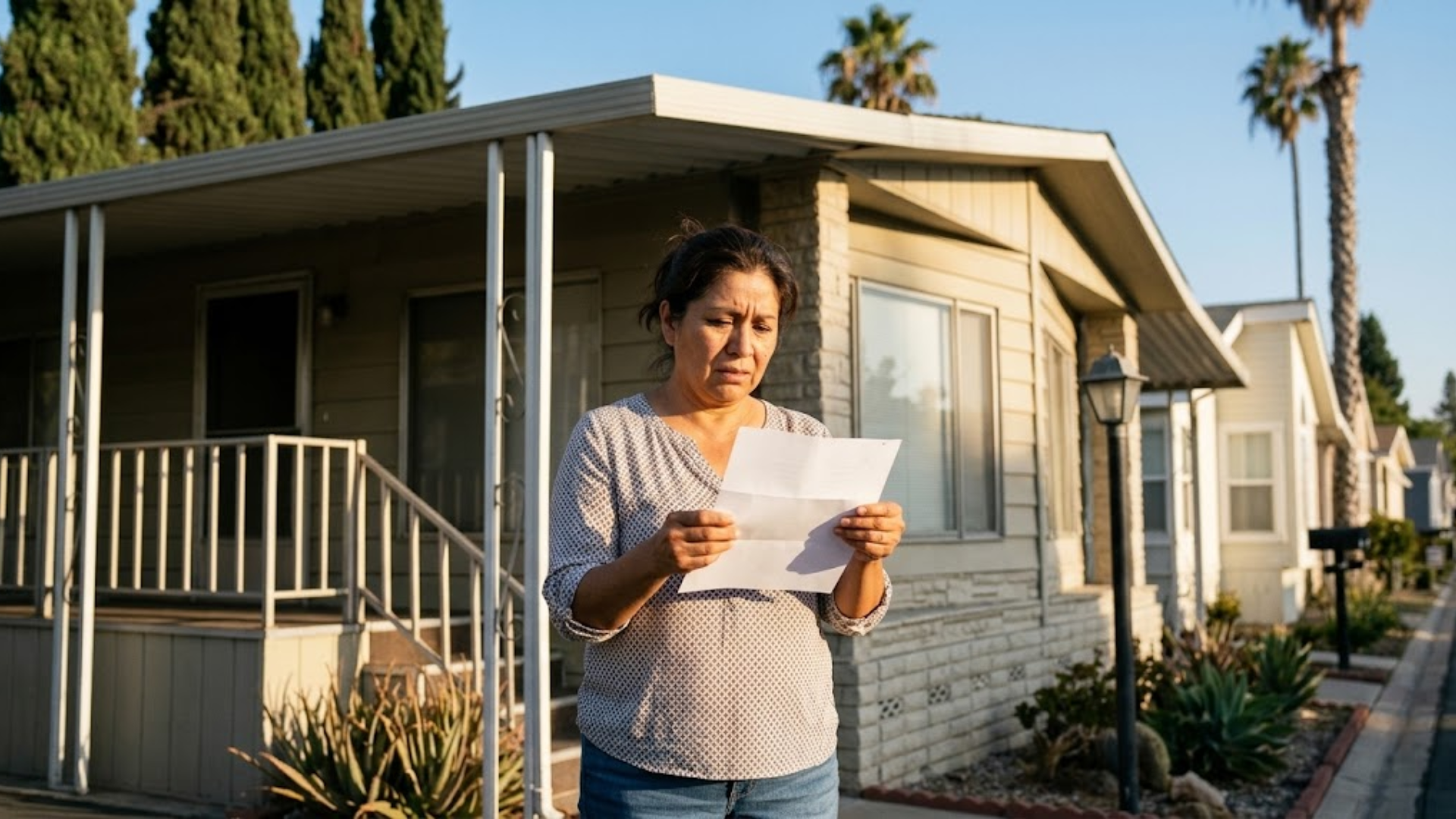
Munoz says her issues with park management began several years ago after she purchased a newer trailer for her space. She said the site manager tried pressuring her into signing a new lease at a significantly higher rate. Munoz refused, telling the manager it wasn’t legal, and said the situation shifted noticeably from that point forward. Soon afterward, she began receiving official notices citing rule violations, including one over a cat tree she had placed on her porch for feral kittens living in the area. Munoz believes those notices were less about genuine rule enforcement and more about pressuring her to eventually leave the park entirely.
Understanding How These Notices Actually Work

The tool at the center of this dispute is what’s known as a seven day notice, a formal warning given to residents to correct a specific rule violation within a week. On its own, a single notice typically isn’t a major problem. But receiving three separate notices within a twelve month period generally gives a landlord the legal right to move forward with eviction proceedings. That structure means a pattern of relatively minor citations, spaced out just right, can eventually add up to a serious housing risk for a resident, even when each individual notice seems relatively small or easily resolved on its own.
A Second Resident’s Story Follows a Similar Pattern
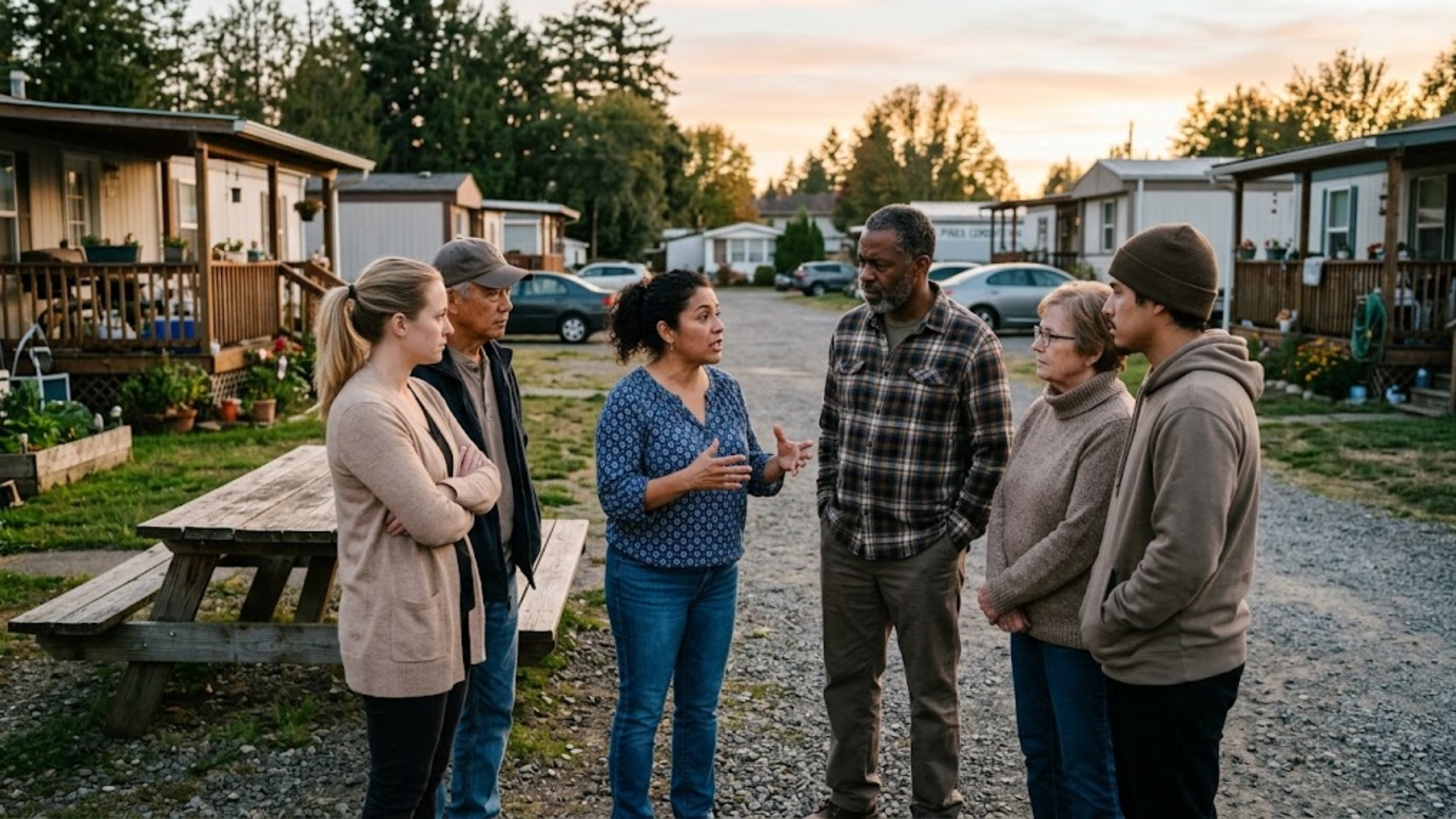
Munoz wasn’t alone in reporting this kind of pressure. Fellow resident Alma Bailon says her troubles intensified after she attended a meeting for a newly formed park residents association last spring. According to Bailon, the property manager was already waiting at her home when she returned from the meeting, presenting her with a notice demanding she remove her carport within seven days. Bailon says the pattern continued from there, with additional complaints arriving about her car and her yard. She also has an unrelated, ongoing dispute with the park over mold and maintenance issues inside her home, adding another layer of tension to her situation.
What the Park’s Ownership Says About These Claims

The park is owned by a company called Monte Cristo Communities, and its owner, Brock Kaveny, addressed the allegations by phone rather than on camera. He stated that the company has no legal ability to force residents to give up their rent control rights, and said the seven day notices exist specifically to enforce state and local property rules rather than to target anyone unfairly. Kaveny denied that the company was retaliating against members of the resident association. He also said the company currently has no plans to bring additional new homes into the community, despite expressing some surprise upon learning how many newer modular units were reportedly for sale there.
Why San Jose’s Rent Control Law Matters Here
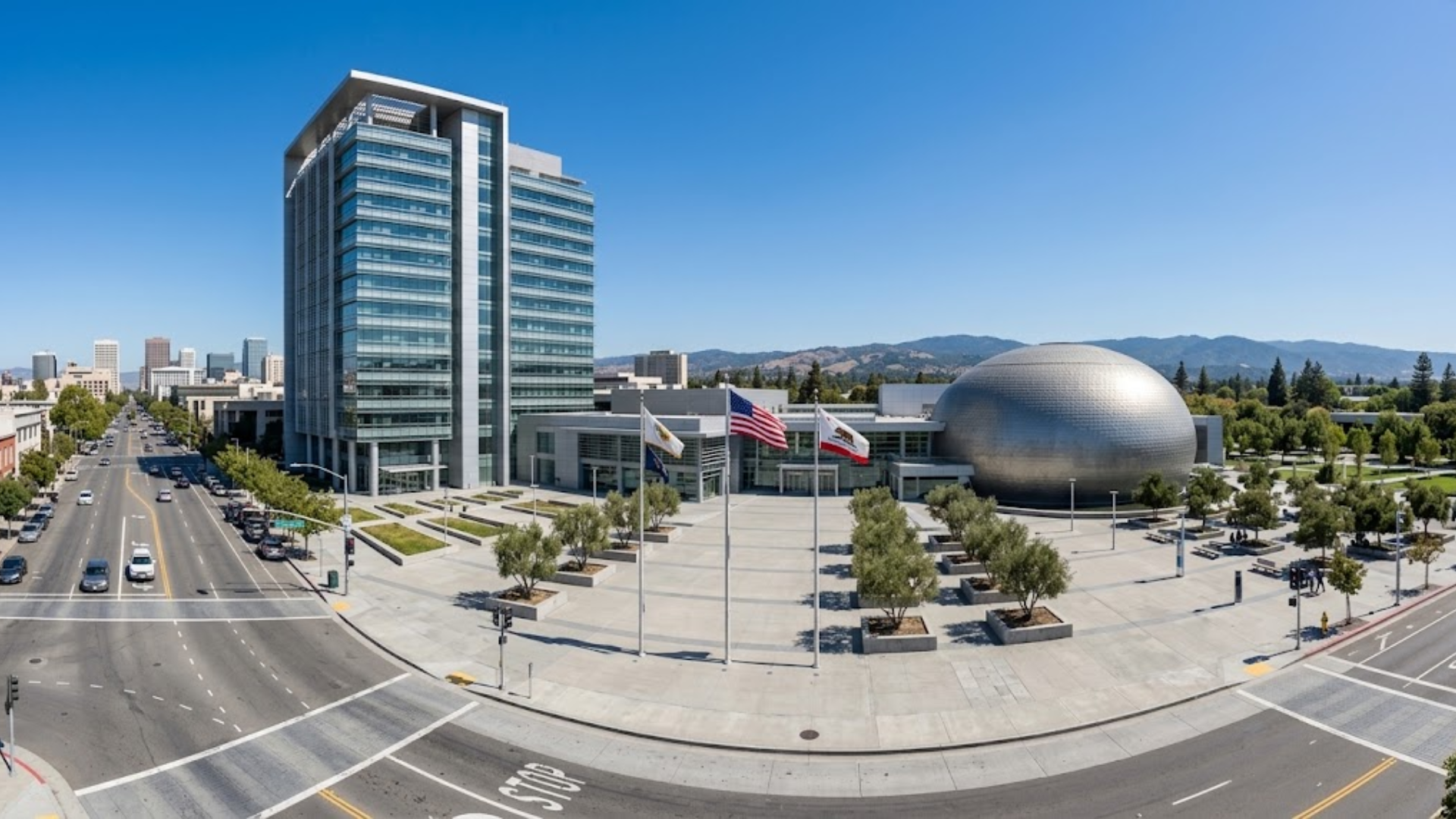
San Jose’s rent control ordinance caps annual rate increases for mobile home spaces somewhere between 3 and 7 percent, tied to the local Consumer Price Index. Munoz believes that cap is the real motivation behind the pressure she and others have experienced. Her reasoning is straightforward. As long as a resident stays in place, the park can only raise their rent by that limited, predictable percentage each year. But once a resident actually leaves, the space becomes available to be rented out again at a substantially higher rate, sometimes double or even triple what a long term resident had been paying under the existing rent control protections.
A Legal Loophole That Existed Until Recently

This situation is also shaped by a change in California law that closed a significant gap in tenant protections. Monte Cristo Communities purchased the mobile home park in 2019. The following year, state lawmakers eliminated a loophole that had previously allowed rent control protections to be waived if a resident agreed to sign a long term lease. Before that change, park owners in some cases could effectively bypass local rent control rules simply by getting residents to sign away those protections in exchange for lease terms that seemed reasonable at the time, but ultimately left tenants more financially exposed down the road.
A Pattern Playing Out Well Beyond One Park
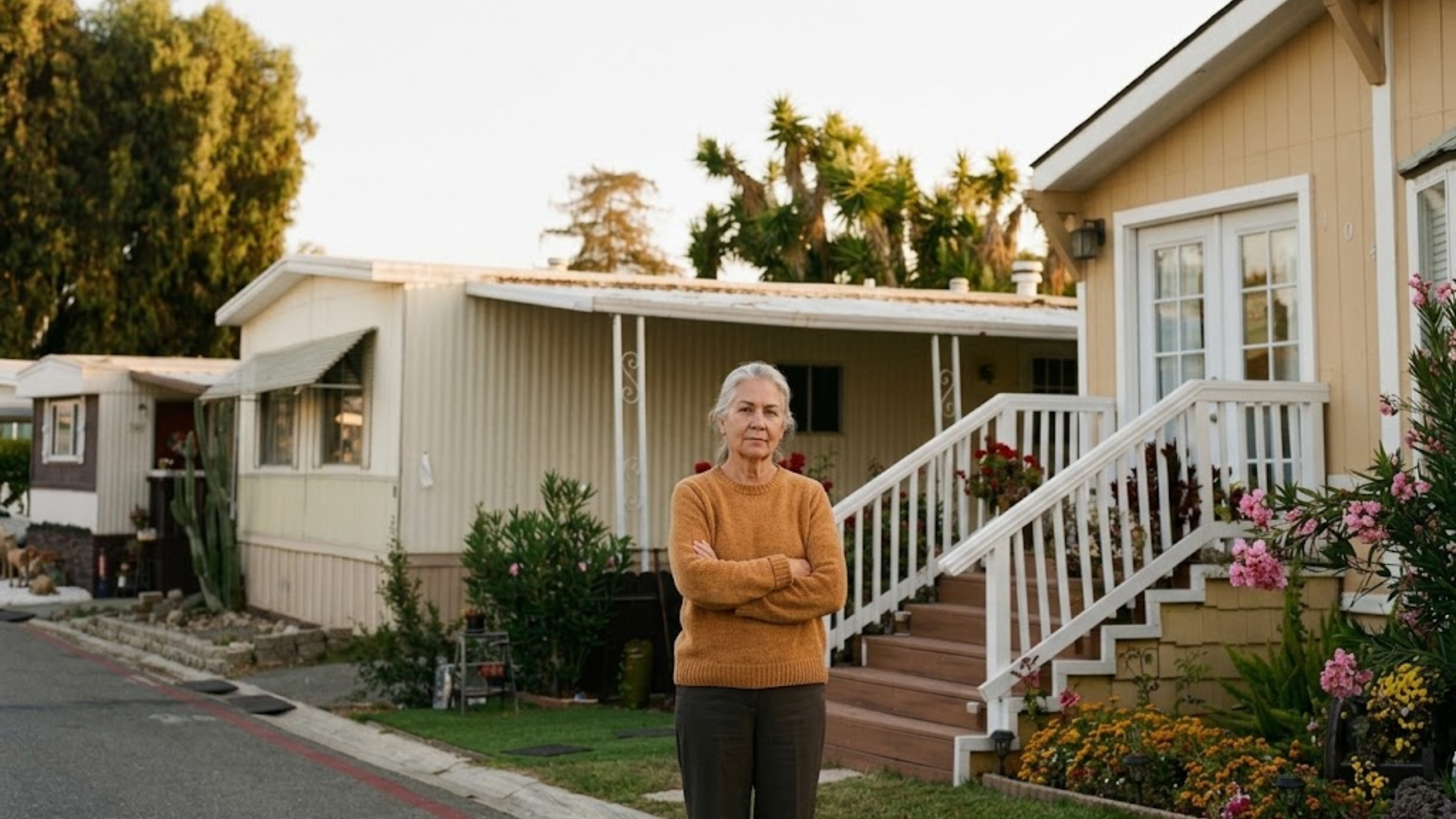
For many years, mobile home communities operated somewhat quietly outside the broader conversation about housing affordability. That’s changing quickly. As competition for housing intensifies nationwide, more investment companies increasingly view mobile home parks as genuinely attractive financial opportunities, precisely because land underneath existing homes can often be redeveloped or re-rented at significantly higher rates once original, lower paying residents move on. For residents currently living in these communities, this situation is a useful reminder to understand exactly what local rent control protections actually cover, keep careful documentation of any notices received, and recognize that organizing with neighbors, while sometimes met with resistance, remains one of the clearest tools tenants have for protecting their housing stability.