15 End-of-Summer Yard Jobs That Could Make a Big Difference in the Months Ahead
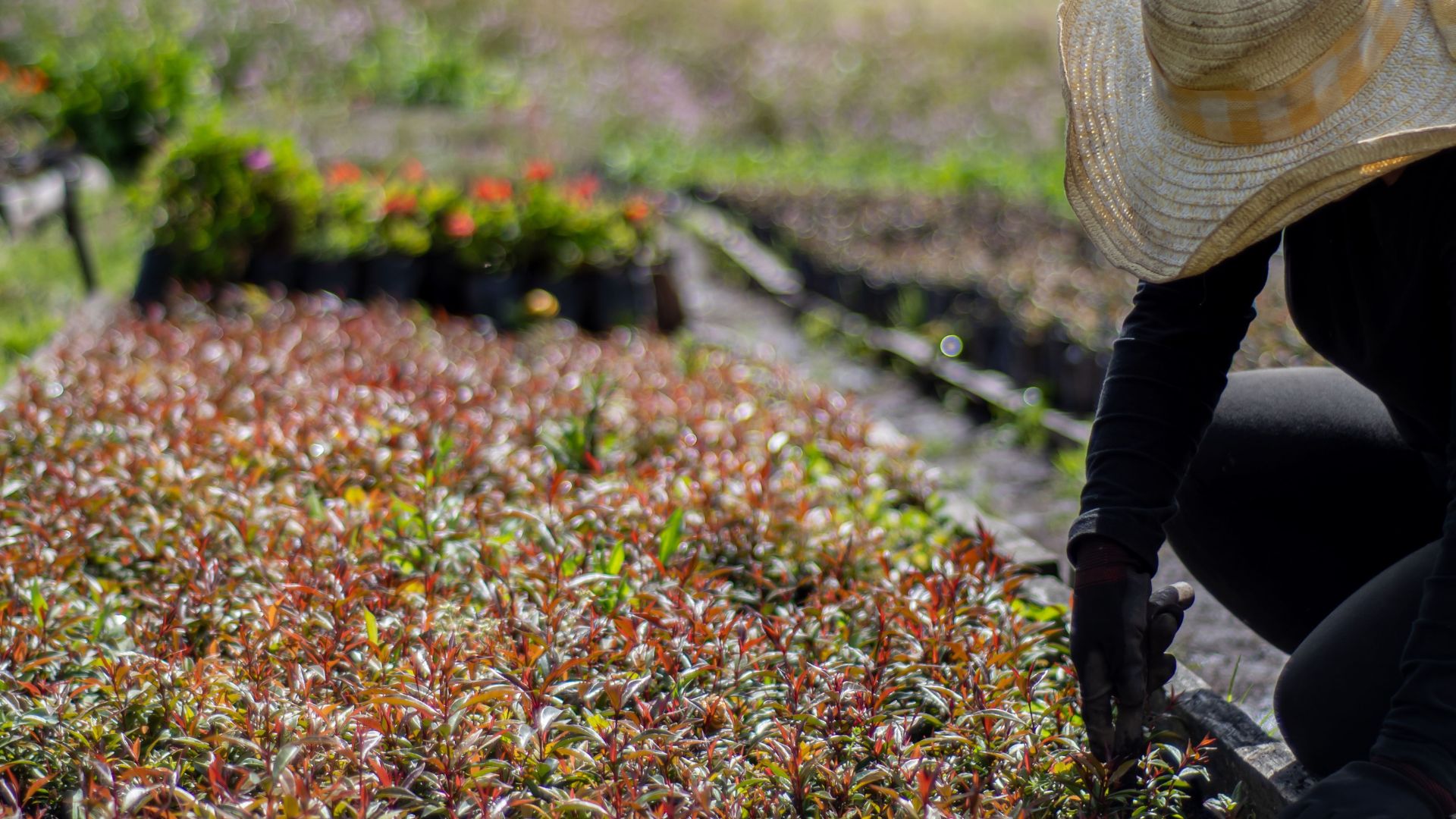

By late summer, it is tempting to let the yard coast until cooler weather arrives. But gardening experts say this transition is actually an important window for preparing plants, lawns, and garden beds for the months ahead. A little work now can help plants recover from summer stress, strengthen new growth, and make next season easier to manage. The trick is knowing which jobs deserve attention before summer ends.
Cut Back Tired Perennials for a Fresh Start
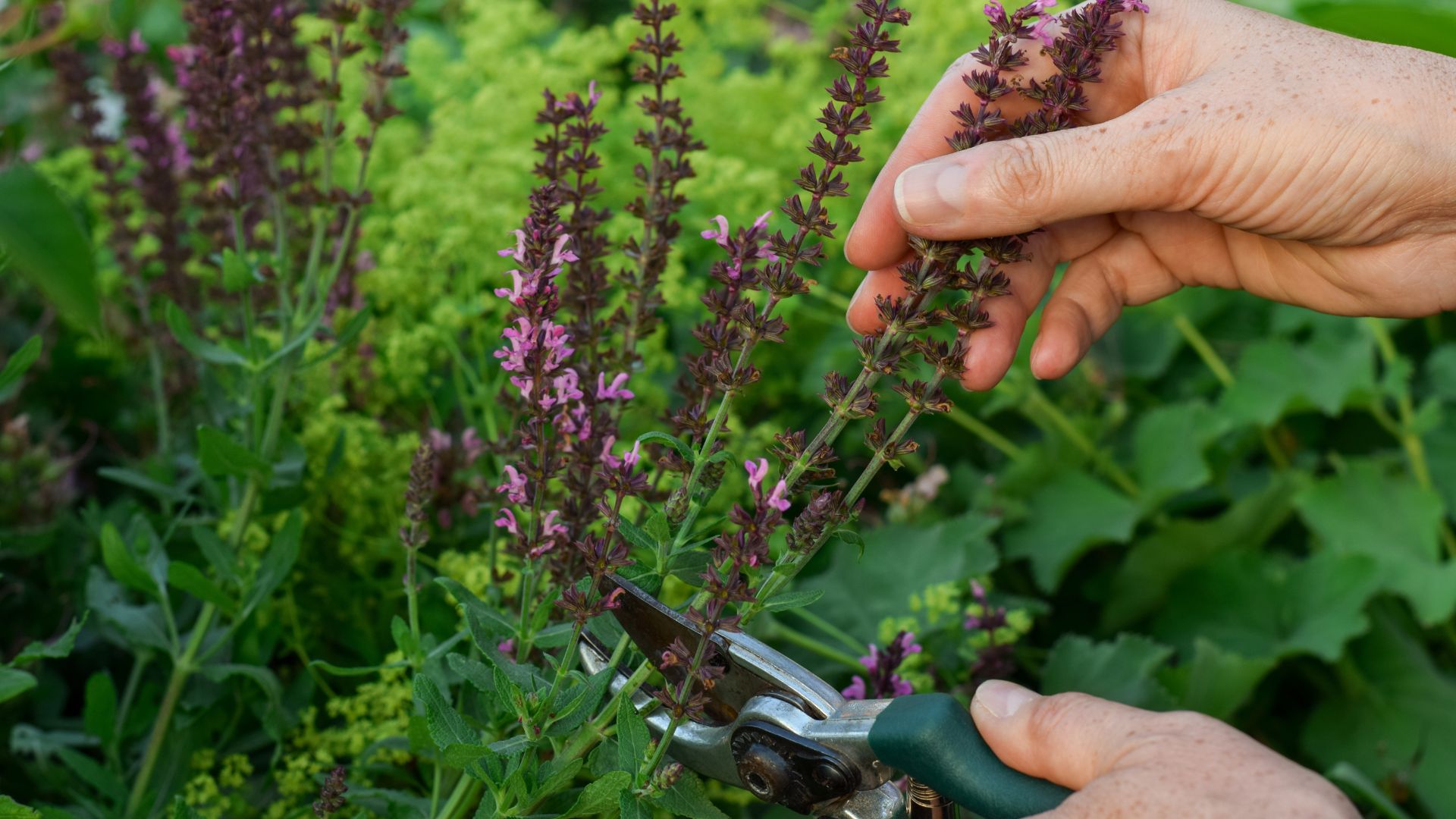
After months of heat and blooming, some perennials can start looking worn out. A light trim that removes faded flowers and tired foliage can encourage fresh growth and, in some cases, another round of blooms. Mark Finlayson recommends this approach for plants including salvia, perennial geranium, catmint, and daisies. The key is to avoid cutting aggressively and leave healthy growth intact.
Deadhead the Flowers That Benefit From It
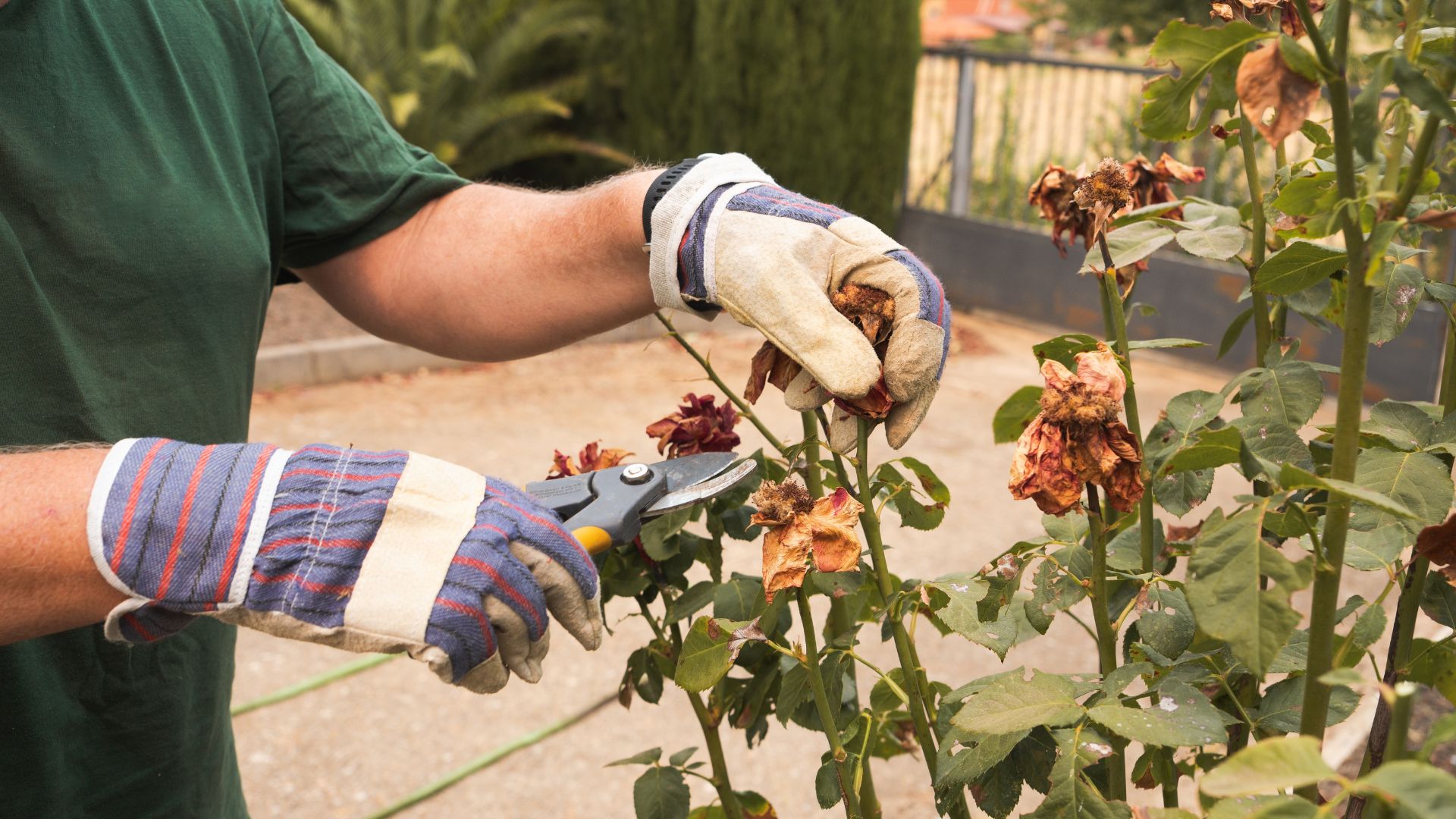
Deadheading can help certain flowers continue producing blooms, but late summer is not the time to treat every plant exactly the same. Landon Gibbs recommends continuing to deadhead roses to encourage another flush of fall flowers. Other plants, including echinacea, black eyed Susans, asters, and goldenrod, can be left alone because their seed heads provide food for songbirds and add winter interest.
Give Garden Beds a Much Needed Cleanup
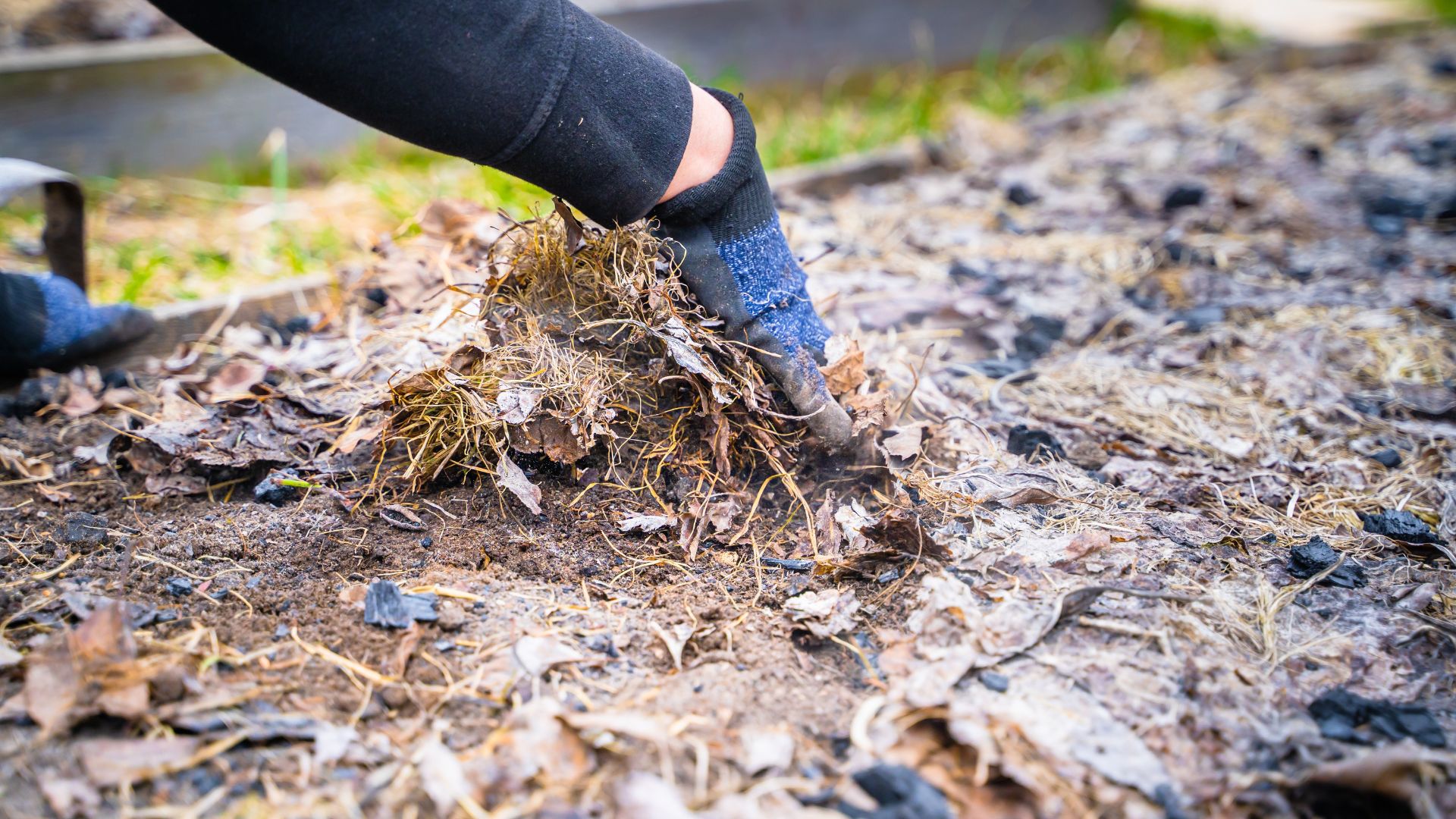
Summer storms, fallen leaves, spent flowers, and broken stems can leave garden beds looking surprisingly messy by August. Clearing away dead twigs, seed pods, old foliage, and other debris can make the area healthier and easier to maintain. Finlayson also recommends edging the beds and adding about an inch of shredded hardwood mulch. That simple refresh can make the garden look tidier while preparing it for the transition into fall.
Shape Shrubs Without Going Too Far
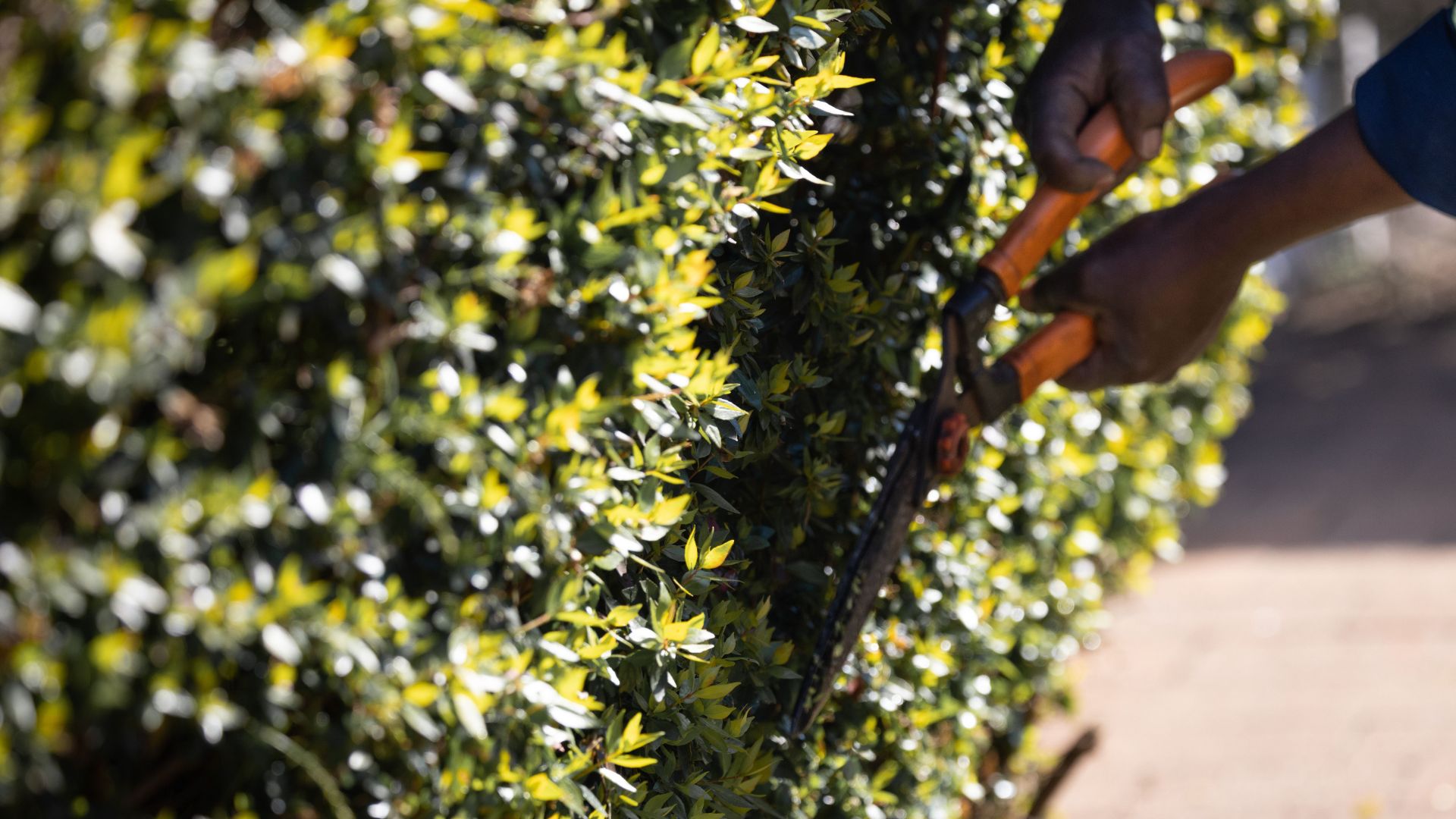
Late summer can be a useful time for light shrub pruning, particularly when plants have become uneven or overgrown. Finlayson recommends lightly shaping shrubs such as laurel, holly, boxwood, and arborvitae while removing dead or broken branches. The goal is not a dramatic haircut. Light pruning can help manage shape and improve light and air movement within the plant, while removing damaged branches may help reduce pest and disease concerns.
Prune Flowering Shrubs Before It Is Too Late

Some flowering shrubs require especially careful timing because their future blooms depend on when you prune them. Landon Gibbs recommends pruning shrubs that bloom on old wood shortly after they finish flowering. Oakleaf hydrangeas are one example. Waiting until fall, winter, or spring can mean removing flower buds that would have produced next year’s blooms. A little attention to timing now can therefore protect the next growing season.
Keep New Plants Watered Even as Summer Fades
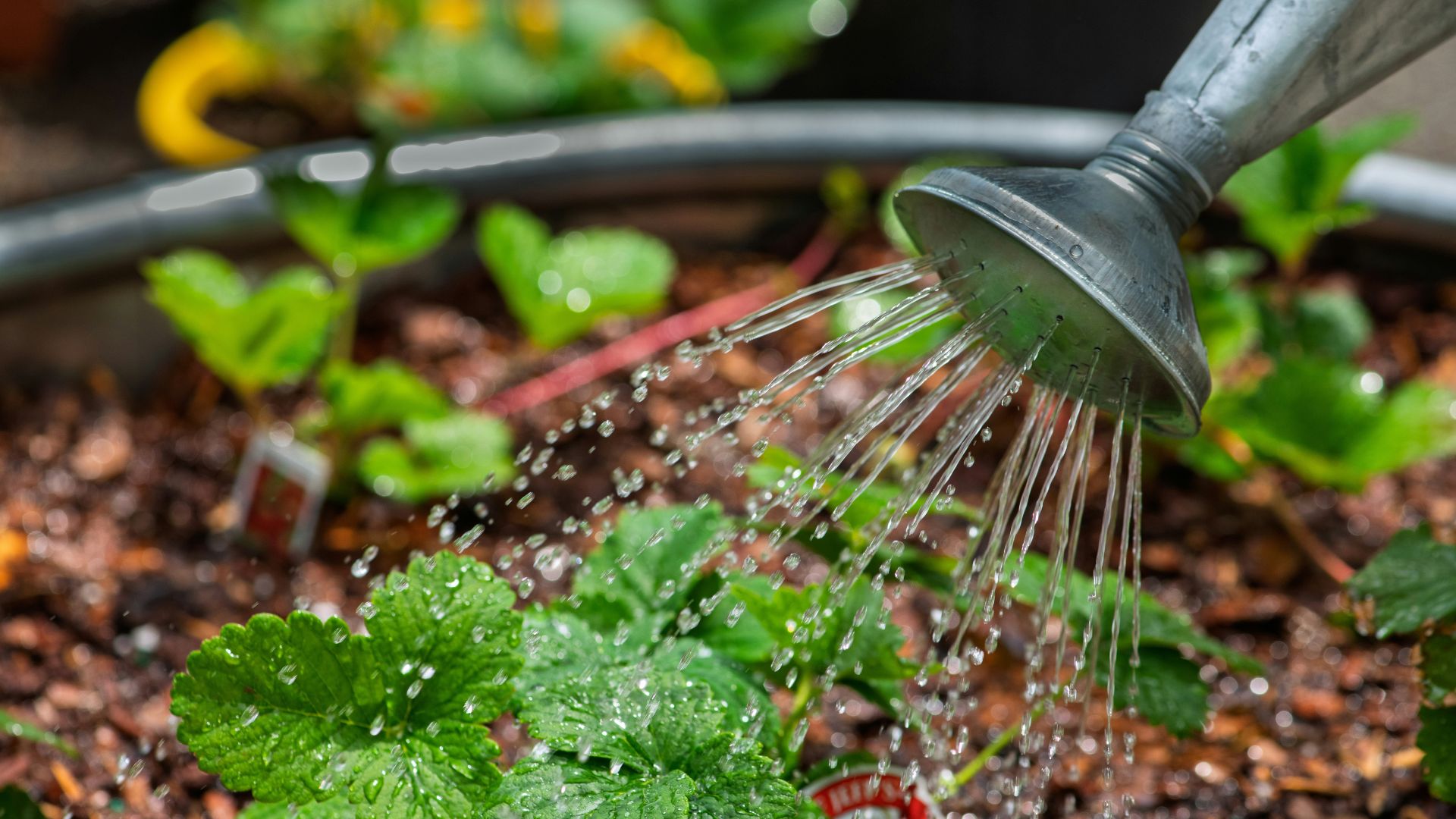
Cooler evenings can make it tempting to reduce watering, but newly planted trees, shrubs, and perennials still need consistent moisture while their roots become established. Matt Swart says keeping new plantings well watered at the end of summer helps them develop strong root systems before cooler weather arrives. If dry conditions continue, homeowners should not assume new landscaping can manage without regular watering simply because summer is winding down.
Pull Weeds Before They Set Seed
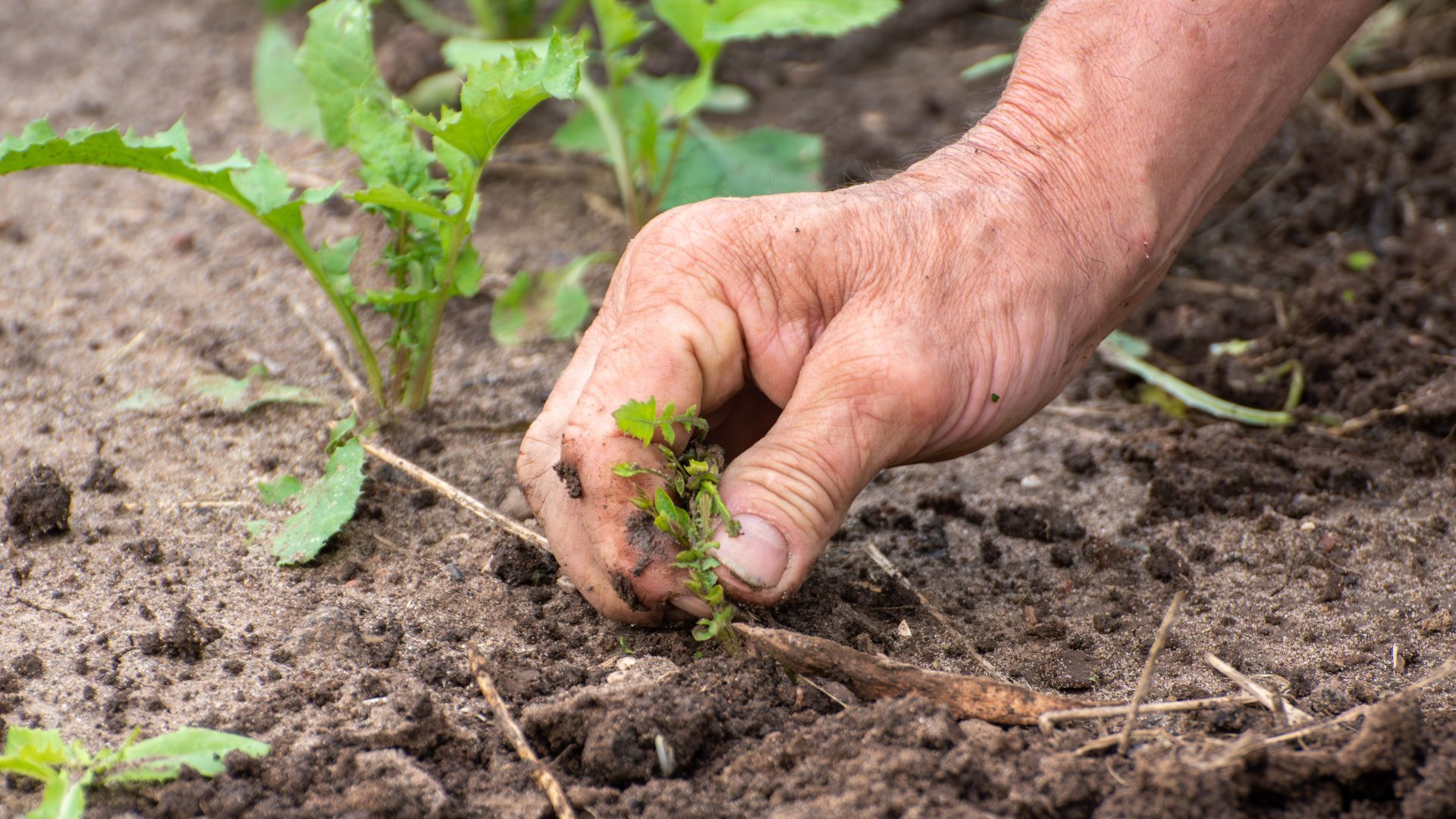
Late summer weeds are not just an eyesore. Allowing them to produce seeds can create a much bigger problem later, with Swart warning that removing weeds before they go to seed can prevent hundreds or even thousands of new weeds from spreading. Pulling them also reduces competition for water, nutrients, and sunlight. Taking care of persistent weeds now can save considerable effort when the garden wakes up again next season.
Divide Perennials That Have Outgrown Their Space
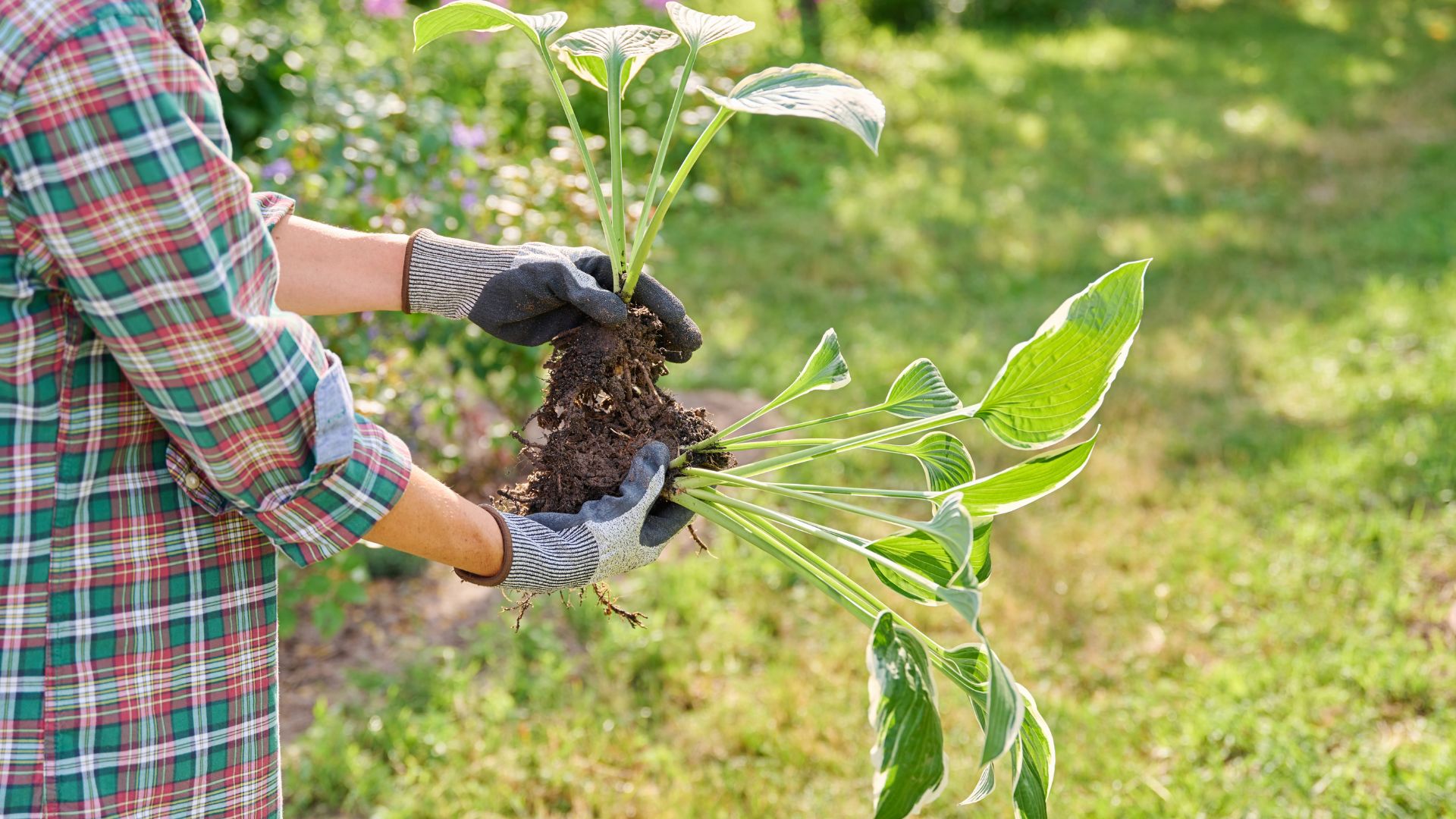
A crowded perennial bed can be a sign that plants are thriving, but overcrowding can eventually limit room for roots to develop. Late summer is considered a good time to divide certain spring and summer blooming perennials. Swart says dividing them can rejuvenate older plants, create more space for roots, and potentially improve flowering the following year. The extra divisions can also be moved elsewhere in the yard or shared with neighbors.
Freshen Up Faded Mulch
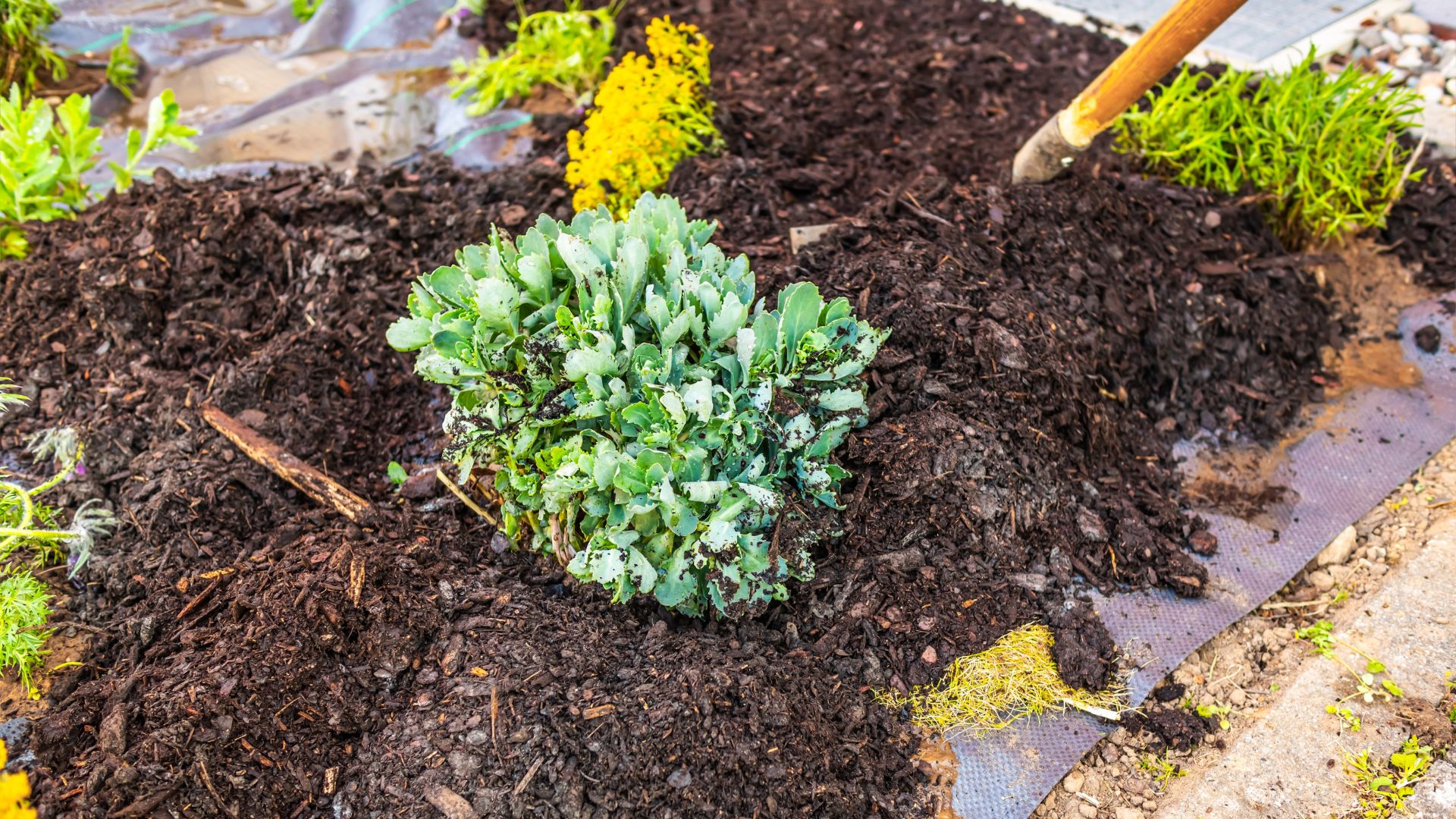
Mulch naturally breaks down and loses its appearance over time, making late summer a practical opportunity to replenish it. A fresh layer can help retain soil moisture, protect plant roots as temperatures change, suppress weeds, and regulate soil temperatures. Swart recommends refreshing mulch at the end of summer for these reasons. It also gives garden beds a cleaner, more finished appearance heading into fall.
Repair Thin Spots in the Lawn
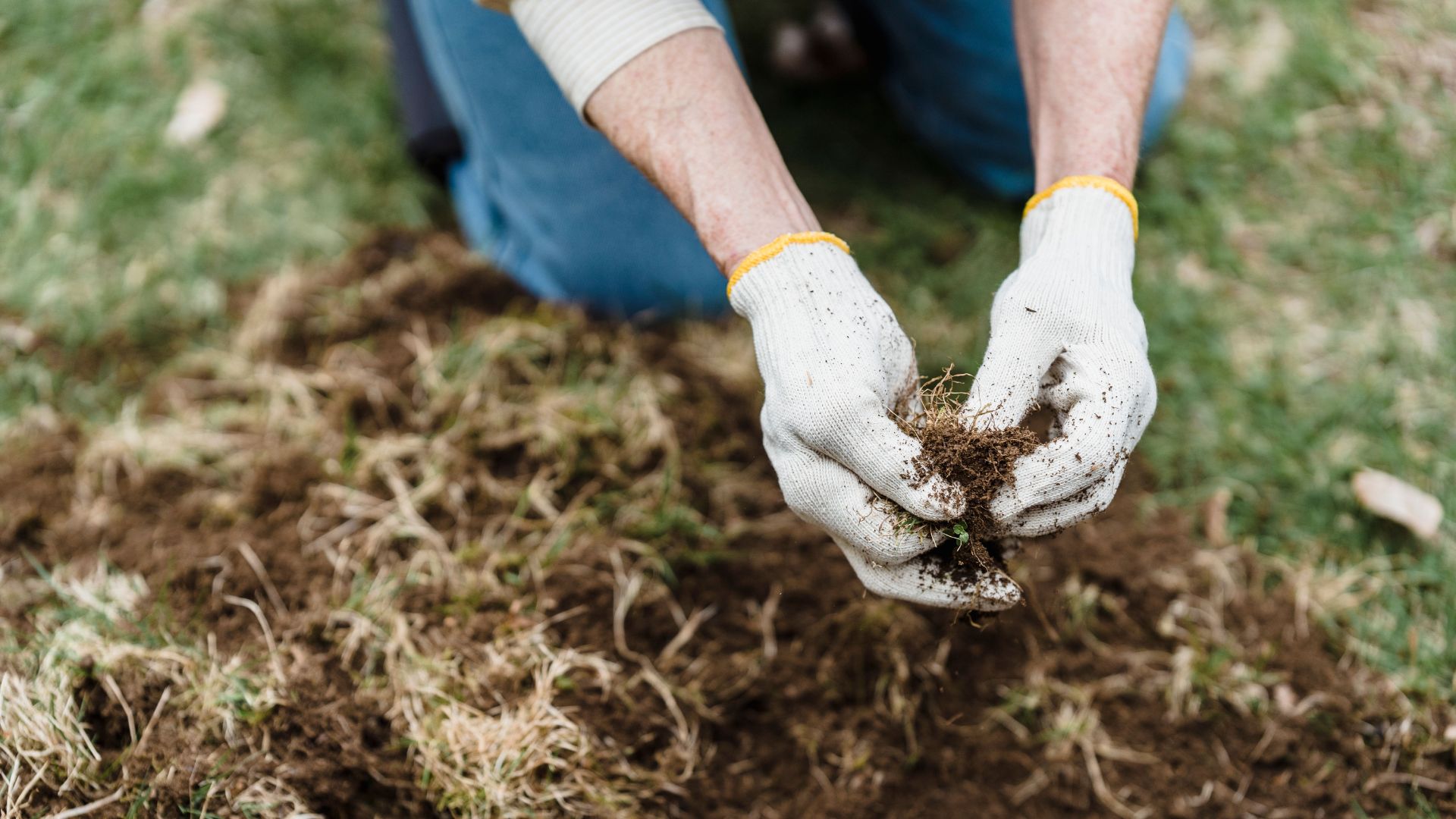
If summer heat has left parts of your lawn thin or bare, late summer can be a useful time to overseed. Swart explains that new grass seed can benefit from the cooler temperatures and increased moisture that arrive in early fall, giving roots a chance to establish before winter. Filling weak areas now can help create a thicker, healthier lawn instead of waiting until the problem becomes more noticeable next season.
Give New Landscape Additions Some Extra Support
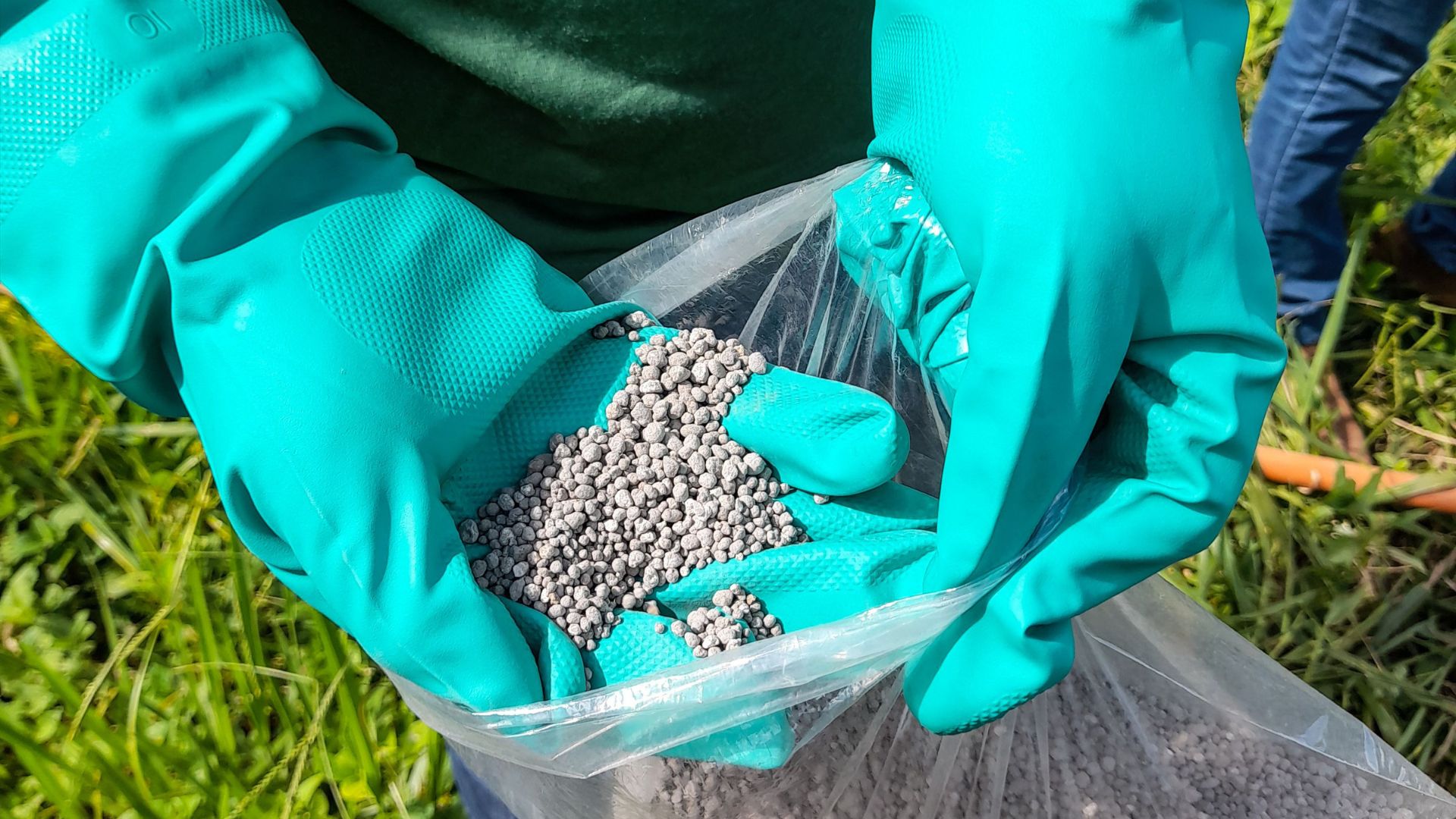
Recently planted trees, shrubs, and perennials may still be actively growing even as established plants begin slowing down. Swart notes that new plants continue developing their root systems into fall and may benefit from additional nutrients during this period. Fertilizing should be approached according to the needs of the specific plants and local conditions, but the broader point is important: newer additions can require different care from mature landscaping.
Use Summer’s Lessons to Plan Ahead
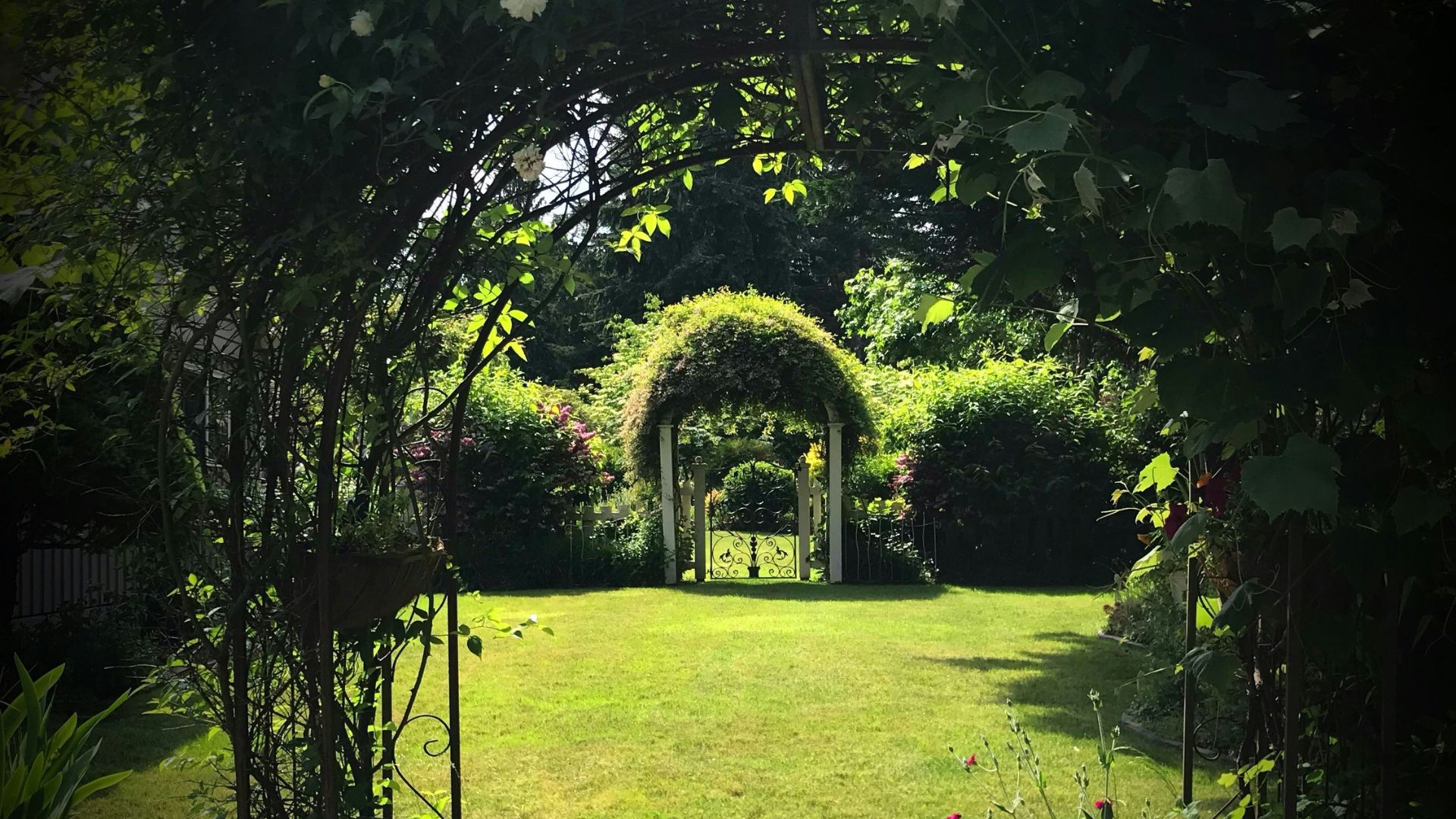
Late summer gives homeowners something they cannot get earlier in the season: a clear picture of how the landscape handled real stress. Brandy Hall recommends noting where water pools, which plants struggled during peak heat, and where weeds repeatedly return. Those observations can guide smarter choices in the months ahead. Instead of simply fixing today’s problems, use the information to decide what your yard may need next year.
Prepare New Garden Beds Before You Need Them

If you have been considering reducing lawn or adding a new planting area, late summer can be a useful time to begin preparing. Hall recommends sheet mulching, which involves layering cardboard, compost, and mulch over existing turf. Over the following months, those materials can break down and create nutrient rich soil that is ready for planting in fall or spring. Starting now can turn a future project into a much easier one.
The Best Yard Work Looks Ahead
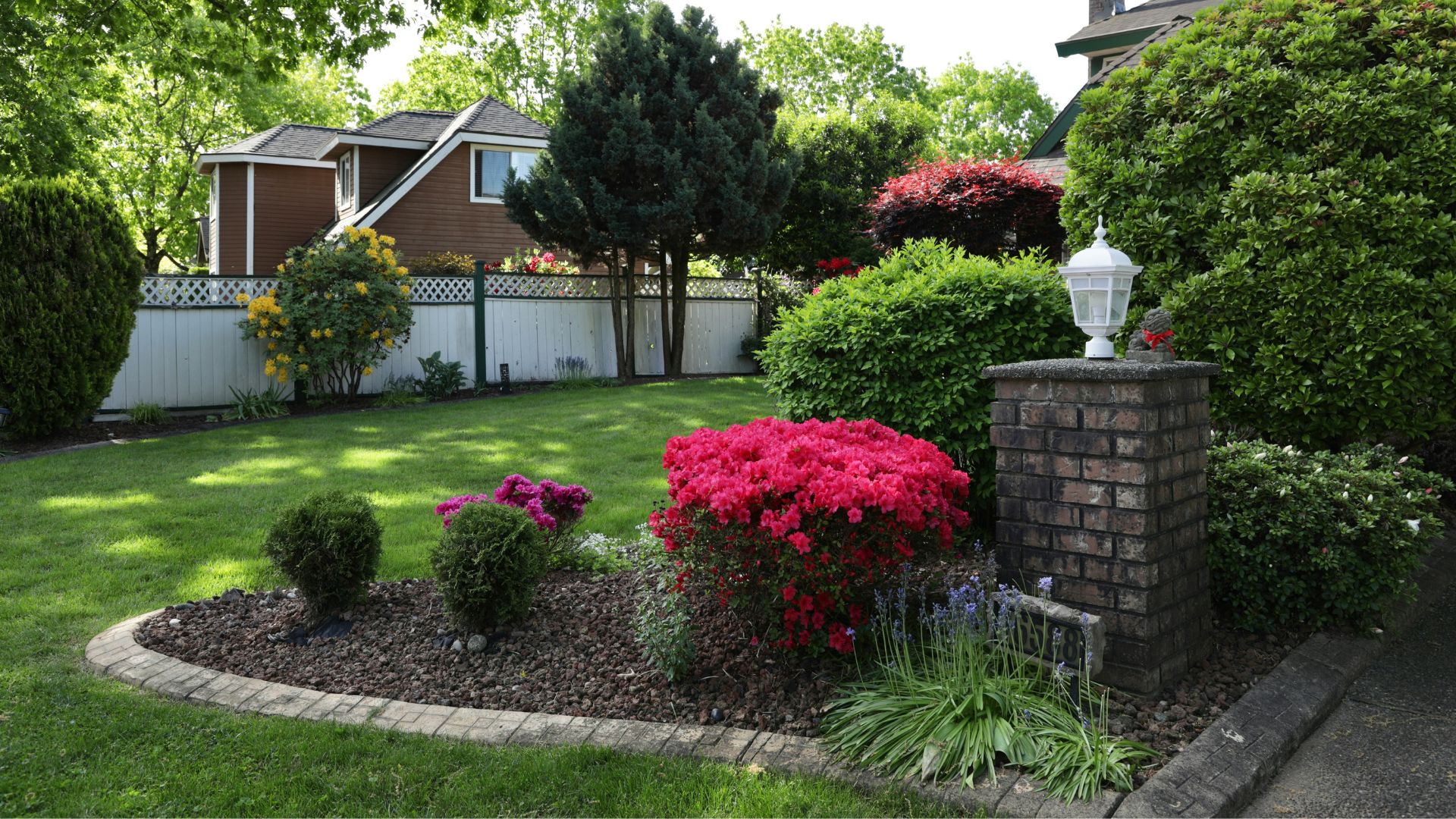
End of summer landscaping is not simply about making the yard look tidy before fall. The most useful tasks can help plants recover, protect soil, strengthen lawns, and prepare garden spaces for what comes next. Experts also recommend thinking beyond individual chores and paying attention to how water, plants, soil, and other parts of the landscape work together. That long term approach can make a yard healthier, more resilient, and easier to maintain.